

Choosing the right stone for your project—whether it's a kitchen backsplash, a commercial facade, or a home renovation—feels a bit like picking a partner. It needs to look good, stand the test of time, fit your budget, and maybe even align with your values (like sustainability). Two options that often end up in the spotlight are Fine Line Stone (White) and granite. One is a modern, engineered standout; the other is a classic, natural heavyweight. But which one truly gives you more bang for your buck? Let's dive in.
First, let's get one thing straight: "value for money" isn't just about the price tag. It's about balancing upfront costs, long-term durability, maintenance headaches, and how well the material fits your project's needs. A cheap material that cracks in a year? Not valuable. A pricey one that lasts decades with minimal upkeep? That might be a steal. So, let's unpack both stones, warts and all, to see which earns the title of "best value."
If granite is the wise elder of building materials, Fine Line Stone (White) is the innovative newcomer. Part of the broader family of mcm flexible stone , it's engineered to combine the beauty of natural stone with the practicality of modern materials. Think of it as stone with a "flexible" personality—lighter, easier to work with, and designed for the demands of contemporary architecture.
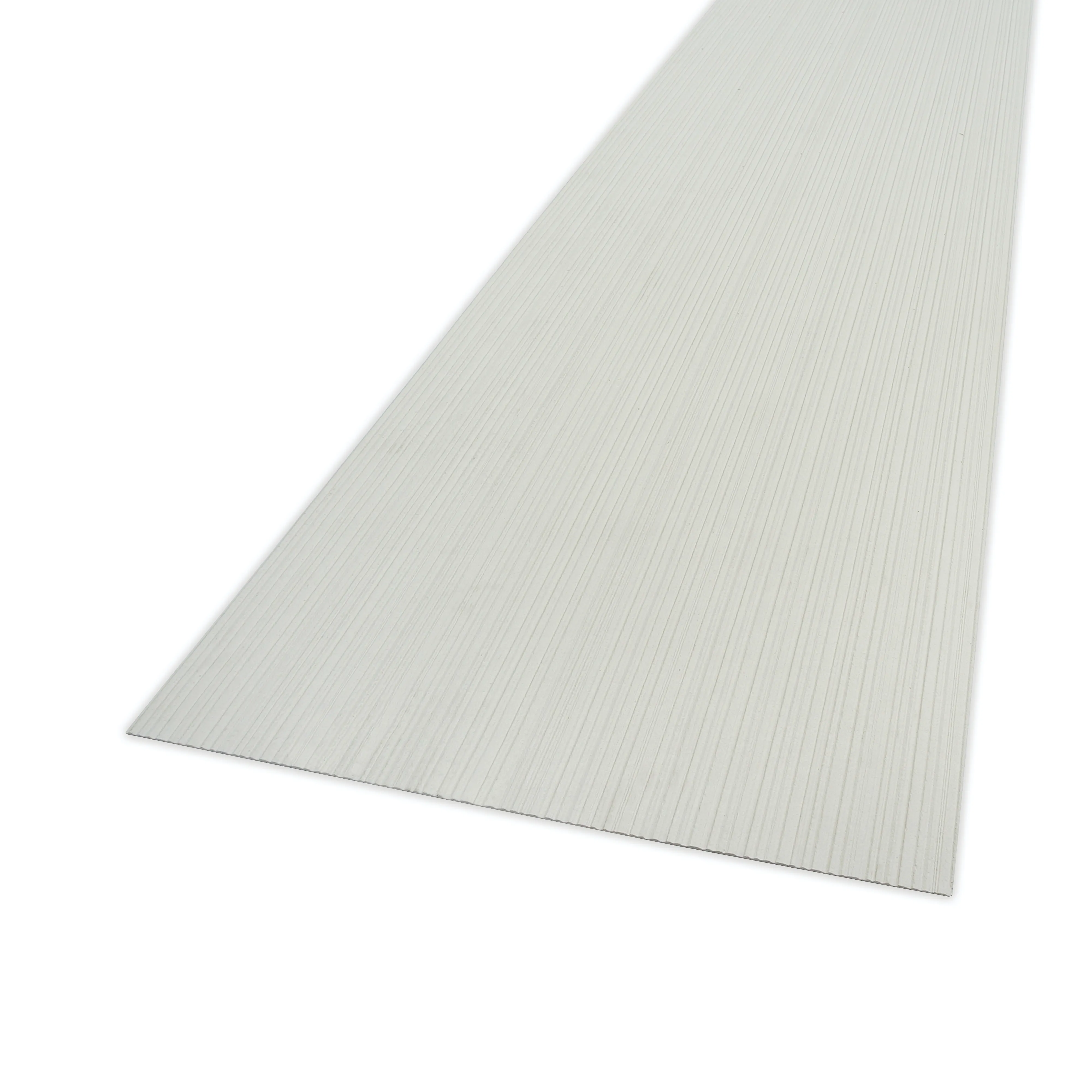
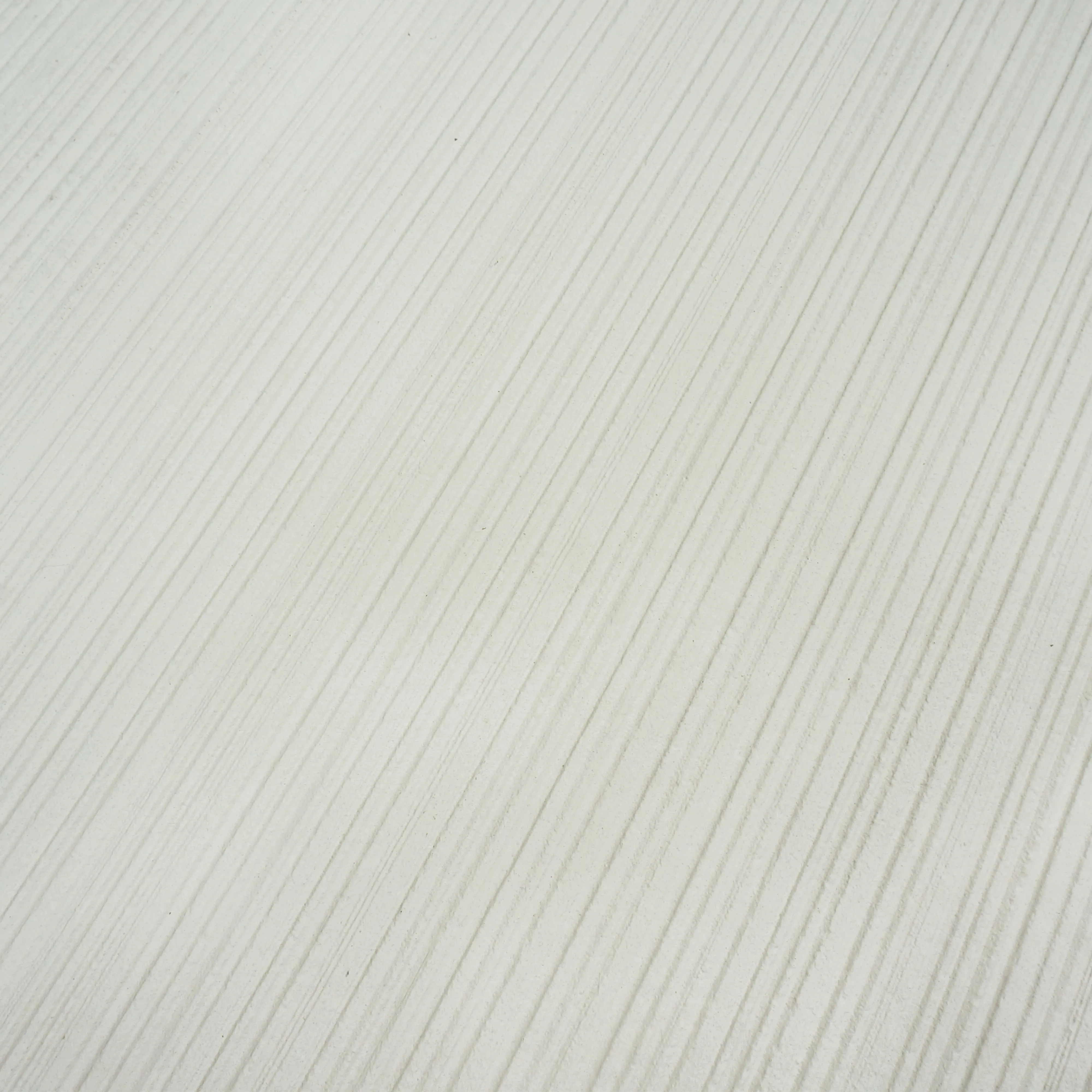
Unlike granite, which forms over millions of years deep in the earth, Fine Line Stone (White) is a product of human ingenuity. It's typically made from a blend of natural stone aggregates (like marble or limestone dust), polymers, and reinforcing fibers. This mix is pressed, cured, and finished to create thin, lightweight panels that mimic the look of natural stone but with added benefits. The "fine line" in its name refers to its signature texture: subtle, parallel veining that adds depth without overwhelming a space—think soft brushstrokes of off-white and light gray, like a watercolor painting in stone form.
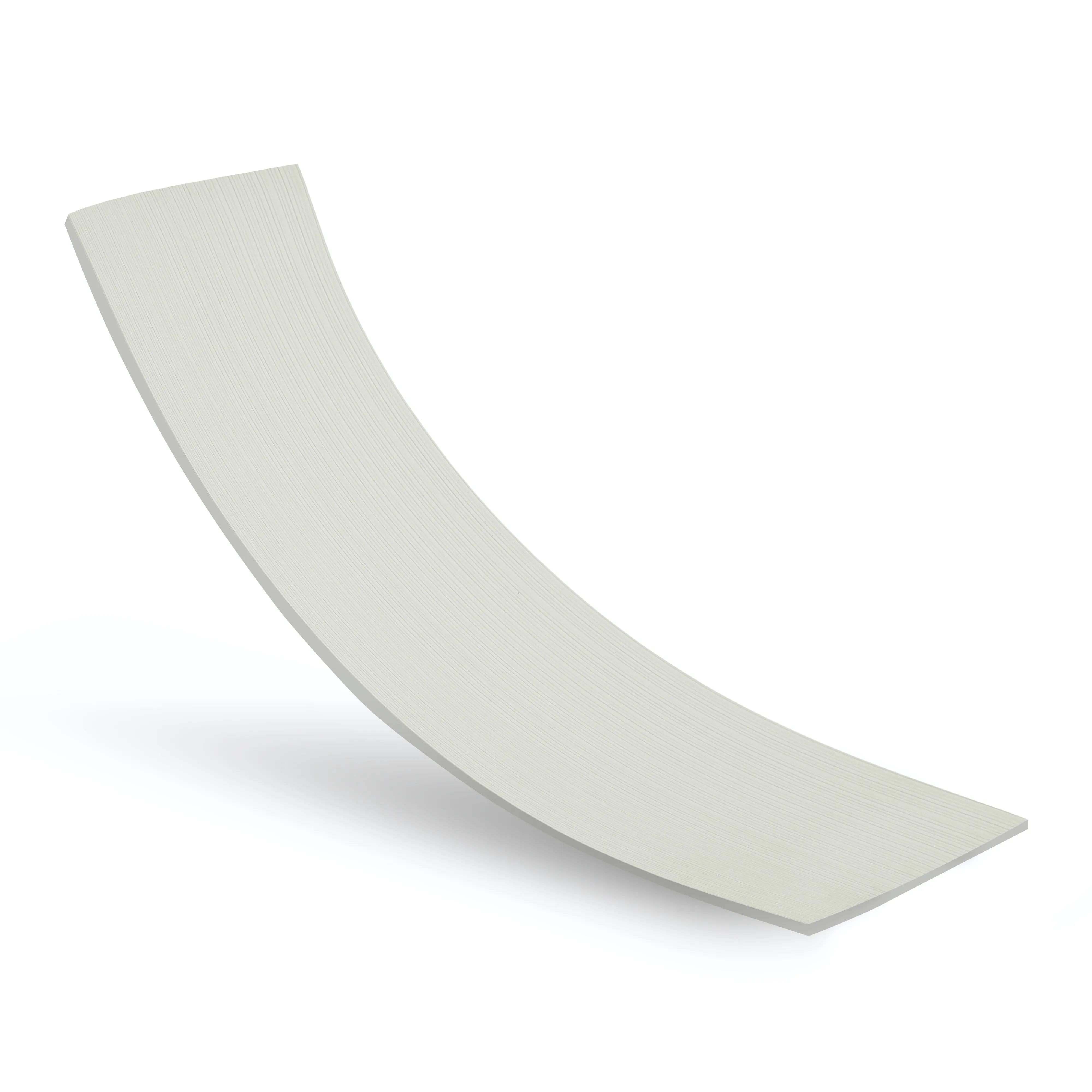
White is a timeless color in design, and Fine Line Stone (White) leans into that. Its neutral palette makes it a chameleon—equally at home in a minimalist kitchen, a cozy bathroom, or a sleek office lobby. The fine lines add just enough visual interest to prevent it from feeling flat, unlike plain white tiles. And because it's engineered, you get consistency: no wild color variations or unexpected pits, which is a relief if you're aiming for a cohesive look across a large surface. It's also available in flexible stone cladding panels , meaning it can wrap around curves, columns, or uneven walls—something natural stone struggles with.
Here's where it really stands out: flexibility. Traditional stone is heavy and rigid, which limits where it can be used. Fine Line Stone (White), being part of the MCM family, is thin (often 3-5mm thick) and bendable. This makes it ideal for cladding exterior walls (no need for massive structural support), creating feature walls with curved edges, or even using it as a backsplash in tight, awkward spaces. Installers love it because it's easier to cut, handle, and transport—less risk of breakage, fewer heavy lifting costs, and faster installation times.
Granite needs no introduction. For decades, it's been the gold standard for durability and luxury. Mention "granite countertops," and most people picture a sleek, polished surface in a kitchen, resisting heat, scratches, and the chaos of daily life. But there's more to this natural stone than meets the eye.
Granite forms when magma cools slowly beneath the Earth's surface, crystallizing into a hard, granular rock. It's made up of minerals like quartz, feldspar, and mica, which give it its characteristic speckled or swirled patterns. Every slab is unique—no two are exactly alike. Quarried from sites around the world (think Brazil, India, Italy), granite comes in a rainbow of colors: blacks, whites, reds, greens, and everything in between. The white granites (like White Ice or Alaska White) are popular for their bright, clean look, often with gray, black, or beige flecks.
Granite's charm lies in its imperfection. The random patterns and color variations tell a story of millions of years of geological activity, which adds warmth and character to a space. A white granite slab might have dramatic veining, pops of gold, or tiny black speckles that catch the light—perfect if you want a focal point. It's also available in different finishes: polished (shiny and reflective), honed (matte and soft), or leathered (textured for grip). This versatility has kept it a favorite in both traditional and modern designs.
Granite is tough—like, "can withstand a hot pot directly from the stove" tough. It's scratch-resistant (though not scratch-proof), heat-resistant, and doesn't stain easily if sealed properly. This durability is why it's been trusted for high-traffic areas: kitchen countertops, bathroom vanities, flooring, and even outdoor patios. It's a material that ages gracefully; minor scratches or etches can often be polished out, and its color fades minimally over time, even with exposure to sunlight.
Now, let's pit them against each other. We'll break down the factors that matter most when calculating "value for money": durability, cost (upfront and long-term), installation, maintenance, and environmental impact.
Granite: When it comes to longevity, granite is a champion. With proper care, it can last 50+ years—even a lifetime. It's resistant to cracks, chips, and heat, and its density means it doesn't absorb water easily (as long as it's sealed). I've seen granite countertops in 1970s homes that still look great with a little refinishing. The only real risk is improper installation (like inadequate support, which can cause cracking) or extreme force (dropping a heavy object directly on an edge).
Fine Line Stone (White): As an engineered stone, it's durable, but not quite as indestructible as granite. Most manufacturers rate it for 20-30 years of indoor use, or 15-20 years outdoors (exposure to harsh weather can degrade the polymers over time). It's scratch-resistant for daily use (keys, pots, kids' toys), but it's not heat-proof—placing a hot pan directly on it might cause discoloration. It's also more prone to chipping on edges if hit hard. That said, for low-to-moderate traffic areas, it's more than sturdy enough.
Let's talk numbers. Granite is generally pricier upfront. The cost ranges from $50 to $150 per square foot, depending on the type (rare colors cost more), thickness, and finish. Then there's installation: because it's heavy (10-15 pounds per square foot), you may need to reinforce cabinets or walls, and labor costs are higher (around $30-$60 per square foot). So a 30-square-foot kitchen backsplash could set you back $2,400-$6,300 total.
Fine Line Stone (White) is more budget-friendly initially. Material costs are typically $30-$80 per square foot, and installation is cheaper because it's lightweight (2-4 pounds per square foot) and flexible—no need for structural reinforcement, and labor is around $15-$30 per square foot. The same 30-square-foot backsplash might cost $1,350-$3,300 total—nearly half the price of granite in some cases. But here's the catch: long-term costs. Granite needs sealing every 1-3 years ($50-$100 per treatment), while Fine Line Stone (White) is often pre-sealed and only needs resealing every 5-7 years ($30-$70 per treatment). Over 20 years, granite's maintenance costs add up—maybe $500-$1,000 more than Fine Line Stone. Still, granite's longer lifespan might offset that if you plan to stay in your home for decades.
Granite: Installing granite is a job for professionals. Its weight and rigidity mean precise measurements are critical, and cutting it requires special tools (diamond blades) to avoid cracking. If you're working with curves or uneven surfaces, forget it—granite can't bend. You'll also need to account for seams, which are visible and can be tricky to hide. All this adds time; a backsplash might take 1-2 days, while a full kitchen countertop could take a week.
Fine Line Stone (White): Installation is a breeze by comparison. It comes in large panels (often 4x8 feet), so fewer seams. It can be cut with standard tools (a utility knife or jigsaw), and it adheres with simple construction adhesive—no mortar needed. Even DIYers with moderate skills could tackle small projects, though hiring a pro is still recommended for best results. A backsplash might take just a few hours, and a facade could be done in days instead of weeks. For projects with tight deadlines or hard-to-reach areas, this is a huge plus.
Granite demands regular care. As mentioned, sealing every 1-3 years is a must to prevent stains (wine, oil, and acidic liquids like lemon juice can etch the surface if left too long). You'll also need to clean it with pH-neutral cleaners—no harsh chemicals or abrasive sponges, which can wear down the sealant. It's not high-maintenance, but it's not "set it and forget it" either.
Fine Line Stone (White) is low-maintenance. Most brands come pre-sealed, and the polymers in the mix make it more stain-resistant than natural stone. Daily cleaning with mild soap and water is enough, and you can use slightly abrasive sponges without worrying about scratches. Resealing every 5-7 years is recommended, but even if you skip a year or two, it's less likely to stain than granite. For busy homeowners or commercial spaces where maintenance is a hassle, this is a big win.
Sustainability matters more than ever. Granite has a bigger environmental footprint. Quarrying it involves heavy machinery, which emits CO2, and transporting large slabs burns more fuel. It also generates waste—up to 30% of quarried stone is discarded as scrap. On the flip side, it's a natural, non-toxic material, and if well-maintained, it doesn't end up in landfills for decades.
Fine Line Stone (White) is often more eco-friendly. Many manufacturers use recycled stone dust and low-VOC polymers in production, reducing waste and emissions. Its lightweight design also cuts down on transportation fuel use. However, some polymers can off-gas slightly initially, and if it's not disposed of properly at the end of its life, it may not biodegrade (though some brands are working on recyclable options). For green-focused projects, it's a more responsible choice than traditional stone, but not as "natural" as granite.
Let's put this into context with examples. Scenario 1: A homeowner renovating a kitchen. If you cook daily, have kids, or love hosting, granite's durability makes sense—you won't stress about scratches or heat. But if you're on a budget, rent, or plan to sell in 5-10 years, Fine Line Stone (White) gives you a high-end look for less, and its neutral color will appeal to buyers.
Scenario 2: A restaurant designing an outdoor patio. Granite can handle the elements, but its weight might require expensive foundation work. Fine Line Stone (White) is lighter, easier to install on rooftops or uneven ground, and its flexibility can create unique curved seating walls. Just be sure to choose an outdoor-rated version to withstand rain and UV rays.
Scenario 3: A hotel lobby with a curved feature wall. Here, Fine Line Stone (White) is the clear winner. Granite can't bend, so you'd end up with visible seams that ruin the curve. Flexible stone cladding panels wrap around smoothly, creating a seamless, luxurious look at a fraction of the cost of custom-cut granite.
| Factor | Fine Line Stone (White) | Granite |
|---|---|---|
| Durability | Good (20-30 years indoor; 15-20 years outdoor) | Excellent (50+ years with care) |
| Upfront Cost | Lower ($30-$80/sq ft material + $15-$30/sq ft labor) | Higher ($50-$150/sq ft material + $30-$60/sq ft labor) |
| Long-Term Cost | Lower (minimal maintenance; reseal every 5-7 years) | Higher (seal every 1-3 years; potential repair costs) |
| Installation | Easy (lightweight, flexible, DIY-friendly for small projects) | Complex (heavy, rigid, requires professionals) |
| Best For | Budgets, curved surfaces, rentals, low-to-moderate traffic | High-traffic areas, heat exposure, long-term ownership |
| Environmental Impact | Better (recycled materials, lower transportation emissions) | Worse (quarrying waste, high transportation costs) |
It depends on your priorities. If you want a material that will outlast your mortgage, can handle heavy use, and you don't mind paying more upfront, granite is worth the investment. It's a classic for a reason—timeless, durable, and always in style.
But if you're looking for affordability, versatility, and lower maintenance, Fine Line Stone (White) is the smarter choice. Its modern design, flexibility, and budget-friendly price make it ideal for anyone who wants a high-end look without the high-end cost, especially for projects with unique shapes or tight deadlines. And with its growing popularity, it's no longer seen as a "cheap alternative"—it's a legitimate, stylish option in its own right.
At the end of the day, value is personal. Ask yourself: How long will I use this space? What's my budget? Do I need flexibility or extreme durability? Both stones have their strengths, but for most homeowners and businesses today, Fine Line Stone (White) offers the perfect balance of form, function, and cost—proving that sometimes, the newer kid on the block can teach the old-timer a thing or two about value.
Recommend Products












