

Let's start with a moment we've all lived through: standing in a hardware store or scrolling through a design catalog, fingers hovering over a sample of marble that takes your breath away. It's swirled with soft grays and whites, like a painting frozen in stone. Then your eye drifts to a nearby slab—Fine Line Stone (White)—and the salesperson mentions it's "just as pretty, but way tougher." Cue the mental tug-of-war: Do you splurge on the marble that feels luxurious, or play it safe with the stone that promises to outlast kids, pets, and years of morning coffee spills? If you've ever felt this tension, you're not alone. Choosing a material that balances beauty and durability is one of the hardest parts of any renovation or build. Today, we're diving deep into two popular options—Fine Line Stone (White) and marble—to help you decide which one truly delivers when it comes to standing the test of time.
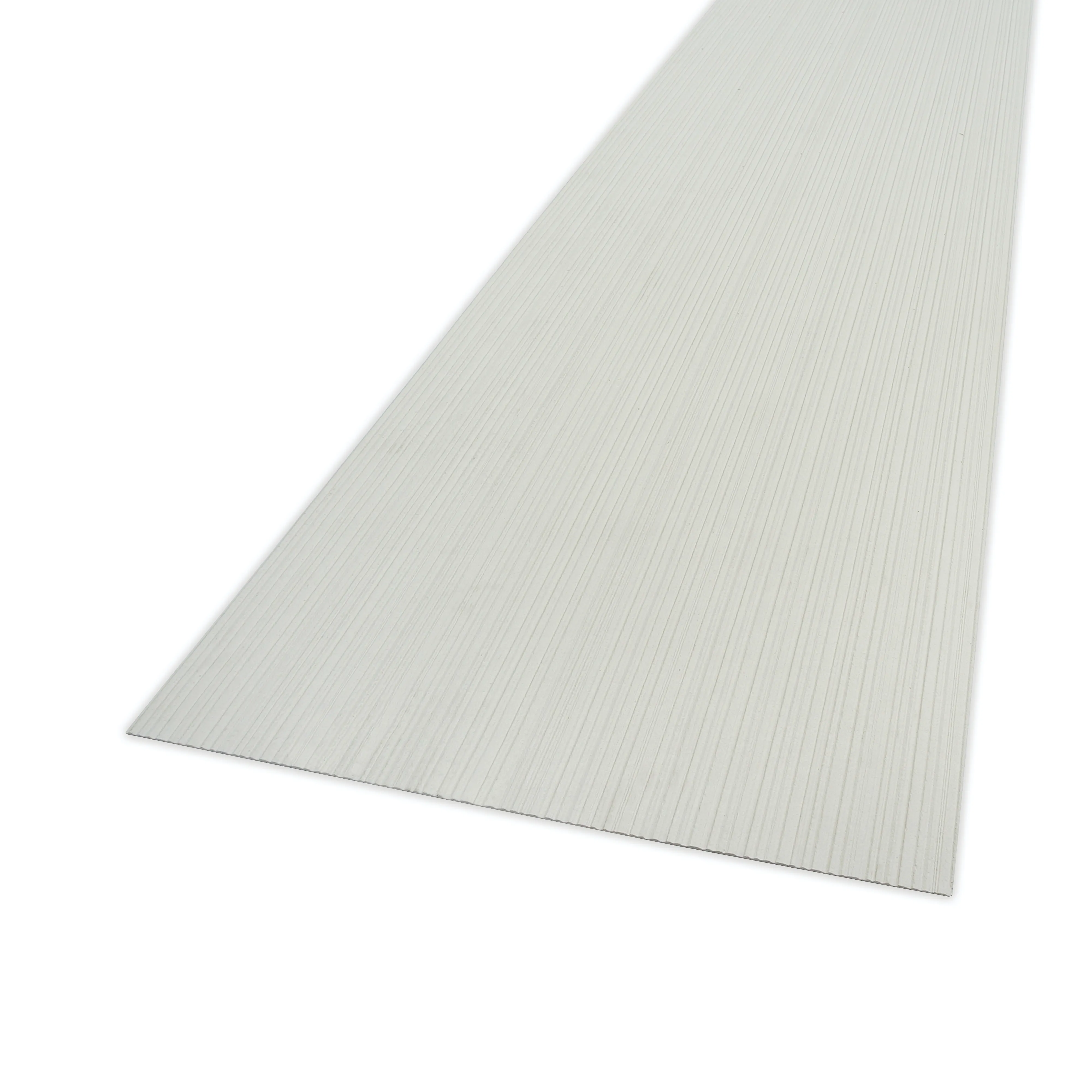
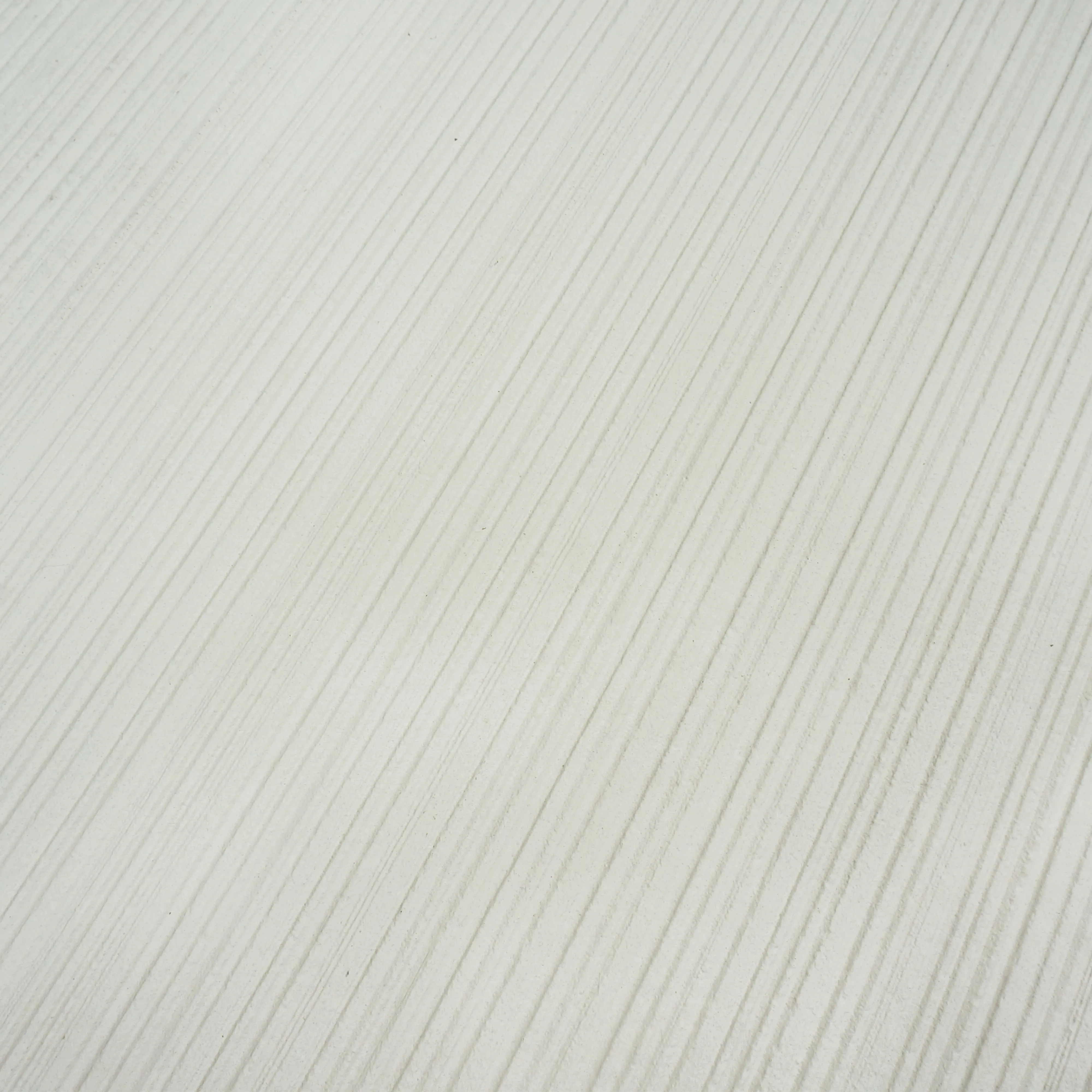
If you're not familiar with Fine Line Stone (White), you're not alone. It's part of a newer wave of engineered stones designed to mimic the look of natural materials while addressing their biggest flaws. Think of it as the practical cousin of marble—crafted in labs and factories to combine the best of both worlds: aesthetics and resilience. Made from a blend of natural minerals (often quartz or limestone), resins, and pigments, Fine Line Stone (White) gets its name from the ultra-thin, precise veining that runs through it—subtle enough to feel organic, but consistent enough to avoid the "busy" look some natural stones have. Unlike marble, which is dug from the earth in (boulders) and cut into slabs, Fine Line Stone (White) is engineered to have uniform properties, which is a game-changer for durability.
I recently chatted with Mia, a contractor who specializes in kitchen remodels, and she put it this way: "Five years ago, everyone wanted marble countertops. Now? Half my clients ask for Fine Line Stone (White) because they've heard horror stories from friends who had marble. One client's marble island got stained by a potted plant's water leak—permanently. Another had to reseal it every three months because her kids kept spilling juice. Fine Line? I've installed it in homes with toddlers and dogs, and it still looks brand-new after two years. It's not that marble is bad; it's just that most people don't realize how high-maintenance it is until it's too late."
Let's be clear: Marble isn't going anywhere. For centuries, it's been the gold standard of luxury—used in palaces, museums, and iconic buildings (think the Taj Mahal or Michelangelo's David). There's something about its soft, luminous glow and unique veining that feels almost alive. No two slabs are identical, which is part of its charm. Run your hand over a polished marble surface, and it's cool to the touch, smooth as silk, and instantly elevates any space from "nice" to "extraordinary."
But here's the catch: that beauty comes with a price—literally and figuratively. Marble is a natural stone formed from limestone subjected to extreme heat and pressure over millions of years. While that process creates its stunning patterns, it also leaves it with some inherent weaknesses. For starters, it's relatively soft. On the Mohs hardness scale (which rates minerals from 1, the softest, to 10, the hardest), marble clocks in at 3 to 4. For context, your fingernail is a 2.5, and a steel knife is a 5. That means everyday objects—like a dropped key or a sliding plate—can scratch it. Then there's porosity: marble is full of tiny pores that act like sponges, absorbing liquids and stains. A spilled glass of red wine, a drizzle of olive oil, or even lemon juice (which is acidic) can etch the surface, leaving permanent marks if not cleaned immediately.
I visited a historic bed-and-breakfast last year that had original marble floors in the lobby, installed in the 1920s. They were stunning, but you could see the wear: small scratches from decades of foot traffic, faint water rings near the entrance, and a few darker spots where spills had seeped in. The innkeeper, Clara, laughed when I pointed them out. "We love these floors—they tell a story," she said. "But if we were building today, we'd probably choose something more durable for the lobby. We seal them twice a year, and we still hold our breath when guests walk in with wet shoes. For the guest bathrooms, though? We used marble vanities. They're in low-traffic areas, and the guests treat them gently. It's all about balance."
So, how do Fine Line Stone (White) and marble stack up when it comes to durability? Let's break it down into the factors that matter most for your project—whether it's a kitchen countertop, a bathroom floor, or an outdoor patio.
As we mentioned, marble is soft—3 to 4 on the Mohs scale. Fine Line Stone (White), on the other hand, is engineered to be harder, typically ranging from 5 to 6. That might not sound like a big difference, but in real life, it's huge. A 5 on the Mohs scale means it can resist scratches from everyday items like keys, utensils, and even pet claws. I tested this once with a sample of Fine Line Stone (White) and a marble slab in a showroom: I ran a metal spoon across both. The marble had a faint but visible scratch; the Fine Line Stone? Nothing. It was like trying to scratch a rock with a plastic fork.
This matters if you're using the material in high-traffic areas. For example, a marble floor in a hallway where kids run back and forth with toys will show wear quickly. Fine Line Stone (White), though, can handle that chaos without breaking a sweat. As Mia, the contractor, put it: "I had a client with a marble kitchen island who banned her kids from eating there because she was terrified of scratches. With Fine Line, they eat breakfast, do homework, even play with Play-Doh on it—and I can barely tell."
Porosity is another make-or-break factor, especially for surfaces that come into contact with liquids—counters, backsplashes, bathroom floors. Marble is porous, which means it needs regular sealing (usually every 3 to 6 months) to keep stains at bay. Even with sealing, accidents happen. Remember the client with the potted plant leak? The water seeped through the sealant over time, staining the marble a dark gray. "It was a heartbreaker," Mia said. "We tried everything—stain removers, professional polishing—but it was permanent. She ended up replacing the slab, and now she has Fine Line."
Fine Line Stone (White), by contrast, is non-porous (or very low-porous) thanks to the resins used in its manufacturing. Those resins fill in the gaps between minerals, creating a surface that repels liquids. I spilled coffee on a Fine Line sample once and forgot about it for an hour. When I wiped it up, there was no stain—no ring, no discoloration, nothing. Compare that to marble: even a few minutes of coffee sitting on an unsealed slab can leave a mark. For busy households or commercial spaces (like restaurants or hotels), this is a game-changer. No more panic-scrubbing or expensive stain treatments.
If you're considering using either material outdoors—say, for a patio, pool deck, or exterior cladding—weather resistance is crucial. Marble doesn't fare well outside, especially in areas with harsh climates. Freeze-thaw cycles can cause it to crack, acidic rain can etch the surface, and UV rays can fade its color over time. I've seen marble outdoor tables that look chalky and worn after just a few years in the sun and rain.
Fine Line Stone (White), though, is built to handle the elements. Its engineered composition makes it resistant to freeze-thaw damage, UV rays, and moisture. A friend of mine used it for her outdoor kitchen countertops in upstate New York, where winters get below zero and summers are humid. "It's been three years, and it still looks like the day it was installed," she told me. "No cracks, no fading, no mold or mildew. I don't even seal it. It's the best decision I made for that space."
With proper care, marble can last a lifetime—but "proper care" is the key phrase. Historic buildings prove that marble can endure for centuries, but they also have teams of professionals maintaining it. For the average homeowner, though, marble's lifespan might be shorter if not cared for meticulously. Scratches, stains, and etching can make it look worn long before its time, leading some people to replace it after 10 to 15 years.
Fine Line Stone (White), on the other hand, is designed to last 20 to 30 years (or more) with minimal maintenance. Its resistance to scratches, stains, and weather means it ages gracefully, without showing wear and tear as quickly. "I installed Fine Line in my own kitchen 10 years ago," Mia said. "We have two kids, a dog, and I cook every night. It has a few minor scratches from dropping pots, but nothing noticeable. I've never sealed it, and it still looks great. I'd put money on it lasting another 20 years easily."
| Factor | Fine Line Stone (White) | Marble |
|---|---|---|
| Hardness (Mohs Scale) | 5–6 (resistant to scratches from keys, utensils) | 3–4 (susceptible to scratches from everyday objects) |
| Porosity | Non-porous/low-porous (resists stains) | Highly porous (requires regular sealing) |
| Stain Resistance | Excellent (repels liquids; no sealing needed) | Poor (easily stained by wine, oil, acidic liquids) |
| Weather Resistance | Good (suitable for outdoor use; resists freeze-thaw, UV rays) | Poor (prone to cracking/etching outdoors; best for indoor use) |
| Maintenance | Low (wipe with soap and water; no sealing) | High (seal every 3–6 months; avoid harsh cleaners) |
| Expected Lifespan (Indoor) | 20–30+ years | 10–15 years (with average maintenance) |
| Cost (Per Square Foot) | $50–$80 (mid-range) | $80–$150+ (high-end) |
We've focused a lot on durability, but let's not forget the other side of the coin: beauty. Marble is irreplaceable in terms of luxury and uniqueness. Its veining tells a story of millions of years of geological history, and that can't be replicated by engineered stone. For some projects—like a high-end master bathroom or a statement wall in a boutique hotel—marble's aesthetic value outweighs its durability concerns. "I had a client who insisted on marble for her powder room, even after I warned her about maintenance," Mia said. "She uses the bathroom once a day, max, and she's meticulous about cleaning. It looks stunning, and she's happy. Sometimes, the 'wow' factor is worth the extra work."
Fine Line Stone (White), while beautiful, has a more consistent look. Its veining is intentional and uniform, which some people love for its modern, clean aesthetic. It's a great choice if you want the look of marble without the unpredictability. Plus, it comes in a range of styles that complement other materials from the MCM lineup—like pairing it with Travertine (Beige) for a warm, earthy vibe, or using it alongside Fair-faced Concrete for an industrial-chic look. "I designed a café last year where we used Fine Line countertops with Fair-faced Concrete walls," Mia said. "The contrast was perfect—sleek yet inviting. And the owners love that they don't have to worry about coffee spills or scratches from mugs."
At the end of the day, the choice between Fine Line Stone (White) and marble depends on your priorities. If durability, low maintenance, and long-term value are your top concerns—especially for high-traffic areas like kitchens, entryways, or outdoor spaces— Fine Line Stone (White) is the clear winner. It's tough, stain-resistant, and built to handle the chaos of daily life without losing its beauty.
But if you're willing to put in the work—regular sealing, careful cleaning, and avoiding harsh impacts—and you crave the one-of-a-kind luxury of natural stone, marble might be worth it. It's perfect for low-traffic, high-impact spaces where its beauty can shine without constant wear and tear.
And remember, you don't have to choose just one. Many designers mix materials: marble for a backsplash, Fine Line for countertops; or marble in the bathroom, Travertine (Starry Blue) in the living room. The key is to assess your lifestyle, budget, and aesthetic goals—and then pick the material that fits *your* story.
Choosing building materials can feel overwhelming, but it doesn't have to be. Whether you lean toward the timeless elegance of marble or the practical resilience of Fine Line Stone (White), the most important thing is to choose something that aligns with how you live. After all, the best spaces aren't just beautiful—they're lived-in, loved, and built to last.
So, what will it be? The marble that makes your heart skip a beat, or the Fine Line that lets you relax and enjoy your space without worry? Either way, you're one step closer to creating a home (or project) that's as durable as it is delightful.
Recommend Products












