
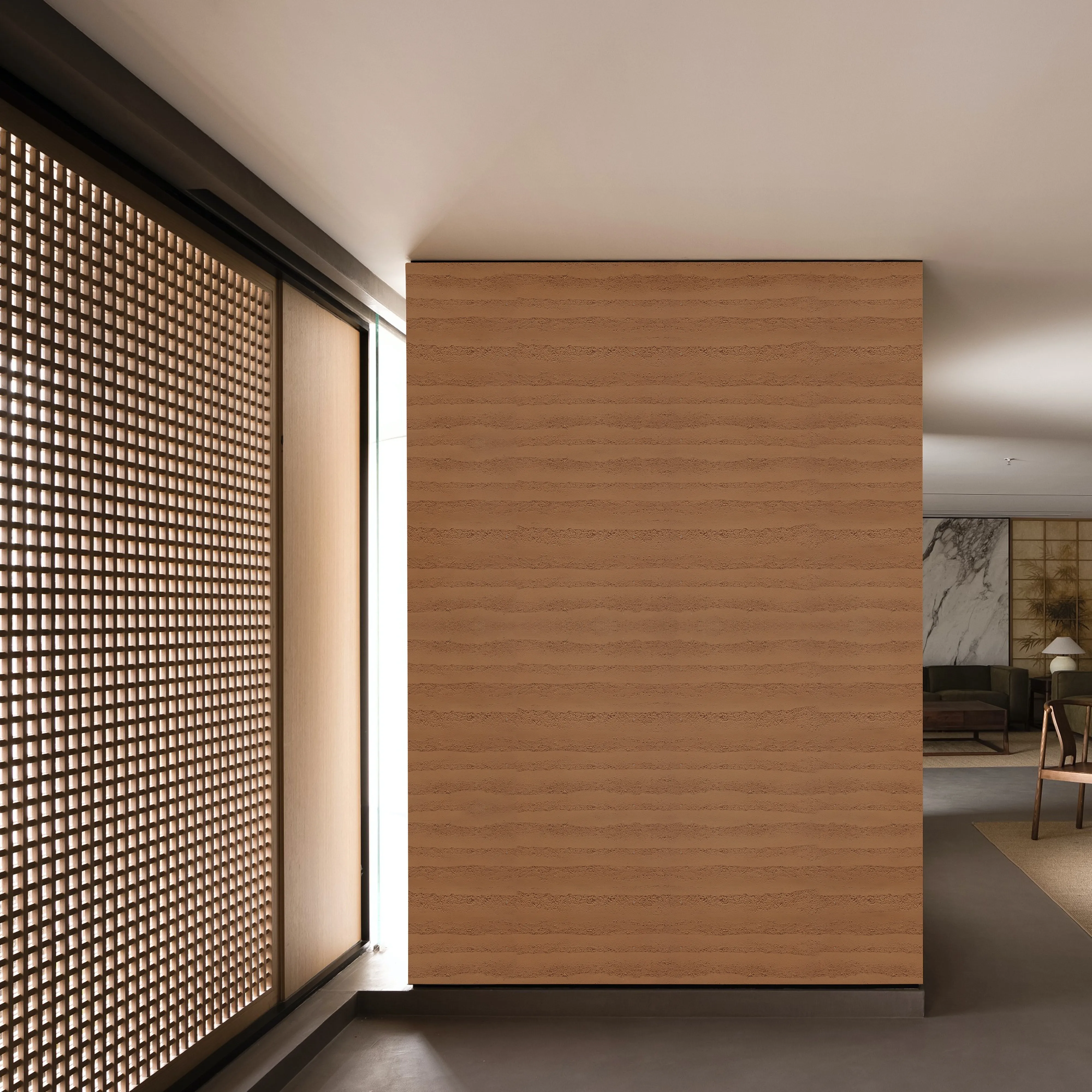
Picture this: It's a busy Tuesday afternoon in a downtown office building. Employees are buried in spreadsheets, the coffee machine hums in the break room, and a client meeting is underway in the 12th-floor conference room. Suddenly, an electrical short sparks a fire in the server room. In seconds, smoke starts to spread. Here's the thing: The difference between a minor incident and a catastrophic loss often comes down to the materials surrounding that spark.
Commercial buildings face unique fire risks. They're packed with electrical systems, furniture, and sometimes even flammable materials (think restaurant kitchens with cooking oils or retail stores with fabric merchandise). Add in high occupancy levels, and the stakes couldn't be higher. Fire resistance isn't just about slowing the spread of flames—it's about giving people time to evacuate, limiting structural damage, and protecting the businesses that keep communities thriving. Building codes reflect this urgency, with stricter standards for fire-rated walls, ceilings, and cladding. But compliance is just the starting line; forward-thinking architects and developers are asking: How can we go beyond the minimum to create spaces that feel safe *and* inviting?
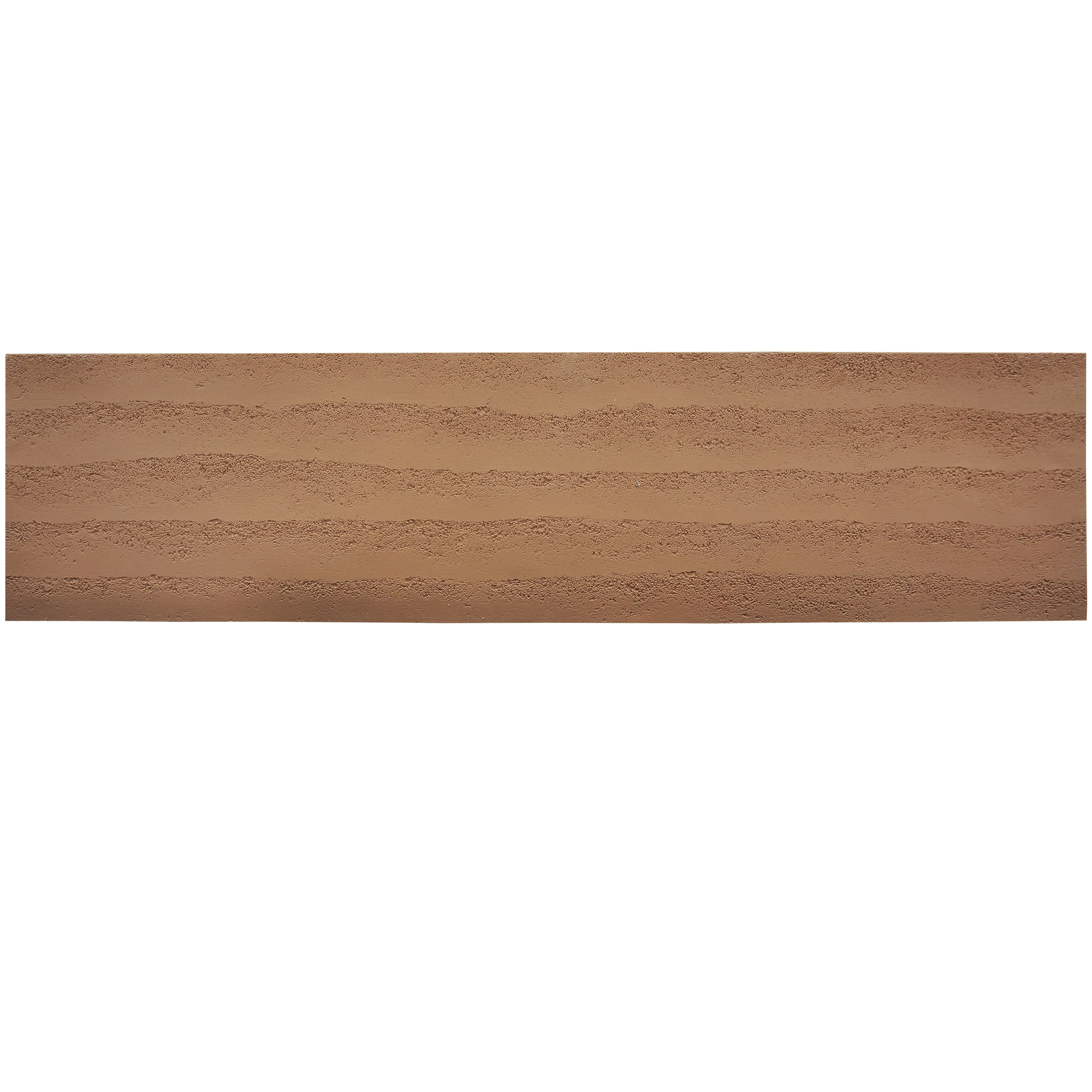
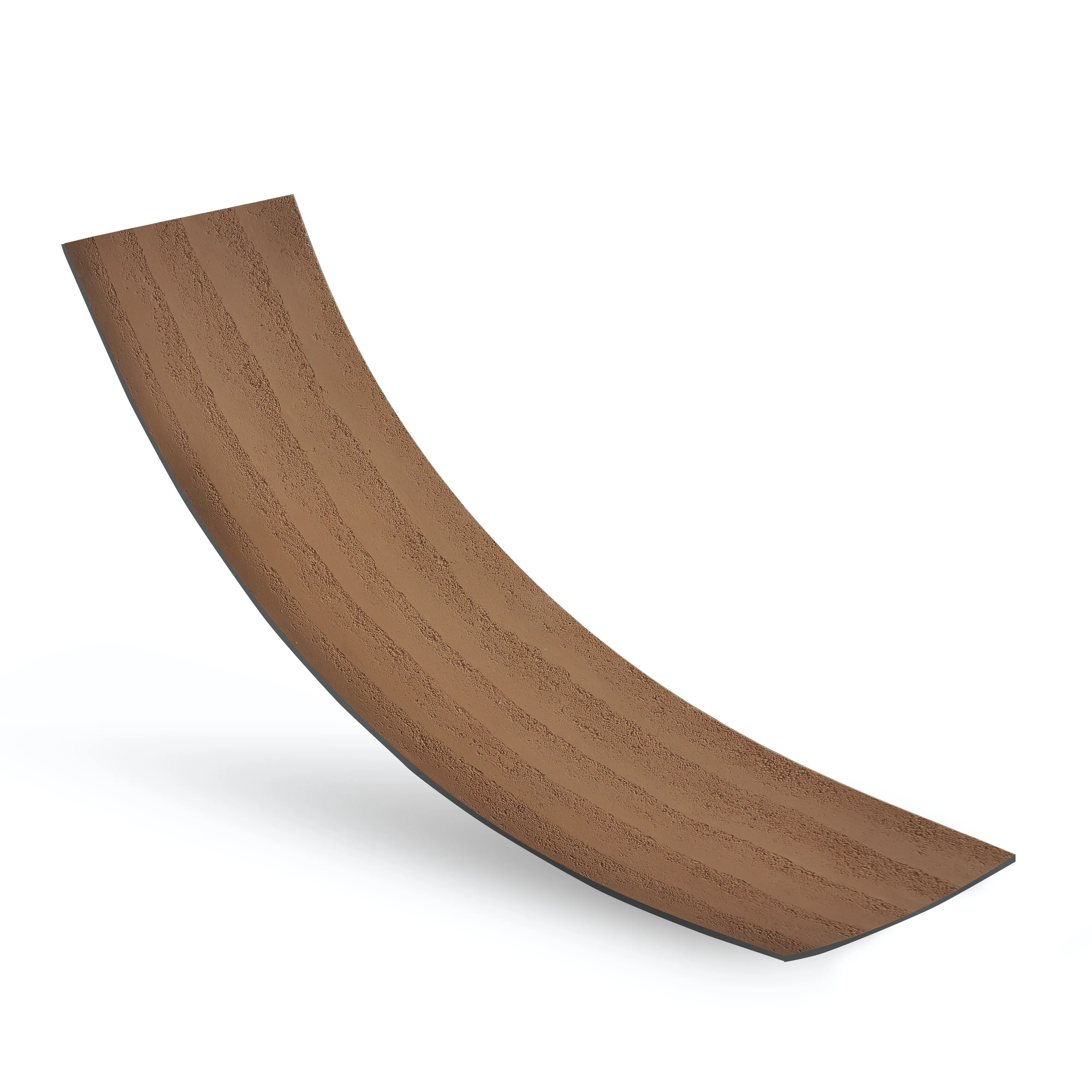
If you're imagining sun-baked adobe huts from a bygone era, think again. Rammed earth has been around for centuries—used in ancient structures like the Great Wall of China—but today's rammed earth board (khaki) is a high-tech evolution of that timeless material. Made by compressing layers of natural earth, sand, and a small amount of binder, this board marries the rustic charm of traditional rammed earth with the durability and fire resistance needed for modern commercial spaces. And that khaki hue? It's not just a color choice; it's a warm, earthy tone that brings a sense of calm to busy environments, making it perfect for everything from hotel lobbies to co-working spaces.
But let's get to the star of the show: its fire resistance. Unlike synthetic materials that melt or release toxic fumes when exposed to heat, rammed earth board (khaki) acts like a natural firewall. Its dense composition slows the transfer of heat, meaning it won't ignite easily, and it maintains its structural integrity even at high temperatures. In fact, tests show that rammed earth can withstand temperatures of up to 1,000°C for hours—far exceeding the requirements of most commercial fire codes. That's not just impressive; it's a game-changer for spaces where safety and aesthetics can't be compromised.
What sets the khaki variant apart? Its versatility. While some fire-resistant materials feel cold or industrial, this board's soft, earthy tone pairs beautifully with other natural finishes. Imagine a restaurant where the walls are clad in rammed earth board (khaki), complemented by travertine (starry green) accents on the bar front—the warm khaki grounding the space, the starry green adding a touch of whimsy. It's a material that doesn't just protect; it elevates the design.
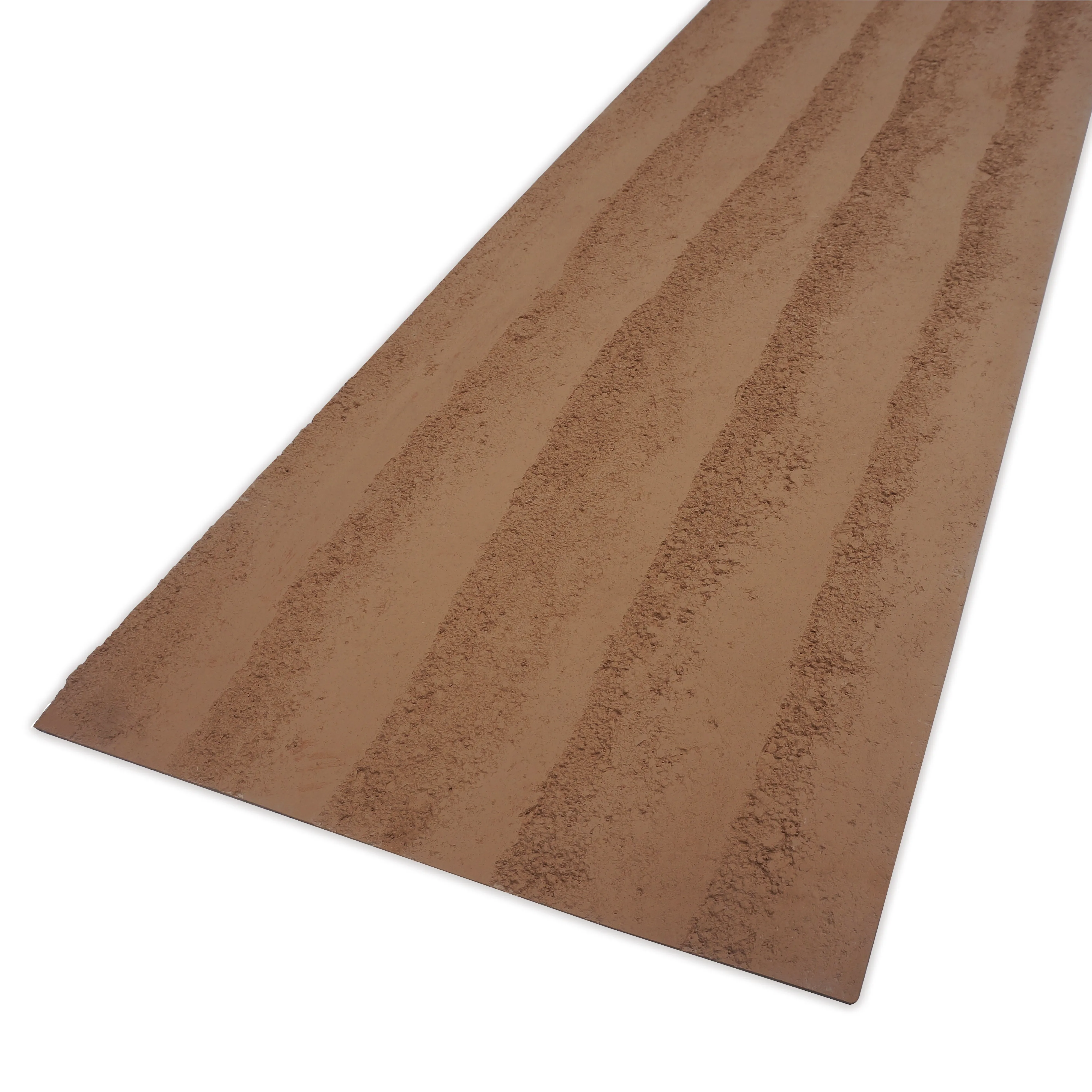
To truly appreciate rammed earth board (khaki), let's see how it compares to other common commercial building materials. We've pulled together data on fire resistance ratings (FRR), which measure how long a material can withstand fire before failing structurally (expressed as minutes of integrity and insulation). Here's how it stacks up against fair-faced concrete, travertine (starry green), lunar peak silvery, and epoch stone:
| Material | Fire Resistance Rating (Integrity/Insulation) | Key Fire Performance Notes |
|---|---|---|
| Rammed Earth Board (Khaki) | 240 minutes / 180 minutes | Slow heat transfer; no toxic fume release; maintains structural integrity at high temps. |
| Fair-Faced Concrete | 180 minutes / 120 minutes | Good resistance but can crack under extreme heat; heavier than rammed earth. |
| Travertine (Starry Green) | 90 minutes / 60 minutes | Natural stone; resists ignition but may spall (chip) at very high temps. |
| Lunar Peak Silvery | 60 minutes / 30 minutes | Metallic finish; conducts heat quickly; requires additional fireproofing for high-risk areas. |
| Epoch Stone | 120 minutes / 90 minutes | Composite material; good resistance but contains synthetic binders that may emit fumes. |
As you can see, rammed earth board (khaki) outperforms many popular materials, offering nearly double the fire resistance of travertine (starry green) and lunar peak silvery. And unlike epoch stone, it doesn't rely on synthetic binders that can release harmful chemicals in a fire. For commercial projects where safety is non-negotiable, that's a difference you can't afford to ignore.
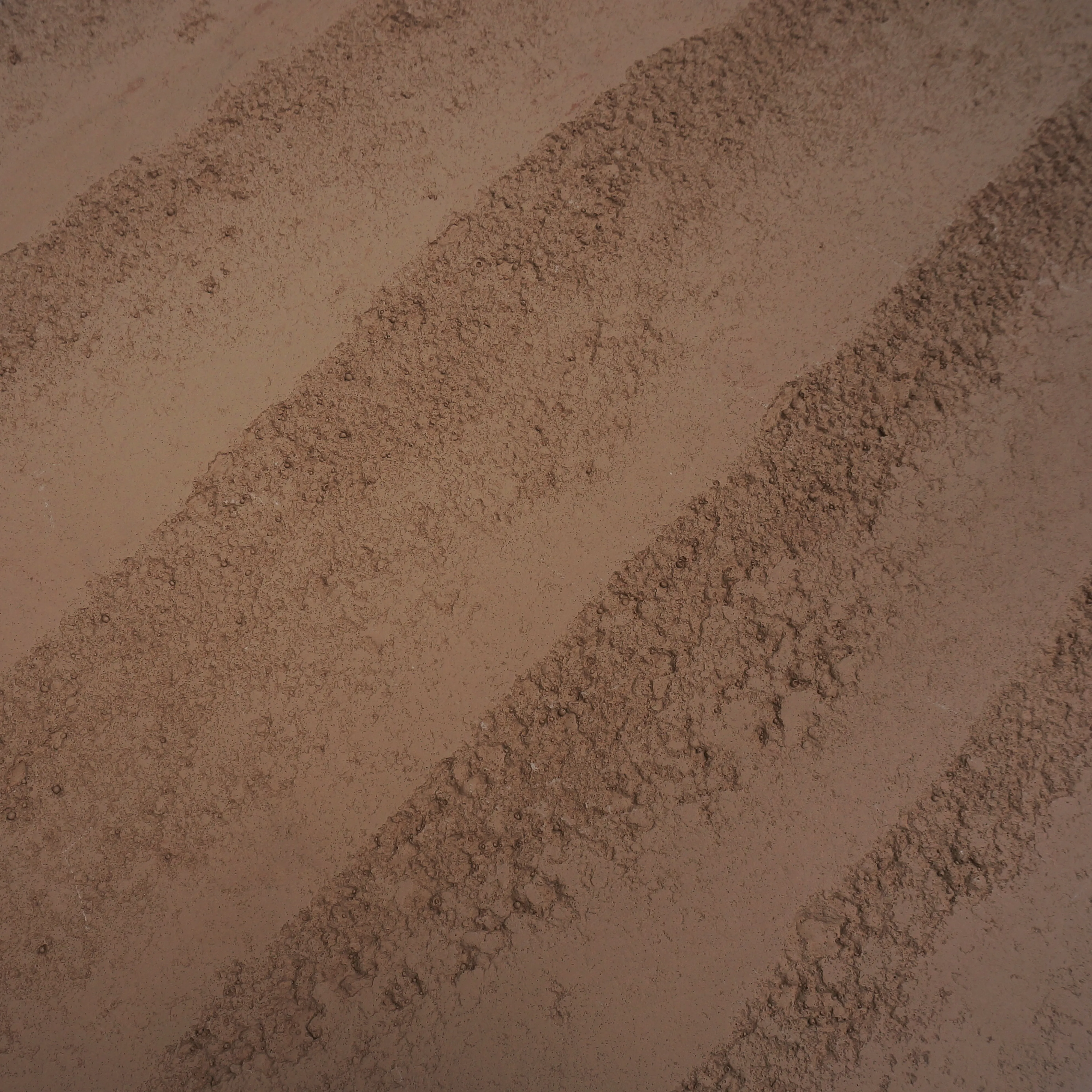
Let's get practical: Where exactly does rammed earth board (khaki) make the most sense in commercial construction? The short answer: Just about anywhere. But here are a few standout applications where its fire resistance and aesthetic appeal truly shine:
Restaurants are fire risk hotspots, with kitchens, electrical appliances, and upholstered seating. Rammed earth board (khaki) is perfect for dining areas, where its heat resistance adds a layer of protection, and its warm tone creates a cozy, inviting atmosphere. Imagine a farm-to-table bistro with khaki rammed earth walls, complemented by wooden tables and soft lighting—it feels like a rustic retreat, but with the fire safety of a fortress. Even better, it pairs beautifully with accent materials like travertine (starry green) for backsplashes or bar tops, adding visual interest without sacrificing safety.
In busy offices, fire safety is about protecting both people and assets. Rammed earth board (khaki) works well for partition walls, meeting room enclosures, or even accent walls in lobbies. Its sound-dampening properties are an added bonus—no more echoing conference calls! Plus, in an era where employees crave spaces that feel less corporate and more human, the earthy texture of rammed earth adds warmth that fair-faced concrete or drywall just can't match.
Retail spaces are full of flammable goods—clothing, paper products, packaging. Rammed earth board (khaki) can be used for feature walls or as cladding for storefronts, providing a fire-resistant barrier that also draws customers in with its unique texture. Imagine a boutique clothing store where the walls are clad in khaki rammed earth, with display shelves made from lunar peak silvery metal—industrial meets organic, with safety at the core.
Hospitals and clinics need materials that are not only fire-resistant but also easy to clean and non-toxic. Rammed earth board (khaki) checks all these boxes. Its natural composition means no off-gassing, and its smooth surface can be sealed for easy sanitization. In patient rooms or waiting areas, it creates a calming environment that promotes healing—proving that safety and serenity can go hand in hand.
In today's construction world, safety and sustainability are no longer competing priorities—they're two sides of the same coin. Rammed earth board (khaki) delivers on both. Made from natural, locally sourced materials (think soil, sand, and minimal binders), it has a tiny carbon footprint compared to energy-intensive materials like steel or concrete. And because it's biodegradable at the end of its life, it won't contribute to landfill waste.
But sustainability isn't just about the environment—it's about long-term value for businesses. Rammed earth board (khaki) is incredibly durable, with a lifespan of 50+ years, meaning fewer replacements and lower maintenance costs over time. It also has natural thermal mass properties, helping to regulate indoor temperatures and reduce energy bills. For commercial developers aiming for green building certifications (like LEED or BREEAM), this material is a no-brainer.
Compare that to synthetic cladding materials, which often rely on fossil fuels in production and end up in landfills after a decade or two. Rammed earth board (khaki) isn't just a safe choice—it's a responsible one, aligning with the growing demand for buildings that respect both people and the planet.
Let's put all this theory into practice with a real example. Last year, a boutique hotel in Boulder, Colorado, decided to renovate its ground-floor restaurant and lobby. The goal? Create a space that felt warm and welcoming while meeting strict fire codes for commercial hospitality. The design team chose rammed earth board (khaki) for the main walls, paired with travertine (starry green) accents and fair-faced concrete floors.
A few months after opening, a small kitchen fire broke out due to a faulty fryer. The fire was contained quickly, but the real test came afterward: The rammed earth walls adjacent to the kitchen showed no signs of damage—no charring, no structural weakening. The fire marshal later noted that the walls' fire resistance had slowed the spread of heat, giving staff time to evacuate guests and extinguish the fire before it spread to other areas. The hotel owner called it "the best investment we made in the renovation—not just for the look, but for the peace of mind."
Stories like this highlight why rammed earth board (khaki) is more than a building material—it's a partner in protecting what matters most: people, businesses, and communities.
At the end of the day, commercial construction is about balance. You need materials that meet safety codes, fit the budget, and enhance the user experience. Rammed earth board (khaki) doesn't just check these boxes—it smashes them. Its exceptional fire resistance protects lives and assets. Its natural beauty elevates design. Its sustainability aligns with future-focused values. And its versatility means it works in everything from cozy cafes to sleek office towers.
So, if you're an architect, developer, or business owner planning a commercial project, here's the question to ask: Why settle for materials that only do the minimum when you can choose one that does it all? Rammed earth board (khaki) isn't just a trend—it's a timeless solution for a world where safety, beauty, and sustainability can no longer be compromised.
In the end, the best buildings are the ones that feel like they care—and with rammed earth board (khaki), you're not just building walls. You're building trust.
Recommend Products












