
Picture this: a quiet evening in a bustling city, when suddenly, the shrill sound of fire alarms cuts through the air. Flames lick at the exterior of a nearby building, and within minutes, emergency crews are on the scene. As bystanders watch, one question lingers: Will the building hold? The answer often comes down to one critical factor: the materials used in its construction. In a world where building safety is non-negotiable, fire resistance has moved from "nice-to-have" to "must-have." And among the materials making waves in the industry, rock cut dolomitic stone stands out—not just for its rugged beauty, but for its impressive ability to stand up to fire. Let's explore why this natural stone is becoming a go-to choice for architects and builders who refuse to compromise on safety or style.
First things first: let's demystify the name. Rock cut dolomitic stone is a type of sedimentary rock formed over millions of years from dolomite, a mineral rich in calcium and magnesium carbonate. Unlike polished marbles or sleek granites, this stone wears its origins on its sleeve—it's quarried directly from the earth and "cut" using traditional methods, leaving behind a textured, almost organic surface that feels both ancient and modern. You've probably seen it before, even if you didn't know its name: think of the rough-hewn walls of a mountain lodge, or the weathered facades of historic European villages. But here's the twist: beneath that rustic exterior lies a composition that makes it surprisingly resilient—especially when fire is in the picture.
What sets dolomitic stone apart from other natural stones? For starters, its density. Thanks to its mineral makeup, it's denser than many limestones and even some granites, which gives it inherent structural stability. And while "rock cut" might sound like a niche technique, it's actually a nod to how the stone is processed: instead of being ground down to a uniform slab, it's extracted in large blocks and split along natural fault lines, preserving its natural strength. The result? A material that's not just visually striking, but built to last—even when faced with extreme heat.
Let's get real: building codes exist for a reason. In most countries, commercial and residential buildings must meet strict fire safety standards, often dictated by organizations like the National Fire Protection Association (NFPA) or the International Building Code (IBC). But fire resistance is about more than checking boxes on a form. It's about giving people time to escape. It's about protecting irreplaceable assets—family heirlooms, business records, cultural artifacts. It's about reducing the spread of fire, which can mean the difference between a small incident and a neighborhood-wide disaster.
Consider this: according to the NFPA, U.S. fire departments respond to over 350,000 structure fires annually, resulting in billions of dollars in damage and, tragically, thousands of injuries. In wildfire-prone areas like California or Australia, the stakes are even higher—buildings need materials that can withstand not just internal fires, but external threats like embers and radiant heat. That's where rock cut dolomitic stone shines. Unlike wood, which ignites easily, or vinyl siding, which melts and releases toxic fumes, this stone is what firefighters call "non-combustible." In other words, it doesn't catch fire, and it doesn't fuel the flames. That's a game-changer.
So, what makes this stone such a fire-fighting hero? Let's break it down. Fire resistance in materials boils down to three key factors: ignition resistance (does it catch fire?), flame spread (how quickly does fire spread across it?), and heat transfer (does it let heat pass through to the other side?). Rock cut dolomitic stone excels in all three.
First, ignition resistance. Since dolomitic stone is made of inorganic minerals, it doesn't contain carbon-based compounds that burn. Wood, by contrast, is 50% carbon—hence why it goes up in flames so easily. When exposed to open fire, dolomitic stone might get hot, but it won't ignite. No flames, no sparks, no fuel for the fire.
Next, flame spread. Even non-combustible materials can sometimes allow flames to spread if they're porous or have a rough surface that traps heat. But rock cut dolomitic stone's density works against this. Its tight mineral structure doesn't provide spaces for flames to take hold, so fire struggles to spread across its surface. In lab tests, it often scores near the top of flame spread ratings (more on that later).
Finally, heat transfer. Here's where density really matters. Dolomitic stone is a poor conductor of heat, meaning it acts like a natural insulator. In a fire, this slow heat transfer can delay the spread of flames to the other side of a wall or floor, giving occupants precious extra minutes to evacuate. It also helps protect the building's structural integrity—unlike materials like drywall, which can crumble when heated, dolomitic stone maintains its shape and strength, even at high temperatures.
Okay, so it sounds good in theory—but how does rock cut dolomitic stone perform in the real world? To answer that, we turn to safety ratings. The gold standard for fire resistance in building materials is the ASTM E84 test, also known as the "Steiner Tunnel Test." This test measures two key metrics: the Flame Spread Index (FSI), which rates how fast fire spreads across a material (0 = no spread, 200 = rapid spread), and the Smoke Development Index (SDI), which measures how much smoke a material produces when burned (0 = no smoke, 450 = heavy smoke).
Materials are then assigned a class based on their scores: Class A (FSI 0-25, SDI 0-450), Class B (FSI 26-75), or Class C (FSI 76-200). Spoiler: rock cut dolomitic stone almost always lands in Class A—the highest rating possible. That means it's considered "non-combustible" and suitable for use in high-risk areas like stairwells, corridors, and exteriors of high-rise buildings.
But don't just take our word for it. Let's compare it to other common building materials. Check out the table below to see how rock cut dolomitic stone stacks up against materials like wood, standard concrete, and even MCM flexible stone—a popular modern cladding option:
| Material | Fire Rating (ASTM E84) | Flame Spread Index (FSI) | Smoke Development Index (SDI) | Key Fire Resistance Trait |
|---|---|---|---|---|
| Rock Cut Dolomitic Stone | Class A | 5-15 (Excellent) | 10-30 (Very Low Smoke) | Non-combustible; slow heat transfer |
| Untreated Wood Siding | Class C | 150-200 (Rapid Spread) | 300-450 (Heavy Smoke) | Highly combustible; fuels fire |
| Standard Concrete (Unreinforced) | Class A | 10-25 (Good) | 20-50 (Low Smoke) | Non-combustible but may spall (crack) under extreme heat |
| MCM Flexible Stone | Class A | 15-30 (Very Good) | 50-100 (Moderate Smoke) | Lightweight; non-combustible core |
| Vinyl Siding | Class C | 100-150 (Fast Spread) | 400-450 (Heavy Smoke) | Melts at high temps; releases toxic fumes |
See the difference? Rock cut dolomitic stone doesn't just meet the Class A standard—it crushes it. With an FSI as low as 5, it's in the same league as fire-rated drywall and steel, but with a natural aesthetic those materials can't match. And its low smoke development? That's a big deal for survival—most fire deaths are caused by smoke inhalation, not burns. In a fire, rock cut dolomitic stone keeps the air clearer, giving people more time to breathe and escape.
So, now that we know it's safe, where does rock cut dolomitic stone actually belong in a building? The short answer: almost anywhere. Its versatility is part of its appeal. Let's break down the most common applications:
Exterior Cladding: This is where rock cut dolomitic stone really shines. Exterior walls are the first line of defense against external fires—think wildfires, neighboring building fires, or even accidental sparks from grills or fireworks. In wildfire zones like Colorado or Australia, many builders are switching to stone cladding for this exact reason. Unlike vinyl or wood, it won't ignite when embers land on it, and its density helps block radiant heat from reaching the interior.
Interior Walls & Ceilings: In commercial spaces like hotels, hospitals, and schools, interior materials need to slow fire spread and limit smoke. Rock cut dolomitic stone walls in corridors or stairwells can help contain fires to a single area, giving occupants time to evacuate. And let's not forget aesthetics—imagine a restaurant with a rock cut dolomitic stone accent wall that's not just beautiful, but potentially life-saving.
Fireplaces & Hearths: This one's a no-brainer. Fireplaces are literally designed to contain fire, so why not use a material that's naturally fire-resistant? Rock cut dolomitic stone hearths can withstand the intense heat of a wood-burning fire without cracking or warping, unlike some tiles that might glaze over or pop.
High-Rise Buildings: Skyscrapers face unique fire challenges, from rapid flame spread to difficulty evacuating. Many building codes for high-rises require Class A materials for exterior cladding and core structures. Rock cut dolomitic stone fits the bill, offering both safety and a timeless look that stands out in a sea of glass and steel.
Numbers and tests are great, but nothing beats real-world examples. Let's look at two projects where rock cut dolomitic stone proved its mettle:
The Sierra Lodge, California: Nestled in the Sierra Nevada Mountains, this luxury resort is surrounded by dense forest—prime wildfire territory. When the 2020 Creek Fire swept through the area, many nearby structures were destroyed. But the lodge, which used rock cut dolomitic stone for its exterior cladding and chimney stacks, survived with minimal damage. Firefighters later noted that the stone cladding prevented embers from igniting the building, and the thick stone walls kept the interior cool enough to protect furniture and electronics.
Heritage Elementary School, Texas: When designing this school, the architects prioritized safety without sacrificing warmth. They chose rock cut dolomitic stone for the walls of the auditorium and cafeteria—two large, high-occupancy spaces. During a small kitchen fire in 2022, the stone walls contained the flames to the kitchen area, and the low smoke development meant students and staff could evacuate without breathing in toxic fumes. The fire marshal later called the stone "a critical factor in preventing a larger incident."
Let's be honest: no material is perfect. So, what should you know before choosing rock cut dolomitic stone? First, maintenance. Unlike vinyl siding, which can be power-washed in 10 minutes, stone requires a bit more care. It's porous, so it can absorb water if not sealed properly—though modern sealants make this a non-issue. And while it's resistant to fire, extreme heat can still cause discoloration over time (think: a stone fireplace that's been used daily for 20 years). But here's the upside: even if it discolors, it won't lose structural integrity. It'll still be fire-resistant; it'll just have a bit more character.
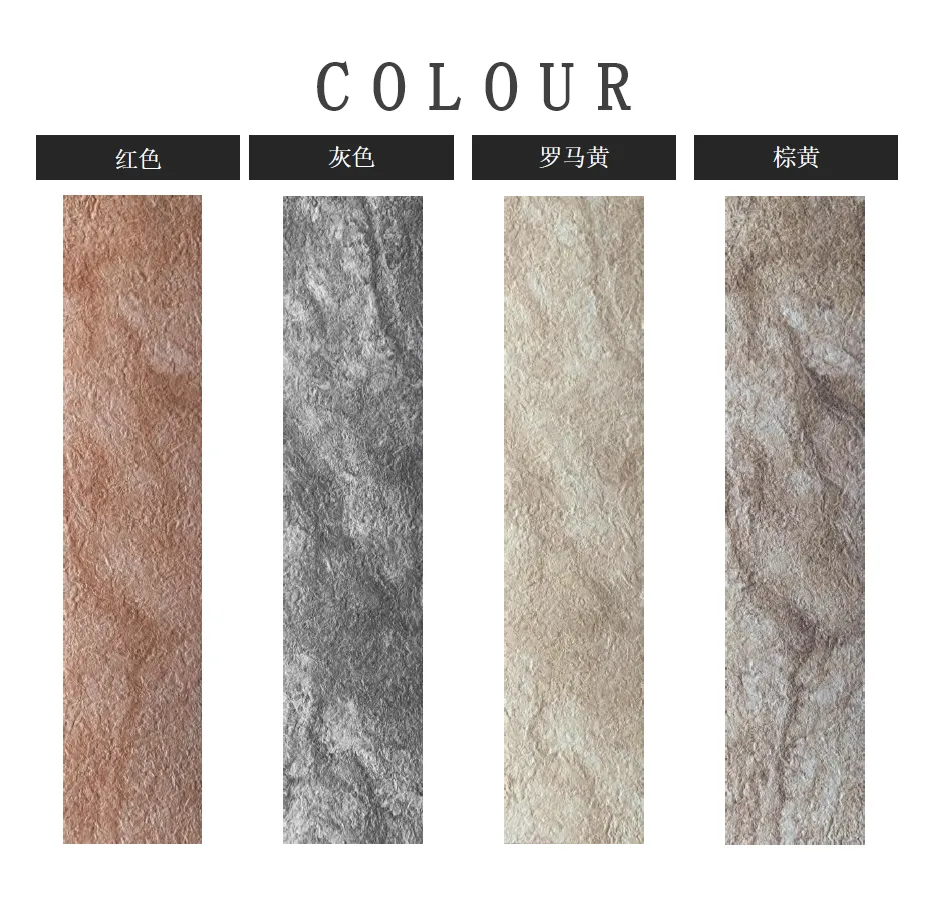
Now, let's bust some myths. Myth #1: "All natural stones are fire-resistant." False. Some stones, like certain marbles, contain minerals that expand when heated, causing them to crack. Dolomitic stone's magnesium content makes it more stable under heat. Myth #2: "Fire-resistant materials are ugly." Have you seen rock cut dolomitic stone? Its rough texture and earthy tones (think claybank and dark grey, as you'll find in quarries) add warmth and depth to any design. It pairs beautifully with modern materials like glass and steel, or traditional materials like wood and brick. Myth #3: "It's too expensive." While stone is pricier upfront than vinyl or wood, it lasts decades longer—often 50+ years with minimal maintenance. When you factor in longevity and reduced insurance costs (many insurers offer discounts for fire-resistant materials), it becomes a smart investment.
If you're building or renovating and fire safety is a priority—and let's be clear, it should be—rock cut dolomitic stone deserves a spot on your shortlist. It's not just a material; it's a statement that says, "I care about safety, but I also care about beauty." It's for the architect who wants to design a building that's both iconic and responsible. It's for the homeowner who wants a home that can weather storms—literal and figurative. And it's for anyone who believes that the best building materials should do more than just look good; they should save lives.
Of course, it's not the only option. If you're working with a tight budget or need a lightweight material for a high-rise, MCM flexible stone (a modern composite cladding) also offers Class A fire resistance at a lower weight. But for projects where natural beauty and long-term durability are key, rock cut dolomitic stone is hard to beat.
At the end of the day, building materials are about trade-offs. But with rock cut dolomitic stone, you don't have to trade safety for style. You get a material that's been tested by time (millions of years, in fact), rated by labs (Class A all the way), and proven in the real world (just ask the folks at Sierra Lodge). So the next time you walk past a building with a rough-hewn stone facade, take a second look. That stone isn't just decoration—it's a silent guardian, standing ready to protect what matters most.
Fire resistance isn't glamorous, but it's essential. And in rock cut dolomitic stone, we've found something rare: a material that makes safety feel… well, beautiful. Here's to building a world where every structure is as strong as it is stunning.
Recommend Products












