
In the world of construction, where every choice shapes the safety and longevity of a structure, fire resistance stands as a non-negotiable pillar. Whether it's a cozy family home, a bustling commercial complex, or a historic landmark, the materials used in walls, floors, and exteriors play a critical role in protecting lives and property when disaster strikes. Among the innovative solutions emerging in this space, poly wood board has gained attention—not just for its sustainability and aesthetic versatility, but for its commitment to meeting rigorous fire safety standards. In this article, we'll explore what makes poly wood board a reliable choice, how it stacks up against other fire-resistant materials like fair-faced concrete and travertine , and why understanding safety certifications matters for builders, architects, and homeowners alike.
Fire can spread through a building in minutes, turning a structure into rubble and endangering lives before help arrives. That's why fire-resistant materials aren't just "nice to have"—they're legally required in most jurisdictions. Safety standards, set by organizations like ASTM International, Underwriters Laboratories (UL), and the European Committee for Standardization (CEN), define how materials perform under fire conditions. These standards measure key factors: flame spread (how quickly fire spreads across a surface), smoke development (the amount and toxicity of smoke released), and ignition resistance (how well a material resists catching fire in the first place).
For builders, choosing materials that meet or exceed these standards isn't just about compliance—it's about trust. Homeowners want to know their living spaces are safe; business owners need to protect employees and customers; architects aim to design structures that stand the test of time, even in crisis. This is where poly wood board enters the conversation: a material that blends the warmth of wood with the durability of modern engineering, all while prioritizing fire safety.
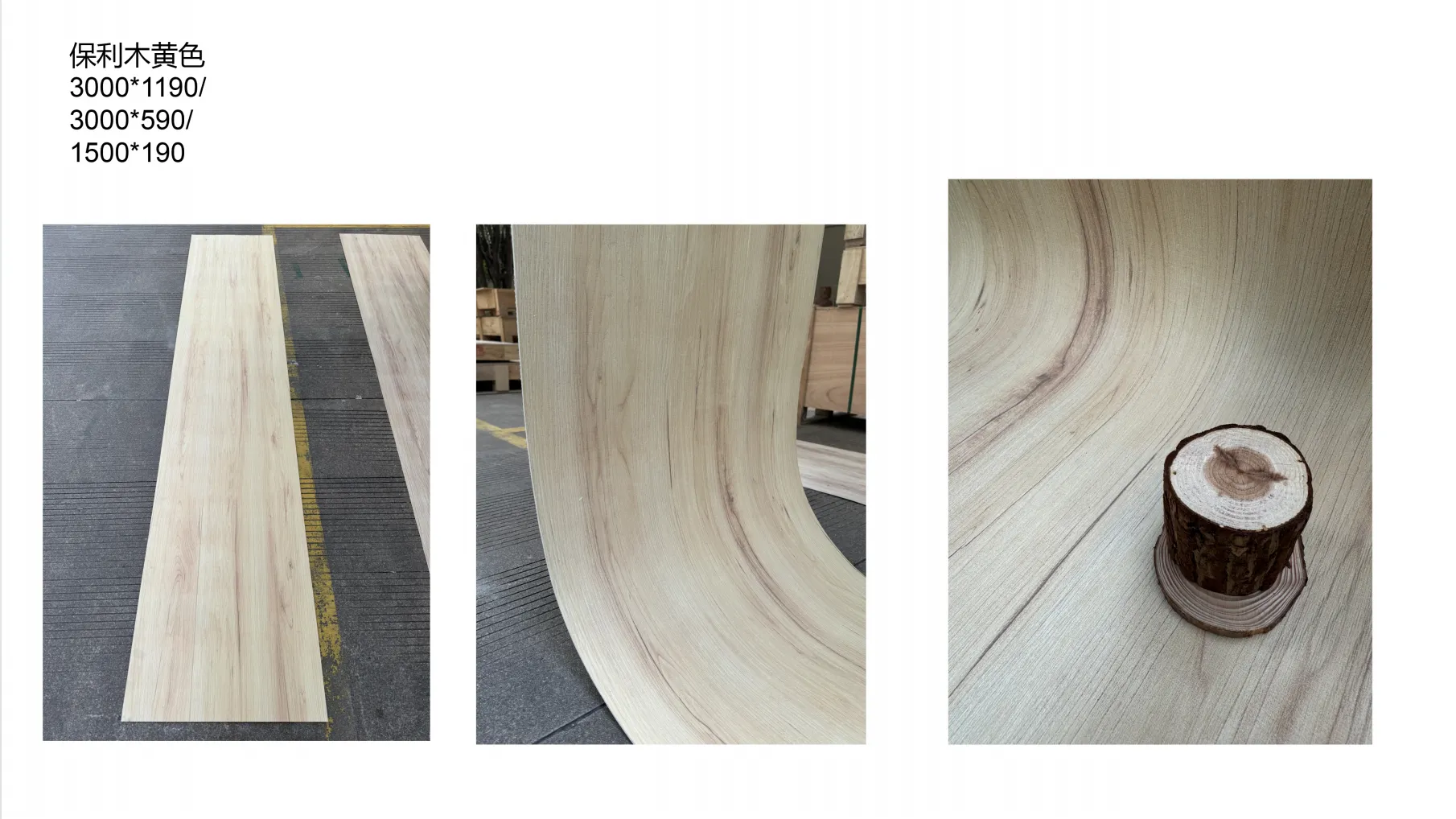
At first glance, poly wood board might look like traditional lumber, but its composition tells a different story. Made from a blend of recycled plastic polymers (like HDPE or PVC) and wood fibers, it's designed to mimic the look and feel of wood while avoiding its drawbacks—rot, warping, and vulnerability to fire. The magic lies in its manufacturing process: the wood fibers are treated with fire-retardant chemicals, and the plastic matrix itself is inherently slow to ignite. When combined, these elements create a material that can withstand high temperatures without contributing to flame spread.
But what exactly makes poly wood board fire-resistant? Let's break it down: Low Ignition Temperature : Unlike untreated wood, which can catch fire at around 300°C, poly wood board's plastic component melts rather than ignites at lower temperatures, slowing the spread of flames. Self-Extinguishing Properties : In many formulations, the fire-retardant additives cause the material to char rather than burn, creating a protective layer that starves the fire of oxygen. Minimal Smoke Emission : When exposed to fire, poly wood board releases less toxic smoke compared to materials like untreated wood or some plastics, a critical factor in improving evacuation times and reducing respiratory hazards.
To truly appreciate poly wood board's fire safety credentials, it helps to compare it to other common building materials. Below is a breakdown of how it stacks up against fair-faced concrete , travertine , and flexible stone —all known for their durability and fire resistance.
| Material | Fire Rating (ASTM E84) | Key Fire-Resistant Features | Common Applications | Pros & Cons |
|---|---|---|---|---|
| Poly Wood Board | Class A (Flame Spread Index ≤ 25) | Self-extinguishing, low smoke emission, charring protection | Exterior cladding, decking, fencing, wall panels | Pros : Lightweight, easy to install, sustainable (recycled materials). Cons : Less heat resistance than concrete at extreme temps. |
| Fair-Faced Concrete | Class A (Flame Spread Index ≤ 25) | Inert, non-combustible, high thermal mass resists heat transfer | Load-bearing walls, floors, structural elements | Pros : Exceptional fire resistance, durable. Cons : Heavy, requires professional installation, limited design flexibility. |
| Travertine | Class A (Non-combustible) | Natural stone, does not burn or emit smoke | Interior/exterior flooring, wall cladding, countertops | Pros : Aesthetic appeal, natural fire resistance. Cons : Porous (may require sealing), heavy, prone to cracking under impact. |
| Flexible Stone (MCM Series) | Class A (Flame Spread Index ≤ 25) | Thin, lightweight, non-combustible stone veneer bonded to a fire-resistant backing | Curved walls, accent panels, decorative cladding | Pros : Versatile design options, lightweight. Cons : Less structural strength than solid stone. |
As the table shows, poly wood board holds its own against these materials, particularly in applications where weight, ease of installation, and sustainability are priorities. For example, in a residential deck, poly wood board offers the warmth of wood without the fire risk, while in commercial cladding, its lightweight nature reduces structural load compared to fair-faced concrete. It's not a one-size-fits-all solution, but it's a strong contender in the fire-resistant materials toolkit.
To understand poly wood board's impact, let's look at how it's used in real construction projects. Take, for instance, a coastal community in California, where wildfire risk is a constant concern. A local developer chose poly wood board for exterior decking and fencing in a new housing complex. The material's fire resistance (Class A rating) gave homeowners peace of mind, while its resistance to rot and saltwater made it ideal for the coastal climate. During a small brush fire nearby, the poly wood elements charred slightly but didn't ignite, helping contain the spread to the exterior of the buildings.
In another case, a school in Texas replaced its aging wooden playground equipment with poly wood board structures. The decision was driven by two factors: safety and low maintenance. Unlike untreated wood, which can splinter and harbor mold, poly wood board is smooth, easy to clean, and—crucially—resistant to accidental fires from discarded cigarettes or sparks. The school district noted that the material's fire rating also helped them meet strict state safety codes for educational facilities.
Commercial spaces are also embracing poly wood board. A restaurant chain, for example, used it for outdoor patio seating and wall cladding. The warm, wood-like appearance enhanced the dining ambiance, while the fire resistance ensured compliance with local codes for outdoor dining areas (which often require materials that won't spread fire to nearby buildings). Even in high-traffic areas, the material held up well to scratches and weathering, proving that safety doesn't have to come at the cost of aesthetics.
A material's fire resistance is only as good as its installation. Even the most fire-safe materials can fail if not installed correctly. For poly wood board, proper installation involves using fire-rated fasteners and ensuring gaps between boards are sealed to prevent flame penetration. Contractors should follow the manufacturer's guidelines, which often include recommendations for spacing (to allow for thermal expansion) and adhesive types (to avoid compromising the fire-retardant properties).
Maintenance is equally important. While poly wood board is low-maintenance compared to wood, regular inspections can help catch issues like cracks or loose fasteners that might reduce its fire performance. Cleaning with mild soap and water is usually sufficient—avoid harsh chemicals that could degrade the fire-retardant additives. In areas with heavy smoke exposure (like near fire pits or industrial zones), a yearly check for surface damage is wise. With proper care, poly wood board can maintain its fire-resistant properties for decades, making it a long-term investment in safety.
As the construction industry shifts toward sustainability, fire-resistant materials are evolving too. Builders and architects are no longer choosing between safety and eco-friendliness—they're demanding both. Poly wood board fits this trend perfectly: its use of recycled plastics reduces landfill waste, and its durability means fewer replacements over time, lowering its carbon footprint. In fact, some manufacturers now offer poly wood board certified by organizations like the Forest Stewardship Council (FSC) or Leadership in Energy and Environmental Design (LEED), further aligning it with green building goals.
Looking ahead, innovations in fire-resistant technology are likely to make materials like poly wood board even more effective. Researchers are experimenting with nanotechnology to enhance fire-retardant additives, making them more durable and less toxic. There's also a focus on improving thermal stability—allowing poly wood board to withstand higher temperatures for longer periods, bridging the gap between its performance and that of heavier materials like fair-faced concrete.
Another trend is the rise of "smart" fire-resistant materials, which can alert building managers to heat or flame exposure in real time. While this is still in the early stages, imagine poly wood board embedded with sensors that trigger alarms or sprinkler systems at the first sign of fire—adding an extra layer of protection to its inherent resistance. These advancements could redefine how we think about fire safety in construction, making buildings not just passive barriers to fire, but active protectors of life and property.
Fire-resistant building materials are the unsung heroes of safe construction. They don't just meet codes—they provide peace of mind, knowing that the spaces we live, work, and play in are designed to protect us when disaster strikes. Poly wood board, with its blend of sustainability, durability, and fire safety, is a standout in this category. It proves that you don't have to choose between the warmth of wood, the strength of modern engineering, or the responsibility to build green.
Whether compared to the raw strength of fair-faced concrete, the natural beauty of travertine, or the versatility of flexible stone, poly wood board holds its own, offering a unique combination of benefits that make it ideal for a wide range of applications. As we look to the future of construction, materials like poly wood board will play an increasingly important role—not just as building blocks, but as symbols of progress: where safety, sustainability, and style coexist.
So, the next time you're planning a project—whether it's a backyard deck, a commercial renovation, or a new home—remember: fire resistance isn't an afterthought. It's the foundation of a structure that lasts. And with poly wood board, that foundation can be both strong and beautiful.
Recommend Products












