When Lisa, a small-business owner in Portland, decided to renovate her café last spring, she had a vision: warm, earthy walls that felt like a cozy escape from the city rain, but without the headaches of traditional stone. "I'd fallen in love with Balinese villas on Instagram—those sunlit courtyards with textured stone walls that look like they've been there for centuries," she told me. "But every contractor I talked to said real stone would be heavy, expensive, and a nightmare to install in my 100-year-old building. Drywall felt too flat, and laminates looked… fake." That's when her designer mentioned MCM flexible stone. Specifically, Bali stone sheets. "I thought, 'Flexible stone? That sounds like a gimmick,'" Lisa laughed. "Then I held a sample. It was thin, light enough to carry with one hand, but when I ran my fingers over it… it felt real. Like I was touching a piece of the island itself."
The Problem with "Traditional" Stone (And Why We Need a Better Way)
For decades, designers and homeowners have been stuck in a loop: we crave the beauty of natural materials—stone, wood, earth—but hate the hassle. Traditional stone slabs are heavy (some weigh over 100 pounds per sheet), brittle (one wrong bump during transport and they crack), and require specialized tools and teams to install. Lisa's contractor estimated that using real travertine for her café walls would take a crew of four two full days, plus another day of cleanup. The cost? Nearly $12,000. "I'd have to raise my latte prices just to pay for the walls," she joked. And it's not just cost and labor. Traditional stone often means waste: over 20% of slabs end up in landfills because they're cut wrong or damaged. Then there's the "one-size-fits-all" problem: if you want a curved wall or a custom shape, forget it. Stone doesn't bend.
Enter MCM flexible stone—a category of building materials that's been quietly revolutionizing renovations and new builds since it hit the market. Short for "Modified Composite Material," MCM flexible stone blends natural minerals, recycled polymers, and fiber reinforcement to create sheets that look and feel like stone, but behave like something entirely new. They're thin (usually 3-5mm thick), lightweight (around 4kg per square meter), and yes—flexible. You can roll a sheet into a tube, carry it under your arm, and cut it with a standard utility knife. For Lisa, it was a game-changer. "My contractor installed the Bali stone sheets in a day. By himself. And the walls? They look exactly like the photos I showed him—warm, textured, like they've been there forever. But they didn't cost an arm and a leg, and I didn't have to close the café for a week."
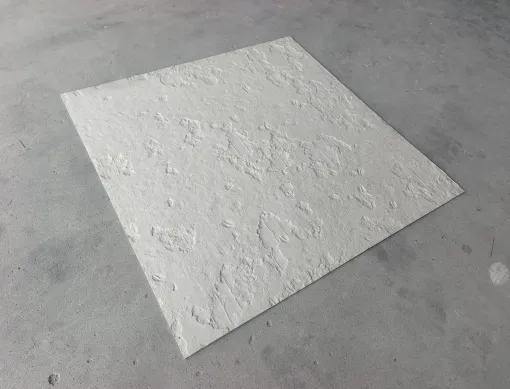
Bali Stone: Where Nature Meets Practicality
Bali stone isn't just another material—it's a love letter to the island's landscapes. MCM's designers traveled to Bali to study the local stone: the weathered terracotta of Ubud's rice terraces, the soft beige of Seminyak's beach pebbles, the warm gray of volcanic rock from Mount Batur. The result? A line of flexible stone sheets that capture that "lived-in luxury" feel, with colors ranging from sandy ivory to deep terracotta, and textures that mimic the subtle pitting and veining of natural stone. But what makes Bali stone truly special is how it balances aesthetics with real-world usability.
Lightweight, But Built to Last
Traditional stone slabs can weigh 20 times more than Bali stone sheets. That might not sound like a big deal until you're trying to install them on a second-floor wall or in a tight hallway. "I once had to hire a crane to get a marble slab into a penthouse bathroom," said Mark, a contractor with 15 years of experience. "With Bali stone? I carried three sheets up the stairs myself. No crane, no back strain, no risk of dropping and breaking a $500 slab." And don't let the lightness fool you—Bali stone is tough. It's water-resistant (perfect for kitchens and bathrooms), scratch-resistant (no need to panic if a chair scrapes the wall), and UV-stable (it won't fade in sunlight, even on exterior walls). Lisa's café has a south-facing wall clad in Bali stone, and after a summer of intense sun, she notes, "It still looks as rich and warm as the day it went up. No bleaching, no peeling—just that same cozy vibe."
Installation So Easy, Even DIYers Can Do It
You don't need to be a pro to install Bali stone. Unlike traditional stone, which requires mortar, grout, and specialized cutting tools, Bali stone sheets adhere directly to walls with a standard construction adhesive. "I'm handy, but I'm no contractor," said Mike, a homeowner who used Bali stone for his home office accent wall. "I watched a YouTube tutorial, bought a $10 utility knife, and had the whole wall done in an afternoon. The sheets cut like butter—no dust, no noise, no mess." For professionals, the speed is a revelation. Mark estimates that installing Bali stone is 3x faster than real stone: "No mixing mortar, no waiting for it to set, no cleaning grout lines. You measure, cut, stick, and done. On a recent restaurant project, we clad three walls in two days instead of the week we'd budgeted. The client was thrilled—they opened a week early."
Design Freedom: Curves, Corners, and Custom Cuts
Traditional stone is rigid, which limits where you can use it. Want a curved accent wall? Good luck—you'll need custom-cut slabs that cost a fortune. Bali stone, though, bends. "We used it on a circular fireplace surround," Mark said. "Bent the sheets around the curve like they were wallpaper. It looks seamless—you'd never guess it's not solid stone." It also plays well with other materials. Lisa paired her Bali stone walls with reclaimed wood shelves and brass fixtures: "The stone's texture softens the wood, and the brass pops against the warm beige. It feels layered, intentional—not like we just picked one material and stuck with it."
How Bali Stone Stacks Up: A Side-by-Side Look
Still on the fence? Let's compare Bali stone to two other popular materials: fair-faced concrete and wood grain board. Both have their merits, but when it comes to balance of beauty, ease, and durability, Bali stone stands out.
|
Feature
|
Bali Stone (MCM Flexible Stone)
|
Fair-Faced Concrete
|
Wood Grain Board
|
|
Weight (per sqm)
|
4-5kg (light enough for one person to carry)
|
20-25kg (requires two people to lift)
|
7-9kg (manageable, but heavier than Bali stone)
|
|
Installation Time (for a 10sqm wall)
|
1-2 hours (DIY-friendly, adhesive application)
|
4-6 hours (requires formwork, mixing, curing time)
|
2-3 hours (needs precise cutting, nail/screw holes to fill)
|
|
Durability
|
Waterproof, scratch-resistant, UV-stable (50+ year lifespan)
|
Durable but porous (stains easily without sealant)
|
Prone to warping in humidity, scratches, and termite damage
|
|
Aesthetic Versatility
|
Multiple colors/textures (mimics natural stone, earthy tones)
|
Industrial, minimalist (limited color options: gray, off-white)
|
Warm, organic (but looks artificial if not high-quality)
|
|
Best For
|
Accent walls, backsplashes, exterior facades, curved surfaces
|
Modern interiors, countertops, structural elements
|
Cabinets, low-traffic walls, furniture accents
|
Beyond Bali Stone: Exploring MCM's Flexible World
Bali stone is just one star in the MCM flexible stone universe. The brand's lineup includes materials that cater to every design style, from rustic to industrial to ultra-modern. Let's dive into a few standouts that pair beautifully with Bali stone—or shine on their own.
Rammed Earth Board: Bringing the Outdoors In
If Bali stone evokes tropical islands, rammed earth board channels desert landscapes and ancient adobe homes. Made to mimic the look of hand-packed soil, it comes in warm, earthy hues—think terracotta, sand, and soft olive—and has a tactile, slightly rough texture that feels grounding. "I used rammed earth board in a yoga studio," said interior designer Mia. "Paired with bamboo floors and natural light, it creates this serene, earthy atmosphere—clients say it feels like practicing outdoors." Like Bali stone, it's lightweight and easy to install, but what sets it apart is its thermal mass: it absorbs heat during the day and releases it at night, helping regulate room temperatures. "In a sunroom, that means less AC in summer and less heating in winter," Mia added. "It's beautiful and practical—a rare combo."
Wood Grain Board: The Warmth of Wood, Without the Upkeep
Wood grain board is for anyone who loves the look of natural wood but hates the maintenance. "Real wood walls need sealing, sanding, and refinishing every few years—especially in humid climates," Mike, the DIY homeowner, noted. "Wood grain board looks like oak, pine, or teak, but it's water-resistant and bug-proof. I used it in my bathroom, and it still looks brand-new after two years of steam and splashes." The texture is surprisingly realistic—you can see the grain, the knots, even the subtle variations in color that make wood feel alive. And because it's flexible, you can use it in places real wood can't go: curved ceilings, wainscoting, or even furniture fronts. "I made a floating shelf with wood grain board," Mike laughed. "It looks like solid oak, but it weighs nothing. My cat jumps on it, and it doesn't budge."
Fair-faced concrete has long been a favorite for modern, minimalist spaces, but traditional concrete is heavy, porous, and hard to install. MCM's fair-faced concrete sheets solve all that. They're thin, lightweight, and pre-finished—no need to seal or polish—and they capture that raw, industrial look with a smoother, more consistent finish than poured concrete. "I used fair-faced concrete sheets in a client's home office," Mia said. "Paired with black metal fixtures and Bali stone accents, it's got that 'urban warehouse' vibe without feeling cold. The concrete softens the stone, and the stone warms up the concrete—it's a perfect balance." And unlike real concrete, MCM's version won't crack if the building shifts, making it ideal for older homes or exterior walls.
Stories from the Field: How MCM Flexible Stone Changes Projects (and Lives)
Numbers and specs tell part of the story, but it's the people who use these materials that make them come alive. Here are a few more tales from designers, contractors, and homeowners who've fallen for MCM flexible stone.
From "Impossible" to "Done" in a Weekend
Jake, a retiree in Arizona, wanted to transform his backyard patio into an outdoor living room. "The problem? The patio has a curved retaining wall—real stone would have required custom cuts, and the quote was $8,000," he said. "I found Bali stone online, ordered samples, and thought, 'Why not try it myself?' I spent $500 on sheets and adhesive, and by Sunday evening, the wall was done. My neighbors thought I hired a crew! Now I sit out there every morning with my coffee, looking at that wall, and I still can't believe I built it myself."
A Restaurant Rebrand, On a Tight Deadline
When a popular downtown bistro decided to rebrand as a "cozy Mediterranean eatery," they had six weeks to overhaul the interior. "We needed walls that felt like Santorini—whitewashed stone with warm accents—but the budget was tight, and we couldn't close for long," said the owner, Carlos. His contractor suggested a mix of Bali stone (in soft gray) and wood grain board (in oak tones). "The crew worked nights, and the whole space was done in 10 days. Our regulars walked in and said, 'It feels like a different place—but still *us*.' Sales are up 20% since the renovation, and I attribute a lot of that to how welcoming the new walls feel."
Why Materials Matter (More Than You Think)
At the end of the day, walls aren't just walls. They're the backdrop to our lives: the place we hang our kids' artwork, the surface we lean against when we're tired, the first thing guests notice when they walk in. "I used to think materials were just… materials," Lisa said. "But after installing Bali stone in my café, I realized they shape how people feel. Customers stay longer now. They comment on the walls: 'It feels so warm in here.' 'Is this real stone?' It's not just a renovation—it's changed the whole vibe of my business."
MCM flexible stone—whether Bali stone, rammed earth, wood grain, or fair-faced concrete—isn't just about making installation easier (though that's a huge plus). It's about giving designers, contractors, and homeowners the freedom to create spaces that feel *human*: warm, textured, and full of character, without sacrificing practicality or breaking the bank. It's stone that bends, wood that doesn't warp, concrete that's light enough to carry. It's materials that work *with* us, not against us.
So the next time you're planning a renovation or building from scratch, ask yourself: What do I want this space to feel like? And then ask: Why settle for materials that make that vision harder to reach? With MCM flexible stone, the answer is simple: You don't have to.













