
If you've ever tackled a renovation—whether it's a century-old cottage with walls that curve like a gentle wave or a mid-century home where the floors slope more than a country lane—you know the struggle: uneven surfaces. They're the silent saboteurs of design dreams, turning "quick refresh" into "week-long headache." Traditional materials? They're often too rigid, too heavy, or too fussy to adapt. Ceramic tiles crack when pressed against a bumpy wall. Solid wood panels warp if the substrate isn't perfectly flat. Even fair-faced concrete, with its raw, industrial charm, demands a smooth base to look its best. But what if there was a material that bends without breaking, clings without complaint, and brings warmth to even the most unruly surfaces? Enter the MCM Wood Line—a game-changer for anyone tired of fighting uneven walls and floors.
Uneven surfaces are more than just an eyesore; they're a practical problem. In older homes, years of settling, moisture, or poor initial construction leave behind walls that undulate like a calm sea or floors that slope so subtly you don't notice until you set a level down. In newer builds, rushed framing or subpar drywall work can create similar headaches. The result? Materials that don't adhere properly, gaps that collect dust, and finishes that look "off"—like a painting hung slightly askew, nagging at your perfectionist soul.
Take ceramic tiles, for example. They're durable and water-resistant, but their rigidity is their downfall on uneven surfaces. Even a tiny bump can cause a tile to crack during installation, and grout lines become uneven, turning a sleek backsplash into a patchwork quilt of mismatched spaces. Solid wood panels, beloved for their warmth, fare even worse. They're heavy, prone to expanding and contracting with humidity, and if the wall behind them has a dip, they'll bulge or gap, creating weak points where moisture seeps in. And let's not forget the labor: leveling a wall with plaster or self-leveling compound can add days (and dollars) to a project, all to prep for a material that might still fail.
Before we dive into the Wood Line, let's talk about the star of the show: MCM, or Modified Composite Material. Think of it as the Swiss Army knife of building materials—lightweight, durable, and surprisingly versatile. MCM starts with a core of eco-friendly minerals and polymers, layered with a decorative surface (like wood grain, stone, or metal) and sealed with a protective coating. The result? A material that's thinner than a smartphone (as little as 3mm thick), lighter than a feather (just 3-5kg per square meter), and flexible enough to wrap around curves, bumps, and dips without cracking.
MCM's claim to fame? Its flexibility. Unlike rigid ceramics or heavy natural stone, MCM bends—up to 30 degrees in some cases—making it a natural fit for uneven surfaces. But it's not just about give; it's about strength. MCM is scratch-resistant, weatherproof, and fire-retardant, so it holds up in high-traffic areas like kitchens and hallways, or even exterior facades. And because it's made from recycled minerals and non-toxic resins, it's kind to the planet, too. No wonder architects and designers are calling it "the future of cladding."
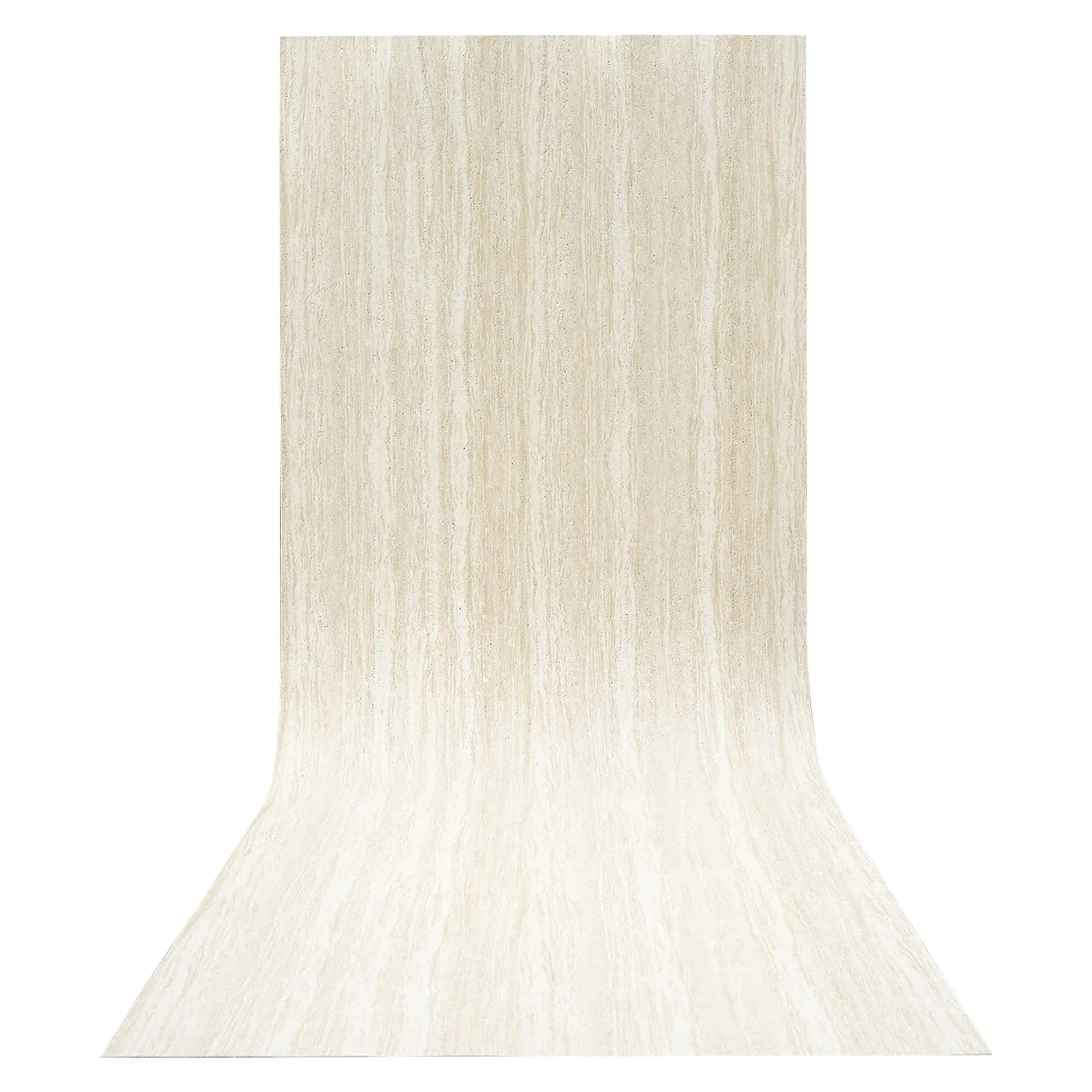
The MCM Wood Line takes this flexibility and wraps it in the timeless beauty of wood. If you love the warmth of oak, the richness of walnut, or the lightness of pine but cringe at the upkeep, this series is for you. It's not real wood—thank goodness. Instead, it's a hyper-realistic wood grain board surface printed onto MCM's flexible core, capturing every knot, grain, and texture of natural wood without the warping, rotting, or termite risk. Whether you're going for a rustic cabin vibe or a modern Scandinavian look, there's a finish here that feels authentically "wood" but behaves like a superhero.
Let's break down why the Wood Line stands out, especially for uneven surfaces:
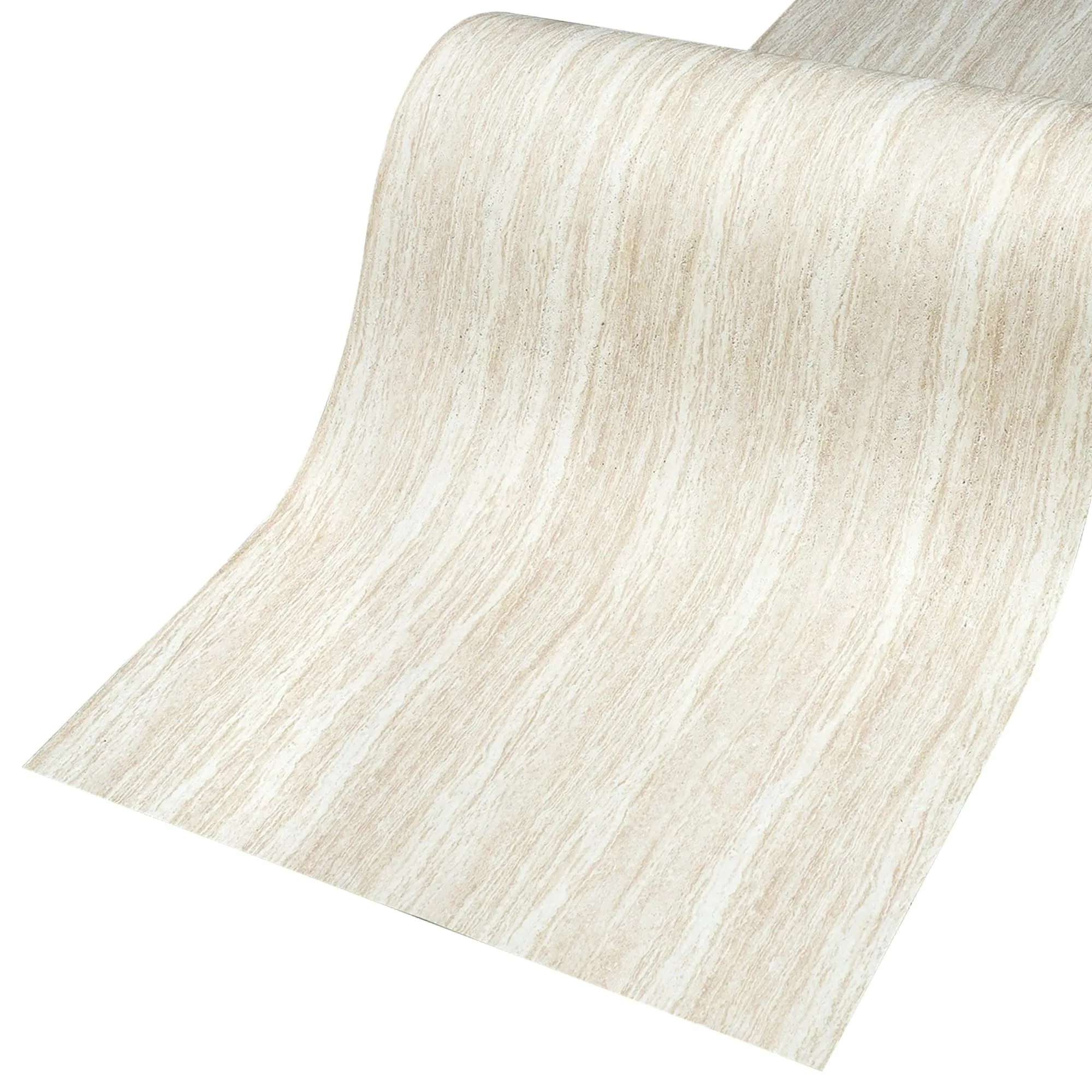
Let's get practical: How exactly does MCM Wood Line turn a lumpy wall into a smooth, stylish feature? It all comes down to three key factors: flexibility, adhesion, and adaptability.
Flexibility to Conform: Uneven surfaces aren't just "uneven"—they're unpredictable. One spot might have a small ridge; another, a hairline crack; a third, a gentle slope. Rigid materials treat these as obstacles. MCM Wood Line treats them as guidelines. Its ability to flex (up to 30 degrees, depending on thickness) means it can follow the natural contour of the wall or floor, turning flaws into character. Think of it as the material equivalent of a yoga instructor—bendy, balanced, and unflappable.
Strong Adhesion, Minimal Prep: Traditional materials often demand a "perfect" substrate. Ceramic tiles need a level, clean surface; wood panels require studs spaced exactly 16 inches apart. MCM Wood Line? It's more forgiving. A basic primer and a high-quality construction adhesive are usually enough to secure it, even on slightly porous or textured surfaces. No need to spend days applying self-leveling compound or rebuilding drywall—just clean, prime, and stick. It's a time-saver, too: a typical 100-square-foot wall can be covered in under 2 hours, start to finish.
Durability That Lasts: Even if your wall shifts slightly over time (hello, old houses!), MCM Wood Line won't crack or peel. Its composite core is designed to move with the substrate, not against it. And because it's moisture-resistant, it won't warp in humid bathrooms or kitchens, or rot in damp basements. Unlike real wood, which needs annual sealing, MCM Wood Line just needs an occasional wipe with a damp cloth to stay looking fresh.
Still on the fence? Let's put the Wood Line head-to-head with common renovation materials. The table below compares how they stack up when faced with uneven surfaces:
| Material | Flexibility | Weight (per sqm) | Installation Prep | Suitability for Uneven Surfaces | Maintenance |
|---|---|---|---|---|---|
| MCM Wood Line | High (bends up to 30°) | 3-5kg | Minimal (clean, prime, stick) | Excellent (conforms to contours) | Low (wipe clean; no sealing) |
| Solid Wood Panels | Low (rigid; prone to warping) | 15-20kg | Extensive (level substrate, studs required) | Poor (gaps, warping on uneven surfaces) | High (annual sealing, prone to scratches) |
| Ceramic Tiles | Very Low (brittle; cracks under pressure) | 18-25kg | High (self-leveling compound, flat substrate) | Very Poor (cracks, uneven grout lines) | Medium (grout sealing, prone to chipping) |
| Fair-Faced Concrete | Low (rigid, requires formwork) | 20-30kg | Extensive (formwork, perfectly flat substrate) | Poor (shows every imperfection) | Medium (sealing, stains easily) |
Meet Sarah, a homeowner in Portland who bought a 1920s craftsman with "character"—which, in real estate terms, translates to walls that looked like they'd been drawn by a toddler with a crayon. "The living room wall had this weird hump, like someone had stuffed a pillow behind the drywall," she laughs. "I wanted a warm, woodsy accent wall, but my contractor said solid wood would gap, and tiles would crack. Then he showed me MCM Wood Line samples."
The team prepped the wall with a quick sand to smooth major bumps, applied a primer, and then stuck the Wood Line sheets directly to the surface. "It was wild watching them work," Sarah says. "The sheets just… curved. No cracking, no lifting. By the end of day one, the wall was covered. Day two, they added trim, and it looked like it had always been there—warm, natural, and totally smooth, even though I know the wall underneath is still a little wonky." Six months later, the wall still looks flawless. "No gaps, no warping, and when my nephew scribbled on it with a crayon? A wet cloth wiped it right off. I wish I'd known about this stuff when I renovated the kitchen!"
The beauty of MCM Wood Line is its versatility. It's not just for walls—though it shines there. Here are a few places where it transforms uneven surfaces into design highlights:
Uneven surfaces don't have to derail your renovation. With MCM Wood Line, you get the best of both worlds: the timeless beauty of wood grain and the practicality of a flexible, lightweight material that adapts to your space, not the other way around. It's durable, easy to install, and kind to your budget (no more overpriced leveling compounds or custom-cut materials). Whether you're restoring a historic home or updating a quirky mid-century gem, this isn't just a material—it's a solution that lets your space's "flaws" become part of its charm.
So the next time you run your hand over a bumpy wall and sigh, remember: MCM Wood Line is here to turn "I can't" into "I did." Because great design shouldn't have to fight the past—it should embrace it, and make it beautiful.
Recommend Products












