
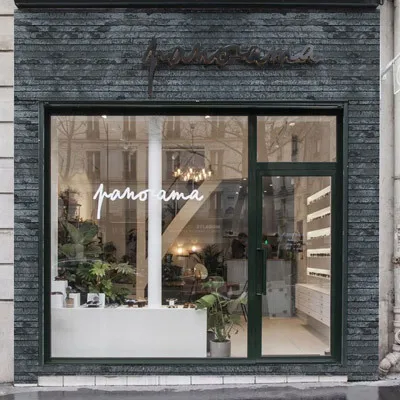
Walk into any modern architectural marvel these days, and you'll likely notice a shift—sharp angles are making way for softer, flowing lines. Curved facades, arched doorways, and sweeping interior walls are no longer just design experiments; they're becoming the norm, sought after for the warmth and dynamism they bring to spaces. But here's the catch: creating those seamless, curved surfaces with traditional building materials? It's a headache. Heavy, brittle stone slabs crack under pressure when bent. Rigid concrete panels can't conform to gentle arcs without leaving unsightly gaps. And let's not even talk about the time and labor involved in cutting, shaping, and installing these materials to fit a non-linear design.
Enter mcm flexible stone —a game-changer in the world of architectural cladding. Specifically, the Flexible Muretto Stone line has emerged as the go-to solution for designers and builders who refuse to compromise on either aesthetics or functionality. Unlike its rigid counterparts, this innovative material bends, curves, and adapts to even the most complex surfaces, all while retaining the natural beauty and durability of real stone. In this article, we'll dive into what makes Flexible Muretto Stone so special, how it solves the age-old problem of curved surface cladding, and why it's quickly becoming a staple in both residential and commercial projects.
To appreciate why Flexible Muretto Stone is a breakthrough, let's first unpack the struggles designers face with traditional cladding materials. Take fair-faced concrete , for example—a popular choice for its raw, industrial look. It's strong, durable, and has that coveted "unfinished" aesthetic. But try using it on a curved wall. Fair-faced concrete is poured into molds, and while those molds can be shaped into curves, the process is time-consuming and expensive. Any mistake in the mold's design means starting over, and once set, the concrete is rigid. No adjustments, no last-minute tweaks to perfect the arc. It's a one-and-done deal, leaving little room for creativity.
Then there's natural stone, like marble or granite. Beautiful, yes, but heavy and brittle. A standard marble slab weighs around 20-30 kg per square meter—hardly ideal for a curved surface that requires support from all angles. Worse, stone slabs are prone to cracking when bent even slightly. To clad a curved wall with traditional stone, you'd need to cut small, wedge-shaped pieces and painstakingly piece them together like a puzzle. The result? Visible seams that break the flow of the curve, and a installation process that drags on for weeks.
Even newer materials, like lunar peak silvery (a sleek, metallic-clad stone variant), while stunning for flat surfaces, lack the flexibility needed for curves. Its rigid core means it can't conform to bends without compromising structural integrity. So, for years, designers have been stuck: either scale back their vision to fit rigid materials, or blow the budget on custom-made, curve-friendly alternatives that often sacrifice durability.
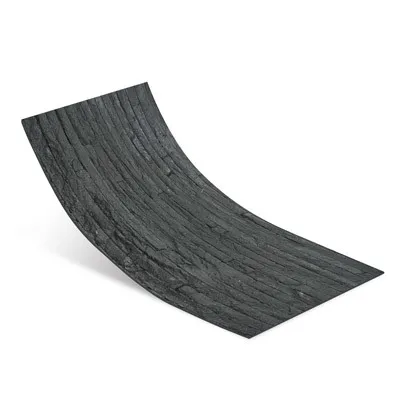
Flexible Muretto Stone isn't your average stone. It's a composite material, crafted by bonding natural stone aggregates (like marble, travertine, or limestone) with a flexible, high-strength polymer backing. This unique construction gives it the best of both worlds: the authentic look and feel of natural stone, paired with the flexibility of a rubber mat. Let's break that down:
The magic lies in the backing. Unlike traditional stone slabs, which are solid through and through, Flexible Muretto Stone has a thin layer of natural stone (usually 3-5mm) adhered to a lightweight, flexible polymer core. This core is designed to bend without cracking, allowing the material to conform to radii as tight as 30cm (that's a curve with a 30cm radius—think the inside of a large barrel). To put that in perspective: a standard marble slab would shatter if bent even half that much.
Technical aside: The polymer core is made from a blend of fiberglass and modified resins, chosen for their tensile strength and resistance to UV rays, moisture, and temperature fluctuations. This means the material won't degrade or lose flexibility over time, even in harsh exterior conditions.
Traditional stone weighs 20-30 kg/m²; Flexible Muretto Stone? A mere 6-8 kg/m². That's a fraction of the weight, making it easier to transport, handle, and install—no need for heavy machinery or reinforced structural support. But don't mistake lightness for weakness. The polymer backing reinforces the stone layer, making it resistant to impacts, scratches, and chipping. In fact, it's been tested to withstand up to 500 hours of salt spray (a standard test for exterior durability) with no signs of degradation. For commercial spaces with high foot traffic or exterior walls exposed to the elements, that's a huge win.
Here's the kicker: you can't tell it's not real stone—until you try to bend it, of course. The natural stone aggregate layer is sourced from quarries around the world, ensuring authentic textures and colors. Want the warm, earthy tones of travertine? There's a Flexible Muretto variant for that. Prefer the sleek, modern look of slate? That's available too. And unlike printed or laminated alternatives, the texture is tactile—run your hand over it, and you'll feel the same pits, veins, and grain as you would with natural stone.
Plus, the color range is extensive. From classic neutrals like lime stone(beige) to bold statement shades like travertine (starry red) , there's a hue to match every design palette. And because the color runs through the entire stone layer (not just a surface coat), scratches or chips are far less noticeable—another bonus for high-traffic areas.
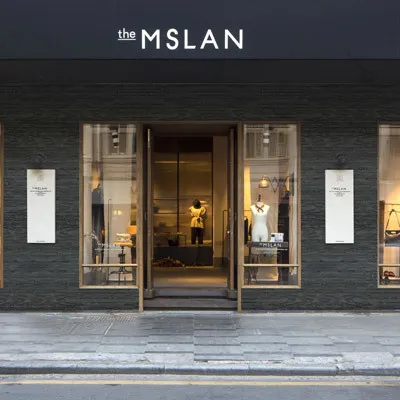
So, how exactly does Flexible Muretto Stone make curved surfaces easy? Let's walk through a real-world scenario: imagine a boutique hotel with a lobby featuring a 3-meter-tall, gently curved accent wall. The designer wants it clad in stone to evoke luxury, but the curve is non-negotiable—it's the focal point of the space. With traditional stone, the process would involve:
With Flexible Muretto Stone? The process is streamlined. The material comes in large sheets (up to 1200x600mm), which can be cut to size with standard tools (a circular saw or jigsaw works fine). Because it's flexible, the sheet can be bent to match the curve of the wall, adhering directly with a construction adhesive. No need for small tiles—one or two large sheets can cover a significant portion of the curve, resulting in minimal seams. Installation time? A fraction of what it would take with traditional stone. In fact, contractors report cutting installation time by up to 60% on curved projects when using Flexible Muretto Stone.
But it's not just about ease of installation. The flexibility also allows for more creative freedom. Designers aren't limited to gentle arcs—they can experiment with S-curves, waves (hello, wave panel designs!), and even spiral shapes. One recent project in Milan featured a restaurant with a ceiling that curved downward into the bar area, clad entirely in Flexible Muretto Stone in travertine (vintage gold) . The result? A seamless, cave-like atmosphere that feels both grand and intimate—something that would have been nearly impossible with traditional materials.
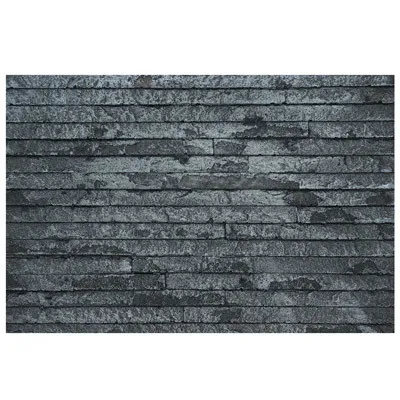
Still not convinced? Let's put Flexible Muretto Stone head-to-head with two common alternatives: fair-faced concrete and lunar peak silvery. The table below breaks down key factors like flexibility, weight, installation time, and aesthetic options to show why Flexible Muretto stands out.
| Feature | Flexible Muretto Stone | Fair-Faced Concrete | Lunar Peak Silvery |
|---|---|---|---|
| Flexibility | Can bend to radii as tight as 30cm; conforms to complex curves | Rigid once set; limited to pre-molded curves (no on-site adjustments) | Low flexibility; prone to cracking if bent |
| Weight (kg/m²) | 6-8 kg/m² (lightweight, easy to handle) | 22-25 kg/m² (heavy; requires structural support) | 18-20 kg/m² (moderate weight, but still challenging for curves) |
| Installation Time (per 10m² curved surface) | 4-6 hours (easy to cut, bend, and adhere) | 2-3 days (requires mold setup, pouring, and curing time) | 1-2 days (small tiles needed; careful alignment required) |
| Aesthetic Options | Wide range: travertine, slate, limestone, and bold colors like starry red/orange | Limited to gray/white; texture depends on mold design | Metallic-silver finish with stone texture; limited color variation |
| Durability (Exterior Use) | UV-resistant, moisture-proof, impact-resistant (500+ hours salt spray tested) | Durable but prone to cracking in freeze-thaw cycles; stains easily | Durable but metallic layer can fade with prolonged sun exposure |
| Cost (per m², installed) | Mid-range ($80-120) | High ($150-200+, due to custom molds) | Mid-to-high ($100-150) |
As the table shows, Flexible Muretto Stone outperforms both fair-faced concrete and lunar peak silvery in flexibility, weight, and installation time—all while offering comparable durability and a wider range of aesthetic options. And when you factor in the reduced labor costs (thanks to faster installation), it often comes out ahead in terms of overall project budget, too.
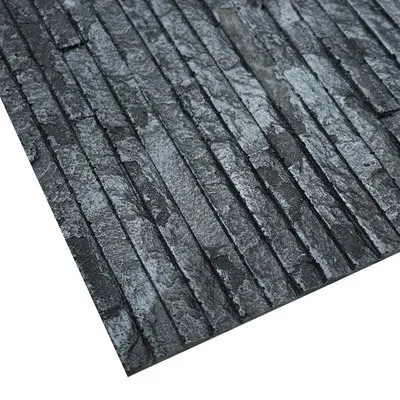
While curved surfaces are where Flexible Muretto Stone truly shines, its versatility doesn't stop there. This material is equally at home on flat surfaces, where its lightweight nature and easy installation make it a favorite for quick renovations or large-scale projects. Let's explore a few other ways designers are using it:
Even on flat walls, Flexible Muretto Stone adds depth and interest. Imagine a living room with a fireplace wall clad in travertine (starry blue) —the stone's natural pits and the "starry" flecks of color create a focal point that draws the eye, without the need for expensive custom stonework. Because it's lightweight, it can be installed directly over drywall, making it a great option for renters or homeowners who want a high-end look without permanent structural changes.
Designers are getting creative with Flexible Muretto Stone in furniture, too. Think kitchen island countertops with curved edges (no more sharp corners!), or bathroom vanities clad in slate veil white for a spa-like feel. The material is heat-resistant and easy to clean, making it practical for high-use surfaces. Plus, its flexibility means it can be wrapped around curved cabinet fronts or integrated into custom shelving with ease.
While we've focused on interior curves, Flexible Muretto Stone is also a star in exterior applications. Its UV resistance and moisture-proof backing make it ideal for facades in rainy or sunny climates. One project in coastal California used travertine (vintage silver) Flexible Muretto panels to clad a beach house's curved balcony walls. The material has withstood years of salt air and ocean spray without fading or deteriorating—something traditional stone would struggle with.
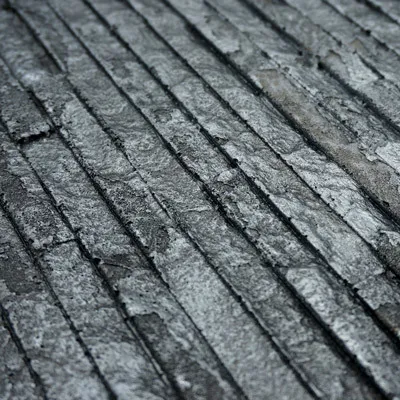
Flexible Muretto Stone is part of a larger family of innovative cladding solutions: the mcm big slab board series . While Flexible Muretto excels in flexibility, the Big Slab Board Series is all about scale. These large-format panels (up to 3000x1500mm) are designed for flat surfaces where minimal seams and maximum impact are key—think feature walls in airports, shopping malls, or luxury hotels. And here's the best part: they pair beautifully with Flexible Muretto Stone.
Imagine a commercial lobby with a grand, curved entrance (clad in Flexible Muretto Stone) that transitions into a flat, 20-meter-long feature wall (clad in Big Slab Boards). The consistent color palette and stone texture create a cohesive look, while the combination of curves and straight lines adds visual interest. It's a one-two punch of design and functionality, made possible by MCM's range of complementary products.
The Big Slab Board Series also shares Flexible Muretto's lightweight, durable properties, making it easy to install over large areas. And like its flexible counterpart, it comes in a variety of finishes—from the industrial-chic look of fair-faced concrete to the luxurious sheen of marble interstellar gray . Together, these two product lines give designers the tools to create spaces that are both expansive and intimate, modern and timeless.
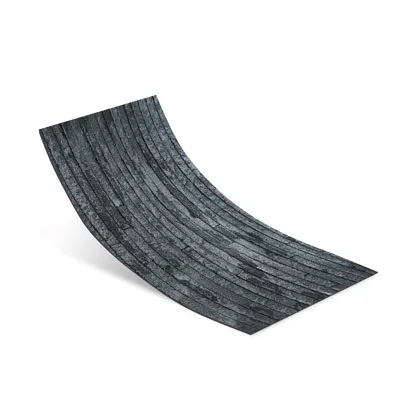
Don't just take our word for it—ask the designers who've used Flexible Muretto Stone in their projects. Sarah Chen, an award-winning interior designer based in New York, recently used the material in a high-end restaurant renovation. "We wanted the main dining area to feel like a cave—warm, enveloping, with curved walls that guide guests through the space," she explains. "Traditional stone was out of the question because of the weight and cost. Flexible Muretto Stone let us achieve that curved look without compromising on the natural stone aesthetic. The installation was so quick, we finished the entire dining room in three days instead of the two weeks we'd budgeted for. Our clients were blown away."
Mark Wilson, a commercial architect in London, echoes that sentiment. "We used Flexible Muretto Stone in a museum extension with a domed ceiling. The dome's curvature is subtle but critical to the building's acoustics and flow. With traditional materials, we would have needed to use small, triangular tiles, which would have disrupted the sound quality. Flexible Muretto allowed us to install large, seamless panels that curved perfectly, and the acoustics are spot-on. It's a material that thinks like a designer—no more 'can't do that'; now it's 'how do we want to do that?'"
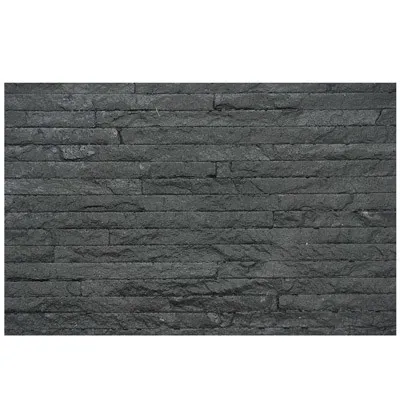
As architecture and interior design continue to embrace organic shapes and flowing lines, the demand for flexible, curve-friendly materials will only grow. Flexible Muretto Stone isn't just a trend—it's a solution that addresses a fundamental gap in the market: the need for materials that are both beautiful and adaptable.
What's next for the line? MCM, the manufacturer, is already experimenting with new textures and finishes, including a 3d printing series that allows for custom, sculptural patterns integrated directly into the stone layer. Imagine a curved wall that not only bends but also features raised, 3D motifs—all made possible by combining flexible stone with 3D printing technology. The possibilities are endless.
At the end of the day, design is about storytelling. Curved surfaces tell a story of flow, movement, and connection—qualities that resonate deeply with people. With Flexible Muretto Stone, designers no longer have to water down that story to fit rigid materials. They can let their creativity run wild, confident that the materials will keep up.
So, the next time you find yourself in a space with a stunning curved wall or a seamlessly arched facade, take a closer look. Chances are, you're looking at the future of architectural cladding—and it's flexible, beautiful, and here to stay.
Recommend Products












