
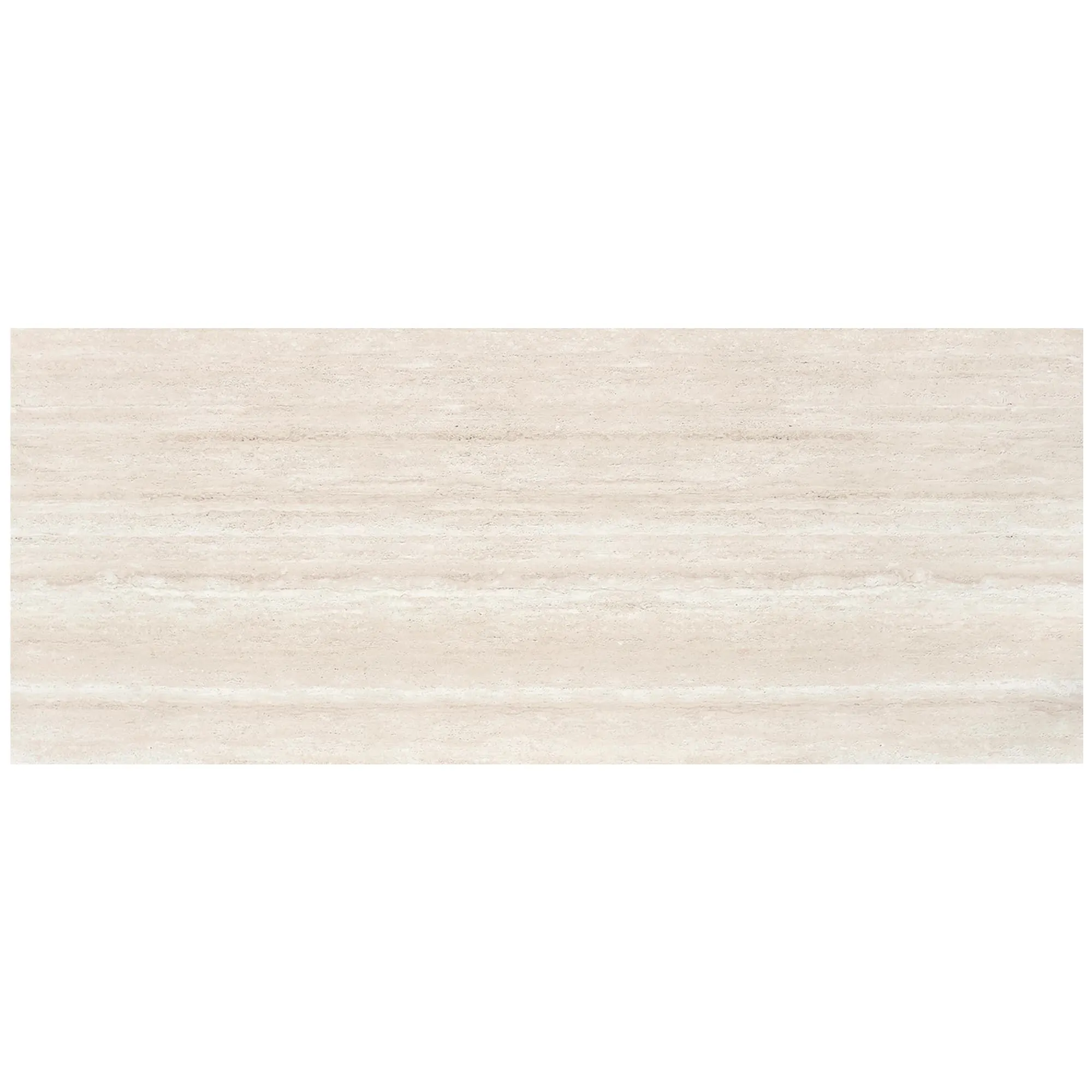
Let's set the scene: You're an architect staring at a blueprint that makes your heart race—a cultural center with a facade that undulates like a desert sand dune, its curves soft yet bold, demanding materials that can bend without breaking, mimic natural warmth without the weight of stone. You've tried fair-faced concrete, but it cracked when curved. Travertine? Too brittle, too heavy, and cutting it to those angles would mean waste piling up like a mini mountain. Then a colleague slides a sample across your desk: a thin, lightweight panel in a warm, earthy hue called Rona Yellow. You flex it between your fingers, and it bends—easily—without so much as a hairline fracture. "MCM flexible stone," they say. "Game changer."
If you've ever grappled with complex architectural shapes—curves, arches, double-curved surfaces, or geometrically intricate facades—you know the struggle isn't just creative. It's material. Traditional building materials, for all their beauty, are often rigid rule-followers. Stone cracks, concrete resists bending, and even modern composites can feel clunky when pushed beyond 90-degree angles. But Rona Yellow MCM? It's the rebel in the material world—soft where others are stiff, adaptable where others are stubborn, and designed specifically to turn "impossible" shapes into "let's build it."
First things first: Let's demystify the acronym. MCM stands for Modified Composite Material—a blend of natural minerals (think crushed stone, marble dust, or travertine aggregates), high-performance polymers, and reinforcing fibers. It's not fake stone, nor is it just plastic. It's a hybrid that borrows the best from both worlds: the durability and aesthetic of natural materials, with the flexibility and lightness of modern composites. And when we talk about "mcm flexible stone," we're zeroing in on a subset of MCM designed to bend, twist, and conform to shapes that would leave traditional stone crying for mercy.
The magic lies in the manufacturing process. Unlike quarried stone, which is cut from solid blocks with inherent structural weaknesses, MCM is engineered layer by layer. The mineral components are mixed with polymers that act like a "flexible glue," binding the aggregates without making them rigid. Then, reinforcing fibers (often glass or carbon) are woven in, adding tensile strength without adding bulk. The result? A panel that's typically 4–6mm thick, weighs 6–8 kg per square meter (compared to 20–30 kg for natural travertine), and can bend to a radius as tight as 50cm—all while retaining the texture and depth of natural stone.
And Rona Yellow? It's not just a color swatch in the MCM project board series. It's a star player. Named for its warm, sunlit hue—think golden hour on a sandy plain, with subtle veining that mimics the organic patterns of sedimentary rock—it's become a favorite for architects craving both flexibility and visual warmth. Unlike stark whites or cool grays, Rona Yellow feels alive, as if it's been pulled from the earth and softened into something malleable.
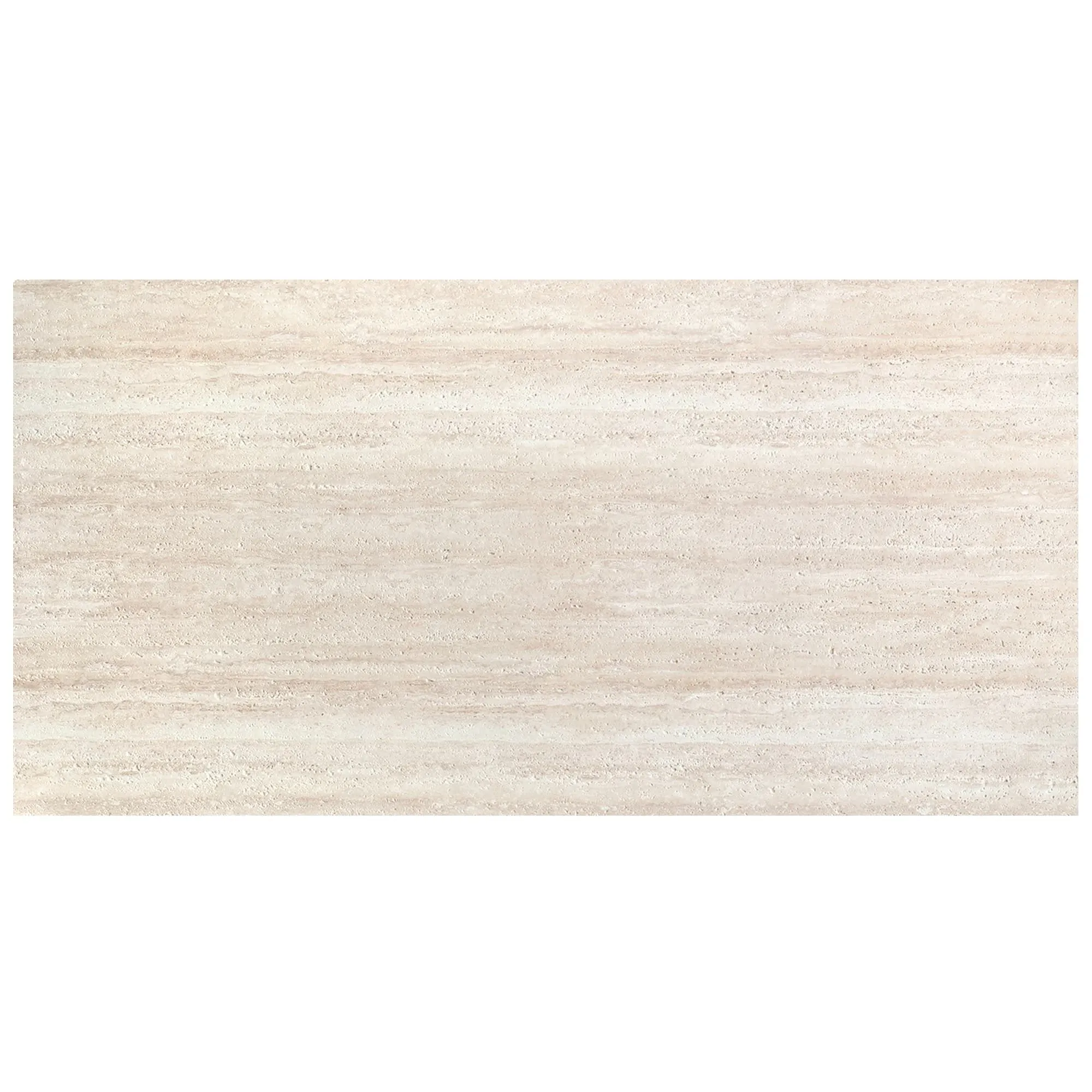
Let's get real: Architects don't avoid complex shapes because they lack creativity. They avoid them because traditional materials make it a nightmare. Take fair-faced concrete, for example. It's durable, it's industrial-chic, but try curving it beyond a gentle arc, and you're asking for trouble. The material shrinks as it cures, leading to cracks in curved sections. Plus, its weight—around 2400 kg per cubic meter—means structural supports need to be beefed up, driving up costs and construction time.
Natural travertine, like the starry green variant prized for its speckled, celestial look, is another culprit. It's stunning, no doubt, but it's a sedimentary stone with natural pores and fissures. When you try to bend it, those pores become weak points, and the stone snaps. Cutting it into custom shapes? You'll lose 30–40% of the slab to waste, and even then, transporting those heavy pieces to the site is a logistical headache. A single square meter of travertine can weigh 25 kg—imagine hoisting that up a 10-story building for a curved facade.
Rona Yellow MCM flips the script. Let's start with flexibility: Its flexural strength (the ability to bend without breaking) is off the charts. Tests show it can withstand bending up to 12 degrees without permanent damage—compare that to travertine, which typically cracks at 2 degrees. Then there's weight: At 6–8 kg per square meter, it's light enough to be installed by two people without heavy machinery. No need for reinforced steel beams or extra structural support; it's so light, it can even be used on existing buildings without overloading the structure.
Installation? A breeze. Unlike natural stone, which requires precise cutting in a factory, Rona Yellow panels can be trimmed on-site with standard tools—no diamond saws, no dust clouds, no wasted time. And because they're flexible, they conform to uneven surfaces. Ever tried installing rigid stone on a wall that's slightly out of plumb? It's like trying to fit a square peg in a round hole. Rona Yellow? It adapts, filling gaps without stress, reducing the need for shims or custom cuts.
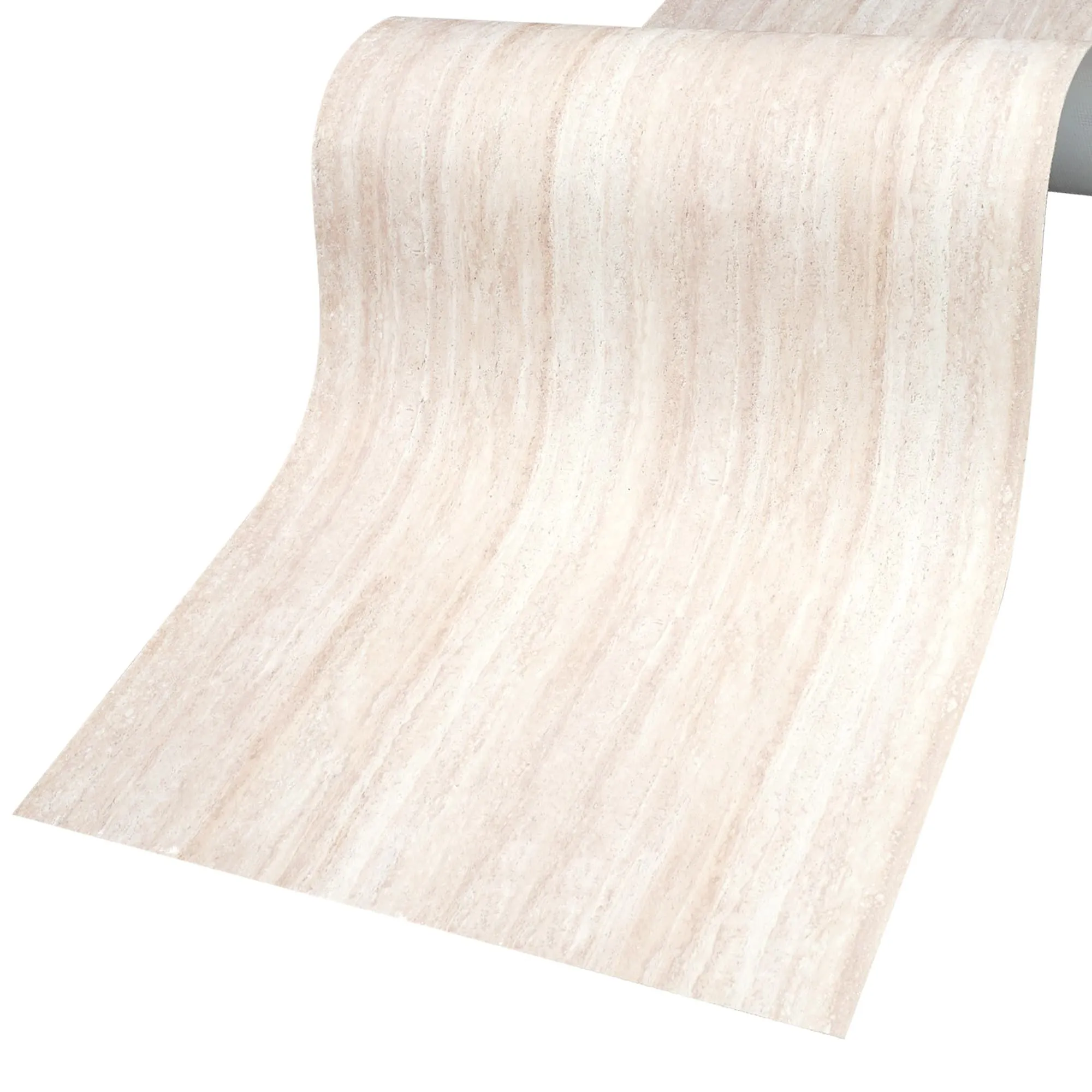
Let's geek out for a minute—without the jargon. What makes Rona Yellow so bendy? It starts with the mineral mix. The MCM team sources fine aggregates, including dolomitic travertine (claybank) and limestone (beige), which are crushed into a powder-like consistency. This fine texture allows the polymers to wrap around each particle, creating a matrix that's both strong and stretchy. Think of it like a spider web: individual threads are weak, but woven together, they're tough enough to catch a fly.
Then there's the polymer binder. Unlike cheap plastics that get brittle over time, MCM uses UV-resistant, weatherproof polymers designed to maintain flexibility even in extreme temperatures—from the scorching heat of Dubai to the freezing cold of Moscow. This binder acts as a shock absorber, allowing the panel to flex under wind loads or structural movement without cracking. It's why Rona Yellow MCM is often used in earthquake-prone regions; it can "give" with the building instead of fighting against it.
Reinforcing fibers add another layer of protection. These ultra-thin glass fibers are woven into the material during production, creating a grid that distributes stress evenly. When you bend the panel, the fibers stretch slightly, then snap back, preventing the mineral aggregates from pulling apart. It's similar to how rebar strengthens concrete, but on a micro scale—lightweight, but incredibly effective.
And let's not forget the color itself. Rona Yellow isn't just a surface coat; it's mixed into the material at the core. That means scratches or chips won't reveal a different color underneath—unlike painted concrete or even some veneers. It's fade-resistant, too. Tests expose panels to 1000 hours of UV radiation (the equivalent of 10 years in direct sunlight), and Rona Yellow retains 95% of its original hue. So that warm, sunlit glow? It'll stay that way for decades.
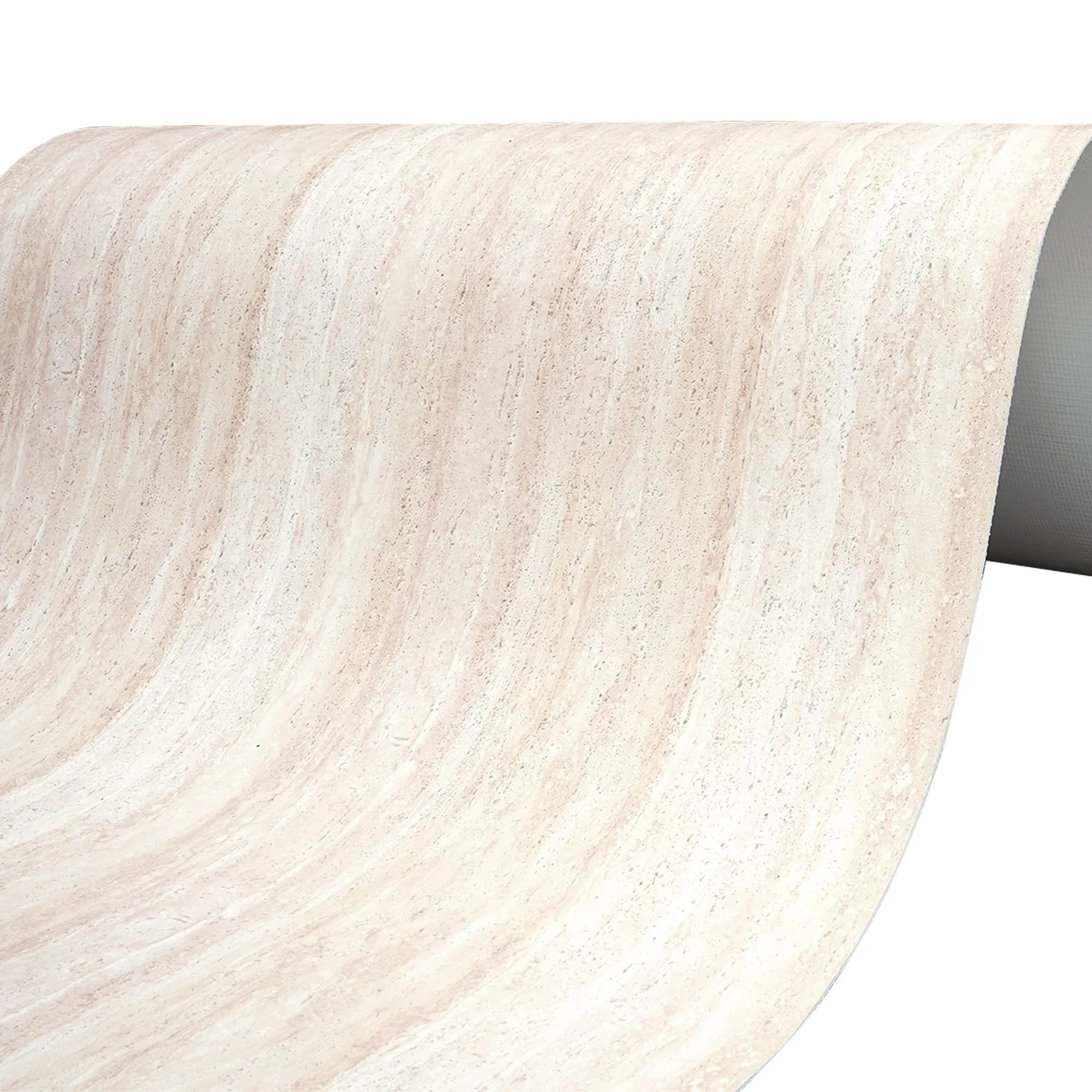
Still skeptical? Let's put Rona Yellow head-to-head with three common alternatives: fair-faced concrete, travertine (starry green), and even other MCM variants like the 3D printing series. The table below breaks down key factors architects care about—flexibility, weight, installation time, sustainability, and cost.
| Material | Max Bend Radius | Weight (kg/sqm) | Installation Time (sqm/day/team) | Sustainability Score* | Cost (USD/sqm) |
|---|---|---|---|---|---|
| Flexible Rona Yellow MCM | 50cm (tight curve) | 6–8 | 40–50 | 9/10 | $80–$120 |
| Fair-Faced Concrete | 3m (gentle curve only) | 20–25 | 15–20 | 6/10 | $60–$90 |
| Travertine (Starry Green) | Not bendable (cracks at 2°) | 22–28 | 10–15 | 5/10 | $150–$200 |
| MCM 3D Printing Series | 30cm (ultra-tight curve) | 5–7 | 30–40 | 9.5/10 | $120–$180 |
*Sustainability score based on water usage, carbon footprint, recyclability, and waste reduction.
Let's unpack this. Rona Yellow outperforms fair-faced concrete in flexibility by a mile—its 50cm bend radius means it can handle tight curves that concrete would crack under. It's also 60% lighter than concrete, which translates to faster installation (a team can cover 40–50 sqm a day vs. 15–20 for concrete). And while concrete is cheaper upfront, the savings disappear when you factor in structural reinforcements and repair costs for cracks.
Travertine? Beautiful, but impractical for complex shapes. Its "not bendable" rating speaks for itself, and at $150–$200 per sqm, it's significantly pricier than Rona Yellow. Plus, its low sustainability score (5/10) comes from quarrying impacts—travertine mining often disrupts local ecosystems, and transporting heavy slabs adds to carbon emissions.
The MCM 3D printing series is a close cousin, with even tighter bend radii, but it's pricier and better suited for hyper-custom textures (think 3D-printed geometric patterns). Rona Yellow, by contrast, hits the sweet spot: flexible enough for most complex shapes, affordable, and easy to install.
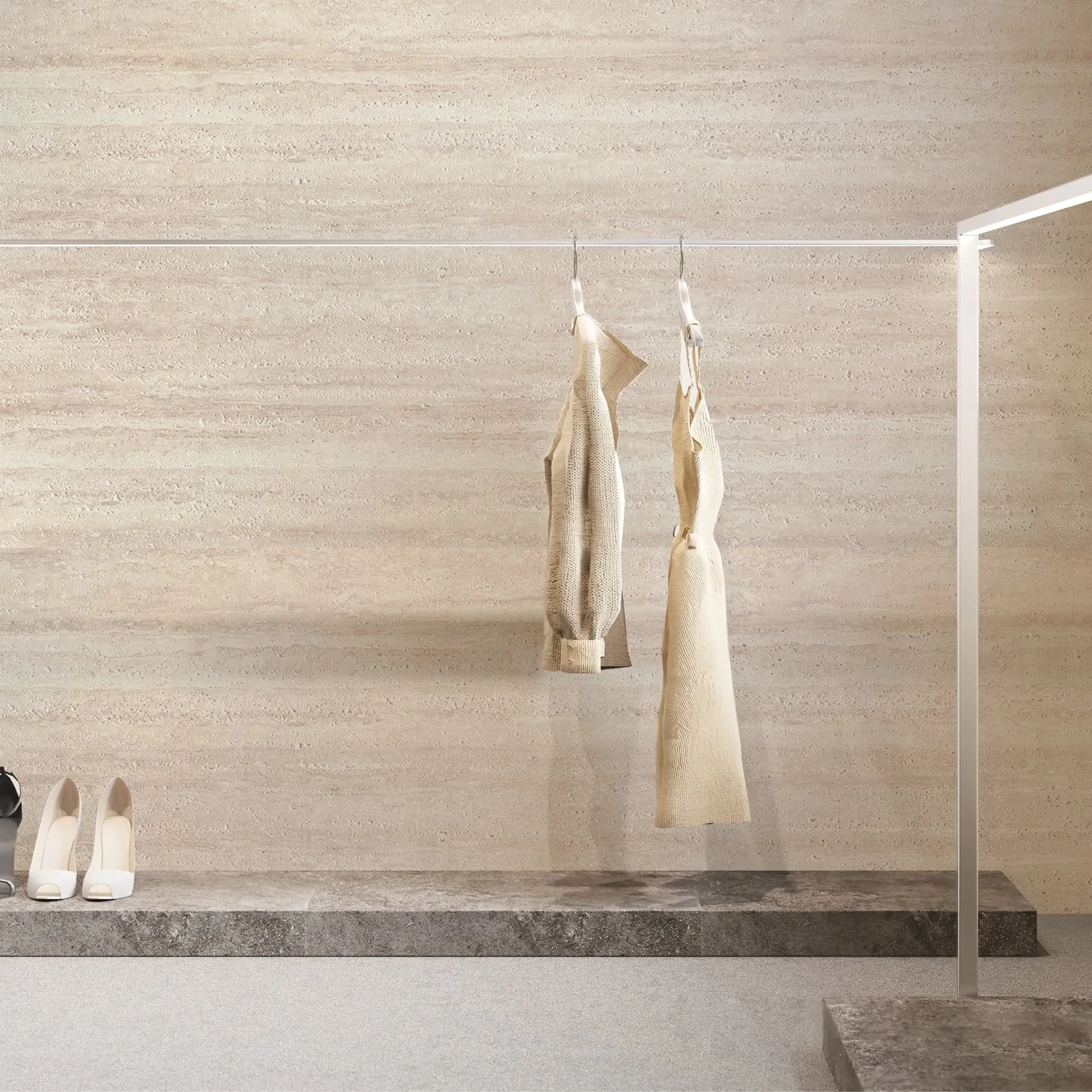
Enough theory—let's talk real projects. Rona Yellow MCM isn't just a lab experiment; it's been tested in the field, turning bold designs into built reality. Here are three standout use cases:
When architect Carlos Mendez designed a home in the Sonoran Desert, he wanted it to blend with the landscape—not fight it. The result? A facade that curves like a sand dune, rising and falling with the terrain. "We tried travertine first," Mendez recalls. "But the weight alone would have required a steel substructure that ate into the budget. Then we tested Rona Yellow. We bent a sample into a U-shape, and it didn't break. We were sold."
The 2,500 sqm facade was installed in six weeks (half the time of stone), with zero waste. The panels, in Rona Yellow's warm hue, reflect the desert sun during the day and glow softly at night, mimicking the dunes' natural color shifts. "The neighbors thought we used real stone," Mendez laughs. "When we told them it bends, they didn't believe us—until we showed them a leftover panel flexing in our hands."
Dubai's retail scene is all about "wow"—and the Azure Center wanted a facade that stopped shoppers in their tracks. The design? A series of overlapping, curved canopies that look like waves frozen in motion. Traditional materials? Out of the question. "Concrete would have required massive formwork, and glass was too fragile," says project manager Lina Hassan. "Rona Yellow MCM was the only option that could handle the curves and the Dubai heat."
The canopies, each 8 meters long and curved at 120 degrees, were prefabricated off-site using Rona Yellow panels, then lifted into place with a small crane. "Because the panels are lightweight, we didn't need to reinforce the roof structure," Hassan explains. "That saved us $200,000 in steel alone." Today, the Azure Center's facade is Insta-famous, with visitors posing under the "wave" canopies—and Rona Yellow's color hasn't faded, even after three years in the desert sun.
Cultural buildings demand materials that feel both timeless and innovative. The Lunar Arts Museum, with its spherical entrance hall and undulating gallery walls, needed a material that could evoke the moon's craters (rough texture) while bending to the building's organic shape. Enter Rona Yellow MCM, paired with Lunar Peak Silvery panels for contrast.
"We wanted the entrance to feel like stepping into a lunar landscape," says lead architect Min-Jun Park. "Rona Yellow's earthy tone balances the silvery Lunar Peak panels, and its flexibility let us create those crater-like indentations without chipping. The installers even carved small, curved niches into the walls for art displays—something we couldn't have done with stone."
In 2025, "sustainable" isn't a buzzword—it's a requirement. And Rona Yellow MCM delivers here, too. Let's start with production: Unlike natural stone, which requires mining, MCM uses recycled mineral waste from quarry operations. Those "leftover" aggregates that would otherwise end up in landfills? They become the base of Rona Yellow panels. That reduces quarrying demand by up to 40% for each project.
Then there's transportation. At 6–8 kg per sqm, Rona Yellow panels are 70% lighter than natural stone. That means fewer trucks on the road, lower fuel consumption, and reduced carbon emissions. A typical 10,000 sqm project using travertine would require 50 truckloads; with Rona Yellow, it's just 15. That's a 70% cut in transportation-related CO2.
Durability matters, too. Rona Yellow panels are resistant to moisture, mold, and UV rays, with a lifespan of 50+ years—twice as long as painted concrete. Less replacement means less waste. And when they do reach the end of their life? They're recyclable. The polymer binder can be separated from the mineral aggregates, which are then reused in new MCM panels or as road base material. No landfill destined for these panels.
Even installation is greener. Traditional stone cutting generates dust and debris; Rona Yellow panels are cut with standard tools, producing minimal waste. And because they're lightweight, installers use smaller, electric-powered lifts instead of diesel-guzzling cranes. "We calculated the carbon footprint for the Azure Center project," Hassan notes. "Using Rona Yellow instead of travertine reduced emissions by 35%. That's a big deal for LEED certification."
If Rona Yellow is the present of flexible architecture, the MCM 3D printing series is the future. Imagine (oops—scratch that) think of a world where you can 3D-print a facade panel with Rona Yellow as the base color, then add custom textures: geometric patterns, organic veins, even integrated lighting channels. That's not science fiction—it's happening now.
The 3D printing series uses Rona Yellow's flexible composite material as "ink," allowing architects to design panels with shapes that were once impossible: honeycomb structures, latticework, or even panels that interlock like puzzle pieces. And because the material is already bendable, the printed panels can be curved post-printing, adding another layer of design freedom.
"We're working on a project now where the client wants a facade that looks like woven bamboo," says MCM product developer Elena Torres. "With 3D printing and Rona Yellow, we can print the woven texture directly into the panel, then bend it to the required curve. Traditional stone would require hand-carving each 'weave'—a nightmare. Rona Yellow? It's seamless."
Customization doesn't stop at texture. Rona Yellow can be tinted to match almost any color, though its namesake hue remains the most popular. "Architects love that it's warm but neutral," Torres explains. "It pairs with everything: the cool grays of dolomitic travertine, the earthy tones of wood grain board, even the metallic sheen of foamed aluminium alloy board (vintage gold). It's the chameleon of building materials."
At the end of the day, Rona Yellow MCM isn't just about solving technical problems—it's about freeing architects to dream bigger. For too long, material limitations have clipped the wings of creative design. "I've had clients say, 'We can't do that curve—stone won't allow it,'" Mendez reflects. "Now I say, 'Watch us.' Rona Yellow turns 'can't' into 'can.'"
It's about accessibility, too. Complex shapes shouldn't be reserved for million-dollar projects. Rona Yellow's affordability (compared to natural stone) means even mid-range developments can embrace bold design. A small boutique, a community center, a home—all can now have the curves and character once limited to iconic landmarks.
And it's about connection—to place, to nature, to the human desire for beauty. Rona Yellow's warm hue and organic texture don't just cover a building; they make it feel alive, like it belongs. In a world of cold glass and steel, that warmth matters. It turns buildings into places people want to be, not just pass by.
So, to the architects, designers, and dreamers out there: The next time you sketch a curve, a twist, or a shape that makes your client say, "Is that even possible?"—reach for Rona Yellow MCM. It's not just a material. It's the partner you've been waiting for to turn those sketches into something real. Flexible, durable, sustainable, and stunning—Rona Yellow MCM isn't just solving complex architectural shapes. It's redefining what architecture can be .
Recommend Products












