
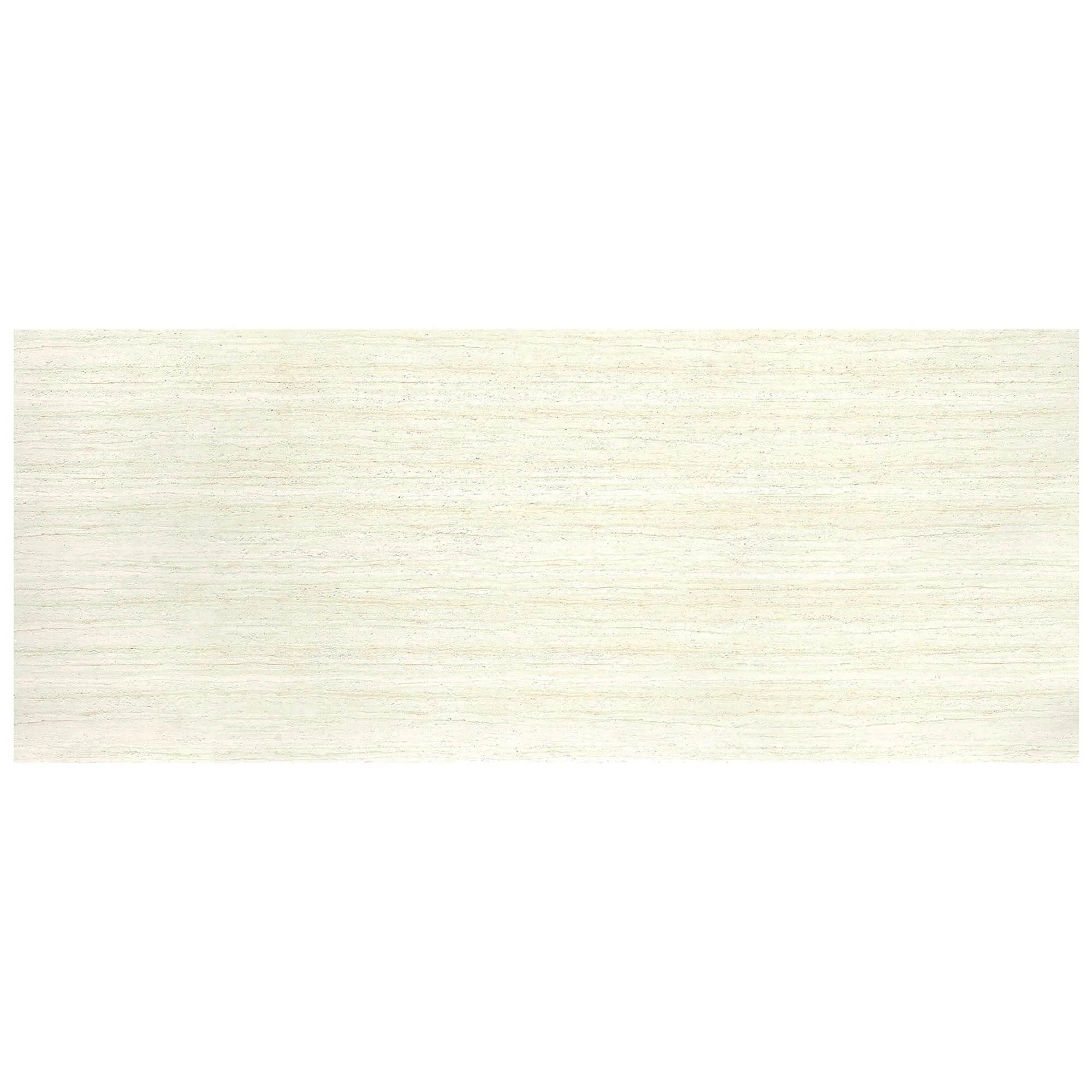
How a revolutionary material is turning architectural curves from a challenge into a canvas for creativity
Think about the last time you visited a building that made you pause and stare—not just because of its height, but because of its shape. Maybe it was a museum with walls that seemed to flow like fabric, or a hotel lobby where the ceiling curved gently overhead, as if the sky itself had dipped down to greet you. These moments of architectural wonder often share a common secret: they rely on curved surfaces to evoke emotion, movement, and depth. But here's the catch: for decades, creating those curves has been a headache for architects, contractors, and designers alike.
Traditional building materials—solid stone, thick concrete, heavy wood—are stubbornly rigid. To bend them into curves, you'd either have to carve them (expensive, time-consuming, and wasteful) or layer thin slices (risking cracks, unevenness, and a finish that never quite looks seamless). I once spoke with an architect friend who described a project where she dreamed of a circular restaurant with a wall that curved 360 degrees, clad in natural stone. She spent months working with masons, testing samples, and revising designs—only to abandon the idea when the stone kept cracking during installation. "It felt like the material was fighting me," she said. "I had to choose between my vision and practicality, and practicality won."
That's where MCM flexible stone enters the story. It's not just a new material; it's a shift in how we think about building surfaces. Lightweight, bendable, and packed with the texture and beauty of natural materials, it's turning "I can't" into "I can"—and in the process, transforming how we experience the spaces around us.
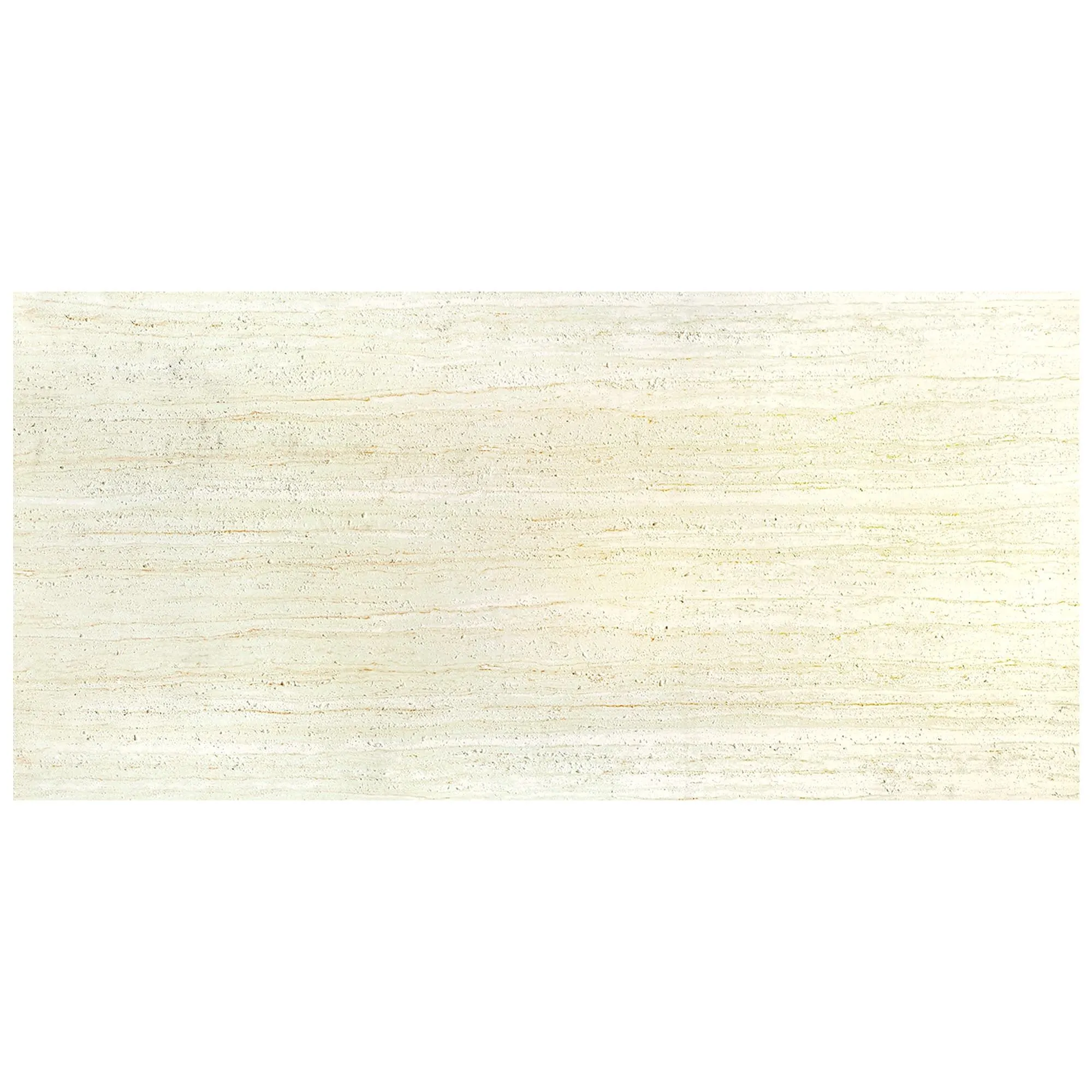
First things first: MCM stands for "Modified Composite Material." But don't let the technical name fool you—this stuff is anything but cold or clinical. At its core, MCM flexible stone is a blend of natural minerals (think crushed stone, marble dust, or travertine fragments) and a high-performance polymer backing. The result? A thin, lightweight sheet (usually 3-5mm thick) that's flexible enough to wrap around a pipe, yet tough enough to withstand the elements, foot traffic, and the test of time.
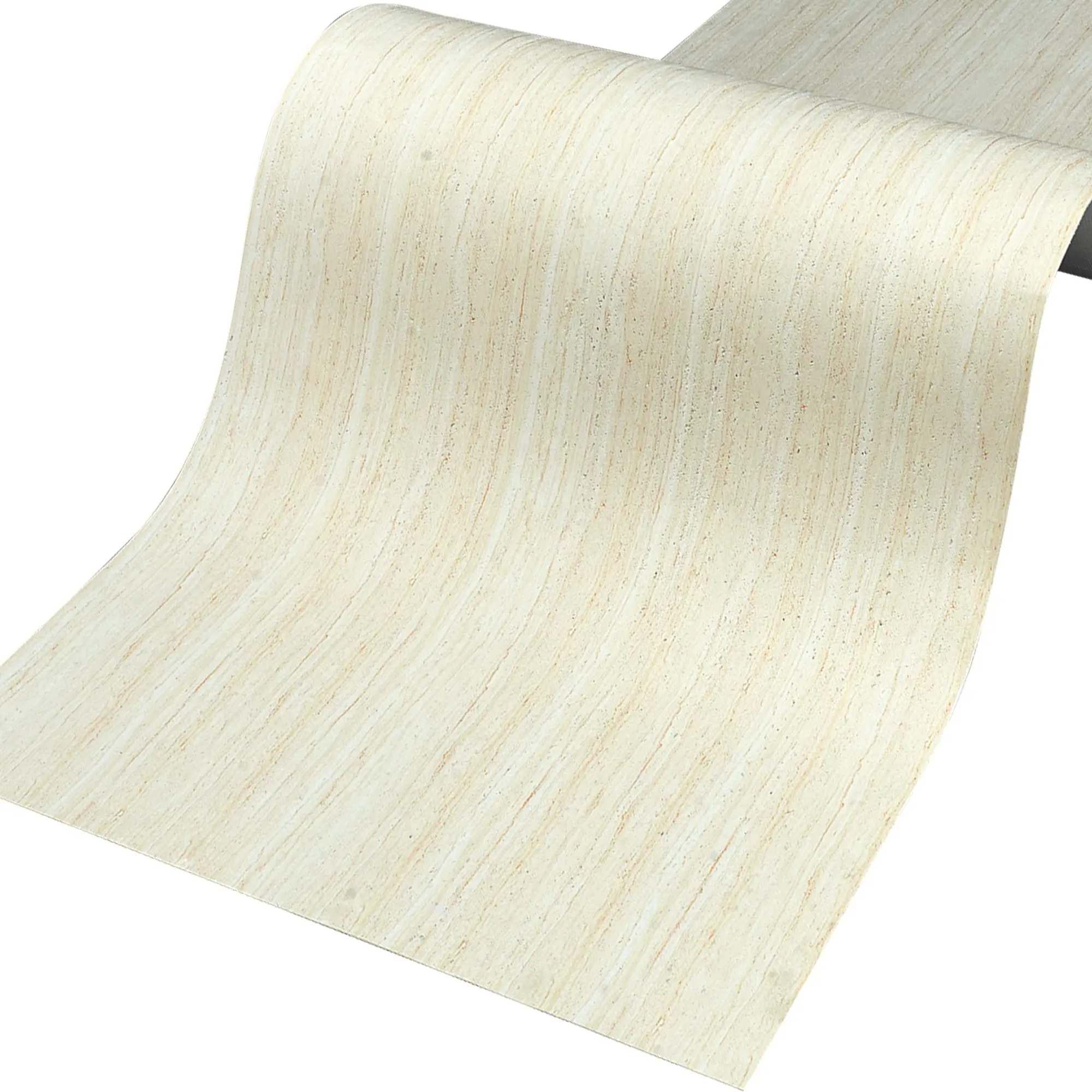
Imagine holding a sheet of it in your hands. It might look like a slab of travertine, with all the porous texture and earthy tones you'd expect from natural stone. But when you gently bend it, it gives—no cracking, no creaking, just a smooth, even curve. It's like nature's beauty, reimagined with a little help from modern engineering. And because it's so thin and light (about 80% lighter than traditional stone), installing it isn't a Herculean task. Contractors don't need heavy machinery or specialized tools; a few people can carry, cut, and attach it in a fraction of the time it takes to install solid stone.
But flexibility isn't its only trick. MCM flexible stone comes in a dizzying array of styles, from the rustic charm of masonry stone to the sleek modernity of foamed aluminium alloy board (vintage silver) . Want the look of aged metal without the weight? Done. Crave the warmth of wood grain but need something fire-resistant? Check. It's a chameleon material, adapting to whatever aesthetic a project demands—all while staying true to its core superpower: bending where other materials break.
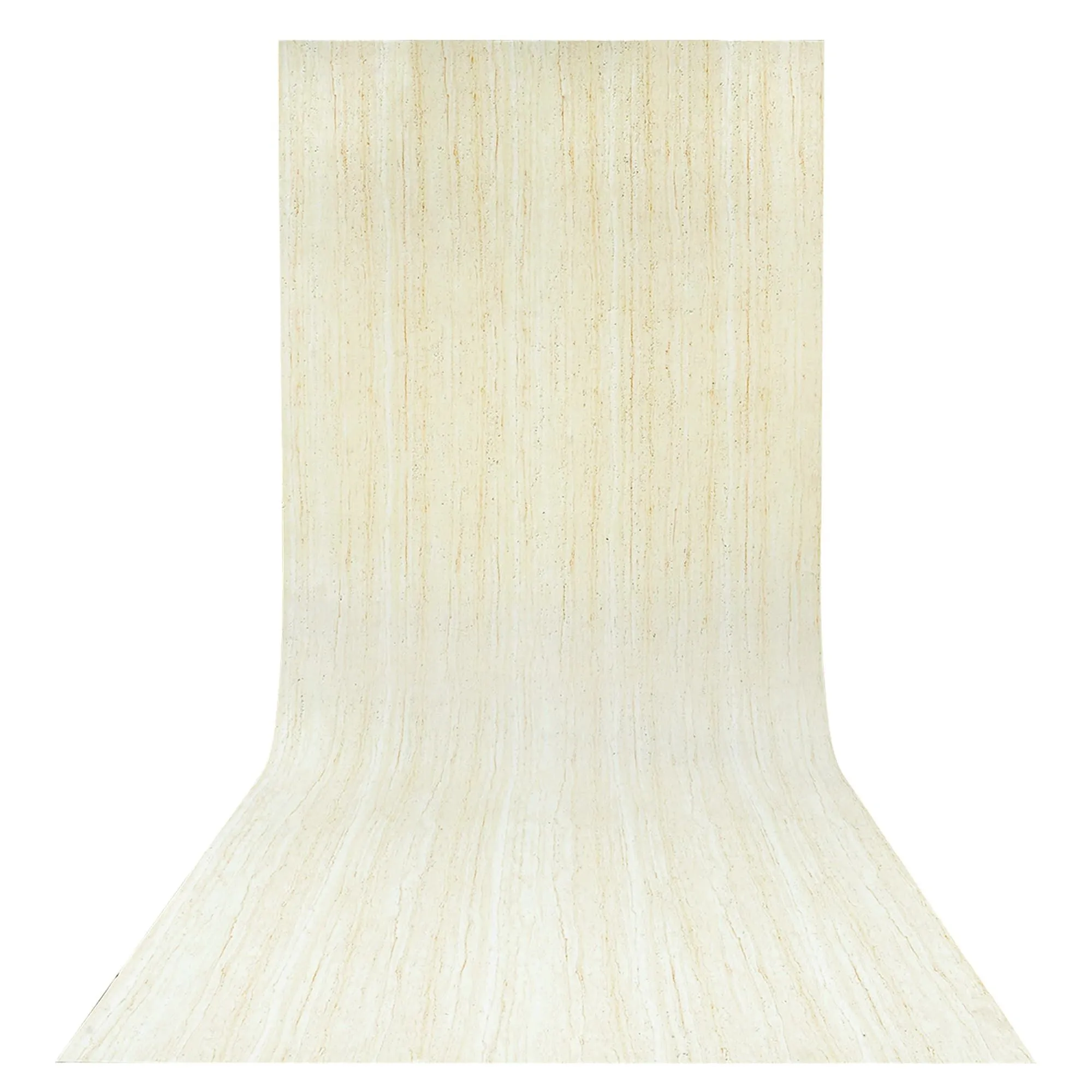
Let's get a little science-y, but don't worry—I'll keep it conversational. The secret to MCM flexible stone's bendability lies in its "thread" of flexibility, which starts with its structure. Unlike solid stone, which is a single, dense mass, MCM is built in layers. The top layer is a thin veneer of natural minerals, giving it that authentic look and feel. Beneath that is a reinforcing mesh, and at the bottom, a flexible polymer backing that acts like a "spine." This backing is what allows the material to flex: it stretches slightly when bent, then holds its shape once in place.
To put it in everyday terms: think of a sheet of MCM like a high-quality leather jacket vs. a stiff denim jacket. Denim might look tough, but try bending it into a tight curve, and it'll crease or resist. Leather, though? It's supple, adapts to movement, and holds its shape beautifully. MCM flexible stone is the leather jacket of building materials—strong, but willing to move with you.
This flexibility isn't just about aesthetics, either. It solves practical problems, too. Take wave panel , for example—a popular MCM style with a rippled, undulating texture. Imagine installing this on a curved wall: each wave follows the arc of the surface, creating a visual rhythm that flat materials could never achieve. Or consider travertine (starry green) , a variant that mimics the look of travertine stone with tiny, glittering flecks (the "starry" part). When wrapped around a curved surface, those flecks catch the light differently as you move, turning the wall into a dynamic, ever-changing canvas. It's not just a surface—it's a story.
The Coastal Hotel with a "Waving" Facade
Last year, I visited a boutique hotel on the California coast that had just renovated its exterior. The design brief was simple: "Make it feel like the ocean." The architect's solution? A curved facade that mimicked the shape of breaking waves, clad in
wave panel
MCM. Standing on the beach, I watched as the sunlight hit the rippled surface—the panels caught the light, creating shadows that shifted with the sun, just like real waves. The contractor later told me that installing the panels took half the time of traditional stone, and because they were so light, they didn't require extra structural support. "We could carry 10 panels at a time up the scaffolding," he laughed. "With solid stone, we'd have needed a crane for every 2."
The Museum's Celestial Ceiling
A modern art museum in Chicago wanted its main hall to feel "like standing under a starlit sky." The challenge? The ceiling was a gentle dome, 50 feet in diameter, and the curators insisted on a material that felt "organic, not industrial." The team chose
travertine (starry green)
MCM, cut into thin strips and arranged in a spiral pattern. From the floor, the effect is breathtaking: the greenish-gray base looks like twilight, and the flecks of mica (the "stars") twinkle as you walk. What's more, because the MCM was flexible, the installers could curve each strip to follow the dome's contour perfectly. No gaps, no cracks, just a seamless sweep of texture. "It's like the ceiling is breathing," one visitor told me.
The Café with a Golden Glow
In downtown Seattle, a small café wanted to stand out on a busy street. The owner, a former pastry chef, dreamed of a circular counter that felt "warm and inviting, like a hug." The designer suggested wrapping the counter in
foamed aluminium alloy board (vintage gold)
MCM. The result? A curved surface that shimmers with a soft, aged gold finish—perfect for a space that serves lattes and pastries. The best part? Because the MCM is heat-resistant, the counter can handle hot mugs without warping, and it's easy to wipe clean. "I wanted something that looked expensive but didn't cost a fortune," the owner said. "This checked both boxes."
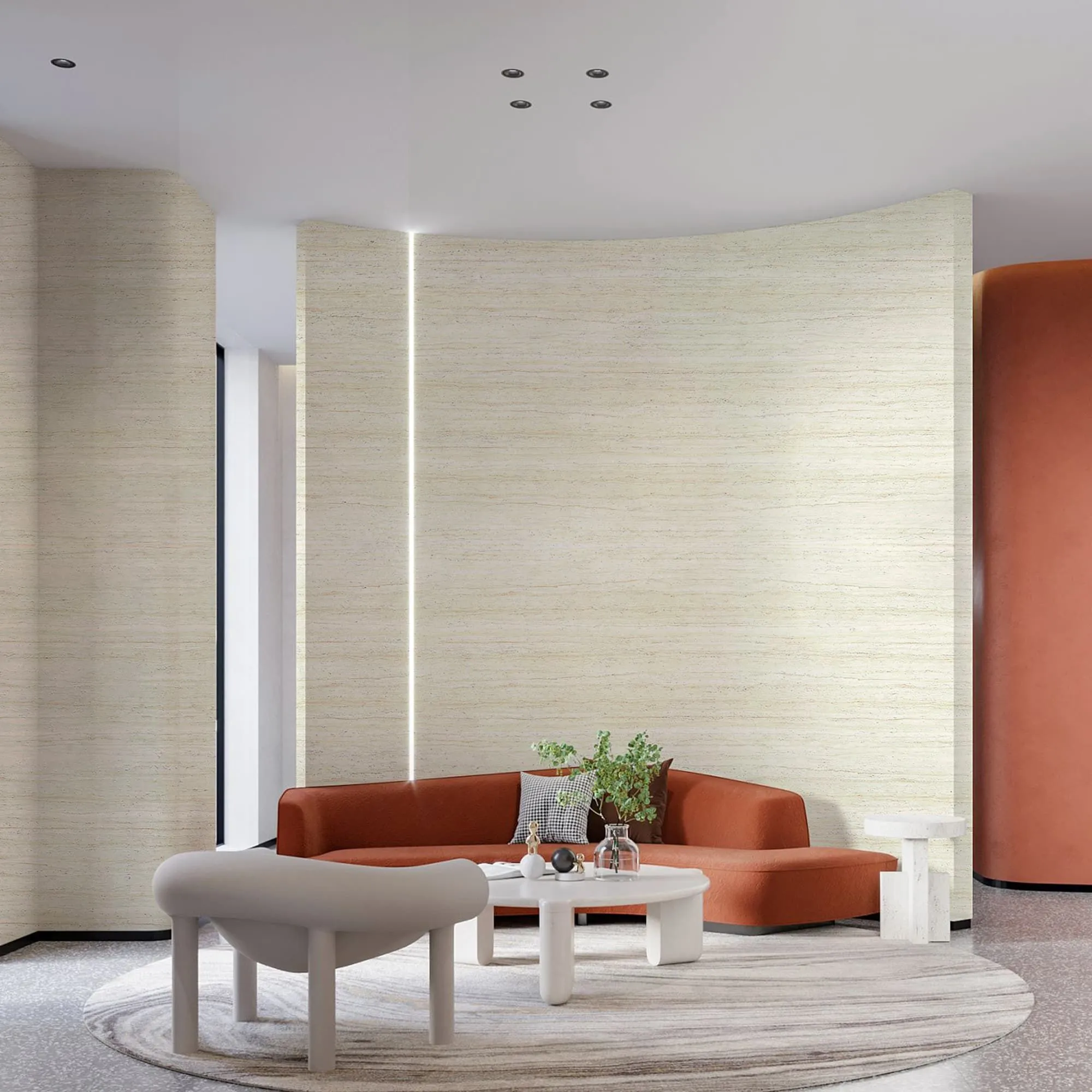
Flexibility is MCM's headline feature, but it's far from the only reason architects and designers are falling for it. Let's break down why it's becoming a go-to choice for curved (and flat!) installations:
| Feature | What It Means for You |
|---|---|
| Lightweight | At 3-5mm thick, it weighs 1/5th of traditional stone. This cuts down on structural support costs and makes installation faster and safer. |
| Durable | Resistant to water, fire, UV rays, and scratches. It won't fade in the sun, crack in the rain, or warp in humidity—ideal for both indoor and outdoor use. |
| Eco-Friendly | Made with recycled materials and minimal waste (no need to carve or cut large blocks of stone). Many variants are also 100% recyclable at the end of their life. |
| Cost-Effective | Lower material costs, faster installation, and less waste add up to savings. One contractor estimated a 30% reduction in labor costs compared to traditional stone cladding. |
| Endless Styles | From the rustic texture of masonry stone to the sleek shine of foamed aluminium alloy board (vintage silver) , there's a look for every project. |
Take mcm big slab board series , for example. These large-format panels (up to 1200x2400mm) are game-changers for curved surfaces. Imagine covering a curved wall with just a handful of panels instead of dozens of small tiles—fewer seams, a cleaner look, and less time spent aligning edges. One architect I know used these slabs for a curved office lobby wall, and she described the process as "almost meditative. The panels bent so smoothly, it felt like I was draping fabric, not installing stone."
One of the joys of working with MCM flexible stone is the sheer variety of styles available. Whether you're going for rustic charm, modern minimalism, or something in between, there's a material that fits. Let's explore a few standout options—including some of the most popular choices for curved installations:
Travertine (Starry Green): A nod to natural travertine, with a twist. The base is a soft green-gray, and tiny flakes of mica are embedded throughout, catching light to create a "starry" effect. It's warm, earthy, and perfect for spaces that need a touch of magic—think hotel lobbies, spas, or residential accent walls.
Wave Panel: As the name suggests, this style features a rippled, wave-like texture. It's dynamic and eye-catching, making it ideal for exteriors (where it plays with sunlight) or interior feature walls (where it adds movement to a static space). Install it vertically for a cascading effect or horizontally for a rolling, oceanic vibe.
Foamed Aluminium Alloy Board (Vintage Silver): For a modern, industrial look, this is hard to beat. The vintage silver finish has a subtle sheen—think aged metal with character—and the foam core makes it ultra-lightweight. It's a favorite for retail spaces, restaurants, and offices that want to blend edge with elegance.
MCM Big Slab Board Series: Size matters here. These large panels (available in various textures, from smooth concrete to rough-hewn stone) minimize seams and maximize impact. They're particularly popular for curved ceilings or expansive curved facades, where a seamless look is key.
Masonry Stone: If you love the look of old-world brick or stacked stone but hate the weight, this is your match. The texture mimics hand-laid masonry, with all the warmth and character of traditional stonework—without the hassle of mortar or heavy lifting. It's perfect for curved fireplaces or cozy reading nooks.
At the end of the day, MCM flexible stone isn't just about solving technical problems—it's about creating spaces that make us feel something. Research has shown that curved surfaces trigger positive emotions: they feel safer, more inviting, and less intimidating than sharp angles or flat planes. Think about it: a room with curved walls feels more like a hug; a curved ceiling makes a space feel larger, more open. These aren't just design choices—they're human choices.
I'll never forget a conversation I had with a hospital administrator who chose MCM flexible stone for a pediatric ward. "We wanted the space to feel like a forest, not a clinic," she said. They installed curved walls clad in masonry stone (to mimic tree trunks) and a curved ceiling with travertine (starry green) (to look like leaves and sky). "The kids don't just tolerate coming here—they look forward to it," she told me. "One little girl even draws pictures of 'the magic wall' and hangs them on her bedroom door at home."
That's the power of flexibility—not just in the material, but in our ability to imagine. With MCM, architects, designers, and dreamers no longer have to choose between vision and practicality. They can have both. They can build walls that curve, ceilings that flow, and spaces that feel less like buildings and more like experiences.
As MCM flexible stone continues to gain popularity, we're seeing more and more bold, curved designs pop up around the world. From airports with wave-like terminals to homes with spiral staircases clad in foamed aluminium alloy board (vintage silver) , the possibilities are expanding every day. And as manufacturers innovate—developing new textures, colors, and even more flexible formulations—the line between "possible" and "impossible" is blurring.
One trend to watch? Custom curves. With MCM, it's easier than ever to create one-of-a-kind shapes—think S-curves, spirals, or even organic, biomorphic forms. I recently saw a concept for a community center with a facade that mimics the shape of a local river, using wave panel MCM to represent the water and masonry stone for the riverbanks. It's not just architecture; it's storytelling.
Another exciting development is the integration of MCM with other materials. Imagine a curved wall that combines travertine (starry green) with wood accents, or a ceiling that mixes foamed aluminium alloy board (vintage gold) with glass. The flexibility of MCM makes it a team player, complementing other materials rather than competing with them.
At its core, MCM flexible stone is about freedom—freedom to design without limits, to create spaces that move us, and to build with materials that work with us, not against us. It's a reminder that the best innovations aren't just about technology; they're about empathy. They understand the frustrations of architects who've had to compromise, the dreams of designers who've wanted to push boundaries, and the joy of people who get to experience those spaces every day.
So the next time you walk into a building with a curved surface—whether it's a museum, a café, or even a home—take a closer look. There's a good chance MCM flexible stone is behind that beauty, quietly bending to make someone's vision a reality. And who knows? Maybe one day, it'll be your vision it's bringing to life.
After all, in a world that often feels rigid and unyielding, there's something deeply human about a material that's willing to bend.
Recommend Products












