

Have you ever walked past a modern building and paused, drawn in by its walls? Not just the color or shape, but the way the surface seems to breathe —with texture that catches the light, curves that soften harsh edges, and a vibe that feels both natural and contemporary. That's the magic of well-chosen cladding materials. But behind that beauty, there's a hidden challenge every builder knows too well: how to create stunning walls without breaking the bank (or your back) on heavy, hard-to-move stone.
Enter flexible stone wave panels —the unsung heroes of modern construction. These aren't your grandparent's stone slabs. Think of them as stone with a "flexible personality": tough enough to stand up to weather, light enough to carry by hand, and designed to turn any wall into a work of art. And when it comes to making life easier for builders, their biggest superpower? Being lightweight for easy transportation . Let's dive into why this matters, and how COLORIA GROUP's MCM technology is changing the game.
Let's start with the obvious: construction sites are chaotic. Tight deadlines, tricky logistics, and budgets that never seem to stretch far enough. Traditional stone—like granite or marble—looks amazing, but it's a hassle. A single slab can weigh 50kg or more, meaning you need cranes, forklifts, and extra hands just to move it. And if your project is in a remote area? Forget it. Transporting heavy stone over bumpy roads or to high-rise rooftops becomes a logistical nightmare, driving up costs and delays.
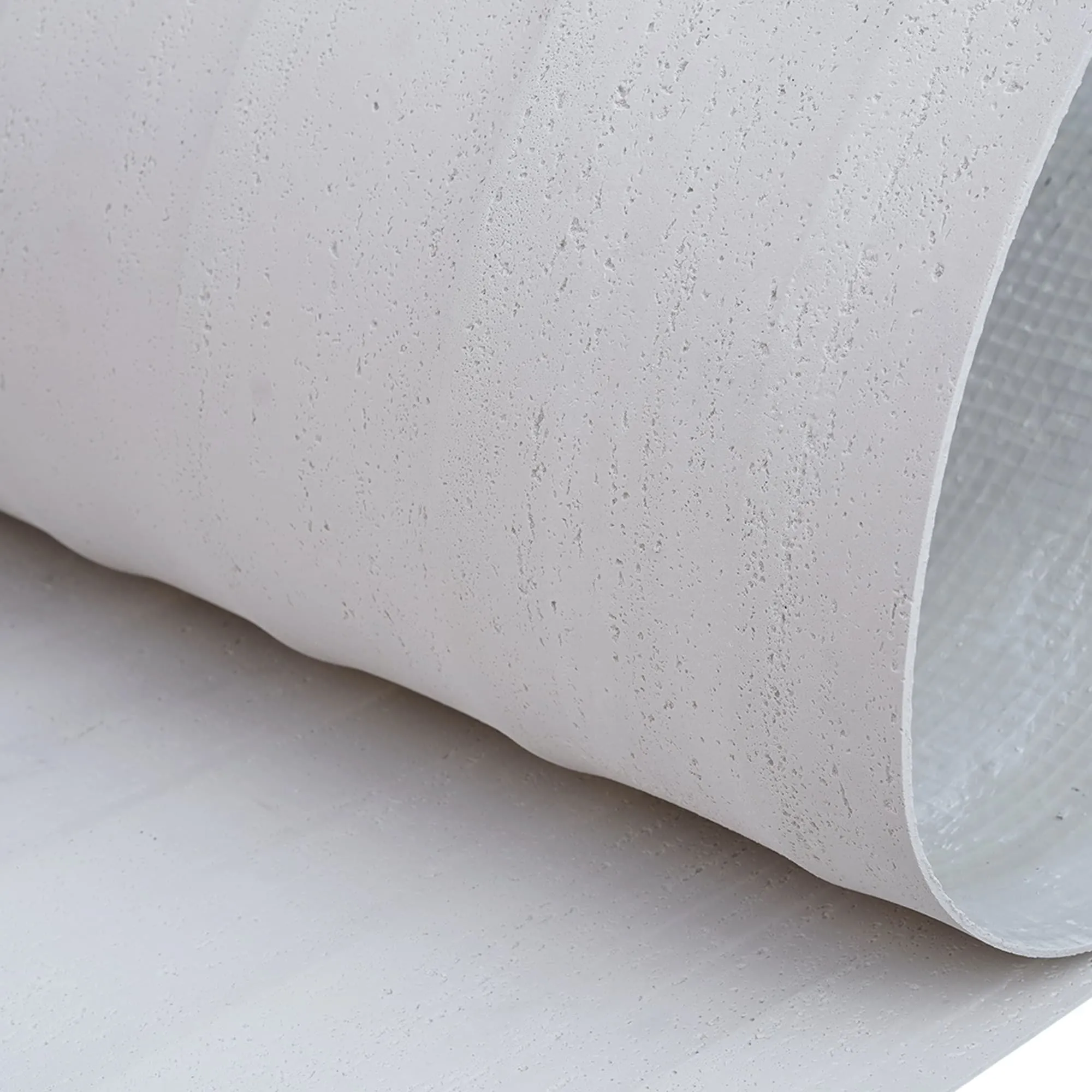
That's where flexible stone wave panels shine. Made with COLORIA's MCM (Modified Cementitious Material) —a special blend of cement, minerals, and fibers—these panels weigh up to 80% less than traditional stone. Imagine carrying a 1m² panel that feels like a thick yoga mat instead of a suitcase. Suddenly, loading a truck isn't a two-hour affair with a crane; it's two workers stacking panels like puzzle pieces. Shipping to a desert site in Saudi Arabia? No problem—lighter loads mean lower fuel costs and fewer delivery trucks. Installing on the 15th floor? Skip the heavy lifting gear; just hoist them up with a regular elevator. It's not just about convenience—it's about making ambitious designs possible where they might've been impossible before.
| Feature | Traditional Stone Slabs | MCM Flexible Stone Wave Panels |
|---|---|---|
| Weight (per m²) | 40-60kg | 6-10kg |
| Transport Cost (per 100m²) | High (requires special vehicles) | Up to 60% lower (fits in standard trucks) |
| Installation Time (100m²) | 2-3 days (with heavy machinery) | 1 day (2-3 workers, no cranes needed) |
| Durability | High (but prone to cracking if dropped) | High (flexible, resists impact and bending) |
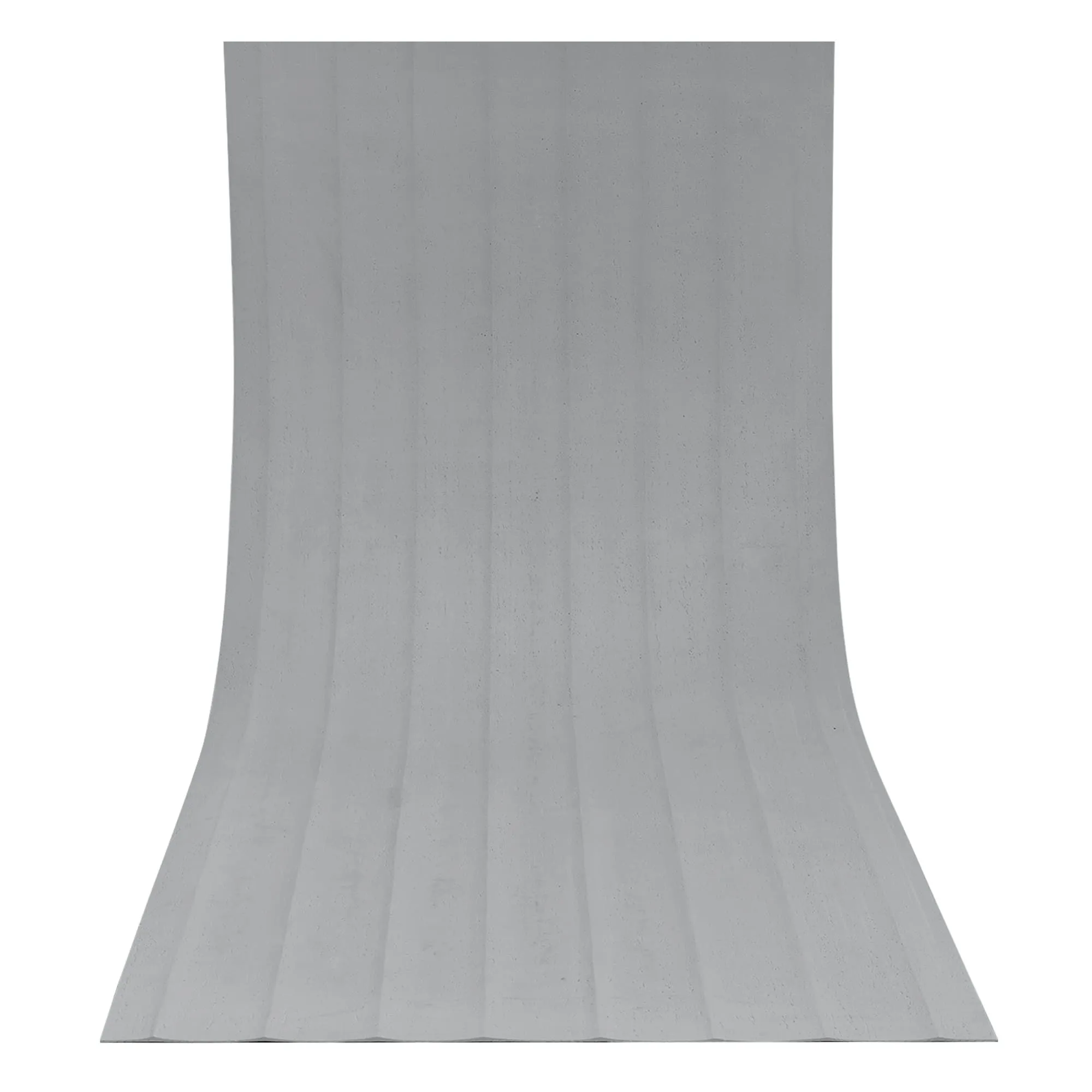
Lightweight is great, but what makes these panels truly special is their flexibility . MCM technology isn't just about cutting weight—it's about reimagining stone itself. Traditional stone is rigid; if your wall has a curve, you either grind the stone into shape (expensive!) or settle for flat surfaces. But flexible stone wave panels? They bend . Picture wrapping them around a rounded column, following the arc of a stadium, or even creating 3D patterns that pop off the wall. It's like giving architects a new set of crayons—suddenly, the "rules" of what a wall can look like go out the window.
Take COLORIA's MCM Flexible Stone series, for example. The wave panel design isn't just for show. Those gentle peaks and valleys aren't just aesthetic—they add strength (think of how corrugated cardboard is sturdier than flat paper) while keeping the panel light. Run your hand over one, and you'll feel the texture of natural stone, but with a subtle give that feels almost… alive. It's the best of both worlds: the look of quarried stone, with the adaptability of modern materials.
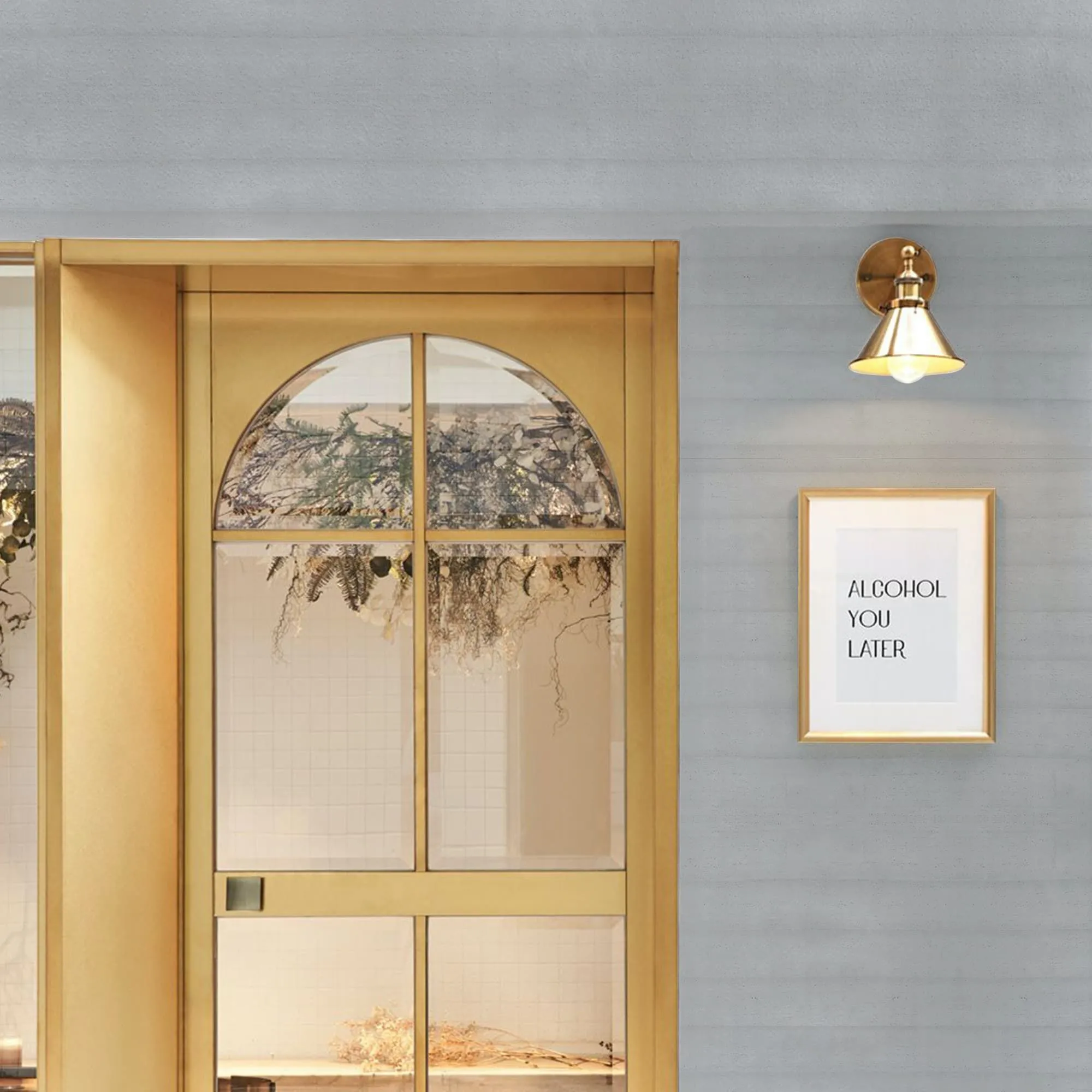
Let's get real about transportation. If you've ever ordered furniture online and cursed when the delivery truck couldn't fit down your street, multiply that frustration by 100 for construction materials. Heavy stone slabs need big trucks, special permits, and sometimes even road closures. And if your project is in a tight urban area or a remote location (like, say, a beach resort in Bali or a desert development in the Middle East), those logistics can turn a simple order into a month-long ordeal.
Flexible stone wave panels fix this in two ways. First, their light weight means you can stack more panels per truck. A standard truck that might carry 20 traditional stone slabs can fit 100+ flexible panels —cutting delivery trips by 80%. Second, they're unbreakable (well, almost) . Traditional stone chips if you drop it; these panels can handle a bumpy ride without cracking. No more "fragile" labels or unloading—just stack, ship, and go.
A luxury hotel in Dubai wanted its exterior to evoke the moon's surface—shimmering, textured, and out of this world. They chose COLORIA's Lunar Peak Silvery panels, paired with wave panels for contrast. The challenge? The hotel was on a narrow street with no crane access. Solution: Workers carried the lightweight panels up stairwells, installed them in a fraction of the time, and the result? A facade that glows like moonlight, with zero logistics drama.
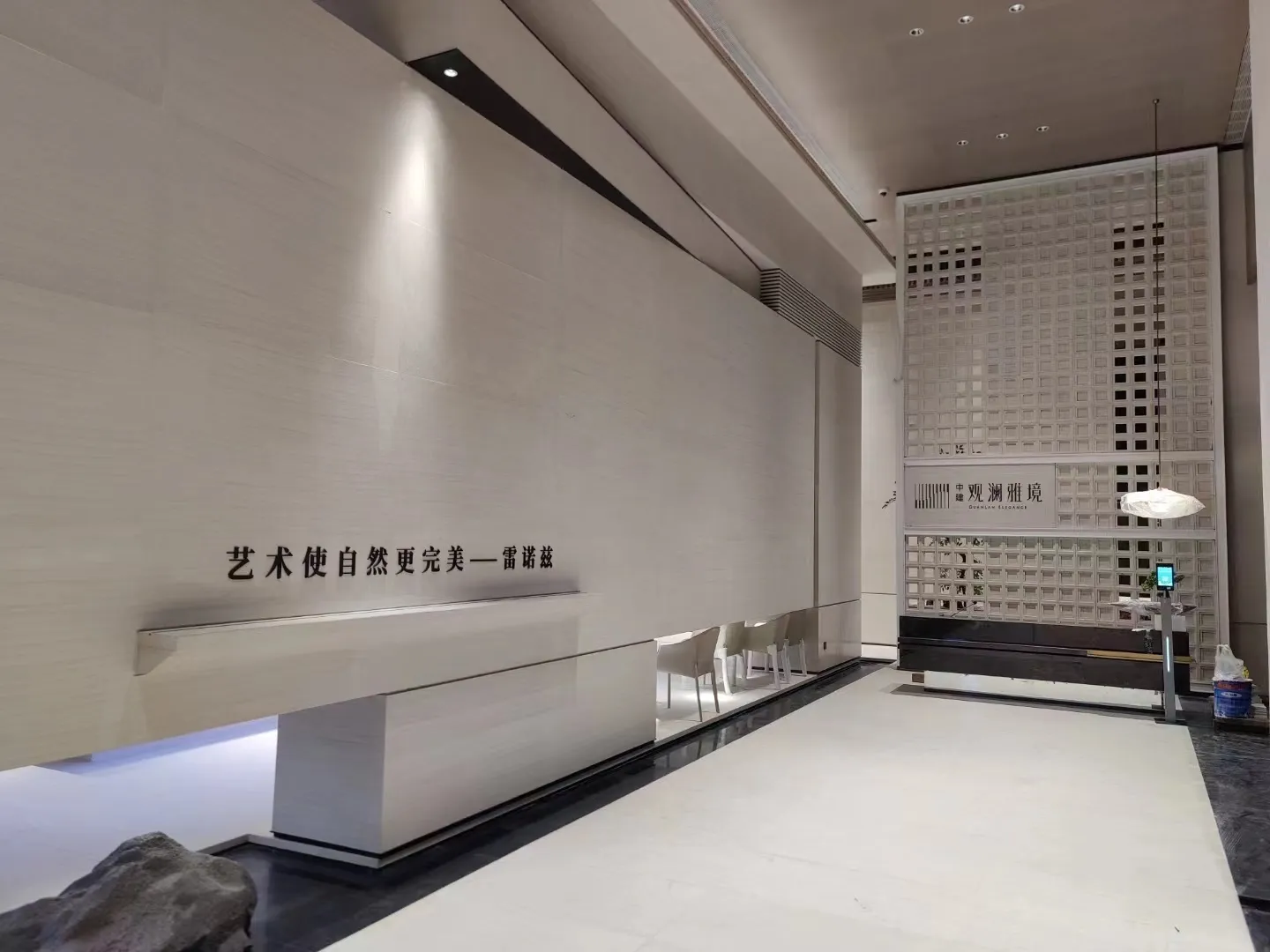
Here's a bonus: lightweight doesn't mean cutting corners on sustainability. COLORIA's MCM materials are made with modified cementitious composites —a mix that uses less raw stone (so less quarrying), fewer chemicals, and even incorporates recycled materials. And since they're lightweight, transporting them uses less fuel—lowering the project's carbon footprint. It's a win-win: your walls look great, and you can feel good about how they're made.
Think about it: traditional stone mining can scar landscapes, and heavy transportation guzzles diesel. Flexible stone wave panels? They're designed to be kind to the planet, from factory to installation. It's no wonder more green-building projects are choosing MCM materials—they check the boxes for both aesthetics and eco-credentials.
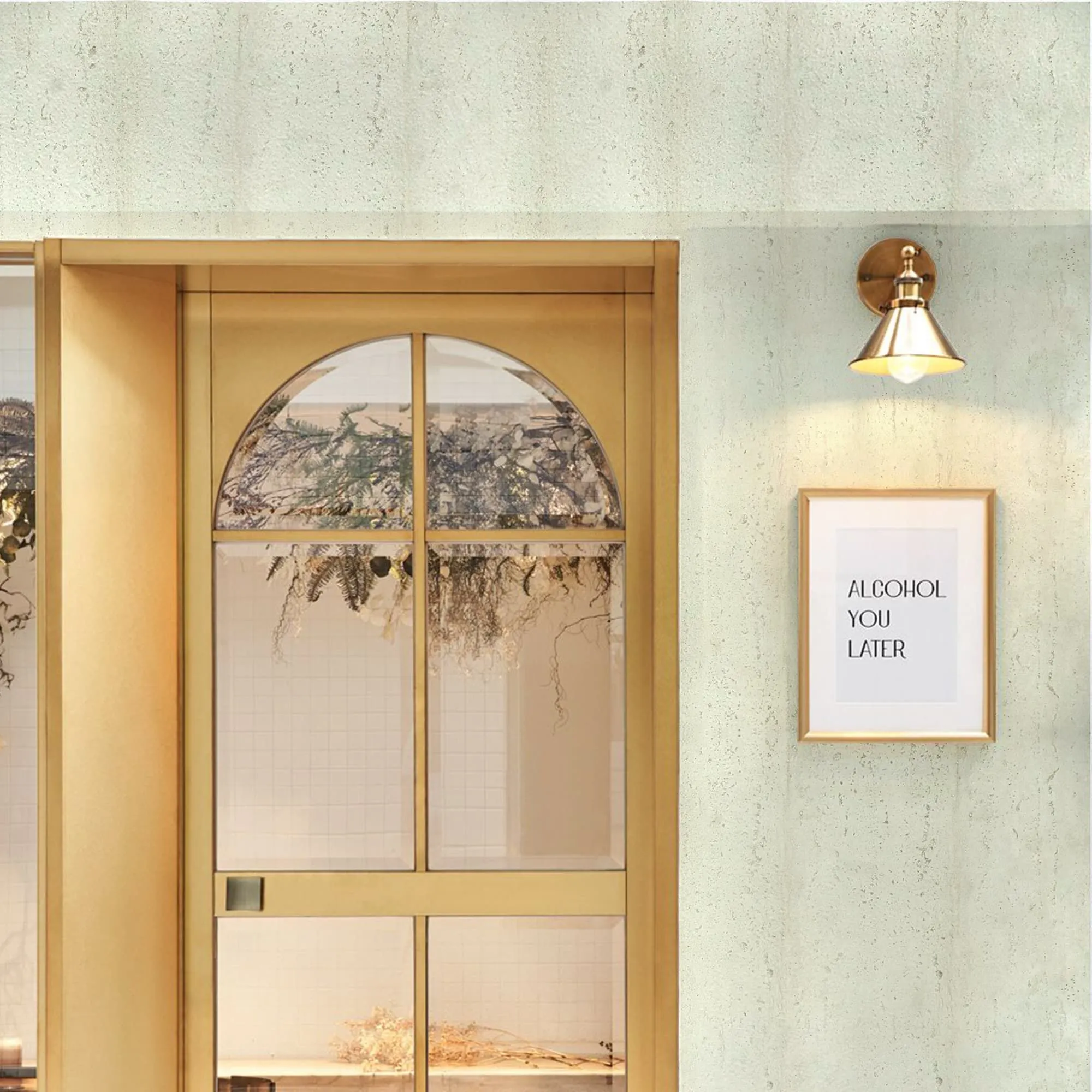
At the end of the day, flexible stone wave panels are just one piece of the puzzle. What really sets COLORIA apart is their role as a one-stop solution provider . Need help choosing the right texture? Their team can match your design to options like travertine (starry green) for a cosmic vibe or rust square line stone for an industrial edge. Working on a huge project? They'll handle custom sizes and colors. Shipping to Saudi Arabia? Their local agency ensures smooth delivery, even in remote areas.
It's not just about selling panels—it's about making your vision happen, from the first sketch to the final installation. Because when your materials are lightweight, flexible, and backed by a team that knows the ins and outs of global construction, suddenly, "impossible" designs start to look… doable.
Building beautiful walls shouldn't mean wrestling with heavy stone, blowing budgets on transportation, or limiting creativity to "easy" designs. Flexible stone wave panels are changing that narrative—proving that strength, beauty, and practicality can coexist. Lightweight for easy transportation isn't just a feature; it's a game-changer that saves time, money, and headaches.
So the next time you see a building with walls that make you stop and stare, take a closer look. Chances are, it's not just stone—it's smart stone. And behind it? A team that understands that great construction isn't just about building walls. It's about building possibilities.
Ready to make your next project lighter, brighter, and easier? Let's talk about how flexible stone wave panels can turn your vision into reality—without the heavy lifting.
Recommend Products











