
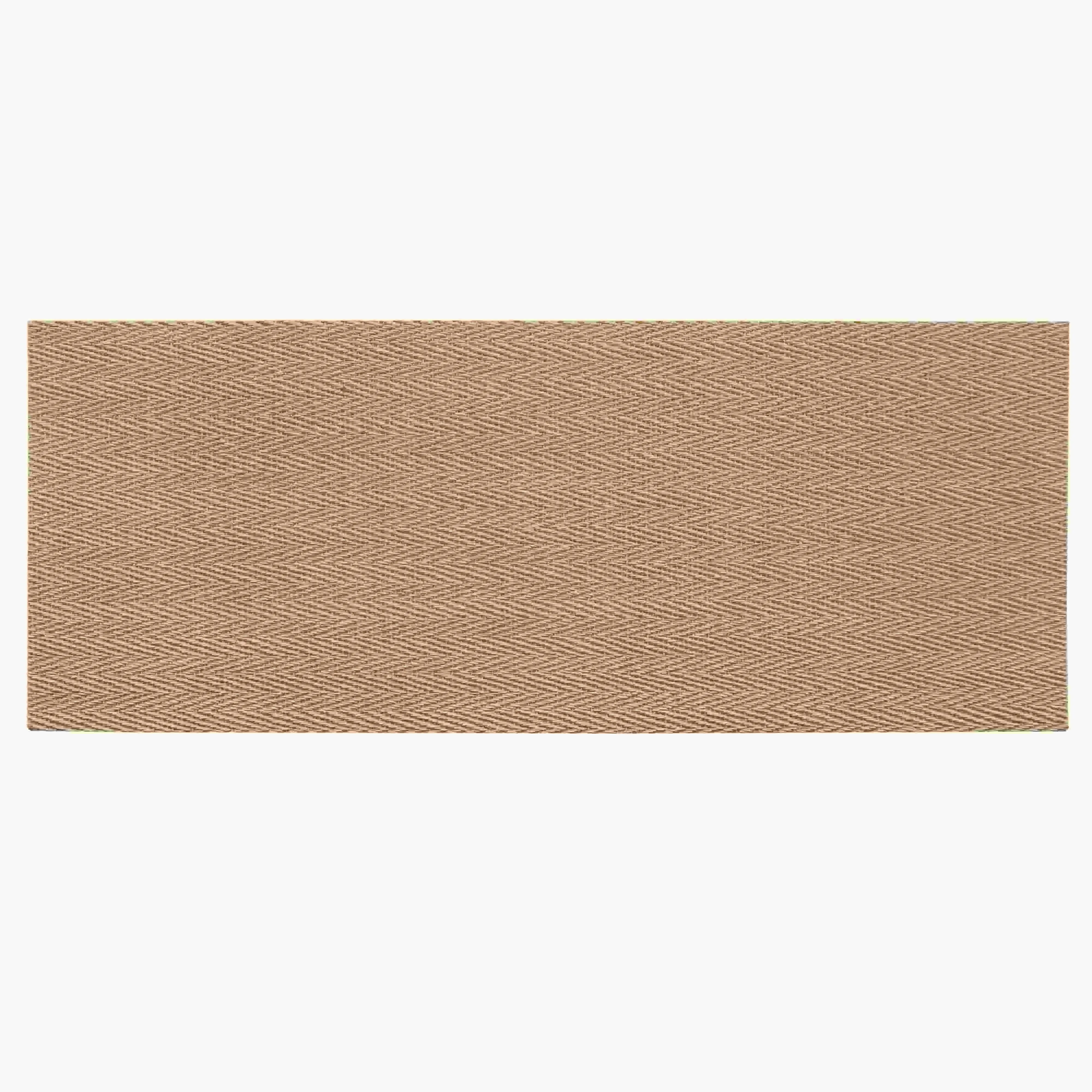
There's something inherently charming about irregular surfaces—those old, weathered walls with bumps and curves, the curved facade of a modernist home, or the rustic stonework of a countryside cottage. They tell stories, add character, and break free from the rigidity of perfectly flat planes. But for designers and homeowners, these surfaces have long been a headache. Traditional building materials—heavy, inflexible, and unforgiving—often fail to cling to their contours, leaving gaps, cracks, or a forced, unnatural finish. Enter mcm flexible stone : a game-changer that bends, adapts, and transforms even the most stubbornly irregular surfaces into works of art. And among its many textures, few are as versatile and warm as the Weaving (Khaki) pattern—a material that marries the tactile beauty of handwoven textiles with the durability of stone, all wrapped in an earthy, timeless hue.
In this article, we'll dive into the world of flexible stone, explore the unique allure of the Weaving (Khaki) texture, and walk through how to install it on irregular surfaces—from centuries-old brick walls to sweeping architectural curves. Whether you're restoring a heritage building, designing a modern home with organic lines, or simply want to add depth to a lackluster space, this guide will show you why flexible stone is the solution you've been searching for.
Before we get to the Weaving (Khaki) texture, let's clarify what mcm flexible stone actually is. Short for "Modified Composite Material," MCM flexible stone is a revolutionary building material designed to mimic the look and feel of natural stone, brick, or wood—without the weight, brittleness, or installation hassle. Made from a blend of mineral aggregates, polymers, and reinforcing fibers, it's engineered to be thin (often just 3-5mm thick), lightweight (around 3-5 kg per square meter), and astonishingly flexible. Unlike traditional stone slabs, which crack under pressure or can't conform to curves, MCM flexible stone bends like a sheet of thick paper, making it ideal for irregular surfaces.
But flexibility doesn't mean sacrificing durability. These panels are water-resistant, fire-retardant, UV-stable, and resistant to scratches and impact—qualities that make them suitable for both interior and exterior use. Whether you're cladding a bathroom wall, a garden shed, or the facade of a commercial building, MCM flexible stone holds up to the elements and daily wear. And with a vast range of textures and colors—from the rough-hewn look of historical pathfinders stone to the sleek finish of fair-faced concrete —there's a style to suit every design vision.
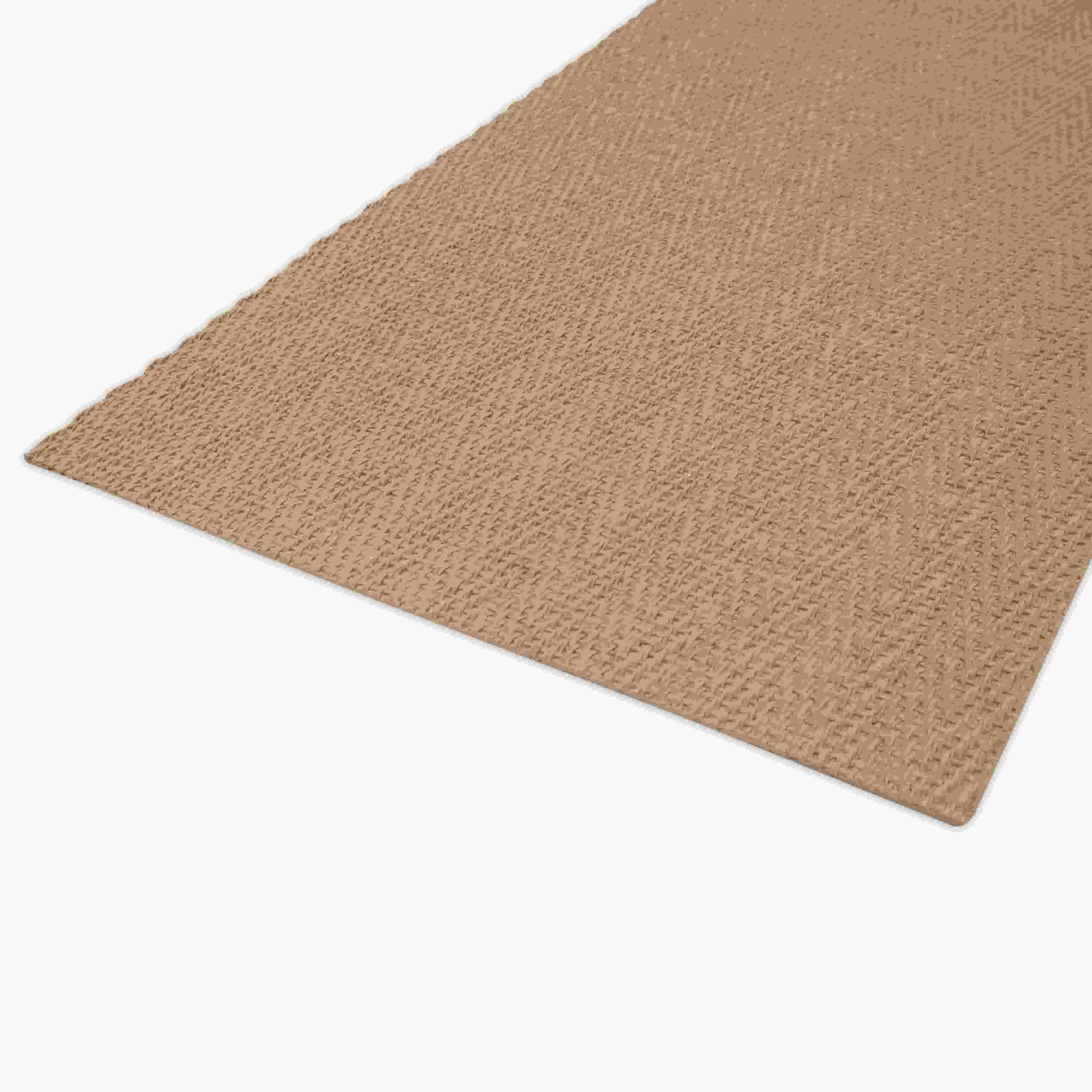
Among MCM flexible stone's extensive lineup, the Weaving (Khaki) texture stands out for its ability to blend rustic warmth with modern versatility. Let's break down what makes it special:
Run your hand over a Weaving (Khaki) panel, and you'll feel the subtle, raised pattern of interlacing "threads"—a deliberate echo of traditional woven textiles like jute, hemp, or khaki canvas. The texture isn't just visual; it's tactile, adding depth and dimension to surfaces that might otherwise feel flat. Unlike smooth marble or uniform brick, the weaving pattern catches light differently throughout the day, creating soft shadows that make walls feel alive. It's a texture that invites touch, evoking memories of handwoven baskets, old blankets, or the woven fences of rural landscapes.
Khaki is a color that feels both grounded and versatile. A warm, earthy tone that sits somewhere between beige and olive, it draws inspiration from natural elements: the dry grass of savannas, the dust of ancient paths, the weathered canvas of outdoor gear. This neutrality makes Weaving (Khaki) a chameleon in design. It pairs beautifully with rich woods, deep greens, or terracotta for a bohemian, earthy vibe; it complements sleek metals and monochromatic palettes for a modern, understated look; and it harmonizes with stone and brick in historical renovations, where matching existing tones is key.
Unlike bold colors that can date a space, khaki is timeless. It ages gracefully, and its muted tone won't clash with changing decor trends. Whether used as an accent wall or to clad an entire facade, it adds warmth without overwhelming—a rare balance in design materials.
Beyond its aesthetic appeal, the Weaving (Khaki) texture is practically made for irregular surfaces. Its flexibility allows it to hug curves, bridge small gaps, and conform to uneven walls without cracking or lifting. The pattern itself helps disguise minor imperfections in the underlying surface: the weaving's organic lines distract from bumps or dips, creating a cohesive look even when the wall beneath isn't perfectly smooth. And because the panels are lightweight, they don't add stress to old or fragile structures—critical for historical buildings or load-bearing walls with limited capacity.
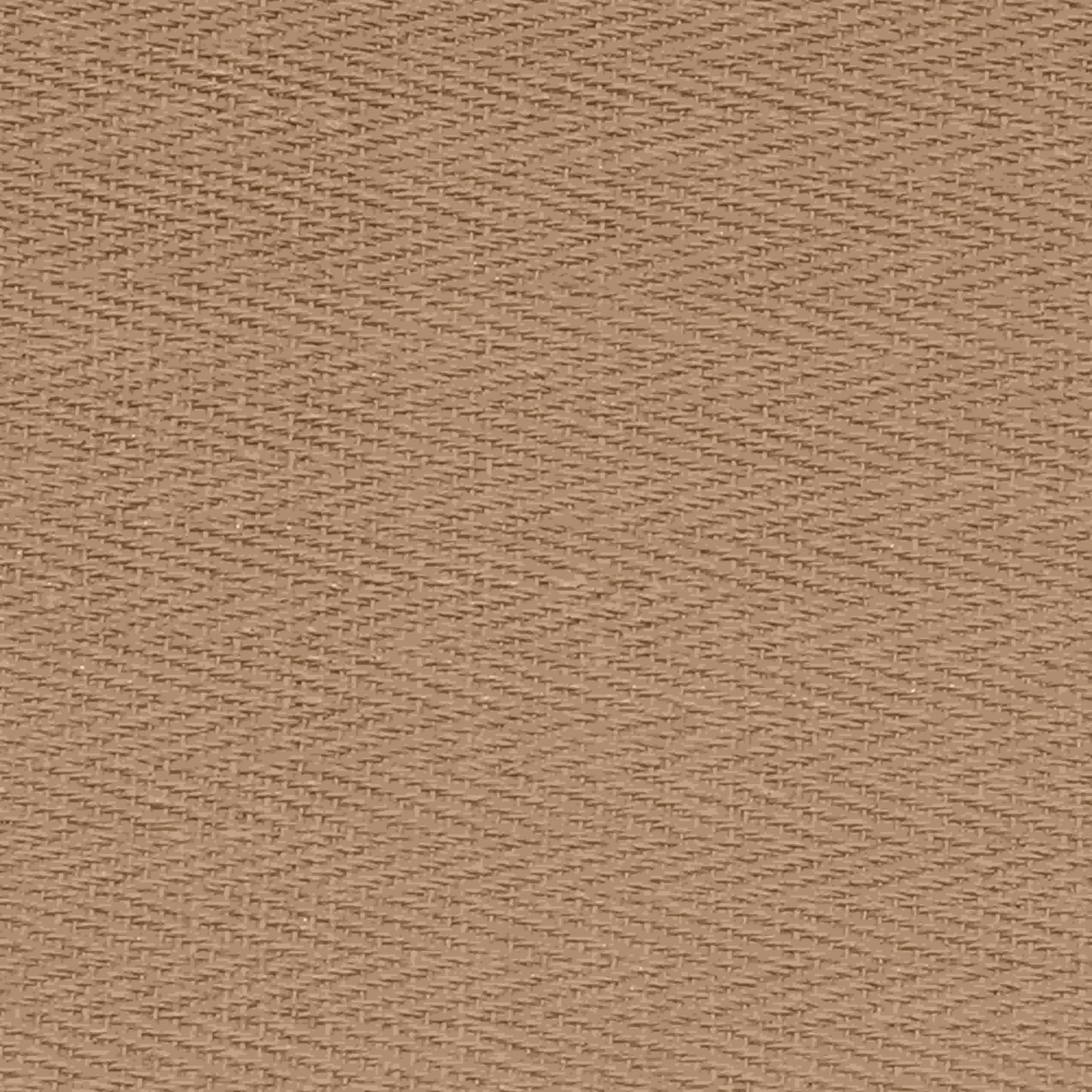
Installing Weaving (Khaki) flexible stone on irregular surfaces isn't rocket science, but it does require careful planning and the right techniques. Below is a step-by-step guide to ensure a smooth, long-lasting finish.
Irregular surfaces are often dirty, damaged, or uneven—none of which are ideal for adhesive. Start by thoroughly cleaning the surface: use a wire brush to remove loose mortar, dirt, or debris; wash with a mild detergent and water to eliminate grease or mildew; and let it dry completely. For old walls with cracks or holes, fill them with a flexible patching compound (avoid rigid fillers, which can crack again). If the surface is extremely porous (like unglazed brick or rough concrete), apply a primer to seal it—this helps the adhesive bond better and prevents moisture from seeping in.
Pro tip: For curved surfaces, use a level and string to mark the high and low points. This will help you visualize how the panels will lay and identify any areas that need extra attention.
MCM flexible stone panels come in standard sizes (often 300x600mm or 600x900mm), but irregular surfaces require custom cuts. Measure the area carefully, accounting for curves, corners, and obstacles like windows or pipes. Use a pencil to mark the panels, then cut with a utility knife or electric saw (a jigsaw with a fine-tooth blade works best for curves). The key here is to cut slightly larger than needed—you can always trim more, but you can't add material back. For tight curves, make small relief cuts along the edge of the panel; this allows it to bend more sharply without creasing.
Pro tip: Lay out the panels on the ground first, arranging them to mimic the surface's shape. This "dry fit" helps you spot potential issues (like mismatched patterns or awkward cuts) before you start adhering.
Not all adhesives are created equal for flexible stone. Avoid rigid adhesives like cement mortar—they won't flex with the panels and can cause cracking. Instead, use a high-quality, flexible construction adhesive designed for lightweight materials. Look for products labeled "exterior-grade" if installing outdoors, and "water-resistant" for bathrooms or kitchens. Some brands even offer adhesives specifically formulated for MCM panels, which bond quickly and provide a strong, flexible hold.
Apply the adhesive in a zigzag pattern on the back of the panel (about 3-4mm thick), leaving gaps for air to escape. For very uneven surfaces, you may need to build up adhesive in low spots—just be careful not to overdo it, as excess can squeeze out when pressing the panel on.
Now comes the fun part: applying the Weaving (Khaki) panels. Start from the bottom and work your way up (this prevents panels from sliding). Align the first panel with your reference line, then press it firmly onto the surface, starting from the center and working outward. Use a rubber mallet or a rolling pin to gently tap the panel, ensuring full contact with the adhesive—pay extra attention to edges and corners, which are prone to lifting.
For curved surfaces: Bend the panel slowly to match the curve, applying pressure as you go. If the curve is tight, use a heat gun on low setting to warm the panel slightly—this makes it more pliable (test on a scrap piece first!). For corners, overlap panels slightly and trim the excess with a knife for a clean edge.
Pro tip: Work in small sections (1-2 panels at a time) to prevent the adhesive from drying out before you can position the panel.
Depending on the look you want, you may choose to grout between panels. Grout adds definition and helps seal gaps, but it's not always necessary—many designers prefer the seamless look of butt-jointed panels, especially with the Weaving (Khaki) texture, which already has visual interest. If you do grout, use a flexible, sanded grout in a color that complements the khaki (beige or light gray works well). Apply it with a rubber float, pressing it into the joints, then wipe away excess with a damp sponge before it dries.
Once the adhesive is fully cured (check the manufacturer's instructions—usually 24-48 hours), inspect the installation for any loose edges or gaps. Touch up with extra adhesive if needed. For exterior installations, apply a clear, water-based sealer to enhance durability and protect against stains. For interiors, a quick wipe with a damp cloth is all that's needed to keep the Weaving (Khaki) texture looking fresh.
| Material | Flexibility | Installation Difficulty | Weight (kg/m²) | Durability | Aesthetic Appeal |
|---|---|---|---|---|---|
| Natural Stone Slabs | Rigid; cracks under bending | High; requires heavy equipment and skilled labor | 20-30 | High, but prone to chipping on irregular surfaces | Timeless, but limited by weight/size |
| Ceramic Tiles | Brittle; cannot bend | Medium-High; difficult to cut for curves | 15-20 | High, but prone to cracking on uneven surfaces | Versatile, but can look "flat" on irregular walls |
| Vinyl Wall Coverings | Flexible, but thin and prone to tearing | Low, but poor adhesion on rough surfaces | 1-2 | Low; easily damaged by moisture/impact | Varied designs, but lacks texture |
| MCM Flexible Stone (Weaving Khaki) | Highly flexible; bends up to 90° without cracking | Low-Medium; DIY-friendly with basic tools | 3-5 | High; water/UV/fire-resistant | Natural texture, earthy color, adapts to curves seamlessly |
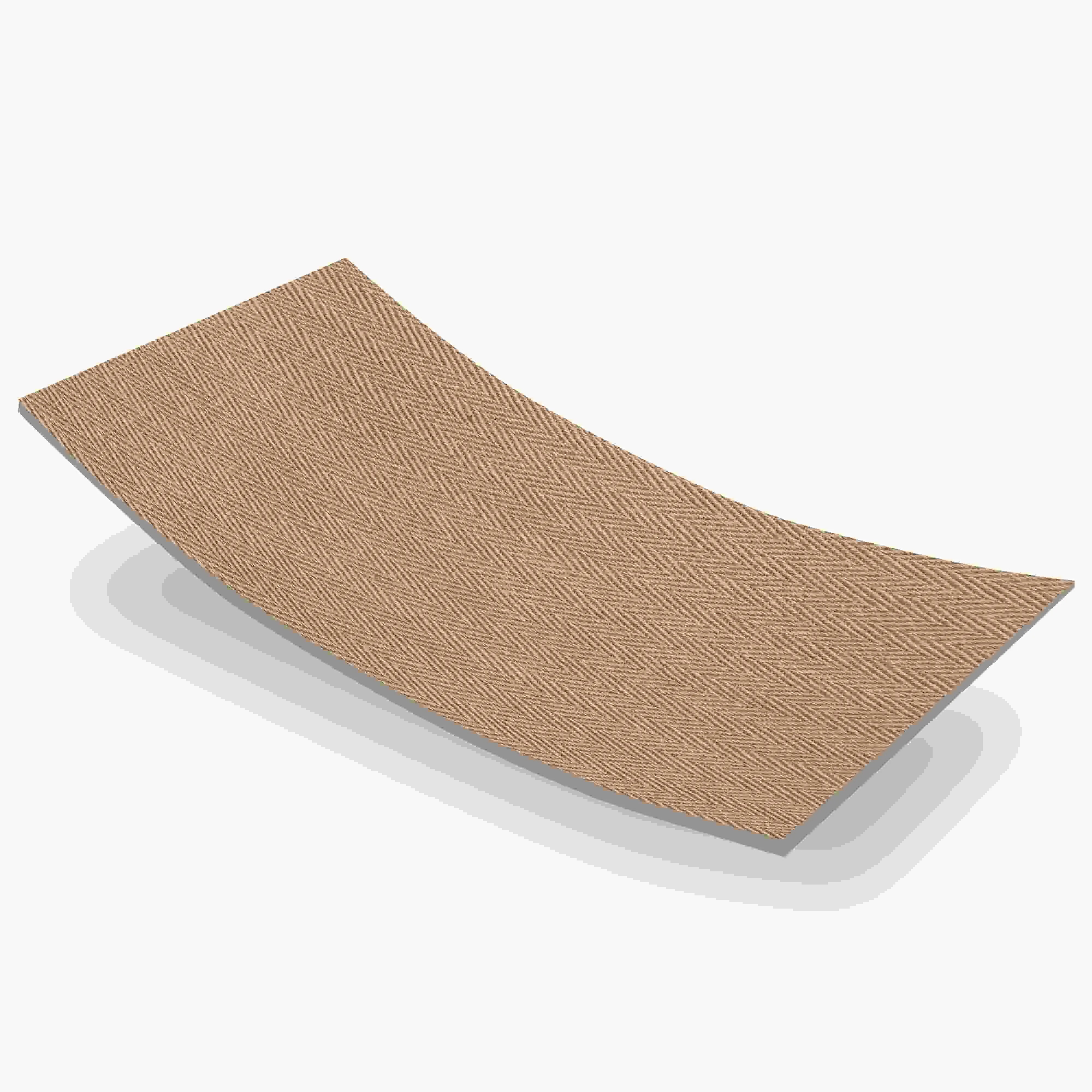
To truly appreciate the versatility of Weaving (Khaki) flexible stone, let's look at some real-world projects where it transformed irregular surfaces into design highlights.
In the heart of a 19th-century village, a team of architects set out to restore an old stone cottage with crumbling walls and uneven mortar. The goal was to preserve the building's character while making it weatherproof. Traditional stone repair would have been costly and time-consuming, and modern materials risked clashing with the cottage's rustic charm. Instead, they chose MCM flexible stone: historical pathfinders stone for the main facade (to match the original stonework) and Weaving (Khaki) for the curved porch and interior accent wall.
The Weaving (Khaki) panels conformed perfectly to the porch's rounded edges, while their earthy tone complemented the cottage's aged brick. Inside, the accent wall—once a rough, uneven surface—now features the texture's woven pattern, adding warmth to the living space without overwhelming the room's antique furniture. The homeowners were thrilled: "It feels like the cottage has been given a second life, but it still looks like it's been here for centuries."
A contemporary home in the suburbs boasts sweeping, curved exterior walls—a striking design feature that proved challenging to clad. The architect wanted a material that would follow the curves without breaking the bank. After considering options like custom metal panels (too expensive) and stucco (too plain), they settled on Weaving (Khaki) flexible stone. The panels were cut to fit the curves, and their lightweight nature meant no extra structural support was needed.
Today, the home's facade is a masterpiece: the Weaving (Khaki) texture catches the sunlight, creating dynamic shadows that highlight the curves, while the khaki color softens the modern lines, making the house feel inviting rather than stark. "It's exactly what we envisioned," the architect notes. "The texture adds depth, and the flexibility made a once-impossible design possible."
A small café in the city wanted to stand out from the sleek, minimalist coffee shops nearby. The owner dreamed of a "country kitchen" feel, but the space had a rough, concrete wall that was an eyesore. Traditional materials like wood paneling would have required furring strips to level the wall, adding cost and thickness. Instead, they installed Weaving (Khaki) flexible stone directly over the concrete.
The result? A warm, textured feature wall that looks like it's made of handwoven fabric, but is durable enough to withstand daily wear. Customers often comment on how "homey" the café feels, and the owner loves that the material is easy to clean—just a quick wipe with a damp cloth. "It's the first thing people notice when they walk in," they say. "And it was so much easier to install than I thought!"
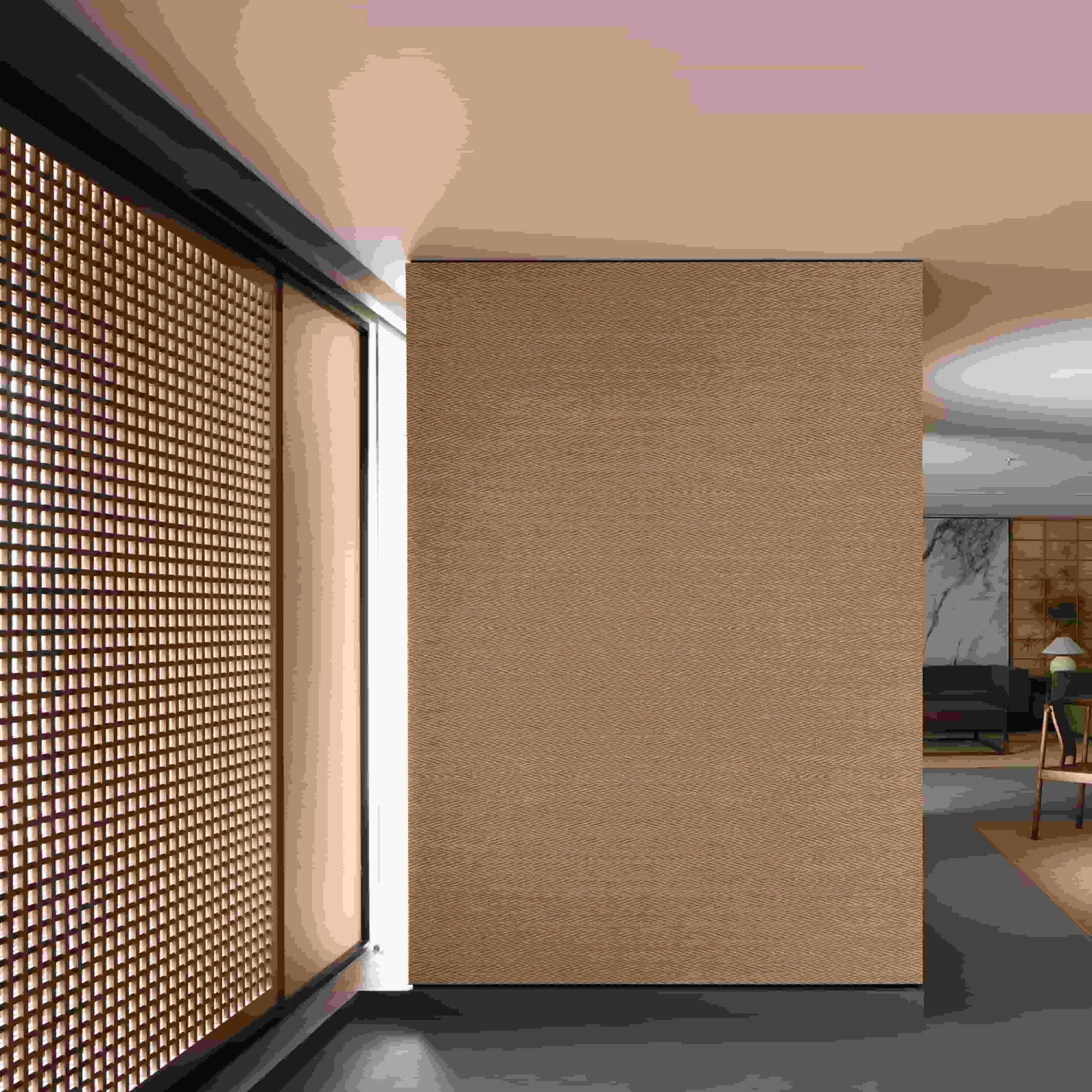
One of the best things about MCM flexible stone is how low-maintenance it is. With proper care, your Weaving (Khaki) installation will look great for years to come:
Irregular surfaces have long been seen as obstacles in design—flaws to be hidden or corrected. But with mcm flexible stone , and textures like Weaving (Khaki) , they've become opportunities. This material doesn't just cover up imperfection; it celebrates it, turning rough walls, curved facades, and rustic structures into focal points that tell a story.
Weaving (Khaki) flexible stone is more than a building material—it's a bridge between nature and design, between tradition and innovation. Its tactile texture evokes the warmth of handcrafted art, while its flexibility and durability make it a practical choice for modern living. Whether you're restoring a historical gem, building a cutting-edge home, or simply adding character to a everyday space, it offers a solution that's as beautiful as it is functional.
So the next time you encounter an irregular surface, don't see a problem—see potential. With flexible stone, the possibilities are as endless as the curves, bumps, and textures that make our world unique. And who knows? That "flaw" might just become the most memorable part of your design.
Recommend Products












