
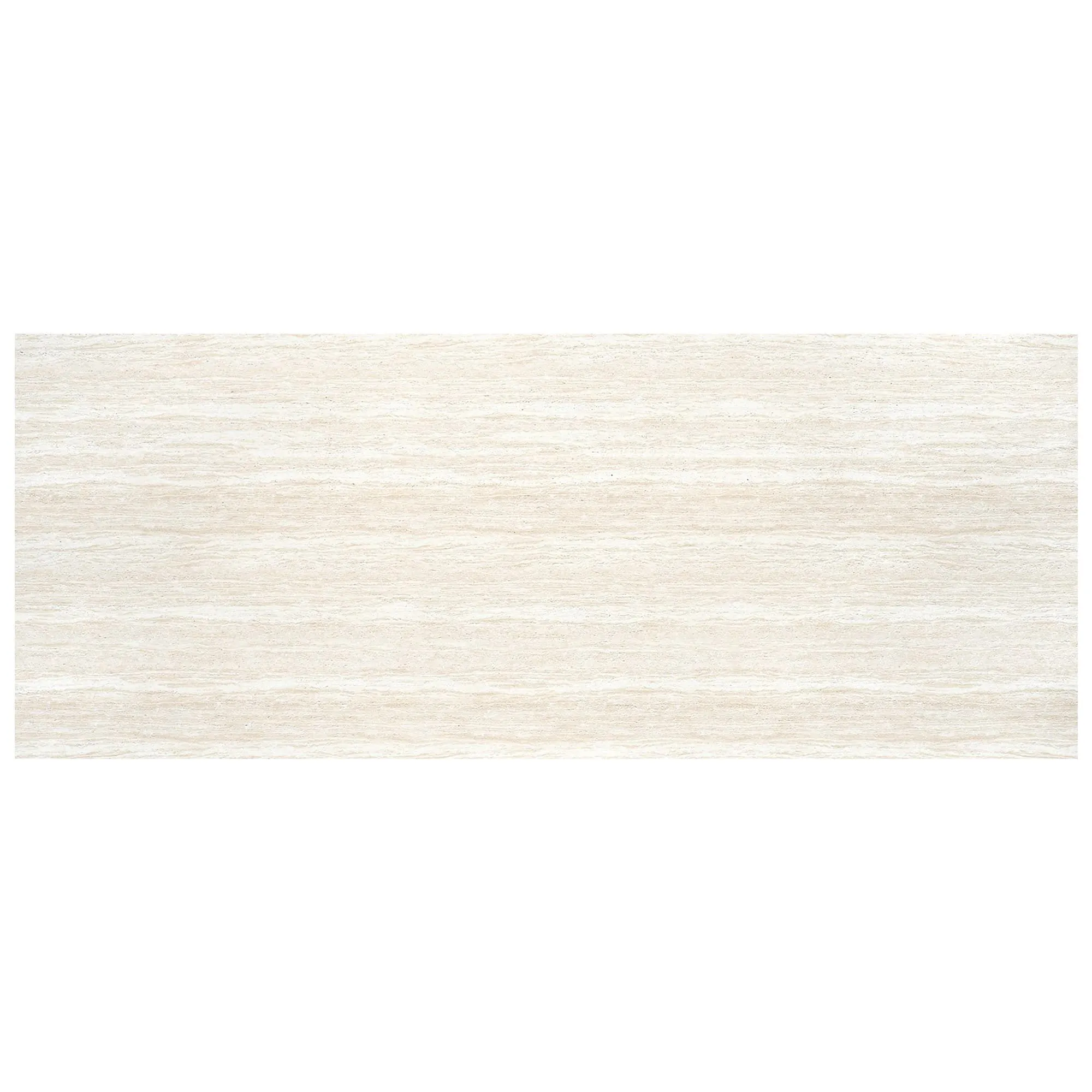
There's something inherently captivating about curves. Think of the soft arc of a wave rolling onto shore, the gentle curve of a hillside at dawn, or the sweeping dome of a historic cathedral. Curves feel alive—they invite touch, guide the eye, and turn static spaces into stories. Yet for architects and designers, translating that organic beauty into built environments has long been a battle against rigid materials. Stone that cracks when bent, concrete that resists shaping, wood that warps under pressure—these have been the stubborn gatekeepers of curved design, leaving many a vision half-realized.
Enter MCM flexible stone and its Wood Line series—a collection that doesn't just bend; it bends the rules of what architectural materials can do. This isn't just a product; it's a love letter to curves, a solution for the designer who's ever sketched a curved wall and sighed, "If only…" Let's dive into how this innovation is turning those sighs into celebration.
For decades, the world has been stuck in a "straight and narrow" mindset—literally. Natural stone, while stunning, is heavy and brittle. Try to curve it, and you're left with unsightly seams, uneven edges, or worse, cracks that scream "compromise." Concrete, the workhorse of construction, is strong but unforgiving; a smooth curve requires custom molds, time, and a budget that often spirals out of control. Even wood, with its warm organic feel, has limits—bending it without breaking demands steaming, laminating, and a prayer that it won't warp in humidity.
The result? Too many spaces feel cold, angular, and… well, designed by committee . A residential living room with a flat accent wall that could've been a cozy curve. A restaurant facade that begs for flow but settles for a boxy grid. A hotel lobby where the "grand entrance" feels more like a hallway because the stone cladding refused to bend.
"I once spent three months designing a circular reading nook for a client—a space meant to wrap around a fireplace, like a hug. We tried natural travertine, but the installers said it would crack. We switched to wood, but the warping in summer made the seams gap. By the end, we had a square nook. The client smiled, but I knew they saw what I did: a dream with corners." — Jamie L., interior designer with 15 years of experience
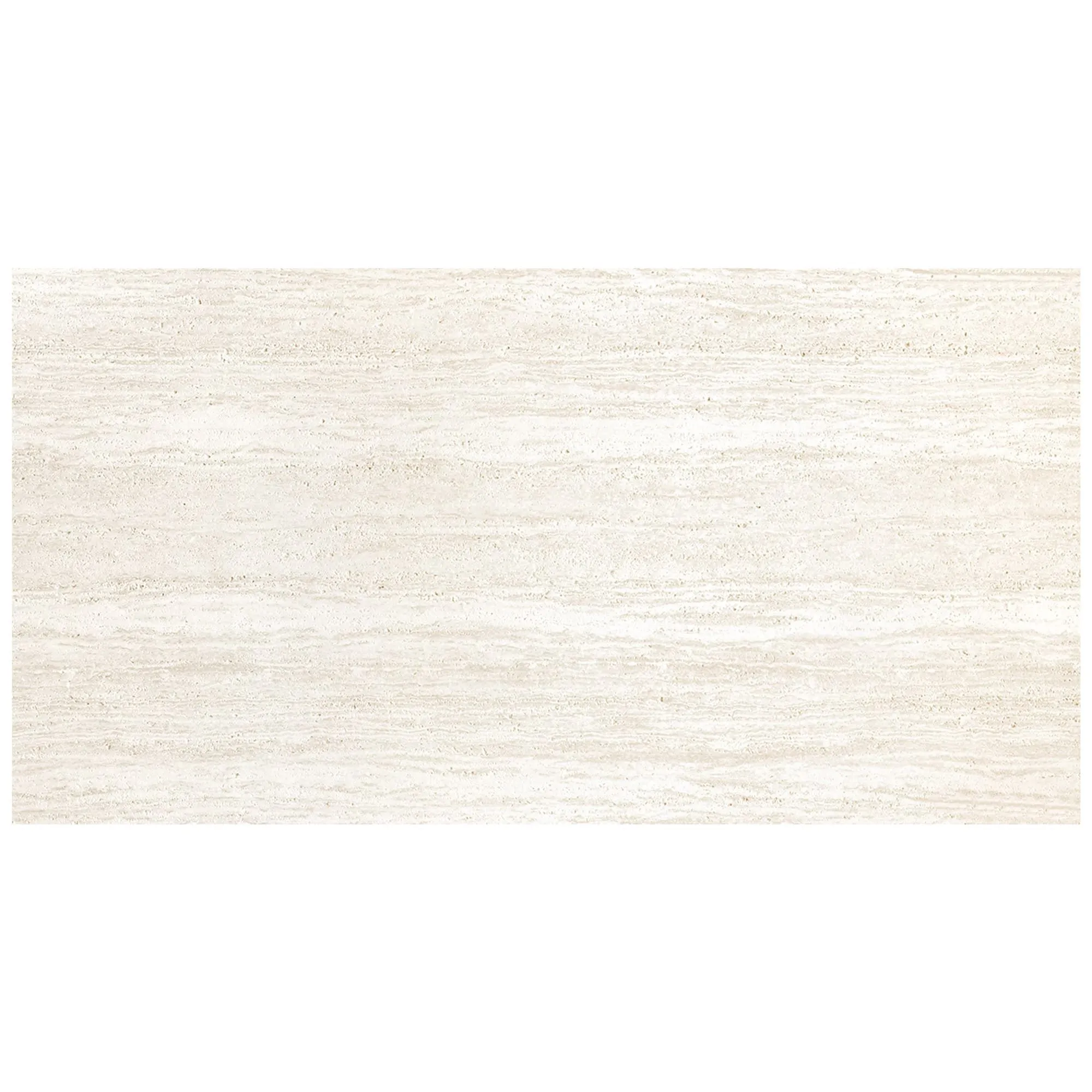
MCM's Wood Line isn't just flexible—it's intelligently flexible. Crafted from modified composite materials (MCM), it marries the best of natural aesthetics with cutting-edge engineering. Imagine a material that looks and feels like hand-hewn stone or aged wood but weighs a fraction of the real thing, bends up to 90 degrees without cracking, and installs in a fraction of the time. That's the Wood Line promise.
At its core, this line is about design freedom . Whether you're envisioning a sweeping facade for a boutique hotel, a curved backsplash in a kitchen, or a circular accent wall in a home office, these panels adapt to your vision, not the other way around. And it's not just about shape—each product in the series brings its own personality, from the earthy warmth of wood grain board to the celestial shimmer of travertine (starry green) .
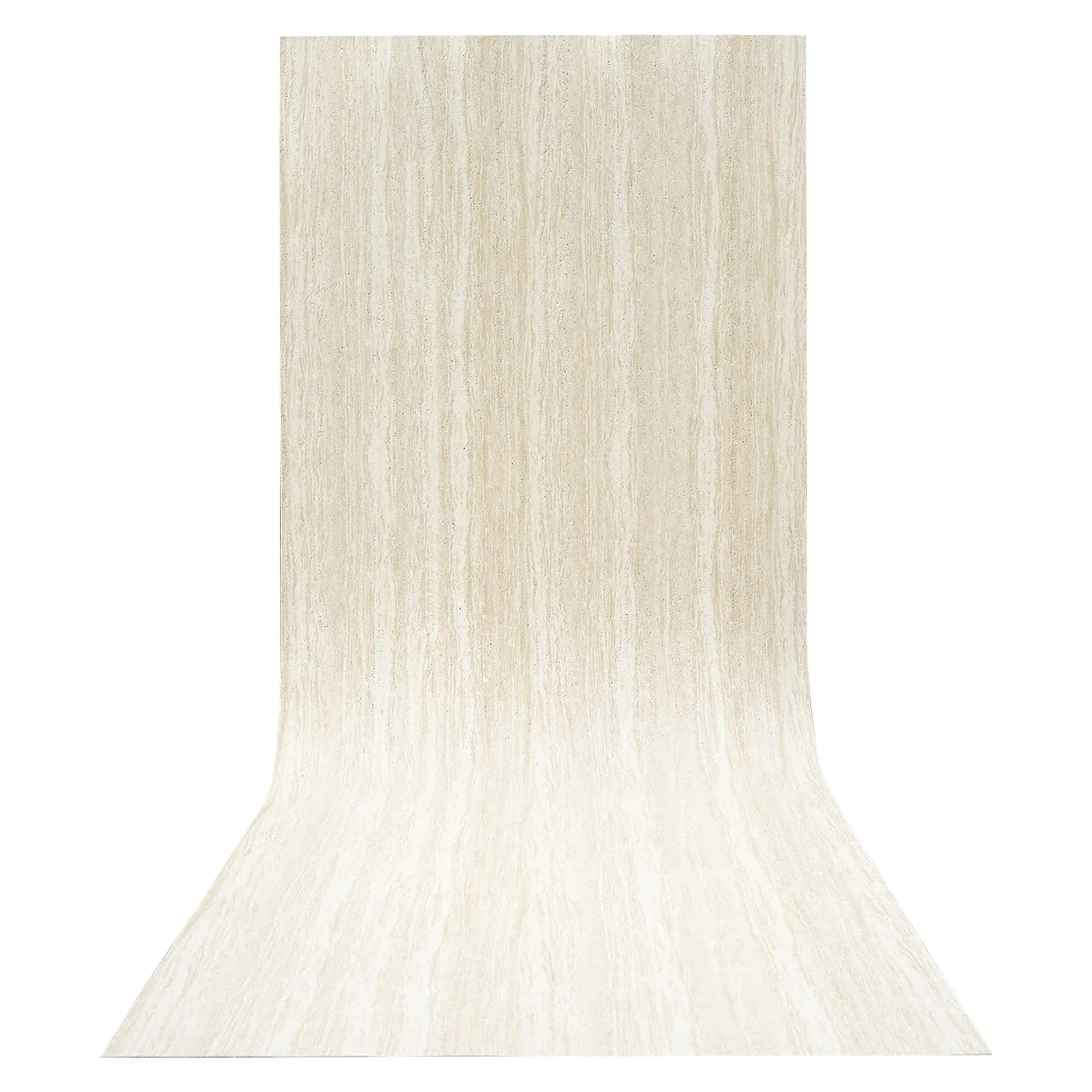
The Wood Line isn't a one-trick pony. It's a ensemble cast of materials, each with a unique role in making curves shine. Here's a closer look at some standout members:
| Product Name | What Makes It Special | Perfect For |
|---|---|---|
| MCM flexible stone (Wood Line) | The backbone of the series—combines the texture of real wood with MCM's signature flexibility. Lightweight (just 3-5kg/m²) and resistant to moisture, fire, and fading. | Curved accent walls, headboards, or ceiling details in residential spaces; adds warmth without the weight. |
| mcm big slab board series | Generous 1220x2440mm slabs that minimize seams, making large curved surfaces (think facades or grand lobbies) look seamless. Available in textures mimicking marble, concrete, and stone. | Commercial building exteriors, hotel atriums, or airport terminals where scale and continuity matter. |
| travertine (starry green) | A showstopper with a deep emerald base and flecks of metallic "stars" that catch light. The flexible version retains the natural pitting and veining of travertine but bends like a sheet of plastic. | Feature walls in high-end restaurants, spa interiors, or luxury retail—spaces where "wow" is non-negotiable. |
| wave panel | Pre-formed with gentle, rolling curves that mimic ocean waves. No custom bending needed—just install and watch the space come alive with movement. | Backdrops for TV walls, restaurant banquettes, or outdoor patios where fluidity is the goal. |
| wood grain board | Replicates the look of sawn oak, teak, or walnut with accuracy—right down to the knots and grain direction. Flexible enough to wrap columns or create curved shelving. | Residential kitchens (curved island fronts), home offices (wraparound desks), or boutique retail (clothing store fitting rooms). |
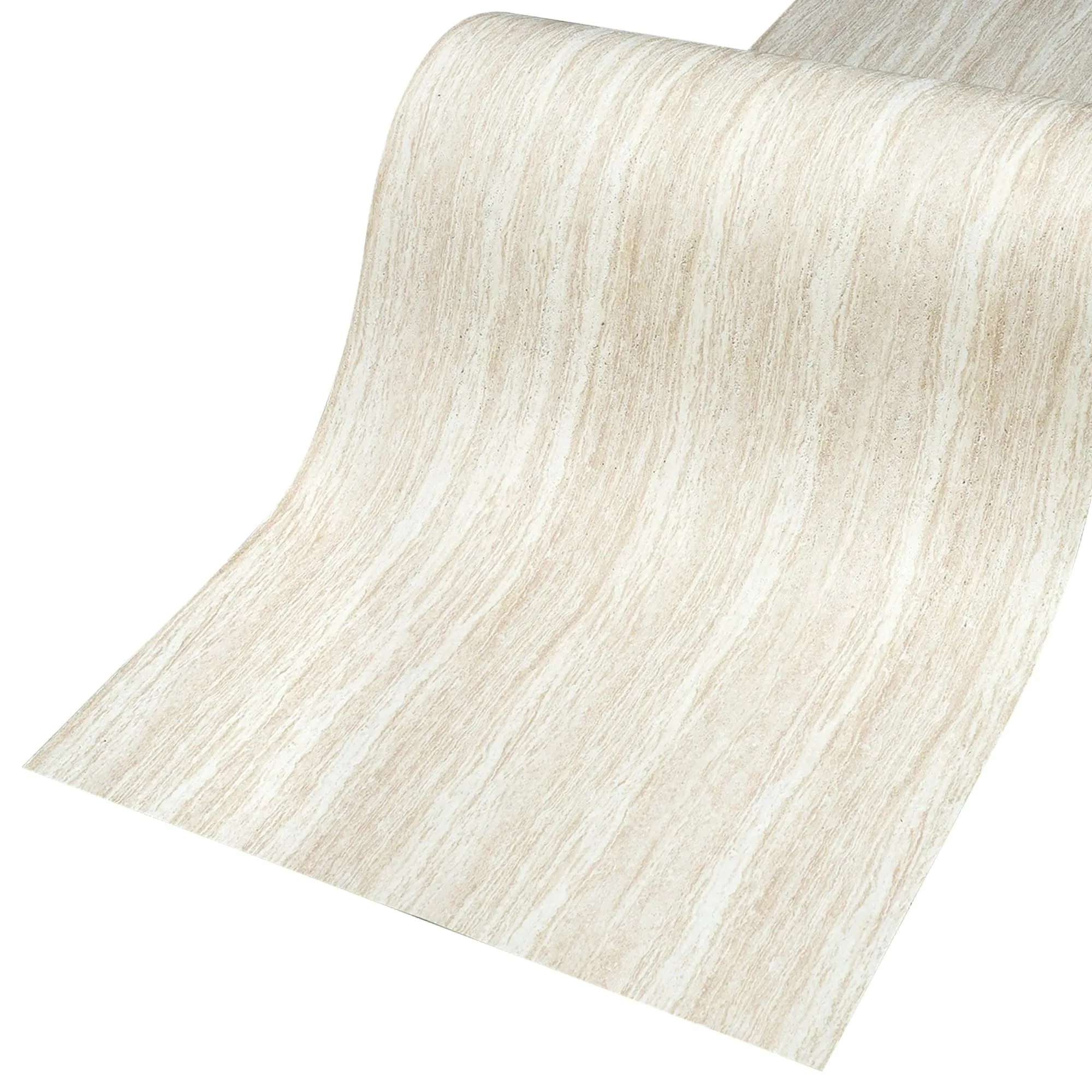
Flexibility is the headline, but the Wood Line has a resume full of other talents that make designers and contractors weak at the knees. Let's break them down:
Traditional stone cladding can weigh 20-30kg per square meter; MCM panels tip the scales at just 3-8kg/m². That means no need for reinforced walls or structural overhauls. A curved accent wall that once required a structural engineer? Now it's a weekend project for a handy contractor.
Forget waiting for mortar to dry or custom molds to be built. MCM panels are lightweight and easy to cut with standard tools (a circular saw works!). They install with simple adhesives or mechanical fasteners, slashing installation time by up to 50%. For a commercial project, that's weeks shaved off the timeline—and dollars saved on labor.
MCM's modified composite material uses up to 70% recycled content, including stone powder and recycled polymers. And because it's lightweight, transportation emissions are drastically lower than hauling natural stone. For the eco-conscious designer, this isn't just a material choice—it's a values choice.
Don't let the "flexible" label fool you—this stuff is tough. MCM panels resist water, mold, UV rays, and even impact (ask the installer who accidentally dropped a panel from a ladder; it bounced, no cracks). In exterior applications, they stand up to rain, snow, and salt air, ensuring that curved facade looks fresh for decades, not just years.
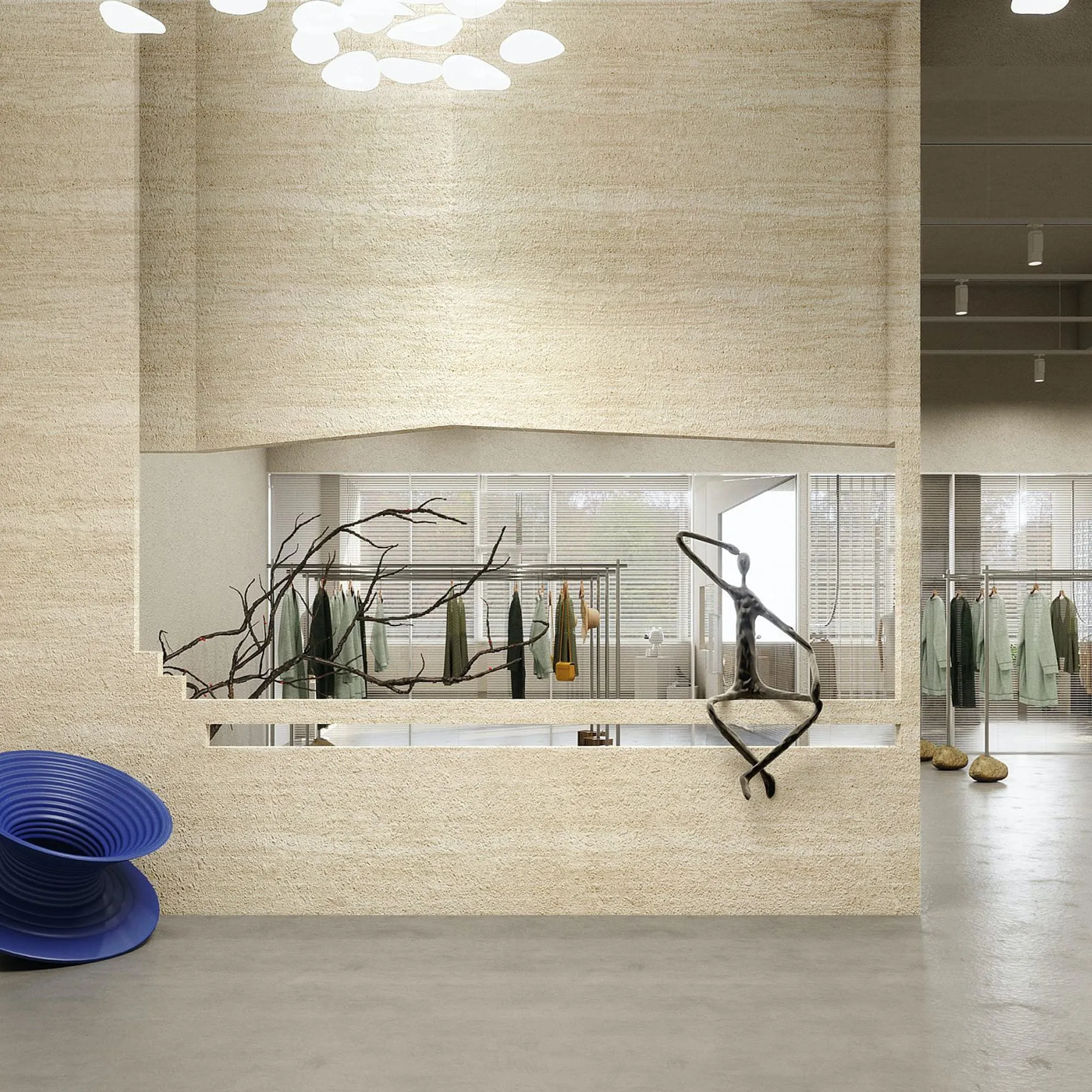
Enough talk—let's look at how the Wood Line is transforming real spaces. Take the Azure Restaurant in downtown Portland, for example. Chef Elena wanted her open kitchen to feel like the "heart" of the restaurant, with a curved bar that wrapped around the chefs, inviting guests to lean in and watch the magic. The original plan called for natural travertine (starry blue) , but the budget for custom bending was prohibitive. Enter MCM's travertine (starry green) flexible panels. Today, the bar curves like a crescent moon, its emerald surface sparkling with "stars" as guests sip cocktails and chat with chefs. "It's not just a bar," Elena says. "It's a conversation starter. And the installers finished it in three days—we opened a week early!"
Then there's the Willow Creek Residence , a modern home in Colorado with a circular sunroom that juts out like a ship's bow. Architect Raj Patel had long dreamed of cladding the sunroom's exterior in wood to blend with the surrounding pine trees, but traditional wood would warp in the mountain climate. MCM's wood grain board solved the problem. "We wrapped the entire curved facade in it—no seams, no warping, just this warm, woodsy curve that looks like it grew there," Raj recalls. "The homeowner cried when she saw it. That's the power of a curve done right."
Even public spaces are getting in on the action. The Maplewood Public Library recently renovated its children's section, replacing a drab rectangular reading area with a "storybook nook"—a circular space lined with MCM's wave panels in soft beige. "Kids now run in and plop down, tracing the waves with their fingers," says librarian Mia T. "It feels like a cave made of clouds, not concrete. And the best part? It's wipeable. Juice spills, crayon marks—they come right off. Who knew flexible stone could be kid-proof?"
Architecture, at its core, is about people—and people don't live in straight lines. We curve when we dance, we huddle in circles when we talk, we seek out spaces that feel protective and nurturing. MCM's Wood Line isn't just keeping up with this human-centric design shift; it's leading it.
As more designers discover that curves don't have to be a luxury, we'll see a wave of spaces that feel less like buildings and more like experiences . Imagine a hospital wing where curved walls reduce anxiety, a school where wave panels inspire creativity, or a home where every corner whispers, "Welcome."
And with the mcm big slab board series expanding its color palette (hello, lunar peak silvery and rust board granite !) and the Wood Line adding new textures yearly, the possibilities are only growing. This isn't just a product launch—it's a movement toward architecture that bends, breathes, and belongs.
For too long, curves were the "what if" of design. Today, thanks to MCM flexible stone and its Wood Line series, they're the "why not." Whether you're a designer sketching your next masterpiece, a homeowner craving a space that feels like you, or a contractor tired of wrestling with rigid materials, this is your invitation to let go of straight lines and embrace the bend.
After all, the most memorable spaces aren't the ones that follow the rules—they're the ones that curve around them, wrap you in their warmth, and make you think, "I've never felt so at home."
Here's to the curves. Here's to the dreamers. Here's to MCM for making them real.
Recommend Products












