

Discovering the future of dynamic design with innovative, pliable materials.
For centuries, architecture has been largely defined by straight lines and right angles. Flat walls, rigid structures, and planar surfaces have formed the backbone of our built environment. While undeniably functional, this adherence to rigidity has often limited the creative expression of architects and designers. The dream of fluid, organic, and gracefully curved structures often clashed with the practical realities of traditional building materials. Stone is heavy, concrete is difficult to form into complex shapes, and glass, while versatile, comes with its own set of challenges and costs.
But what if we could break free from these constraints? What if walls could ripple like water, facades could undulate like a soft breeze, and interior spaces could flow seamlessly without sharp corners? This is no longer a question for science fiction. The evolution of material science is ushering in a new era of architectural freedom. At the forefront of this revolution are flexible wave panels—a groundbreaking category of materials designed to bring dynamic, curved architectural surfaces to life.
These innovative panels are not just about aesthetics; they represent a fundamental shift in how we approach construction. They offer a unique combination of flexibility, durability, light weight, and aesthetic versatility that was previously unimaginable. From dramatic, sweeping exterior facades to intricate, textured interior feature walls, flexible wave panels are empowering designers to bend the rules and create spaces that are more engaging, more natural, and more human-centric. This article explores the world of these remarkable materials, delving into their composition, benefits, and the incredible design possibilities they unlock.
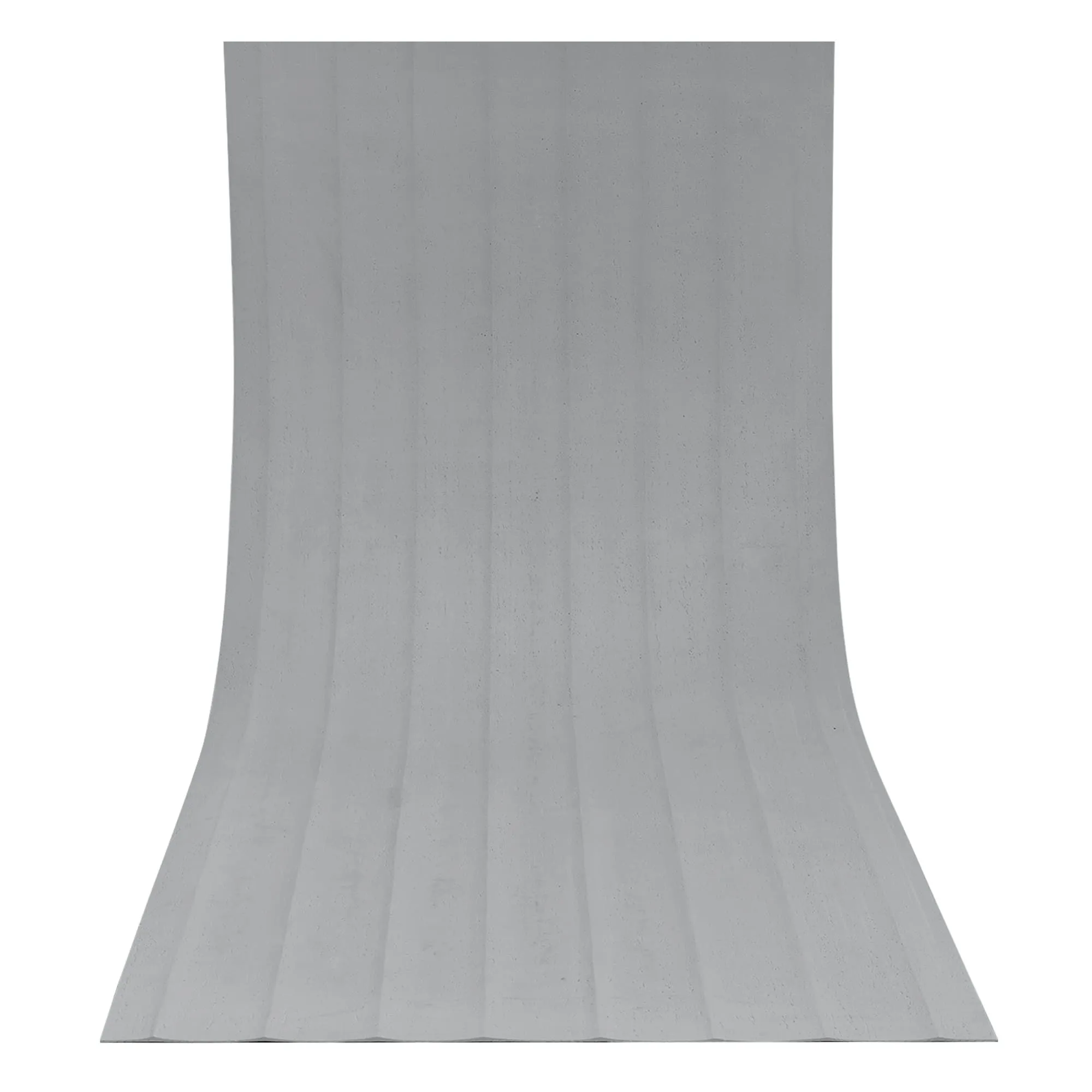
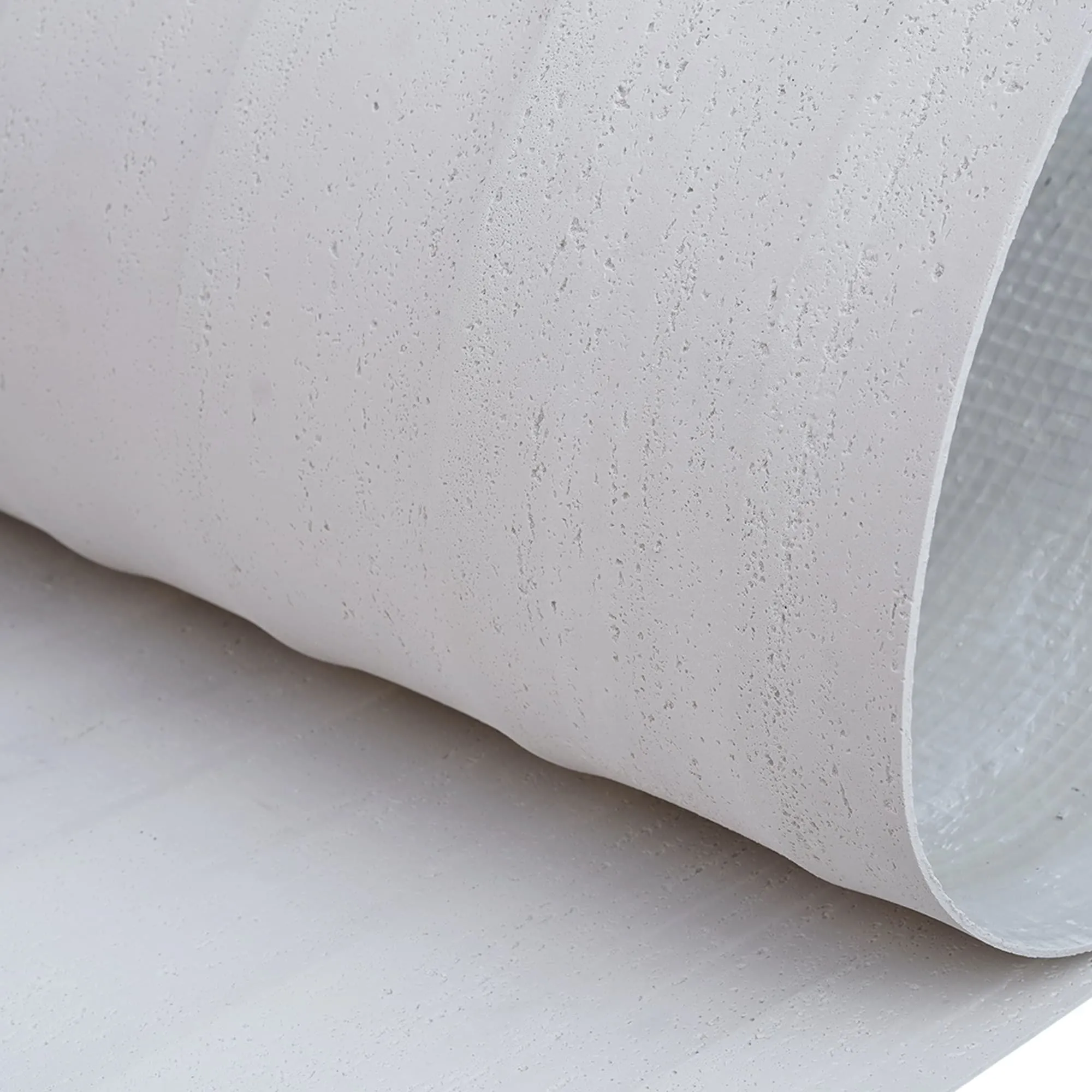
At its core, a flexible wave panel is a construction material engineered to be bent or formed into curved shapes without cracking or breaking. Unlike traditional rigid boards (like gypsum, cement board, or wood), these panels have an inherent pliability. This flexibility is achieved through a sophisticated combination of base materials and manufacturing processes.
A prime example of the technology behind these panels is Modified Cementitious Material (MCM). This innovative composite is the foundation of many advanced flexible building products, including the MCM Flexible Stone offered by COLORIA GROUP . MCM is born from a unique blend of natural materials like clay, sand, and mineral powders, which are modified with polymers and then cured at low temperatures. This process results in a material that retains the look and feel of natural stone or fired clay but with extraordinary flexibility.
The "magic" of MCM lies in its molecular structure. During the low-temperature curing process, the materials form a cross-linked network that is both strong and pliable. Think of it like a microscopic net. A rigid material is like a solid, crystalline grid—if you try to bend it, it snaps. An MCM material, however, is like a finely woven chainmail—it can drape and curve while maintaining its structural integrity. This allows it to conform to convex, concave, and even complex S-shaped surfaces that would be impossible for conventional stone or tile.
This inherent flexibility means the "wave" in "wave panels" can be interpreted in two ways. First, it refers to the material's ability to be applied to wavy, curved substrates. Second, it refers to panels that are pre-formed with a three-dimensional wave, ripple, or fluted texture, adding depth and shadow play to a surface. The advanced manufacturing behind these materials allows for both applications, opening up a world of creative possibilities.
"The goal is no longer to simply clad a building, but to dress it. Flexible materials allow us to create architectural garments that flow and adapt, turning static structures into dynamic sculptures."
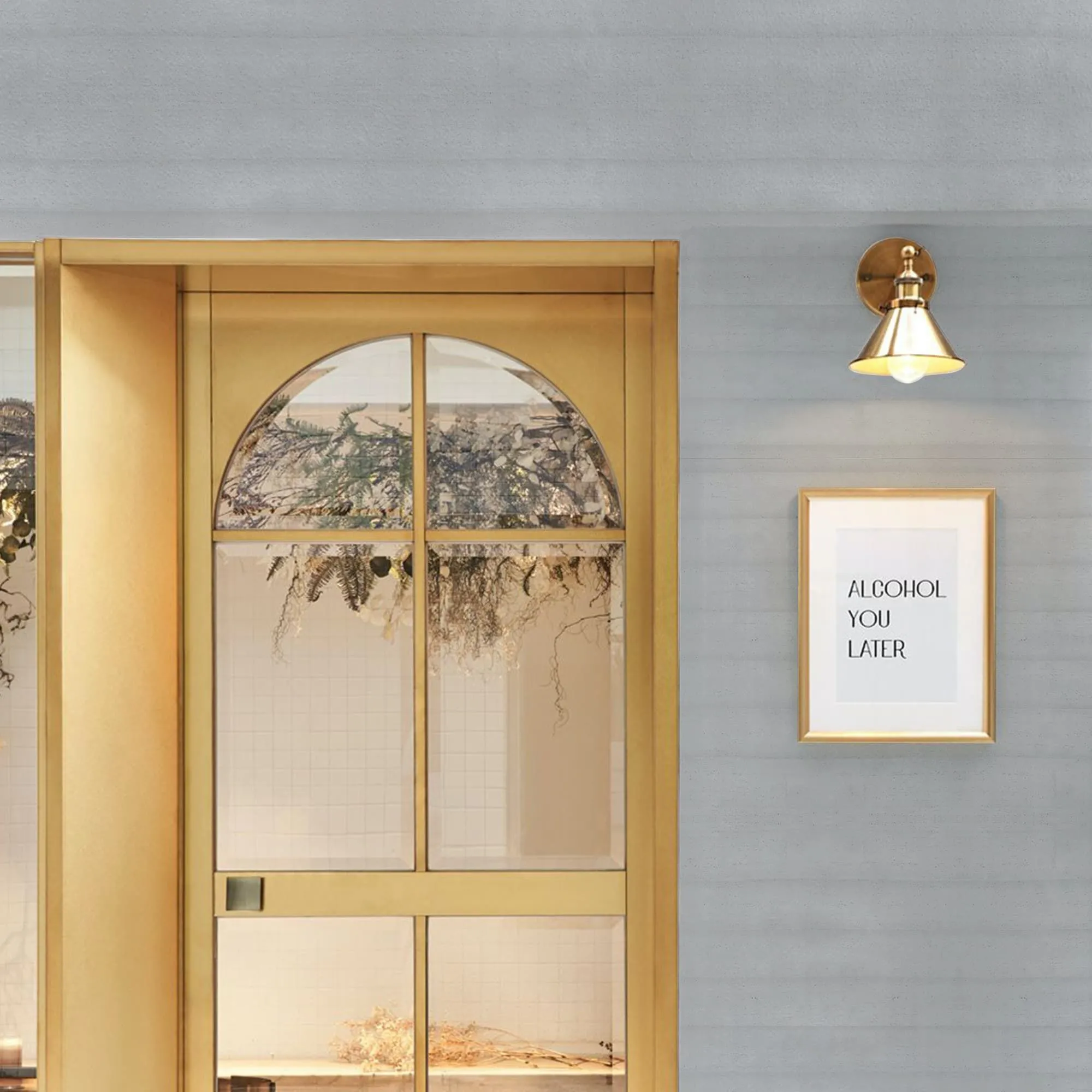
Why should an architect, designer, or developer choose flexible wave panels over traditional options? The benefits extend far beyond just the ability to create curves. They address some of the most persistent challenges in modern construction: cost, time, labor, and environmental impact.
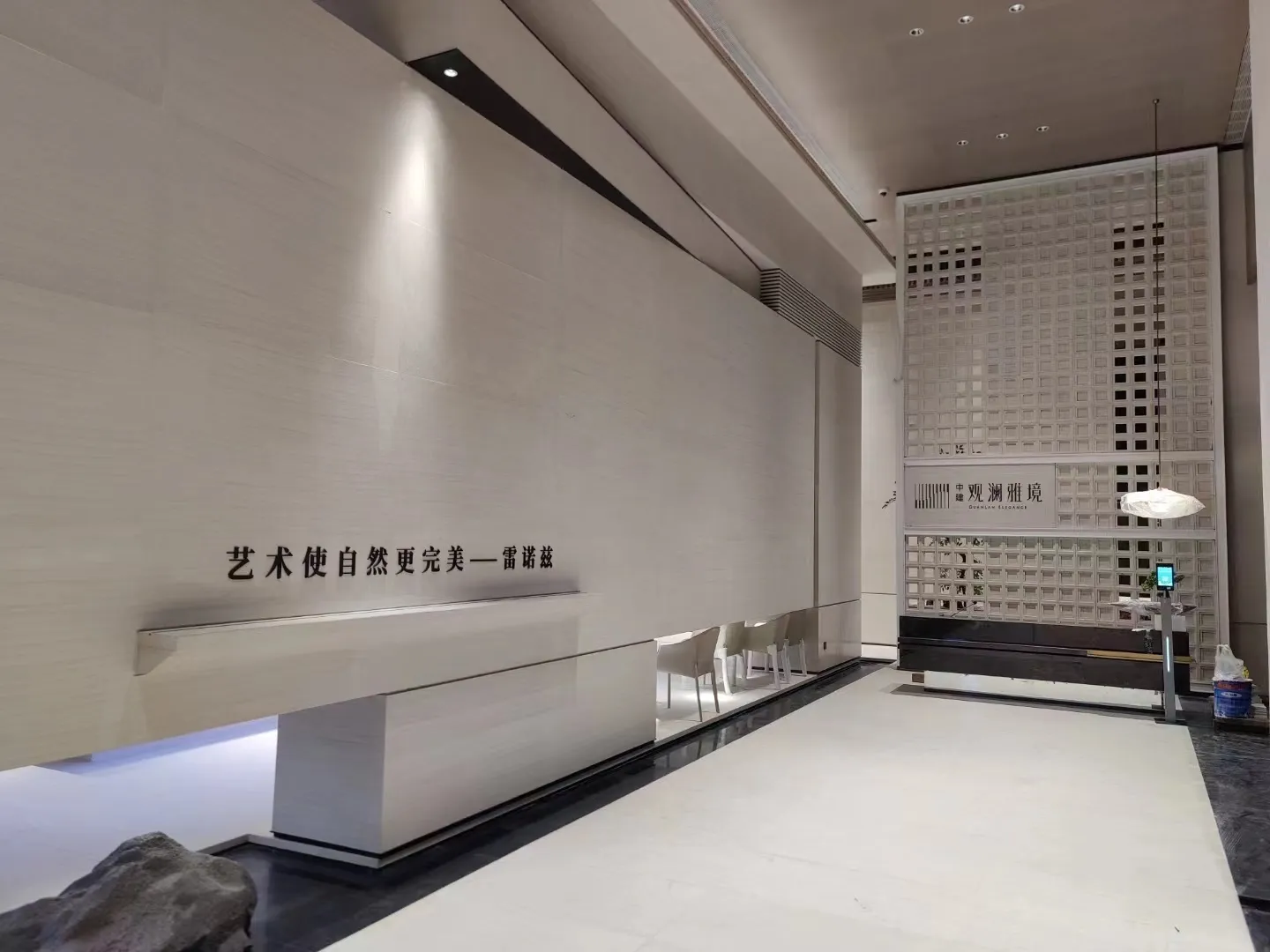
The innovation doesn't stop at flexibility. Modern manufacturing techniques allow for an almost infinite variety of textures, patterns, and colors. This is where the creative potential truly explodes. Companies that act as a one-stop solution provider , like COLORIA GROUP , understand that architects need a complete palette to work with.
This is where product lines like the MCM 3D Printing Series come into play. By integrating digital design with the MCM manufacturing process, it's possible to create highly customized and intricate three-dimensional patterns. Imagine a wall that doesn't just curve, but also features a bespoke, parametric wave pattern that shifts and changes with the light. Or a facade that incorporates a company's logo seamlessly into a flowing, textured surface.
This technology allows for:
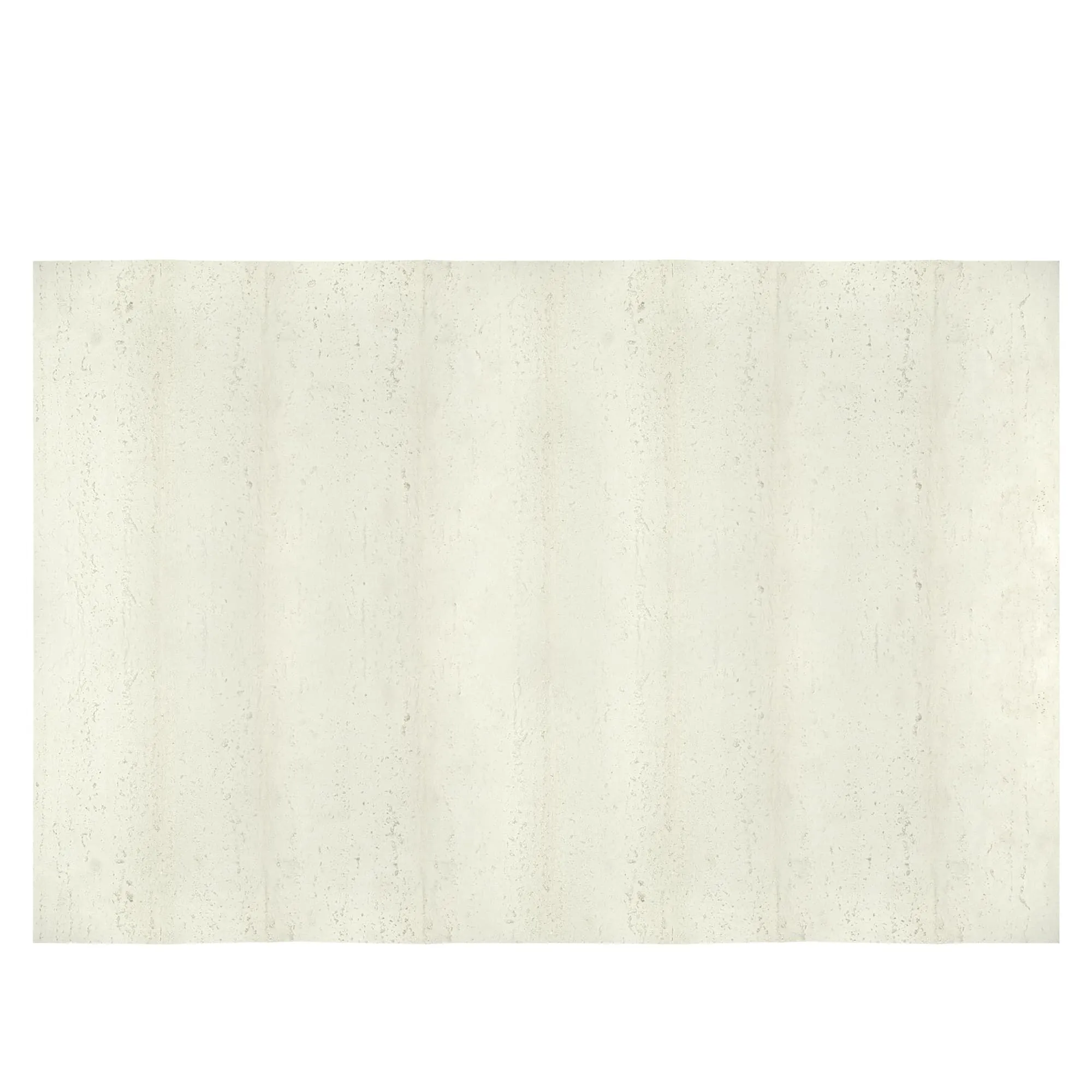
While futuristic 3D patterns are exciting, there is also a huge demand for materials that replicate the timeless beauty of nature. The MCM Flexible Stone series excels here. Using high-resolution scanning and advanced molding techniques, these panels can flawlessly replicate the look and feel of:
The key difference is that you get the aesthetic of a multi-ton block of marble on a panel that can be wrapped around a curved column by a single installer. This provides the best of both worlds: the organic beauty of natural materials with the performance and versatility of a modern composite.
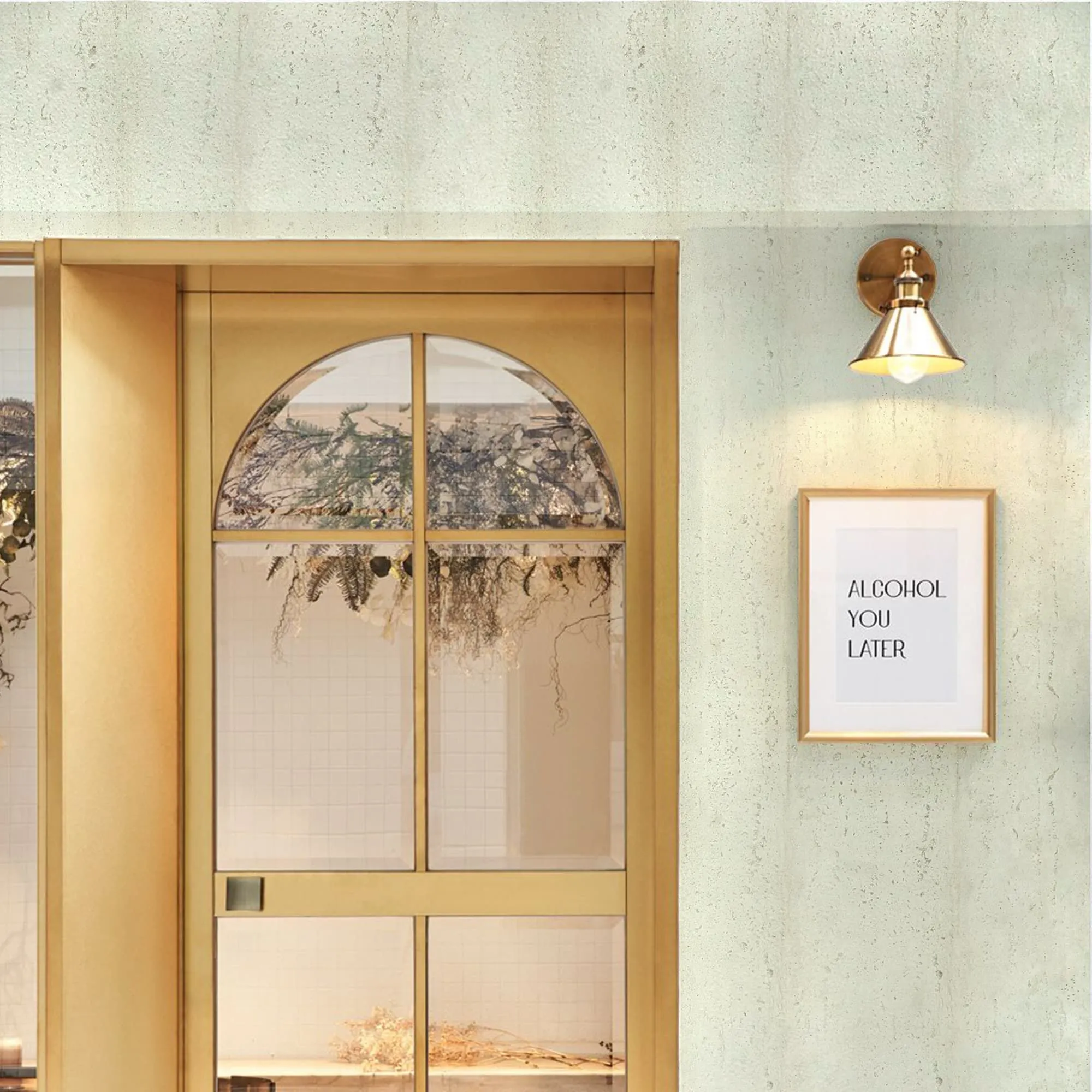
The theory is impressive, but where are these materials making a real-world impact? Flexible wave panels are being adopted across a wide spectrum of architectural projects, both for interiors and exteriors.
| Application Area | Description | Key Benefits |
|---|---|---|
| Exterior Facades | Cladding for entire buildings, especially those with non-linear, flowing designs. Used to create dramatic, undulating exteriors that stand out in the urban landscape. | Lightweight (reduces structural load), weather-resistant, UV stable, Class A fire-rated, allows for unique architectural expression. |
| Interior Feature Walls | Creating focal points in lobbies, reception areas, restaurants, and high-end residences. Wavy or textured panels add depth, character, and a sense of luxury. | Huge aesthetic variety, easy and clean installation (less dust/mess), durable and easy to maintain, excellent for acoustic dampening. |
| Column and Pillar Wrapping | Seamlessly cladding round or irregularly shaped structural columns, transforming them from functional necessities into beautiful design elements. | Eliminates the need for difficult tiling or expensive custom fabrication. Provides a continuous, grout-free finish. |
| Ceilings and Soffits | Designing curved or "barrel vault" ceilings that flow through a space. Used to hide services or to create a more dynamic overhead plane. | Lightweight nature is critical for overhead applications. Flexibility allows for smooth transitions between wall and ceiling. |
| Commercial and Retail Fit-outs | Used for branding elements, unique product displays, and creating immersive customer experiences. Curved reception desks, wavy backdrops, and custom-textured surfaces. | Speed of installation is key for fast-paced retail projects. Durability stands up to high-traffic environments. Customization reinforces brand identity. |
These applications demonstrate the material's incredible versatility. For a company like COLORIA GROUP , with its global reach and experience in markets like Saudi Arabia, this adaptability is crucial. The material's performance in extreme heat and its resistance to sand and dust make it a perfect fit for ambitious architectural projects in demanding climates, while its sophisticated aesthetics are equally at home in a luxury European hotel.
As with any innovative technology, the quality of the final product and the expertise of the supplier are paramount. Not all flexible panels are created equal. When embarking on a project involving curved architectural surfaces , it's essential to partner with a company that offers more than just a product in a box.
Look for a supplier that functions as a true one-stop solution provider . This means they should offer:
By selecting a knowledgeable partner, architects and builders can de-risk the process of adopting new materials and ensure their creative vision is executed flawlessly. The right supplier will work with you from the initial concept to the final installation, guaranteeing that the finished project not only looks stunning but also performs for decades to come.
The era of the rigid, flat-paneled world is giving way to a more dynamic, fluid, and expressive architectural future. Flexible wave panels, powered by advanced materials like MCM, are no longer a niche product for avant-garde projects; they are a practical, cost-effective, and sustainable solution for mainstream construction. They empower designers to create spaces that are more visually interesting, emotionally resonant, and better aligned with the organic forms of the natural world.
By combining the beauty of traditional materials with the performance of modern science, these panels offer an unparalleled toolkit for innovation. Whether it's the seamless curve of a lobby wall, the dramatic undulation of a building facade, or the intricate custom texture of a feature panel, the possibilities are no longer limited by the materials themselves, but only by the imagination of the designer. The ability to bend, shape, and mold our built environment is here, and it promises to create a world that is not only more beautiful but also smarter and more sustainable.
Recommend Products











