

For centuries, architecture has relied on rigid, unyielding materials to construct our built environment. From the colossal stone blocks of ancient pyramids to the stately ceramic tiles gracing modern facades, durability and permanence have often been synonymous with inflexibility. However, as design ambitions grow bolder and environmental consciousness becomes paramount, the limitations of these traditional rigid options are becoming increasingly apparent. Architects and designers are no longer content with flat, linear surfaces; they crave fluidity, organic forms, and innovative textures that can adapt to complex geometries and sustainable principles. This burgeoning demand has paved the way for a revolutionary category of building materials, and at the forefront of this innovation stands COLORIA GROUP, a leading one-stop solution provider in the architectural materials space.
With a global footprint and decades of industry expertise, COLORIA is redefining what's possible, particularly through its groundbreaking MCM (Modified Cementitious Material) product lines. While our portfolio boasts a diverse range, today, we're diving deep into a true game-changer: COLORIA's MCM Flexible Stone. This isn't just another material; it's a paradigm shift, offering unparalleled design freedom, simplified installation, and a commitment to green building materials that traditional alternatives simply cannot match. Let's explore why embracing the flexible future with COLORIA's MCM Flexible Stone isn't just an option, but increasingly, the preferred choice for forward-thinking projects worldwide.
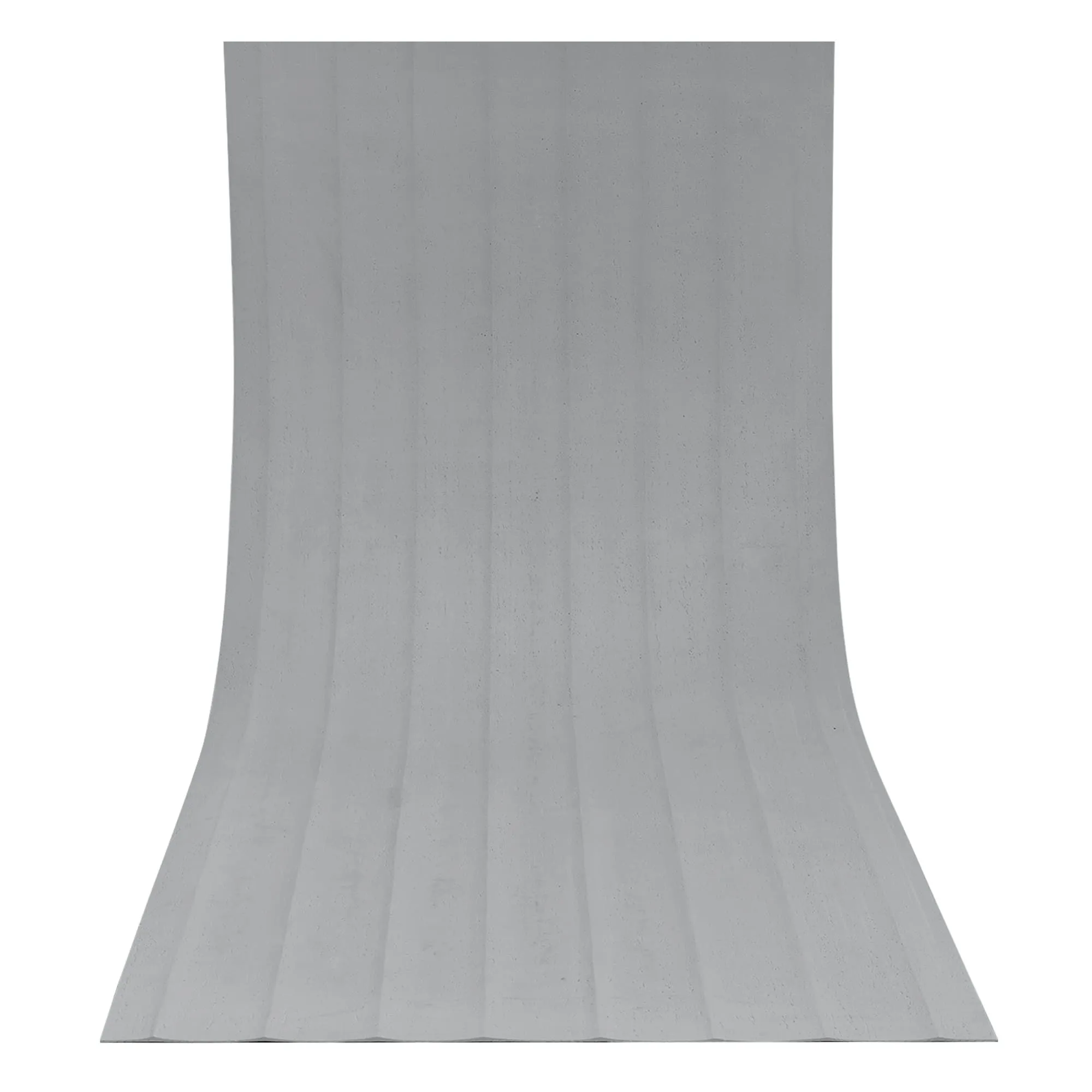
Before we celebrate the advantages of flexibility, it's crucial to understand the very real hurdles posed by conventional rigid materials. Imagine a grand architectural vision – a sweeping curved facade, an intricate interior feature wall, or a building that needs to conform to an unconventional site. Immediately, the practicalities of working with traditional stone, ceramics, large concrete panels, or even traditional bricks begin to weigh heavily, both literally and figuratively.
Traditional stone and large format tiles are inherently heavy. This weight translates into significant logistical challenges from quarry to site. Transportation costs skyrocket, specialized lifting equipment becomes essential, and the sheer structural capacity required of the building's foundation and frame increases dramatically. This isn't just about cost; it's about engineering complexity, longer construction timelines, and often, compromising on design aspirations to accommodate structural limitations. Furthermore, the inherent brittleness of many rigid materials means a higher risk of breakage during transport, handling, and installation, leading to material waste and further cost overruns.
One of the most frustrating aspects for designers working with rigid materials is the lack of aesthetic flexibility. Achieving curves, intricate patterns, or seamless transitions often requires costly and labor-intensive processes like cutting, grinding, and custom fabrication. These processes are not only expensive but can also compromise the material's integrity or lead to visible seams and joints that disrupt the intended visual flow. The dream of a fluid, organic architectural form often clashes with the reality of rigid material application, forcing designers to settle for compromises rather than realizing their full creative vision.
Installing rigid materials, especially large slabs or intricate patterns, is a highly specialized craft. It demands experienced masons and tilers, meticulous preparation, and precise execution. The margin for error is slim, and mistakes can be costly, both in terms of material waste and rectification efforts. This dependence on a highly skilled, often scarce, labor force contributes to extended project timelines and elevated labor costs, making rigid material projects often prohibitively expensive for certain budgets or regions.
The environmental impact of traditional rigid building materials is another significant consideration. Quarrying natural stone can be destructive to landscapes, and the energy-intensive manufacturing processes for ceramics and concrete contribute significantly to carbon emissions. Transportation over long distances exacerbates this footprint. Moreover, the waste generated from cutting, shaping, and broken pieces on-site adds to landfill burdens. In an era where sustainability is non-negotiable, the heavy environmental cost of traditional materials presents a serious dilemma for eco-conscious developers and clients.
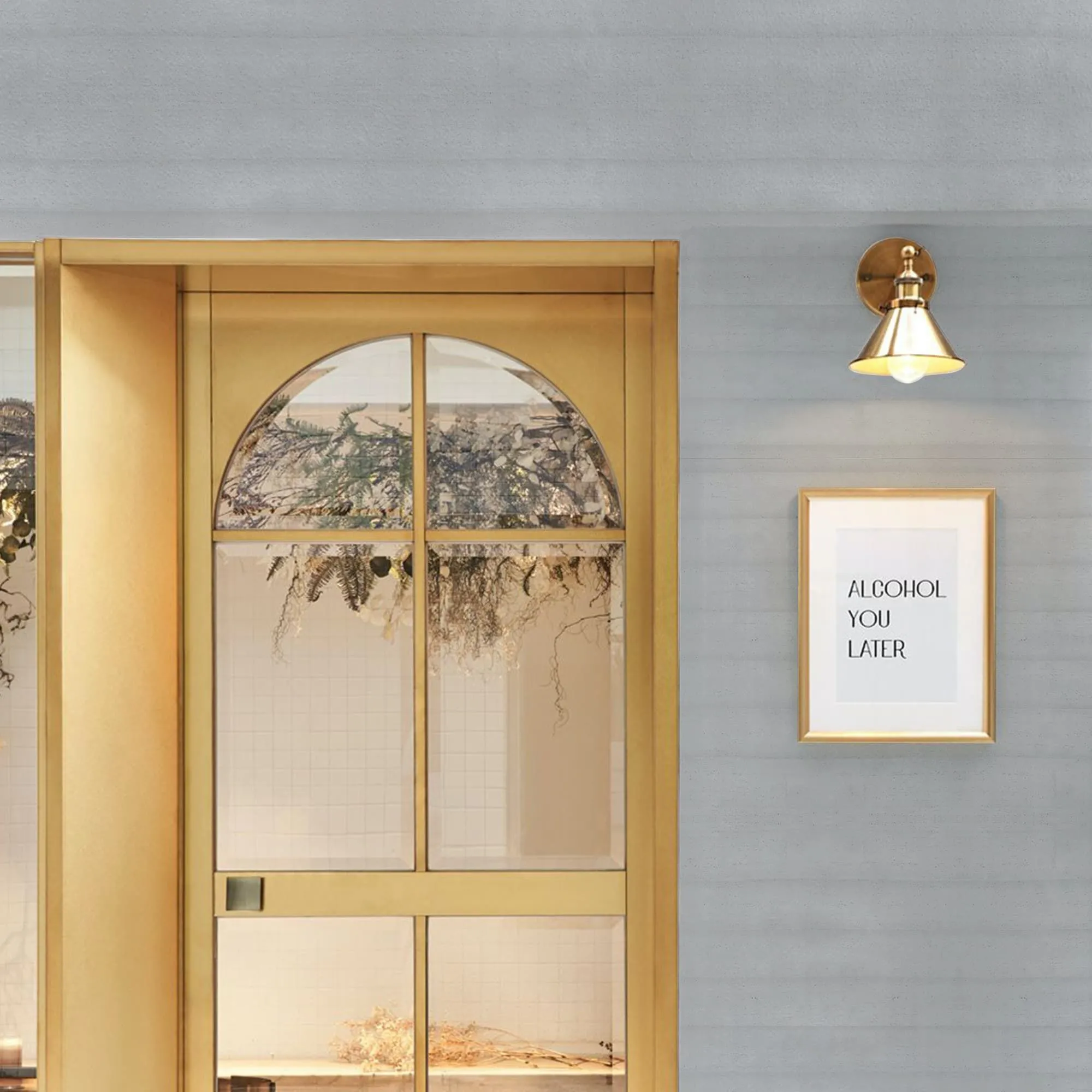
COLORIA GROUP's MCM Flexible Stone emerges as a beacon of innovation, directly addressing the limitations of rigid options while opening up entirely new avenues for architectural expression. But what exactly is MCM, and what makes COLORIA's iteration so special?
MCM stands for Modified Cementitious Material . It's a groundbreaking composite material developed through a patented process that combines natural mineral powders, inorganic pigments, and polymer binders. Unlike traditional ceramics or stone that are extracted and processed in their raw, inflexible forms, MCM is engineered. This engineering process transforms inert earth materials into ultra-thin, incredibly strong, and astonishingly flexible sheets that mimic the aesthetic and tactile qualities of natural stone, brick, wood, and leather with remarkable fidelity.
The key to MCM's flexibility lies in its unique molecular structure and production method. It's not baked at high temperatures like ceramics, which saves enormous amounts of energy. Instead, it's cured at lower temperatures, reducing its carbon footprint significantly. The resulting material is not only flexible but also breathable, moisture-resistant, and highly durable, making it suitable for a vast array of applications.
At COLORIA, our commitment to being a one-stop solution provider means we don't just sell materials; we engineer solutions. Our MCM Flexible Stone is the pinnacle of this philosophy. Leveraging decades of experience and state-of-the-art manufacturing, we have perfected the art of creating flexible stone panels that are not only aesthetically captivating but also technically superior.
Imagine a material that feels like natural stone – cool, textured, and substantial – yet can bend and curve to wrap around pillars, create undulating feature walls, or clad intricate furniture. That's precisely what COLORIA's MCM Flexible Stone delivers. It's available in a dazzling array of finishes, from rugged slate to polished granite, rustic brick to sleek marble, each designed to evoke the authentic essence of its natural counterpart without the associated drawbacks. This opens up unprecedented possibilities for both interior and exterior decoration, blurring the lines between art and architecture.
COLORIA's MCM Flexible Stone isn't just flexible in its physical form; it's flexible in its application, its design potential, and its ability to adapt to the future demands of sustainable construction. It's a material designed for visionaries who refuse to be constrained by convention.
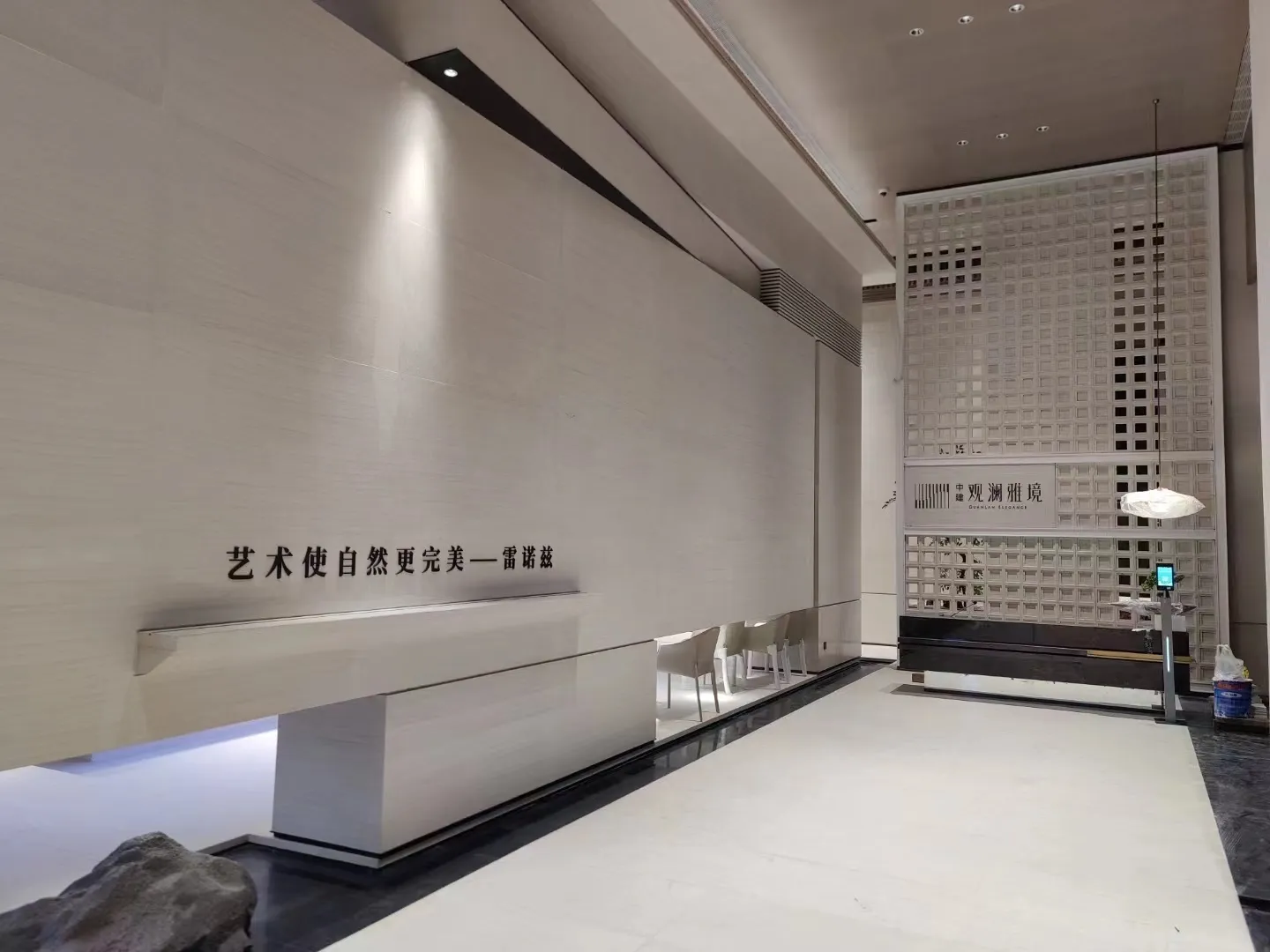
Now, let's delve into the tangible benefits that make COLORIA's MCM Flexible Stone not just an alternative, but often a superior choice over traditional rigid options for modern construction and renovation projects.
This is arguably the most compelling advantage. The inherent flexibility of COLORIA's MCM Flexible Stone liberates designers from the geometric constraints of rigid materials.
The practicality of MCM Flexible Stone translates directly into significant project efficiencies and cost savings.
Despite its flexible nature, COLORIA's MCM Flexible Stone is engineered for outstanding durability and performance, standing up to the rigors of both indoor and outdoor environments.
In an era demanding ecological responsibility, COLORIA's MCM Flexible Stone shines as a genuinely green building material , aligning perfectly with modern sustainability goals.
"Choosing COLORIA's MCM Flexible Stone isn't just a design decision; it's a statement of commitment to both aesthetic excellence and environmental stewardship. It's about building better, smarter, and greener." — COLORIA GROUP Philosophy
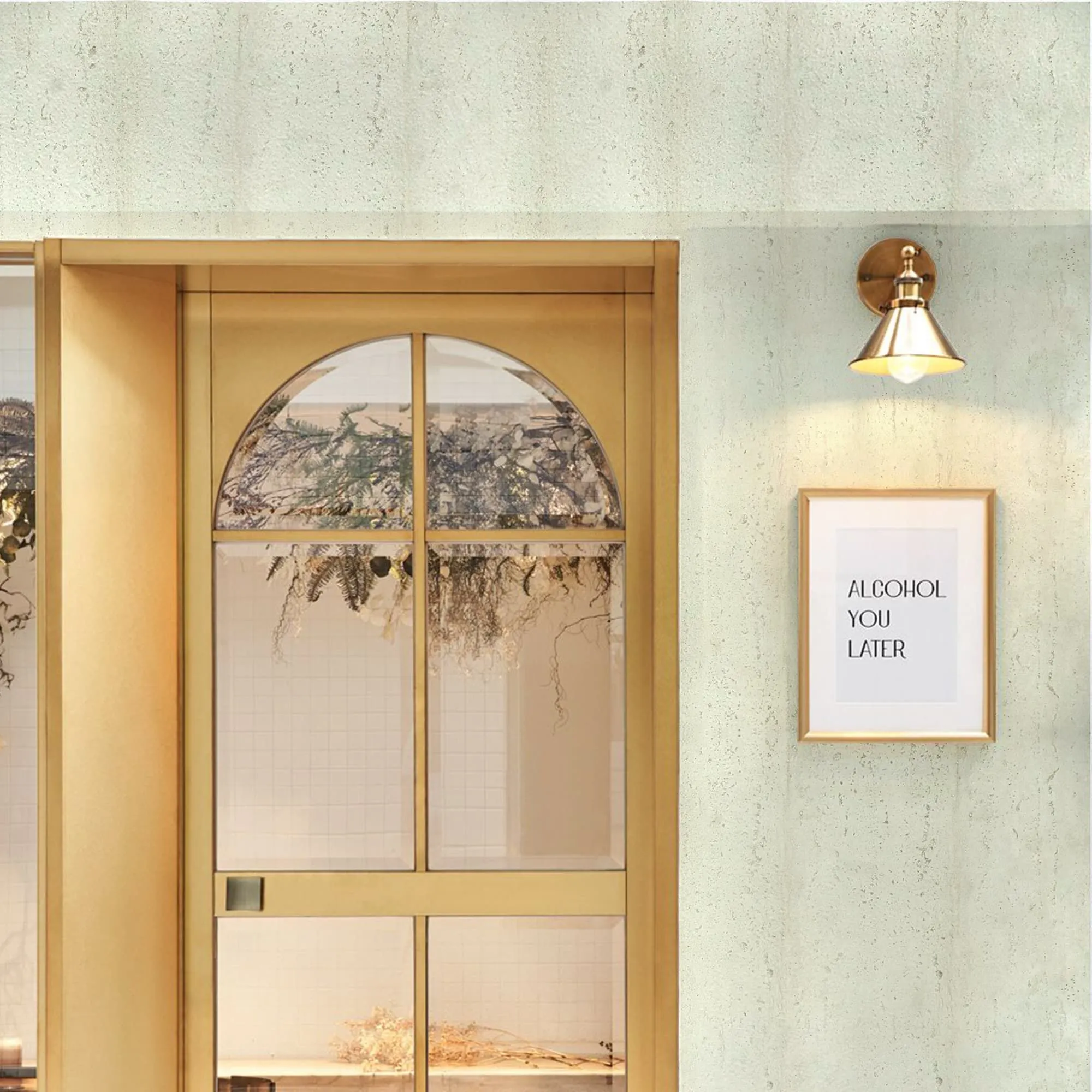
The versatility of COLORIA's MCM Flexible Stone means its application potential is virtually limitless, catering to both residential and commercial projects, from intricate interior details to expansive external facades. As a one-stop solution provider , COLORIA ensures that our MCM products, including the popular MCM Big Slab Board Series, MCM Project Board Series, and even MCM 3D Printing Series, can be integrated seamlessly into diverse architectural schemes. However, the Flexible Stone series truly shines when adaptability is key.
The ease of cutting and installation means less disruption for existing businesses during renovations, making it an ideal choice for quick turnarounds without compromising on quality or design.
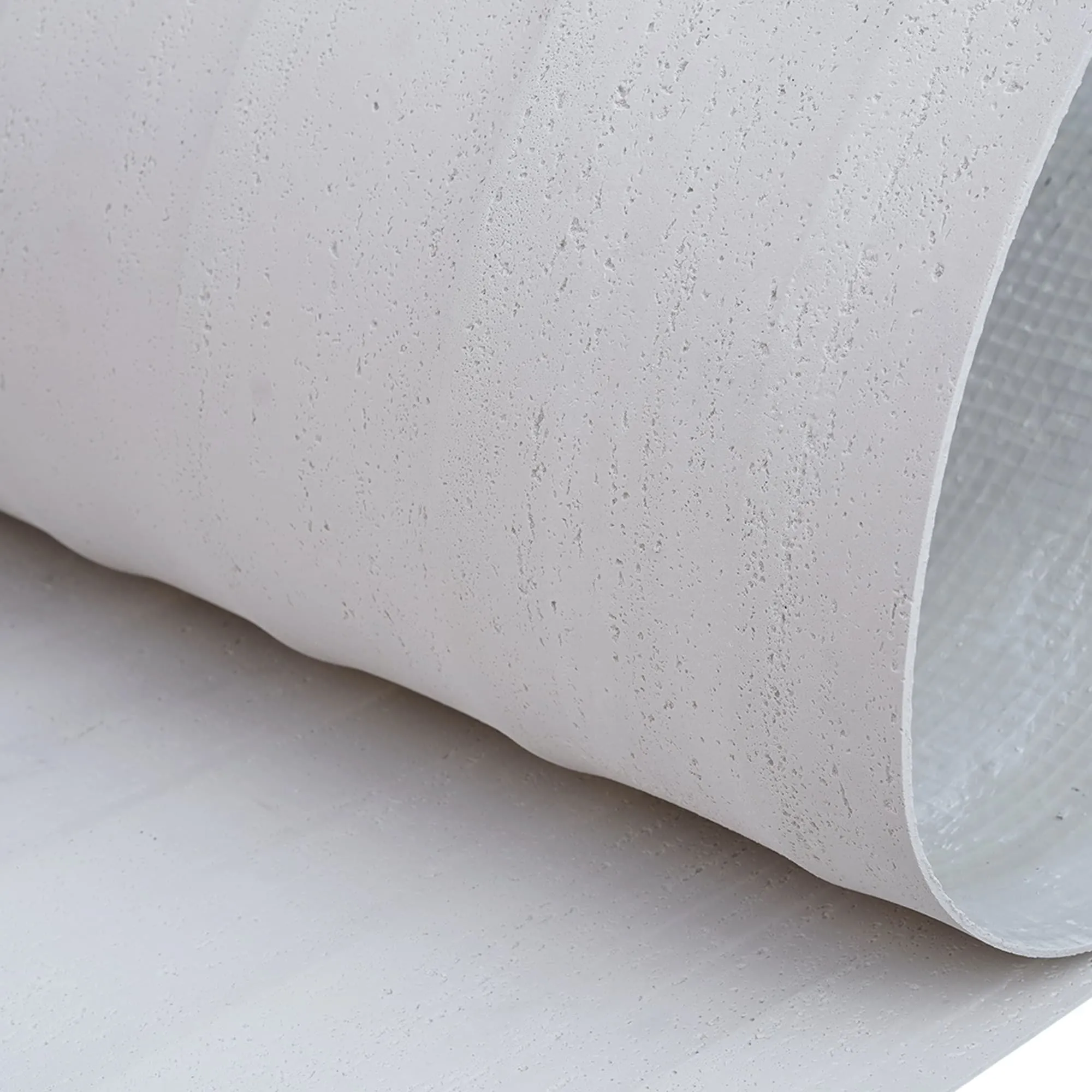
To further illustrate the advantages, let's look at a direct comparison of key features.
| Feature | COLORIA's MCM Flexible Stone | Traditional Rigid Materials (e.g., Natural Stone, Ceramic Tiles) |
|---|---|---|
| Flexibility | Excellent (can bend, wrap around curves) | None (brittle, requires cutting for curves) |
| Weight per Sq. Meter | Very Low (approx. 3-6 kg/m²) | Very High (approx. 20-60+ kg/m²) |
| Installation Difficulty | Low (easy cutting, adhesive application) | High (specialized tools, skilled labor, complex cutting/grouting) |
| Design Freedom | High (unlimited shapes, textures, patterns, customization) | Limited (constrained by rigid form, costly for curves/intricacy) |
| Environmental Impact | Low (reduced raw material, low energy, less waste, transport emissions) | High (quarrying, high energy production, significant waste, transport emissions) |
| Cost (Material & Labor) | Competitive to lower (lower labor, transport, less waste) | Generally higher (high material, labor, transport, waste costs) |
| Durability & Maintenance | High (weather-resistant, impact-resistant, low maintenance) | High (but prone to cracking/chipping, can require specialized cleaning) |
| Application Scope | Interior & Exterior, walls, floors (specific types), ceilings, curved surfaces | Interior & Exterior, walls, floors; limited for complex shapes/lightweight structures |
| Aesthetic Range | Wide range of realistic stone, brick, wood, and other textures | Authentic look of specific natural materials, or manufactured patterns |
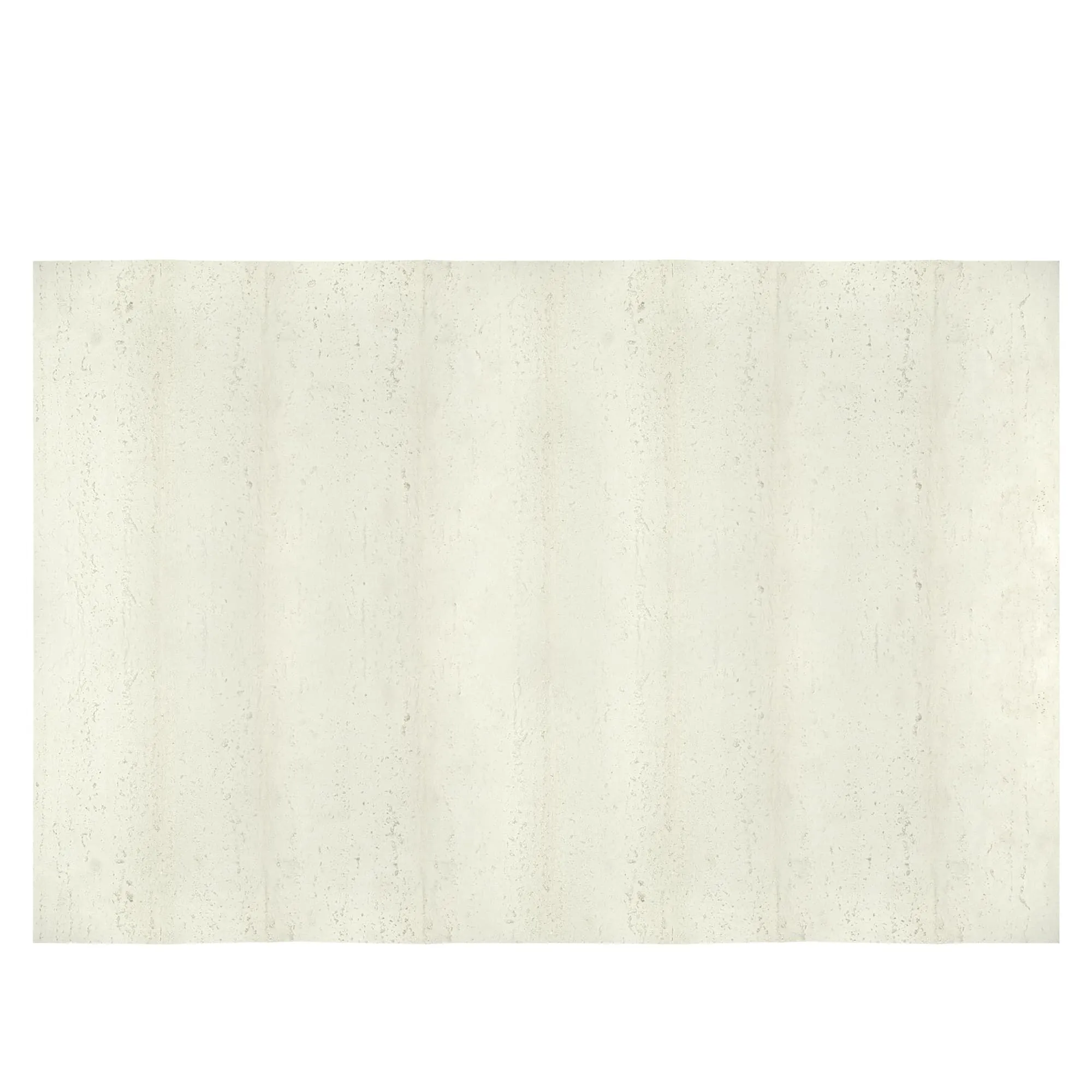
As a dedicated one-stop solution provider , COLORIA GROUP extends beyond just offering superior products like MCM Flexible Stone . We pride ourselves on providing comprehensive support to our clients, from initial concept to project completion. Our extensive experience, particularly in global markets like Saudi Arabia where we have established strong agency networks, enables us to understand and cater to diverse architectural needs and regulatory environments.
Our commitment to innovation is unwavering. We are constantly exploring new possibilities with MCM (Modified Cementitious Material) technology, pushing the boundaries of what's achievable in sustainable and aesthetically captivating architectural surfaces. Whether you are an architect conceptualizing a groundbreaking design, a developer seeking cost-effective and green building materials, or a contractor looking for efficient and reliable solutions for interior and exterior decoration , COLORIA is your trusted partner.
We believe that the future of architecture is flexible, sustainable, and custom-designed. With COLORIA's MCM Flexible Stone, we offer a material that not only meets these demands but inspires new possibilities. Step into a world where design is no longer limited by the rigidity of materials, but amplified by their adaptability.
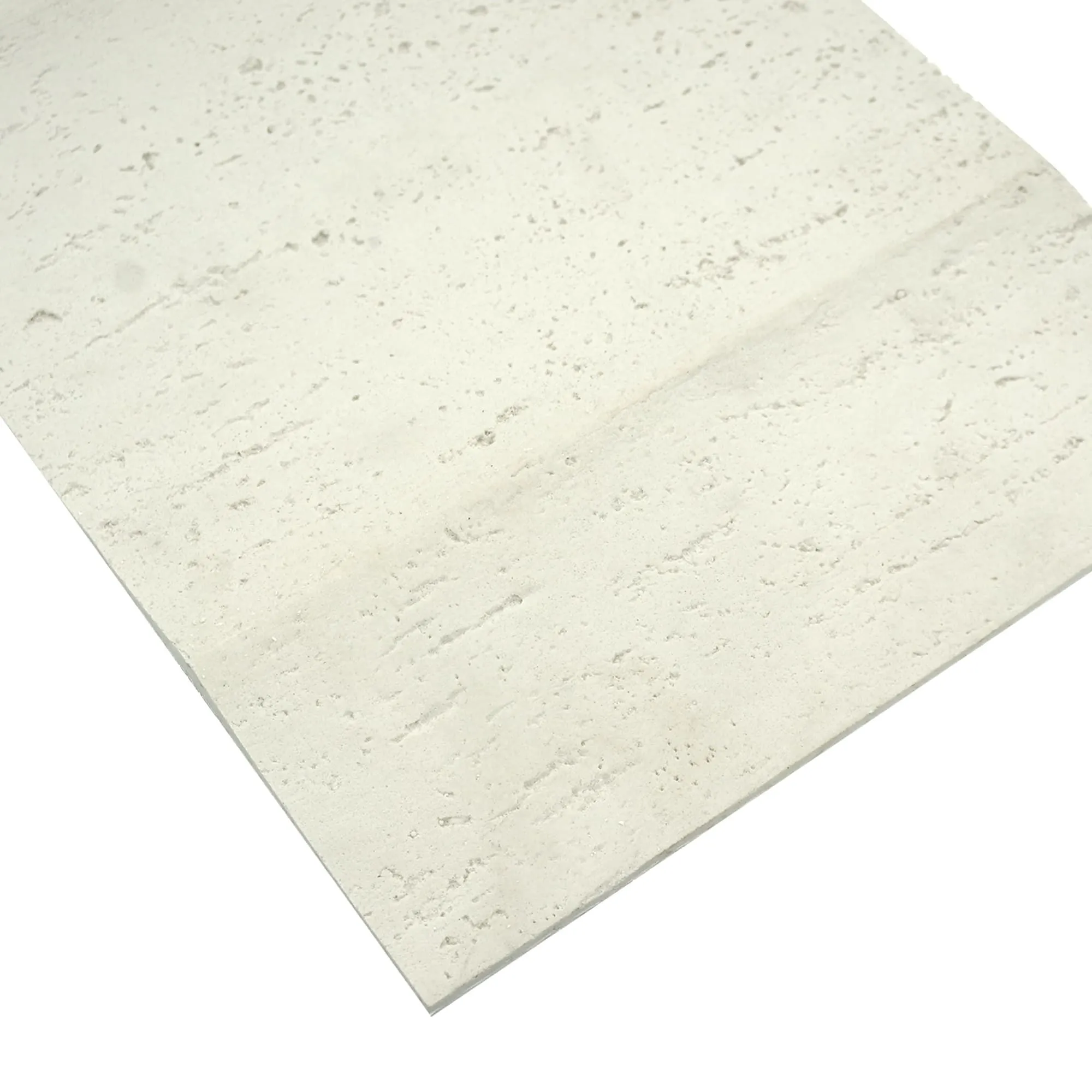
In conclusion, the architectural landscape is evolving rapidly, driven by desires for bolder designs, increased efficiency, and a profound respect for our planet. Traditional rigid options, while having served us well, are increasingly unable to meet these multifaceted demands without significant compromises.
COLORIA's MCM Flexible Stone offers a compelling alternative – a material that is lightweight, durable, easy to install, incredibly versatile, and most importantly, environmentally responsible. It empowers designers with unprecedented freedom for customization , accelerates project timelines, and contributes significantly to the creation of truly green building materials .
By choosing COLORIA, you're not just selecting a product; you're partnering with a visionary one-stop solution provider dedicated to shaping the future of construction, one flexible, beautiful, and sustainable surface at a time. Explore the possibilities with COLORIA's MCM Flexible Stone and redefine your architectural vision today. The future of building is flexible, and it's here.
Recommend Products











