
Exploring the heart of modern building materials—where flexibility meets strength
Walk into any contemporary home, office, or public space today, and you'll notice something subtle but powerful: the materials shaping our environments are no longer just about function. They're about feeling. Whether it's the warm texture of a wooden accent wall or the raw, industrial edge of exposed concrete, the choice between flexible and rigid building panels can transform a space from ordinary to unforgettable. Today, we're diving into two heavyweights in this arena: flexible wood-cement board and traditional rigid panels. Let's unpack what makes each unique, where they shine, and how they're redefining architecture—one wall, roof, or facade at a time.
If you're picturing a clunky, heavy slab of wood glued to concrete, think again. Wood concrete board —the star of the flexible category—is a modern marvel. Made by blending wood fibers, cement, and a dash of polymers, it's lightweight, surprisingly bendable, and packed with character. Run your hand over it, and you'll feel the organic grain of wood, softened by the sturdiness of cement. It's like nature and industry shook hands and decided to build something better.
What really sets it apart? Flexibility. Unlike rigid panels that crack under pressure or resist curves, this material bends—literally. Imagine a curved accent wall in a boutique hotel lobby, or a sloped roof that mimics the flow of a wave. Traditional rigid materials would need custom cutting, heavy machinery, and a small army of installers. Wood-cement board? It bends to the architect's vision, making those "impossible" curves suddenly possible.
And let's talk durability. Wood alone warps; cement alone feels cold. Together? They're a team. Resistant to moisture, fire, and pests, this board holds up in rain, snow, or sweltering heat. It's why homeowners in humid coastal areas and commercial builders in busy cities alike are swapping rigid alternatives for this workhorse.
Rigid panels are the tried-and-true veterans here. Think fair-faced concrete , solid stone slabs, or thick ceramic tiles. For decades, they've been the go-to for projects where strength and permanence matter most. A skyscraper's foundation? Rigid concrete. A historic building's stone facade? Rigid stone. They're tough, they're predictable, and they've earned their reputation as the "set it and forget it" option.
But here's the catch: rigidity comes with trade-offs. Heavy? Absolutely. A single rigid concrete panel can weigh hundreds of pounds, requiring cranes, specialized labor, and extra structural support. Inflexible? You bet. Want a curved wall or a sloped ceiling? You'll need to cut, carve, and piece rigid panels together—if they even bend at all. And let's not forget aesthetics: while materials like fair-faced concrete have a cool, minimalist appeal, they lack the warmth of wood or the organic texture of something like flexible stone .
| Feature | Flexible Wood-Cement Board | Traditional Rigid Panels (e.g., Fair-Faced Concrete) |
|---|---|---|
| Weight | Lightweight (50-70% lighter than rigid concrete) | Heavy (requires structural reinforcement) |
| Flexibility | Bends up to 30° without cracking; ideal for curves | Brittle; limited to straight lines or pre-cut angles |
| Installation Time | Fast (2-3 workers can install 100 sq.ft in a day) | Slow (requires cranes, precise cutting, and curing time) |
| Aesthetics | Warm, organic textures (wood grain, subtle patterns); paintable/stainable | Industrial, uniform look; limited texture options |
| Durability | Resistant to moisture, pests, and warping; 30+ year lifespan | High compressive strength; prone to cracking in seismic zones |
Let's ground this in reality. These materials aren't just specs on a sheet—they're shaping the places we live, work, and play. Here are a few examples that bring their differences to life:
In a beach town in Oregon, a homeowner wanted an exterior that could withstand salt spray, wind, and rain—without looking like a bunker. Rigid concrete panels were an option, but they felt cold and imposing. Instead, they chose wood concrete board in a light gray stain. The result? A facade that looks like driftwood smoothed by the ocean, with the durability to match. "It bends slightly with the wind, so we don't worry about cracks," the homeowner. "And it warms up the whole street."
A trendy café in downtown Chicago wanted a standout interior feature: a curved wall that wrapped around the seating area, creating an intimate nook. Traditional rigid panels? Impossible—they'd need to be cut into tiny, wedge-shaped pieces, ruining the flow. Enter flexible stone (yes, even stone can be flexible now!). Installers rolled the thin, bendable sheets around the curve, creating a seamless, natural stone look that feels like it was carved from a single block. "Customers keep asking if it's real stone," the café owner says. "We just smile and say, 'It's better—it bends.'"
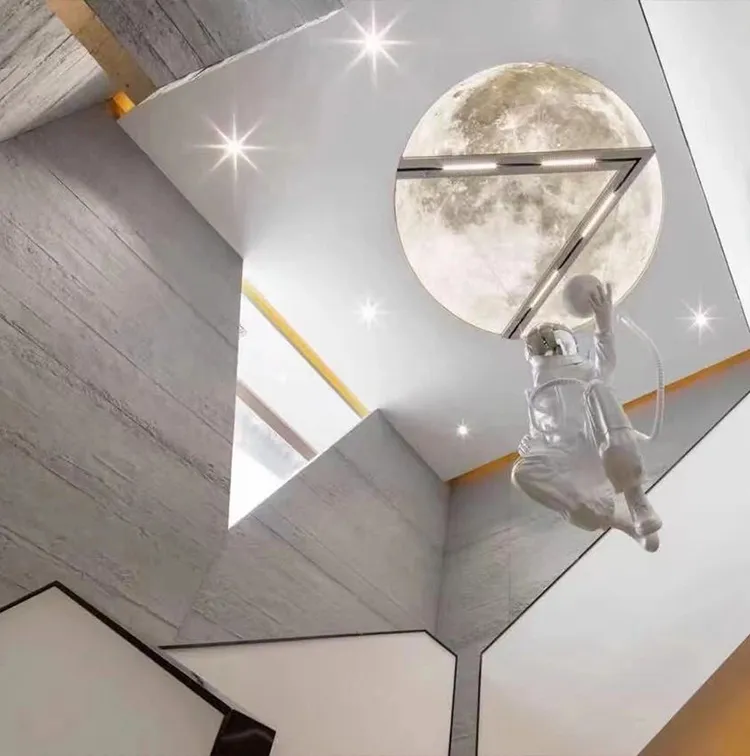
For a tech startup's headquarters, the vibe was "industrial chic." They opted for fair-faced concrete panels on the main lobby walls. Why rigid here? Because the goal was bold, unapologetic strength—exposed aggregate, rough edges, and that signature gray hue that screams "innovation." The panels were heavy, sure, but the result is a space that feels both grounded and forward-thinking. "It's not warm, and that's the point," the designer explains. "It's a blank canvas for our brand's energy."
At the end of the day, it's not about "better"—it's about "right for you."
And here's the secret: they don't have to compete. Many designers are mixing them—using rigid panels for structural walls and flexible wood-cement board for accents, or pairing fair-faced concrete with flexible stone for contrast. It's about balance.
Building materials used to be boring. They were tools, not storytellers. But today, flexible options like wood concrete board and classic rigid panels like fair-faced concrete are changing that. They're proving that strength and beauty, function and feeling, can coexist. So the next time you walk into a space that makes you pause—whether it's the curve of a wall, the warmth of a texture, or the boldness of a raw surface—take a second to appreciate the choice behind it. Because in the end, it's not just about building walls. It's about building spaces that feel like home.
Recommend Products












