
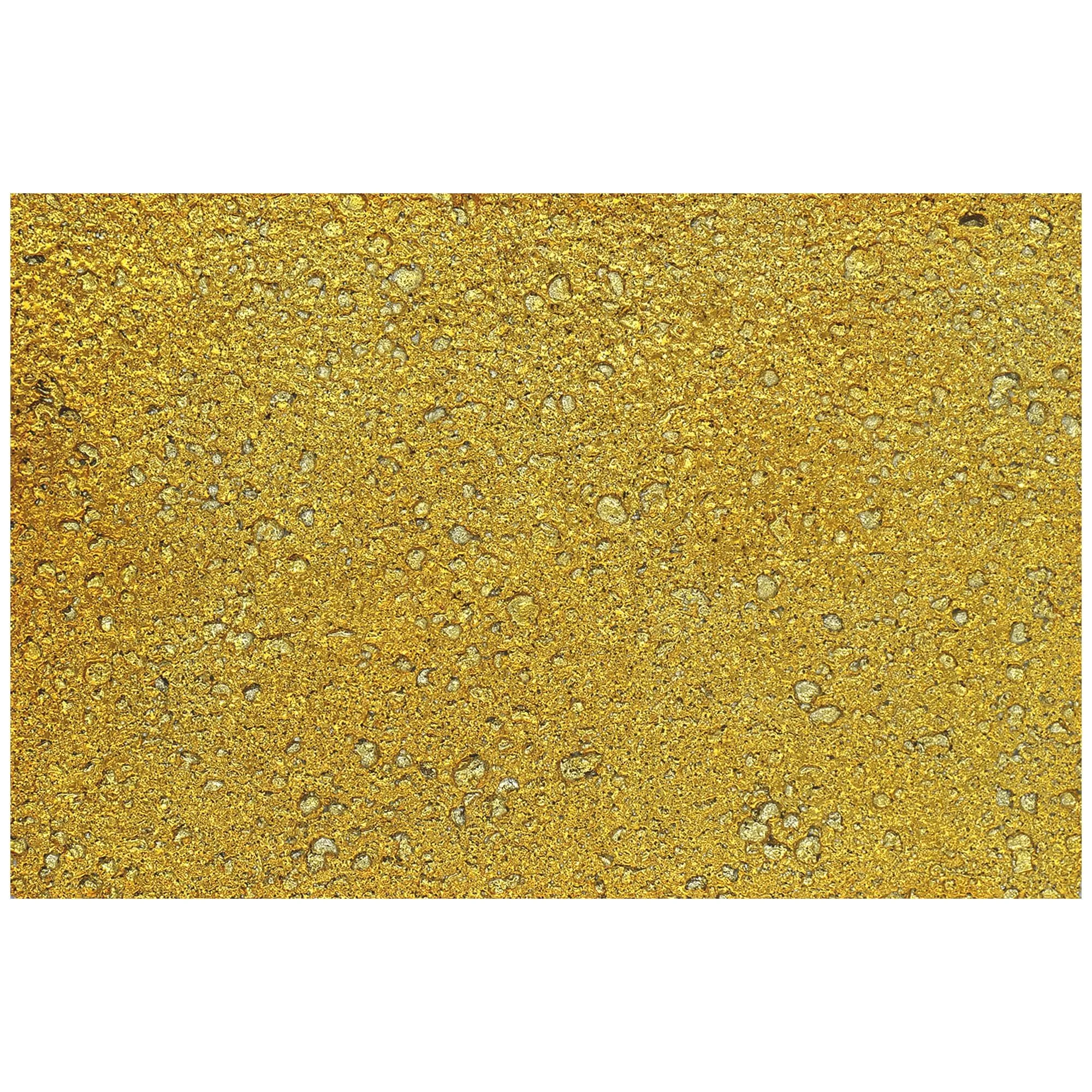
When we think about architecture, we often focus on the grand vision—the shape, the style, the statement a building makes. But what holds that vision together, year after year, especially when faced with nature's toughest tests? The answer lies in the materials. In regions with extreme heat, biting cold, corrosive sea air, or abrasive sandstorms, the choice of building material isn't just an aesthetic one; it's a critical decision that determines a project's lifespan, safety, and long-term value. This is where modern material science steps in, offering solutions that are as tough as they are beautiful. Today, we're taking a deep dive into one such innovation: the Foamed Aluminium Alloy Board, specifically its stunning gold variant, and exploring why it's becoming a go-to choice for longevity in harsh climates.
Let's break it down. The name sounds complex, but the concept is brilliantly simple. Imagine a chocolate bar with an airy, bubbly center, but instead of chocolate, it's made of high-strength aluminum. That's essentially what a foamed aluminum board is.
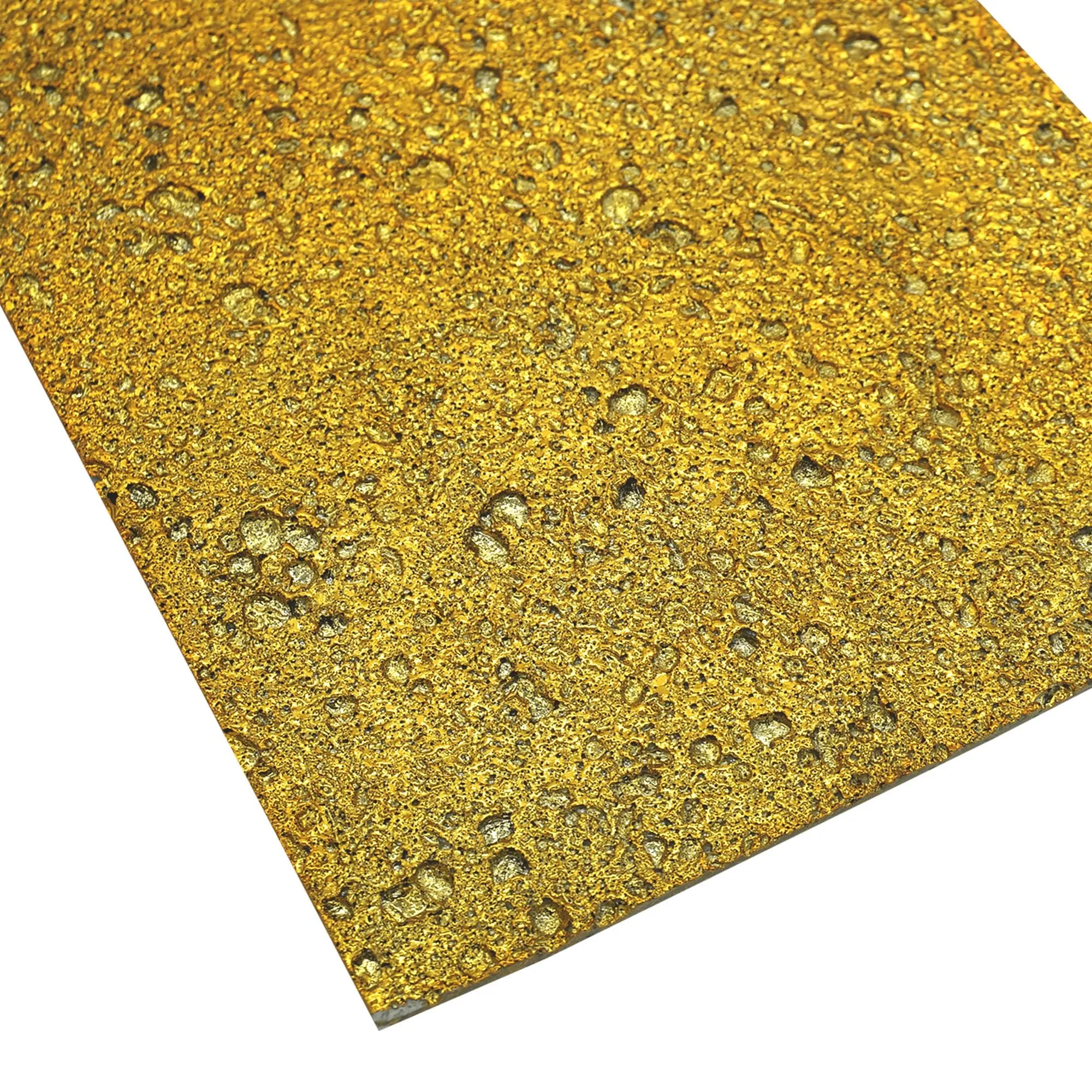
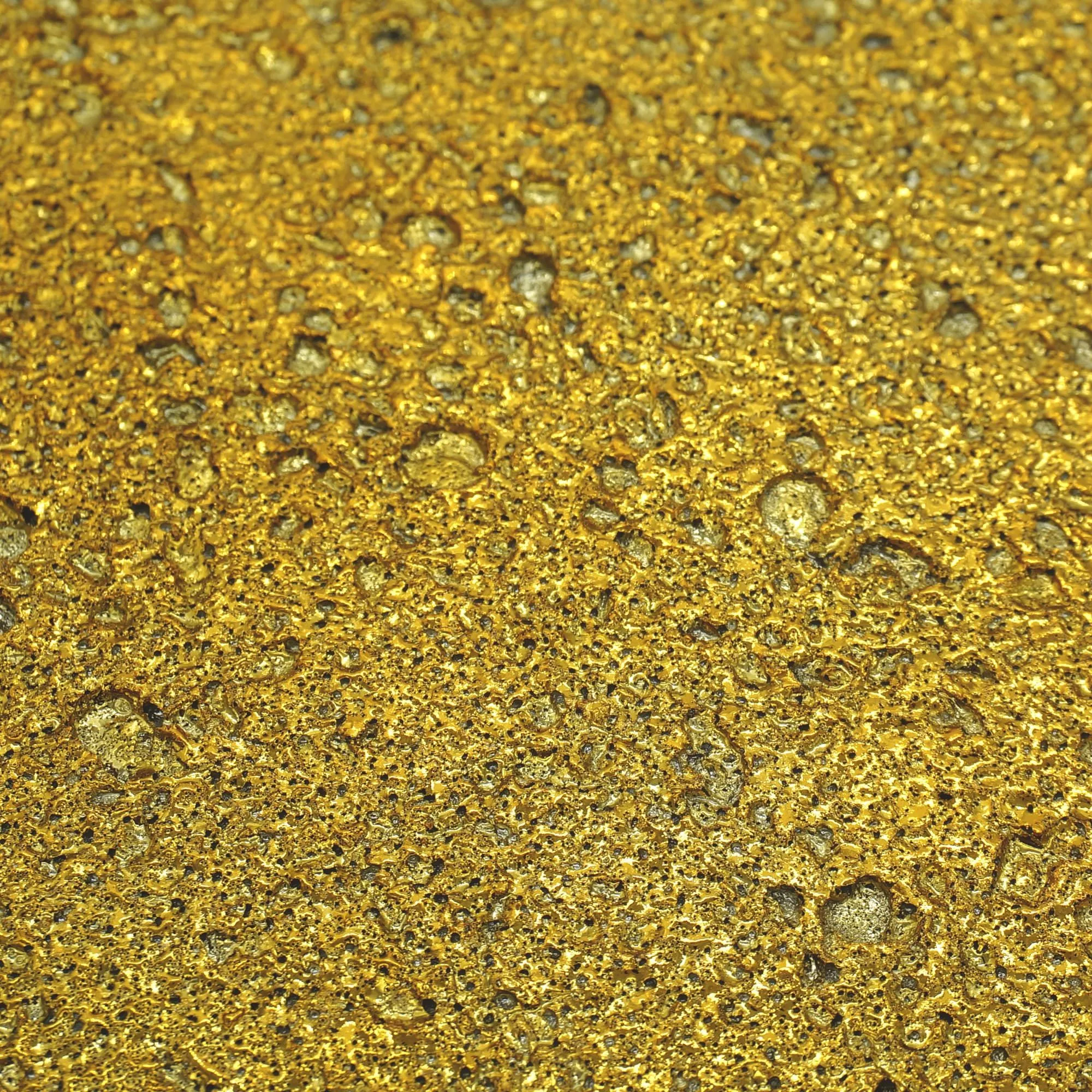
The manufacturing process involves melting an aluminum alloy and introducing a foaming agent. This agent decomposes at high temperatures, releasing gas that creates a network of pores and voids throughout the metal. The molten metal then solidifies around these bubbles, creating a structure that is incredibly lightweight yet surprisingly robust. It's a closed-cell structure, meaning the bubbles aren't interconnected, which is crucial for its performance, especially in preventing water absorption.
The "Gold" part of the name refers to the finish. This isn't just a simple lick of paint. To stand up to the elements, this gold finish is typically achieved through highly durable processes like PVDF (Polyvinylidene Fluoride) coating or PVD (Physical Vapor Deposition). These advanced techniques bond the color to the aluminum at a molecular level, creating a finish that is exceptionally resistant to fading, chipping, and chemical exposure. It gives architects the opulent look of gold without the weight, cost, or softness of the actual metal.
Before we can appreciate the durability of foamed aluminum, we need to understand the enemy. What challenges does a "harsh climate" throw at a building's exterior? It's a multi-front war:
So, how does our bubbly metal plank fare against this gauntlet? Exceptionally well, as it turns out. Its unique composition gives it a formidable defense against each of these environmental aggressors.
This is where the "foamed" structure truly shines. The gas-filled pores within the aluminum act as tiny, insulated air pockets. This dramatically reduces thermal conductivity. In simple terms, it's a fantastic insulator. On a blazing hot day, a building clad in foamed aluminum will transfer significantly less heat to the interior compared to one clad in solid metal or concrete. This isn't just about comfort; it translates directly into lower energy bills for air conditioning.
Furthermore, its coefficient of thermal expansion is well-managed. The material expands and contracts predictably without causing undue stress on its own structure or the building's frame. Unlike some plastics or composites that can become brittle in the cold or soft in the heat, foamed aluminum maintains its dimensional stability across a massive temperature range, preventing the ugly warping and buckling that plagues lesser materials.
A beautiful gold façade is only beautiful as long as it stays gold. The advanced coating technologies mentioned earlier (like PVDF) are the heroes here. These are not ordinary paints. PVDF coatings are fluoropolymer-based systems known for their incredible resistance to UV degradation. The chemical bonds are so strong that the sun's rays simply don't have enough energy to break them down.
This means the gold finish will retain its color and gloss for decades, not just years, even under the most intense equatorial sun. It won't chalk, fade, or peel, ensuring the building looks as prestigious on its twentieth anniversary as it did on day one. This commitment to long-lasting aesthetics is a core principle for any high-end material provider.
Aluminum, by its very nature, has a secret weapon against corrosion: it instantly forms a thin, tough, and transparent layer of aluminum oxide on its surface when exposed to air. This layer is passive, meaning it doesn't react further with the environment, and it effectively seals the metal underneath from corrosive agents like salt and acid rain.
Foamed aluminum alloy boards take this a step further. The specific alloys used are chosen for their enhanced corrosion resistance, and the multi-layered coating system provides an additional, impenetrable barrier. Since the internal cell structure is closed-cell, there's no path for moisture to wick its way into the core of the panel. This makes it an ideal material for beachfront hotels, coastal airports, and port facilities where other metals would quickly succumb to rust.
You might think a "foamed" material would be soft. That's a misconception. While lightweight, the surface of the board is solid aluminum alloy, and the high-quality coating on top is incredibly hard and durable. It boasts excellent scratch and abrasion resistance.
In environments where sandstorms are common, this is a non-negotiable feature. The hard-cured surface can withstand the constant impact of fine, wind-blown particles without being easily eroded or losing its sheen. It effectively deflects the abrasive forces that would quickly wear down softer paints or plastic-based finishes.
At COLORIA GROUP , our deep dive into materials like foamed aluminum isn't just an academic exercise. It's central to our identity as a one-stop solution provider . We understand that there is no single "magic" material for every application. The best solution is born from a deep understanding of the project's unique environment, aesthetic goals, and performance requirements.
Our decades of experience in the global construction market, including our dedicated presence in demanding climates like Saudi Arabia, have taught us to curate a portfolio of only the most resilient and innovative materials. While foamed aluminum offers unparalleled performance in certain scenarios, our expertise extends across a wide spectrum of advanced solutions. For instance, a client seeking the timeless texture of natural stone but requiring a lightweight, flexible, and weather-resistant alternative might find their perfect match in our MCM Flexible Stone series. This product delivers stunningly realistic stone aesthetics with superior durability and ease of installation.
For large-scale commercial façades where uniformity, speed, and performance are paramount, our MCM Big Slab Board Series provides a compelling solution. These products embody the same principles of durability and green innovation that we champion across the board. Our role is to guide architects and developers through these choices, ensuring the material selected not only looks spectacular but performs flawlessly for generations.
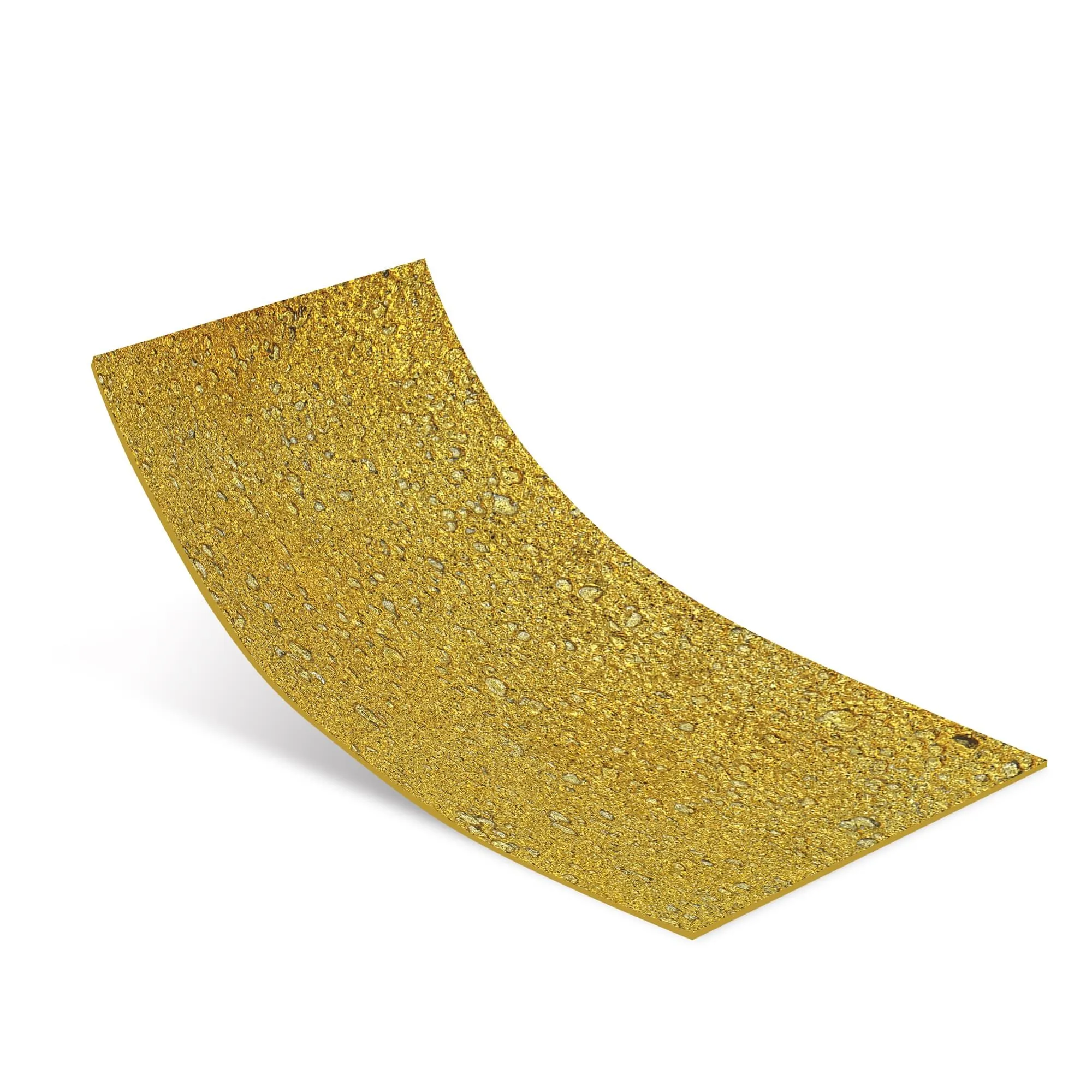
Durability in harsh climates is the headline feature, but foamed aluminum brings a host of other benefits to the table that make it an incredibly smart choice for modern construction.
Foamed aluminum can be up to 75-85% lighter than solid aluminum and orders of magnitude lighter than traditional materials like stone or concrete. This has a cascade of positive effects:
This is a big one. Aluminum is a non-combustible material. Foamed aluminum boards typically achieve a Class A fire rating, the highest classification for building materials. They do not burn, do not release toxic fumes when exposed to fire, and do not contribute to the spread of flames. In an era where façade fire safety is under intense scrutiny worldwide, this inherent property provides invaluable peace of mind.
The same porous structure that provides thermal insulation also works wonders for sound absorption. The foamed core is excellent at dampening sound waves, making it a great choice for buildings located near noisy highways, airports, or in bustling city centers. It helps create a quieter, more serene interior environment, improving the quality of life for the building's occupants.
Aluminum is one of the most recycled—and recyclable—materials on the planet. It can be melted down and reformed into new products again and again without any loss of quality. This creates a closed-loop lifecycle that is far more sustainable than quarrying new stone or producing concrete. Additionally, the energy-saving insulating properties of the panels contribute to a building's green credentials over its entire operational life. This aligns perfectly with the growing global demand for environmentally responsible construction, a value that is also at the heart of our other green-focused product lines, such as our innovative MCM materials.
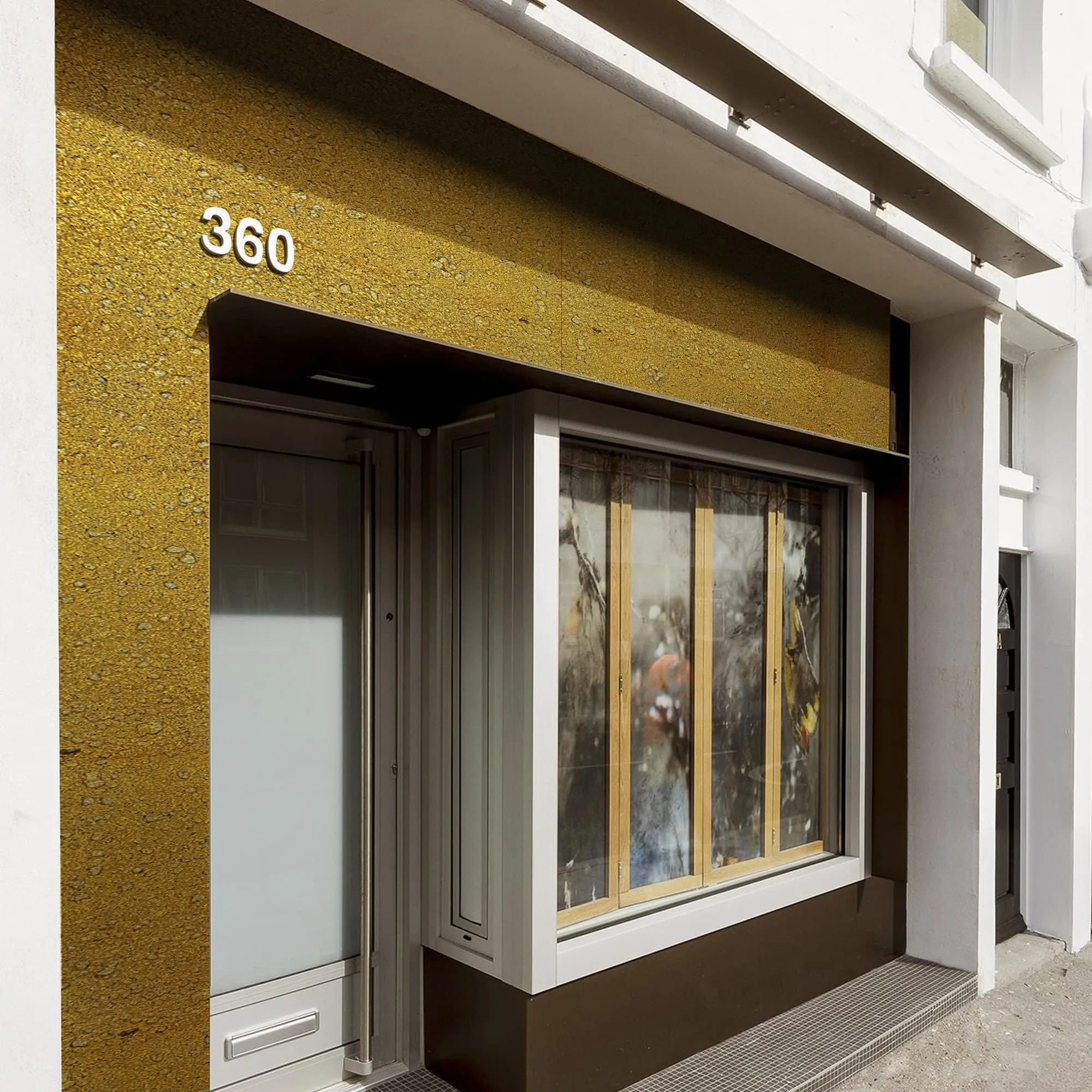
To put the performance of Foamed Aluminium Alloy Board into perspective, let's see how it compares to some other common cladding materials in a head-to-head matchup.
| Feature | Foamed Aluminium Board (Gold) | Natural Stone (e.g., Granite) | Solid Aluminium Composite Panel (ACP) | Precast Concrete Panel |
|---|---|---|---|---|
| Weight | Extremely Light | Extremely Heavy | Light | Extremely Heavy |
| Durability in Harsh Climate | Excellent (Resists UV, salt, temp swings) | Good (but can stain/erode, heavy stress) | Good (depends on core and coating) | Good (but can crack, spall, absorb moisture) |
| Fire Rating | Excellent (Non-combustible, Class A) | Excellent (Non-combustible) | Variable (FR core required for good rating) | Excellent (Non-combustible) |
| Thermal Insulation | Excellent | Poor | Fair | Fair to Poor |
| Acoustic Insulation | Very Good | Poor | Poor | Good |
| Installation Speed | Very Fast | Slow and Labor-intensive | Fast | Slow and requires heavy cranes |
| Sustainability | Excellent (Highly recyclable, energy-saving) | Fair (Quarrying is energy-intensive) | Good (Aluminum is recyclable) | Fair (High CO2 footprint in production) |
The challenge of building structures that can withstand the test of time in harsh climates is more pressing than ever. The architectural answer cannot be to compromise on design, but to elevate the science behind the materials we use.
The Foamed Aluminium Alloy Board, especially with a high-performance gold finish, represents a significant leap forward. It masterfully combines a lightweight core with a fortress-like defense against heat, sun, salt, and sand. Its inherent fire safety, acoustic properties, and sustainability credentials are not just bonuses; they are essential characteristics for responsible, forward-thinking construction.
Choosing the right material is a complex equation. It requires a partner who not only supplies products but also provides deep expertise and a curated range of options. A trusted one-stop solution provider like COLORIA GROUP is dedicated to navigating these complexities. By offering a spectrum of cutting-edge solutions, from the metallic resilience of foamed aluminum to the earthy elegance of MCM Flexible Stone and the grand scale of the MCM Big Slab Board Series , we empower designers and builders to realize their vision without compromise, ensuring that every project is not just built, but built to endure.
Recommend Products












