
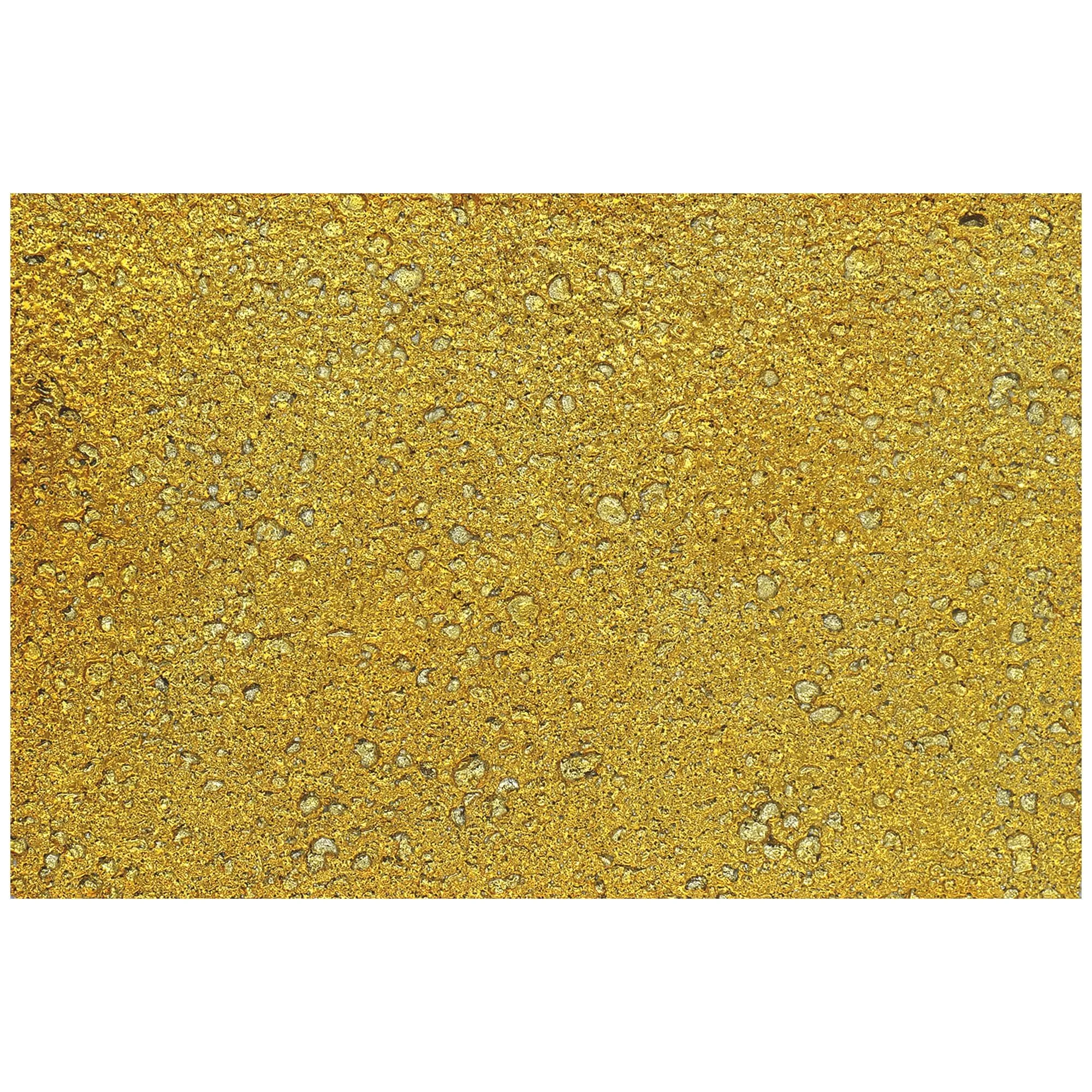
In the dynamic world of architecture and design, the quest for materials that combine aesthetic appeal with superior functionality is unending. As a prominent one-stop solution provider in the building materials sector, COLORIA GROUP consistently explores and champions innovations that push the boundaries of what's possible. While our flagship MCM (Modified Cementitious Material) products offer unparalleled versatility and eco-friendliness for modern buildings, we also keep a keen eye on emerging technologies that redefine material science. Among these, foamed aluminium alloy board, particularly with a sophisticated gold finish, stands out as a fascinating example of advanced engineering meeting high-end design. This article delves deep into the intricate manufacturing processes behind this remarkable material, offering insights into its unique properties and how such innovations contribute to the future of high-quality decorative materials .
Before we unravel its creation, let's understand what we're discussing. Foamed aluminium alloy board, often simply called aluminium foam, is a lightweight, porous material made from aluminium or aluminium alloys. It possesses a cellular structure, much like a sponge, created by injecting gas into molten aluminium or by using powder metallurgy techniques. The 'Gold' aspect refers to either the specific alloy composition that naturally yields a golden hue, or more commonly, a high-quality surface treatment or coating that bestows this luxurious finish, enhancing its aesthetic value significantly. This material isn't just about looks; it's engineered for performance, offering an extraordinary combination of properties that make it highly desirable across various applications, from construction to automotive and aerospace industries.
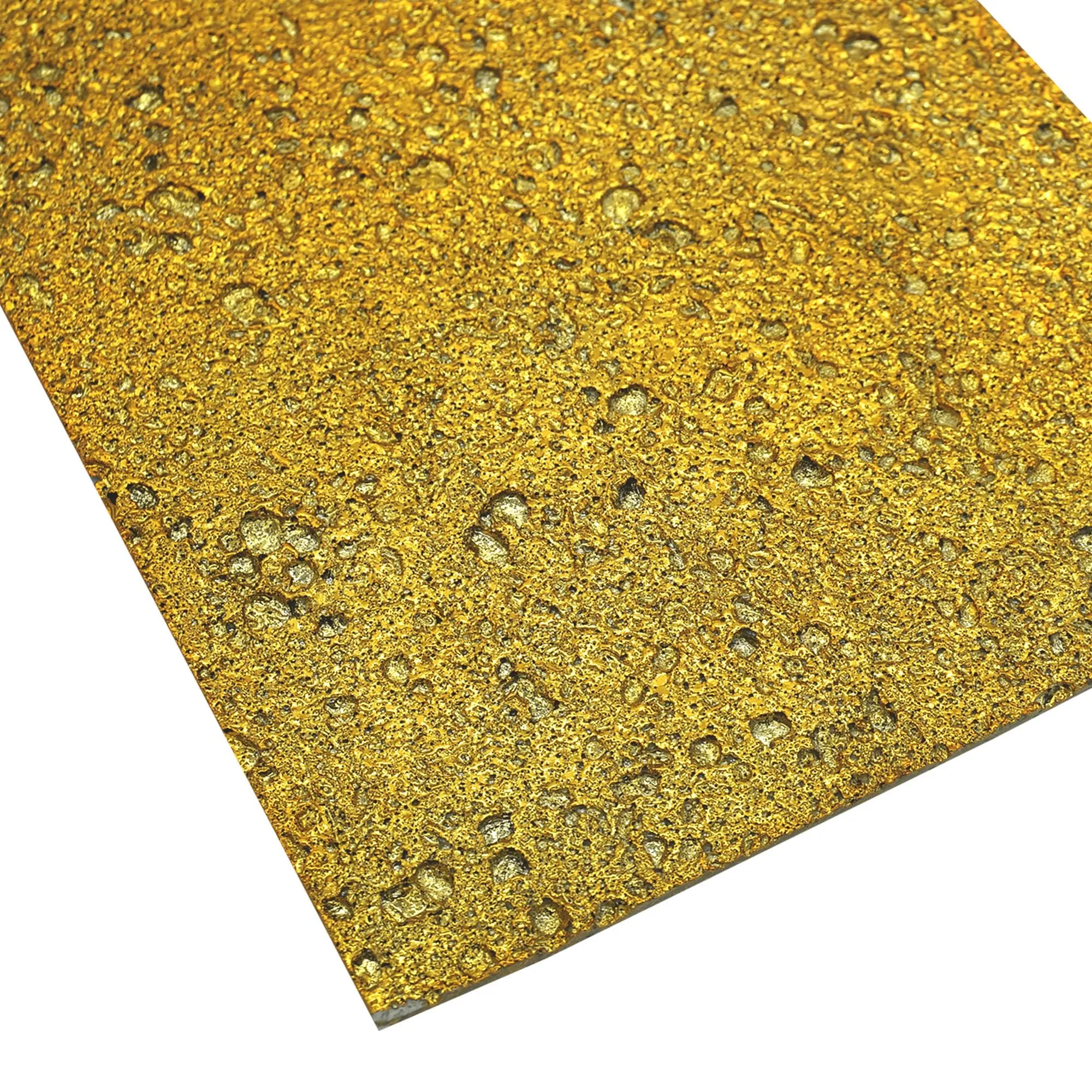
The fundamental challenge in creating foamed aluminium is introducing and stabilizing gas bubbles within a metallic matrix. Unlike polymer foams, where gas bubbles are relatively easy to form and maintain, metals have high surface tension and quickly coalesce, making bubble retention a complex engineering feat. Over the decades, researchers and manufacturers have developed several ingenious methods to overcome these challenges, each with its own advantages and limitations. These methods generally fall into two main categories: liquid-state processing and solid-state processing.
These methods involve introducing gas into molten aluminium. The key is to increase the melt viscosity to prevent bubbles from rising and escaping too quickly, allowing them to form a stable foam structure.
This is one of the most direct approaches. Molten aluminium alloy, often containing a small percentage of a ceramic particulate (like SiC or Al2O3) to increase viscosity, is placed in a crucible. A gas (typically air, argon, or nitrogen) is then injected into the melt through rotating impellers or nozzles. The gas bubbles disperse throughout the molten metal. As the melt cools, the bubbles are trapped, forming a porous structure. The size and distribution of pores can be controlled by gas flow rate, impeller speed, and the properties of the melt. This method can produce large panels relatively efficiently, offering good control over foam density.
Key Insight: The success of melt foaming hinges on precise control of melt viscosity and gas injection parameters. Additives are crucial for stabilizing the foam structure before solidification.
Also known as the 'Alporas' process, this method involves adding a foaming agent (like titanium hydride, TiH2) to molten aluminium. The mixture is then stirred thoroughly. As the temperature is raised, the foaming agent decomposes, releasing hydrogen gas. This gas forms bubbles within the molten metal. The melt is simultaneously cooled to increase its viscosity, trapping the hydrogen bubbles and forming a stable foam. Once the foam reaches the desired density and structure, it is solidified. This process is highly versatile and allows for the production of foams with uniform cell structures.
Key Insight: This method relies on a chemical reaction within the melt to generate gas. The decomposition temperature of the foaming agent is critical for timing bubble formation and melt solidification.
While less common for bulk foam production, casting methods can create foamed structures. One approach involves creating a preform from a sacrificial material (like polymer or salt) with the desired pore structure. Molten aluminium is then infiltrated into this preform. After solidification, the sacrificial material is removed (e.g., by burning or dissolving), leaving behind an aluminium foam structure that replicates the original preform's porosity. This method offers high control over the pore morphology and size but can be more labor-intensive.
These methods typically involve powder metallurgy techniques, where aluminium powder is mixed with a foaming agent and then subjected to heating and pressing.
This is a widely used and highly controlled method. It begins by blending fine aluminium or aluminium alloy powder with a finely dispersed foaming agent (again, typically TiH2). This mixture is then compacted into a dense precursor material – usually a billet, sheet, or profile – through processes like cold pressing, extrusion, or hot pressing. The precursor is then placed in a mold and heated to a temperature just below the melting point of aluminium. At this temperature, the foaming agent decomposes, releasing gas. The aluminium matrix softens but does not fully melt, allowing the gas bubbles to expand and form a cellular structure. The resulting foamed metal body takes the shape of the mold. This method offers excellent control over the material's properties and allows for customization of density and pore size.
Key Insight: Powder metallurgy allows for precise control over the composition and microstructure of the precursor, leading to highly consistent foam structures. It's often preferred for complex shapes and specific material properties.
In some variations of powder metallurgy, a porous aluminium preform is first created by sintering aluminium powder. This porous structure is then infiltrated with a low-melting-point alloy or a foaming agent, and subsequently heated to expand. This method can lead to foams with tailored pore structures, but it's generally more complex than direct powder metallurgy foaming.
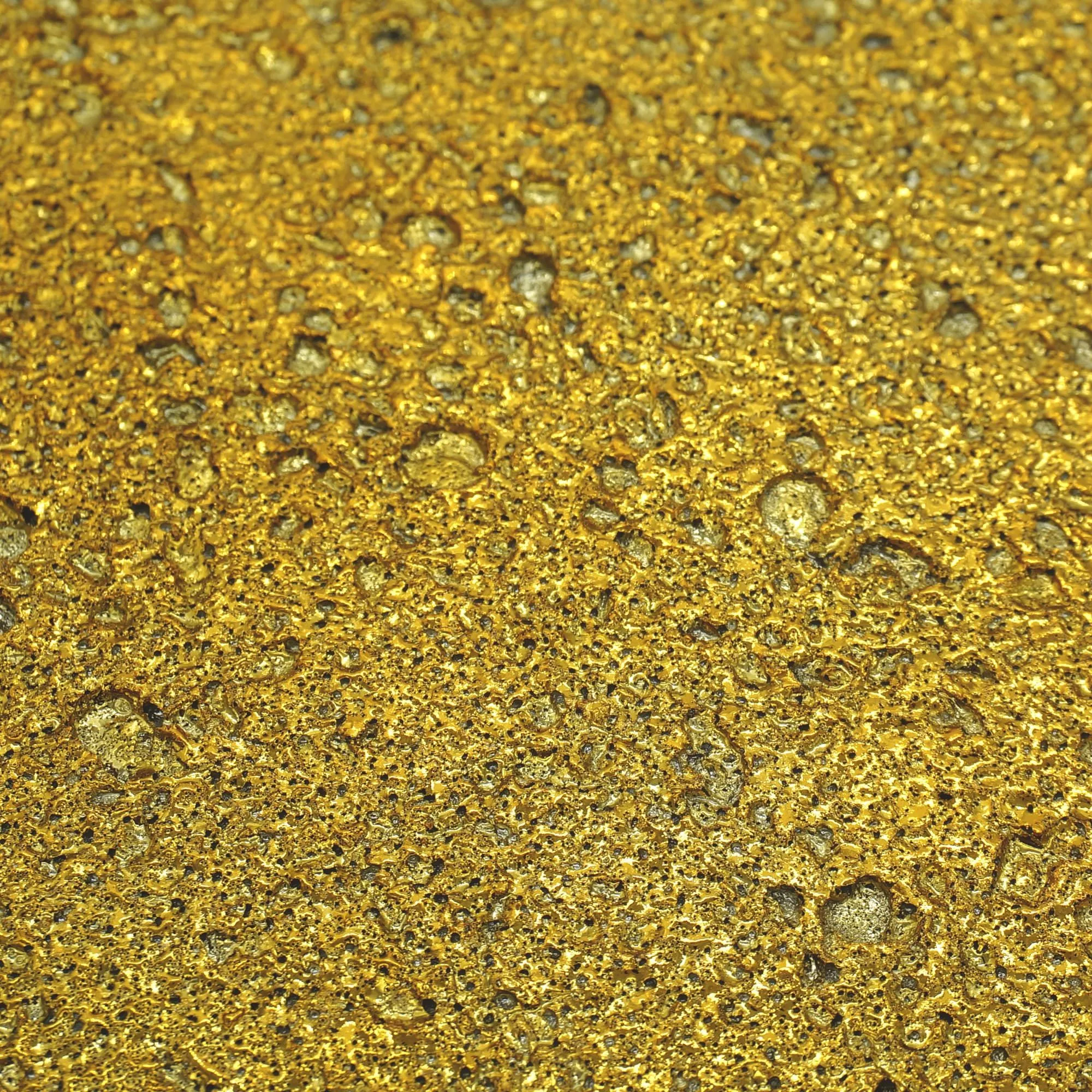
Once the foamed aluminium alloy board is manufactured, the challenge shifts to imparting the desired 'Gold' finish. This is where aesthetics meet advanced surface engineering. The specific method chosen depends on the desired durability, depth of color, and cost considerations.
Anodizing is an electrolytic passivation process used to increase the thickness of the natural oxide layer on the surface of metal parts. For aluminium, this creates a porous surface that can then absorb organic or inorganic dyes. To achieve a gold finish, the anodized aluminium foam is immersed in a gold-colored dye solution. This method offers good color stability and scratch resistance.
These advanced coating techniques involve depositing a thin film of metallic material onto the surface of the aluminium foam. For a gold finish, titanium nitride (TiN) or zirconium nitride (ZrN) can be used, as they have a naturally golden appearance. PVD and CVD coatings are extremely durable, resistant to wear and corrosion, and can create a very realistic metallic gold luster. They are often chosen for high-end applications due to their superior performance and aesthetic quality.
Although less common for foamed aluminium due to its complex surface, electroplating can deposit a layer of real gold or a gold alloy onto the surface. This method offers the most authentic gold appearance but can be more challenging to achieve uniformly across a porous, textured surface.
For a more cost-effective solution, a specialized gold-colored paint or powder coating can be applied. While it might not offer the same metallic depth as PVD or anodizing, modern painting techniques can achieve very impressive and durable finishes. This approach provides great flexibility in shade and texture.
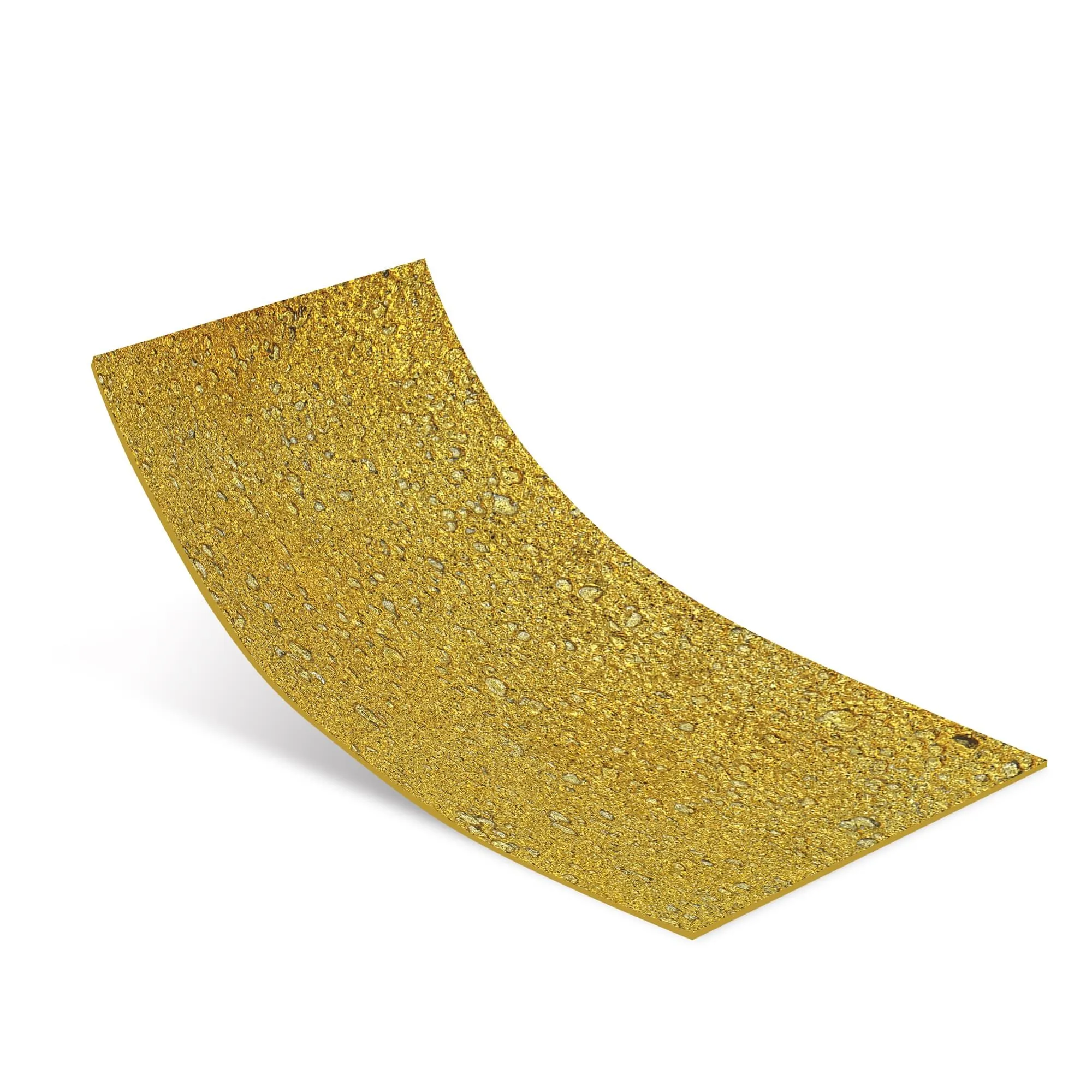
The unique cellular structure combined with the properties of aluminium and the added aesthetic of a gold finish makes this material highly versatile.
| Property | Description | Relevance / Application |
|---|---|---|
| Lightweight | Extremely low density due to high porosity (often 5-25% solid metal by volume). | Reduces structural load in buildings, enhances fuel efficiency in transport, easier handling. |
| High Stiffness-to-Weight Ratio | Despite its light weight, it offers remarkable structural rigidity. | Ideal for stiffening panels, structural cores in sandwich composites. |
| Energy Absorption | Crumples plastically under impact, absorbing significant kinetic energy. | Crash energy absorbers in vehicles, protective barriers. |
| Sound Absorption | The porous structure traps sound waves, dissipating acoustic energy. | Acoustic panels, noise reduction barriers in architectural settings. |
| Thermal Insulation | Trapped air or gas within the cells provides excellent insulation properties. | Thermal management in buildings, insulation panels. |
| Electromagnetic Shielding | The metallic framework can effectively block electromagnetic interference. | Shielding for sensitive electronic equipment, data centers. |
| Fire Resistance | Aluminium is non-combustible. | Fire-resistant panels and doors, especially when combined with a gold finish that often uses inert materials. |
| Aesthetic Appeal (Gold Finish) | Luxurious, sophisticated appearance. | High-end interior and exterior decorative materials , architectural facades, artistic installations. |
| Corrosion Resistance | Aluminium's natural oxide layer, often enhanced by coatings. | Suitable for outdoor applications and humid environments. |
| Recyclability | Aluminium is 100% recyclable, aligning with green and environmentally friendly practices. | Sustainable building design, reduced environmental impact. |
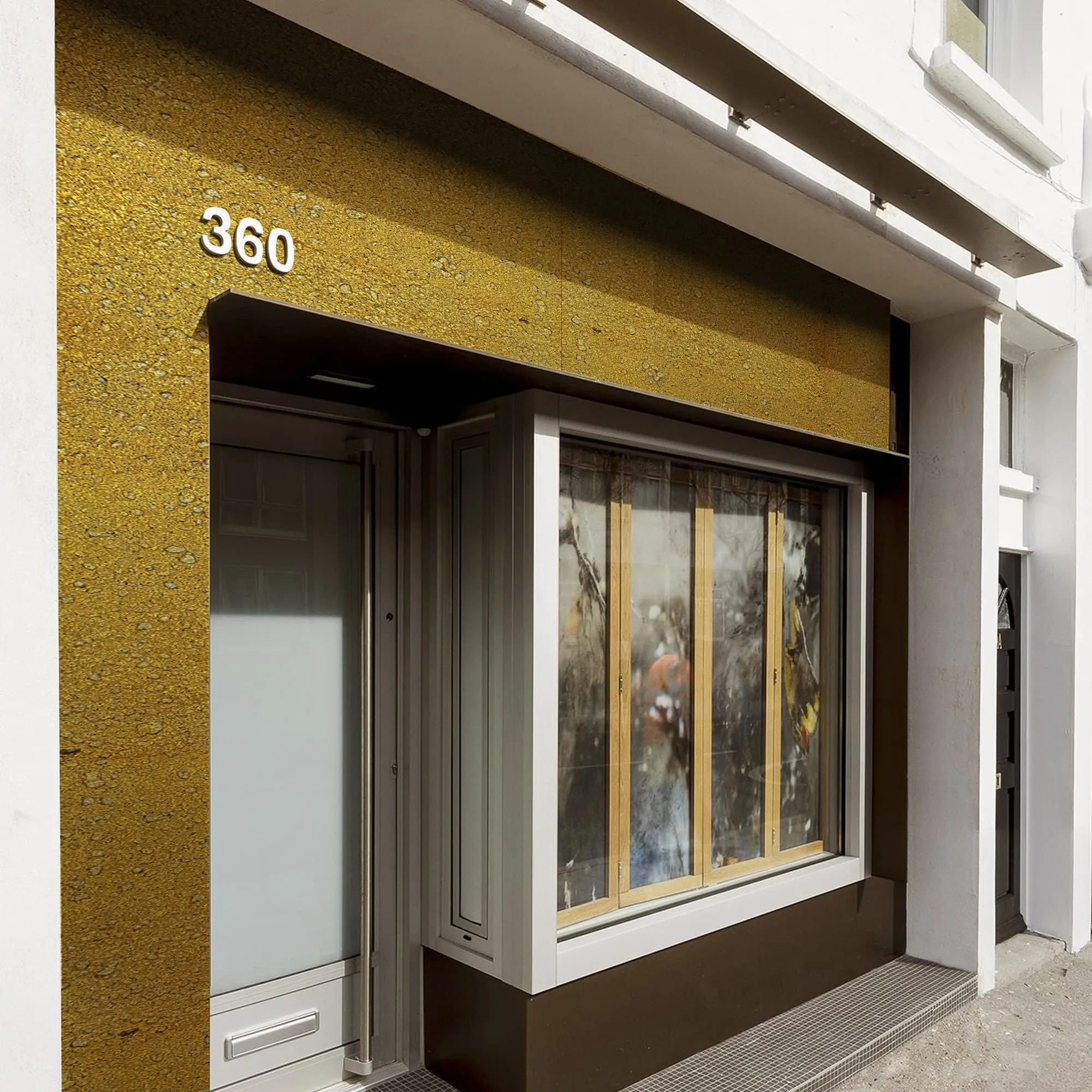
In architecture, the gold foamed aluminium alloy board finds its niche in creating distinctive facades, intricate wall panels, ceilings, and unique interior features. Its ability to combine robust structural properties with exquisite aesthetics makes it a material of choice for landmark projects seeking both innovative design and performance. Imagine a building where the exterior shimmers with a delicate gold luster, yet also provides superior insulation and sound dampening. This is the promise of such advanced materials.
The development and application of materials like gold foamed aluminium alloy board underscore a broader trend towards advanced, multi-functional building products. At COLORIA GROUP, we understand that the future of construction lies in harnessing such innovations. Our commitment as a one-stop solution provider extends beyond our core MCM product lines, which already offer fantastic versatility and customization for various projects. We continuously monitor and evaluate cutting-edge materials and technologies to ensure we can offer the most comprehensive and forward-thinking solutions to our clients across the global market .
Our established expertise, bolstered by decades of industry experience and a strong presence in regions like Saudi Arabia, positions us uniquely to integrate novel materials and techniques into practical, high-performance applications. Whether it's the large slab formats of our MCM series providing seamless finishes, the engineered performance of our project boards, the design freedom of 3D printing applications, or the tactile appeal of flexible stone, our aim remains constant: to deliver excellence.
The journey of transforming raw aluminium into a foamed structure, and then adorning it with a radiant gold finish, is a testament to human ingenuity in material science. It embodies the blend of functionality, sustainability, and aesthetic sophistication that modern architecture demands. As the world moves towards more green and environmentally friendly construction practices, the recyclability of aluminium foam, coupled with its insulating and sound-absorbing properties, further enhances its appeal.
The manufacturing of foamed aluminium alloy board with a gold finish is a complex yet fascinating process that marries metallurgy with advanced surface engineering. From the initial stages of introducing gas into molten or powdered aluminium to the final exquisite gold treatment, each step is critical in creating a material that is not only visually stunning but also possesses an array of high-performance attributes. For architects, designers, and developers worldwide, understanding these processes opens up a world of possibilities for creating structures that are lighter, stronger, quieter, more energy-efficient, and undeniably beautiful. At COLORIA GROUP, we are proud to be at the forefront of this material evolution, providing expertise and solutions that shape the skylines and interiors of tomorrow.
Recommend Products












