
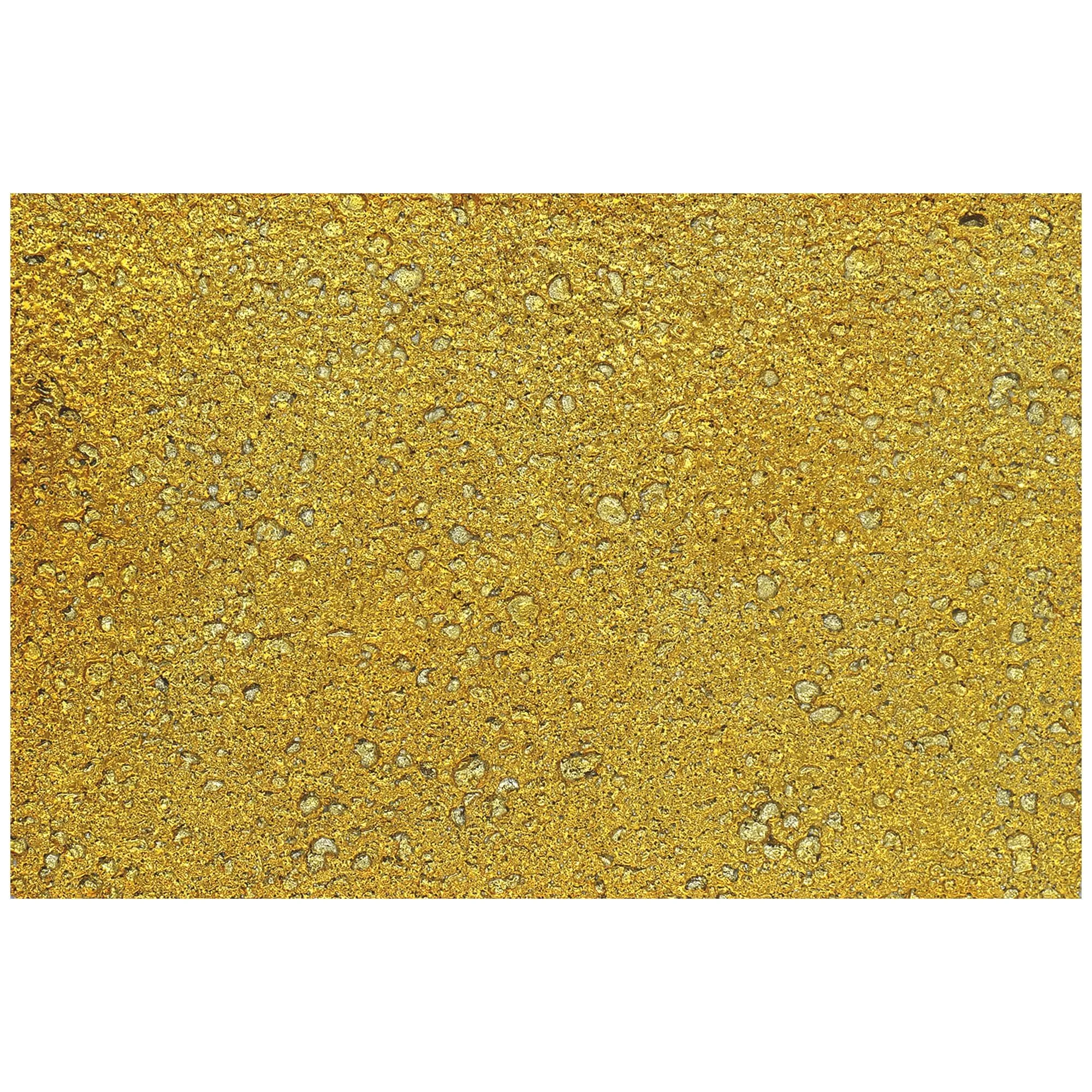
In the world of modern architecture and interior design, there's a constant pursuit of "the next big thing." We're always on the lookout for materials that are not only visually stunning but also tell a story of innovation, sustainability, and forward-thinking. For years, the choices for creating luxurious, metallic finishes were somewhat limited. You had solid metal panels—heavy, expensive, and often with a significant environmental footprint. You had metallic paints or laminates—sometimes lacking the authentic depth and texture of real metal. But what if there was a material that offered the breathtaking beauty of a gold finish, was incredibly lightweight, possessed unique functional properties, and was manufactured with the planet in mind?
Enter the Foamed Aluminium Alloy Board. Specifically, let's talk about the mesmerizing gold variant. This material is a game-changer, representing a perfect marriage of aesthetic opulence and responsible manufacturing. It's a material that feels like it belongs in the future, yet it's available today, transforming spaces from ordinary to extraordinary. This isn't just another decorative panel; it's a piece of engineering art. The magic lies not just in its appearance but deep within its cellular structure and, most importantly, in the eco-conscious methods used to bring it to life. Today, we're going to take a deep dive into the manufacturing process of this incredible material and explore why it's becoming a go-to choice for designers and architects who prioritize both style and sustainability.
Before we get into the green credentials of its production, let's break down what this material actually is. Imagine taking high-purity aluminium alloy and infusing it with gas bubbles, much like how you'd make a foam or a mousse. The result is a solid, yet incredibly porous and lightweight, metal panel. The technical term is a metal foam, and its structure is fascinating. It's a closed-cell or open-cell matrix, meaning the bubbles can be either isolated pockets or an interconnected network of pores.
This unique structure is what gives foamed aluminium its superpowers:
It's a material that truly engages the senses. You see the luxurious glint of gold, but when you get closer, you discover a complex, tactile surface. It's this blend of raw, natural-looking texture with a refined, precious-metal finish that makes it so compelling.
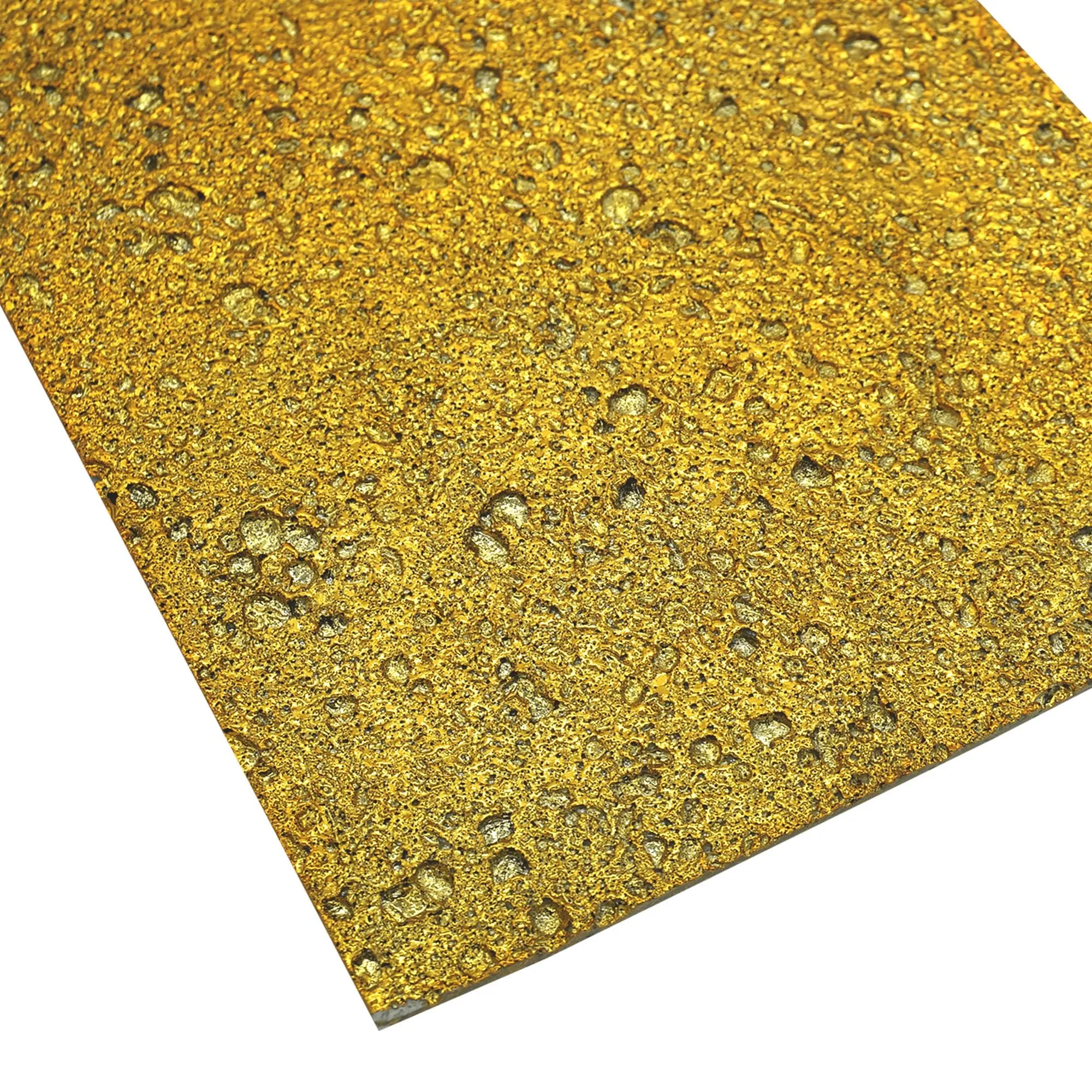
A beautiful product loses some of its shine if its creation harms the planet. This is where the story of foamed aluminium gets even better. The manufacturing process has been refined to be as green as possible, turning what could be an energy-intensive industrial process into a model of environmental responsibility. Let's walk through the key stages.
The journey begins with the raw material. The primary ingredient is, of course, aluminium. However, instead of relying solely on primary aluminium extracted from bauxite ore—a process that is notoriously energy-intensive—modern foamed aluminium production heavily emphasizes the use of recycled aluminium.
Recycling aluminium is one of the great success stories of the circular economy. It uses approximately 95% less energy than producing virgin aluminium. Think about that for a moment. For every ton of recycled aluminium used, we save a massive amount of electricity, which in turn means a huge reduction in greenhouse gas emissions. The source for this recycled content is vast, including post-consumer scrap (like used beverage cans) and post-industrial scrap (offcuts and waste from other manufacturing processes). By giving this "waste" material a new, high-value life as a stunning architectural panel, the process actively contributes to reducing landfill and conserving natural resources. This commitment to recycled content is the foundational pillar of the material's eco-friendly credentials.
This is where the real magic happens. There are a few ways to create the foam, but a common and eco-conscious method involves a powder metallurgy route.
First, recycled aluminium is processed into a fine powder. This powder is then mixed with a small amount of a foaming agent. The key here is the choice of agent. In responsible manufacturing, this is a non-toxic compound, often titanium hydride (TiH₂). When heated to a specific temperature, titanium hydride decomposes and releases hydrogen gas.
The mixture is compacted into a dense precursor material. This precursor is then placed in a mold and heated in a furnace. As the temperature rises and the aluminium begins to soften and melt, the foaming agent kicks into action, releasing its hydrogen gas. These gas bubbles expand within the molten metal, creating the porous, cellular structure. The process is carefully controlled to achieve the desired density and pore size. Once the foaming is complete, the panel is cooled, solidifying the structure.
What makes this "green"? Several things. The energy required to melt the aluminium powder is significantly less than what's needed to process large ingots of solid metal. The foaming agents are used in small quantities and are chosen for their non-toxic decomposition products. The entire process is contained, and any excess gas is managed responsibly. It's a highly efficient method that minimizes waste and energy consumption per unit of volume created.
Industrial processes can be notoriously thirsty, consuming vast quantities of water for cooling and cleaning. Leading manufacturers, however, implement closed-loop water systems. Water used to cool the molds and the finished panels is captured, filtered, and recirculated back into the system. This dramatically reduces the facility's water footprint, a critical consideration in an increasingly water-scarce world.
What about waste? In any manufacturing process, there will be offcuts, trimmings, and panels that don't meet strict quality control standards. In the case of foamed aluminium, this "waste" is a valuable resource. Because the material is simply aluminium, these scraps can be collected and melted down to be used again in the powder creation stage. This creates a near-zero-waste production loop, where virtually every bit of the raw material ends up in a final product. This is the circular economy in action, right on the factory floor.
Finally, how do we get that gorgeous, durable gold finish? This is another area where a commitment to sustainability is crucial. The old way might have involved solvent-based paints or coatings that release harmful Volatile Organic Compounds (VOCs) into the atmosphere during application and curing. These VOCs are a major contributor to air pollution and can cause health problems.
Eco-friendly production insists on using advanced, low-impact finishing techniques. This can include powder coating, where a dry powder is electrostatically applied and then cured with heat, forming a tough, even skin without any solvents. Another method is Physical Vapor Deposition (PVD), where a solid gold-colored material is vaporized in a vacuum and deposited onto the panel atom by atom, creating an incredibly thin, yet extremely durable and brilliant, metallic layer. Both of these processes are essentially free of VOCs, ensuring that the final product does not compromise indoor or outdoor air quality. The durability of these finishes also means the product has a very long lifespan, reducing the need for replacement and further minimizing its lifetime environmental impact.
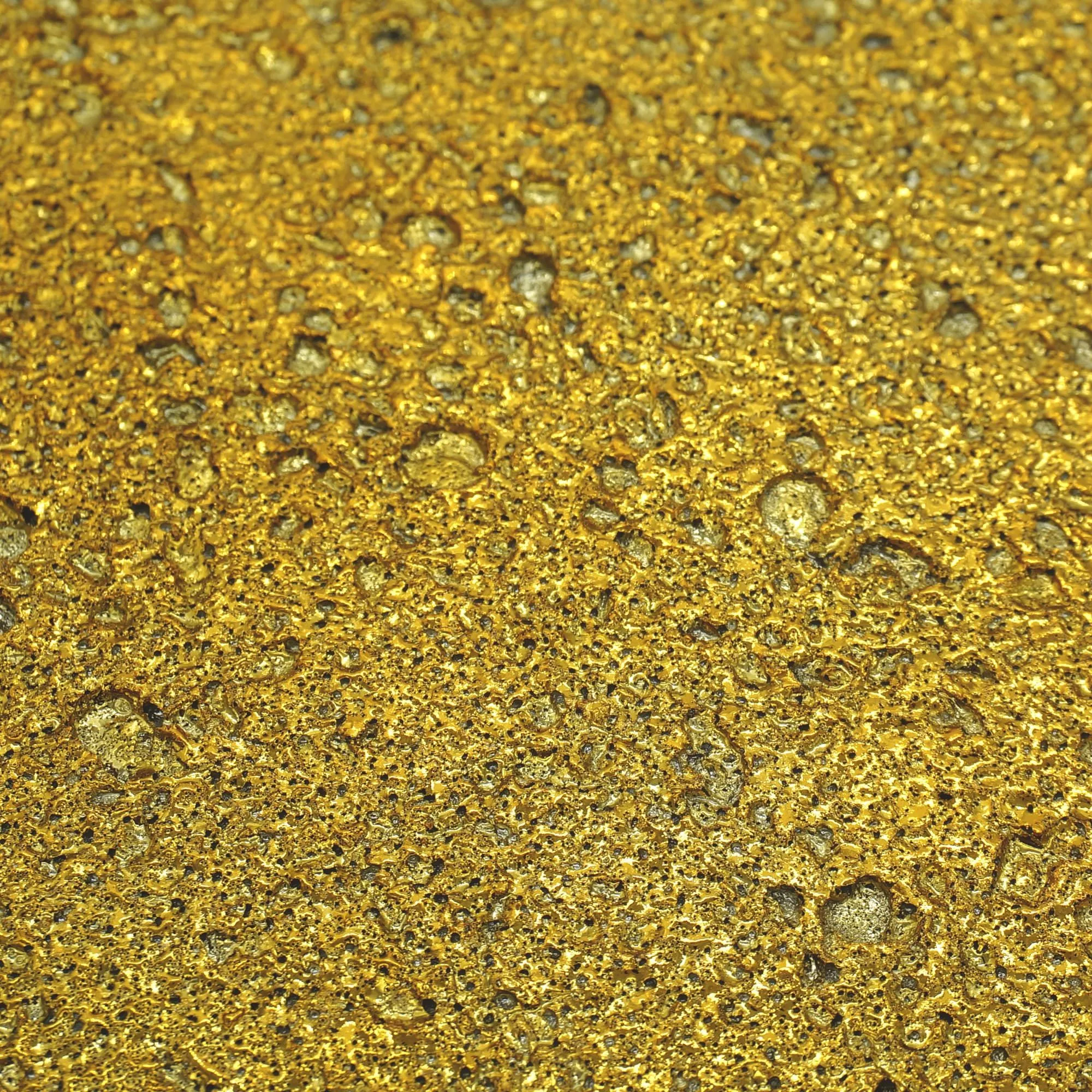
Understanding this intricate, eco-conscious manufacturing process is one thing. Bringing such a material to the global market and integrating it effectively into ambitious architectural projects is another. This is where a visionary company like COLORIA GROUP comes in. As a dedicated one-stop solution provider in the building materials sector, our philosophy is built on a foundation of innovation, quality, and, crucially, sustainability.
Our expertise isn't confined to a single material. While we are celebrated for our groundbreaking work with our core MCM (Modified Cementitious Material) products, our mission is broader. We are constantly scanning the horizon for the most advanced, high-performance, and eco-friendly materials the world has to offer. Our role is to curate a portfolio of best-in-class solutions for our clients, whether they are building a luxury residence in Riyadh or a cutting-edge commercial tower elsewhere in the world.
The principles behind foamed aluminium alloy board manufacturing align perfectly with our own. The emphasis on recycled content, energy efficiency, and non-toxic materials resonates with the same ethos that drives the development of our own product lines. For example, our renowned **MCM Flexible Stone** offers a lightweight, resource-saving alternative to quarrying heavy natural stone. Our commitment to customization, evident in our highly adaptable **MCM 3D Printing Series**, shows that we believe bespoke design and responsible production can and should go hand-in-hand. Offering a material like foamed aluminium is a natural extension of this commitment. It's another tool in the toolkit we provide to architects and designers to help them realize their vision without compromising on environmental values. Our decades of experience in the global market, including our strong presence in demanding regions like Saudi Arabia, have taught us that luxury and sustainability are no longer mutually exclusive—they are the new standard of excellence. We don't just sell panels; we provide the deep product knowledge and application support needed to make these innovative materials succeed in the real world. This is what it means to be a true one-stop solution provider. It's about seeing the bigger picture and connecting our clients with the future of building materials, whether it's our versatile **MCM Big Slab Board Series** or a revolutionary material like gold foamed aluminium.
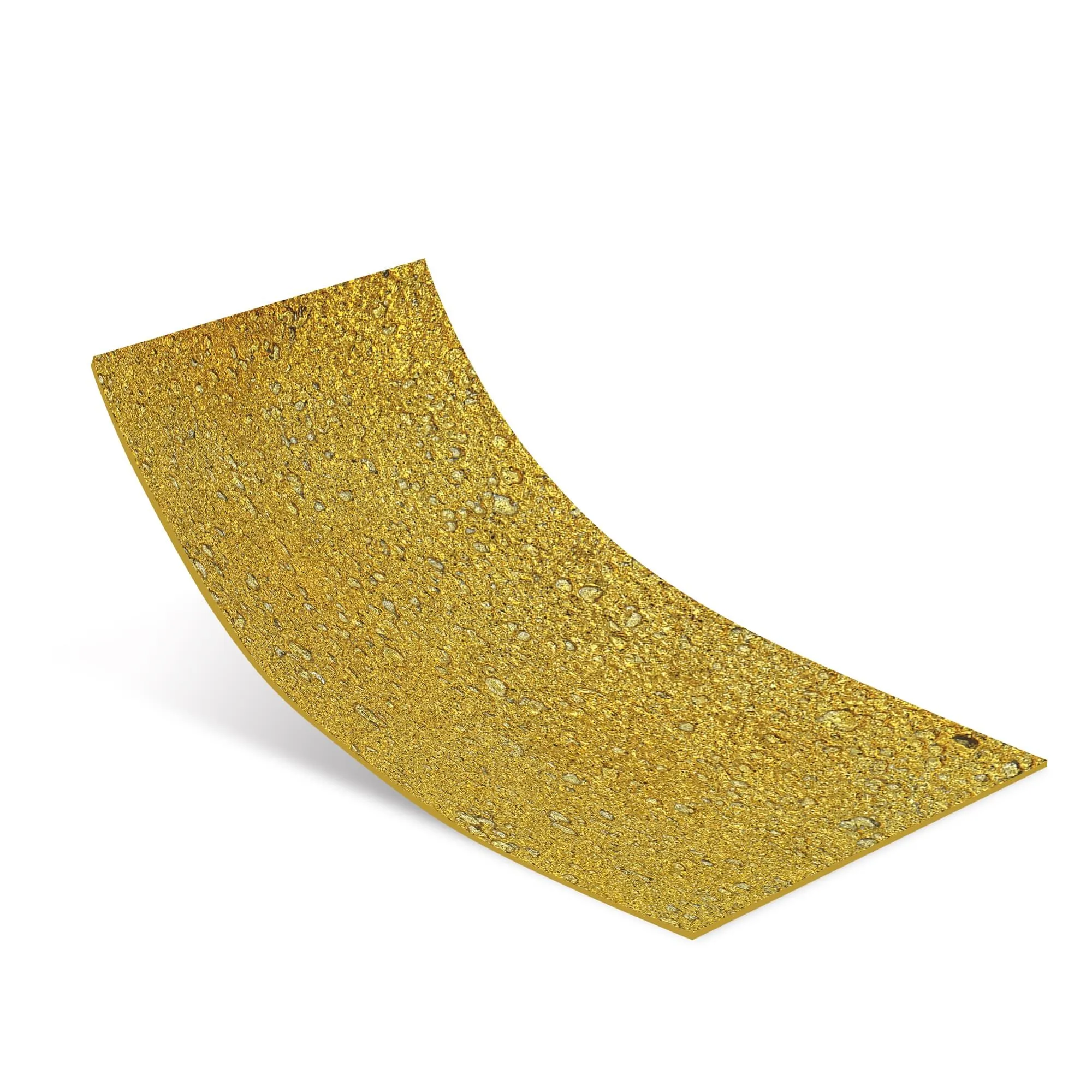
To truly appreciate the advantages of foamed aluminium, it helps to see how it stacks up against other common decorative and structural materials.
| Feature | Foamed Aluminium Board (Gold) | Solid Aluminium Sheet | Natural Stone (e.g., Marble) | Aluminium Composite Panel (ACP) |
|---|---|---|---|---|
| Weight | Extremely Low | Medium | Very High | Low |
| Eco-Friendliness | High (High recycled content, low-energy process) | Medium (Recyclable, but primary production is energy-intensive) | Low (Quarrying is destructive, high transport emissions) | Low-Medium (Contains polymer core, separation for recycling is difficult) |
| Sound Insulation | Excellent | Poor | Poor | Fair |
| Fire Rating | Excellent (Non-combustible) | Excellent (Non-combustible) | Excellent (Non-combustible) | Varies (Core can be combustible) |
| Aesthetic | Unique 3D texture, luxurious metallic sheen | Flat, uniform surface | Natural veining, classic look | Flat, uniform color/pattern |
| Installation | Easy & Fast (Lightweight) | Moderate (Heavier) | Difficult & Slow (Very heavy, requires special reinforcement) | Easy & Fast (Lightweight) |
As the table clearly shows, foamed aluminium alloy board carves out a unique niche for itself. It delivers the lightweight convenience of an ACP panel but with far superior fire safety, acoustic performance, and a much more compelling sustainability story. Compared to solid metal or stone, it offers a radical reduction in weight and environmental impact without sacrificing a high-end, premium aesthetic.
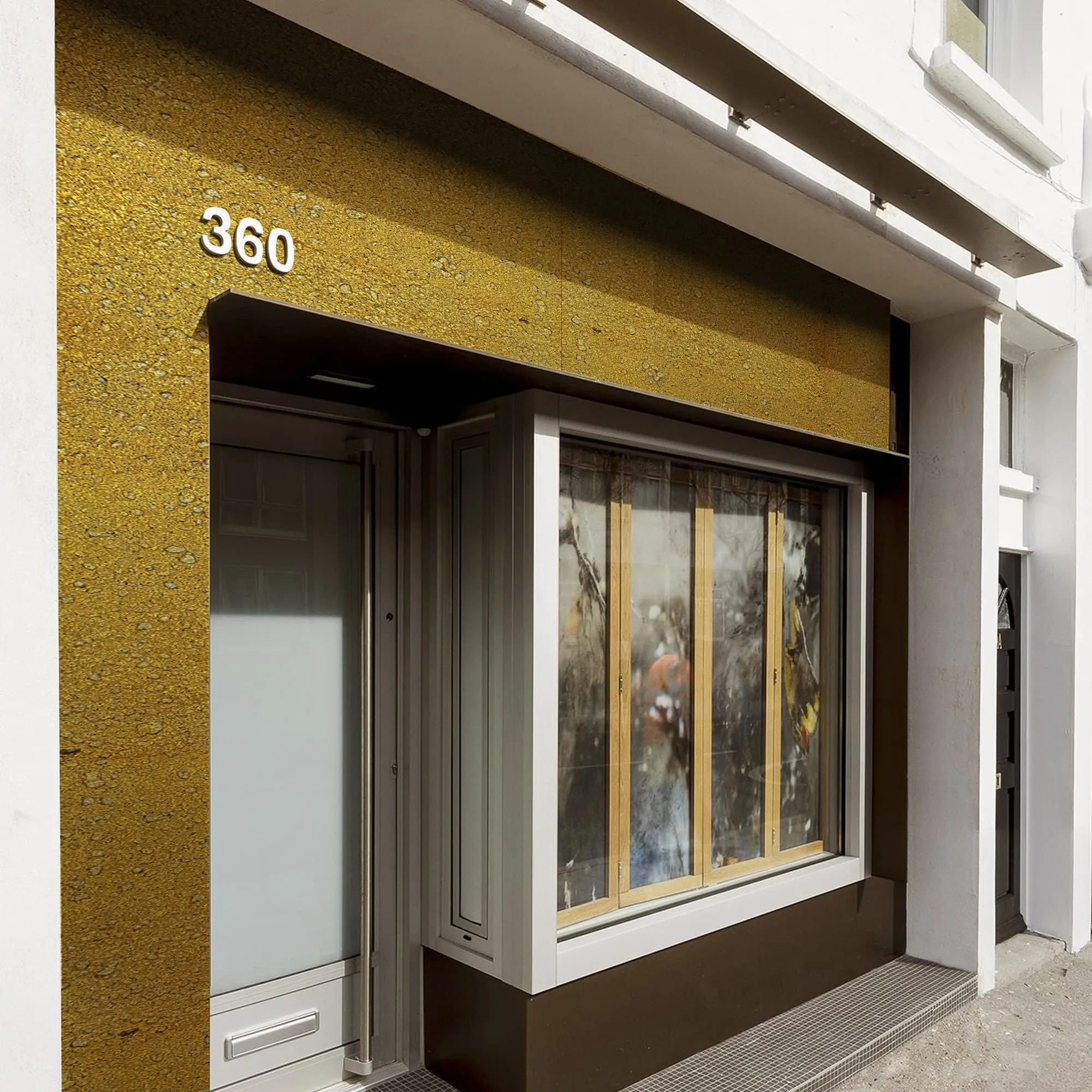
The choices we make as designers, architects, and builders have a lasting impact. They shape our skylines, define our living spaces, and leave a footprint on our planet. The emergence and refinement of materials like the gold foamed aluminium alloy board are more than just a trend; they represent a fundamental shift in our industry's values.
We've moved beyond the point where sustainability is a "nice to have" or a box to tick for a green building certificate. It's now an integral part of what defines quality and luxury. A material is truly luxurious not just because it looks beautiful, but because it is intelligently designed, responsibly manufactured, and contributes positively to the health of the building and the environment.
The eco-friendly production methods behind this remarkable material—from its recycled origins to its non-toxic, zero-waste processes—are a testament to what's possible when innovation is guided by conscience. It proves that we can create spaces that inspire awe and exude opulence while being gentle on the Earth. As we continue to push the boundaries of design, materials like this will be the cornerstones upon which we build a more beautiful, more efficient, and more sustainable future. It's a future that isn't just functional, but one that truly shines.
Recommend Products












