Hello everyone! Today, we're going to dive into a fascinating area of modern construction and engineering: the incredible potential of advanced materials. While COLORIA GROUP is widely recognized as a pioneering one-stop solution provider in the realm of high-performance building materials, particularly with our groundbreaking MCM (Modified Cementitious Material) series, our commitment to innovation extends across the full spectrum of architectural and structural needs. We're constantly exploring and integrating cutting-edge technologies and materials to offer comprehensive solutions for both residential and commercial projects globally. Our deep experience, spanning decades in the industry, and our established presence in key markets like Saudi Arabia, position us uniquely to tackle complex challenges and deliver superior results.
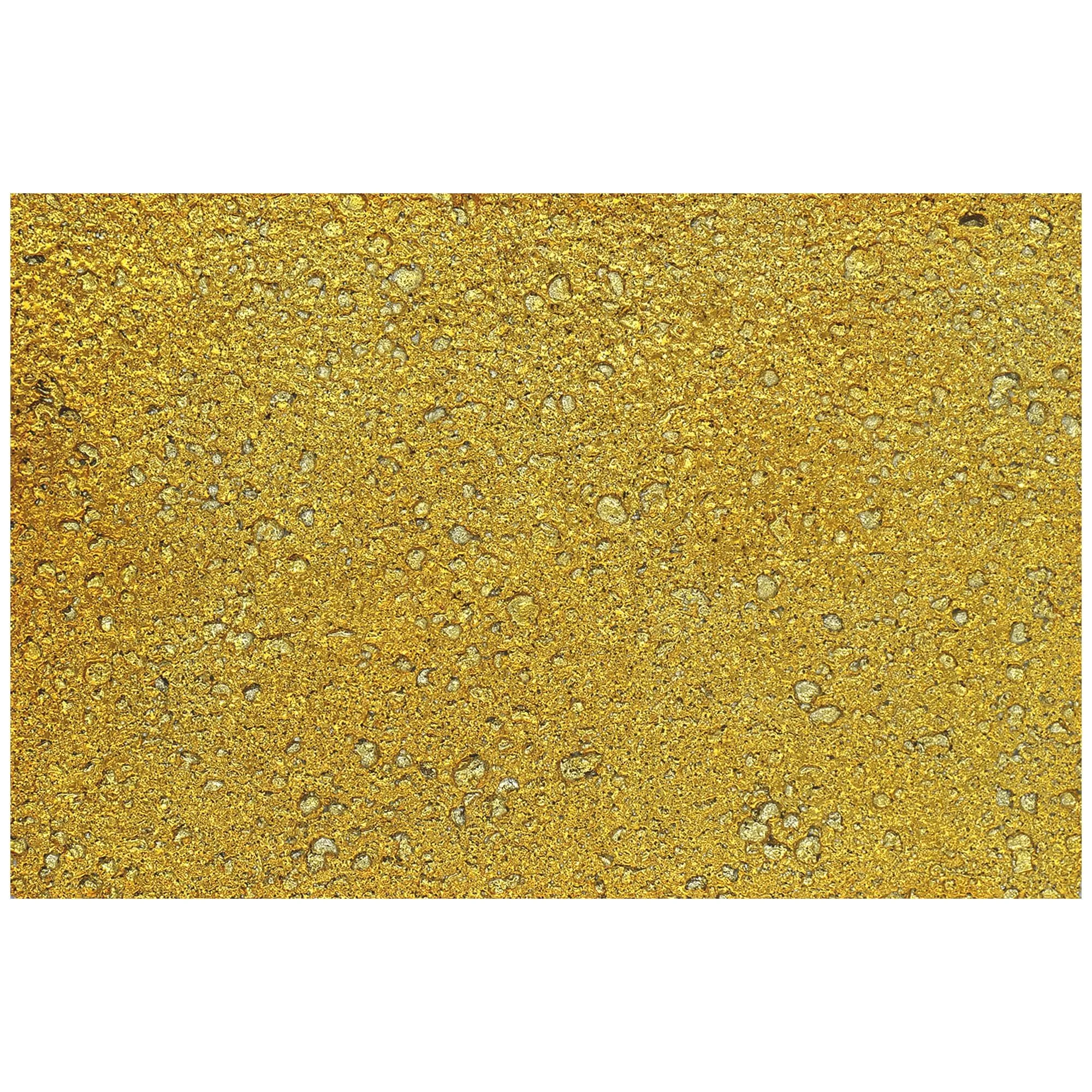
In this spirit of continuous advancement, we want to highlight a material that, while distinct from our core MCM offerings, perfectly embodies the principles of lightweight strength, durability, and adaptability that define COLORIA GROUP's vision for the future of construction. We're talking about Foamed Aluminium Alloy Board, specifically in its Gold variant, and its remarkable capabilities as a structural support system. Understanding its load-bearing characteristics is crucial for architects, engineers, and developers looking to push the boundaries of design and performance.
Understanding Foamed Aluminium Alloy: A Material Revolution
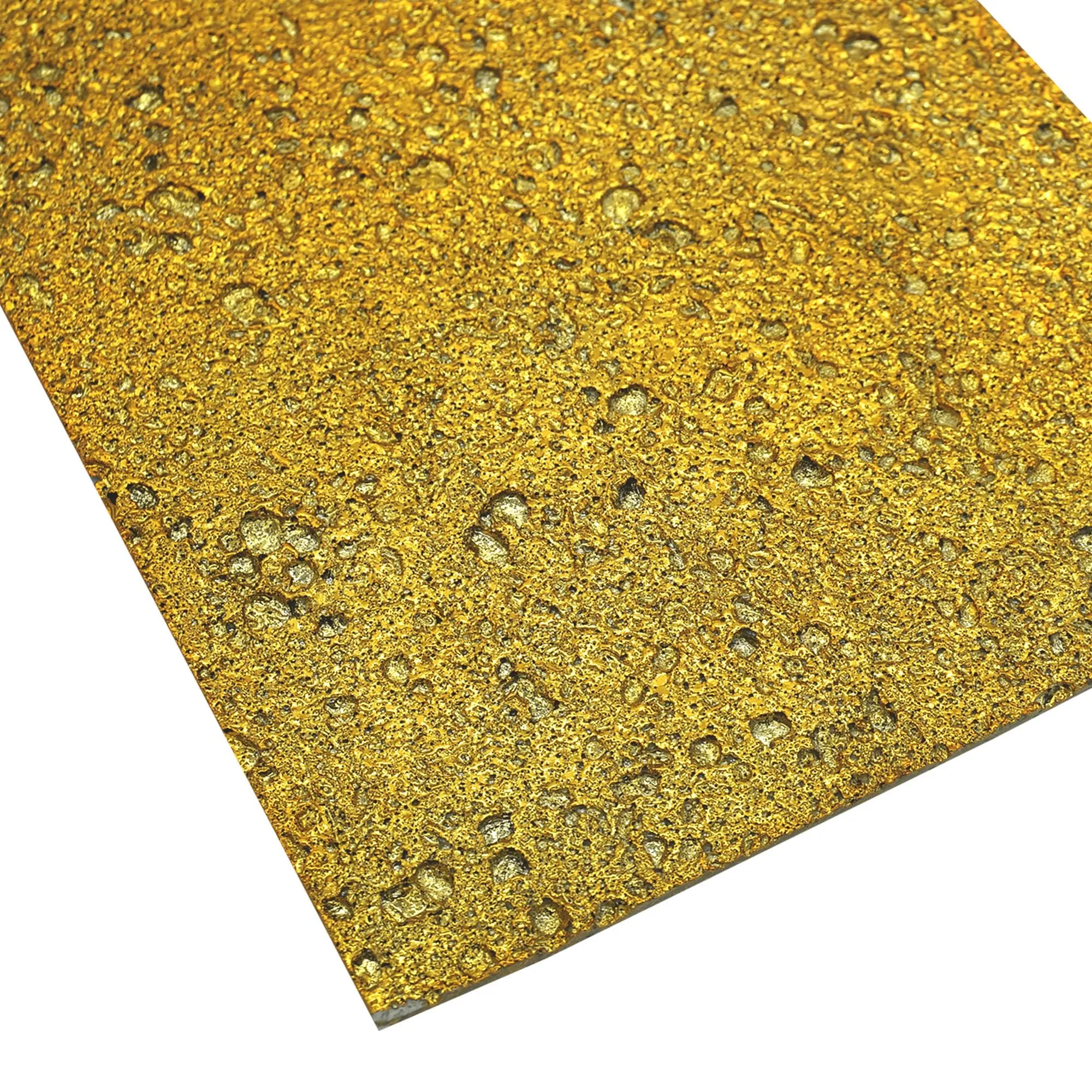
Let's start by demystifying Foamed Aluminium Alloy. Imagine taking a solid block of aluminum, and instead of leaving it dense, you inject gas into it during its molten state, creating a porous, cellular structure, much like a sponge or foam. The result is a material that retains the inherent advantages of aluminum – its excellent strength-to-weight ratio, corrosion resistance, and recyclability – but with significantly reduced density. This reduction in weight, combined with its unique cellular structure, unlocks an entirely new set of engineering possibilities.
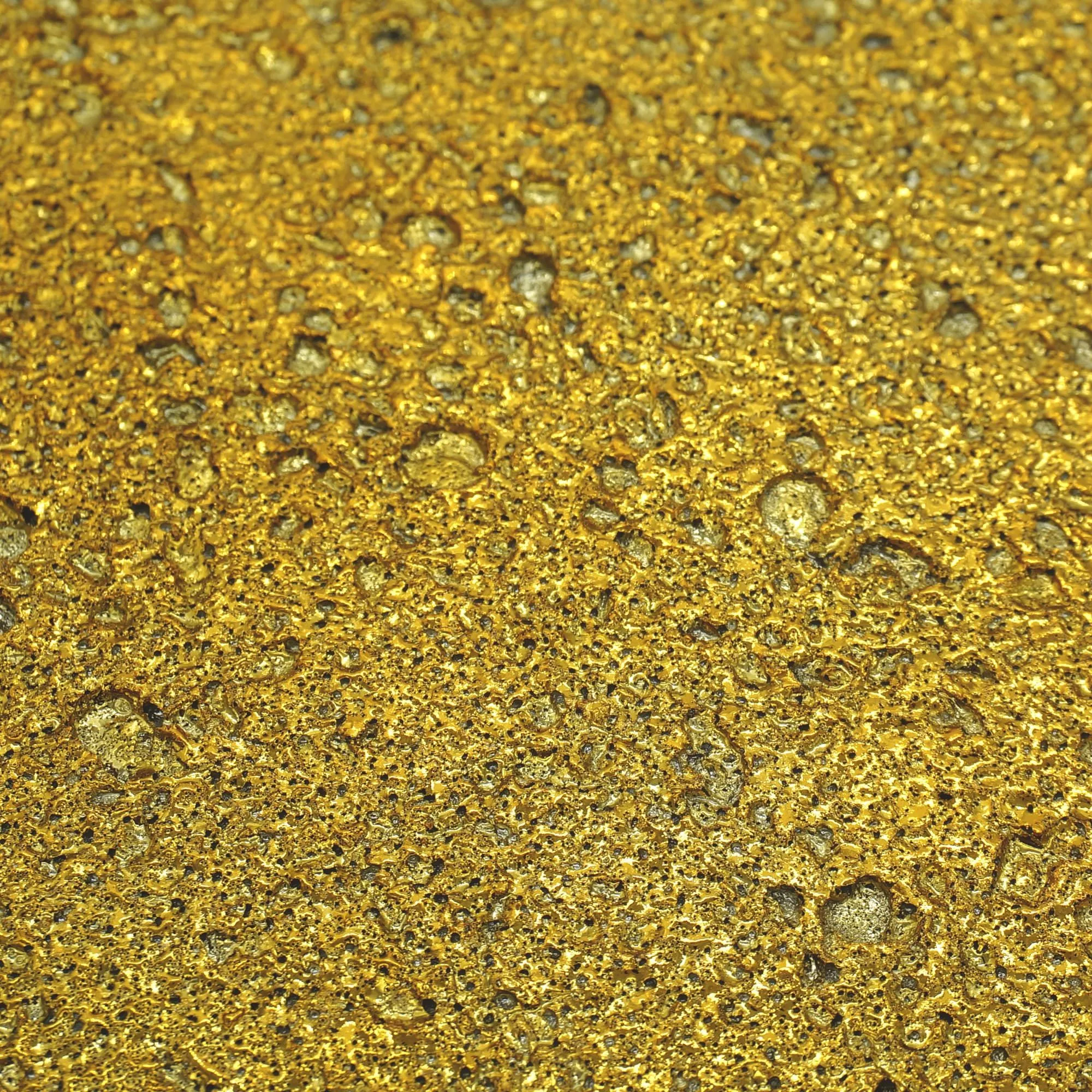
When we talk about the "Gold" variant, we're often referring to a specific grade or alloy composition that is optimized for enhanced properties, perhaps increased stiffness, specific ductility, or improved aesthetic finish, which can be critical in high-end architectural applications or where visible structural elements are desired. This specialized formulation allows for a balance of structural integrity and visual appeal, expanding its utility beyond purely utilitarian roles.
The Science Behind the Foam
The creation of Foamed Aluminium Alloy involves precise metallurgical processes. Typically, a foaming agent (like titanium hydride) is added to molten aluminum. As the mixture heats up, the foaming agent decomposes, releasing hydrogen gas bubbles that get trapped within the semi-solidifying metal. Controlling the size, distribution, and uniformity of these pores is paramount to achieving desired mechanical properties. A finer, more uniform cell structure generally leads to better performance.
This internal structure is what gives foamed aluminum its unique advantages. Unlike solid materials that fail catastrophically under extreme stress, the cellular structure can absorb energy by deforming locally, distributing impact forces more effectively. This characteristic is why it's highly valued in applications requiring high energy absorption, such as crashworthiness in automotive or aerospace industries. For structural support, this translates to resilience and a more predictable failure mode under overload conditions.
Load-Bearing Capabilities: Deconstructing the Strength
Now, let's get to the core of its utility in construction: its load-bearing capabilities. For any structural material, understanding how it performs under various loads – compression, tension, shear, bending – is critical. Foamed Aluminium Alloy Board, particularly the Gold variant, offers a compelling profile.
Exceptional Strength-to-Weight Ratio
One of the most significant advantages is its exceptional strength-to-weight ratio. Traditional structural materials like steel or solid aluminum are strong, but heavy. Concrete is robust in compression but weak in tension without reinforcement. Foamed aluminum, by contrast, can achieve considerable strength at a fraction of the weight of solid metals. This isn't just about making things lighter; it dramatically reduces dead loads on foundations, simplifies transportation and installation, and opens up possibilities for larger spans and more daring architectural forms. Imagine constructing a large-scale ceiling panel or a facade element that provides structural integrity while being significantly lighter than conventional alternatives. This directly impacts construction efficiency and overall project costs.
Compressive Strength and Energy Absorption
Foamed aluminium excels in compressive strength. Its cellular structure allows it to withstand significant compression before permanent deformation occurs. More importantly, when it does yield, it does so in a controlled manner, absorbing a large amount of energy through plastic deformation of its cell walls. This property makes it an excellent candidate for impact absorption, vibration damping, and even blast resistance. In a structural support context, this means enhanced resilience against dynamic loads, such as seismic activity or sudden impacts, providing an added layer of safety and durability to buildings. For critical infrastructure, this could mean the difference in maintaining structural integrity during unforeseen events.
Bending Stiffness and Modulus
While individual cell walls might be thin, the overall cellular matrix contributes to considerable bending stiffness. Engineers often design structures using foamed aluminum as a core material within sandwich panels, where thin, high-strength face sheets (like solid aluminum or composites) are bonded to a foamed aluminum core. This configuration creates an extremely stiff and lightweight panel, optimized for resisting bending loads with minimal deflection. Think of it as an I-beam's principle, but applied microscopically throughout the material. This makes it ideal for floors, roofs, and large wall panels that need to bear significant distributed loads without excessive sagging or deformation.
Shear Strength Considerations
Shear strength is also a critical factor. In foamed metals, shear strength is generally lower than solid counterparts but remains sufficient for many structural applications, especially when combined with appropriate design methodologies. The interconnected nature of the cell walls helps to distribute shear stresses. Again, in sandwich panel configurations, the core's role in resisting shear forces between the face sheets is crucial, and foamed aluminum performs admirably, preventing delamination and maintaining the composite's overall integrity.
Why "Gold" Matters: Optimized Performance
The "Gold" designation for Foamed Aluminium Alloy Board isn't just a marketing flourish; it signifies an optimized material composition and manufacturing process aimed at achieving superior performance characteristics. This could involve specific alloying elements (e.g., copper, magnesium, silicon) carefully balanced to enhance properties like:
-
Enhanced Mechanical Properties:
Increased yield strength, ultimate tensile strength, or improved fatigue resistance. This means the material can withstand higher stresses for longer periods without failure, crucial for long-term structural integrity.
-
Superior Corrosion Resistance:
Alloying elements can improve resistance to environmental degradation, particularly important in harsh climates or industrial settings. This contributes to the material's longevity and reduced maintenance needs.
-
Improved Weldability/Joinability:
Facilitating easier and stronger connections between structural elements, leading to more robust assemblies.
-
Aesthetic Versatility:
A "Gold" variant might also possess a finer surface finish or be more amenable to specific anodizing or coating processes, allowing for greater design flexibility and the integration of structural elements as architectural features. This is particularly relevant in high-end projects where visual quality is as important as structural performance.
COLORIA GROUP's commitment to providing high-quality building materials means we continually evaluate and offer solutions that represent the pinnacle of material science. The "Gold" variant of Foamed Aluminium Alloy Board is a testament to this, offering a premium option for demanding structural applications where uncompromising performance is required.
Applications in Modern Architecture and Construction
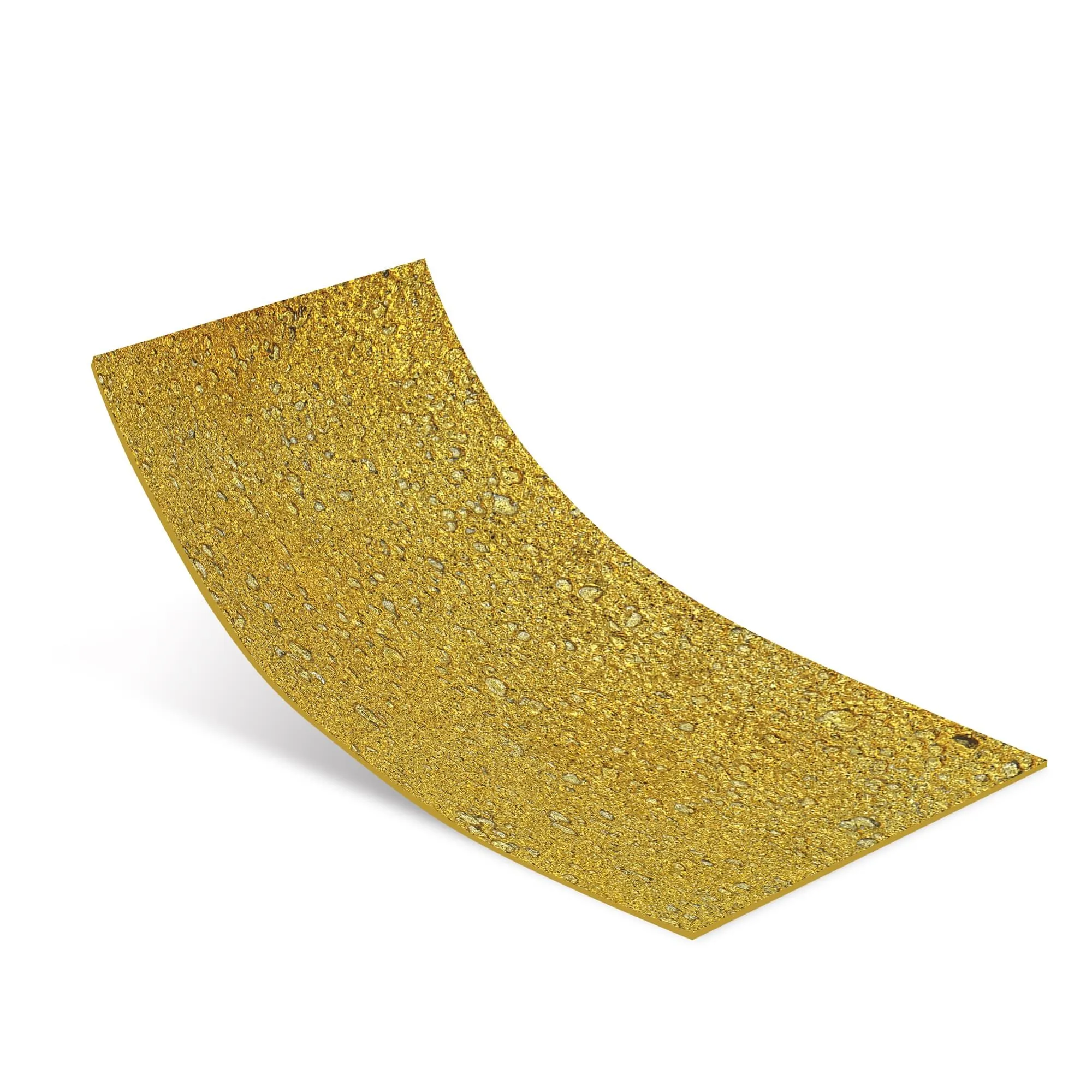
The unique blend of properties offered by Foamed Aluminium Alloy Board makes it suitable for a diverse range of applications, particularly where weight, strength, and specific functional requirements intersect.
Lightweight Structural Panels and Floors
For multi-story buildings, reducing the weight of floor and roof structures directly translates to savings in foundation design, column sizes, and overall material usage. Foamed aluminium sandwich panels can serve as incredibly strong yet lightweight floor systems, offering excellent acoustic and thermal insulation properties as well. Imagine a high-rise building where every floor contributes significantly less dead load, allowing for more efficient use of space and potentially taller structures without excessive material consumption.
Innovative Facade Systems and Cladding
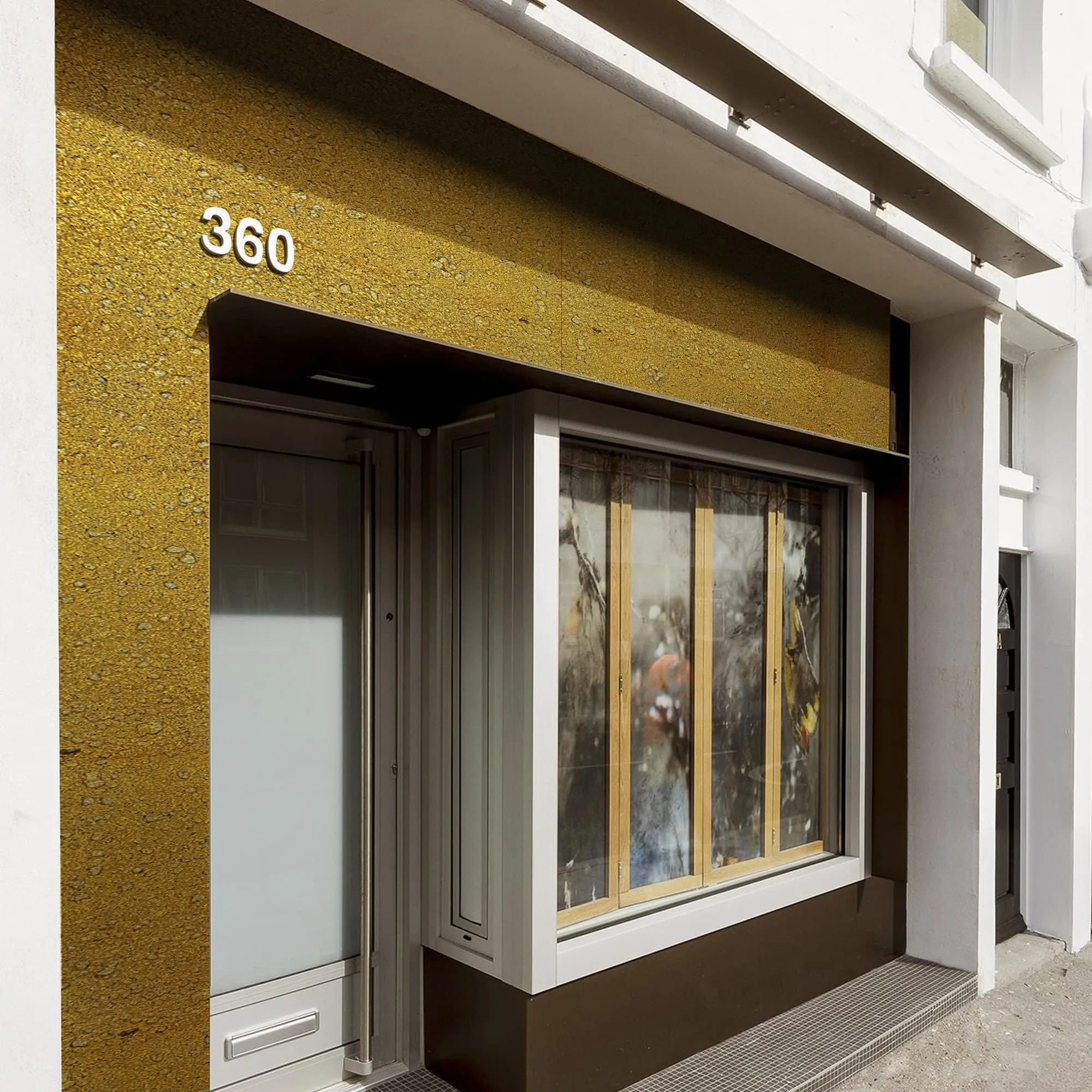
Beyond our popular MCM series products for exterior finishes, Foamed Aluminium Alloy Board offers another layer of innovation for building envelopes. It can be used in advanced facade systems where structural rigidity, low weight, and enhanced thermal performance are crucial. Its inherent stiffness can support larger panel sizes, reducing the number of joints and improving the overall aesthetic sleekness of a building. The "Gold" variant could even be left exposed as part of a high-tech architectural expression.
Bridge Decks and Transportation Infrastructure
The strength-to-weight ratio and energy absorption capabilities make foamed aluminum an attractive material for lightweight bridge decks or components in transportation infrastructure. Reducing the weight of these elements extends their lifespan, decreases maintenance costs, and can even facilitate faster construction.
Interior Design and Architectural Features
Beyond core structural roles, the material's aesthetic potential, especially with the Gold variant, allows it to be integrated into interior design elements, custom furniture, or feature walls where both structural support and a distinctive visual texture are desired. Its porous nature can also be leveraged for acoustic absorption, creating quieter and more comfortable internal environments. This versatility complements our range of **
MCM Flexible Stone** and **
MCM 3D Printing Series** in offering architects unparalleled design freedom.
Modular Construction and Prefabrication
The inherent lightness and workability of foamed aluminum make it ideal for modular construction. Prefabricated structural components can be easily transported and assembled on-site, significantly speeding up construction timelines and reducing labor costs. This aligns perfectly with COLORIA GROUP's mission to provide comprehensive, efficient **customized solutions** for modern building practices.
Advantages and Considerations for Implementation
Like any advanced material, Foamed Aluminium Alloy Board comes with a unique set of advantages and specific considerations that need to be addressed during design and implementation.
|
Advantage
|
Description and Impact
|
|
Lightweight Structure
|
Significantly reduces dead load, leading to smaller foundations, reduced material transport costs, and easier installation. Facilitates design of larger spans and cantilevered elements.
|
|
High Strength-to-Weight Ratio
|
Offers comparable structural performance to heavier materials at a fraction of the weight, optimizing material usage and structural efficiency.
|
|
Excellent Energy Absorption
|
Ideal for structures requiring impact resistance, vibration damping, or blast protection. Improves overall safety and resilience of buildings.
|
|
Thermal and Acoustic Insulation
|
The cellular structure traps air, providing inherent insulation properties, contributing to improved building energy efficiency and occupant comfort.
|
|
Corrosion Resistance
|
Inherits aluminum's natural resistance to corrosion, especially when alloyed appropriately, leading to longer service life and reduced maintenance.
|
|
Recyclability
|
As an aluminum product, it is fully recyclable, aligning with sustainable building practices and contributing to a circular economy. This makes it an **eco-friendly building material**.
|
|
Design Versatility
|
Can be formed and machined, and the "Gold" variant offers aesthetic appeal for visible structural or decorative components, expanding architectural possibilities.
|
|
Consideration
|
Implication for Design and Construction
|
|
Cost
|
Generally higher initial material cost compared to conventional steel or concrete, though often offset by savings in foundation, transport, installation, and long-term performance. Value engineering is crucial.
|
|
Joining Techniques
|
Requires specialized joining methods (e.g., adhesive bonding, specific welding techniques) to ensure structural integrity, especially when integrating with other materials.
|
|
Surface Finish & Aesthetics
|
While the "Gold" variant offers aesthetic potential, the inherent porosity might require specific surface treatments or protective coatings depending on exposure and desired finish.
|
|
Code Compliance
|
As a relatively newer material for primary structural applications, ensuring compliance with local building codes and standards may require detailed engineering analysis and possibly performance-based approvals.
|
|
Fabrication Expertise
|
Working with foamed aluminum requires specialized tools and expertise for cutting, shaping, and joining, necessitating skilled labor and precision manufacturing.
|
COLORIA GROUP's Holistic Approach to Building Solutions
At COLORIA GROUP, our expertise isn't confined to a single material or product. Our strength lies in our holistic approach as a **one-stop solution provider**. We understand that modern construction projects require a blend of innovative materials and intelligent design to achieve optimal outcomes. While our MCM series stands as a flagship offering for exquisite and sustainable **architectural finishes**, we integrate knowledge of advanced structural materials like Foamed Aluminium Alloy Board into our consultancy and solution development.
Our team of experts, with decades of experience, works closely with architects, developers, and contractors to identify the most suitable materials and systems for each unique project. This means if a project demands exceptional lightness and structural performance, we can recommend and help integrate solutions involving foamed metals. If the focus is on stunning, sustainable, and highly customizable exterior or interior wall finishes, our **
MCM Big Slab Board Series** or **
MCM Project Board Series** would be front and center.
COLORIA GROUP's philosophy centers on innovation, sustainability, and unparalleled service. We believe that the right material, applied intelligently, can transform a vision into a reality. Whether it's through the elegant versatility of our MCM solutions or the robust, lightweight power of materials like Foamed Aluminium Alloy Board, we are dedicated to advancing the built environment. Our presence in key global markets, including our established agency in Saudi Arabia, allows us to deliver our expertise and high-quality products to projects worldwide, ensuring seamless execution and superior results.
Future Trends and the Role of Advanced Materials
The future of construction is undeniably moving towards smarter, more sustainable, and more resilient structures. Advanced materials like Foamed Aluminium Alloy, along with our core MCM products, are pivotal to this evolution.
-
Sustainability Imperative:
The demand for **eco-friendly building materials** is growing exponentially. Foamed aluminum's recyclability and contribution to energy efficiency (through reduced transport weights and improved insulation) align perfectly with green building certifications and sustainable development goals. Our MCM products, manufactured from mineral powders, also champion this cause by being environmentally friendly and often containing recycled content.
-
Digital Fabrication and Customization:
The rise of digital design and fabrication methods allows for the precise manufacturing of complex geometries using materials like foamed aluminum. This enables greater **customized solutions** and intricate designs that were previously impossible. Similarly, our **MCM 3D Printing Series** is pushing the boundaries of what's possible in **architectural finishes**.
-
Performance-Driven Design:
Engineers and architects are increasingly prioritizing performance metrics beyond just basic structural stability. Energy efficiency, acoustic comfort, resilience against extreme weather, and fire safety are now integral to design. Advanced materials offer pathways to meet these stringent requirements.
-
Global Reach and Local Adaptation:
As a **global building solutions** provider, COLORIA GROUP understands that material selection and application must be tailored to local climates, cultural contexts, and regulatory frameworks. We leverage our broad product portfolio and technical expertise to deliver solutions that are both globally competitive and locally relevant.
In conclusion, while Foamed Aluminium Alloy Board (Gold) represents a specialized, high-performance structural material, it perfectly complements COLORIA GROUP's overarching mission: to be at the forefront of providing innovative, high-quality, and comprehensive building material solutions. Our dedication to integrating the best of material science, whether it's through our pioneering **MCM (Modified Cementitious Material)** series or through facilitating the use of advanced structural supports, ensures that we empower our clients to build the structures of tomorrow – lighter, stronger, greener, and more beautiful. We are not just supplying materials; we are providing the foundation for architectural excellence and sustainable urban development.