


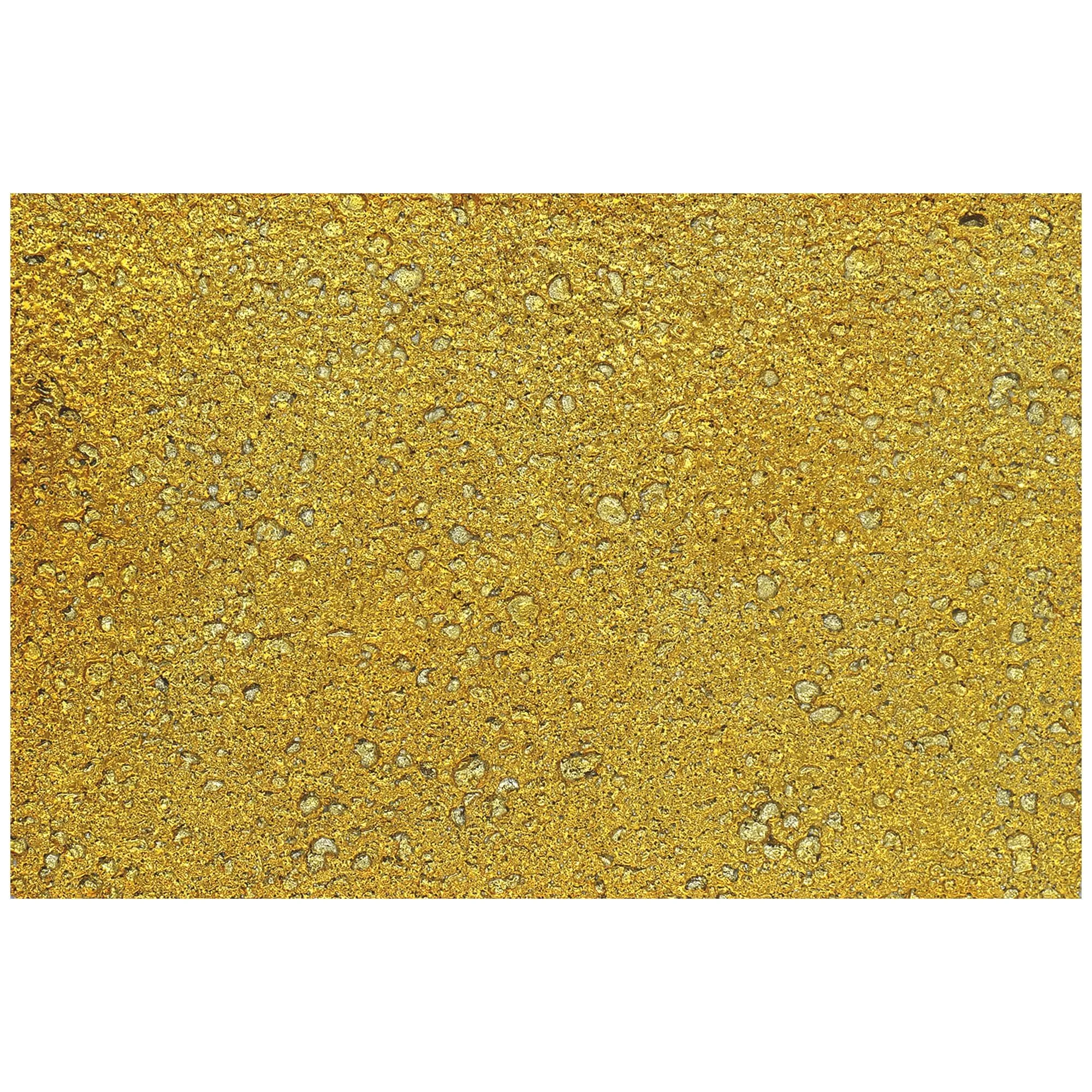
When embarking on a new building or renovation project, the selection of materials is arguably one of the most critical decisions you'll make. It's a delicate dance between achieving the perfect aesthetic, ensuring long-term performance, and staying within a practical budget. In a world of conventional choices, some materials emerge that not only meet these criteria but completely redefine what's possible. Today, we're talking about one such innovation: the Foamed Aluminium Alloy Board, specifically in its breathtaking Gold finish.
This isn't just another panel; it's a statement of luxury, forward-thinking design, and intelligent engineering. As a premier one-stop solution provider in the architectural materials space, we at COLORIA GROUP have seen firsthand how the right material can elevate a project from ordinary to extraordinary. Our decades of experience, from our global operations to our dedicated agency in Saudi Arabia, have taught us to identify and champion materials that offer true value. This guide is born from that expertise, designed to help you navigate one of the most crucial aspects of specifying Foamed Aluminium Alloy Board: its thickness. Let's dive in and unlock the full potential of this remarkable material for your next masterpiece.
Chapter 1: What Exactly is Foamed Aluminium Alloy Board?
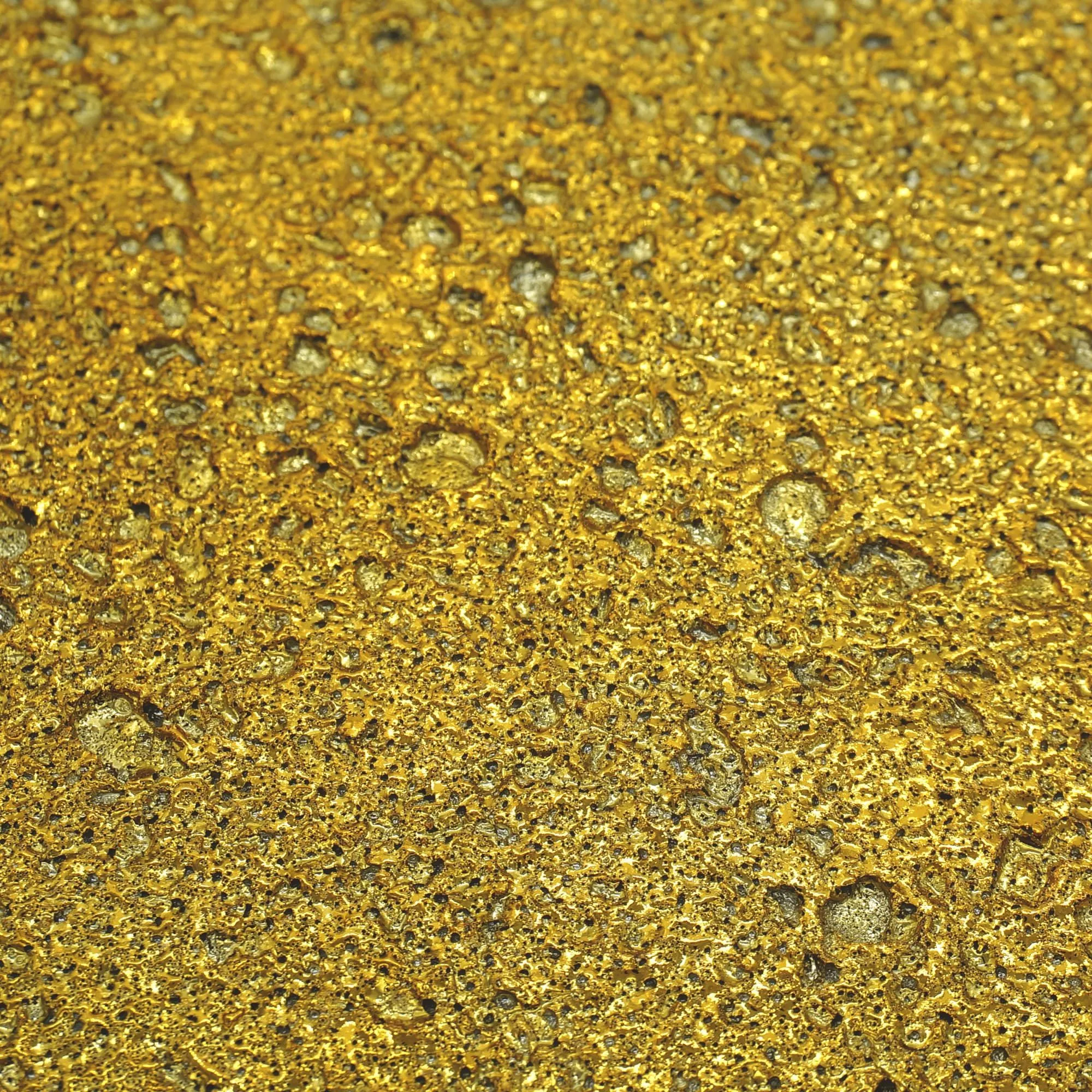
Before we can talk about thickness, let's get acquainted with the material itself. Imagine a product that combines the visual prestige and strength of solid metal with a weight that defies expectations. That's the magic of foamed aluminum. In layman's terms, it's a sophisticated composite material created through a fascinating process where molten aluminum alloy is infused with gas-releasing agents. As the metal cools, this gas creates a network of pores, or cells, throughout the structure, much like the bubbles in a loaf of bread or a chocolate aero bar.
The result is a panel that is incredibly lightweight—often 70-90% lighter than solid aluminum of the same dimension—while retaining significant structural rigidity and a host of other unique, highly desirable properties. The boards we're discussing typically feature a "closed-cell" structure, meaning the pores are not interconnected. This is crucial as it makes the material non-absorbent and highly resistant to water and other environmental factors.
The Science Behind the Shine: The Gold Finish
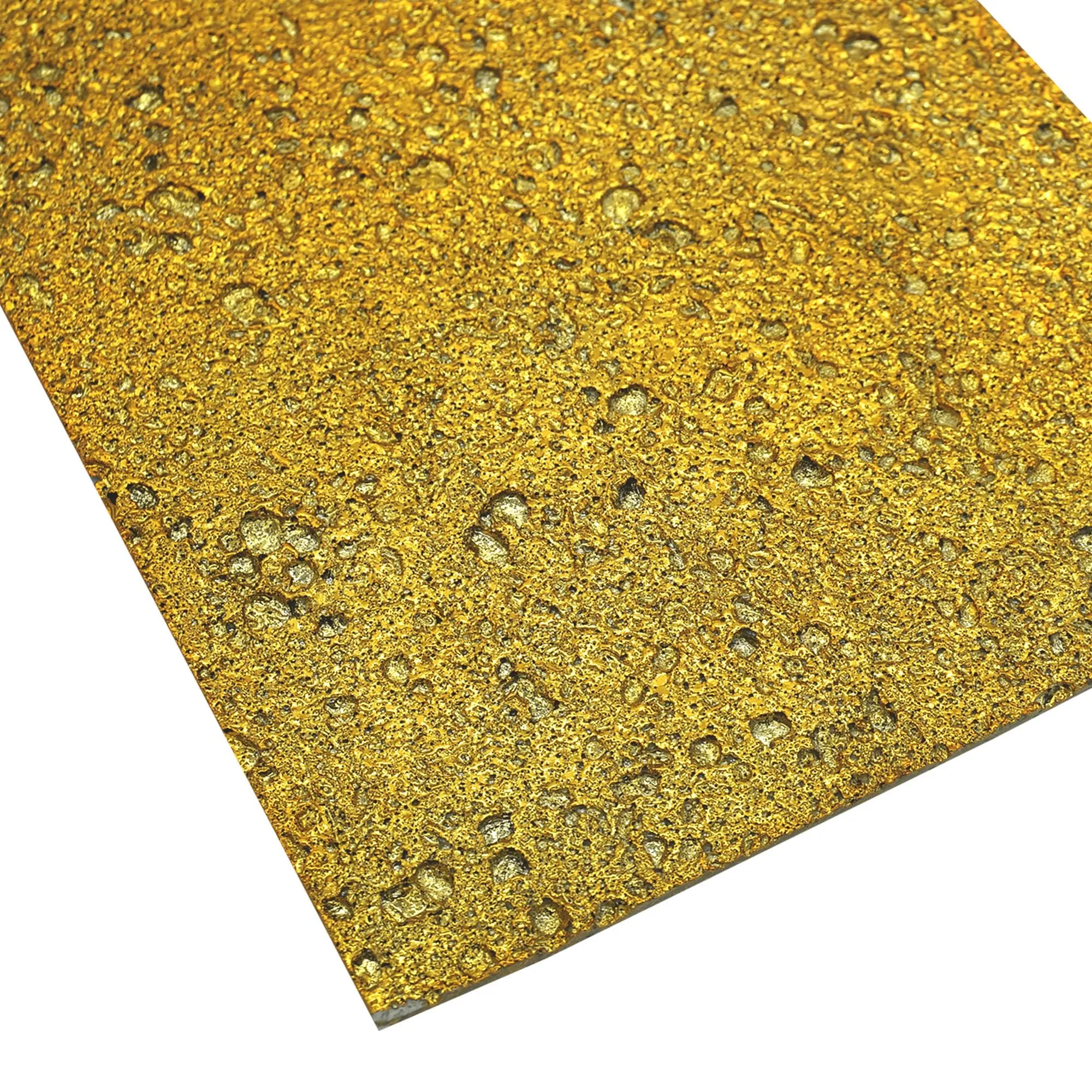
The "Gold" in the name isn't just a simple coat of paint. To create a finish worthy of a premium architectural product, advanced techniques are employed. These often include Physical Vapor Deposition (PVD) or sophisticated anodizing processes. This ensures the golden hue is not just a surface layer but an integral part of the board's exterior. It's incredibly durable, resistant to fading from UV exposure, and withstands scratching and corrosion far better than traditional paint. It's a finish designed to make a lasting impression, shimmering under light and adding a touch of unparalleled opulence to any space, be it an exterior facade or an interior feature wall.
The Unmistakable Benefits
Why are architects and designers so excited about this material? The benefits speak for themselves:
- Lightweight yet Strong: This is the headline act. The dramatic weight reduction simplifies transportation, handling, and installation. It also reduces the structural load on the building, potentially leading to savings in the foundational and support structures.
- Exceptional Acoustics: The porous internal structure is a natural sound dampener. The boards are fantastic at absorbing sound waves, reducing echo and ambient noise. This makes them ideal for spaces where acoustic comfort is a priority, such as offices, restaurants, and residential buildings.
- Inherent Fire Resistance: Being made of aluminum, the material is non-combustible. It does not burn, produce smoke, or release toxic fumes in a fire, making it an exceptionally safe choice for any building application.
- Corrosion and Weather Proof: Aluminum naturally forms a protective oxide layer. Combined with the advanced gold finish, these boards are highly resistant to rust, corrosion, moisture, and the effects of harsh weather, ensuring a long and maintenance-free lifespan.
- Aesthetic of Modern Luxury: There's no denying the visual impact. The unique texture of the foamed surface, combined with the rich gold color, creates a dynamic interplay of light and shadow that is both modern and timelessly luxurious.
- Sustainability Champion: In an era of environmental consciousness, this material shines. It's made from aluminum, one of a building material that can be recycled, helping to create a circular economy in the construction industry. This aligns perfectly with COLORIA GROUP's commitment to green and sustainable solutions.
Chapter 2: Why Thickness Matters More Than You Think
Now that we appreciate the material, let's tackle the main question: thickness. It's easy to fall into the trap of thinking "thicker is better" or "thinner is cheaper," but the reality is far more nuanced. Choosing the correct thickness for your Foamed Aluminium Alloy Board is a critical design decision that influences everything from structural performance to the final look and feel of your project. It's about finding the perfect balance for your specific application.
Structural Integrity and Impact Resistance
This is the most obvious consideration. While foamed aluminum is not typically used as a primary load-bearing element, its thickness directly correlates to its rigidity and resistance to bending and denting. A thicker board can span a larger distance between supports without sagging. In high-traffic areas, like a hotel lobby wall or a retail storefront, a thicker board will offer greater resistance to accidental impacts from luggage, carts, or people. Conversely, for a decorative ceiling panel that will never be touched, a thinner, lighter profile might be the smartest choice.
The Sound of Silence: Acoustic Performance
If acoustic control is a key goal, thickness plays a starring role. Sound absorption is a function of a material's ability to convert sound energy into heat. With foamed aluminum, the sound waves enter the porous structure and are dissipated. Generally speaking, a thicker board provides a longer path for this dissipation to occur, making it more effective at absorbing sound, especially lower-frequency noises which are notoriously difficult to control. For a boardroom where confidentiality is key, or a restaurant where you want to dampen clatter and chatter, opting for a thicker panel can make a world of difference to the user experience.
Thermal Insulation Properties
The same cellular structure that traps sound also traps air, making foamed aluminum a decent thermal insulator. The trapped air pockets slow the transfer of heat, contributing to a building's overall energy efficiency. A thicker board contains more of these air pockets, thus providing a higher R-value (a measure of thermal resistance). When used as part of an exterior rainscreen facade system, a thicker Foamed Aluminium Alloy Board can help reduce heating and cooling costs over the life of the building.
The Visual and Aesthetic Dimension
Never underestimate the subtle power of visual weight. A thicker board has more physical presence. It can create a sense of permanence, robustness, and high quality. The way the edges are detailed—whether left exposed to show the unique foam texture or capped for a clean finish—is also more impactful on a thicker panel. The depth of the reveals between panels becomes more pronounced, adding another layer of architectural detail. For a project aiming for a bold, monolithic look, a more substantial thickness is often the right aesthetic choice.
Expert Insight: At COLORIA GROUP, our experience with a diverse portfolio of materials, including our renowned MCM Flexible Stone , has taught us that material selection is a holistic process. Just as you'd choose a specific texture of stone for its visual effect, the thickness of a foamed aluminum panel should be considered an integral part of the design language, not just a technical specification.
Installation, Handling, and Cost
Finally, we must consider the practicalities. While all foamed aluminum is light compared to solid metal, a 25mm board is naturally heavier and more cumbersome than a 10mm board. This can affect logistics, the number of installers required, and the type of mounting system needed. Thicker boards require more robust anchoring systems. And, of course, thickness directly impacts cost—more material means a higher price per square meter. The goal is not to over-specify and pay for performance you don't need, nor is it to under-specify and compromise the integrity or intent of the design. It's about finding that value-engineered sweet spot.
Chapter 3: A Deep Dive into COLORIA GROUP's Thickness Options
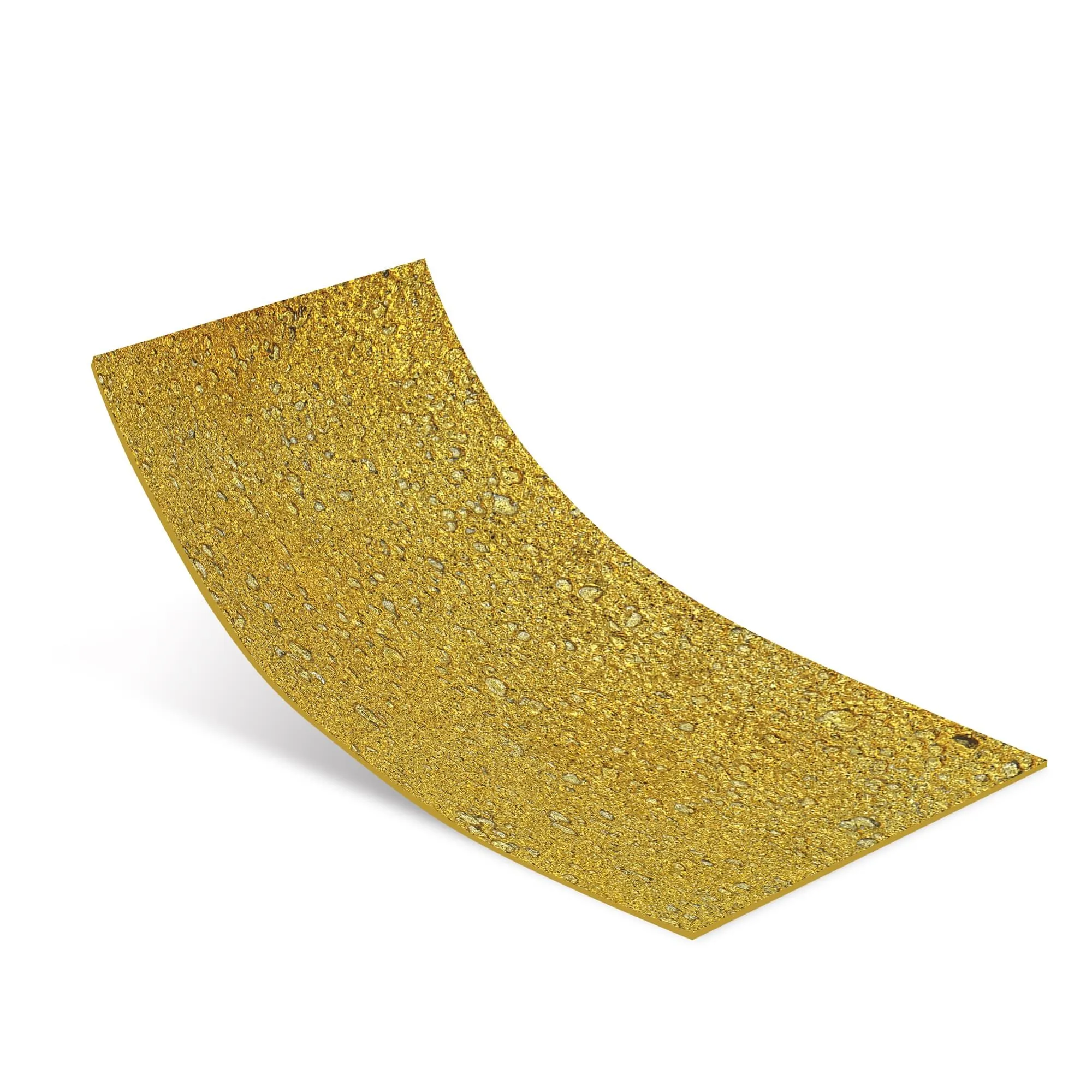
As a one-stop solution provider, we believe in offering a curated selection of options to meet the diverse needs of our clients. Our range of Gold Foamed Aluminium Alloy Boards is structured to provide a clear choice for any application, from delicate interior accents to robust exterior facades. Let's break down the typical thickness categories and their ideal uses.
The Slim Profile: 8mm - 12mm
Think of this as the artist's choice for interior applications. These boards are the lightest, most flexible, and most cost-effective in the range. Their slender profile makes them perfect for creating stunning decorative elements without adding significant weight or bulk.
- Best For: Interior decorative cladding, feature walls in low-traffic areas, ceiling panels and baffles, bespoke furniture components, cabinet fronts, and artistic installations.
- Pros: Maximum lightweight advantage, easiest to handle and install, lowest cost, perfect for surface-applied decoration.
- Cons: Lower impact resistance, less acoustic and thermal insulation compared to thicker options. Not recommended for large, unsupported spans.
- Project Vision: Imagine a breathtaking gold feature wall behind a reception desk, shimmering as clients walk in. Or consider lightweight, sound-absorbing ceiling baffles in a creative agency's office, combining high design with functional acoustics.
The All-Rounder: 15mm - 20mm
This is the workhorse of the family. This mid-range thickness offers a fantastic, versatile balance of all key attributes: strength, acoustic performance, manageable weight, and cost. If you're looking for a single specification that can confidently handle a wide variety of both interior and exterior applications, this is it. It's a testament to the kind of reliable, project-ready solutions we value, similar in spirit to our versatile MCM Project Board Series .
- Best For: High-traffic interior walls (corridors, lobbies), exterior rainscreen facades, building cladding, durable partition walls, robust retail displays, and elevator interiors.
- Pros: Excellent balance of impact resistance, acoustic performance, and weight. Highly versatile for a multitude of applications. Offers a substantial, high-quality look and feel.
- Cons: A step up in cost and weight from the slim profile, requiring more considered installation planning.
- Project Vision: Envision the entire facade of a luxury boutique, its golden exterior gleaming in the sun, durable and resistant to the elements. Or picture sound-dampening partition walls in a bustling co-working space, providing pockets of quiet focus amidst the collaborative energy.
The Heavy-Duty Performer: 25mm and Above
When performance is paramount and compromise is not an option, the heavy-duty range steps up. These thickest boards are engineered for the most demanding applications, where maximum durability, superior acoustic control, or specific structural requirements are the primary drivers of the design.
- Best For: High-performance exterior facades in harsh environments (e.g., coastal or high-wind areas), acoustic barrier walls, sound-absorbing panels in theaters or recording studios, and applications requiring maximum impact resistance like public transport hubs.
- Pros: Unmatched durability and rigidity. Superior sound absorption and thermal insulation. Creates a powerful, monolithic aesthetic.
- Cons: The highest weight and cost. Requires a robust, engineered mounting system and more intensive installation.
- Project Vision: Think of a statement facade on a flagship corporate headquarters, designed to last for a century. Or consider a perfectly tuned acoustic environment in a concert hall, where every note is heard with crystal clarity, thanks in part to the sound-absorbing properties of the walls. This is where material science becomes an art form.
| Thickness Range | Ideal Application Areas | Relative Weight | Acoustic Performance | Key Advantage |
|---|---|---|---|---|
| 8mm - 12mm (Slim Profile) | Interior Decoration, Ceilings, Furniture, Low-Traffic Walls | Lowest | Moderate | Lightweight & Cost-Effective |
| 15mm - 20mm (The All-Rounder) | Interior/Exterior Walls, Facades, Partitions, High-Traffic Areas | Medium | Good | Balanced Performance & Versatility |
| 25mm+ (Heavy-Duty) | High-Performance Facades, Acoustic Barriers, Special Projects | Highest | Excellent | Maximum Durability & Performance |
Chapter 4: Application Showcase: Bringing Projects to Life
Specifications are one thing, but imagination is another. To truly understand the impact of choosing the right thickness, let's visualize these materials in action through a few hypothetical case studies.
Case Study 1: The Modern Urban Loft
A designer is renovating a loft apartment, aiming for an industrial-luxe aesthetic. They decide to use the Gold Foamed Aluminium Board as a key design element. They choose the 10mm Slim Profile to create a massive, floor-to-ceiling feature wall in the main living space. Its light weight means it can be installed easily on the existing drywall without requiring extra structural support. For the kitchen backsplash, they opt for the 15mm All-Rounder thickness. Here, the slightly thicker panel provides extra durability against splashes and accidental knocks from pots and pans, while being incredibly easy to wipe clean. The combination creates a cohesive yet intelligently specified design.
Case Study 2: The Flagship Retail Store
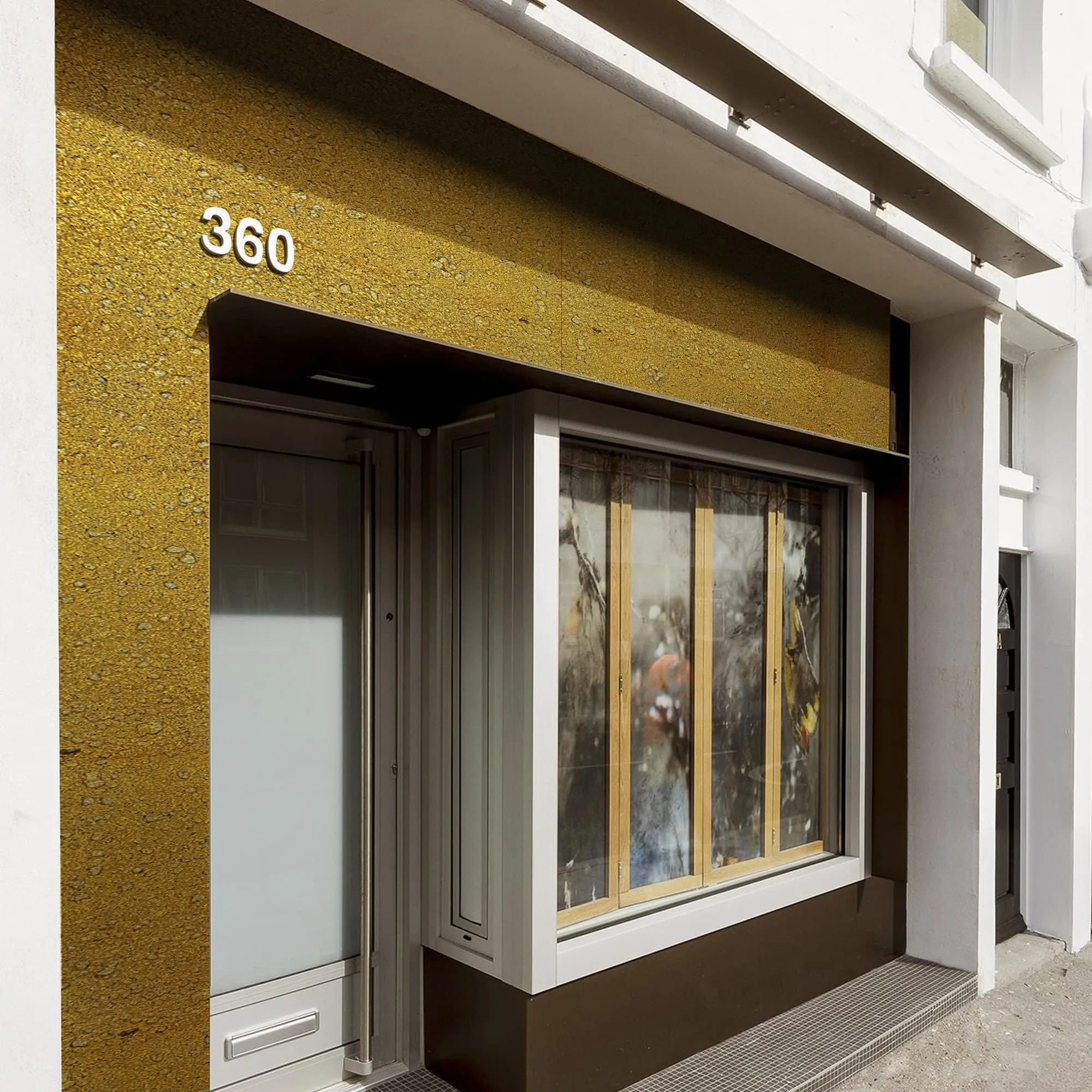
A high-end fashion brand is building a new flagship store on a bustling city street. Their goal is to create a landmark. The architect specifies the 20mm All-Rounder for the main exterior facade. This thickness provides the perfect balance of visual weight to look substantial and premium, with the durability to withstand the urban environment. The large, shimmering gold panels make the store stand out, reflecting the quality of the brand within. This is a project where our expertise with large-format cladding, like the MCM Big Slab Board Series , informs our recommendation for a robust and visually stunning facade system. Inside, the 15mm thickness is used for creating sturdy, high-end display units and partitions.
Case Study 3: The Corporate Headquarters Boardroom
For the main boardroom of a new corporate headquarters, acoustic privacy and a feeling of gravitas are paramount. The design team chooses the 25mm Heavy-Duty Performer for two of the four walls. The thickness provides exceptional sound absorption, ensuring confidential discussions remain private and eliminating distracting echo within the room. The substantial visual presence of the thick gold panels imparts a sense of stability and success. The exposed edges of the panels are celebrated as a design feature, showcasing the unique, high-tech cellular structure of the material. It's a choice that speaks volumes about the company's commitment to quality and innovation.
Chapter 5: The COLORIA GROUP Advantage: Beyond the Product
This detailed guide illustrates a core principle at COLORIA GROUP: we don't just sell materials; we provide comprehensive solutions. Selecting the right product and the right specification is a journey, and our role is to be your expert guide every step of the way.
Our status as a **one-stop solution provider** means we look at your project holistically. We understand how Foamed Aluminium Alloy Board can interact with other materials. Perhaps your project could benefit from a combination of the metallic sheen of foamed aluminum and the earthy texture of our MCM products? Our team has the cross-portfolio knowledge to make these recommendations.
With decades of experience and a global footprint that includes dedicated teams in markets like Saudi Arabia, we understand the unique challenges and opportunities of different climates and building codes. This allows us to provide not just a product, but a tailored, tested, and reliable building solution. Our commitment to innovation is what brought us to materials like foamed aluminum, and it's this same commitment that drives us to ensure our clients use them to their fullest potential.
Your Project, Perfected
Choosing the right thickness for your Gold Foamed Aluminium Alloy Board is the final step in transforming a great material into an unforgettable design element. It's a decision that balances aesthetics, performance, and budget to achieve a perfect outcome. It's not about choosing the thickest or the thinnest; it's about choosing the smartest.
When you're ready to explore the limitless possibilities for your next project, remember that the expertise to make these critical decisions is part of the package. Trust the specialists at COLORIA GROUP to help you build not just with materials, but with confidence.










