
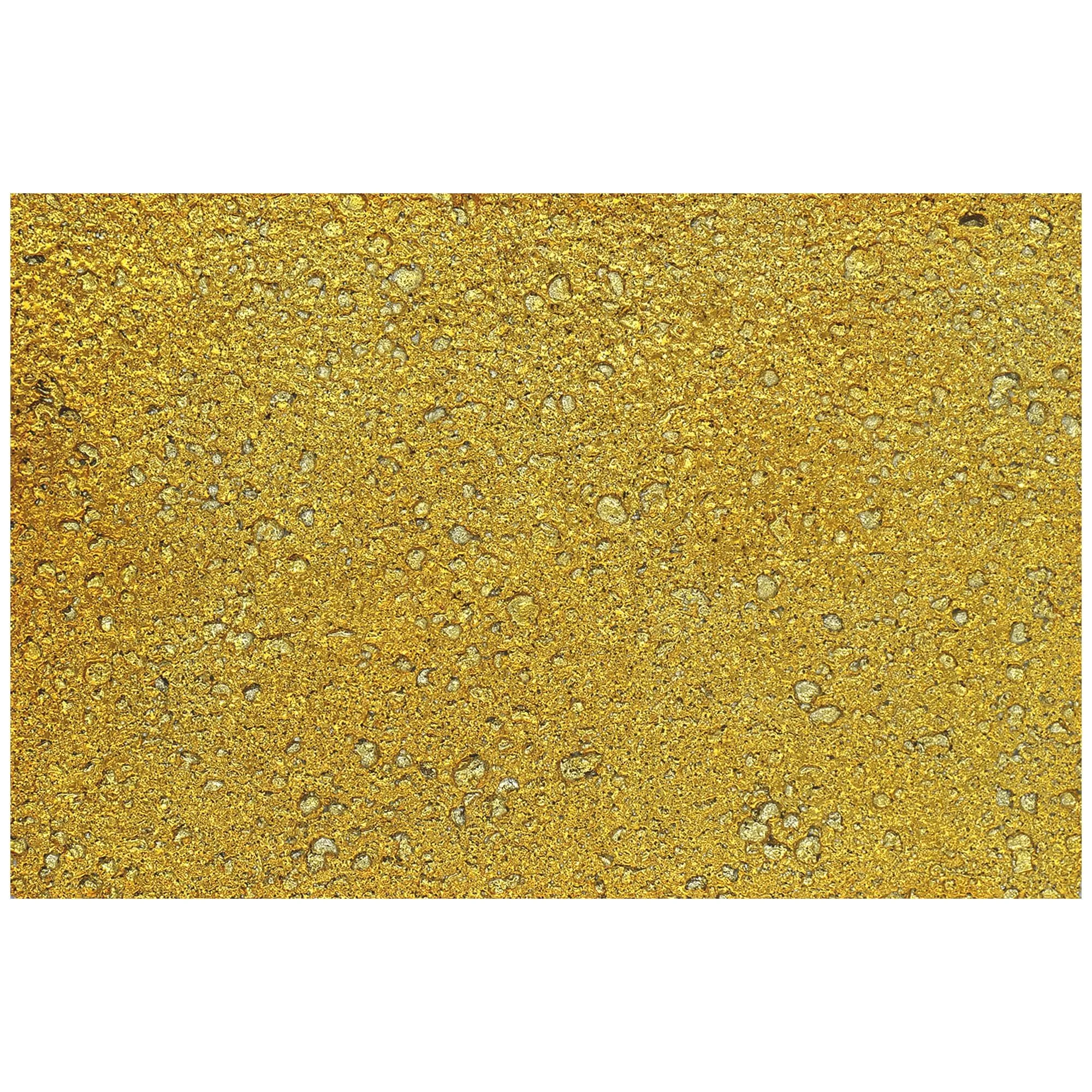
In the world of modern architecture, few things make a statement quite like a building clad in a shimmering gold finish. It speaks of luxury, prestige, and a bold aesthetic vision. For decades, architects and designers have chased this Midas touch, seeking materials that can deliver that opulent gleam. One such material that often enters the conversation is the foamed aluminium alloy board. It's lightweight and offers a metallic finish, but this brings us to a crucial, often heartbreaking, question: how does that stunning gold hold up when left to face its greatest adversary, the relentless sun?
The reality is, any building's facade is in a constant battle with the elements. Rain, wind, pollution, and, most potently, ultraviolet (UV) radiation from the sun. This isn't just a surface-level issue; it's a molecular assault. UV rays are high-energy photons that can break down the chemical bonds in pigments and polymer binders used in most coatings and materials. For a brilliant gold finish, this can mean a slow, tragic transformation from a vibrant, reflective sheen to a dull, washed-out yellow or even a chalky, discolored surface. This process, known as photodegradation, is the bane of many architectural projects, leading to costly maintenance, repainting, or complete replacement long before the building has reached its intended lifespan.
So, when we talk about a "Foamed Aluminium Alloy Board (Gold)" and its UV resistance, we're really talking about the longevity of a dream. Can a building's initial golden promise be sustained for years, even decades, under intense solar exposure, say in a sun-drenched location like the Middle East or Australia? This is the fundamental challenge that drives innovation in the building materials industry. While standard materials offer a starting point, achieving true, lasting color fastness requires a leap into more advanced material science. It demands a solution that isn't just skin-deep but is engineered from its very core to defy the sun.
This is where a shift in thinking becomes necessary. Instead of asking "How can we protect this material?", the more profound question is "Can we create a material that protects itself?". This is the philosophy that drives us at COLORIA GROUP. We see ourselves not just as suppliers of building materials, but as a dedicated one-stop solution provider for the architectural and design community. With decades of experience navigating the complexities of construction projects across the globe, from bustling Asian metropolises to ambitious developments in Saudi Arabia, we've learned that our clients' biggest challenges are our greatest opportunities for innovation.
Our approach is holistic. We don't just offer a catalog of products; we partner with architects, developers, and builders to understand their vision, their environmental challenges, and their long-term performance goals. The problem of a fading gold facade isn't just a technical issue of UV resistance; it's a business issue of brand image, property value, and lifecycle cost. It's an aesthetic issue of maintaining the original design intent. By focusing on solving these core problems, we've channeled our expertise into pioneering a new generation of materials that fundamentally rewrite the rules of durability and beauty.
While the market has its array of options, including various metallic composite panels, our research and development led us to a groundbreaking technology that offers a far more integrated and robust solution: Modified Cementitious Material, or MCM. It's a name that represents a revolution in how we think about architectural surfaces.
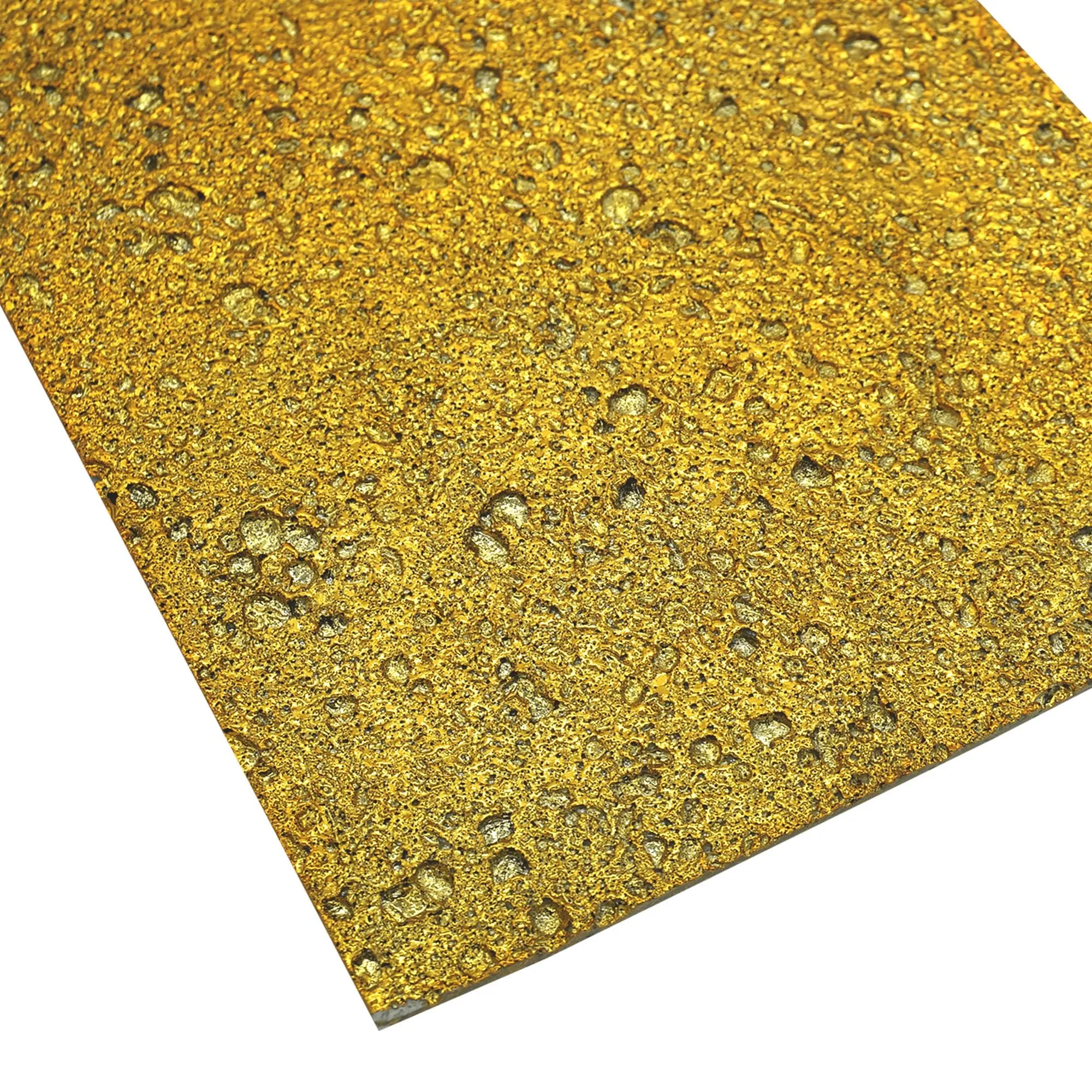
So, what exactly is this MCM that we are so passionate about? Forget everything you think you know about traditional cement or cladding. MCM is an innovative composite material born from a process of molecular modification. At its heart, it's composed of natural ingredients—common soil, sand, and other mineral components—that are transformed through a unique, low-carbon cold polymerization process. The result is a material that is incredibly versatile, possessing properties that seem to contradict each other: it's as thin and lightweight as a veneer, yet as durable as stone; it's flexible enough to wrap around columns, yet strong enough to withstand significant impact.
This is not a surface coating. It's not a thin layer of paint on a substrate. The color and texture are an integral part of the material itself. Think of it like this: with many traditional materials, the color is a jacket worn on the outside, vulnerable to being torn and faded. With COLORIA GROUP's MCM, the color is woven into the very fabric of the material. This intrinsic coloration is the secret to its incredible performance, especially when it comes to UV resistance.
At COLORIA GROUP, we've harnessed this technology to create a comprehensive portfolio of products. Our focus on customization and performance means that whether a project demands the seamless look of massive panels or the intricate detail of custom textures, our MCM technology provides the foundation for a lasting and beautiful result.
The production process is also a testament to our commitment to sustainability. It consumes significantly less energy compared to the high-temperature firing required for ceramics or the smelting for metals. This green DNA makes MCM an ideal choice for projects aiming for LEED certification or simply a lower environmental footprint, without ever compromising on aesthetics or durability.
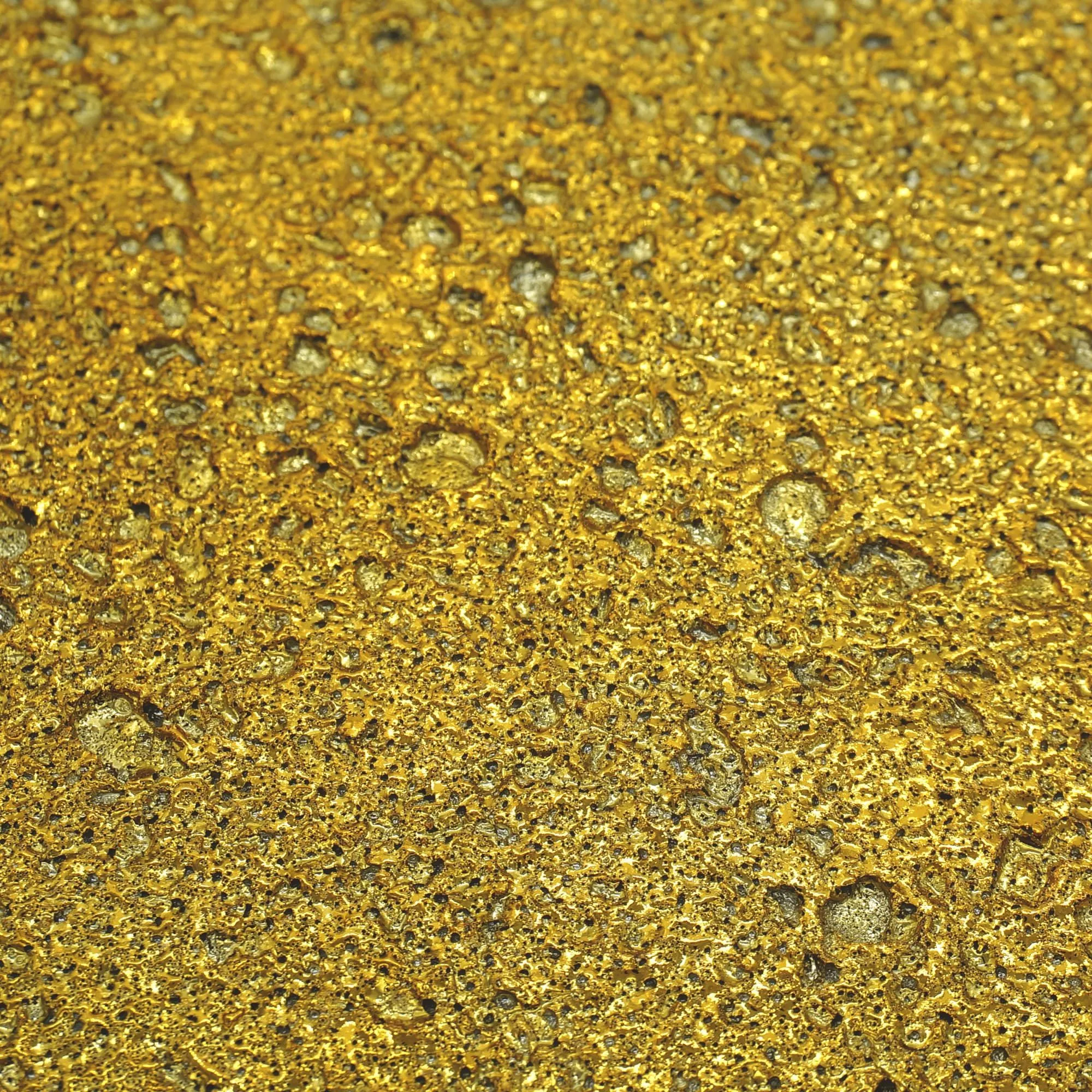
Let's dive deeper into how MCM achieves its remarkable, enduring color, turning our "golden facade" problem into a solved equation. The magic lies in the fusion of material science and pigment technology.
Unlike paints or coatings that rely on organic dyes which are susceptible to UV degradation, COLORIA GROUP's MCM products utilize high-quality, inorganic mineral pigments. These are essentially finely ground, color-stable minerals. These pigments are mixed into the MCM slurry before it's formed and cured. During the low-temperature curing process, the pigment particles become physically and chemically bonded within the cross-linked polymer network of the material. They are not sitting on the surface; they are encapsulated and locked deep within the material's matrix. This means UV radiation can't easily reach and break them down. The color you see is the color of the material through and through.
The modified cementitious matrix itself has inherent UV-stable properties. The unique polymer chains that give MCM its flexibility and strength are also highly resistant to being broken down by sunlight. This creates a protective shield for the pigments within. Furthermore, the material has a very low water absorption rate, which prevents another common cause of color degradation: efflorescence and chemical leaching. By keeping water out, the material maintains its structural and chromatic integrity over time.
Talk is one thing, but proof is another. Every batch of our MCM, especially those with vibrant or specific custom colors like gold, undergoes extreme accelerated weathering tests. In these tests, samples are exposed to intense UV radiation, extreme temperature cycles, and high humidity, simulating decades of harsh outdoor exposure in just a matter of weeks. Our materials consistently pass these tests with the highest ratings for color fastness, showing negligible fading or change in hue. This is the quality assurance that gives architects and clients the confidence to specify our products for even the most demanding environments, like the sun-scorched facades of projects in Saudi Arabia where our local agency provides crucial on-the-ground support.
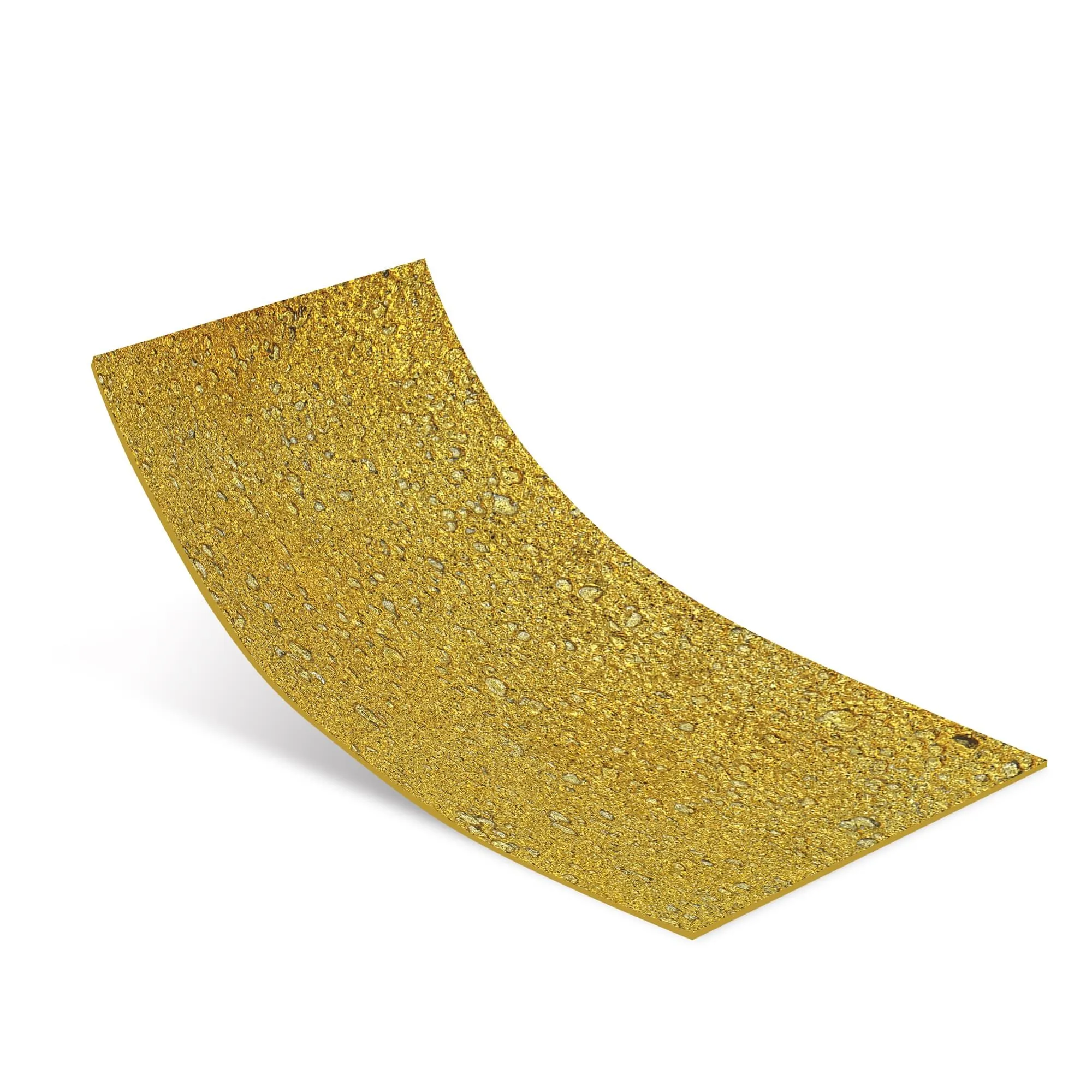
Understanding the science is one part of the story. The other is seeing how this technology translates into real-world solutions. As a one-stop solution provider, COLORIA GROUP has developed a diverse range of MCM products, each designed to meet specific architectural needs, and all of them share the core benefits of durability, sustainability, and unparalleled color stability.
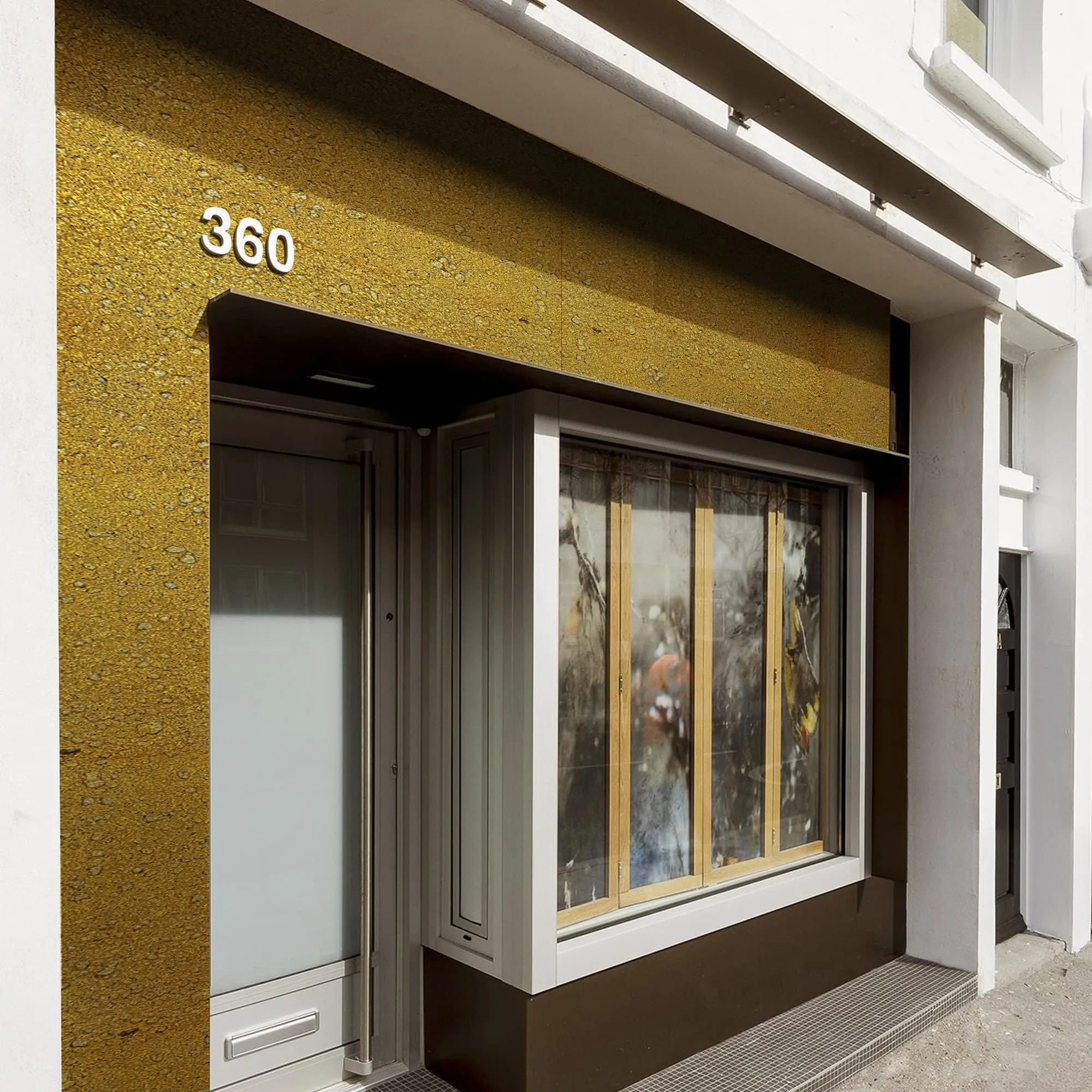
This is perhaps the most revolutionary product in our lineup. Imagine being able to wrap a building in the timeless beauty of travertine, sandstone, or even a custom-designed golden slate, but without the immense weight, cost, and installation challenges of natural stone. That is the power of MCM Flexible Stone . Because it's lightweight and pliable, it can be applied to curved walls, soaring arches, and complex geometric forms that would be impossible or prohibitively expensive with rigid materials. When it comes to our "golden facade" challenge, our MCM Flexible Stone can be manufactured with a brilliant, textured gold finish. The inherent UV resistance ensures that this golden glow will not fade or tarnish, maintaining its luxurious appeal year after year. It's the perfect fusion of natural aesthetics and superior, engineered performance.
For modern designs that call for vast, uninterrupted surfaces, the MCM Big Slab Board Series is the ultimate solution. These large-format panels create a seamless, sophisticated look that exudes scale and elegance. One of the biggest challenges with large facades is ensuring absolute color consistency from one panel to the next, and maintaining that consistency over time. A slight color difference, exacerbated by uneven fading, can turn a sleek wall into a patchwork of mismatched tiles. Because our MCM manufacturing process is so precisely controlled, and because the color is integral to the material, the MCM Big Slab Board Series guarantees exceptional uniformity. This, combined with its superior UV resistance, ensures that a 20-story building will look as unified and vibrant on its tenth year as it did on day one. It empowers architects to design with confidence on a grand scale.
Large-scale residential and commercial developments require materials that strike the perfect balance between aesthetics, durability, and budget. The MCM Project Board Series is engineered precisely for this purpose. It offers all the core technological advantages of our MCM platform—lightweight construction, ease of installation, fire resistance, and, of course, excellent color fastness—in a format optimized for efficiency and value. For a developer building a series of commercial towers or a large residential complex, choosing the MCM Project Board Series is an intelligent investment. It lowers the initial structural load requirements (due to its light weight), speeds up construction timelines, and drastically reduces future maintenance costs associated with repainting or replacing faded facades. It's the workhorse of our collection, delivering premium performance without the premium price tag of more traditional, heavy materials.
To truly appreciate the leap forward that MCM represents, it's helpful to see it in a side-by-side comparison with other common materials, including the foamed aluminium alloy boards mentioned in our title. The following table breaks down the key performance indicators that matter most to architects, builders, and property owners.
| Feature | COLORIA GROUP MCM (e.g., MCM Flexible Stone) | Foamed Aluminium Alloy Board | Natural Stone (e.g., Granite, Marble) | Traditional Ceramic Tile |
|---|---|---|---|---|
| UV & Color Resistance | Excellent. Intrinsic mineral pigments locked into a UV-stable matrix. Highest level of color fastness. | Variable. Depends heavily on the quality of the surface coating (e.g., PVDF). Can be prone to fading/chalking over time. | Good to Excellent, but can be susceptible to staining and surface weathering that alters appearance. | Excellent. Fired pigments are very stable. However, grout lines can discolor. |
| Flexibility & Form | Excellent. Highly flexible, can be easily applied to curved surfaces, columns, and complex shapes. | Poor. Rigid panel, can only be used on flat surfaces or with pre-formed corners. | None. Completely rigid and brittle. Cutting for curves is extremely difficult and expensive. | None. Rigid and brittle. Requires small formats for any curved application (tessellation). |
| Weight | Extremely Lightweight (approx. 4-6 kg/m²). Reduces structural load and transport costs. | Lightweight, but generally heavier than MCM. | Extremely Heavy (50-80 kg/m² or more). Requires significant structural reinforcement. | Heavy (15-25 kg/m²). Adds considerable weight to the structure. |
| Installation | Fast and simple. Can be cut with a utility knife and applied with special adhesive. Lowers labor costs. | Requires a sub-frame or keel system, more complex and time-consuming installation. | Very slow, complex, and labor-intensive. Requires heavy lifting equipment and mechanical fixing. | Moderately slow, requires wet application with mortar and grouting. |
| Eco-Friendliness | Excellent. Made from natural components with a low-energy production process. Lightweight reduces transport emissions. Recyclable. | Moderate. Aluminium production is energy-intensive. Recyclable, but process is complex. | Poor. Quarrying is destructive to landscapes and energy-intensive. Transport of heavy material has a large carbon footprint. | Poor. High-temperature firing process is very energy-intensive. |
| Customization | Excellent. Can be produced in virtually any color, texture, and shape, including through 3D printing for unique patterns. | Limited. Color is limited to available coatings. Texture is generally smooth or lightly textured. | Very Limited. Restricted to what can be quarried. Custom finishes are expensive. | Limited. Restricted to available glazes and molds. Custom options are costly. |
As the table clearly illustrates, while materials like foamed aluminium have their place, they represent a compromise in several key areas. COLORIA GROUP's MCM technology, particularly in products like our versatile MCM Flexible Stone or the grand MCM Big Slab Board Series , offers a solution with virtually no compromises. It delivers on the aesthetic promise of a lasting golden finish while simultaneously providing unparalleled benefits in terms of design freedom, installation efficiency, and environmental responsibility.
The quest for a building facade that can capture the opulence of gold and hold it against the power of the sun is more than an architectural challenge—it's a testament to human ambition. We build to last. We design to inspire. And the materials we choose are the foundation of that legacy.
While a foamed aluminium alloy board might seem like a straightforward option, a deeper look reveals that true, long-term color stability requires a more advanced approach. It requires a material where color is not just an afterthought, but a fundamental, inseparable part of its being. This is the promise of Modified Cementitious Material.
At COLORIA GROUP, we are proud to be at the forefront of this material science revolution. As a one-stop solution provider, our mission is to empower architects and designers to realize their most ambitious visions without fear of compromise. With our diverse product lines, from the game-changing MCM Flexible Stone to the efficient MCM Project Board Series and the awe-inspiring MCM Big Slab Board Series , we provide the tools to build facades that are not only beautiful on day one, but remain stunning for decades to come. We offer the ability to customize, to create unique textures and colors—including that perfect, unfading gold—and to do so sustainably. We're not just selling panels; we're delivering peace of mind, lasting value, and the freedom to design a future that truly shines.
Recommend Products












