
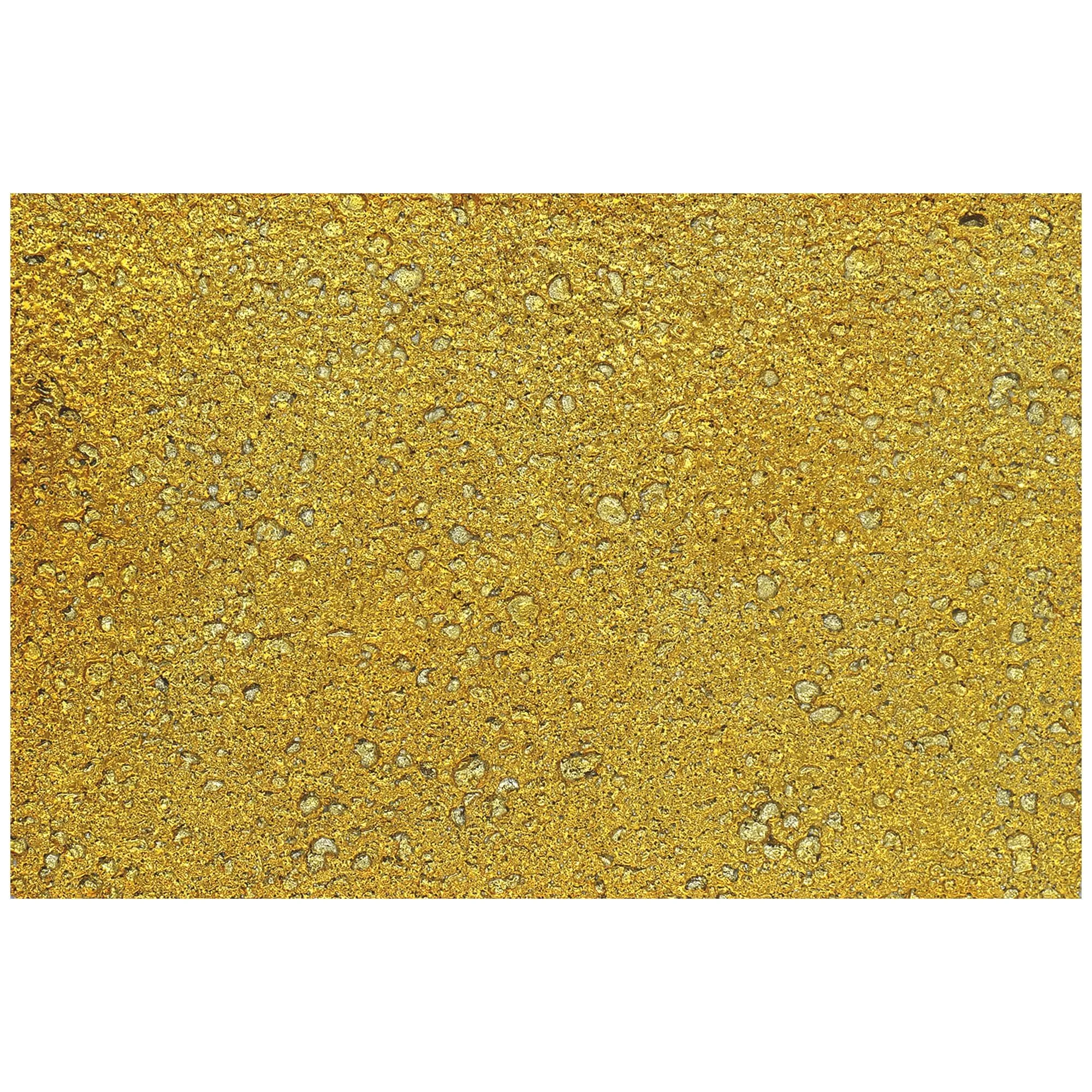
Choosing the skin of a building is like choosing its identity. The facade is the first impression, the protective shield, and a statement of intent. In the world of premium architectural finishes, two metallic contenders often stand out: the modern, engineered Foamed Aluminium Alloy Board and the timeless, classical Copper Panel. This comprehensive guide delves into a critical factor for any long-term investment: durability.
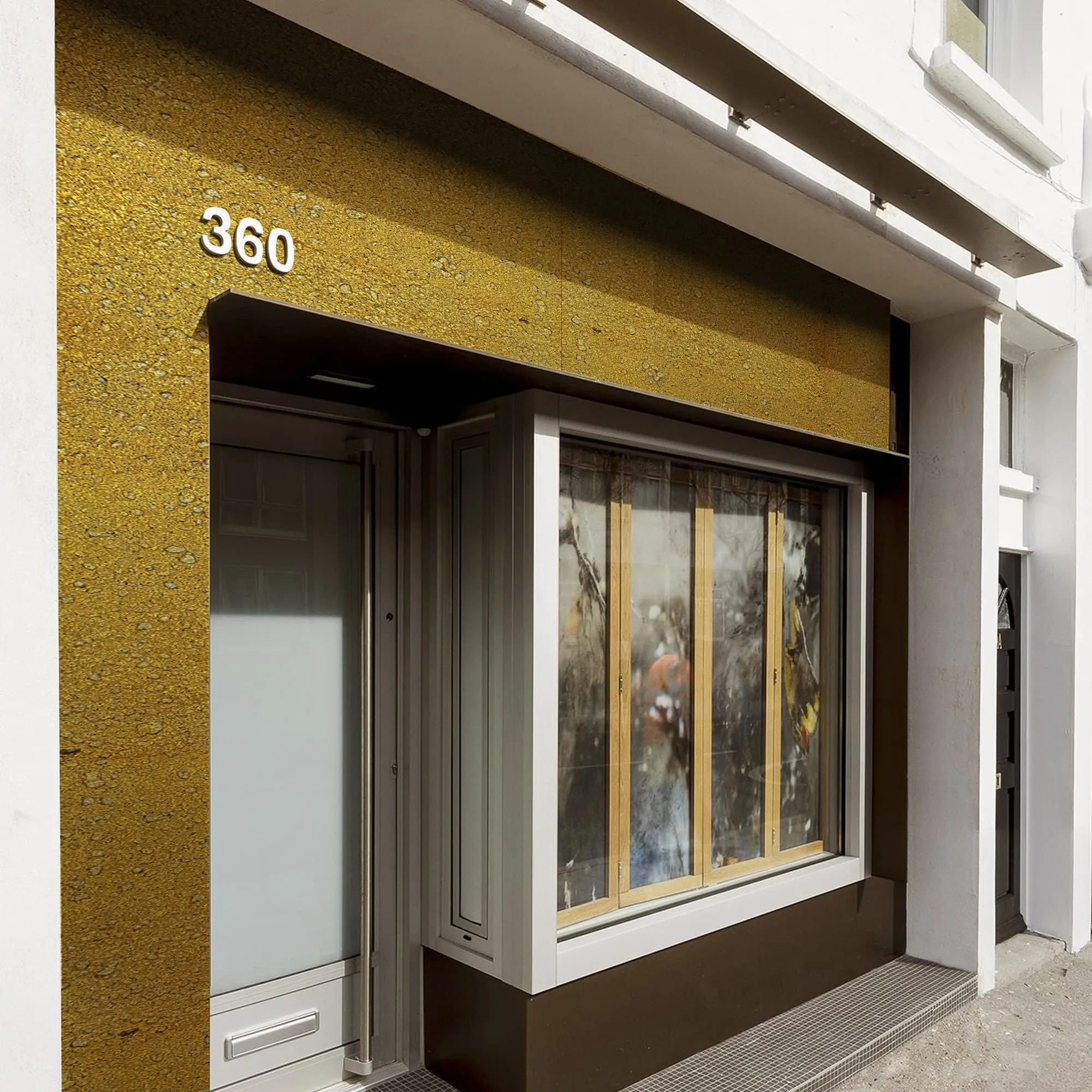
Let's start with the newcomer, a product of advanced material science. Foamed Aluminium Alloy Board isn't your standard aluminum sheet. It's a sophisticated composite material created by injecting gas into molten aluminum alloy, which then solidifies into a structure full of small, closed-cell pores. Think of it like a metallic sponge, but incredibly rigid and strong. The 'Gold' variant adds another layer of complexity and aesthetic appeal, typically achieved through highly durable finishing processes like Physical Vapor Deposition (PVD) or advanced anodizing.
The unique structure of foamed aluminum gives it a fascinating set of properties. It's remarkably lightweight compared to solid metal, making it easier to transport, handle, and install, which can reduce structural load requirements and labor costs. But don't let its low weight fool you; it possesses exceptional rigidity and a high strength-to-weight ratio.
This is a major selling point. High-quality aluminum alloys are naturally resistant to corrosion. They form a passive, protective oxide layer almost instantly upon exposure to air. This layer is extremely thin but very effective at preventing further oxidation. For a premium gold-finished board, the PVD or anodized coating provides a second, even more robust barrier against the elements. This makes it highly suitable for most urban and suburban environments, where it can easily withstand rain, humidity, and atmospheric pollutants without rusting or degrading.
The foamed structure acts as a fantastic energy absorber. While a thin, solid aluminum sheet might dent easily, the cellular matrix of a foamed board distributes impact forces over a wider area. This gives it superior resistance to dents and deformation from everyday occurrences like hail, maintenance activities, or minor impacts in high-traffic zones. Its inherent rigidity ensures that the panels remain flat and true over their lifespan, avoiding the "oil canning" or waviness that can plague lesser metal panels.
A golden facade must remain golden. The durability of the finish is paramount. Cheaper paint or coatings will chalk, fade, or peel when exposed to relentless UV radiation. However, premium methods like PVD create a molecular bond between the coating and the aluminum substrate. This finish is exceptionally hard and colorfast, engineered to resist fading even in intense sunlight. When specifying this material, it's crucial to verify the quality and warranty of the finish, as this is where high-end products truly separate themselves from lower-grade alternatives.
Being a metallic, non-organic material, foamed aluminum is inherently non-combustible. It does not burn or contribute fuel to a fire, which is a critical safety feature for any building facade. It typically achieves high ratings in fire safety tests, making it a preferred choice for commercial buildings, high-rises, and public institutions where fire codes are strictest.
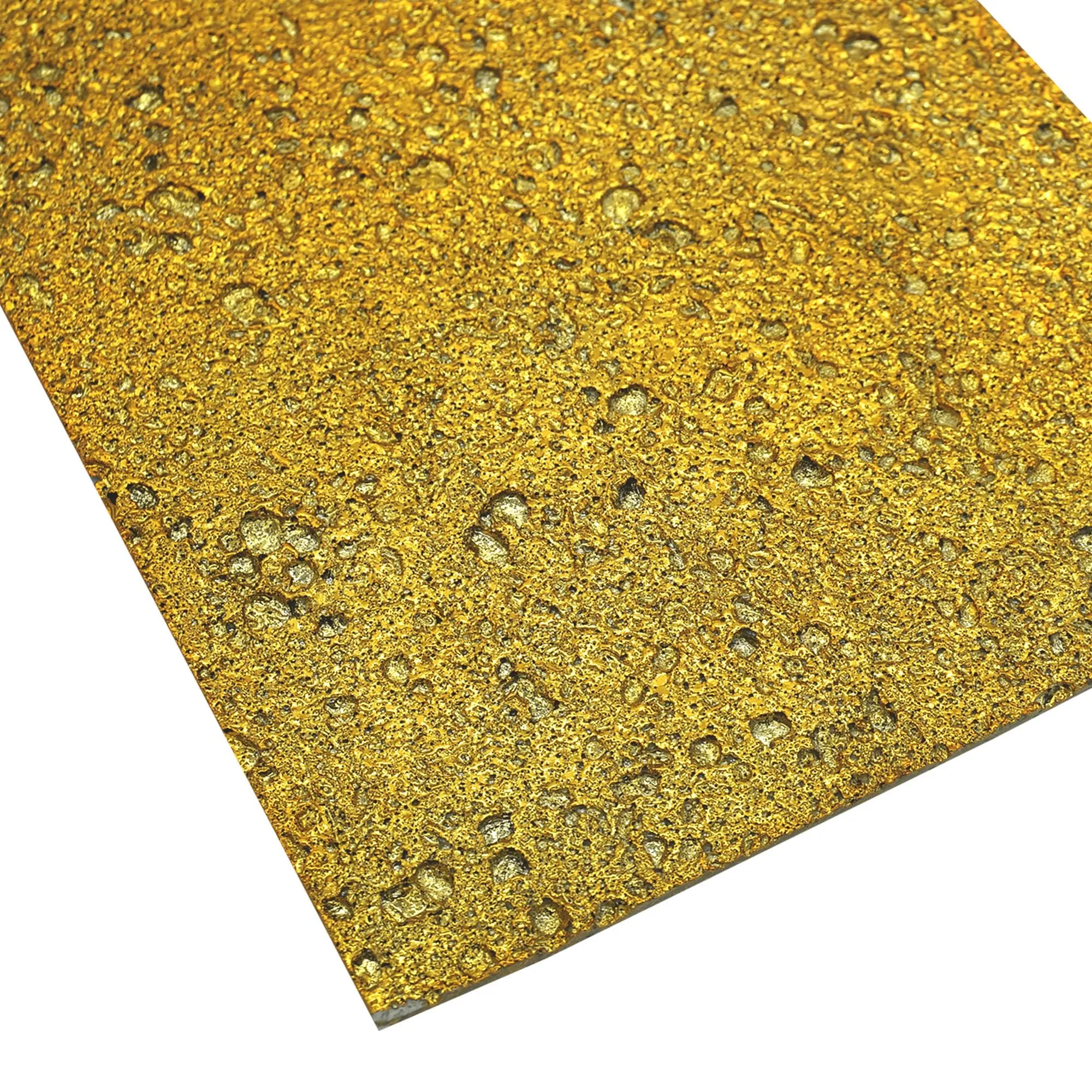
Copper is one of humanity's oldest and most revered **building materials**. Its use in architecture spans millennia, gracing the roofs and walls of cathedrals, government buildings, and iconic structures worldwide. Its appeal is not just in its history, but in its unique "living" quality. A copper facade is not static; it evolves over time, telling a story of its interaction with the environment.
The most defining characteristic of copper's durability is its patina. When first installed, copper has a brilliant, lustrous sheen, similar to a new penny. Over months and years, it begins to oxidize. This isn't a destructive process like the rusting of iron. Instead, the copper develops a protective layer.
This patina is extremely durable and stable. It adheres tightly to the base metal and protects it from further corrosion. In essence, copper creates its own perfect, self-healing shield. This is why copper roofs from over a century ago are still perfectly functional today.
Copper is a softer, more malleable metal than aluminum alloy. This makes it a favorite for complex shapes and detailed craftsmanship. However, this softness also means it is more susceptible to denting from significant, focused impacts. In terms of weathering, it is practically immune. It performs flawlessly in extreme cold, heat, and heavy rain. Its low thermal expansion coefficient means it expands and contracts less than many other metals, reducing stress on fasteners and joints over decades of temperature cycles.
One of copper's greatest durability assets is its near-zero maintenance requirement. Once installed, it is best left alone to develop its natural patina. Cleaning is generally not recommended as it can disturb this protective layer. Its lifespan is not measured in decades, but in centuries. With proper installation, a copper facade can easily last for over 100 years, making it one of the most permanent cladding solutions available.
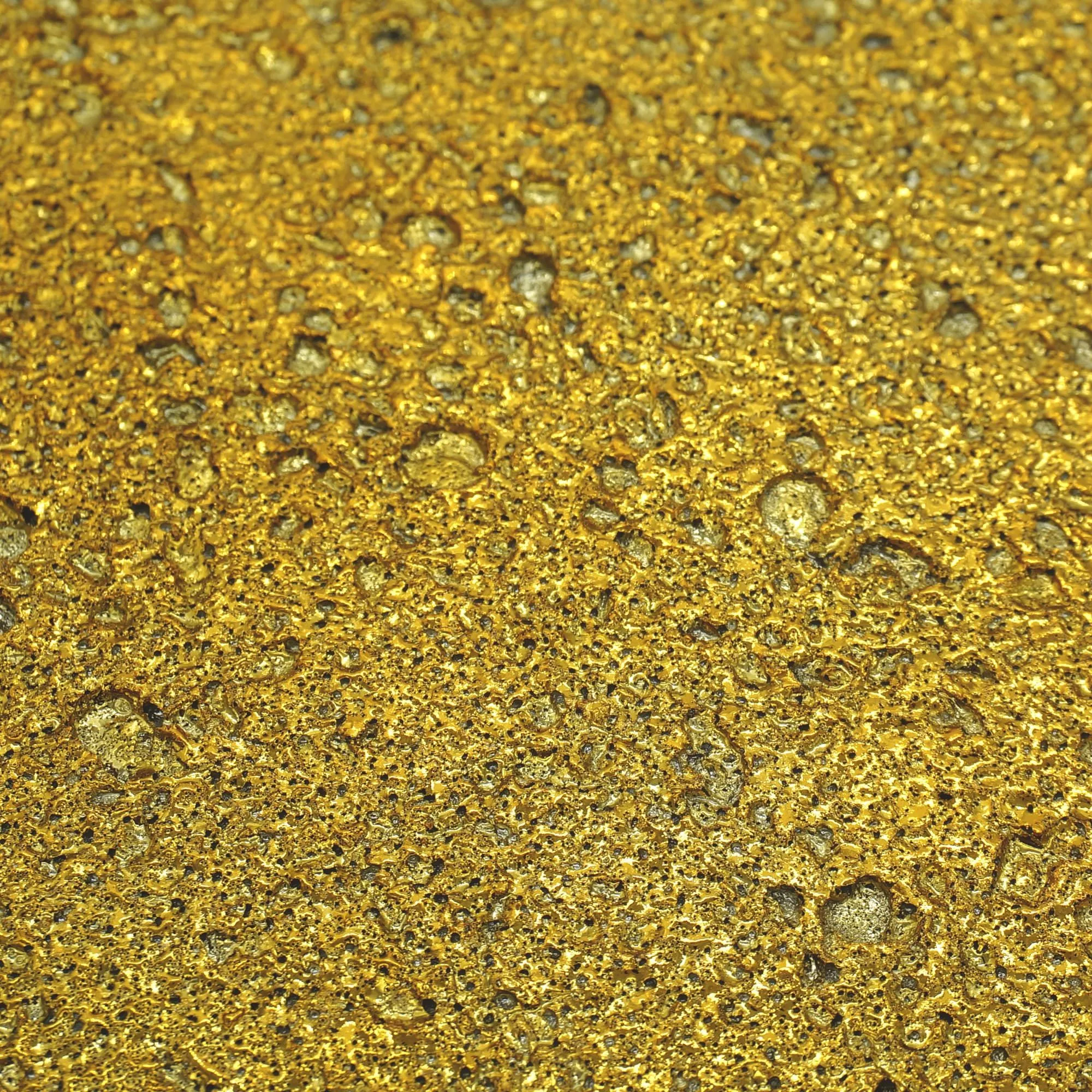
Now, let's put these two remarkable materials side-by-side to compare their durability characteristics directly. This table provides a snapshot, but the nuances discussed in the following commentary are key to a full understanding.
| Durability Aspect | Foamed Aluminium Alloy Board (Gold) | Copper Panels |
|---|---|---|
| Corrosion Resistance | Excellent. A dual-layer protection system from the alloy's natural oxide layer and the advanced PVD/anodized finish. Very stable in most environments. | Exceptional. The self-generating patina provides a lifelong, self-healing shield against corrosion. Unmatched in coastal or highly corrosive environments. |
| UV & Color Stability | Very High (with premium finishes). The gold color is engineered to be stable and fade-resistant for decades. Consistency is its key strength. | N/A (in the traditional sense). Its color is designed to change. It evolves from shiny to brown to green. This is a feature, not a flaw. The final patina color is permanent. |
| Impact & Dent Resistance | Very Good. The foamed core provides excellent rigidity and energy absorption, resisting dents from common impacts better than solid metal sheets of similar weight. | Moderate. Being a softer metal, it is more prone to denting from sharp or heavy impacts compared to the engineered aluminum board. |
| Strength-to-Weight Ratio | Excellent. Very high rigidity and strength for a very low weight. Reduces structural load and eases installation. | Good. It is significantly denser and heavier than aluminum, requiring more robust structural support. |
| Fire Performance | Excellent. Non-combustible material, does not contribute to fire spread. | Excellent. Non-combustible material with a very high melting point. |
| Typical Lifespan | 30-50+ years. The lifespan is largely determined by the quality and longevity of the finish. | 100+ years. The material itself is extremely long-lasting; its lifespan is considered generational. |
| Maintenance | Low. Requires periodic gentle cleaning to maintain its aesthetic appearance and remove surface grime. | Virtually None. Best left untouched to allow the natural patina process to occur. Cleaning is generally discouraged. |
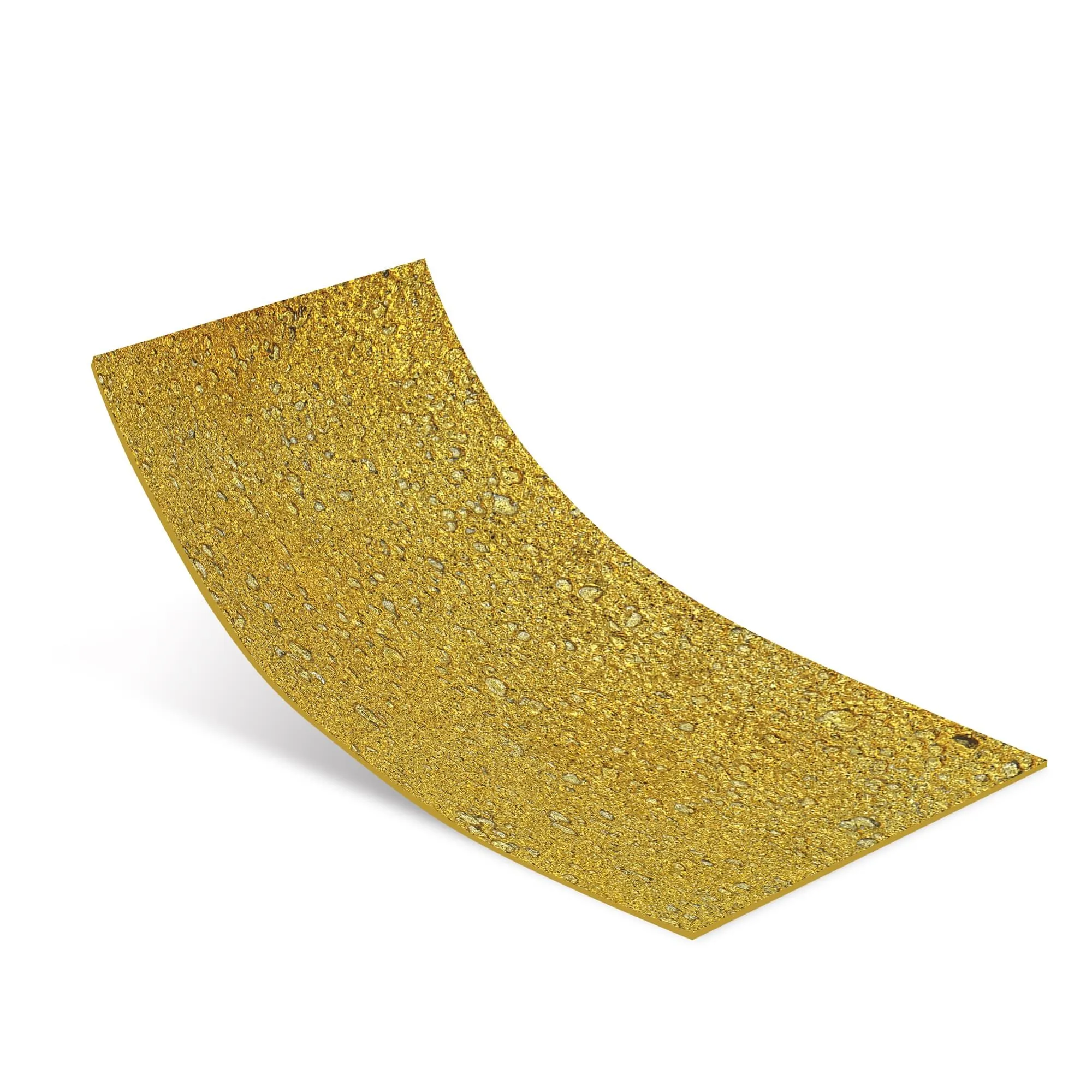
A material's performance on a spec sheet is one thing; its performance in the real world is another. Let's consider a few demanding environments.
Here, with high humidity and salt spray in the air, corrosion is the primary enemy. While a high-grade foamed aluminum board will perform very well, this is where copper truly shines. The salt in the air can actually accelerate the formation of the beautiful and highly protective blue-green patina, making copper the undisputed king of durability in coastal settings.
In regions like **Saudi Arabia**, building facades face two major challenges: intense, unrelenting UV radiation and large daily temperature swings (thermal cycling). For the Foamed Aluminium Alloy Board, the quality of the UV-resistant coating is tested to its absolute limit. A premium PVD finish is essential to prevent the gold color from fading or breaking down. Copper, on the other hand, is unaffected by UV light. Its lower thermal expansion is also an advantage, putting less stress on the overall system. However, the patina process will be much slower and may result in a darker brown/black color rather than green, due to the lack of moisture and specific pollutants.
Acid rain and airborne pollutants can be aggressive. For the aluminum board, this means regular cleaning is more important to prevent grime from accumulating and potentially affecting the finish over the very long term. For copper, these pollutants (like sulfides) influence the rate and color of patina formation, often leading to a darker, more varied surface that many architects find desirable for an urban aesthetic.
Durability isn't just about physical resilience; it's also about long-term value and environmental responsibility.
Cost: Initially, high-quality Foamed Aluminium Alloy Board is often more cost-effective than copper. Copper is a more expensive raw material, and its installation can require more specialized labor. However, when you factor in lifecycle cost, the conversation changes. With a lifespan of over a century and zero maintenance, copper's cost per year of service can be remarkably low.
Sustainability: Both aluminum and copper are highly recyclable. In fact, a huge percentage of the copper in use today has been recycled from previous applications. The recycling process for both metals is far less energy-intensive than primary production. The longevity of copper also means less frequent replacement, reducing waste over the building's life.
Both Foamed Aluminium and Copper are fantastic materials, each with a distinct personality and set of strengths. The former offers modern, consistent precision, while the latter provides timeless, evolving character. But what if your project demands something that blends these attributes? What if you need the design flexibility of copper, the lightweight nature of aluminum, and the aesthetic possibilities of natural stone or wood, all in one package?
This is where the cutting edge of material science is headed. Visionary companies like COLORIA GROUP, operating as a comprehensive one-stop solution provider, are pioneering the next generation of facade materials that challenge these traditional choices. They recognize that architects and builders today need more than just a single material; they need a palette of possibilities.
Enter Modified Cementitious Material (MCM). This innovative family of products redefines what's possible for building envelopes. For projects that require the grand, monolithic look of stone without the immense weight and cost, the **MCM Big Slab Board Series** offers a revolutionary solution. It provides vast, seamless surfaces that are incredibly robust yet a fraction of the weight of traditional masonry.
Furthermore, what if you desire the texture of natural stone but need to apply it to curved surfaces or in situations where flexibility is key? That's the problem solved by materials like **MCM Flexible Stone**. This groundbreaking product can be bent and shaped, opening up a universe of design freedom that is simply impossible with rigid panels, whether they be metal or stone. It delivers the authentic look and feel of quarried stone but with unprecedented versatility and ease of installation. These advanced composites offer customizable aesthetics, superior fire ratings, and excellent durability, representing a significant leap forward in the evolution of building facades.
So, who wins the durability contest? There's no single winner; there's only the right choice for the right project.
Ultimately, the choice of facade material is a long-term commitment. By understanding the deep durability characteristics of each option, and by being aware of the innovative alternatives emerging in the market, you can make an informed decision that ensures your building will not only stand strong but will also look magnificent for many, many years to come.
Recommend Products












