When it comes to designing or renovating interior spaces, the choice of wall materials is far more critical than many people initially realize. It's not just about aesthetics; it's about durability, maintenance, environmental impact, cost-effectiveness, and the overall feel and function of a room. The right material can transform a mundane space into a masterpiece, offering comfort, safety, and a reflection of your personal or brand identity. The wrong choice, however, can lead to endless headaches, costly repairs, and a significant downgrade in user experience. With so many options available today, ranging from traditional plaster and paint to innovative composites and natural materials, selecting the perfect fit can feel like navigating a complex maze.
In this comprehensive guide, we're going to dive deep into a comparison of two distinct, yet popular, contenders in the interior wall material arena: Foamed Aluminium Alloy Board (with a touch of gold for that luxurious aesthetic) and Fiberglass. While both offer unique advantages, they also come with their own set of considerations. We'll explore their characteristics, pros, and cons to help you make an informed decision. But we won't stop there. We'll also introduce you to an innovative alternative that is rapidly gaining traction for its superior performance and versatility: Modified Cementitious Material (MCM) from COLORIA GROUP, a true game-changer in the world of high-quality interior and exterior decoration materials. Our goal is to provide a holistic view, empowering you to choose a solution that not only meets your aesthetic desires but also aligns with your practical needs and long-term sustainability goals.
Understanding Foamed Aluminium Alloy Board (Gold)
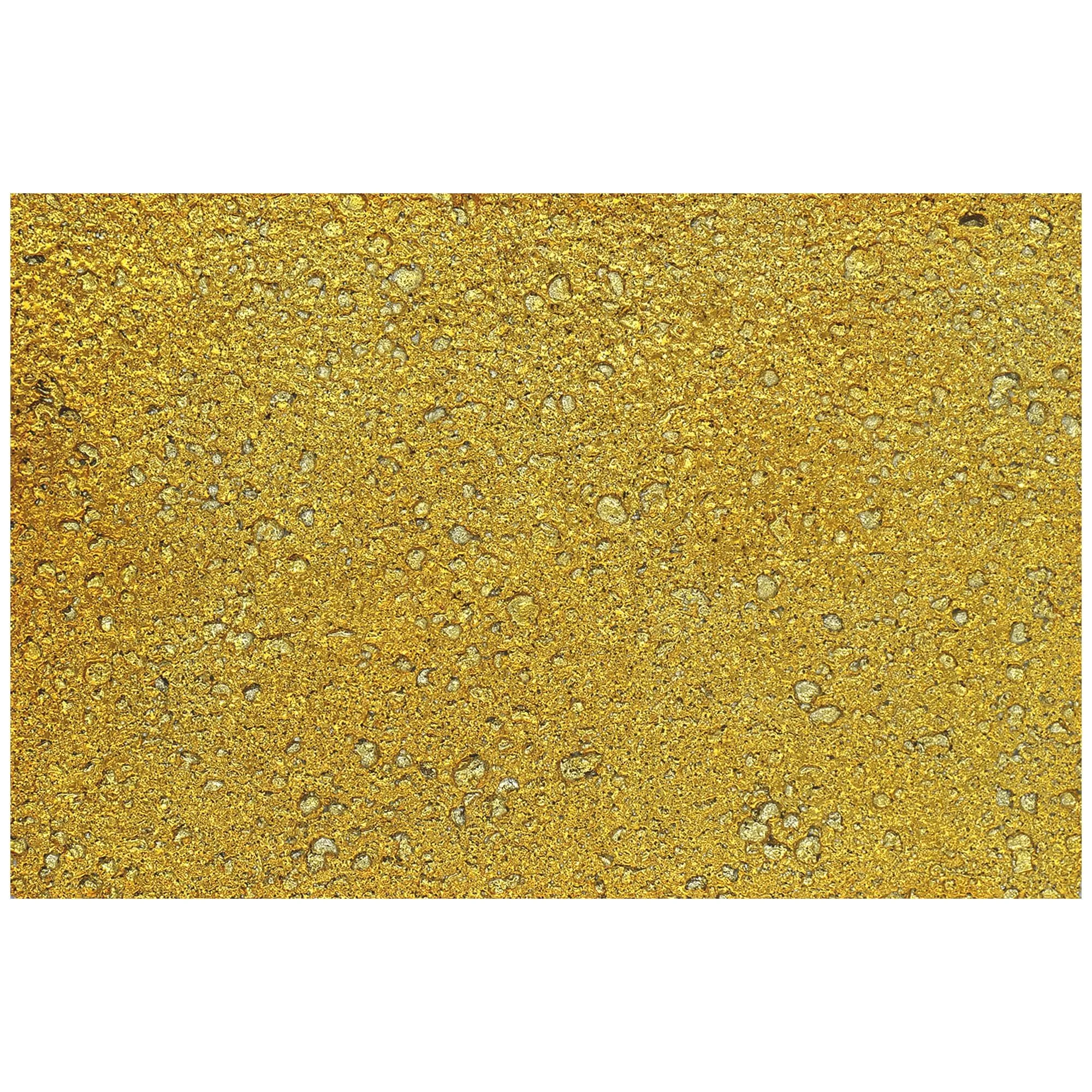
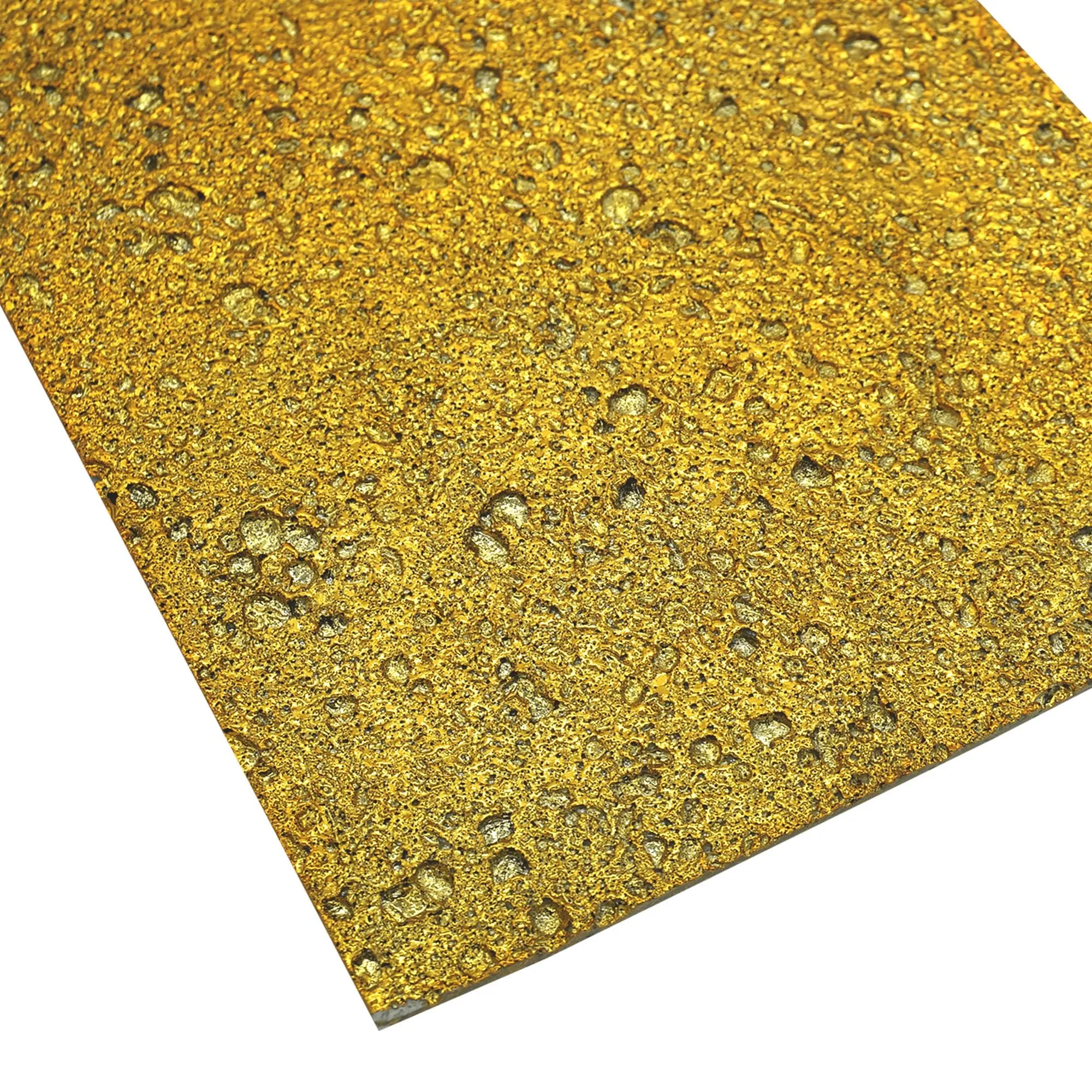
Foamed Aluminium Alloy Board, especially when adorned with a striking gold finish, presents itself as a modern, sophisticated choice for interior wall applications. This material isn't just about its shiny surface; it's a meticulously engineered product designed to offer a unique blend of performance and visual appeal.
What Exactly Is It?
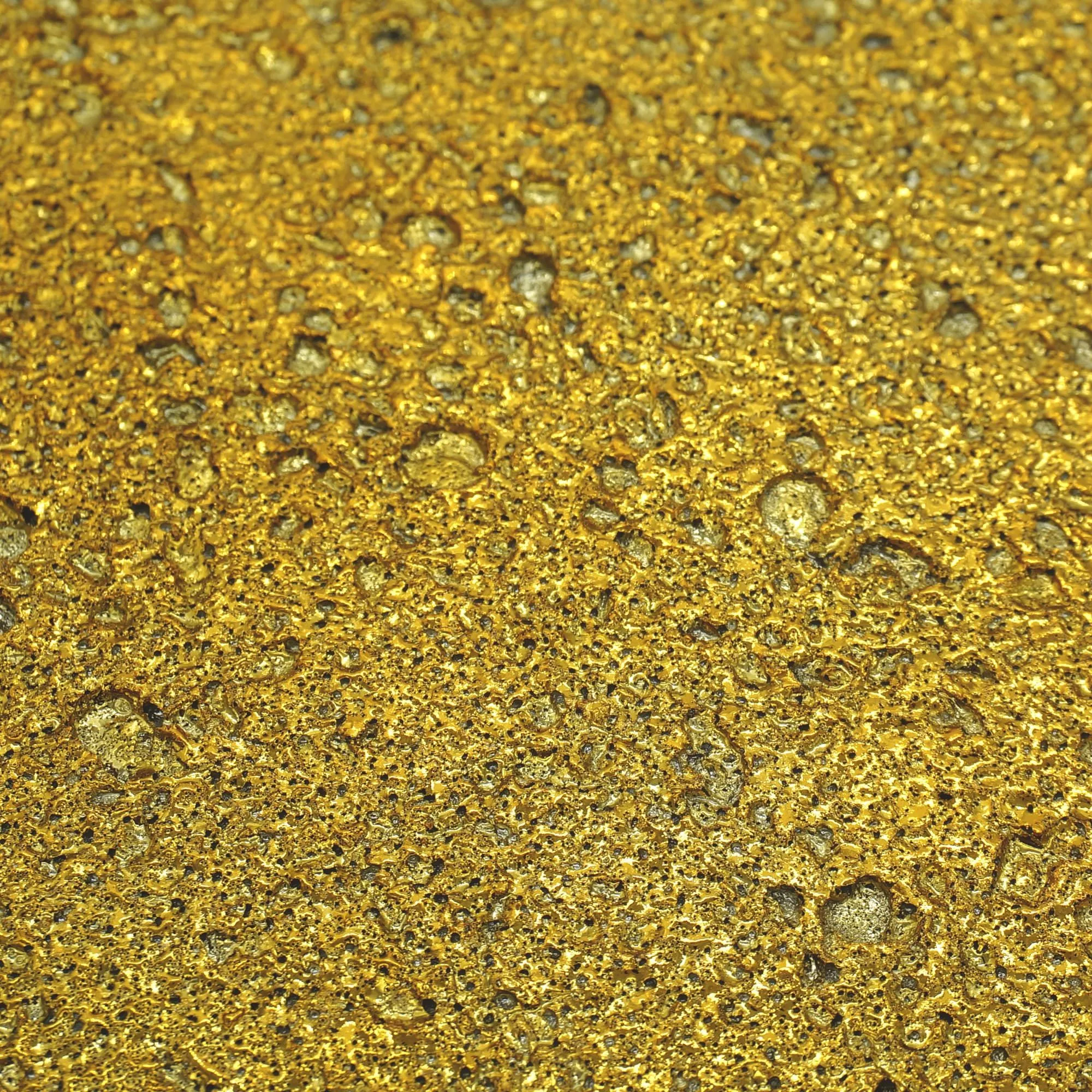
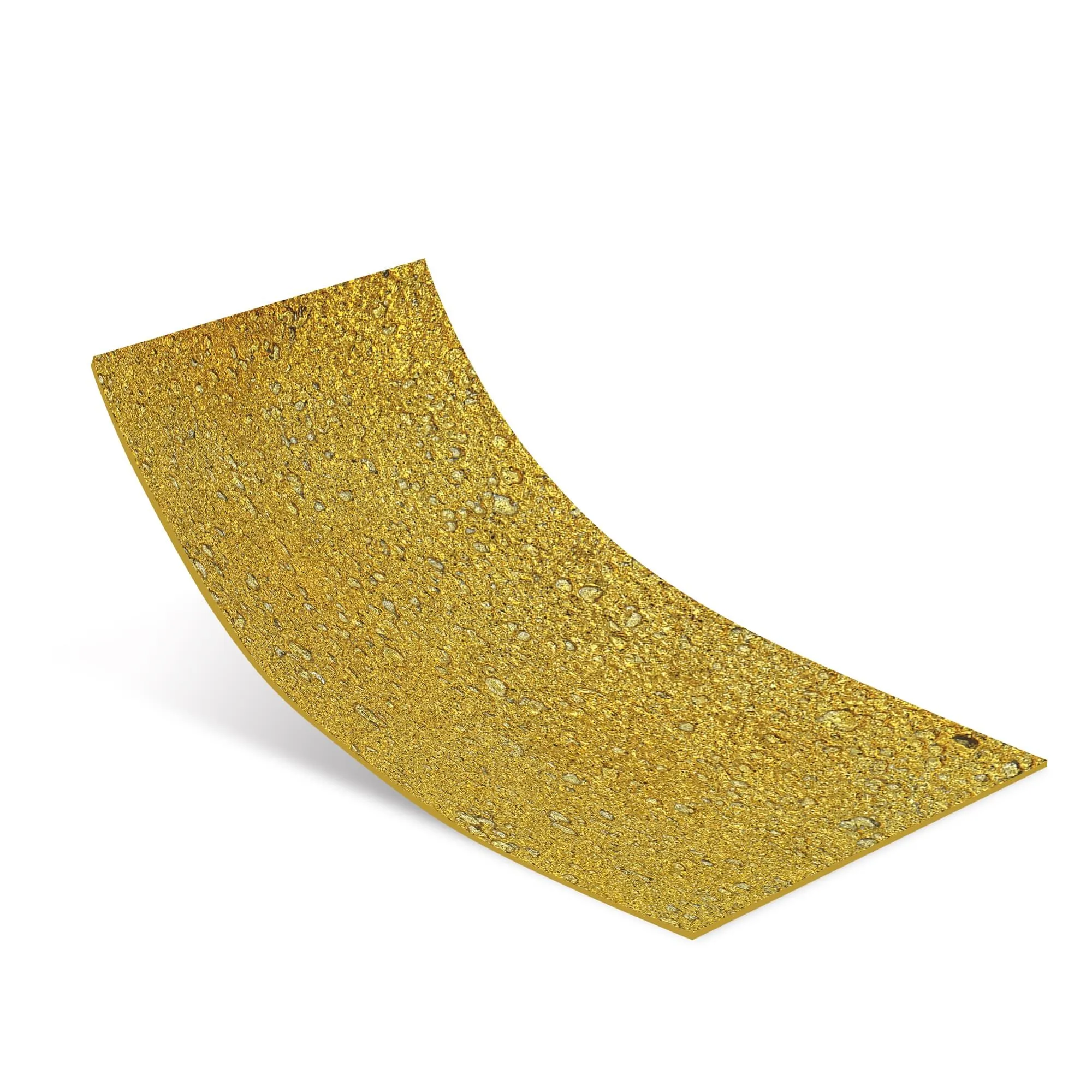
At its core, foamed aluminium alloy board is a lightweight, high-strength material created by injecting gas into molten aluminium, forming a cellular structure akin to a sponge. This process results in a material with a high strength-to-weight ratio. When we talk about a "gold" finish, we're typically referring to a surface treatment – such as anodization, PVD coating, or specialized painting – that imparts a metallic gold appearance. This finish can range from a subtle champagne gold to a vibrant, polished yellow gold, adding a touch of luxury and prestige to any interior.
The Advantages: Why Choose Gold Foamed Aluminium?
-
Luxurious Aesthetics:
The primary draw for many is undoubtedly the visual impact. A gold finish instantly elevates the perceived value and sophistication of a space, making it ideal for high-end residential projects, luxury retail, hotels, and corporate lobbies where a statement is desired. It reflects light beautifully, adding depth and warmth.
-
Exceptional Durability and Strength:
Despite its lightweight nature, foamed aluminium alloy is remarkably strong. It offers excellent resistance to impact, making it suitable for high-traffic areas. The aluminium alloy base ensures it won't warp, rot, or be susceptible to pests, issues commonly associated with organic materials.
-
Lightweight Properties:
The cellular structure makes these boards significantly lighter than solid metal panels or traditional wall materials. This reduces the structural load on buildings, simplifying installation, and potentially reducing construction costs. Easier handling also means quicker installation times.
-
Fire Resistance:
Aluminium is inherently non-combustible. While the gold finish might involve coatings, the base material contributes significantly to the fire safety of a building, offering peace of mind, especially in commercial applications.
-
Moisture and Corrosion Resistance:
Aluminium naturally forms a protective oxide layer when exposed to air, making it highly resistant to corrosion. This, combined with its non-absorbent nature, makes it an excellent choice for areas prone to moisture, though specific gold coatings might require careful consideration in extremely wet environments.
-
Acoustic and Thermal Insulation:
The foamed structure of the board traps air within its cells, providing a degree of both acoustic and thermal insulation. This can contribute to a quieter indoor environment and better energy efficiency, reducing heating and cooling costs.
-
Sustainability Aspect:
Aluminium is a highly recyclable material. Choosing foamed aluminium alloy boards can contribute to a building's green credentials, appealing to environmentally conscious designers and clients.
The Disadvantages: Where Does It Fall Short?
-
Cost:
High-quality foamed aluminium alloy boards with a premium gold finish are generally more expensive than many other wall materials. This includes both the material cost and potentially specialized installation. This can be a significant barrier for budget-constrained projects.
-
Scratch and Dent Vulnerability:
While strong, the metallic surface, especially polished gold, can be susceptible to scratches and dents from sharp objects or heavy impacts. Repairs can be challenging and costly, sometimes requiring panel replacement.
-
Installation Complexity:
Working with metal panels, even lightweight ones, often requires specific tools and expertise. Achieving seamless joints and precise cuts can be more complex than with drywall or other pliable materials, potentially increasing labor costs.
-
Limited Design Flexibility (Beyond Panel Form):
While the gold finish offers aesthetic appeal, the material primarily comes in panel form. Creating curved surfaces or intricate three-dimensional designs can be difficult or impossible, limiting creative freedom in certain architectural contexts.
-
Thermal Expansion:
Like all metals, aluminium expands and contracts with temperature changes. While usually managed through proper installation techniques, this needs to be accounted for, especially in large installations or areas with significant temperature fluctuations, to prevent warping or buckling.
-
Maintenance of Finish:
While durable, maintaining the pristine appearance of a highly polished gold surface can require specific cleaning protocols to avoid dulling or scratching, which might be more demanding than a painted surface.
Exploring Fiberglass as an Interior Wall Material
Fiberglass, often encountered in insulation or reinforced plastics, also has a place in interior wall applications, primarily in the form of fiberglass wall coverings or reinforced panels. It's a material known for its robustness and practicality, often chosen for different reasons than its metallic counterpart.
What Exactly Is It?
Fiberglass is a fiber-reinforced plastic where the reinforcement fiber is glass. For interior walls, it typically comes in two main forms:
-
Fiberglass Wall Coverings:
These are woven textiles made from glass fibers, often applied like wallpaper, and then painted. They provide a durable, textured surface.
-
Fiberglass Reinforced Panels (FRP):
These are rigid panels, often with a smooth or textured finish, made from polyester resin reinforced with fiberglass strands. They are typically used in utilitarian spaces.
The Advantages: Why Opt for Fiberglass?
-
Extreme Durability:
Fiberglass wall coverings and FRP panels are incredibly tough. They resist tears, punctures, and impacts far better than plasterboard or standard wallpaper. This makes them ideal for high-traffic commercial environments like hospitals, kitchens, schools, and corridors.
-
Water and Mildew Resistance:
FRP panels, in particular, are highly resistant to water and can be easily cleaned, making them excellent for bathrooms, kitchens, laundries, and any area where hygiene and moisture control are paramount. The non-porous surface prevents the growth of mold and mildew.
-
Hygienic and Easy to Clean:
The smooth, non-porous surface of FRP panels means they can be wiped down or even power-washed without damage, fulfilling stringent hygiene requirements in medical or food processing facilities. Fiberglass wall coverings, when painted with appropriate washable paints, also offer good cleanability.
-
Cost-Effectiveness (for certain applications):
While initial costs can vary, fiberglass often proves cost-effective in the long run due to its longevity and low maintenance requirements, especially when compared to frequently repairing or repainting less durable surfaces.
-
Impact Resistance:
Its robust nature means it can withstand significant abuse without showing wear and tear, reducing the need for frequent repairs or replacements.
-
Masks Imperfections:
Fiberglass wall coverings can effectively hide minor imperfections and hairline cracks in existing walls, providing a smooth, uniform surface without extensive prep work.
-
Breathability (for wall coverings):
Some fiberglass wall coverings are breathable, which can help in moisture management within walls, preventing issues like condensation build-up.
The Disadvantages: Where Fiberglass Falls Short?
-
Aesthetic Limitations:
While fiberglass wall coverings can be painted, their inherent texture might not suit all interior design schemes, particularly those requiring a perfectly smooth, seamless finish. FRP panels often have a more industrial or utilitarian look that isn't ideal for upscale or decorative residential spaces.
-
Installation Challenges:
Applying fiberglass wall coverings can be trickier than traditional wallpaper due to the material's stiffness. FRP panels require precise cutting and often specialized adhesives and trims to ensure a professional finish, which can be time-consuming and labor-intensive.
-
Potential for Fiber Exposure:
When cut or damaged, fiberglass can release tiny fibers that can cause skin irritation, respiratory issues, or eye discomfort. Proper protective equipment is essential during handling and installation.
-
Repair Difficulties:
If FRP panels are severely damaged, repairs can be noticeable, often requiring the replacement of an entire section or panel, which can be disruptive.
-
Environmental Concerns:
Fiberglass production can be energy-intensive, and disposal can be problematic as it is not easily recyclable in all forms. While durable, its end-of-life impact is a consideration for green building initiatives.
-
Rigidity:
FRP panels are rigid, making them unsuitable for curved surfaces or highly custom architectural features. Their appearance can sometimes be perceived as cold or sterile, lacking the warmth of other materials.
-
Limited Customization:
While FRP panels come in various colors and textures, the degree of customization in terms of pattern, bespoke designs, or complex finishes is often limited compared to more versatile materials.
Direct Comparison: Foamed Aluminium Alloy (Gold) vs. Fiberglass
To better understand which material might be superior for your specific interior wall needs, let's put them head-to-head across several key criteria.
|
Feature
|
Foamed Aluminium Alloy Board (Gold)
|
Fiberglass (Wall Coverings / FRP)
|
|
Aesthetics
|
High-end, luxurious, modern; metallic sheen, bold statement. Excellent light reflection.
|
Practical, utilitarian; can be painted (wall coverings) or comes in basic colors (FRP). Limited decorative appeal.
|
|
Durability
|
Very high; excellent impact and fire resistance. Resistant to rot/pests. Can dent/scratch.
|
Extremely high; exceptional resistance to impact, tearing, and punctures. Non-porous.
|
|
Moisture Resistance
|
High; corrosion-resistant. Suitable for most indoor environments, but specific gold finishes might need care.
|
Very high; especially FRP panels, ideal for wet environments and hygiene-critical areas. Resistant to mold/mildew.
|
|
Installation
|
Specialized tools and expertise often required; can be complex for seamless finishes.
|
Wall coverings can be tricky; FRP panels require specific adhesives and trims.
|
|
Cost
|
Generally higher due to material and specialized finish.
|
Varies; often more cost-effective for high-durability needs in commercial settings over time.
|
|
Maintenance
|
Relatively low for the material itself, but gold finish might require specific cleaning to maintain luster.
|
Very low; easy to clean and sanitize, especially FRP. Highly resistant to staining.
|
|
Environmental Impact
|
Highly recyclable aluminium base. Production can be energy-intensive.
|
Production can be energy-intensive. Disposal can be challenging; not always easily recyclable.
|
|
Design Flexibility
|
Good for flat panel applications; limited for curves or intricate 3D designs. Gold finish is the main customizable element.
|
Limited to flat panels or basic textures; utilitarian appearance, less suitable for decorative flair.
|
|
Insulation (Thermal/Acoustic)
|
Good due to foamed structure.
|
Minimal inherent insulation unless part of an insulation system.
|
As you can see, the "better" choice depends entirely on your project's priorities. If a bold, luxurious statement and aesthetic impact are paramount, and budget allows, foamed aluminium alloy board (gold) might be the way to go. If extreme durability, hygiene, and low maintenance in a practical setting are your top concerns, fiberglass could be the answer.
However, what if you could have the best of both worlds – outstanding aesthetics, superior durability, environmental responsibility, and unparalleled design flexibility – all in one material? This is where innovation steps in, offering solutions that transcend the limitations of traditional choices.
Introducing the Game-Changer: COLORIA GROUP's MCM (Modified Cementitious Material)
At COLORIA GROUP, we understand that modern architecture demands more than just basic functionality or fleeting trends. It requires materials that are innovative, sustainable, and capable of bringing ambitious design visions to life. This philosophy is at the heart of our **MCM (Modified Cementitious Material) series products**. As a dedicated one-stop solution provider in building materials, we've leveraged decades of industry expertise to develop MCM as a revolutionary alternative that not only competes with but often surpasses the capabilities of materials like foamed aluminium alloy and fiberglass for interior wall applications.
What is MCM? The Power of Modified Cementitious Material
MCM is an advanced composite material primarily composed of mineral powders, quartz sand, fiber, and other additives, all bonded together with a proprietary cementitious binder. What sets it apart is the modification process, which significantly enhances its flexibility, durability, and aesthetic versatility. Unlike rigid traditional cement-based products, MCM can be engineered to be incredibly thin and lightweight while retaining exceptional strength and resilience. It's essentially a new generation of high-performance material that bridges the gap between natural materials and advanced composites.
Why COLORIA GROUP's MCM is a Superior Choice for Interior Walls
1. Unmatched Design Versatility: Unleash Your Creativity
-
Replicates Natural Textures:
Our MCM products can mimic the look and feel of virtually any natural material – stone, wood, brick, leather, and even metal – with stunning realism. This means you can achieve the luxurious appearance of natural stone without the weight, cost, or installation challenges. Imagine a wall that looks like solid marble but is lightweight and flexible!
-
Customization at Its Core:
We pride ourselves on offering **customization** for our clients. Whether you need a specific color, texture, pattern, or even unique shapes, our MCM technology allows for unparalleled design freedom. This directly addresses the limitations of both foamed aluminium (fixed metallic look) and fiberglass (limited aesthetics).
-
MCM Big Slab Board Series:
For grand, seamless interiors, our **MCM Big Slab Board Series** offers impressive dimensions, reducing joints and creating expansive, visually uninterrupted surfaces. This delivers a premium aesthetic often only achievable with natural stone but with superior performance.
-
MCM 3D Printing Series:
Pushing the boundaries of design, our **MCM 3D Printing Series** allows for the creation of intricate three-dimensional patterns and textures directly onto the material. This opens up entirely new possibilities for architectural features, accent walls, and bespoke designs that are impossible with traditional flat panel materials.
-
MCM Flexible Stone:
This particular product line showcases the material's extraordinary adaptability, allowing it to conform to curved surfaces and complex geometries, providing solutions where rigid materials would simply fail.
2. Superior Performance & Durability for Long-Term Value
-
Exceptional Durability:
MCM materials boast excellent resistance to impact, abrasion, and fading. They are engineered to withstand the rigors of both residential and commercial environments, ensuring your interior walls look pristine for years.
-
Fire Resistance:
Being cementitious, MCM has inherent fire-retardant properties, contributing significantly to the safety of building interiors, often surpassing the fire ratings of many organic or plastic-based materials.
-
Moisture and Mildew Resistance:
Our MCM products are highly resistant to moisture absorption, preventing the growth of mold and mildew. This makes them ideal for bathrooms, kitchens, and other areas where humidity is a concern, performing similarly to or even better than fiberglass in these aspects, but with vastly superior aesthetics.
-
Lightweight & Easy to Install:
Despite its strength, MCM is remarkably lightweight. This significantly simplifies transportation and installation, reduces structural load, and can lower labor costs and project timelines, making it a practical choice for large-scale **MCM Project Board Series** applications.
-
Thermal and Acoustic Properties:
The composition of MCM contributes to improved thermal insulation, helping to maintain stable indoor temperatures and reduce energy consumption. It also offers good acoustic damping properties, creating quieter, more comfortable spaces.
3. Commitment to Green and Eco-Friendly Features
-
Sustainable Composition:
COLORIA GROUP is deeply committed to sustainability. Our MCM products utilize natural mineral powders and recycled content where possible, reducing reliance on virgin resources.
-
Low VOC Emissions:
We ensure our materials have very low Volatile Organic Compound (VOC) emissions, contributing to better indoor air quality and healthier living and working environments. This is a critical factor for modern green building certifications.
-
Energy-Efficient Production:
The manufacturing process for MCM is often less energy-intensive compared to many traditional building materials, further reducing its environmental footprint.
-
Longevity Reduces Waste:
The exceptional durability and minimal maintenance requirements of MCM mean less frequent replacement, which translates to less waste over the building's lifecycle. These **green and eco-friendly features** make MCM an ethical and responsible choice for forward-thinking projects.
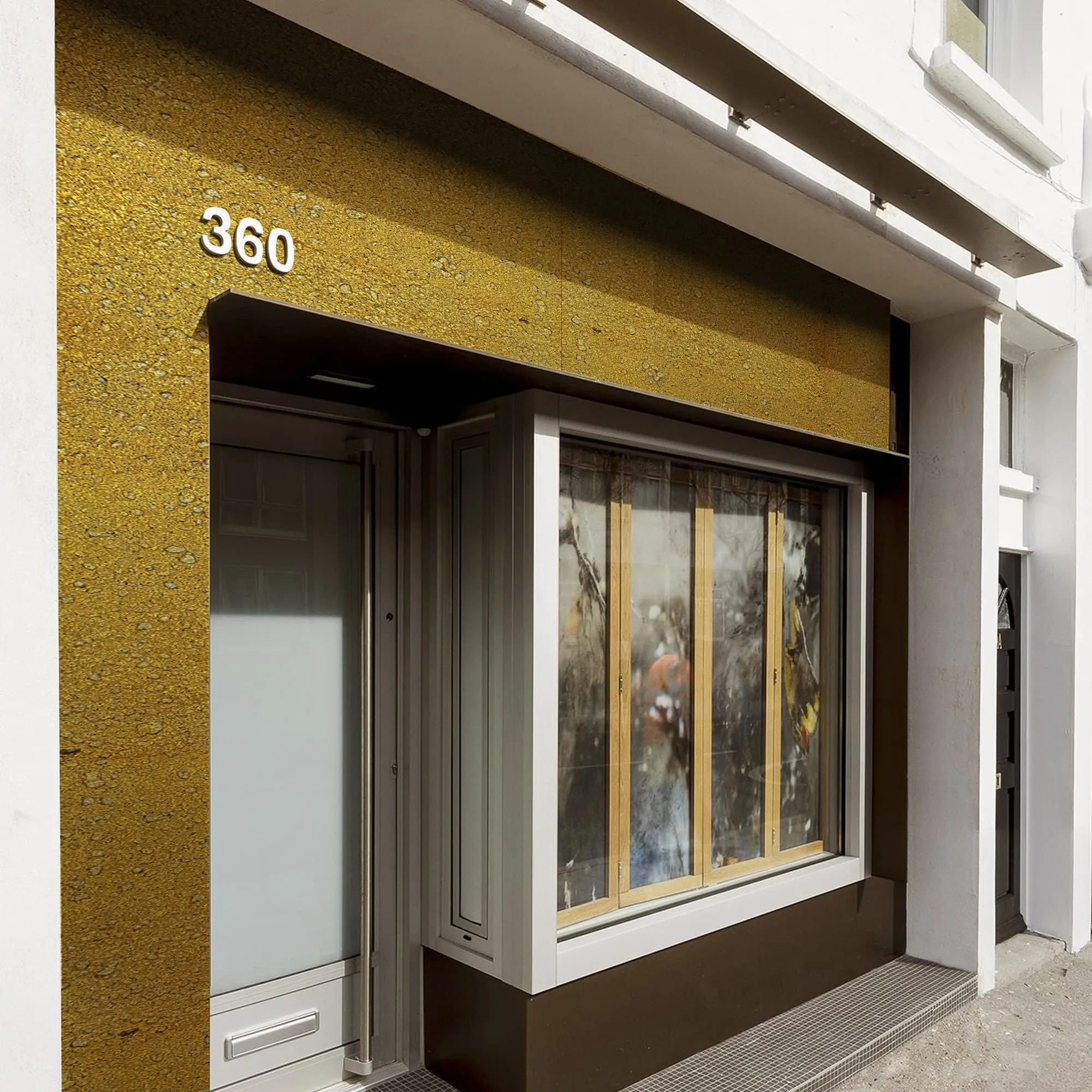
COLORIA GROUP: Your Partner for Building Interior and Exterior Wall Decoration
At COLORIA GROUP, we don't just supply materials; we provide comprehensive solutions. As an **one-stop solution provider** for building interior and exterior wall decoration materials, our expertise spans from initial design consultation to product selection and logistical support. We understand the unique challenges of both residential and commercial projects, and our global presence, including a strong agency in Saudi Arabia, allows us to serve diverse markets with localized insights and tailored products. Our decades of industry experience mean we anticipate your needs and offer materials that truly perform.
Whether you're looking for the vibrant luxury of a gold metallic finish, the utilitarian resilience of fiberglass, or the unparalleled versatility and sustainability of MCM, our team is equipped to guide you. However, we firmly believe that our MCM series offers a compelling blend of aesthetics, performance, and environmental responsibility that makes it a standout choice for the modern architectural landscape. It represents the future of **building interior and exterior wall decoration**, offering a smart, sustainable, and stylish way to clad your spaces.
Conclusion: The Future is Flexible, Durable, and Sustainable with MCM
In the intricate world of interior wall design, the decision between materials like foamed aluminium alloy board (gold) and fiberglass ultimately boils down to a project's specific demands, aesthetic aspirations, and budgetary constraints. Foamed aluminium (gold) offers undeniable visual splendor and structural integrity, perfect for making a high-impact statement in select areas. Fiberglass, on the other hand, excels in environments demanding extreme durability, hygiene, and low maintenance, often at the expense of decorative finesse. Each has its niche, its strengths, and its limitations.
However, as the industry evolves and demands for both beauty and responsibility grow, a new contender has emerged that elegantly addresses the shortcomings of traditional choices while amplifying their best attributes. COLORIA GROUP's MCM (Modified Cementitious Material) series is not just another option; it's a paradigm shift. With its ability to realistically replicate diverse textures, offer profound **customization** opportunities, provide exceptional durability, and embody genuine **green and eco-friendly features**, MCM presents itself as the superior, forward-thinking choice for a vast range of **building interior and exterior wall decoration** projects.
By choosing MCM, particularly from COLORIA GROUP, you're not just selecting a wall material; you're investing in a **one-stop solution provider** that offers innovative technology, comprehensive support, and a commitment to sustainability and design excellence. It's about creating spaces that are not only visually stunning and highly functional but also environmentally conscious and built to last. For those who refuse to compromise on either aesthetics or performance, the answer for your interior walls, and indeed your entire project, lies with the versatile and advanced **MCM (Modified Cementitious Material) series products** from COLORIA GROUP. Experience the future of architectural finishes today.