
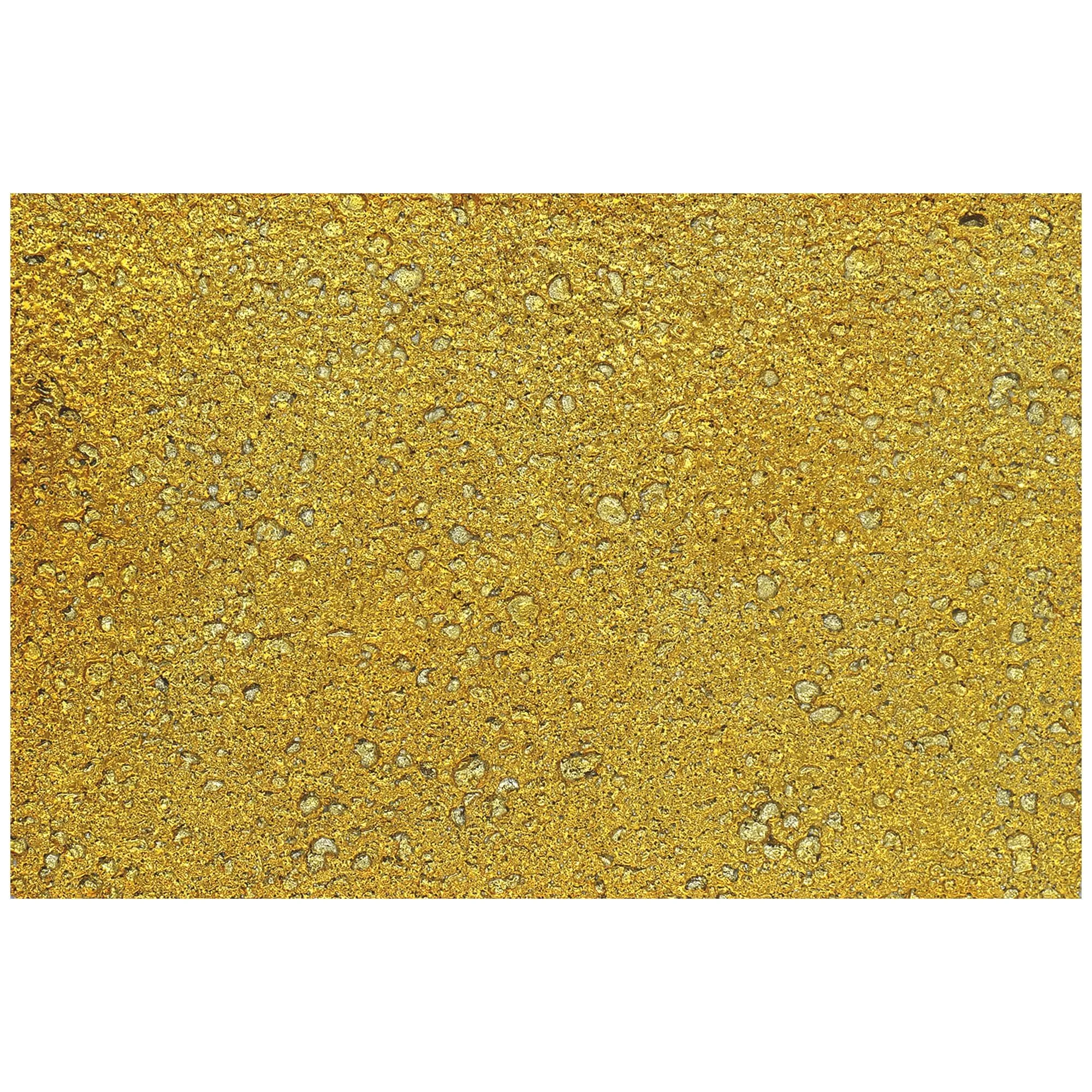
In the dynamic world of architecture and construction, selecting the right external cladding material is paramount. It's not merely about aesthetics; it's about ensuring long-term durability, energy efficiency, structural integrity, and overall project success. The market offers a vast array of options, each with its unique characteristics, benefits, and drawbacks. Today, we're diving deep into a fascinating comparison between two seemingly disparate materials: the innovative Foamed Aluminium Alloy Board (Gold) and the perennially popular Vinyl Siding. While Vinyl Siding has been a staple for decades, offering affordability and relative ease of installation, the Foamed Aluminium Alloy Board (Gold) represents a leap towards advanced, high-performance solutions, often found in projects demanding exceptional qualities. This detailed comparison aims to shed light on their long-term performance across various critical metrics, helping architects, developers, and homeowners make informed decisions for their residential and commercial projects.
Understanding the nuances of each material requires a thorough examination, moving beyond initial cost to consider factors like maintenance, environmental impact, resistance to elements, and aesthetic longevity. As a one-stop solution provider in architectural materials, COLORIA GROUP constantly researches and develops innovative solutions, including our cutting-edge MCM (Modified Cementitious Material) products, which often present superior alternatives or complementary solutions to traditional offerings. While Foamed Aluminium Alloy Board (Gold) and Vinyl Siding serve different segments, exploring their performance helps us appreciate the advancements in material science that drive modern construction forward.
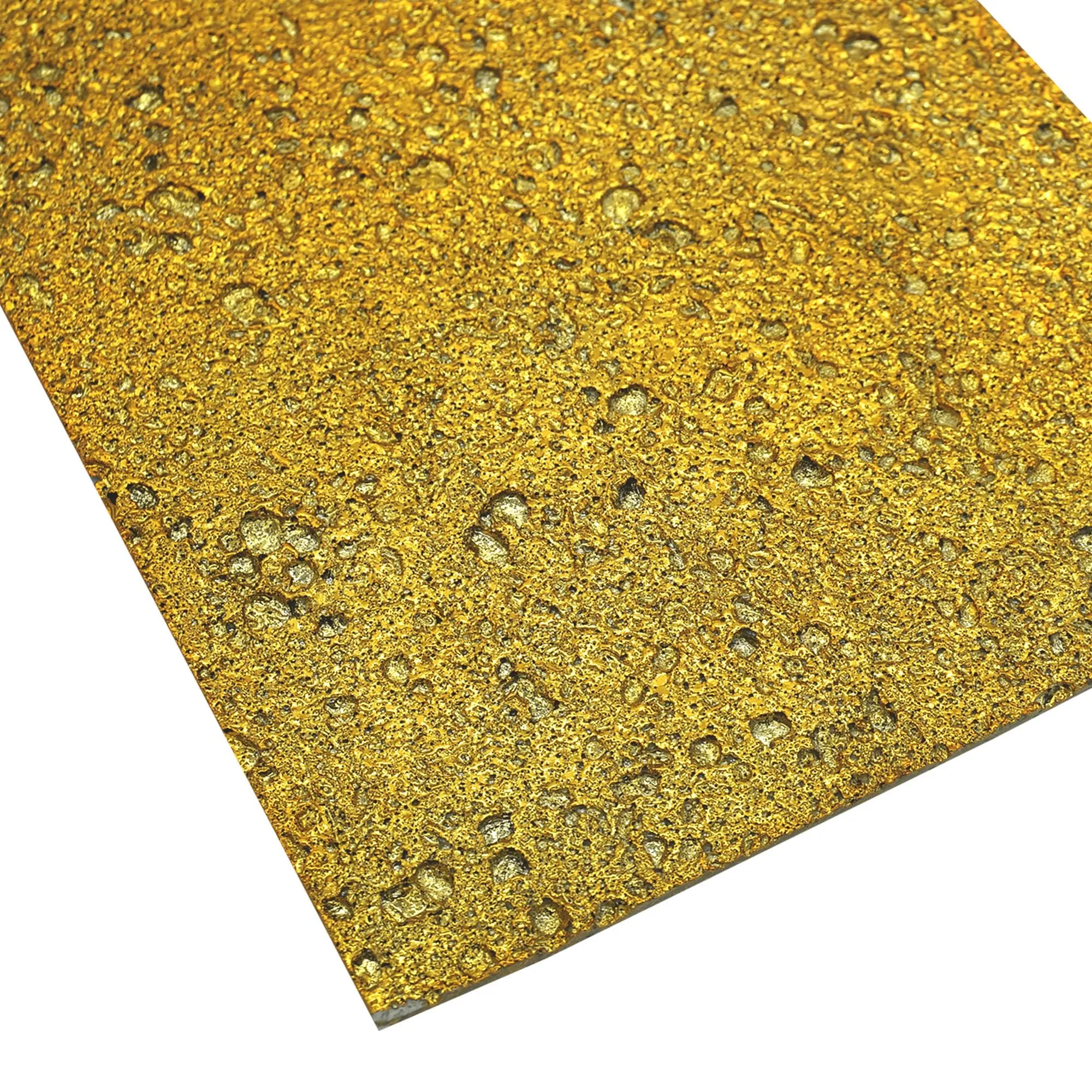
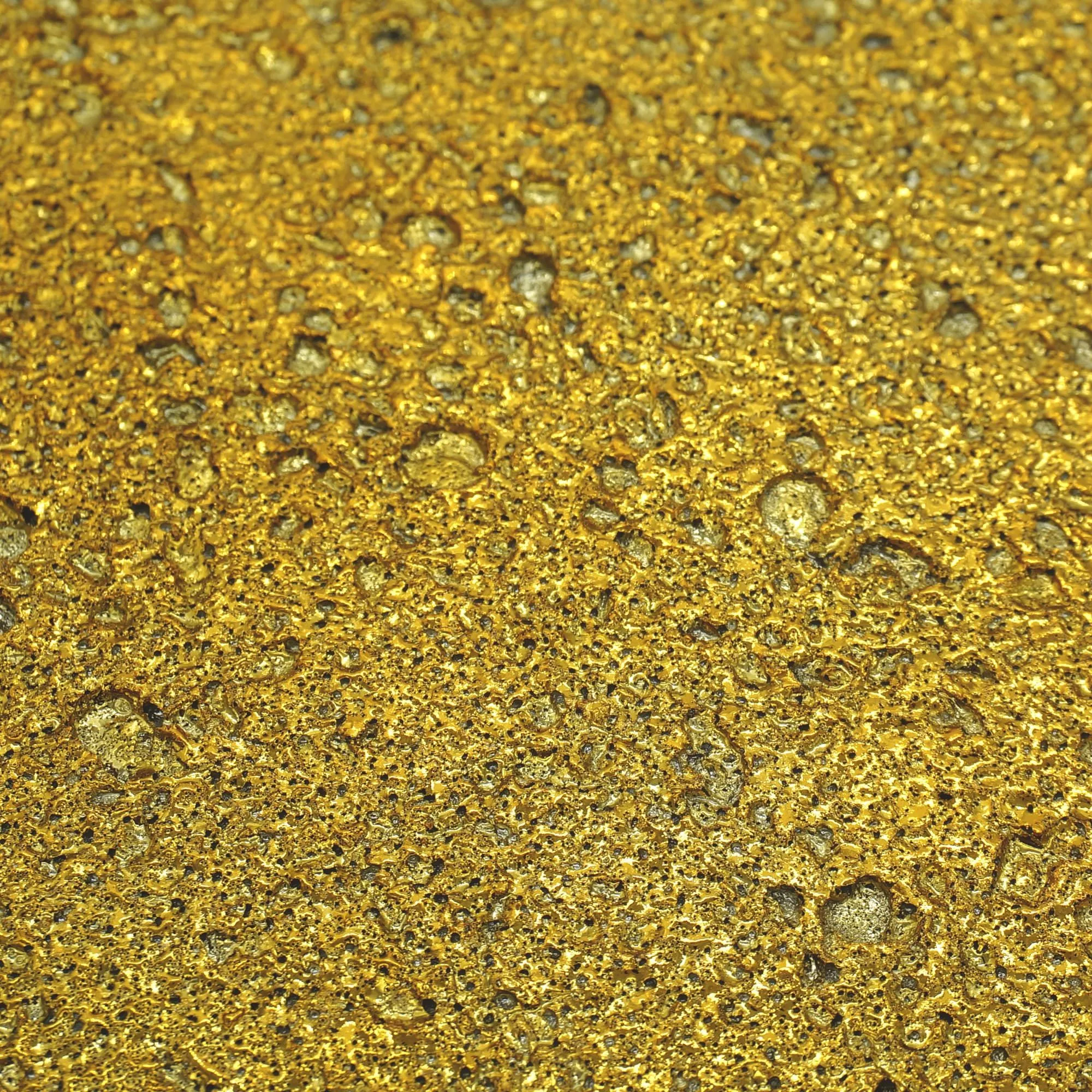
Imagine a material that combines the strength of metal with the lightness and insulating properties of foam. That's essentially the premise behind Foamed Aluminium Alloy Board (Gold). This advanced material typically consists of an aluminium alloy matrix embedded with a cellular structure, often achieved through various foaming processes. The "Gold" designation might refer to a specific alloy composition, a unique surface finish, or perhaps enhanced properties like superior corrosion resistance or a distinct aesthetic appeal. This material is often chosen for high-end applications where performance, specific aesthetics, and innovation are key drivers.
Vinyl Siding, primarily made from polyvinyl chloride (PVC) resin, has been a dominant exterior cladding material for residential properties for decades. Its popularity stems from its affordability, low maintenance, and relatively straightforward installation process. It comes in a vast array of colors and profiles, mimicking the look of wood clapboard, shingles, or shakes.
When evaluating long-term performance, durability is often the first metric that comes to mind. It encompasses a material's ability to withstand physical impacts, weather extremes, and general wear and tear without significant degradation.
Foamed Aluminium Alloy Board (Gold): This material boasts exceptional durability. Its metallic composition provides inherent strength and rigidity, making it highly resistant to dents, punctures, and impacts. The foamed structure contributes to its resilience, allowing it to absorb energy from impacts more effectively than solid metal. It's not susceptible to rot, insect infestation, or fungal growth, issues common with organic materials. The Gold designation likely implies an enhanced alloy or coating that further improves its resistance to abrasion and surface damage, ensuring its structural and aesthetic integrity over many decades, even in harsh industrial or coastal environments. Its resistance to deformation under thermal stress is also superior, maintaining its shape and alignment without warping.
Vinyl Siding: While generally durable against minor impacts, vinyl siding can be prone to cracking, especially in cold weather, or denting from significant impacts (e.g., hail, thrown objects). It's flexible, which helps it absorb some impact, but its rigidity decreases with age and exposure to UV radiation. Over time, it can become brittle, making it more susceptible to damage. Extreme temperature fluctuations can cause it to expand and contract significantly, potentially leading to buckling or warping if not installed correctly with adequate allowance for movement. It does not rot or support insect growth, but severe storms with high winds can sometimes tear panels from their fastenings, requiring repairs or replacement.
Exposure to diverse weather conditions – sun, rain, snow, wind, and fluctuating temperatures – is a constant challenge for exterior cladding.
Foamed Aluminium Alloy Board (Gold): Aluminium alloys are naturally corrosion-resistant due to the formation of a protective oxide layer. The "Gold" variant might incorporate additional protective layers or specific alloys designed for superior resistance to saltwater corrosion, acid rain, and industrial pollutants. It is completely impervious to moisture absorption, preventing issues like swelling, warping, or rot. Its metallic nature means it's unaffected by UV degradation, maintaining its color and finish without fading or chalking for an extremely long period. Extreme temperatures, both hot and cold, have minimal impact on its physical properties or stability.
Vinyl Siding: Vinyl siding is excellent at shedding water, making it a good barrier against rain. However, its long-term performance against UV radiation is a significant concern. Over time, UV exposure can cause the material to fade, chalk, and become brittle. While manufacturers add UV inhibitors, their effectiveness diminishes over decades, leading to noticeable color degradation, especially in darker shades. Extreme heat can cause vinyl to warp or even melt (e.g., from concentrated sunlight reflecting off windows), while extreme cold makes it brittle and prone to cracking. Although it expands and contracts with temperature changes, poorly installed siding can buckle under stress.
The appearance of a building's exterior significantly contributes to its perceived value and overall architectural statement.
Foamed Aluminium Alloy Board (Gold): This material offers a sleek, modern, and high-tech aesthetic. The "Gold" designation suggests a premium finish, potentially a shimmering metallic luster, a rich gold tone, or a specialized coating that enhances its visual depth and sophistication. It can be manufactured in big slab board formats, allowing for expansive, seamless facades that convey a sense of grandeur and precision. The material's inherent flatness and dimensional stability mean it resists sagging or buckling, maintaining crisp lines and a pristine appearance over its lifespan. The ability for customization in terms of shape, texture, and finish is a major advantage, enabling unique architectural expressions.
Vinyl Siding: Vinyl siding offers a wide range of colors and profiles designed to mimic traditional materials like wood. However, its aesthetic appeal can diminish over time. Fading and chalking due to UV exposure are common, leading to a duller, uneven appearance. The seams and overlaps, though necessary for installation and expansion, can become more noticeable with age. While designs have improved, some critics argue that vinyl still possesses a less authentic or 'plastic' look compared to natural materials or premium engineered solutions. The long-term maintenance of its original color is a consistent challenge, and repairs can sometimes result in mismatched panels if the original color has faded.
Maintenance is a critical long-term cost and convenience factor.
Foamed Aluminium Alloy Board (Gold): Requires minimal maintenance. Its smooth, non-porous surface is easy to clean, usually with just water and a mild detergent to remove dirt or environmental grime. It does not require painting, sealing, or re-coating. Its high resistance to corrosion and fading means that its protective and aesthetic qualities are self-sustaining for decades. Repairs, if needed (e.g., due to severe, localized damage), might involve panel replacement, but the material's inherent robustness makes such occurrences rare.
Vinyl Siding: Often lauded for being "maintenance-free," vinyl siding primarily requires occasional cleaning to remove dirt, mildew, and algae, which can accumulate in shaded or damp areas. This can be done with a pressure washer or a brush and soapy water. While it doesn't need painting, fading can eventually make the entire facade look tired, and there's no easy way to refresh its color short of replacement. Damage, such as cracks or holes, requires individual panel replacement, which can be challenging to match perfectly if the existing siding has faded.
The thermal properties of cladding play a significant role in a building's energy consumption.
Foamed Aluminium Alloy Board (Gold): The foamed structure of this material makes it an excellent thermal insulator. The trapped air or gas within the cells significantly reduces heat transfer, both into and out of the building. This can lead to substantial energy savings by reducing the load on heating and cooling systems. The precise R-value would depend on the thickness and density of the foam, but generally, foamed metals offer superior insulation compared to solid metals. When integrated into a complete wall system, it contributes effectively to a building's thermal envelope, ensuring consistent indoor temperatures and improved comfort over time.
Vinyl Siding: By itself, vinyl siding has very little inherent insulating value. Its primary contribution to energy efficiency comes from its ability to create a rainscreen and allow for an air gap between the siding and the wall sheathing, which can reduce air infiltration. To improve thermal performance, vinyl siding is often installed over rigid foam insulation boards or insulated sheathing. Some vinyl siding products now come with integrated foam backing, which significantly boosts their R-value, making them more competitive in terms of energy efficiency. However, the basic vinyl panel offers minimal thermal resistance.
Fire performance is a critical safety consideration for any building material.
Foamed Aluminium Alloy Board (Gold): Aluminium is a non-combustible material. This means it will not ignite, contribute fuel to a fire, or spread flames. While it will eventually melt at extremely high temperatures (around 660°C or 1220°F), it does so without emitting toxic smoke or dangerous flaming droplets, making it an inherently safe choice in terms of fire performance. This makes it particularly suitable for high-rise buildings and structures where fire safety is paramount. The foamed structure does not compromise this non-combustible property.
Vinyl Siding: PVC is a thermoplastic that is self-extinguishing, meaning it will melt and char when exposed to a direct flame but will stop burning once the flame source is removed. However, it will melt, drip, and deform significantly when exposed to heat, potentially exposing the underlying combustible materials of the wall assembly. During combustion, vinyl siding can produce toxic fumes, including hydrogen chloride gas, which can be harmful. While fire retardants are added, its performance in a real-world fire scenario is generally inferior to non-combustible materials. Building codes often regulate its use in certain applications, especially near property lines or in multi-story structures.
The environmental footprint of building materials is an increasingly important factor for long-term evaluation.
Foamed Aluminium Alloy Board (Gold): Aluminium is one of the most recyclable materials on the planet, with high rates of recycling for architectural applications. The production of primary aluminium is energy-intensive, but using recycled content significantly reduces this impact. The long lifespan of Foamed Aluminium Alloy Board (Gold) means fewer replacements and thus less material consumption over time. Its thermal insulation properties contribute to reduced operational energy use. The Gold variant might even incorporate specific alloys or manufacturing processes aimed at minimizing environmental impact. COLORIA GROUP, for instance, emphasizes green and environmentally friendly characteristics in its MCM (Modified Cementitious Material) , showcasing a commitment to sustainable building practices.
Vinyl Siding: PVC production involves petroleum as a feedstock, and its manufacturing can generate pollutants. While vinyl siding is theoretically recyclable, practical challenges in collection and processing mean that a significant portion still ends up in landfills. Its long lifespan (typically 20-40 years) does contribute to sustainability by reducing replacement frequency compared to materials like painted wood that require more frequent maintenance. However, the environmental impact of its disposal and the potential for leaching of additives over time are ongoing concerns. The production of toxic byproducts during manufacturing and potential release of harmful chemicals during accidental fires also weigh on its environmental profile.
Initial cost and ease of installation heavily influence material selection.
Foamed Aluminium Alloy Board (Gold): The initial cost of Foamed Aluminium Alloy Board (Gold) is significantly higher than vinyl siding due to its advanced manufacturing processes, specialized alloys, and superior performance characteristics. Installation typically requires skilled labor and specialized fastening systems, further contributing to higher upfront costs. However, its extremely long lifespan and minimal maintenance requirements translate into lower lifecycle costs. The ability to be manufactured as big slab board can, in some cases, streamline installation for large areas, but precise handling is crucial. Its overall value proposition lies in its long-term performance, durability, and premium aesthetic.
Vinyl Siding: Vinyl siding is one of the most cost-effective cladding options available. Its material cost is low, and its interlocking panel design allows for relatively quick and easy installation, often by less specialized labor, which further reduces installation costs. This makes it an attractive option for budget-conscious projects. However, its shorter lifespan and potential need for repairs or replacement due to fading or damage over a few decades mean that its lifecycle cost, while still competitive, might not be as low as initially perceived compared to truly long-lasting premium materials.
The ability of exterior cladding to reduce outside noise is a benefit often overlooked but crucial for occupant comfort.
Foamed Aluminium Alloy Board (Gold): The cellular structure of foamed metals provides excellent sound absorption and dampening properties. The irregular internal surfaces and trapped air pockets effectively scatter and absorb sound waves, significantly reducing noise transmission from the exterior to the interior of a building. This makes it an ideal choice for buildings located near busy roads, airports, or in urban environments where noise pollution is a concern. The mass and rigidity of the aluminium alloy further contribute to its acoustic performance.
Vinyl Siding: Standard vinyl siding offers limited sound attenuation. It is a relatively thin and lightweight material, and while it forms an exterior shell, it doesn't have inherent properties to significantly absorb or block sound. Any sound reduction primarily comes from the overall wall assembly rather than the siding itself. Insulated vinyl siding, with its foam backing, can offer slightly improved sound dampening, but it generally cannot compare to the acoustic performance of specialized materials like foamed metals or masonry.
The ease of repairing or replacing damaged sections impacts long-term maintenance and costs.
Foamed Aluminium Alloy Board (Gold): While extremely durable, if damage does occur (e.g., from extreme impact), repair typically involves removing and replacing the affected panel or section. Given its potential for customization and precision manufacturing, replacement panels can be precisely matched. However, the specialized installation methods may require professional intervention. The modularity, particularly with big slab board systems, can simplify sectional replacement, assuming spare parts or custom fabrication are available.
Vinyl Siding: Individual vinyl siding panels can be replaced relatively easily, which is a definite advantage. Special tools exist to unhook and rehook panels. However, as noted before, matching the color of a new panel to existing, aged, and faded siding can be a significant challenge, leading to a patchwork appearance. This can be a frustration for homeowners seeking to maintain a uniform aesthetic over the long term.
| Feature | Foamed Aluminium Alloy Board (Gold) | Vinyl Siding |
|---|---|---|
| Durability | Exceptional. High resistance to dents, impacts, punctures, rot, insects. Maintains structural integrity over decades. | Good against minor impacts, but prone to cracking in cold, denting from significant impacts. Can become brittle with age. |
| Weather Resistance | Superior. Excellent corrosion resistance, impervious to moisture, unaffected by UV radiation, stable across extreme temperatures. | Good moisture resistance. Prone to fading, chalking, and brittleness from UV. Can warp/buckle in extreme heat/cold. |
| Aesthetics | Premium, modern, sleek. Customization options for unique finishes, including big slab board formats. Excellent color retention. | Wide range of colors/profiles mimicking wood. Prone to fading/chalking over time. Can appear 'plastic'. Seams visible. |
| Maintenance | Minimal. Easy to clean. No painting, sealing, or re-coating required. Long-term color and finish stability. | Low. Occasional cleaning (mildew/dirt). No painting needed. Fading often irreversible. Panel replacement for damage. |
| Thermal Performance | Excellent insulation due to foamed cellular structure. Significant contribution to energy efficiency. | Minimal inherent insulation. Relies on underlying insulation or integrated foam backing for energy efficiency. |
| Fire Safety | Non-combustible. Will not ignite, contribute fuel, or spread flames. No toxic smoke/droplets. | Self-extinguishing but melts, chars, and can emit toxic fumes. Exposes underlying combustibles. |
| Environmental Impact | Highly recyclable (aluminium). Long lifespan reduces material consumption. Contributes to energy savings. Lower lifecycle impact. | Petroleum-based (PVC). Recyclability challenges. Lifespan is good, but end-of-life disposal concerns. Potential for pollutants. |
| Initial Cost | High due to advanced materials and manufacturing. Specialized installation. | Low, very cost-effective material and installation. |
| Lifecycle Cost | Potentially lower over very long terms due to minimal maintenance and energy savings. | Competitive, but potential for future replacement due to fading/damage can add up. |
| Sound Attenuation | Excellent due to cellular structure, effectively dampens and absorbs external noise. | Limited. Thin material offers minimal sound blocking. Insulated versions are better. |
The choice between a cutting-edge material like Foamed Aluminium Alloy Board (Gold) and a widely used option like Vinyl Siding ultimately hinges on project-specific requirements, budget, aesthetic goals, and long-term performance expectations. If the project demands the absolute pinnacle of durability, fire safety, thermal performance, and a premium, modern aesthetic with vast customization potential, the Foamed Aluminium Alloy Board (Gold) stands out as an exceptional choice, representing a significant investment with commensurate returns in longevity and performance. Its application is typically found in high-profile commercial buildings, bespoke residential architecture, and infrastructure projects where material science pushes the boundaries.
Conversely, Vinyl Siding remains a highly viable and practical solution for many residential and light commercial applications, particularly where initial cost is a primary constraint and a more traditional aesthetic is desired. Its ease of installation and low maintenance appeal to a broad market, providing a functional and attractive facade for decades.
For instance, our MCM Big Slab Board Series provides the expansive, seamless aesthetic often sought in high-end projects, mimicking the look of natural stone, metal, or wood, but with superior flexibility, lighter weight, and easier installation. These attributes address many of the challenges associated with both the high cost of advanced metal foams and the aesthetic limitations of vinyl, offering a balanced, high-performance option. The inherent flexibility and strength of our MCM products mean they are less prone to cracking than traditional ceramics and more resilient to impacts than conventional panels, ensuring long-term aesthetic integrity and structural stability. Their composition also provides excellent breathability, preventing moisture buildup within wall assemblies, which is a critical factor for the long-term health of a building envelope.
The commitment to green and environmentally friendly solutions is another area where COLORIA GROUP's offerings shine. Our MCM materials are typically made from natural minerals and inorganic substances, utilizing low-temperature firing processes that significantly reduce energy consumption and carbon footprint compared to traditional ceramics or metal production. This focus on sustainability extends to their long lifespan and minimal maintenance, further reducing their environmental impact over the entire building lifecycle. This aligns perfectly with the growing demand for eco-conscious building practices globally, particularly in markets like Saudi Arabia, where COLORIA GROUP maintains a strong presence.
Moreover, the aspect of customization is deeply embedded in our product philosophy. Just as the Foamed Aluminium Alloy Board (Gold) can be engineered for specific properties and aesthetics, our MCM materials offer unparalleled design flexibility. Architects and designers can specify unique textures, colors, patterns, and even 3D elements (through our MCM 3D Printing Series ) to achieve truly distinctive facades and interior spaces. This level of design freedom ensures that every project can reflect its unique vision, contributing to iconic and long-lasting architectural legacies. This is a significant advantage over the more standardized appearance of vinyl siding.
In conclusion, while the Foamed Aluminium Alloy Board (Gold) represents the pinnacle of engineered material performance and Vinyl Siding offers an economical and practical solution, the burgeoning field of MCM (Modified Cementitious Material) , as championed by COLORIA GROUP, provides a compelling middle ground – or often, a superior alternative – that marries advanced performance with sustainable design and exceptional aesthetic versatility. Our decades of experience enable us to navigate these complexities, providing clients with robust, long-lasting, and beautiful solutions that stand the test of time, ensuring that their buildings are not just structures, but enduring assets. The careful consideration of materials like these, their respective strengths and weaknesses, and their long-term implications, is what ultimately defines successful and sustainable architecture in the 21st century.
Recommend Products












