


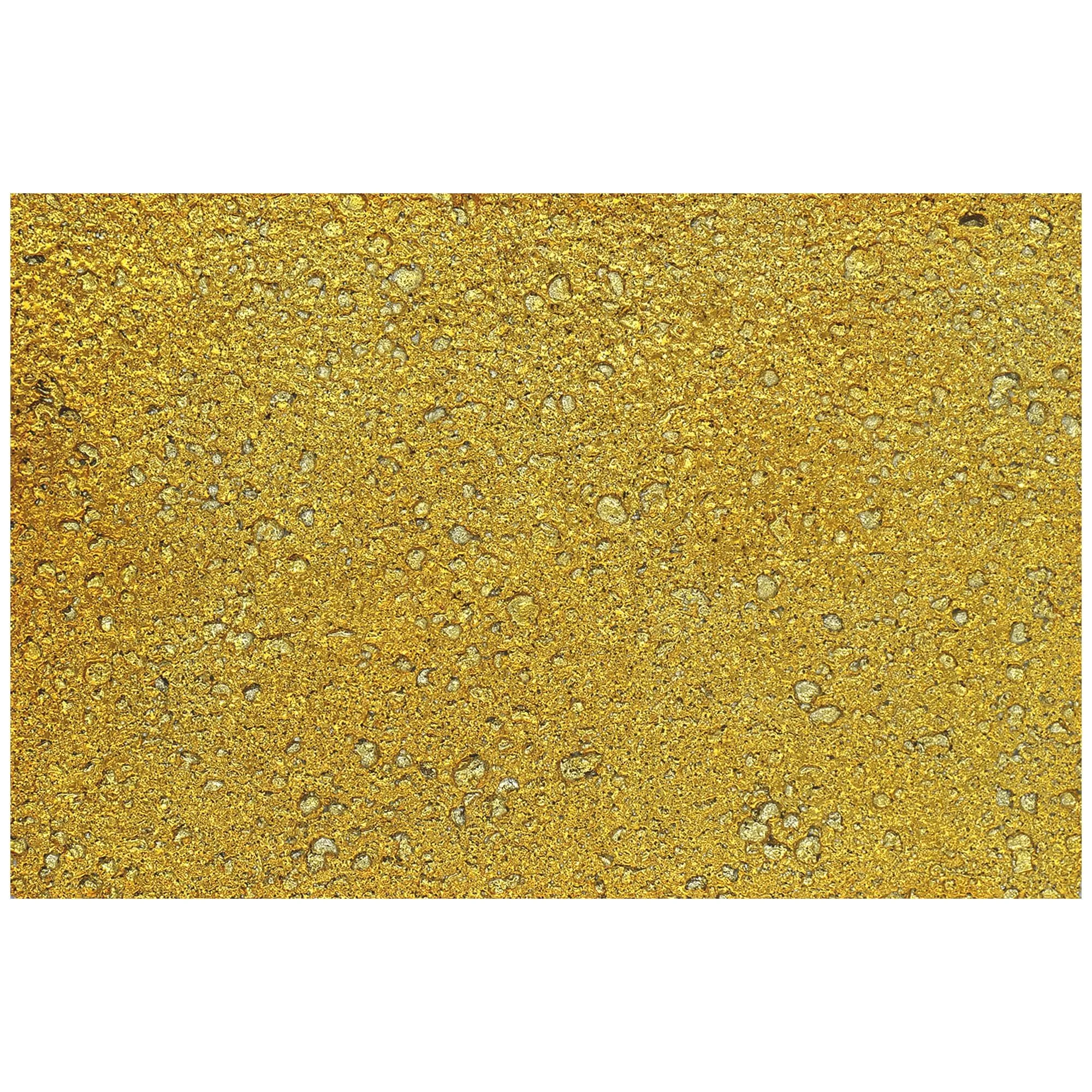
In the world of modern architecture and design, the choices we make for building exteriors are more significant than ever. They are not just about aesthetics or durability; they are a statement about our values, particularly concerning the environment. As designers, builders, and homeowners, we find ourselves at a crossroads, balancing the timeless appeal of natural materials with the performance of modern engineered solutions. This brings us to a fascinating comparison: the classic, organic warmth of wood cladding versus the sleek, contemporary finish of a foamed aluminium alloy board with a gold finish.
At first glance, the two could not be more different. One is born from the forest, a symbol of nature itself. The other is a product of advanced metallurgy, a testament to human ingenuity. But which one is truly "greener"? The answer, as you'll see, is far from simple and requires a deep dive into the entire lifecycle of each material—from its cradle to its grave. In this comprehensive analysis, we'll dissect every stage, from raw material extraction to end-of-life disposal, to provide a clear picture of their true environmental impact. This is the kind of thoughtful consideration that guides forward-thinking companies like COLORIA GROUP, who believe that the best building solutions must serve both people and the planet.
Understanding the Contenders: A Profile of Each Material
Before we can judge them, we need to get to know our two materials intimately. What are their inherent strengths and weaknesses? What makes them appealing for building facades?
The Timeless Appeal of Wood Cladding
Wood has been humanity's building partner for millennia. As a cladding material, it offers a visual warmth and connection to nature that is hard to replicate. Whether it's the rich red of cedar, the pale elegance of pine, or the weathered charm of reclaimed timber, wood brings character and life to a building's facade.
- Perceived Eco-Friendliness: It's a renewable resource. Trees absorb CO2 as they grow, making wood a carbon sink, which is a significant plus.
- Aesthetic Versatility: It can be stained, painted, or left to weather naturally, offering a wide range of design possibilities.
- Insulation: Wood has natural insulating properties, which can contribute to a building's energy efficiency.
However, this natural champion has a dark side. Its "renewability" is contingent on responsible forestry practices, which are not always followed. It is also inherently vulnerable. Without constant and diligent maintenance—staining, sealing, and protecting—wood is susceptible to rot, moisture damage, insects, and fire. This high maintenance requirement is not just a cost and labor issue; it carries its own environmental burden in the form of chemical treatments, paints, and solvents used over the building's lifetime.
The Modern Sheen of Foamed Aluminium Alloy Board
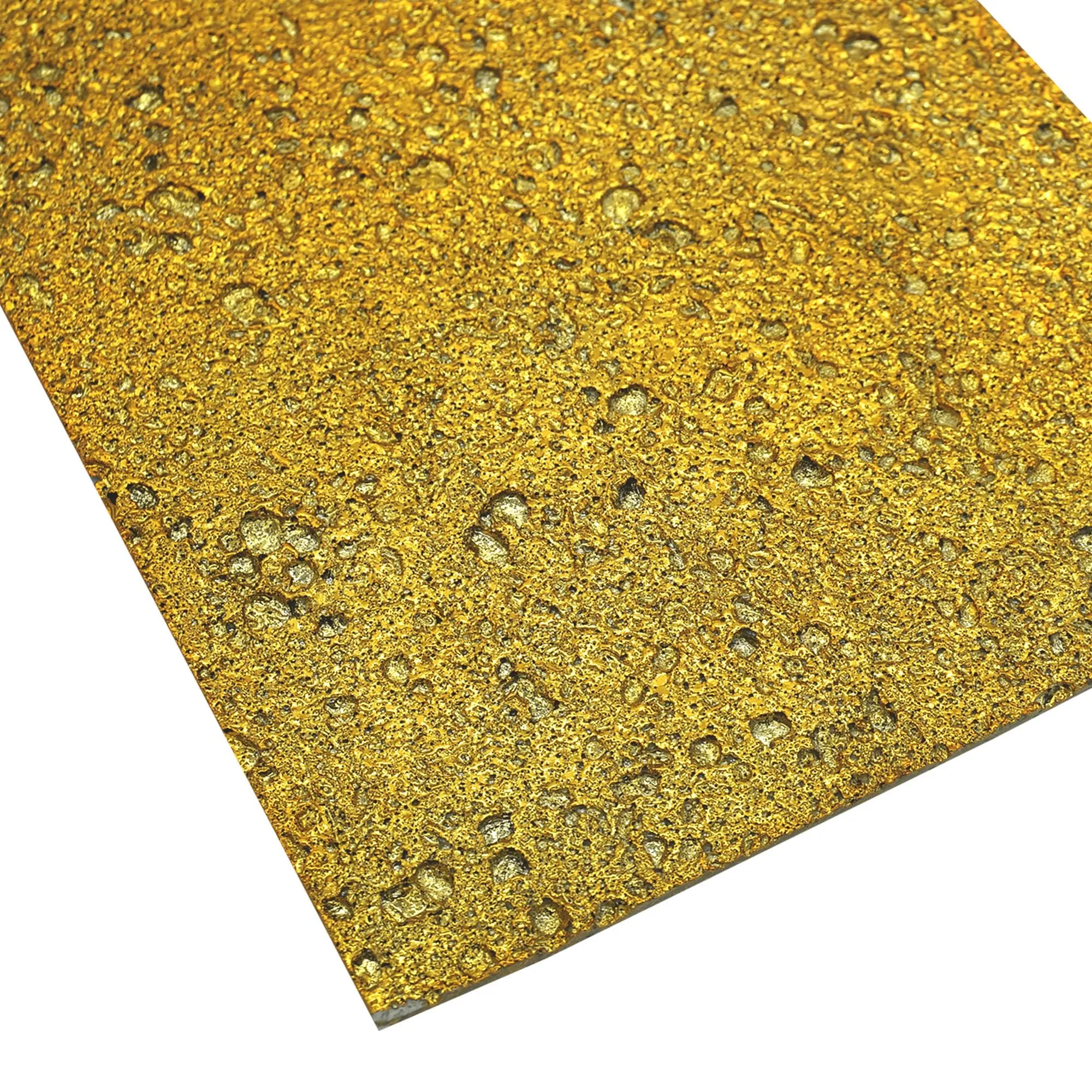
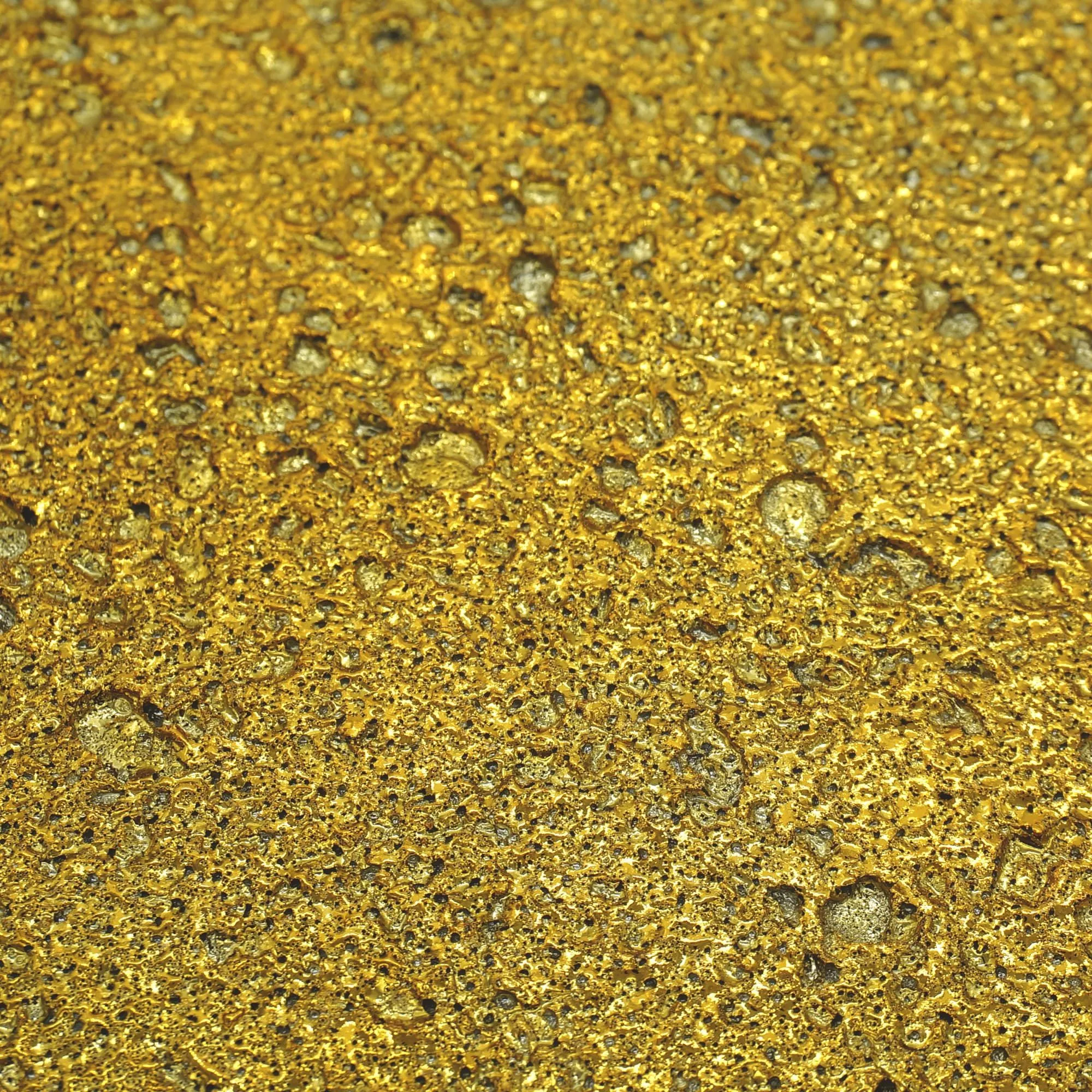
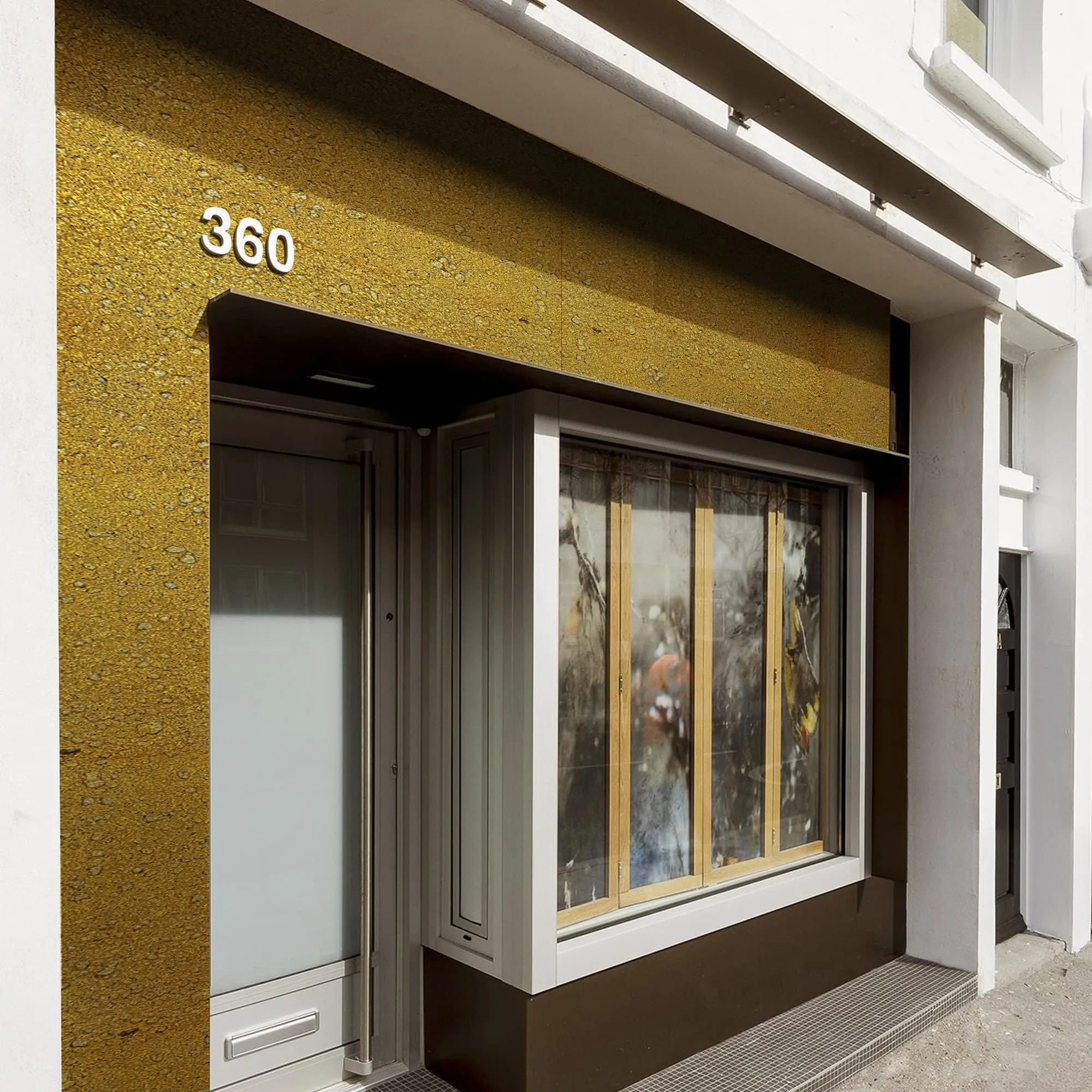
On the other end of the spectrum is the foamed aluminium alloy board. This is a high-tech composite material. Imagine a lightweight core made of aluminum "foam" (created by introducing gas into molten metal), sandwiched between two thin, solid aluminum sheets. The "Gold" in its name refers to a durable, factory-applied finish, often a PVDF or powder coating, that provides color and extreme weather resistance.
- Exceptional Durability: It is resistant to corrosion, UV radiation, water, and pests. It doesn't rot, warp, or crack.
- Lightweight: Despite its strength, it is incredibly light, reducing the structural load on the building and making transportation and installation easier and more fuel-efficient.
- Low Maintenance: Its surface is non-porous and stable. A simple wash-down is typically all that's needed to keep it looking new for decades.
The primary environmental concern with aluminum is its production. Creating primary (new) aluminum from its raw ore, bauxite, is an-energy intensive process. The mining of bauxite can be destructive to landscapes, and the smelting process consumes vast amounts of electricity and generates greenhouse gases. This high upfront energy cost is a significant mark against it in any environmental audit.
A Lifecycle Environmental Analysis (LCA)
To make a fair comparison, we must look beyond the surface and analyze the entire "cradle-to-grave" or, ideally, "cradle-to-cradle" journey of each material. Let's break it down into five key stages.
Stage 1: Raw Material Extraction & Processing
Wood Cladding: The journey begins in the forest. In a best-case scenario, the wood comes from a sustainably managed forest certified by organizations like the FSC (Forest Stewardship Council). Here, harvesting rates are controlled, biodiversity is protected, and new trees are planted. The reality, however, is that a significant portion of global timber is still sourced from irresponsible or illegal logging operations, leading to deforestation, habitat loss, and soil erosion. Once felled, the logs must be transported to a mill for processing, consuming fuel.
Foamed Aluminium: The journey begins in a mine. Bauxite ore is strip-mined, a process that involves clearing large areas of land. The ore is then refined into alumina using the Bayer process, which creates a toxic byproduct known as "red mud"—a major disposal challenge. The alumina is then smelted into aluminum using the Hall-Héroult process, which is so electricity-intensive that aluminum has been called "solid electricity." The primary energy footprint at this stage is colossal compared to wood. However, there's a crucial caveat: aluminum is a permanent material. It doesn't get "used up." We'll see why this is so important in Stage 5.
Stage 2: Manufacturing & Finishing
Wood Cladding: At the mill, logs are sawn into planks, then kiln-dried to achieve the correct moisture content—a process that requires significant thermal energy. Many types of wood cladding are then treated with chemical preservatives (like chromated copper arsenate, though thankfully less common now) to resist rot and insects. Fire-retardant chemicals may also be applied. These treatments add a layer of chemical complexity and potential toxicity to an otherwise natural material.
Foamed Aluminium: The aluminum ingots are re-melted, alloyed, and then run through the foaming process. The solid face sheets are bonded to the foamed core. The final step is the surface finishing. A high-quality gold finish is likely a multi-layer PVDF (Polyvinylidene fluoride) coating, which is baked on. While this is an industrial process, it's highly controlled. There are no VOCs (Volatile Organic Compounds) released on-site during the building's life, as all curing happens in the factory. The durability of this finish is key to the material's low-maintenance advantage.
Stage 3: Transportation & Installation
This is a clear win for foamed aluminium. A square meter of foamed aluminum cladding is significantly lighter than most solid wood cladding options. This translates directly to lower carbon emissions during transportation from the factory to the construction site. On-site, the lighter panels are easier and faster to handle and install, potentially requiring less heavy machinery and reducing installation time and labor costs. Wood, being heavier and often in smaller pieces, requires more transport energy and more labor-intensive installation.
Stage 4: Use Phase & Maintenance (The Long Game)
This is where the tables turn dramatically.
Wood Cladding: The environmental cost of wood does not end at installation. To maintain its appearance and structural integrity, it needs regular care. This means periodic cleaning, sanding, and re-application of stains, sealers, or paints every 3-7 years. These maintenance products contain VOCs and other chemicals that are released into the atmosphere. The water used for cleaning, and the potential need to replace individual rotten or warped boards over a 50-year lifespan, all add up. The cumulative environmental impact of this maintenance cycle is substantial.
Foamed Aluminium: The use phase is where its high-tech nature shines. The durable, inert surface requires virtually no maintenance beyond occasional cleaning with mild soap and water to remove surface dirt. It does not need to be repainted or resealed. For the 50-year life of a building, the environmental impact during the use phase is almost zero. This long-term, passive performance completely offsets a portion of its high initial energy investment. There are no VOCs, no chemical runoff, and no material waste from replacements.
Stage 5: End-of-Life & Recyclability
Wood Cladding: What happens to wood at the end of a building's life? If it's untreated, it can be composted, used as biofuel (releasing its stored carbon), or chipped into mulch. However, if it's been treated with chemicals, painted, or stained over its life, it becomes a problem. It cannot be safely burned or allowed to decompose, as it will leach toxic chemicals into the soil and air. In most cases, it ends up in a landfill.
Foamed Aluminium: This is aluminum's ace in the hole. Aluminum is 100% recyclable, and it can be recycled over and over again without any loss of its material properties. More importantly, recycling aluminum requires only about 5% of the energy needed to produce primary aluminum from bauxite ore. This is a staggering energy saving. It means that the foamed aluminum panels from a demolished building are not waste; they are a valuable resource that can be melted down and turned into new products, whether it's new building panels, car parts, or beverage cans. This high recyclability and the massive energy savings involved make it a cornerstone of a circular economy.
A Third Way: The COLORIA GROUP Approach to Innovation
This head-to-head comparison reveals that neither material is a perfect "eco-hero." It highlights the complex trade-offs that architects and builders face. This is precisely the challenge that drives innovation at COLORIA GROUP. As a one-stop solution provider for building materials, our philosophy isn't about choosing between flawed options, but about developing a superior alternative that synthesizes the best qualities of all materials.
Our core focus is on a revolutionary category of materials: MCM (Modified Cementitious Material). This isn't just another product; it's a new way of thinking. By taking natural, readily available materials like clay, sand, stone powder, and other inorganic components, and using a unique, low-temperature firing process, we create materials that are both beautiful and incredibly sustainable. This technology allows us to overcome the fundamental drawbacks of traditional materials.
Imagine wanting the look of rare travertine or weathered wood without contributing to quarrying or deforestation. This is where a product like our **MCM Flexible Stone** comes in. It is lightweight, pliable, and can be produced in an almost infinite variety of textures and colors, perfectly mimicking natural materials. It offers the aesthetic warmth of wood or stone, but with the durability, low maintenance, and Class A fire rating of an engineered product. Its production requires a fraction of the energy of both ceramics and aluminum, and it uses recycled components, creating a truly low-impact lifecycle.
For large-scale commercial facades, efficiency and impact are key. Our **MCM Big Slab Board Series** offers panels in large formats, which drastically reduces installation time and minimizes seams for a monolithic, high-end look. These large, lightweight boards reduce the structural requirements of a building and the energy needed for transport and installation, hitting the same notes of efficiency as foamed aluminum but originating from a more sustainable base.
This commitment to providing scalable, sustainable solutions is embodied in our **MCM Project Board Series**. It is specifically designed to meet the rigorous demands of large architectural projects, where performance, cost-effectiveness, and environmental certification are paramount. It delivers a consistent, high-quality finish that is resistant to fading, weathering, and staining, ensuring that the building's facade performs for decades with minimal maintenance—directly addressing the primary failing of wood cladding.
Comparative Analysis Table
| Feature | Wood Cladding | Foamed Aluminium Alloy Board | COLORIA GROUP MCM Products |
|---|---|---|---|
| Raw Material Source | Renewable (if sustainably forested), but risks deforestation. Carbon sink during growth. | Non-renewable bauxite ore. Mining can be environmentally destructive. | Abundant natural inorganic materials (clay, sand, stone powder), often with recycled content. |
| Manufacturing Energy | Moderate (logging, milling, kiln-drying). Chemical treatments add impact. | Extremely High (Bayer & Hall-Héroult processes for primary aluminum). | Low. Unfired/low-temperature curing process saves 80%+ energy vs. traditional ceramics/metal. |
| Weight & Transport | Heavy, leading to higher transport emissions. | Very lightweight, reducing structural load and transport emissions. | Lightweight (1/6th the weight of tile), reducing transport emissions and structural load. |
| Maintenance (Use Phase) | High. Requires regular staining, sealing, and painting (every 3-7 years). High cumulative environmental impact. | Extremely Low. Requires only occasional cleaning with water. No repainting needed. | Extremely Low. Self-cleaning properties, highly resistant to fading, requires minimal upkeep. |
| Durability & Lifespan | Variable. Susceptible to rot, pests, warping, and moisture if not perfectly maintained. | Very High. Excellent resistance to corrosion, UV, and weather. Lifespan of 50+ years. | Very High. Excellent resistance to weather, freeze-thaw, fading, and impact. Long lifespan. |
| End-of-Life | Problematic if treated/painted (landfill). Biodegradable only if fully natural. | Excellent. 100% recyclable with no loss of quality. Recycling saves 95% of initial energy. Cornerstone of circular economy. | Can be recycled and re-integrated into new MCM products, or can be returned to soil as dust (depending on specific product). |
| Aesthetic Versatility | Good, but limited to wood aesthetics. Stains and paints offer variety. | Good. Can be produced in any solid color or metallic finish, but can look synthetic. | Exceptional. Can replicate any natural stone, wood, brick, or woven texture with high fidelity and tactile feel. |
| Fire Resistance | Poor. It is combustible and requires chemical fire retardants. | Excellent. Non-combustible core and facing. | Excellent. Inherently non-combustible (Class A fire rating). |
Conclusion: Redefining the "Green" Choice
So, returning to our original question: foamed aluminium or wood? The deep dive shows there is no simple winner. If your sole focus is the initial carbon footprint from raw materials, sustainably-sourced wood seems to lead. But if you consider the entire 50-year lifecycle, including maintenance and end-of-life value, the low-maintenance durability and infinite recyclability of aluminum present an incredibly compelling long-term environmental case.
The choice is a reflection of your environmental priorities: do you prefer a material that is natural at birth but requires a lifetime of chemical-intensive care, or one that is energy-intensive at birth but promises a lifetime of passive performance and a circular future?
However, this analysis also reveals a more important truth: the future of sustainable building lies in moving beyond this binary choice. It lies in innovation. Companies like COLORIA GROUP are pioneering this new path by creating materials that refuse to compromise. Our MCM product lines are engineered to provide the best of all worlds: the aesthetic beauty of nature, the lifecycle performance of advanced composites, and a manufacturing process that is fundamentally more sustainable from the very beginning. By choosing materials based on a holistic, lifecycle-aware perspective, we can create buildings that are not only beautiful and enduring but are also truly kind to our planet.










