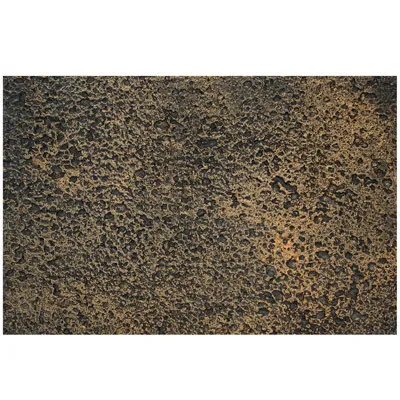
Alright, let's talk about something truly exciting for anyone passionate about preserving the beauty of our past while embracing the innovation of the future: heritage building renovations. These projects are a delicate dance between maintaining historical integrity and introducing modern advancements that improve longevity, efficiency, and comfort. And right at the heart of this conversation, we find a fascinating material: Foamed Aluminium Alloy Board, especially in a Vintage Gold finish. It might sound ultra-modern, but when applied thoughtfully, it offers an incredible synergy with historic structures.
Here at
COLORIA GROUP
, we've spent decades immersed in the world of building materials, understanding their nuances, and pushing the boundaries of what's possible. We're not just selling products; we're offering
one-stop solutions
for both residential and commercial projects, globally. Our extensive experience, particularly with our agency in Saudi Arabia, gives us a unique perspective on diverse architectural needs and climate challenges. We've seen materials come and go, but some, like our innovative MCM (Modified Cementitious Material) series, truly stand the test of time, and others, like Foamed Aluminium Alloy Board, open up entirely new avenues.
The Unique Challenge of Heritage Renovations
Renovating a heritage building isn't just about slapping on a fresh coat of paint or fixing a broken window. It's about a deep respect for the original craftsmanship, the architectural style, and the stories embedded within its walls. These structures often carry a specific aesthetic, a sense of gravitas and history that modern materials can sometimes struggle to complement. The challenge lies in introducing materials that enhance without detracting, that offer modern benefits without compromising historical authenticity.
Architects, preservationists, and developers face a common dilemma: how to improve thermal performance, structural integrity, and fire resistance, or even integrate modern amenities, all while ensuring the building continues to look and feel as it always has. This is where the concept of "compatibility" becomes paramount. It's not just about physical fit; it's about aesthetic harmony, material interaction, and long-term performance in line with the building's historical context.
Introducing Foamed Aluminium Alloy Board (Vintage Gold): A Material Reimagined
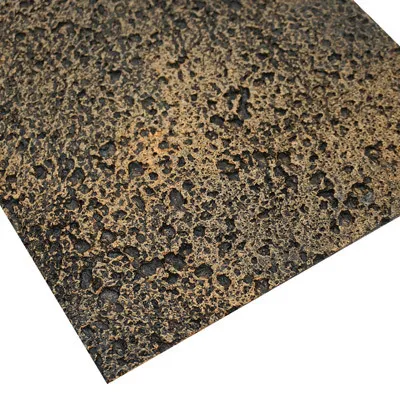
Let's dive into the star of our show: Foamed Aluminium Alloy Board. Imagine aluminium, but with an internal porous structure, making it incredibly lightweight yet surprisingly rigid. Now, picture it with a Vintage Gold finish – not a shiny, gaudy gold, but a muted, elegant tone that speaks of aged brass, warm stone, or the gentle patina of time. This isn't just a material; it's a statement.
What Exactly is Foamed Aluminium Alloy Board?
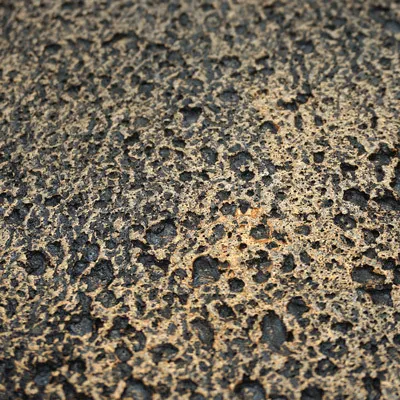
At its core, Foamed Aluminium Alloy Board is a porous metal material derived from aluminium. It's made by injecting a foaming agent into molten aluminium, creating a cellular structure that's essentially a metal "sponge." This unique structure gives it a combination of properties not found in solid aluminium:
-
Lightweight:
Significantly lighter than solid metal, reducing structural load.
-
High Stiffness-to-Weight Ratio:
Despite being light, it offers excellent rigidity.
-
Energy Absorption:
Its porous structure can absorb impact and sound.
-
Thermal Insulation:
The trapped air pockets act as an insulator.
-
Non-combustible:
Being metal, it offers superior fire resistance.
-
Corrosion Resistant:
Aluminium's natural resistance, often enhanced by coatings.
The Vintage Gold Finish: More Than Just a Color
The Vintage Gold finish is crucial here. We're not talking about a look that screams "new money" or attempts to overpower the existing aesthetic. Instead, it's designed to mimic the natural aging process of richer materials found in historical architecture – think of old bronze statues, gold leaf that has mellowed over centuries, or even the warm glow of certain types of aged wood. This specific tone aims for subtlety, richness, and a harmonious blend with traditional materials like stone, brick, and dark timber.
Key takeaway:
The Foamed Aluminium Alloy Board (Vintage Gold) is a high-tech material engineered for lightweight strength, insulation, and fire safety, presented with an aesthetic that thoughtfully nods to historical luxury and patina. It's a prime example of how modern material science can serve preservation goals.
Compatibility Guide: Integrating Vintage Gold Foamed Aluminium Alloy Board into Heritage Projects
Now, for the nitty-gritty: how do we actually make this work? Compatibility in heritage renovations is a multi-faceted concept.
1. Aesthetic Compatibility: Blending Old and New
This is often the first and most critical hurdle. The Vintage Gold finish is key to its aesthetic harmony.
-
Color Palette:
The muted, aged gold hue beautifully complements earth tones common in heritage buildings – reds of old brick, browns of timber, greys and creams of stone. It can act as an accent, a subtle shimmer, or a connecting element.
-
Texture and Sheen:
While aluminium can be smooth, the foamed nature allows for certain textural plays, and the Vintage Gold finish can be applied with a low-sheen or matte quality, preventing it from appearing overtly modern or reflective. This allows it to absorb light rather than reflect it harshly, much like aged materials.
-
Architectural Styles:
It can be surprisingly versatile.
-
For
Victorian or Edwardian
structures, it can echo the ornate metallic elements or intricate detailing, providing a subtle metallic lustre without the maintenance of traditional metals.
-
In
Art Deco
buildings, it naturally finds a place, as metallic accents were a hallmark of the era, offering a contemporary twist on a classic style.
-
Even in more rustic or
Georgian/Federal
styles, if used judiciously (e.g., as soffit material, subtle decorative panels, or interior accents), its warm tone can add depth without clashing.
-
Pattern and Form:
The board's nature allows for precise cutting and custom fabrication. This means it can be integrated into existing decorative patterns, used for intricate grilles, or applied as discrete panels that respect existing proportions. Our capability to provide
customization
means we can tailor the product to specific design requirements, ensuring it fits seamlessly into the unique character of each heritage project.
2. Functional Compatibility: Enhancing Performance Discreetly
Beyond looks, the practical benefits of Foamed Aluminium Alloy Board are immense, especially for aging structures.
-
Thermal Performance:
Many heritage buildings are notorious for poor insulation. Foamed aluminium's cellular structure significantly improves thermal resistance. This is a game-changer for energy efficiency, reducing heating and cooling costs, and improving occupant comfort without requiring invasive changes to external facades. It can be used as a core material within panels for retrofitting walls or roofs.
-
Fire Safety:
Old buildings often pose significant fire risks due to outdated construction methods and materials. Aluminium is non-combustible. Using Foamed Aluminium Alloy Board in critical areas – perhaps as a backing material for wall finishes, ceiling panels, or in ventilation systems – can dramatically enhance fire safety, offering peace of mind for both occupants and preservationists.
-
Sound Insulation:
The porous nature also aids in acoustic dampening. This is valuable in urban heritage sites where external noise can be an issue, or for internal divisions to maintain quiet zones.
-
Lightweight & Structural Load:
One of the biggest challenges in heritage renovations is adding new materials without overburdening the existing structure. The incredibly light weight of these boards means they can be installed with minimal impact on structural integrity, making them ideal for applications like ceiling panels, interior wall cladding, or non-load-bearing partitions in upper floors.
-
Durability and Maintenance:
Aluminium is inherently durable and corrosion-resistant. A high-quality Vintage Gold finish will be robust, requiring minimal maintenance, which is a major advantage over traditional materials that might require regular painting or treatment, especially in areas with harsh climates or high pollution.
3. Material and Environmental Compatibility: Sustainability and Interaction
Modern renovations also demand consideration of environmental impact and material interaction.
-
Recyclability:
Aluminium is one of the most recyclable materials on the planet. This aligns perfectly with sustainable renovation practices, reducing waste and the demand for virgin materials.
-
Green Credentials:
At
COLORIA GROUP
, we emphasize
green environmental protection characteristics
in our products. The Foamed Aluminium Alloy Board, especially if manufactured with recycled content, fits this ethos perfectly. It's a step towards more sustainable building practices in the renovation sector.
-
Interaction with Existing Materials:
Aluminium is generally non-reactive with most common building materials. However, proper detailing (e.g., preventing galvanic corrosion if in direct contact with certain dissimilar metals like copper, though unlikely in most applications here) is always good practice. Its stability means it won't leach chemicals or cause deterioration in surrounding historic elements.
Application Scenarios: Where Vintage Gold Foamed Aluminium Alloy Boards Shine
Let's get specific about where this material can truly make a difference in heritage projects.
|
Application Area
|
Specific Use Case (Vintage Gold)
|
Compatibility & Benefits in Heritage Context
|
|
Interior Wall Cladding
|
Accent panels in lobbies, hallways, or feature walls; dado rails; infill for recessed areas.
|
Aesthetic:
Adds a touch of subdued luxury, echoing historical decorative metals.
Functional:
Improves thermal/acoustic insulation, non-combustible, lightweight (minimal structural strain). Can conceal modern wiring/plumbing discreetly.
|
|
Ceiling Systems
|
Suspended ceiling panels; decorative soffit panels; coffers.
|
Aesthetic:
Can mimic decorative plasterwork or tin ceilings with a modern, elegant twist.
Functional:
Significantly reduces load on historic ceiling structures, improves acoustics, fire-rated, easy access for modern services (lighting, HVAC).
|
|
Window/Door Surrounds & Architraves
|
Internal trim elements; bespoke decorative panels around openings.
|
Aesthetic:
Provides a refined finish that can frame period windows/doors beautifully, complementing brass or bronze hardware.
Functional:
Durable, low maintenance, can be precisely cut to match existing profiles.
|
|
Display & Exhibition Elements
|
Pedestals, display cases, interpretive panels within historic spaces.
|
Aesthetic:
Creates elegant, unobtrusive displays that highlight artifacts without competing with the architecture. Vintage Gold enhances the historical context.
Functional:
Lightweight for easy relocation, durable, non-reactive.
|
|
Bespoke Furniture & Fixtures
|
Reception desks, built-in cabinetry, custom lighting fixtures.
|
Aesthetic:
Introduces modern functionality with a period-appropriate luxurious finish.
Functional:
Customization is easy; highly durable for high-traffic areas.
|
|
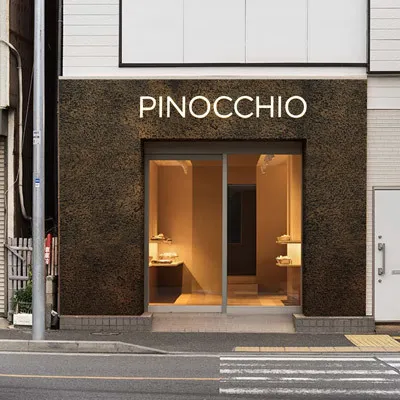
Exterior Detailing (Protected Areas)
|
Soffit linings for eaves, decorative elements under awnings, infill panels in sheltered loggias.
|
Aesthetic:
Adds subtle metallic lustre to areas that might have had traditional metalwork.
Functional:
Weather-resistant (with appropriate coating), lightweight, maintenance-free. Must be carefully considered for full exposure.
|
Considerations for Implementation: A Practical Guide
While the potential is vast, successful integration requires careful planning and expertise.
1. Expert Consultation and Design
This is non-negotiable. Engage architects and preservation specialists who understand both historic buildings and modern materials. A detailed historical assessment should always precede any intervention. At
COLORIA GROUP
, we pride ourselves on offering comprehensive support, not just products. Our team can work with your designers to understand the nuances of your project and recommend the best
MCM Big Slab Board Series
or other custom solutions that align with the historical context.
2. Mock-ups and Samples
Before committing to a large-scale installation, always create mock-ups. See how the Vintage Gold Foamed Aluminium Alloy Board interacts with the existing light, colors, and textures of the heritage building. This step is crucial for aesthetic approval and ensuring the finish truly captures the desired effect.
3. Installation Techniques
Given the lightweight nature and ease of fabrication, installation can be relatively straightforward. However, it's vital to use installers experienced with both metal panel systems and working within the constraints of heritage structures. Techniques should prioritize minimal intervention with the original fabric where possible.
4. Maintenance and Longevity
While Foamed Aluminium Alloy Board is low maintenance, understanding the specific cleaning and care requirements for the Vintage Gold finish is important. Typically, this involves gentle cleaning to preserve the aesthetic, which is far less intensive than caring for traditional metals or painted surfaces.
5. Regulatory Compliance
Heritage projects are subject to strict regulations and approvals. Ensure that the use of any new material, including Foamed Aluminium Alloy Board, complies with local preservation guidelines, building codes, and any specific requirements for historic structures. Demonstrating the material's benefits in fire safety, energy efficiency, and minimal impact can often help secure necessary approvals.
Beyond Aesthetics: The Future of Materials in Preservation
The use of materials like Foamed Aluminium Alloy Board (Vintage Gold) in heritage renovations signals a broader shift in the preservation philosophy. It's moving from a rigid "restore exactly as it was" to a more nuanced "preserve its essence while ensuring its future viability." This approach acknowledges that buildings must adapt to changing needs, environmental conditions, and technological advancements to survive and thrive.
"Heritage buildings are not static monuments; they are living structures that evolve. Our role is to guide that evolution responsibly, using the best of modern innovation to protect their legacy."
Our commitment at
COLORIA GROUP
is to be at the forefront of this evolution. We offer a range of products that speak to this balance, from the versatile
MCM Project Board Series
designed for specific functional needs, to our groundbreaking
MCM 3D Printing Series
, which opens up incredible possibilities for replicating intricate historic details with precision and sustainability. Even our
MCM Flexible Stone
provides an alternative for achieving a natural stone look with added flexibility and reduced weight, another excellent option for sensitive renovations. These materials, while diverse, share common threads: innovation, quality, and a focus on meeting the unique demands of modern architecture and preservation.
Conclusion: A Golden Opportunity for Heritage
The Foamed Aluminium Alloy Board in Vintage Gold finish presents a compelling case for bridging the gap between historical reverence and contemporary performance in heritage building renovations. Its unique combination of lightweight strength, thermal and acoustic insulation, fire resistance, and a carefully curated aesthetic makes it an invaluable tool for architects and preservationists.
It's about making a thoughtful choice – selecting a material that not only solves modern problems (like energy efficiency and safety) but also enhances the historical narrative. When integrated with sensitivity and expertise, this material doesn't just blend in; it elevates. It helps ensure that our heritage buildings don't just survive, but truly flourish for generations to come, embodying the best of both worlds: the enduring charm of the past and the intelligent innovation of the present.
For further information on our comprehensive architectural solutions, including the
MCM Big Slab Board Series
,
MCM Project Board Series
,
MCM 3D Printing Series
, and
MCM Flexible Stone
, please explore the innovative offerings from
COLORIA GROUP
.