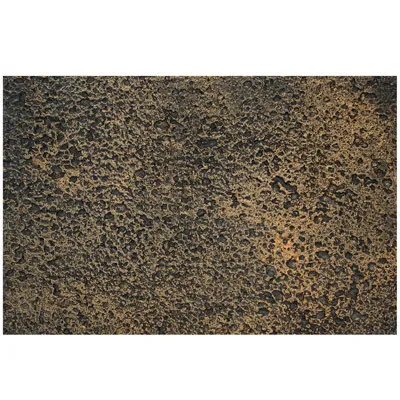
When it comes to modern architecture and design, material choices can make or break a project. The quest for unique aesthetics combined with superior performance often leads innovators to explore new frontiers. Today, we're diving deep into a fascinating comparison that's sparking a lot of conversation in the building materials world: Foamed Aluminium Alloy Board, particularly in a sophisticated Vintage Gold finish, pitted against the long-standing champion, Traditional Aluminium Panels. While our primary focus at COLORIA GROUP is on cutting-edge **MCM (Modified Cementitious Material) products** that redefine sustainability and design flexibility, we understand the broader landscape of construction materials. This discussion aims to shed light on how these two aluminium-based options stack up, helping you make informed decisions for your next masterpiece.
Understanding the Contenders: What Are We Really Talking About?
Before we get into the nitty-gritty of advantages and disadvantages, let's briefly define our two combatants.
-
Foamed Aluminium Alloy Board (FAAB)
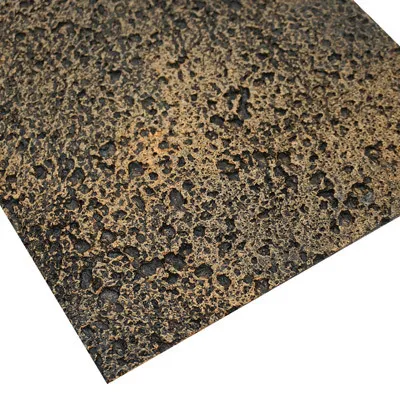
: Imagine aluminium, but with a twist. This material is created by introducing gas into molten aluminium, forming a cellular structure – much like a sponge or foam. The result is a lightweight yet rigid panel, often chosen for its unique properties. When finished in Vintage Gold, it exudes a rich, aged metallic luster that's both classic and contemporary.
-
Traditional Aluminium Panels (TAP)
: These are the familiar workhorses of the construction industry. Typically solid or composite panels (like Aluminium Composite Material - ACM), they are made from sheets of aluminium, sometimes with a core material, and are known for their durability, versatility, and sleek appearance. They can also be finished in various colors, but their inherent texture is smooth and uniform.
The Foamed Aluminium Alloy Board (Vintage Gold) Experience: A Closer Look
Let's start by exploring what makes FAAB, especially with a Vintage Gold finish, such an intriguing option.
Pros of Foamed Aluminium Alloy Board (Vintage Gold)
-
Exceptional Lightweight Design
: This is arguably FAAB's biggest selling point. Due to its foamed structure, it's significantly lighter than solid aluminium panels of comparable strength. This translates to easier handling, reduced structural load on buildings, and potentially lower transportation costs.
-
Unique Aesthetic Appeal (Vintage Gold)
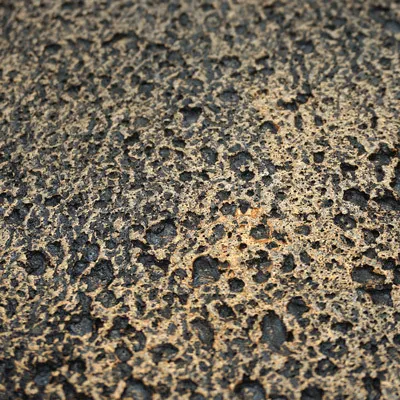
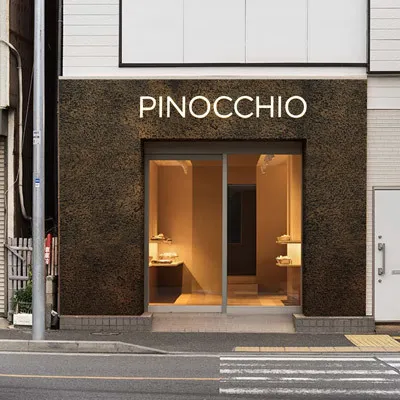
: The Vintage Gold finish on FAAB isn't just a color; it's a statement. The inherent texture of the foamed structure, combined with this sophisticated hue, creates a dynamic, high-end look. It can evoke a sense of heritage, luxury, and bespoke craftsmanship, making it perfect for feature walls, artistic installations, or high-impact façade elements. This kind of
customization
is what many designers crave.
-
Superior Sound Absorption
: The cellular structure of FAAB acts as an excellent acoustic dampener. This can be a huge advantage in noisy urban environments or for interior spaces where sound control is crucial, providing a quieter, more comfortable environment.
-
Enhanced Thermal Insulation
: The trapped air within the foam structure offers decent thermal insulation properties, contributing to better energy efficiency in buildings. While not a primary insulator, it's a welcome bonus.
-
Impact Resistance
: While appearing delicate, FAAB can surprisingly absorb impact energy effectively due to its deformable cellular structure, offering a degree of resilience against minor dents and bumps.
-
Sustainability Angle
: Aluminium is highly recyclable, and the production of FAAB often involves less raw material compared to solid panels for the same volume, aligning with
green environmental protection
principles.
Cons of Foamed Aluminium Alloy Board (Vintage Gold)
-
Higher Cost
: The specialized manufacturing process for FAAB typically makes it more expensive per square meter compared to traditional aluminium panels. This can be a significant factor for budget-sensitive projects.
-
Limited Availability/Expertise
: It's a newer, more niche product. This means fewer suppliers, potentially longer lead times, and fewer contractors with extensive experience in its installation.
-
Surface Fragility
: While impact-resistant in a broader sense, the surface of FAAB, especially with its unique texture, might be more prone to surface abrasions or scratches than the dense, hard-anodized surface of some traditional panels.
-
Aesthetic Specificity
: The Vintage Gold finish, while beautiful, is a very particular aesthetic. It might not suit every design brief or architectural style, limiting its universal applicability.
The Traditional Aluminium Panels: A Reliable Standard
Now, let's turn our attention to the established choice and see why Traditional Aluminium Panels have remained a staple for so long.
Pros of Traditional Aluminium Panels
-
Cost-Effectiveness
: Generally, TAPs are more affordable than FAAB, making them a go-to choice for large-scale projects where budget is a primary concern.
-
Widespread Availability & Familiarity
: TAPs are widely produced, readily available, and most contractors are well-versed in their installation techniques. This simplifies procurement and project execution.
-
Smooth, Versatile Finish
: TAPs offer a sleek, modern, and uniform appearance. They can be painted, powder-coated, or anodized in an almost infinite array of colors and finishes, providing immense design flexibility. They are often used for
interior and exterior decoration
, providing clean lines.
-
High Durability & Low Maintenance
: Known for their robustness, resistance to corrosion, and easy-to-clean surfaces, TAPs require minimal maintenance over their long lifespan.
-
Excellent Formability
: Aluminium sheets can be easily cut, bent, and formed into various shapes, allowing for complex architectural designs and intricate façade elements.
-
Fire Resistance (depending on core)
: While aluminium itself is non-combustible, the fire rating of composite panels depends heavily on the core material. Modern ACM often comes with excellent fire-retardant cores.
Cons of Traditional Aluminium Panels
-
Heavier Weight
: Compared to FAAB, TAPs are heavier, which can increase structural load requirements and handling complexity during installation.
-
Limited Aesthetic Texture
: While versatile in color, TAPs inherently offer a smooth, flat texture. They lack the unique, three-dimensional visual depth that FAAB can provide, especially with its Vintage Gold finish.
-
Lower Acoustic and Thermal Performance
: Without additional backing or specialized construction, TAPs generally offer less in terms of sound absorption and thermal insulation compared to FAAB.
-
Potential for Oil Canning
: Large, thin, flat panels can sometimes exhibit oil canning (visible waviness) under certain lighting and thermal expansion conditions, which can detract from the clean aesthetic.
Side-by-Side Comparison: A Quick Look
To make the decision-making process even clearer, here's a table summarizing the key differences:
|
Feature
|
Foamed Aluminium Alloy Board (Vintage Gold)
|
Traditional Aluminium Panels
|
|
Aesthetic
|
Unique, textured, Vintage Gold luxury. Highly distinctive.
|
Smooth, uniform, wide range of colors/finishes. Modern and sleek.
|
|
Weight
|
Significantly lighter.
|
Heavier.
|
|
Cost
|
Higher initial cost.
|
More cost-effective.
|
|
Acoustic Performance
|
Excellent sound absorption.
|
Basic, requires additional insulation for sound control.
|
|
Thermal Performance
|
Good insulation properties.
|
Basic, requires additional insulation for thermal control.
|
|
Durability/Maintenance
|
Good impact resistance, potentially more prone to surface abrasions; generally durable.
|
Very durable, corrosion-resistant, low maintenance, excellent scratch resistance.
|
|
Availability/Expertise
|
More niche, less widespread.
|
Widely available, common expertise.
|
|
Sustainability
|
Recyclable, less raw material, supports
green environmental protection
.
|
Recyclable, standard practices.
|
|
Best Use Cases
|
Feature walls, high-end interiors, acoustic applications, unique façades, artistic elements.
|
General cladding, large façades, roofing, standard
interior and exterior decoration
where uniformity is key.
|
COLORIA GROUP's Perspective: Beyond Aluminium
At COLORIA GROUP, our expertise spans a wide array of innovative architectural materials. While this discussion highlights the merits of FAAB and TAP, it's important to remember that the right material choice depends entirely on your project's specific needs, budget, and aesthetic vision. We pride ourselves on being a
one-stop solution provider
, and this includes offering guidance on the perfect material for every application.
Our core strength lies in our groundbreaking MCM (Modified Cementitious Material) products, which include
MCM Big Slab Board Series
, Project Board Series, 3D Printing Series, and Flexible Stone. These materials offer unparalleled
customization
, striking aesthetics, and embody the highest standards of
green environmental protection
. They provide a versatile, durable, and highly sustainable alternative that often outperforms traditional options in terms of design flexibility, ease of installation, and long-term performance, making them ideal for both residential and commercial projects globally.
Making Your Choice
So, which one wins the battle? It's not a straightforward answer.
-
Choose
Foamed Aluminium Alloy Board (Vintage Gold)
if you are aiming for a truly distinctive, luxurious, and acoustically enhanced space where budget allows for a premium finish and unique texture. It's for projects that want to stand out and offer a sensory experience beyond mere visuals.
-
Opt for
Traditional Aluminium Panels
if your project demands a reliable, cost-effective, durable, and easily sourced solution with a sleek, uniform appearance across large areas. They are the versatile workhorses that deliver consistent performance without fuss.
Ultimately, the best material is the one that aligns perfectly with your project's vision, functional requirements, and sustainability goals. Whether you lean towards the cutting-edge allure of FAAB, the proven reliability of TAP, or are ready to explore the innovative possibilities of COLORIA GROUP's **MCM products**, thoughtful consideration will lead to a successful outcome.
No matter your choice, COLORIA GROUP is here to support your architectural dreams, offering a full spectrum of high-quality internal and external finishing materials and comprehensive services. Our decades of industry experience, coupled with our global reach and dedicated presence in places like Saudi Arabia, ensure that your projects receive the highest level of expertise and support.
We believe in empowering designers and builders with materials that inspire and endure, continually pushing the boundaries of what's possible in architecture and construction.
COLORIA GROUP: Your Partner in Architectural Innovation and Sustainable Building Solutions.