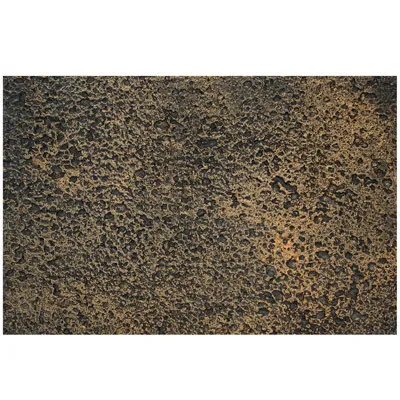
Hey everyone! Ever found yourself staring at architectural blueprints, pondering the perfect facade or interior finish for a project? It's a common dilemma. You want something that looks stunning, performs like a champ, and doesn't leave a huge carbon footprint. In today's world, balancing aesthetics with environmental responsibility isn't just a trend; it's a necessity. That's why we're diving deep into a fascinating comparison today: the sleek, modern appeal of Foamed Aluminium Alloy Board (Vintage Gold) against the timeless, natural charm of traditional Wood Cladding. Both have their ardent admirers, but when it comes to sustainability, which one truly shines?
At
COLORIA GROUP
, we've seen firsthand how crucial material selection is, not just for the immediate visual impact but for the long-term performance and ecological impact of a building. As a trusted
one-stop solution provider
in architectural materials, we're always exploring and offering innovative options that meet the evolving demands of both residential and commercial projects globally. We're here to help you navigate these choices, offering insights backed by decades of industry experience. So, let's peel back the layers and get into this sustainability showdown!
Round 1: The Contenders - An Introduction
Foamed Aluminium Alloy Board (Vintage Gold): The Modern Marvel
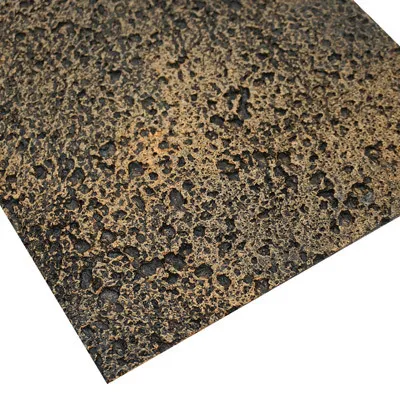
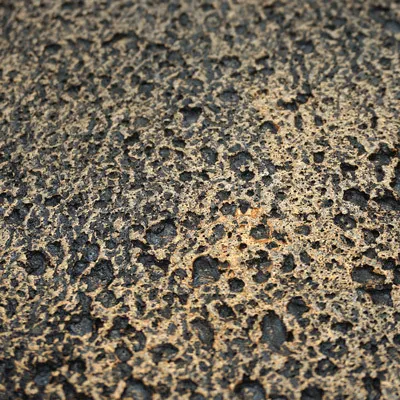
Imagine a material that combines the strength of metal with an incredibly lightweight, porous structure. That's essentially what foamed aluminium alloy is. It's a cutting-edge material created by injecting gas into molten aluminum, resulting in a cellular foam structure. When we talk about "Vintage Gold," we're referring to a specific finish that gives it a luxurious, aged metallic appearance, perfect for adding a touch of sophistication to any design.
The beauty of foamed aluminium alloy isn't just skin deep. Its unique internal structure grants it exceptional properties, making it an increasingly popular choice for various applications, from high-tech aerospace components to, you guessed it, stunning architectural facades. It's a material that screams innovation and forward-thinking design.
Wood Cladding: The Timeless Classic
On the other side of the ring, we have wood cladding. This isn't just any wood; we're talking about specially treated timber, often in planks or panels, designed to be applied to the exterior or interior of buildings. From classic cedar shingles to robust larch or thermally modified timbers, wood cladding brings warmth, texture, and an undeniable connection to nature.
Wood has been a fundamental building material for millennia. Its appeal lies in its organic beauty, versatility, and the comforting sense of tradition it evokes. However, as environmental concerns grow, the source, treatment, and lifespan of wood cladding become paramount considerations for those striving for truly sustainable building practices.
Round 2: Performance and Practicality
Durability and Lifespan
-
Foamed Aluminium Alloy:
This material is incredibly robust. It's resistant to corrosion, rot, pests, and fire. Its metallic composition means it won't warp, crack, or splinter like wood can, especially when exposed to harsh weather cycles. We're talking decades, even a century, of performance with minimal degradation. This longevity directly translates into less frequent replacement and, therefore, reduced resource consumption over the building's lifetime. Think about the long-term cost and environmental savings!
-
Wood Cladding:
The lifespan of wood cladding varies significantly based on the type of wood, its treatment, installation quality, and local climate. High-quality, properly treated wood (like cedar or hardwoods) can last for many decades, but it's generally more susceptible to environmental factors. It can be prone to rot, insect infestation, fading, and weathering, often requiring more frequent maintenance and potential replacement of individual sections. Without proper care, its lifespan can be considerably shorter than its metallic counterpart.
Maintenance Requirements
-
Foamed Aluminium Alloy:
Low maintenance is a huge selling point. A simple wash to remove dirt and grime is often all that's needed to keep its vintage gold luster intact. No need for regular painting, staining, or sealing to protect it from the elements. This translates to lower ongoing costs and a reduced need for harsh chemical treatments, further aligning with
green environmental protection
goals.
-
Wood Cladding:
Wood, being a natural material, typically requires more TLC. To maintain its appearance and prolong its life, it often needs regular cleaning, re-staining, repainting, or sealing every few years, depending on exposure. This maintenance can be costly, time-consuming, and may involve chemicals that aren't always environmentally friendly. Neglecting maintenance can lead to premature degradation, requiring earlier replacement.
Fire Resistance
-
Foamed Aluminium Alloy:
Aluminium is non-combustible, meaning it won't catch fire, contribute to a flame spread, or produce toxic smoke in a fire. This makes foamed aluminium alloy an excellent choice for buildings where fire safety is a paramount concern, offering crucial protection and peace of mind.
-
Wood Cladding:
Wood is, by nature, a combustible material. While treatments can improve its fire resistance, it will still burn. This is a significant consideration for fire safety, especially in high-density urban areas or for specific building types.
Aesthetic Versatility and Customization
This is where the art meets the science of
architectural materials
.
-
Foamed Aluminium Alloy:
The Vintage Gold finish offers a sophisticated, modern, and high-end aesthetic. While the core material has a distinct look, the surface can be treated, colored, and textured in numerous ways. Its form factor allows for intricate designs and precise geometric patterns. With our capabilities at
COLORIA GROUP
, we can deliver significant
customization
options, enabling designers to achieve unique visions that stand out.
-
Wood Cladding:
Wood offers a classic, natural, and organic appeal with variations in grain, color, and texture. Its warmth is undeniable, and it can be stained or painted to match different aesthetics. However, its natural forms and resistance to certain treatments can limit the extent of extreme modern
customization
that a metallic material might offer.
Round 3: The Sustainability Factor - A Deeper Dive
Now, let's get to the heart of the showdown: sustainability. This isn't just about whether a material is "natural" or "man-made"; it's about the entire lifecycle, from resource extraction to end-of-life.
Resource Origin and Environmental Impact
-
Foamed Aluminium Alloy:
Aluminium is an abundant element in the Earth's crust. Its extraction and primary production are energy-intensive, traditionally raising environmental concerns. However, the key here is aluminum's unparalleled recyclability. The majority of foamed aluminium alloy used in construction often incorporates a high percentage of recycled content, dramatically reducing its initial energy footprint. Its long lifespan also means less demand for new raw materials over time.
-
Wood Cladding:
Wood is a renewable resource, which is a major sustainability advantage – if sourced responsibly. This means wood from sustainably managed forests (certified by organizations like FSC or PEFC) ensures that harvesting doesn't lead to deforestation, habitat loss, or biodiversity reduction. However, illegally logged or unsustainably sourced wood can have devastating environmental impacts, leading to a much larger carbon footprint. The transportation of wood, especially exotic species, also contributes to its overall environmental impact.
Energy Consumption (Production and In-Use)
-
Foamed Aluminium Alloy:
While primary aluminum production is energy-intensive, using recycled aluminum requires significantly less energy (up to 95% less). The overall energy embodied in the foamed alloy depends heavily on the recycled content. Furthermore, its lightweight nature can reduce transportation energy costs. During a building's operational phase, its thermal properties can contribute to energy efficiency, though this varies greatly with specific product design and insulation strategies.
-
Wood Cladding:
The energy consumption for processing wood is generally lower than for primary aluminum. However, energy is still required for felling, milling, kiln drying, chemical treatments (if any), and transportation. Wood can also act as an insulator, contributing to a building's thermal performance, potentially reducing heating and cooling loads during its operational life.
Carbon Footprint
-
Foamed Aluminium Alloy:
The carbon footprint of foamed aluminium alloy is a complex calculation. While primary production has a higher embodied carbon, the high recyclability rate and long lifespan significantly offset this. Each time aluminum is recycled, massive amounts of CO2 emissions are avoided. Its contribution to a building's thermal envelope can also indirectly lower operational carbon emissions.
-
Wood Cladding:
Wood is celebrated for its ability to sequester carbon during its growth. When used in buildings, this carbon remains stored for the lifespan of the structure. This is a significant advantage. However, if the wood is unsustainably harvested, transported long distances, or ends up in a landfill at the end of its life (releasing its stored carbon as it decomposes), this benefit is diminished or even negated.
Recyclability and End-of-Life
-
Foamed Aluminium Alloy:
This is where aluminum truly shines as a poster child for circular economy principles. Foamed aluminium alloy is 100% recyclable without loss of quality, indefinitely. At the end of a building's life, the material can be easily salvaged and re-melted into new products, closing the loop and avoiding landfill waste entirely. This infinite recyclability is a massive sustainability advantage.
-
Wood Cladding:
Wood can be repurposed, salvaged, or even composted at the end of its life, especially if it's untreated. However, chemically treated wood often poses disposal challenges and may not be suitable for composting or direct recycling into new products, frequently ending up in landfills or incinerated. The circularity of wood is dependent on its initial treatment and end-of-life management.
Health and Indoor Air Quality
-
Foamed Aluminium Alloy:
Generally considered inert and non-toxic. It doesn't off-gas volatile organic compounds (VOCs) or other harmful chemicals, contributing to excellent indoor air quality. This is particularly important for
internal and external decoration materials
.
-
Wood Cladding:
Untreated wood is a natural, non-toxic material. However, some wood treatments, glues, or finishes used in wood products can contain VOCs or formaldehyde, which can impact indoor air quality. Choosing natural, low-VOC finishes is crucial for sustainable wood applications.
The Showdown Scorecard: A Comparative Table
|
Aspect
|
Foamed Aluminium Alloy Board (Vintage Gold)
|
Wood Cladding
|
|
Aesthetics & Versatility
|
Modern, sophisticated Vintage Gold finish; high potential for complex designs and
customization
.
|
Natural, warm, organic feel; traditional appeal with variations in grain and texture.
|
|
Durability & Lifespan
|
Excellent; resistant to corrosion, rot, pests, fire; very long lifespan (50+ years), low degradation.
|
Good to excellent (depending on species/treatment); prone to rot, insects, weathering without proper care; variable lifespan (20-60 years).
|
|
Maintenance
|
Very low; simple cleaning. No need for regular painting/staining.
|
Moderate to high; requires regular cleaning, staining, or sealing to maintain appearance and integrity.
|
|
Fire Resistance
|
Non-combustible; high fire safety rating.
|
Combustible; requires treatments to improve fire resistance.
|
|
Resource Origin
|
Abundant element; high reliance on recycled content for
green environmental protection
.
|
Renewable resource; sustainability highly dependent on responsible forest management (FSC/PEFC certified).
|
|
Embodied Energy
|
High for primary production, but vastly reduced with recycled content.
|
Generally lower than primary aluminum, but includes felling, milling, drying, and transport.
|
|
Carbon Footprint
|
Offset by high recyclability and longevity; indirect benefits from operational energy efficiency.
|
Carbon sequestering during growth; benefit reduced if unsustainably sourced or ends up in landfill.
|
|
Recyclability & End-of-Life
|
100% recyclable, indefinitely, without loss of quality. Excellent circularity.
|
Can be repurposed/composted if untreated; treated wood often poses disposal challenges.
|
|
Health & Air Quality
|
Inert, non-toxic, no VOC off-gassing.
|
Natural, but some treatments/finishes may contain VOCs.
|
Making Your Choice: Beyond the Showdown
So, who wins the sustainability showdown? It's not a simple knockout, is it? Both Foamed Aluminium Alloy Board (Vintage Gold) and Wood Cladding present compelling arguments, and the "better" choice often depends on the specific project context, design intent, budget, and local regulations.
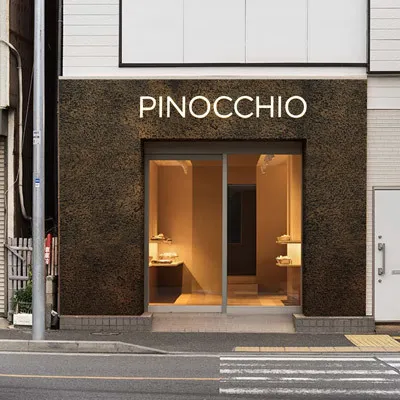
If you prioritize ultimate longevity, minimal maintenance, superior fire resistance, and a truly circular material lifecycle, the Foamed Aluminium Alloy Board (Vintage Gold) makes a very strong case. Its modern aesthetic and ability for deep
customization
also appeal to projects aiming for a distinctive, contemporary look. The long-term environmental benefits from its durability and infinite recyclability are hard to overlook, positioning it as a highly forward-thinking and responsible choice for many commercial and high-end residential applications.
On the other hand, if a project demands the undeniable warmth, acoustic properties, and classic aesthetic of natural wood, and if you can ensure it's sourced from verifiably sustainable forests, wood cladding remains a powerful option. Its carbon sequestration during growth is a genuine environmental benefit, provided its end-of-life is also managed responsibly through repurposing or composting. The challenge lies in ensuring that these conditions are consistently met throughout the supply chain and lifespan of the material.
Ultimately, the choice comes down to a holistic evaluation. It's about understanding the entire lifecycle impact, not just one aspect. As a
one-stop solution provider
for
architectural materials
,
COLORIA GROUP
focuses on empowering architects, designers, and developers with the knowledge and materials to make informed, responsible decisions. We believe that true sustainability comes from materials that not only perform exceptionally but also contribute positively to the planet throughout their entire existence.
Our experience, spanning decades and reaching
global markets
like our agency in Saudi Arabia, gives us unique insights into the varied demands and environmental considerations across different regions. We understand that every project is unique, and that's why we don't just offer products; we offer guidance and solutions tailored to your specific needs.
Whether you're leaning towards the innovative future of foamed aluminium alloy or the timeless appeal of sustainably sourced wood, remember that the most impactful choices are those made with comprehensive understanding and a long-term perspective. Both materials, when selected and implemented thoughtfully, can contribute to beautiful, high-performing, and more environmentally conscious buildings.
In conclusion, while Foamed Aluminium Alloy Board (Vintage Gold) presents compelling advantages in terms of durability, low maintenance, fire safety, and particularly its infinite recyclability, wood cladding offers unique aesthetic and carbon sequestration benefits when responsibly sourced and managed. The "winner" in this sustainability showdown is truly dependent on specific project priorities and an commitment to lifecycle assessment. What's clear is that innovative materials like foamed aluminium alloy, along with responsibly managed traditional materials, are paving the way for a more sustainable future in construction.