
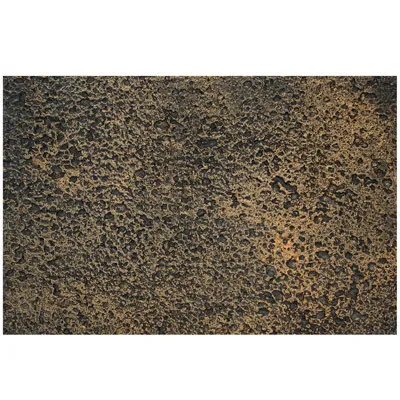
In the dynamic world of architecture and construction, selecting the right facade material is paramount. It's not just about aesthetics; it's about long-term durability, sustainability, maintenance, and ultimately, the soul of a building. Today, we're diving deep into a fascinating comparison between two compelling options that often capture the imagination of designers: Foamed Aluminium Alloy Board, particularly in a sophisticated Vintage Gold finish, and the ever-versatile Zinc Panels. While both offer distinct advantages, understanding their nuances is key to making an informed decision for your next project. We'll explore their unique characteristics, evaluate their performance, and then, as a forward-looking twist, introduce how innovative materials, like COLORIA GROUP's **MCM (Modified Cementitious Material)**, are redefining possibilities in this space.
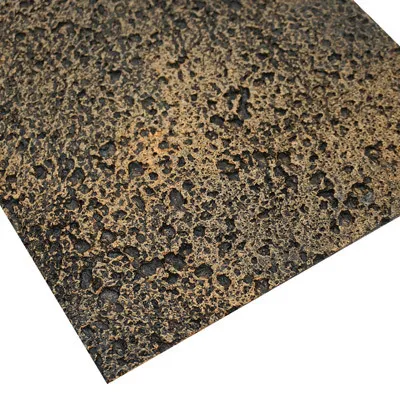
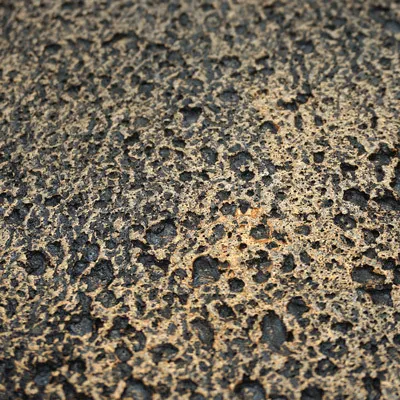
Foamed Aluminium Alloy Board, sometimes referred to as Aluminium Foam Panel, is a cutting-edge material created by injecting a foaming agent into molten aluminum, resulting in a porous structure. This process imbues the material with a unique set of properties, making it an intriguing choice for architectural applications. When finished in a Vintage Gold, it transcends its functional role, offering a rich, opulent aesthetic that can evoke a sense of heritage and luxury, suitable for high-end residential and commercial projects.
The Vintage Gold finish is where this material truly shines, quite literally. Unlike a flat, polished gold, the 'vintage' aspect suggests a more muted, perhaps slightly aged, and sophisticated sheen. This can range from a brushed gold that catches light softly to a deeper, burnished hue that hints at historical grandeur without being overly ostentatious. It offers a warmth that other metals often lack, providing a stunning contrast against modern glass and concrete or complementing traditional stone and wood. The inherent texture of the foamed aluminum, even when subtle, can add another layer of visual interest, creating depth that a flat metallic panel simply cannot achieve. This material has the power to transform a building's exterior into a statement piece, reflecting light in varied ways throughout the day and creating a living facade.
While appealing, Foamed Aluminium Alloy Boards aren't without their complexities. The specialized manufacturing process can lead to higher material costs compared to more conventional cladding options. Achieving a consistent Vintage Gold finish across large areas can also require meticulous quality control. Furthermore, detailing and fabrication, especially for complex geometries, might demand specialized techniques and expertise. Its unique texture, while attractive, might not suit every design vision, and the 'foamed' look could be perceived as industrial if not integrated carefully.
Zinc has been a favored architectural material for centuries, prized for its durability, malleability, and distinctive patina. Modern zinc panels, often pre-weathered or pre-patinated, offer architects a timeless yet contemporary facade solution that evolves beautifully over time.
The primary aesthetic draw of zinc lies in its natural, evolving beauty. Untreated zinc starts with a bright, metallic luster but quickly develops a protective, matte gray patina when exposed to the elements. This living finish gives buildings a unique character that deepens with age, integrating them more organically into their surroundings. Pre-patinated zinc options are also available, offering a more immediate, consistent aesthetic ranging from charcoal gray to blue-gray or even quartz-like finishes. Zinc's understated elegance makes it suitable for a wide range of architectural styles, from minimalist contemporary designs to rustic or industrial aesthetics. It provides a sophisticated backdrop that highlights other materials or stands proudly on its own.
While robust, zinc panels also come with specific considerations. The initial cost can be higher than some alternative cladding materials, though its long lifespan and low maintenance often make it cost-effective over the building's lifetime. Installation requires skilled craftsmanship, particularly for intricate detailing, to ensure proper ventilation and water drainage. Zinc is also susceptible to 'white rust' if exposed to standing water or prolonged humidity before the stable patina forms. Its thermal expansion and contraction need to be properly accounted for in design and installation to prevent buckling or stress. Furthermore, while the evolving patina is generally celebrated, some clients might prefer a completely consistent aesthetic that zinc's natural weathering cannot guarantee.
Let's consolidate the strengths and weaknesses of these two materials across key architectural criteria. This table aims to provide a quick reference for decision-making.
| Feature | Foamed Aluminium Alloy Board (Vintage Gold) | Zinc Panels |
|---|---|---|
| Aesthetic | Luxurious, warm, unique textured sheen, eye-catching Vintage Gold finish. Can evoke opulence and history. | Natural, evolving matte gray patina; understated elegance; available in pre-patinated shades; timeless and organic feel. |
| Durability & Longevity | Very durable, excellent strength-to-weight ratio, good corrosion resistance. Long lifespan but not as inherently self-healing as zinc. | Exceptional longevity (100+ years), self-healing patina, highly resistant to corrosion. |
| Maintenance | Relatively low, standard cleaning. Finish can be sensitive to harsh abrasives. | Very low, requires minimal cleaning. Patina forms naturally and protects the material. |
| Weight | Significantly lighter than solid metals, reducing structural load. | Moderate weight, heavier than foamed aluminum, lighter than many traditional masonry materials. |
| Workability/Malleability | Good for flat panels; complex shapes may require specialized fabrication. | Highly malleable, excellent for complex curves, folds, and intricate detailing. |
| Sustainability | Recyclable, but energy intensive to produce foam. Long lifespan. | 100% recyclable, lower energy production than some metals, very long lifespan. High marks for **green and environmental protection**. |
| Cost (Material & Installation) | Generally high due to specialized manufacturing and finish. Installation might be specialized. | Higher initial material cost, but long lifespan and low maintenance make it cost-effective. Skilled installation required. |
| Acoustic Performance | Excellent sound absorption due to porous structure. | Good sound reflection, not primarily an acoustic absorber unless combined with other layers. |
| Thermal Performance | Offers some degree of thermal insulation. | Good thermal conductor; proper ventilation systems are crucial to manage thermal expansion. |
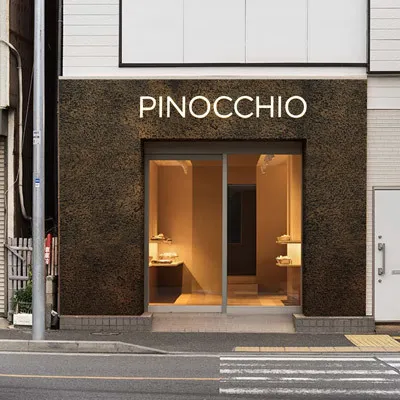
While Foamed Aluminium Alloy Boards and Zinc Panels each present compelling arguments for various architectural visions, the industry is constantly evolving, seeking materials that offer enhanced versatility, superior sustainability, and unprecedented **customization**. This is where COLORIA GROUP steps in as a leading **one-stop solution provider** in architectural materials, championing our innovative **MCM (Modified Cementitious Material)** series.
Imagine a material that can faithfully mimic the aesthetics of natural stone, wood, brick, leather, or even achieve unique metallic effects like a sophisticated gold or weathered gray, yet offers superior performance, ease of installation, and a significantly smaller environmental footprint. That's the promise of MCM.
COLORIA GROUP's MCM products represent a paradigm shift in interior and exterior decoration. Made from natural minerals, polymers, and other inorganic materials, they are incredibly flexible, lightweight, and durable. They are the epitome of modern **architectural materials**, designed to meet the rigorous demands of contemporary building.
This is perhaps where MCM truly outshines traditional metallic options like zinc or specialized aluminum. While Vintage Gold Foamed Aluminium Alloy offers a specific luxurious metallic look, and zinc provides its unique evolving patina, MCM offers an almost limitless palette.
MCM is not just about looks; it's about delivering robust performance coupled with strong environmental credentials.
As a **one-stop solution provider**, COLORIA GROUP offers a comprehensive range of MCM products, ensuring there's a perfect fit for every architectural need:
Whether you're aiming for the luxurious gleam of a "Vintage Gold" effect, the timeless elegance of a natural patina, or something entirely new and bespoke, our MCM materials offer an unmatched blend of design freedom, performance, and environmental responsibility. We've seen how Foamed Aluminium Alloy and Zinc Panels have their distinct merits. However, with MCM, COLORIA GROUP provides an advanced material that often encapsulates the best of both worlds, while opening up new horizons for aesthetic expression and sustainable building practices.
When deciding between Foamed Aluminium Alloy Board (Vintage Gold) and Zinc Panels, architects and developers weigh a complex interplay of aesthetic goals, performance requirements, budget constraints, and sustainability targets. The Vintage Gold Foamed Aluminium offers a bold, luxurious statement with unique acoustic and thermal properties, albeit with higher costs and specialized fabrication. Zinc panels, on the other hand, provide a timeless, organic beauty that matures gracefully, boasting exceptional longevity and sustainability, though demanding skilled installation and an appreciation for its evolving patina.
However, the future of **architectural materials** is increasingly leaning towards innovative solutions that offer greater flexibility, superior environmental credentials, and endless **customization** options. COLORIA GROUP, leveraging decades of industry experience and operating globally with a strong presence in regions like Saudi Arabia, stands at the forefront of this evolution with our MCM series.
We are not just selling materials; we are providing a **one-stop solution provider** experience, from conceptualization to delivery, ensuring that your vision is realized with the highest quality and most sustainable products available. Our MCM materials offer a compelling alternative that can replicate the visual impact of metals like a Vintage Gold or the classic look of a weathered facade, while delivering superior performance in terms of flexibility, lightweight design, and adherence to **green and environmental protection** principles.
Ultimately, the best material is the one that aligns most closely with the specific demands and aspirations of your project. By understanding the intricate details of each option, including the exciting possibilities brought forth by advanced materials like COLORIA GROUP's MCM, you empower yourself to create structures that are not only beautiful and functional but also responsible and future-proof. Choose innovation, choose sustainability, choose COLORIA GROUP for your next architectural masterpiece.
This article provides general information and comparison for architectural materials. Specific project requirements and material specifications should always be discussed with qualified professionals.
Recommend Products












