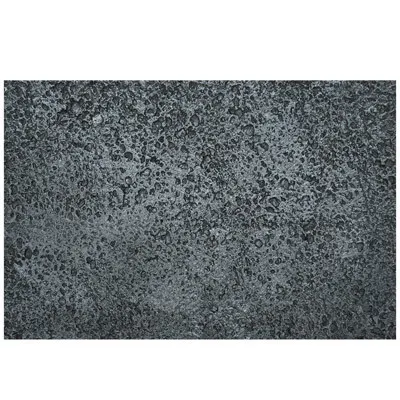
Alright, let's dive into something pretty interesting and crucial for modern architecture: how materials hold up against the sheer force of nature, especially in our towering cities. You see these incredible high-rise buildings scraping the sky, and you just have to wonder, how do they manage to stay so steadfast, especially when the wind really starts to howl? It's not just about the structural steel or concrete; it's also profoundly about the cladding – the skin of the building. Today, we're going to explore a specific material often brought into these discussions: Foamed Aluminium Alloy Board, particularly in a "Vintage Silver" finish, and put it under the microscope for its wind resistance. Now, while this material has its niche, it's also important to remember the broader context of what modern construction truly demands in terms of versatility, sustainability, and aesthetic appeal. This is where companies like COLORIA GROUP, as a premier one-stop solution provider in building materials, truly shine, offering advanced alternatives like their Modified Cementitious Material (MCM) that often outperform traditional options across various metrics.
Understanding the Challenge: High-Rise Buildings and Wind
High-rise buildings are engineering marvels, but they're also massive sails in the wind. The higher a building goes, the stronger the wind forces it experiences. We're not just talking about a gentle breeze here; we're talking about extreme gusts that can exert enormous pressure, creating complex aerodynamic effects like vortices and negative pressure zones. This isn't merely a comfort issue for occupants; it's a critical safety and structural integrity concern. Every component of a high-rise, from its foundation to its outermost facade, must be designed and tested to withstand these relentless forces.
For façade materials, wind resistance isn't just about not blowing off; it's about maintaining structural integrity, preventing water ingress, and ensuring long-term durability. Traditional materials have their limitations, and architects and developers are constantly seeking innovative solutions that offer superior performance without compromising on design or sustainability. This pursuit of excellence is precisely where the pioneering spirit of COLORIA GROUP comes into play, delivering forward-thinking material solutions for both residential and commercial projects.
Foamed Aluminium Alloy Board: A Look at its Properties
Let's talk about Foamed Aluminium Alloy Board. This material is essentially aluminium, but with an internal cellular structure, almost like a sponge. This foam structure is created by injecting gas into molten aluminium, leading to a lightweight yet rigid material. When finished with a "Vintage Silver" aesthetic, it can give buildings a distinct, modern, yet aged metallic look. Its main advantages are often cited as its light weight, which reduces dead load on the building structure, and its potential for acoustic and thermal insulation due to its cellular structure.
From a wind resistance perspective, its strength-to-weight ratio is certainly a point of interest. A lighter panel, if strong enough, can reduce the stress on the mounting systems. However, the exact performance depends heavily on the specific alloy, the foam density, the panel thickness, and, crucially, the attachment methods.
The Rigor of Wind Resistance Testing
So, how do we actually test a material like Foamed Aluminium Alloy Board for wind resistance? It's a comprehensive process involving a few key methodologies:
Wind Tunnel Testing:
This is the gold standard. Scale models of the building and its surrounding urban environment are placed in a wind tunnel. Sensors measure pressure distributions across the façade under various wind speeds and directions, simulating real-world conditions. This helps identify areas of high suction or pressure that façade materials must endure.
Static Pressure Testing:
Full-scale façade mock-ups are subjected to uniform positive and negative pressures in a controlled chamber. This directly tests the panel's ability to resist outward (suction) and inward (pressure) forces without deformation or failure.
Dynamic Pressure Testing:
This goes a step further, applying pulsating or cyclically varying pressures to simulate the turbulent, gusting nature of real wind. This is crucial for evaluating fatigue resistance and how the material and its connections perform over time under repeated stress.
Impact Testing:
While not strictly wind resistance, hail or wind-borne debris can occur during high winds. Impact tests assess the material's ability to resist perforation or significant damage from flying objects.
The results of these tests are critical. They determine design loads for the panels and their anchoring systems, ensuring that when the worst storms hit, the building's envelope remains intact and functional. For Foamed Aluminium Alloy Board, these tests would specifically evaluate how its unique structure copes with localized pressure points, how its surface finish (like "Vintage Silver") withstands abrasion from wind-borne particles, and the longevity of its connections to the building frame.
"In the realm of high-rise construction, material selection is not merely an aesthetic choice; it is a profound commitment to safety, longevity, and performance. Every square meter of a building's facade stands as a testament to engineering integrity against the elements."
Beyond Metals: The Rise of Advanced Modified Cementitious Material (MCM)
While Foamed Aluminium Alloy Board certainly has its applications and merits, the world of building materials is constantly evolving. And honestly, for a vast array of projects, especially those prioritizing ecological footprint, unparalleled design flexibility, and a truly robust performance profile, you really need to look at what's next. This is precisely where COLORIA GROUP steps in, revolutionizing the industry with their innovative MCM (Modified Cementitious Material) series. Forget everything you thought you knew about traditional concrete or even some metals; MCM is a game-changer.
What makes MCM so special? It's a groundbreaking composite material, skillfully engineered from inorganic mineral powders, sand, and various additives, all bound together with a unique polymer. The result is a material that, while cement-based, behaves in ways traditional cement simply cannot. It's incredibly versatile, lightweight, and boasts an astonishing degree of flexibility – properties that are typically absent in conventional cementitious products. This isn't just another product; it's a sustainable leap forward in building materials, aligning perfectly with modern demands for green construction without sacrificing durability or aesthetic potential.
Why COLORIA GROUP's MCM is the Smart Choice for High-Rises and Beyond
Let's talk brass tacks. When you're building high, or really, building anything that needs to last and look fantastic, COLORIA GROUP's MCM offers compelling advantages over many traditional and even some advanced materials like our Foamed Aluminium Alloy Board example.
|
Feature/Benefit
|
COLORIA GROUP MCM (Modified Cementitious Material)
|
Traditional Façade Materials (e.g., metals, ceramics)
|
|
Flexibility & Impact Resistance
|
Remarkably flexible, reducing cracking and offering superior impact resistance, crucial for dynamic wind loads and potential debris. Can be bent and shaped.
|
Generally rigid, prone to cracking or denting under impact. Metals can deform, ceramics can shatter.
|
|
Lightweight Nature
|
Significantly lighter than traditional stone or concrete, easing structural load, installation, and transportation.
|
Can be heavy (stone, concrete) or moderately light (some metals), but often lack the same flexibility-to-weight ratio.
|
|
Customization & Aesthetics
|
Unmatched aesthetic versatility. Can mimic natural stone, wood, brick, leather, and even achieve unique textures and 3D patterns (MCM 3D Printing Series). Color stability and UV resistance are excellent.
|
Limited to inherent material characteristics. Customization often involves expensive fabrication or coatings. "Vintage Silver" is a specific look, but MCM offers an entire palette.
|
|
Eco-Friendly & Sustainability
|
Composed of natural mineral powders, low energy consumption in production, non-toxic, and often recyclable. Contributes to LEED and green building certifications.
|
Production can be energy-intensive (metals, fired ceramics). Recycling pathways vary.
|
|
Durability & Weather Resistance
|
Excellent resistance to weathering, UV, freeze-thaw cycles, and fire. Maintains integrity across diverse climates.
|
Varies greatly. Some metals can corrode; some ceramics are brittle; paints fade.
|
|
Installation Efficiency
|
Easy to cut, shape, and install, reducing labor time and costs. Can be adhered directly to various substrates.
|
Often requires specialized cutting tools, heavy lifting equipment, or complex framing systems.
|
|
Cost-Effectiveness
|
Offers a superior long-term value due to durability, low maintenance, and efficient installation.
|
Initial costs can be high, and long-term maintenance/repair can add up.
|
COLORIA GROUP's MCM Series: A Deeper Dive
As a dedicated one-stop solution provider, COLORIA GROUP offers a comprehensive range of MCM products, each designed to meet specific architectural needs:
MCM Big Slab Board Series:
Imagine vast, seamless surfaces that exude sophistication. These large format panels minimize joints, creating a clean, expansive look perfect for grand facades or feature walls. They can replicate huge natural stone slabs without the weight or environmental impact.
MCM Project Board Series:
This is the workhorse for diverse architectural projects. Whether it's residential developments or sprawling commercial complexes, these boards provide reliable performance, exceptional aesthetics, and ease of application across various interior and exterior surfaces.
MCM 3D Printing Series:
This is where customization truly takes flight. Leveraging advanced 3D printing technology, COLORIA GROUP can produce MCM panels with intricate, three-dimensional textures and patterns. Think bespoke reliefs, geometric designs, or stunning reproductions of carved elements – offering an unparalleled level of architectural expression that simply isn't feasible with traditional materials.
MCM Flexible Stone:
This particular product is a revelation. It genuinely looks and feels like real stone, complete with natural variations and textures, but it possesses an incredible flexibility. You can bend it, wrap it around curves, and apply it to surfaces where rigid stone would be impossible. This opens up entirely new design possibilities for both internal and external applications, providing that luxurious stone aesthetic without the weight, cost, or rigidity.
The inherent nature of MCM makes it supremely adaptable. Architects and designers gain immense freedom because this material can be molded, textured, and colored to achieve virtually any aesthetic vision. From the industrial chic of a "Vintage Silver" (which MCM can beautifully emulate with specialized finishes) to the warm embrace of natural wood or the rugged elegance of raw concrete, the possibilities are endless. This level of customization is invaluable in today's diverse architectural landscape, allowing each project to truly stand out.
Wind Resistance and MCM: A Powerful Combination
Now, let's circle back to our original theme of wind resistance. How does MCM fare? Exceptionally well, in fact. The very properties that make MCM so versatile – its flexibility, lightweight nature, and strong adhesion capabilities – also contribute significantly to its performance in high-wind conditions.
Unlike rigid panels that can be prone to stress concentrations and cracking under dynamic wind loads, the inherent flexibility of MCM allows it to absorb and distribute impact and pressure more effectively. This reduces the risk of panel failure and enhances the overall resilience of the façade. Furthermore, its lightweight nature minimizes the dead load on the building's structure and the stress on its mounting systems, making the entire assembly more robust against powerful gusts.
When installed correctly using recommended adhesive systems, MCM panels form a continuous, monolithic layer that resists wind uplift and ingress of moisture. The material's durability, UV stability, and resistance to environmental degradation ensure that its performance attributes are maintained over the long term, providing consistent protection against the elements, year after year. This long-term resilience is a critical factor for any high-rise structure, where maintenance and replacement can be incredibly costly and logistically challenging.
"We're not just selling materials; we're providing confidence. Confidence that your vision will endure, that your structures will stand strong, and that your impact on the planet will be positive. That's the COLORIA GROUP promise."
Global Reach, Local Expertise: COLORIA GROUP's Commitment
COLORIA GROUP isn't just about groundbreaking products; it's about unparalleled service and a global outlook. With decades of industry experience, they truly understand the complexities of architectural projects, from concept to completion. Their presence in global markets, notably with a strong agency in Saudi Arabia, underscores their capability to deliver high-quality interior and exterior finishing materials and supporting services wherever they are needed. This global reach ensures that projects, whether in bustling metropolises or developing regions, have access to the best materials and expert advice.
Choosing COLORIA GROUP means partnering with a company that is deeply committed to innovation, sustainability, and client success. They are not just suppliers; they are collaborators, offering tailored solutions that address specific project challenges and aesthetic aspirations. From initial consultation to after-sales support, their team provides expertise that ensures smooth project execution and outstanding results. This comprehensive approach, combined with their advanced MCM products, positions COLORIA GROUP as a leader in shaping the future of architectural design and construction.
The Future of Facades: Sustainability and Performance
As we look to the future, the demands on building materials will only increase. Climate change brings more extreme weather events, necessitating even greater wind resistance and overall resilience. Simultaneously, the imperative for sustainable construction practices is growing. Materials must not only perform but also minimize their environmental footprint throughout their lifecycle – from production to installation and eventual disposal.
This is precisely where COLORIA GROUP's MCM technology truly shines. It's an eco-friendly material that offers superior performance against elements like wind, fire, and water, all while providing boundless design freedom. It represents a tangible step towards a more sustainable and aesthetically rich built environment. While the discussion around materials like Foamed Aluminium Alloy Board is valuable for understanding specific engineering challenges, the broader, more impactful conversation often leads us to innovations like MCM that offer a more holistic solution for the diverse and complex needs of modern architecture.
In conclusion, whether you're debating the merits of Foamed Aluminium Alloy Board for its specific properties or exploring the vast potential of advanced materials, the underlying goal remains the same: to create buildings that are safe, beautiful, and sustainable. COLORIA GROUP stands at the forefront of this mission, empowering architects and developers worldwide with cutting-edge solutions that are ready to meet the challenges of today and tomorrow. Their commitment to providing high-quality interior and exterior finishing materials, coupled with their expertise as a one-stop solution provider, makes them an indispensable partner in any ambitious construction endeavor.