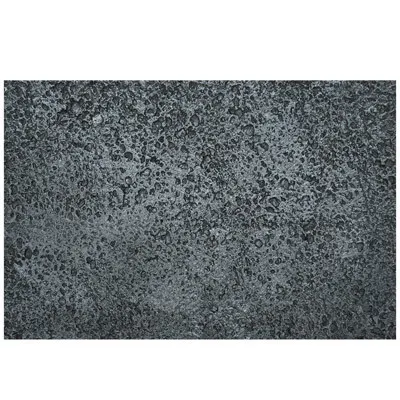
In the dynamic world of architecture and interior design, material selection is paramount. It's not just about aesthetics; it's about performance, sustainability, longevity, and ultimately, how well a material aligns with the project's overarching vision and practical requirements. Today, we're diving deep into a fascinating comparison between two distinct yet equally compelling choices for modern construction and renovation: Foamed Aluminium Alloy Board (Vintage Silver) and COLORIA GROUP's cutting-edge
MCM panels
(Modified Cementitious Material). Both offer unique advantages, but understanding their core characteristics, applications, and suitability for various scenarios is key to making an informed decision.
COLORIA GROUP prides itself on being a premier one-stop solution provider in the architectural materials sector, delivering high-quality interior and exterior finishes for both residential and commercial projects globally. With decades of industry experience and a strong presence, particularly in regions like Saudi Arabia, our expertise guides clients toward optimal material choices that stand the test of time and trend. Our flagship MCM series represents a commitment to innovation, sustainability, and design versatility, offering a compelling alternative to traditional materials. This article aims to unpack the nuances of these two materials, helping you discern which one will truly elevate your next architectural endeavor.
Understanding Foamed Aluminium Alloy Board (Vintage Silver)
What is Foamed Aluminium Alloy Board?
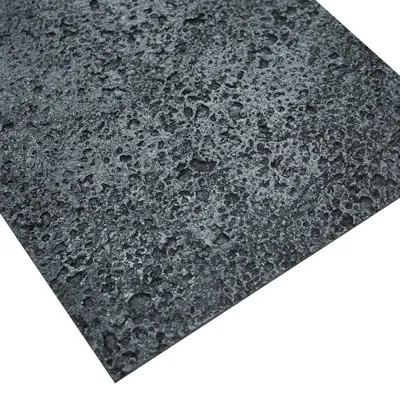
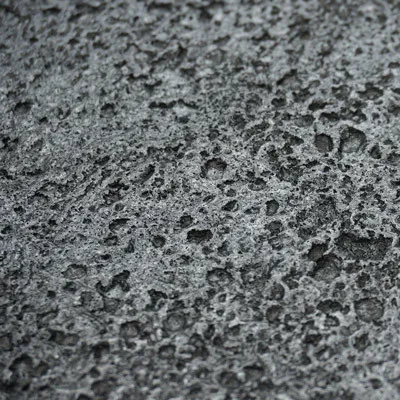
Foamed Aluminium Alloy Board, often referred to as Aluminium Foam Panel (AFP), is a relatively novel material created by introducing gas (usually air or inert gas) into molten aluminum, which then solidifies, trapping the gas bubbles within. This process results in a lightweight, porous structure with a unique combination of properties. The "Vintage Silver" variant typically refers to a specific finish or treatment applied to the surface, lending it an aged, sophisticated metallic appearance that is highly sought after in contemporary design. It's an engineered material that takes the inherent benefits of aluminum – its strength, corrosion resistance, and recyclability – and enhances them with a cellular structure.
The manufacturing process for foamed aluminum involves either a direct foaming method, where gas is injected into molten aluminum, or a powder metallurgical route, where aluminum powder is mixed with a foaming agent, compacted, and then heated to initiate foaming. The latter often allows for more controlled pore structures. The resultant material can be tailored to various densities and pore sizes, influencing its mechanical and acoustic properties. This allows for a significant degree of customization depending on the application's specific requirements, from sound absorption to structural reinforcement.
Key Characteristics and Advantages
-
Exceptional Lightweight Nature:
One of its most celebrated attributes is its low density. The cellular structure makes it significantly lighter than solid aluminum or other traditional metals, which can reduce structural loads on buildings and simplify installation. This translates to potential cost savings in transportation, handling, and foundational design.
-
High Stiffness-to-Weight Ratio:
Despite being lightweight, foamed aluminum maintains a surprising degree of stiffness, making it ideal for applications where structural integrity is required without excessive mass. This inherent rigidity ensures that panels remain flat and stable over large spans.
-
Excellent Sound Absorption:
The porous, open-cell structure of foamed aluminum is highly effective at absorbing sound waves. This makes it an outstanding choice for acoustic panels in spaces where noise reduction is critical, such as concert halls, recording studios, industrial facilities, or busy commercial environments. The Vintage Silver finish can add an aesthetic layer to this functional benefit.
-
Superior Energy Absorption:
When subjected to impact, foamed aluminum can deform and absorb a substantial amount of kinetic energy, acting as an effective crash absorber. While perhaps not a primary consideration for aesthetic cladding, this property highlights its robustness.
-
Non-Combustible and Fire Resistant:
As an aluminum product, it is inherently non-combustible, offering excellent fire safety properties, which is a crucial factor in building codes and safety regulations, especially for commercial and public buildings.
-
Corrosion Resistance:
Aluminum's natural resistance to corrosion, especially when properly treated, means these boards are durable and can withstand various environmental conditions, though the vintage silver finish might require specific maintenance for optimal longevity.
-
Unique Aesthetic (Vintage Silver):
The Vintage Silver finish provides a distinct, industrial-chic, or even futuristic look. Its metallic sheen and potential for textured surfaces due to the foaming process can create visually striking facades, accent walls, and design elements. It embodies a modern, edgy sophistication that can be highly appealing in certain design contexts.
Common Applications of Foamed Aluminium Alloy Board
-
Architectural Cladding:
For facades and exterior walls where a striking metallic aesthetic is desired, combined with lightweight and durable properties.
-
Interior Design Elements:
Feature walls, ceilings, and decorative panels in contemporary spaces like lobbies, galleries, and high-end retail.
-
Acoustic Panels:
Due to its sound-absorbing qualities, it's excellent for reducing reverberation in large or noisy environments.
-
Transportation:
Used in automotive, aerospace, and marine industries where lightweight, high-strength, and energy-absorbing materials are valued.
-
Structural Components:
In specific applications where lightweight structural support is needed.
Introducing COLORIA GROUP's MCM Panels (Modified Cementitious Material)
Now, let's shift our focus to COLORIA GROUP's core offering:
MCM panels
.
Modified Cementitious Material
is a revolutionary class of building materials that reimagines what's possible with traditional mineral powders. Unlike heavy, rigid, and often resource-intensive traditional materials, MCM panels offer unparalleled flexibility, lightness, and design freedom, all while upholding robust performance and environmental integrity. COLORIA GROUP has leveraged decades of expertise to develop a diverse range of MCM products, each tailored for specific architectural demands.
The Essence of MCM Technology
MCM is fundamentally a composite material made primarily from inorganic mineral powders (like clay, sand, fly ash, and other natural aggregates), which are modified and enhanced with various polymers and additives. This unique formulation, combined with a specialized low-temperature baking process, results in a material that is incredibly versatile. It can mimic the look and feel of natural stone, brick, wood, leather, woven fabric, or even metallic finishes, but without the inherent limitations of these traditional materials. The key is its "flexibility," not just in physical form but also in design adaptability.
COLORIA GROUP's Core MCM Product Series
Designed for expansive applications, our MCM Big Slab Board Series offers generous dimensions that minimize joint lines, creating a seamless and sophisticated aesthetic. These large-format panels are perfect for modern facades, grand lobbies, and statement interior walls where scale and visual continuity are paramount. They provide the look of luxurious natural stone or other premium finishes with a fraction of the weight and complexity of installation.
This series is specifically engineered for high-demand commercial and public projects. It combines durability with aesthetic flexibility, offering practical solutions for airports, hospitals, schools, and office buildings. The Project Board Series emphasizes ease of installation, maintenance, and long-term performance, making it a reliable choice for large-scale developments that require efficiency and robust material characteristics. These panels are designed to withstand significant wear and tear while maintaining their visual integrity over many years.
Pushing the boundaries of design, our MCM 3D Printing Series unlocks unprecedented levels of customization. This innovative approach allows for the creation of intricate textures, complex patterns, and bespoke three-dimensional forms that would be impossible or prohibitively expensive with traditional materials. Architects and designers can bring their most ambitious visions to life, creating unique, tactile surfaces that engage the senses. This series is a testament to the versatility of
Modified Cementitious Material
, offering truly
customized architectural solutions
.
Our MCM
Flexible Stone
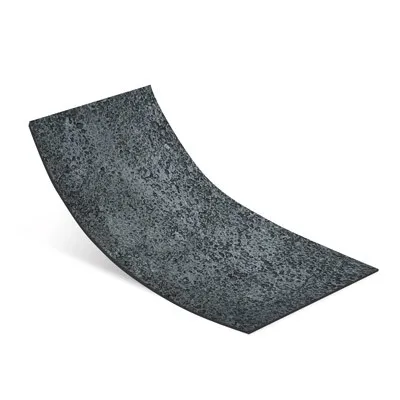
series is perhaps one of the most transformative applications of MCM technology. It flawlessly replicates the natural beauty and texture of various stones – from marble and granite to slate and travertine – but in a thin, lightweight, and highly flexible sheet. This flexibility allows for application on curved surfaces, columns, and intricate architectural details where traditional rigid stone would be impractical or impossible. It's an ideal choice for renovation projects, exterior cladding, and interior accents where the warmth and elegance of stone are desired without the weight, cost, and installation challenges.
Why Choose COLORIA GROUP's MCM Panels?
-
Unparalleled Design Versatility:
MCM can mimic virtually any natural material, offering an expansive palette of textures, colors, and patterns. This enables designers to achieve specific aesthetic goals without compromising on performance or budget. The ability to create realistic stone, wood, or brick finishes with a lightweight, flexible material is a game-changer.
-
Lightweight and Flexible:
These properties significantly simplify transportation, handling, and installation, leading to reduced labor costs and faster project completion times. The flexibility also allows for application on curved surfaces and complex geometries, expanding design possibilities.
-
Eco-Friendly Building Materials:
Sustainability is at the core of MCM technology. Made primarily from natural, inorganic minerals and often incorporating recycled content, MCM panels have a significantly lower carbon footprint compared to traditional alternatives. Their production requires less energy, water, and generates fewer pollutants. They are breathable, non-toxic, and contribute to healthier indoor environments. COLORIA GROUP is committed to providing
eco-friendly building materials
that support green building initiatives.
-
Durability and Performance:
MCM panels are highly durable, resistant to UV radiation, freeze-thaw cycles, moisture, and fire. They maintain their appearance and structural integrity over long periods, making them suitable for both interior and exterior applications, even in harsh climates.
-
Breathability:
Unlike some synthetic cladding materials, MCM is breathable, allowing moisture vapor to pass through. This characteristic helps prevent moisture buildup within wall assemblies, reducing the risk of mold and enhancing the overall health of the building structure.
-
Cost-Effectiveness:
While the initial unit cost might vary, the overall project cost can be significantly reduced due to lighter weight (lower shipping costs, less structural support needed), faster installation, and reduced maintenance requirements over the material's lifespan.
-
Customization:
As highlighted by our 3D Printing Series, MCM offers extraordinary opportunities for
customized architectural solutions
, enabling truly unique and branded designs for clients seeking to differentiate their projects.
Direct Comparison: Foamed Aluminium Alloy Board (Vintage Silver) vs. MCM Panels
Now that we've explored both materials individually, let's pit them against each other across several critical categories. This direct comparison will help highlight their respective strengths and weaknesses, guiding you towards the best choice for your specific project needs.
Aesthetics and Design Flexibility
-
Foamed Aluminium (Vintage Silver):
Offers a distinct, modern industrial aesthetic. The Vintage Silver finish provides a sophisticated, metallic, and often textured look. Its visual appeal is strong but generally limited to metallic and industrial expressions. It excels when a sleek, high-tech, or rugged metallic appearance is specifically desired. The inherent texture from the foaming process can add a unique tactile and visual depth.
-
MCM Panels (COLORIA GROUP):
Provides vastly superior design versatility. MCM can convincingly replicate the appearance and texture of natural stone, wood, brick, leather, woven fabrics, and even metallic finishes, including sleek modern or rustic patinas. The ability to achieve incredibly realistic textures and colors, combined with the 3D Printing Series, means that MCM can adapt to virtually any architectural style, from classical to ultra-modern, and any specific design vision. If your project demands the look of natural materials or truly bespoke textures,
MCM panels
are the clear winner.
Weight and Handling
-
Foamed Aluminium:
Very lightweight for a metal product, especially compared to solid aluminum sheets. This makes it easier to transport and install than many traditional metal panels. Its low density is a significant advantage in reducing structural loads.
-
MCM Panels:
Exceptionally lightweight. MCM typically weighs significantly less per square meter than traditional stone, brick, or even many metal panels. This dramatically reduces shipping costs, structural requirements for the building, and labor intensity during installation. The flexibility of certain MCM series (like Flexible Stone) further enhances handling and application, particularly on non-flat surfaces.
Durability and Longevity
-
Foamed Aluminium:
Highly durable, non-combustible, and corrosion-resistant. It holds up well against impact and weathering. The metallic surface might show scratches or dents if subjected to harsh physical abuse, but overall, it's a robust material designed for long-term exterior and interior use.
-
MCM Panels:
Outstanding durability. They are resistant to UV degradation, freeze-thaw cycles, moisture, and fire. They resist fading and cracking over time, maintaining their aesthetic appeal and structural integrity for decades. The inherent flexibility of MCM also allows it to better withstand minor structural movements or impacts without cracking, a common issue with rigid materials. COLORIA GROUP's
Modified Cementitious Material
is engineered for enduring performance in diverse environments.
Sustainability and Environmental Impact
-
Foamed Aluminium:
Aluminum is highly recyclable, making it an environmentally conscious choice in terms of end-of-life considerations. The production process can be energy-intensive, but advances are being made to reduce this footprint. Its longevity also contributes to sustainability by reducing the need for frequent replacement.
-
MCM Panels:
A leader in
eco-friendly building materials
. Made from natural, inert mineral powders, often including recycled content, and produced through a low-temperature, low-energy baking process. It significantly reduces carbon emissions compared to manufacturing traditional fired bricks or quarried stone. MCM is breathable, non-toxic, and supports healthier indoor air quality. Its light weight further reduces the carbon footprint associated with transportation. For projects prioritizing green building certifications and minimal environmental impact, MCM is a superior choice.
Installation and Maintenance
-
Foamed Aluminium:
Installation typically involves mechanical fastening systems, which can be precise and sometimes specialized. Cutting and shaping may require specific tools. Maintenance generally involves periodic cleaning to maintain the finish, and care must be taken to avoid abrasive cleaners that could damage the vintage silver surface.
-
MCM Panels:
Known for ease of installation. Their light weight and flexibility allow for quick and efficient application, often using specialized adhesives or minimal mechanical fasteners. This drastically reduces labor time and costs. Cutting and shaping are generally simpler, requiring standard carpentry tools. Maintenance is straightforward, typically requiring only routine cleaning with water and mild detergents. The inherent durability and stain resistance minimize the need for extensive upkeep.
Cost Considerations
-
Foamed Aluminium:
The initial material cost can be higher due to specialized manufacturing processes and the nature of aluminum alloys, especially with unique finishes like Vintage Silver. However, its longevity and low maintenance can offer long-term value.
-
MCM Panels:
Often more cost-effective upfront, particularly when compared to genuine natural stone or wood. The significant savings come from reduced shipping costs (due to light weight), faster installation times (lower labor costs), and minimal maintenance. Over the lifespan of a project, MCM often presents a more economical total cost of ownership without compromising on aesthetic quality or performance.
Performance: Fire, Water, and Sound
-
Foamed Aluminium:
Excellent fire resistance (non-combustible). Good resistance to moisture and corrosion. Outstanding sound absorption properties, making it an ideal choice for acoustic applications.
-
MCM Panels:
Very good fire resistance (Class A rated in many regions). Highly resistant to water absorption, weathering, and freeze-thaw cycles. Offers good thermal insulation properties. While not primarily an acoustic material like foamed aluminum, it does contribute to sound dampening and can be combined with other materials for enhanced acoustic performance. The breathability of MCM is a key advantage for long-term building health.
|
Primary Material
|
Foamed aluminum alloy, metallic finish
|
Modified Cementitious Material (natural mineral powders, polymers)
|
|
Aesthetic Range
|
Distinct industrial/modern metallic, vintage silver finish; textured
|
Extensive (stone, wood, brick, leather, woven, various metallic finishes, custom 3D textures)
|
|
Weight
|
Very lightweight (lighter than solid metals)
|
Extremely lightweight (lighter than most traditional cladding materials)
|
|
Flexibility
|
Rigid panel (some bending possible with specific formulations/thicknesses)
|
Highly flexible (especially Flexible Stone series), can conform to curves
|
|
Durability
|
High (corrosion, impact, fire resistant)
|
High (UV, freeze-thaw, moisture, fire, scratch, fade resistant)
|
|
Sustainability
|
Recyclable, but energy-intensive production
|
Highly eco-friendly (low-energy production, natural materials, breathable, recyclable)
|
|
Installation
|
Mechanical fastening, specialized tools might be needed, precise alignment
|
Simple and fast (adhesives, minimal fasteners), easy to cut/shape, low labor cost
|
|
Cost (Total Ownership)
|
Higher initial material cost, good long-term value
|
Generally more cost-effective (lower shipping, faster install, minimal maintenance)
|
|
Fire Resistance
|
Excellent (non-combustible)
|
Very good (Class A rated)
|
|
Moisture Performance
|
Good corrosion resistance
|
Excellent (waterproof, breathable, prevents moisture buildup)
|
|
Acoustic Properties
|
Excellent sound absorption
|
Contributes to sound dampening, good thermal insulation
|
|
Customization Potential
|
Limited to metallic forms and textures
|
Extensive, including 3D textures, patterns, and bespoke forms (3D Printing Series)
|
Which Suits Your Project Better? Making the Informed Choice
The choice between Foamed Aluminium Alloy Board (Vintage Silver) and COLORIA GROUP's
MCM panels
ultimately hinges on your project's specific requirements, aesthetic goals, budget, and sustainability objectives. There isn't a universally "better" material; there's only the material that best fits the unique context of your build.
Consider Foamed Aluminium Alloy Board (Vintage Silver) if:
-
You are aiming for a distinct industrial, high-tech, or rugged metallic aesthetic. The Vintage Silver finish provides a specific look that is hard to replicate with other materials.
-
Acoustic performance is a primary concern. Its superior sound-absorbing properties make it ideal for spaces where noise reduction is critical.
-
You need a highly rigid yet lightweight panel for specific structural or cladding applications where metallic strength and non-combustibility are paramount.
-
The project budget allows for a higher initial material investment, valuing the unique metallic expression and specific performance attributes.
Opt for COLORIA GROUP's MCM Panels if:
-
Your design vision requires the realistic appearance of natural materials like stone, wood, or brick, but without their inherent weight, cost, or installation challenges. Our
Flexible Stone
series, for example, offers incredible realism and versatility.
-
Sustainability and eco-friendliness are top priorities. As leading
eco-friendly building materials
, MCM panels significantly reduce environmental impact from production to installation and beyond.
-
You are working on a renovation project or a building with structural limitations that cannot support heavy traditional cladding. The lightweight nature of MCM is a distinct advantage.
-
The project involves curved surfaces, intricate details, or requires highly
customized architectural solutions
, which our MCM 3D Printing Series can uniquely address.
-
You seek a material that offers both aesthetic versatility and exceptional performance (UV, moisture, freeze-thaw, fire resistance) for long-term exterior and interior applications.
-
Cost-effectiveness over the entire project lifecycle, including installation and maintenance, is a key consideration. MCM generally offers a superior return on investment due to its ease of use and durability.
-
You require a breathable cladding material that supports healthy building envelopes by managing moisture vapor.

COLORIA GROUP: Your Partner in Architectural Innovation
At COLORIA GROUP, we understand that every project is unique, presenting its own set of challenges and opportunities. Our mission as a comprehensive architectural materials provider is not just to offer products but to deliver integrated solutions that empower architects, designers, and developers to realize their most ambitious visions. Our expertise, honed over decades and applied globally, ensures that we can guide you through the complexities of material selection, whether you're specifying for a high-rise commercial building in Riyadh or a luxury residential complex.
The rise of
Modified Cementitious Material
, and particularly our diverse range of
MCM panels
– from Big Slab Boards to the innovative 3D Printing Series and the highly adaptable Flexible Stone – is a testament to our commitment to pioneering sustainable and aesthetically superior building options. We believe in materials that not only look good but also perform exceptionally, contribute positively to the environment, and offer tangible benefits throughout the project lifecycle.
While Foamed Aluminium Alloy Board (Vintage Silver) certainly has its place in the architectural lexicon for specific, striking metallic designs and acoustic needs, the expansive versatility, proven durability, and profound environmental advantages of COLORIA GROUP's MCM panels position them as a highly compelling and often superior choice for a vast array of modern residential and commercial projects.
We invite you to explore the full potential of our MCM solutions and discover how they can transform your next project. Our team of experts is ready to discuss your specific requirements, provide samples, and offer tailored advice to ensure your material choice perfectly aligns with your project's goals, delivering beauty, performance, and sustainability in equal measure.