

Think about the last time you walked past a striking building. What caught your eye first? Chances are, it was the exterior—the "face" of the structure that tells a story before you even step inside. But beyond aesthetics, a building's outer walls carry a heavier load: they're the first line of defense against harsh weather, the key to keeping energy bills in check, and a silent ambassador for sustainability. For decades, architects and builders have juggled these roles with traditional materials—heavy stone, clunky concrete, or flimsy panels that compromise on either performance or design. That's where COLORIA GROUP's Foamed Aluminum Alloy Board steps in: a game-changer that doesn't just cover walls, but transforms them into smart, efficient, and stunning parts of the building.
Let's get real: traditional exterior cladding has always been a trade-off. Take natural stone, for example—gorgeous, but so heavy that it requires reinforced structures, driving up construction costs and time. Or vinyl siding, lightweight but prone to cracking in extreme heat (hello, Saudi summers!) and offering next to no insulation. Concrete? Durable, but let's be honest—its gray, uniform look can make even the most innovative design feel flat. And then there's the environmental cost: quarried stone disrupts ecosystems, while plastic-based materials linger in landfills for centuries.
Worst of all, these materials often force architects to choose: "Do I prioritize energy efficiency, or do I stick to my design vision?" A hotel in Riyadh might want a sleek, modern facade, but if the cladding doesn't insulate, guests swelter and AC bills skyrocket. A residential complex aiming for a warm, inviting vibe shouldn't have to settle for drab, low-performance panels. It's a dilemma that's held back too many projects—until now.
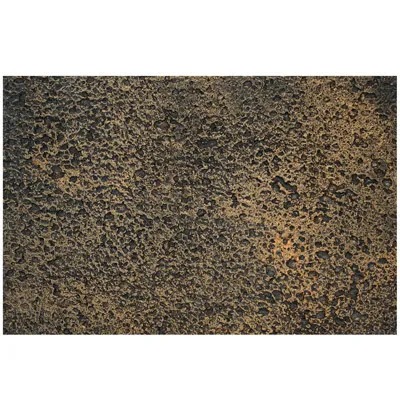
Imagine a material that's strong enough to withstand sandstorms, light enough to install without cranes, and stylish enough to make passersby stop and stare. That's the magic of COLORIA's Foamed Aluminum Alloy Board. Made from a unique blend of aluminum and foam technology, it's a lightweight champion—yet don't let its feathery feel fool you. This board packs a punch in every category that matters.
Lightweight, but Not Light on Strength : A standard 1200x600mm panel weighs just 8kg—less than half the weight of traditional aluminum cladding and a fraction of stone. This means faster installation (your crew can handle it with basic tools, no heavy machinery needed) and lower structural stress on buildings. In high-rise projects, that translates to significant cost savings on steel supports alone.
Insulation That Actually Works : Here's where the "foamed" part shines. The internal foam structure acts like a thermal barrier, slowing heat transfer so well that buildings stay cooler in summer and warmer in winter. Tests show it reduces energy consumption by up to 30% compared to regular aluminum panels—music to the ears of anyone paying utility bills, especially in climate extremes like the Middle East.
One size fits all? Not here. COLORIA gets that every project has its own personality, which is why the Foamed Aluminum Alloy Board comes in a range of finishes that turn walls into canvases. Let's break down the stars of the show:
And because COLORIA specializes in customization, you're not limited to these shades. Want a copper patina effect? A matte black for an industrial edge? They'll craft it. Your design vision, unfiltered.
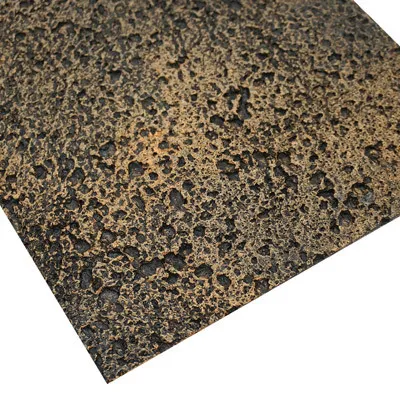
A beautiful facade is great, but what happens when the first storm hits? Foamed Aluminum Alloy Board laughs in the face of harsh conditions. Its aluminum core resists rust and corrosion, while the foam interior is moisture-proof—no warping, no rotting, even in humid coastal areas. In Saudi Arabia, where temperatures swing from 50°C in summer to 5°C in winter, this material stays stable, maintaining its shape and color year after year.
And let's talk about maintenance. Unlike wood or stone, which need regular sealing or painting, these panels are virtually care-free. A quick hose-down with water is all it takes to keep them looking fresh—a godsend for busy property managers who don't have time for constant upkeep.
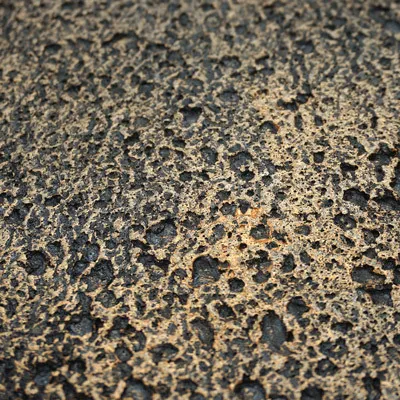
Great design is all about balance, and COLORIA's MCM (Modified Cementitious Material) family is here to help. Take MCM Flexible Stone, for example—a lightweight, bendable cladding that hugs curves and complex shapes like a second skin. Imagine a hotel with a modern, geometric facade: the main walls shine in vintage silver Foamed Aluminum Alloy Board, while the entrance archway, with its soft, flowing lines, is wrapped in MCM Flexible Stone. The contrast of hard and soft, matte and metallic, creates a visual rhythm that draws the eye and tells a richer story.
Or consider a residential project: the main exterior uses Foamed Aluminum Alloy Board (vintage gold) for its insulation and durability, while accent walls in the courtyard feature MCM Flexible Stone in earthy tones, blending the building with its garden surroundings. It's this kind of synergy that makes COLORIA a "one-stop solution"—no need to source materials from multiple suppliers; they've got every texture, color, and function covered.
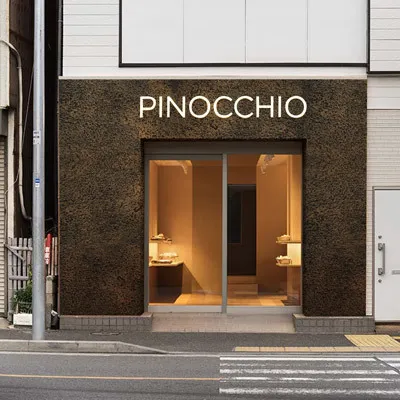
With decades in the building materials game and a global footprint (including a dedicated team in Saudi Arabia), COLORIA isn't just selling products—they're selling peace of mind. When you work with them, you're not just ordering panels; you're partnering with experts who understand the unique challenges of your project. Need help choosing between vintage silver and gold for a coastal building? Their design consultants will walk you through sun exposure tests and mock-ups. Worried about meeting tight deadlines? Their prefabricated panel systems cut installation time by 40%, so you stay on schedule.
And let's not forget sustainability—the heart of COLORIA's mission. Foamed Aluminum Alloy Board is 100% recyclable, and their MCM products, like the Flexible Stone, use eco-friendly modified cement that reduces carbon footprint by up to 35% compared to traditional concrete. For developers and architects aiming for green building certifications (LEED, Estidama), this isn't just a bonus—it's a requirement, and COLORIA delivers.
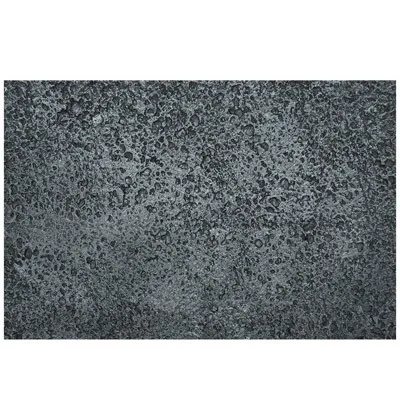
Let's take a trip to Riyadh, where a mixed-use complex was struggling to balance two goals: a striking exterior that would attract tenants, and energy efficiency to keep operating costs low. The original plan called for natural stone, but the weight and insulation issues were deal-breakers. Enter COLORIA's team, who proposed a combo: Foamed Aluminum Alloy Board (vintage silver) for the main facade, paired with MCM Flexible Stone in warm beige for accent walls.
The result? A building that's now the talk of the neighborhood. Tenants rave about the consistent indoor temperatures (even during heatwaves), and the developer reported a 28% drop in AC costs in the first year. Best of all, the vintage silver panels, with their subtle metallic sheen, look just as good today as they did on opening day—no fading, no dents, no regrets.
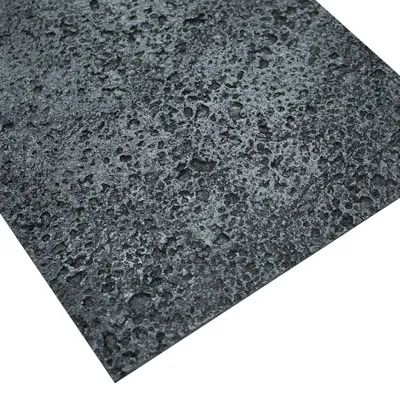
Buildings are more than just structures—they're where we live, work, and connect. They deserve materials that work as hard as we do: materials that protect us, save us money, and make us proud to call them home. Foamed Aluminum Alloy Board isn't just a product; it's a step forward in how we build—smarter, lighter, and more beautifully. Whether you're designing a skyscraper in Dubai, a boutique hotel in Jeddah, or a residential complex in Riyadh, this is the cladding that checks every box: performance, style, sustainability, and peace of mind.
So why settle for "good enough" when you can have it all? COLORIA's Foamed Aluminum Alloy Board isn't just changing exteriors—it's changing what's possible for buildings. And that's a story worth building.
| Feature | Foamed Aluminum Alloy Board | Traditional Stone Cladding | Vinyl Siding |
|---|---|---|---|
| Weight (per m²) | 6-8kg | 30-40kg | 2-3kg |
| Thermal Insulation | High (reduces energy use by ~30%) | Low | Very Low |
| Durability | 50+ years (rust/corrosion-resistant) | 20-30 years (prone to cracking) | 10-15 years (fades/cracks in heat) |
| Sustainability | 100% recyclable, low carbon footprint | High quarrying impact, non-recyclable | Plastic-based, non-biodegradable |
| Design Flexibility | Custom colors (vintage silver, gold, etc.) and finishes | Limited natural colors | Basic colors, minimal texture |
Recommend Products












