

Redefining Architectural Boundaries with COLORIA GROUP's Innovative MCM Solutions
In the world of architecture, partition walls are the unsung heroes of space management. They divide, define, and breathe life into empty structures, yet for decades, designers and builders have grappled with a familiar set of frustrations: clunky concrete blocks that weigh down floors, rigid drywall that cracks at the slightest movement, and toxic materials that leave a lingering chemical scent long after construction. "We wanted to create a workspace that felt open and dynamic, but traditional partitions made the room feel cramped and lifeless," recalls Maria Gonzalez, an interior designer specializing in commercial spaces. "It was like trying to paint a masterpiece with a heavy, blunt brush."
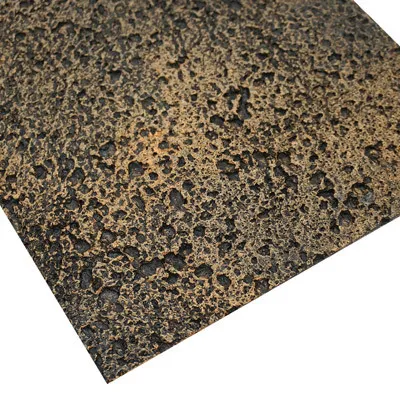
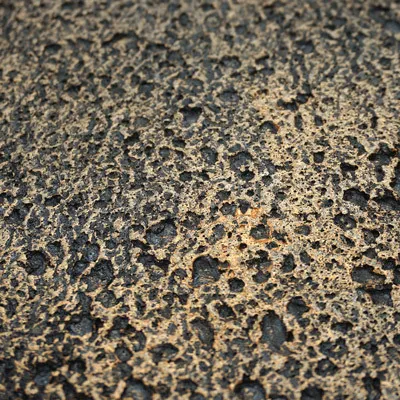
Enter COLORIA GROUP, a global leader in modified cementitious materials (MCM), with a solution that challenges everything we thought we knew about partition design: Foamed Aluminum Alloy Board . Available in timeless finishes like vintage silver and vintage gold, this innovative material isn't just a new product—it's a paradigm shift, blending the strength of industrial materials with the elegance of artisanal craftsmanship. Let's explore how this game-changing board is transforming spaces, one lightweight panel at a time.
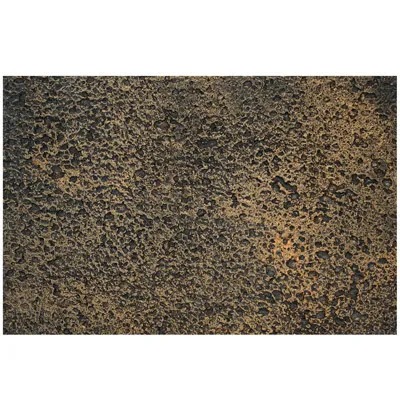
At the heart of COLORIA's Foamed Aluminum Alloy Board lies decades of material science innovation. Developed under the umbrella of their renowned MCM (Modified Cementitious Material) technology, this board is engineered to address the core pain points of traditional partition materials. But what exactly sets it apart?
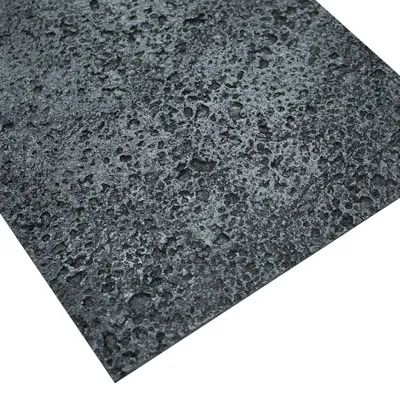
Traditional aluminum panels are dense and heavy, often requiring reinforced structural support. Foamed aluminum alloy, by contrast, is created through a specialized process that infuses the metal with tiny, uniform air bubbles—think of a honeycomb structure, but. The result? A material that's up to 70% lighter than solid aluminum, yet retains remarkable structural integrity. "We tested it in our lab with extreme conditions—impact, temperature fluctuations, even moisture—and it held up better than some of the concrete boards we've used," says James Chen, a structural engineer who integrated the panels into a recent hotel renovation in Dubai.
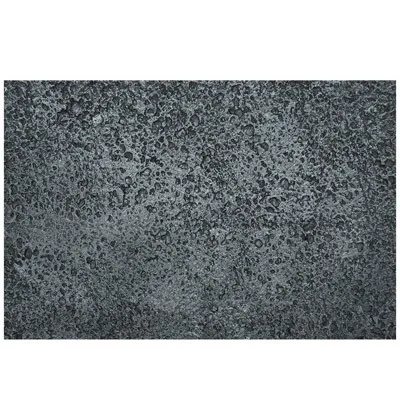
Beyond its structural benefits, the Foamed Aluminum Alloy Board shines in aesthetic versatility. The vintage silver and vintage gold variants aren't just colors—they're design statements. The vintage silver finish, with its subtle matte sheen, adds a touch of industrial chic to minimalist spaces, while vintage gold brings warmth and luxury, making it ideal for high-end retail or hospitality projects. "The gold finish doesn't look gaudy; it has this aged, almost artisanal quality that pairs beautifully with natural materials like wood or stone," notes Gonzalez, who used vintage gold panels in a boutique café in Riyadh.
| Material | Weight (kg/m²) | Installation Time (per 10m²) | Environmental Impact | Design Flexibility |
|---|---|---|---|---|
| Traditional Concrete Block | 220-250 | 8-10 hours | High CO2 emissions | Limited (fixed sizes, heavy cutting) |
| Drywall | 25-30 | 4-6 hours | VOC emissions from adhesives | Moderate (easily cut, but prone to damage) |
| COLORIA Foamed Aluminum Alloy Board | 8-12 | 1-2 hours | Recyclable, low carbon footprint | High (custom sizes, curved designs, multiple finishes) |
In urban environments where square footage is a premium, every inch counts. Traditional partitions, with their thick frames and bulky installation requirements, often eat into valuable space. Foamed Aluminum Alloy Board, however, is a master of efficiency. Its slim profile—just 8-12mm thick—means it can be installed without sacrificing floor area, making it a game-changer for small apartments, co-working spaces, and retail stores where maximizing usable space is critical.
Take the example of "The Hub," a co-working space in Jeddah that recently underwent a renovation. The original layout used drywall partitions that were 150mm thick, creating narrow corridors and cramped meeting rooms. By switching to COLORIA's vintage silver Foamed Aluminum Alloy Board, the design team reduced partition thickness by over 90%, freeing up an additional 30 square meters of usable space. "We were able to add two more private offices and widen the main corridor—all without expanding the building's footprint," says project manager Ahmed Al-Mansoori. "The difference was night and day; members now comment on how 'airy' and 'open' the space feels, even though we added more rooms."
But the space-saving benefits don't stop at thickness. The lightweight nature of the panels also enables the creation of movable or foldable partition systems, perfect for spaces that need to adapt to changing needs. Imagine a restaurant that transforms from a large banquet hall into three intimate dining rooms in minutes, or a classroom that reconfigures into breakout areas with the push of a button. "We installed a sliding partition system using vintage gold panels in a hotel ballroom in Riyadh," Chen explains. "The panels glide on a track effortlessly—even a single person can move them. It's transformed how the venue uses the space; they're booking twice as many events now because of the flexibility."
Great design is rarely about a single material—it's about how materials interact to create a cohesive story. COLORIA's Foamed Aluminum Alloy Board shines brightest when paired with other stars from their MCM lineup, opening up a world of creative possibilities.
MCM Flexible Stone, another flagship product from COLORIA, is a thin, bendable stone veneer that mimics the look of natural stone without the weight. When combined with foamed aluminum alloy partitions, the result is a striking contrast of textures: the smooth, metallic sheen of vintage silver or gold against the organic, earthy grain of flexible stone. "We used flexible stone in a warm beige tone alongside vintage silver panels in a residential lobby," Gonzalez shares. "The stone adds warmth, while the aluminum adds edge—it's like bringing the outdoors in, but with a modern twist."
For larger commercial projects, where uninterrupted surfaces are key, the Foamed Aluminum Alloy Board pairs beautifully with COLORIA's MCM Big Slab Board. These extra-large panels (up to 3m x 1.5m) minimize visible seams, creating a sense of continuity that makes spaces feel larger and more cohesive. "In a recent airport lounge project, we combined big slab boards for the main walls with foamed aluminum partitions for the seating areas," says Al-Mansoori. "The flow between the two materials is seamless; passengers often comment on how 'unified' the space feels, even though it's divided into different zones."

In an era where environmental consciousness is no longer optional, the Foamed Aluminum Alloy Board stands out as a leader in green building materials. COLORIA's commitment to sustainability is woven into every step of the production process, from raw material sourcing to manufacturing.
Foamed aluminum alloy is inherently eco-friendly: aluminum is 100% recyclable, and the foaming process requires significantly less energy than traditional metal fabrication. Additionally, COLORIA's MCM technology uses locally sourced, low-impact raw materials, reducing transportation emissions. "We calculated the carbon footprint for the Hub project, and switching to these panels reduced the embodied carbon by 40% compared to concrete partitions," Chen notes. "For clients who are pursuing LEED or Estidama certifications, that's a huge selling point."
Traditional partition materials often off-gas volatile organic compounds (VOCs), contributing to poor indoor air quality. Foamed Aluminum Alloy Board, by contrast, is free of harmful chemicals and formaldehyde, making it safe for sensitive spaces like schools, hospitals, and homes. "We had a client with severe allergies who was hesitant to renovate their home," Gonzalez recalls. "After we explained that the panels are non-toxic and mold-resistant, they felt comfortable moving forward. Six months later, they told us their allergy symptoms had significantly improved—something we never expected, but it speaks to the material's quality."
While the aesthetic and sustainability benefits are compelling, the true test of any building material lies in its long-term performance. Foamed Aluminum Alloy Board doesn't just look good—it's built to last, even in the harshest conditions.
The air-bubble structure of the foam aluminum isn't just for lightness; it also acts as a shock absorber, making the panels highly resistant to impact and vibration. This durability is particularly valuable in high-traffic areas like airports, shopping malls, or schools. "We installed the panels in a busy subway station in Dubai three years ago," Chen says. "Daily foot traffic, luggage carts, even the occasional stray shopping bag—they've held up without a single scratch or dent. Maintenance has been almost nonexistent."
Safety is paramount in any construction project, and the Foamed Aluminum Alloy Board delivers here as well. It boasts a Class A fire rating, meaning it resists combustion and doesn't release toxic fumes when exposed to high temperatures. Additionally, the foam structure provides natural thermal insulation, helping to regulate indoor temperatures and reduce energy costs. "In a hotel project in Riyadh, where summer temperatures exceed 45°C, the panels helped lower the air conditioning load by 15%," Al-Mansoori reports. "That translates to significant savings on utility bills over time."
As architecture continues to evolve, driven by the demand for flexibility, sustainability, and beauty, materials like Foamed Aluminum Alloy Board are leading the charge. COLORIA GROUP, with its global presence (including a strategic office in Saudi Arabia) and decades of industry experience, is well-positioned to shape this future. "We're not just selling materials; we're selling a vision," says a COLORIA spokesperson. "A vision where buildings are lighter, smarter, and more in tune with the people who use them."
Whether you're designing a cozy home office, a bustling retail space, or a sprawling public venue, the Foamed Aluminum Alloy Board offers a solution that marries form and function, science and art. With its lightweight design, timeless finishes, and commitment to sustainability, it's more than a partition wall—it's a step toward a future where every space is as dynamic and inspiring as the people who inhabit it.
Recommend Products












