

Walk through any major city today, and you'll notice a striking shift in architectural language. Gone are the days of rigid, uniform facades; modern buildings now whisper stories of innovation, blending form and function in ways that feel almost alive. Behind this transformation lies a quiet revolution in building materials—one that prioritizes lightness without sacrificing strength, sustainability without compromising style, and adaptability without losing durability. At the heart of this revolution is a material that's redefining what's possible for architects and designers: foamed aluminum alloy board. More than just a building material, it's a bridge between bold design vision and real-world practicality, a canvas where creativity meets resilience. Let's dive into how this remarkable material is reshaping the future of architecture, one panel at a time.
First things first: let's demystify the name. Foamed aluminum alloy board isn't your average sheet of metal. It's a engineered material created by infusing molten aluminum alloy with gas, forming a matrix of tiny, uniform bubbles that give it a unique cellular structure. Think of it as aluminum with a "sponge-like" interior—lightweight, yet surprisingly strong. This process isn't just about cutting weight, though; it's about creating a material that can do more, last longer, and look better than traditional options.
What makes it stand out? For starters, its composition. Unlike solid aluminum, the foamed version has a density up to 70% lower, making it easier to transport, handle, and install. But don't let the lightness fool you—those tiny bubbles act like internal reinforcement, giving it impressive compressive strength and impact resistance. It's the kind of material that can withstand harsh weather, heavy winds, and even the occasional accidental bump during construction, all while keeping the building's overall weight in check.
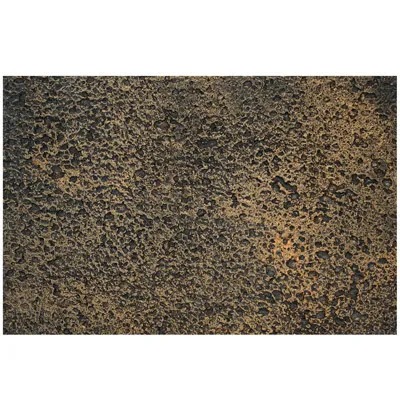
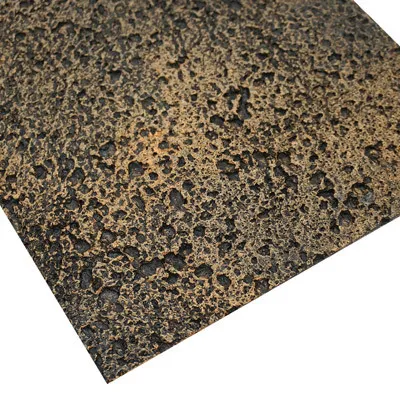
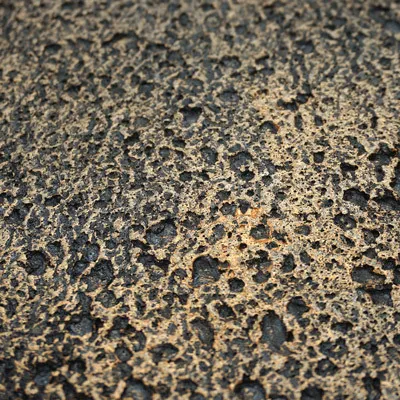
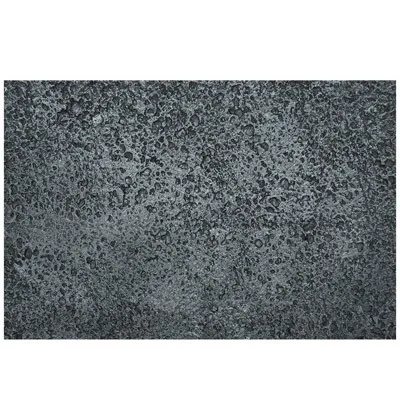
And then there's the aesthetic versatility. Available in finishes like vintage silver and vintage gold , foamed aluminum alloy board isn't just functional—it's a design statement. The metallic sheen catches light in different ways throughout the day, shifting from warm gold at sunrise to cool silver at dusk, adding depth and dynamism to building exteriors. It's no wonder architects are falling in love with it; it's a material that doesn't just serve a purpose—it tells a story.
Modern architecture isn't just about looking good—it's about solving problems. Today's buildings need to be energy-efficient, cost-effective, and adaptable to changing needs. Foamed aluminum alloy board checks all these boxes and more, making it a favorite among forward-thinking designers. Let's break down why it's become such a game-changer:
One of the biggest challenges in modern construction is balancing strength with weight. Traditional materials like solid stone or concrete are durable but heavy, requiring extra structural support that drives up costs and limits design flexibility. Foamed aluminum alloy board flips this script. Its cellular structure means it weighs significantly less than solid metal or stone, reducing the load on a building's foundation and skeleton. This not only cuts down on construction time and labor costs but also opens up new possibilities for bold, gravity-defying designs—think cantilevered overhangs, curved facades, or multi-story installations that would be nearly impossible with heavier materials.
Take, for example, a recent commercial project in Dubai, where architects wanted a striking, floating-effect exterior. By using foamed aluminum alloy panels, they achieved the illusion of a building that "hovers" above the ground, all while keeping structural costs in check. The panels were so lightweight that installation crews could handle them with minimal equipment, slashing construction time by nearly 30% compared to using traditional stone cladding.
Buildings face a lot of abuse—rain, snow, UV rays, salt air (in coastal areas), and even pollution. Over time, these elements can fade colors, corrode surfaces, or weaken structures. Foamed aluminum alloy board, however, is built to last. Aluminum's natural resistance to corrosion is amplified by the foaming process, creating a material that stands up to harsh climates without losing its luster. In coastal cities like Miami or Singapore, where saltwater and humidity are constant threats, buildings clad in foamed aluminum alloy panels have shown little to no signs of degradation even after a decade of exposure. Compare that to traditional painted steel, which often requires repainting every 5-7 years, and the long-term savings become clear.
It's not just about surviving the elements, though—it's about maintaining beauty. The vintage silver and vintage gold finishes are designed to develop a subtle patina over time, adding character rather than looking worn. This "living finish" makes each building unique, as the material interacts with its environment, telling the story of its location and history.
Sustainability isn't just a buzzword anymore—it's a requirement. Modern clients, from corporations to homeowners, are demanding materials that minimize environmental impact, and foamed aluminum alloy board delivers. Aluminum is one of the most recyclable materials on the planet, with nearly 75% of all aluminum ever produced still in use today. Foamed aluminum alloy board takes this a step further: its production process uses less energy than manufacturing solid aluminum, and the material itself is 100% recyclable at the end of its life. This aligns perfectly with the goals of green building materials initiatives, helping projects earn LEED certification and reduce their carbon footprint.
But the eco-friendly benefits don't stop there. The material's lightweight nature also reduces transportation emissions, as more panels can be shipped in a single load compared to heavier alternatives. And because it's so durable, buildings clad in foamed aluminum alloy board require fewer repairs and replacements over time, further reducing waste. It's a material that doesn't just build better buildings—it builds a better planet.
Curious how foamed aluminum alloy board compares to other popular cladding materials? Let's take a closer look. The table below breaks down key factors like weight, durability, cost, and sustainability, so you can see why it's becoming the top choice for modern architects:
| Material | Weight (kg/m²) | Durability (Expected Lifespan) | Installation Cost | Sustainability | Design Flexibility |
|---|---|---|---|---|---|
| Foamed Aluminum Alloy Board | 4-6 | 50+ years | Moderate (lower labor due to light weight) | High (100% recyclable, low production energy) | High (curved, custom shapes, various finishes) |
| Solid Stone (e.g., Granite) | 20-30 | 50+ years | High (requires heavy machinery, structural support) | Low (non-recyclable, high extraction impact) | Low (limited to natural shapes, heavy) |
| Traditional Aluminum Panel | 8-10 | 30-40 years | Moderate | Medium (recyclable, but higher production energy) | Medium (flat panels, limited textures) |
| Vinyl Siding | 1-2 | 15-20 years | Low | Low (non-recyclable, prone to fading/warping) | Low (limited styles, not suitable for high-end projects) |
As you can see, foamed aluminum alloy board strikes a rare balance: it's lighter than traditional aluminum, more durable than vinyl, and more sustainable than stone. It's no wonder that architects and developers are making the switch—why settle for a material that excels in one area when you can have it all?
Theory is great, but nothing beats seeing a material in action. Let's explore a few standout projects where foamed aluminum alloy board has taken center stage, proving its versatility and impact across different building types.
In the heart of Riyadh's business district, the Lunar Peak Tower stands as a testament to modern minimalism. Its exterior, clad in vintage silver foamed aluminum alloy panels, reflects the desert sun by day and glows softly under artificial lights by night. The design team wanted a material that could handle Saudi Arabia's extreme temperatures—scorching days and cool nights—without warping or fading. Foamed aluminum alloy board delivered, with its heat-resistant properties and ability to expand and contract without cracking. The result? A building that looks as crisp and modern today as it did when it opened three years ago, with zero maintenance needed on the cladding.
But it's not just about durability. The panels were custom-cut to create a subtle, wave-like pattern across the facade, mimicking the movement of sand dunes. This level of design detail would have been nearly impossible with heavier materials, but the lightweight nature of foamed aluminum alloy board made it feasible. As the project architect put it: "We wanted the building to feel like it's part of the desert landscape, not just plopped on top of it. The material let us do that—light, malleable, and tough enough to handle whatever the environment throws at it."
In Dubai, where luxury meets innovation, the Ethereal Shadow complex is redefining urban living. The developers wanted a material that would set the project apart from the city's many glass-and-steel towers, something warm yet modern. Enter vintage gold foamed aluminum alloy board. Used on the balconies and accent walls, the gold panels add a touch of elegance without feeling ostentatious. They complement the building's floor-to-ceiling windows, creating a contrast between warm metal and cool glass that feels both inviting and sophisticated.
What really sold the team, though, was the material's sustainability. Dubai has strict green building codes, and Ethereal Shadow needed to meet LEED Gold standards. Foamed aluminum alloy board's recyclability and low embodied energy helped the project hit that mark, while its durability means residents won't have to worry about costly repairs down the line. As one resident put it: "I love that my building looks beautiful, but I love even more that it's doing right by the planet. The gold panels catch the sunset perfectly—every evening feels like a little luxury, and I don't have to feel guilty about it."
Not all applications are about luxury—some are about solving specific urban challenges. In Beijing's rapidly growing suburbs, the Gobi Panel Community Center needed to serve as a gathering space for residents while withstanding the city's harsh winters and polluted air. The design team chose foamed aluminum alloy board for its ability to resist corrosion from air pollution and insulate against the cold. The panels were paired with flexible stone cladding panels on the lower levels, creating a dynamic mix of textures that feels both modern and grounded.
The result? A building that's become the heart of the neighborhood. Kids play on the steps, families host picnics in the courtyard, and the foamed aluminum alloy facade remains as bright and clean as the day it was installed, despite Beijing's notorious smog. "We needed something that could handle the elements and still look good for years to come," said the project manager. "Foamed aluminum alloy board was the obvious choice. It's tough, it's low-maintenance, and it makes the building feel welcoming—exactly what a community center should be."
So, what's next for this innovative material? If current trends are any indication, foamed aluminum alloy board is only going to become more integral to modern architecture. Here are a few developments to watch:
Imagine a building facade that doesn't just look good but also works for you. Researchers are exploring ways to embed sensors into foamed aluminum alloy panels, turning them into "smart skins" that monitor temperature, air quality, and structural health. This could revolutionize building maintenance, allowing issues to be detected and addressed before they become problems. For example, a panel could send an alert if it detects a crack or, letting engineers fix it quickly and avoid costly repairs.
As manufacturing techniques improve, the possibilities for custom designs are endless. We're already seeing panels with intricate patterns, 3D textures, and even integrated lighting. In the future, architects might be able to order panels that mimic the look of natural materials like wood or stone, but with the durability and lightness of foamed aluminum alloy. The goal? To give designers complete creative freedom, without being limited by what traditional materials can do.
While foamed aluminum alloy board is already popular in commercial and high-end residential projects, its potential doesn't stop there. We're starting to see it used in smaller-scale projects, like home exteriors, garden pavilions, and even furniture. As costs come down and awareness grows, it could become a go-to material for homeowners looking to upgrade their properties with something durable, sustainable, and stylish.
At the end of the day, foamed aluminum alloy board isn't just changing how buildings are built—it's changing how we think about construction. It's a material that embodies the spirit of modern architecture: innovative, sustainable, and human-centered. It's about creating spaces that don't just serve a function but inspire, connect, and stand the test of time.
Whether you're an architect dreaming up the next iconic skyline, a developer looking to build something that stands out, or a homeowner wanting to invest in a material that will last for decades, foamed aluminum alloy board offers something for everyone. It's a reminder that the best building materials aren't just about strength or cost—they're about possibilities. Possibilities to create buildings that are lighter, brighter, greener, and more beautiful than ever before.
So the next time you walk past a modern building and find yourself drawn to its sleek, shimmering facade, take a closer look. Chances are, you're looking at foamed aluminum alloy board—quietly revolutionizing architecture, one panel at a time. And who knows? Maybe one day, it will be the material that helps you build your own vision of the future.
Recommend Products












