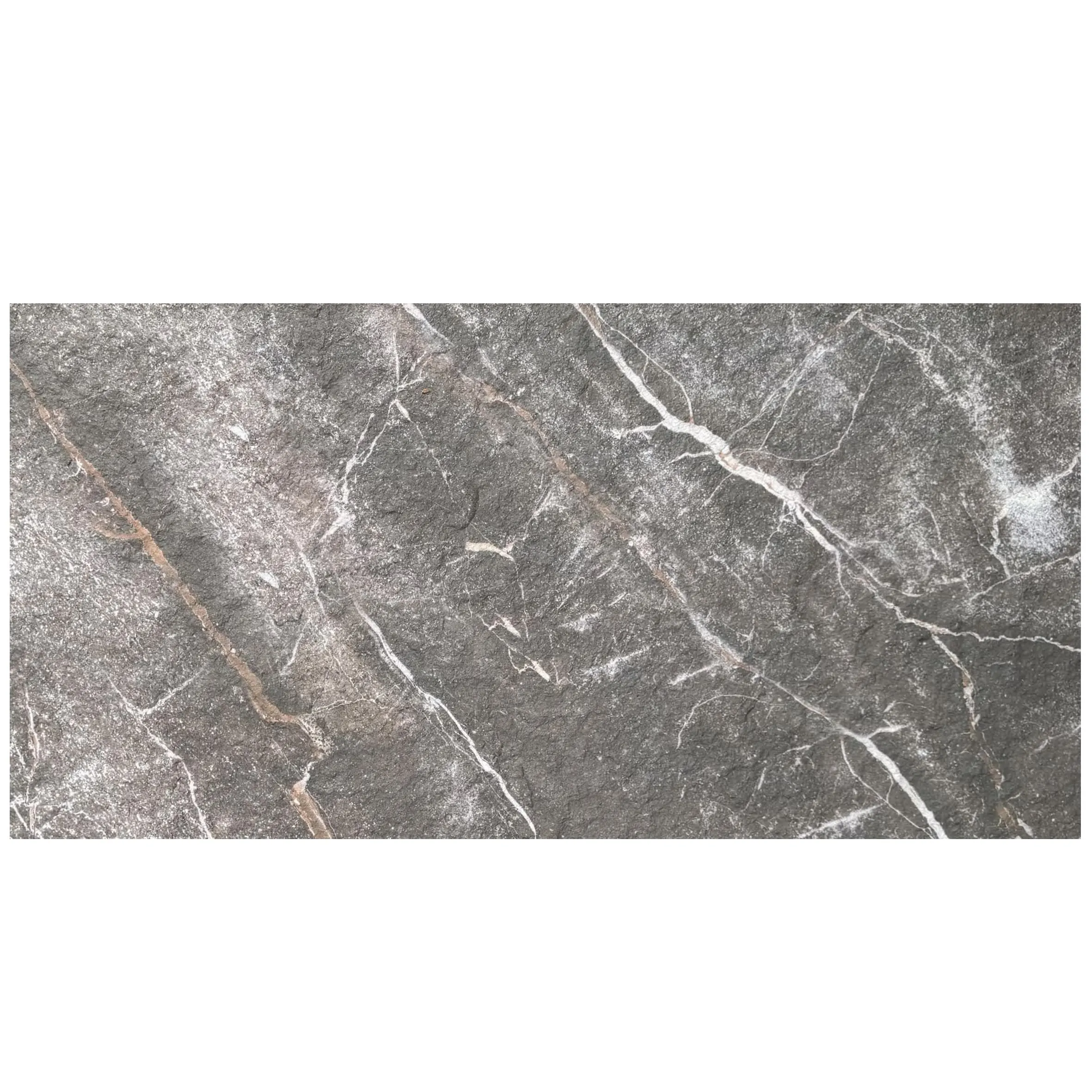
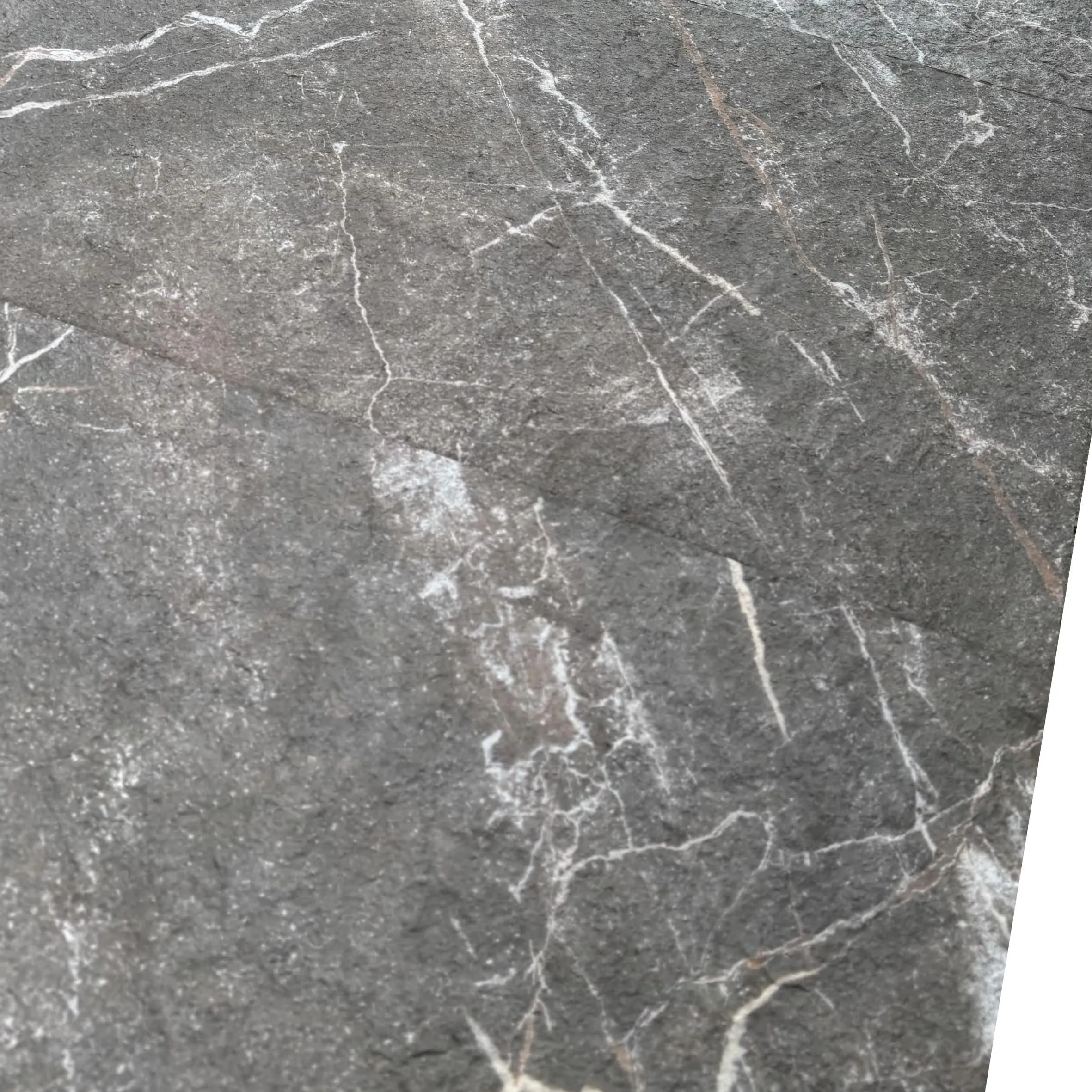
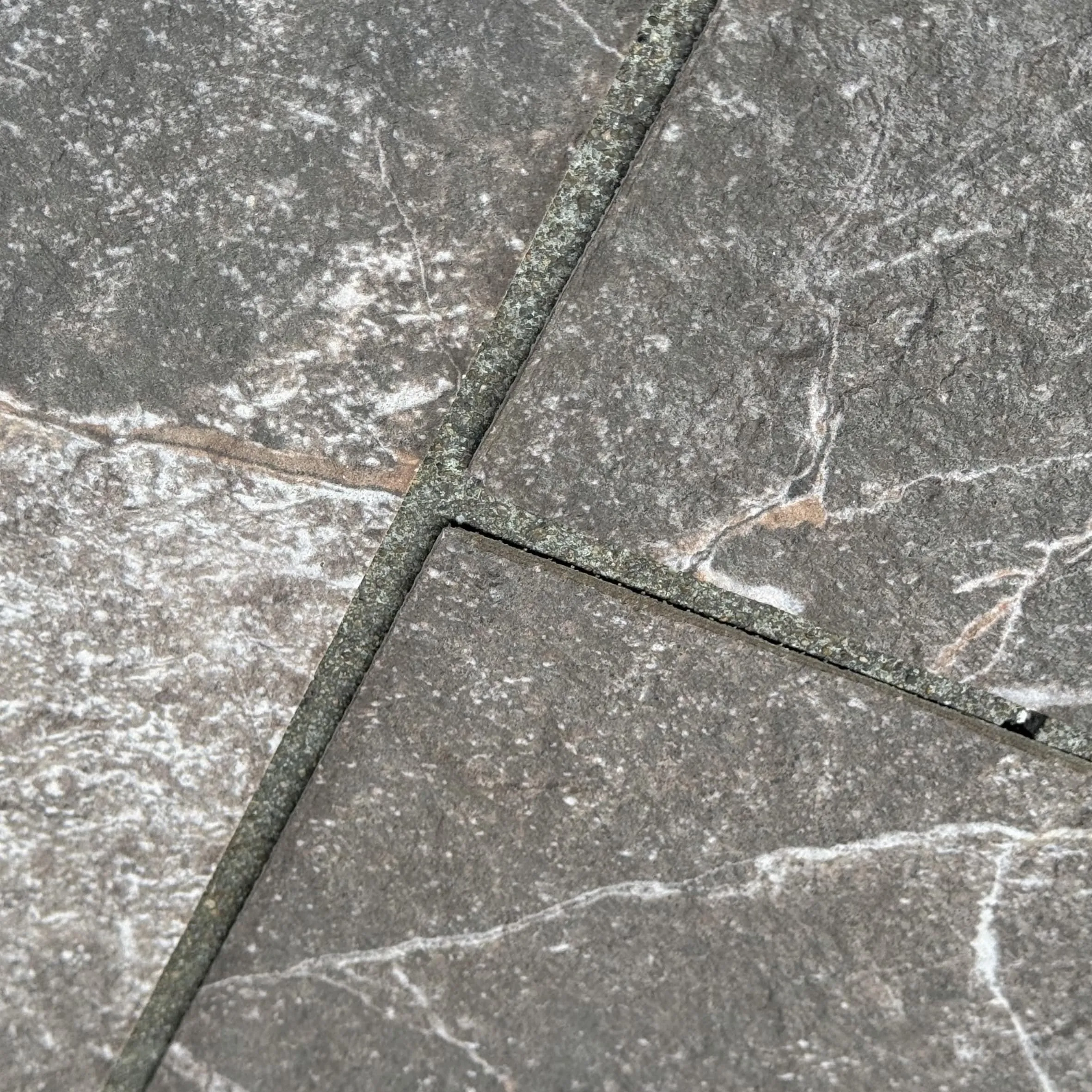
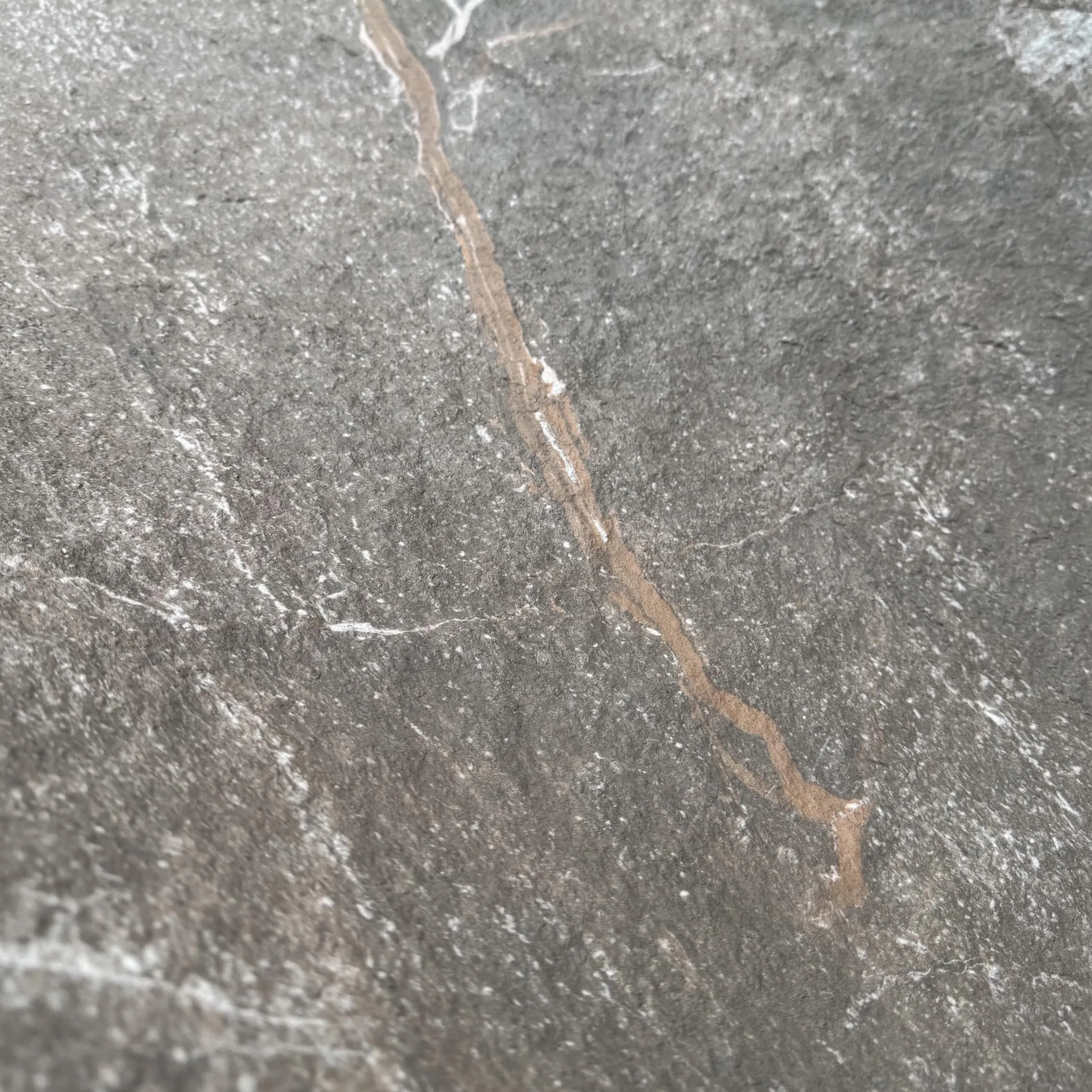
Once extracted, the rough blocks of Portoro—some weighing as much as 10 tons—begin their next transformation. They're loaded onto trucks and transported to processing mills, where the real craftsmanship begins. The first step? Cutting the block into slabs. Giant gang saws, fitted with industrial diamonds, slice through the stone with slow, deliberate movements, each pass revealing more of the golden veins beneath the surface. It's a process that requires constant vigilance; one wrong angle, and a slab could lose its most striking pattern.
After cutting, the slabs move to polishing stations. Here, rotating pads—coated in progressively finer grit—buff the stone until it shines like a mirror. This is where Portoro truly comes alive. The black base deepens, and the golden veins glow, as if lit from within. "Polishing is like uncovering a secret," says Maria, a polish master with 20 years of experience. "Every slab is different. Some veins are thin, like spiderwebs; others are bold, like brushstrokes. You have to adjust the pressure, the speed, to make sure each one tells its best story."
For larger projects, like luxury hotels or high-end residences, "
architectural big slab solutions" are often requested. These are massive, seamless slabs—sometimes up to 3 meters long—that create a sense of continuity in a space. Producing these requires even more precision, as the stone must be cut and polished without any visible seams. It's a testament to modern engineering, but also to the stone's own strength; Portoro's density makes it ideal for these grand applications.