
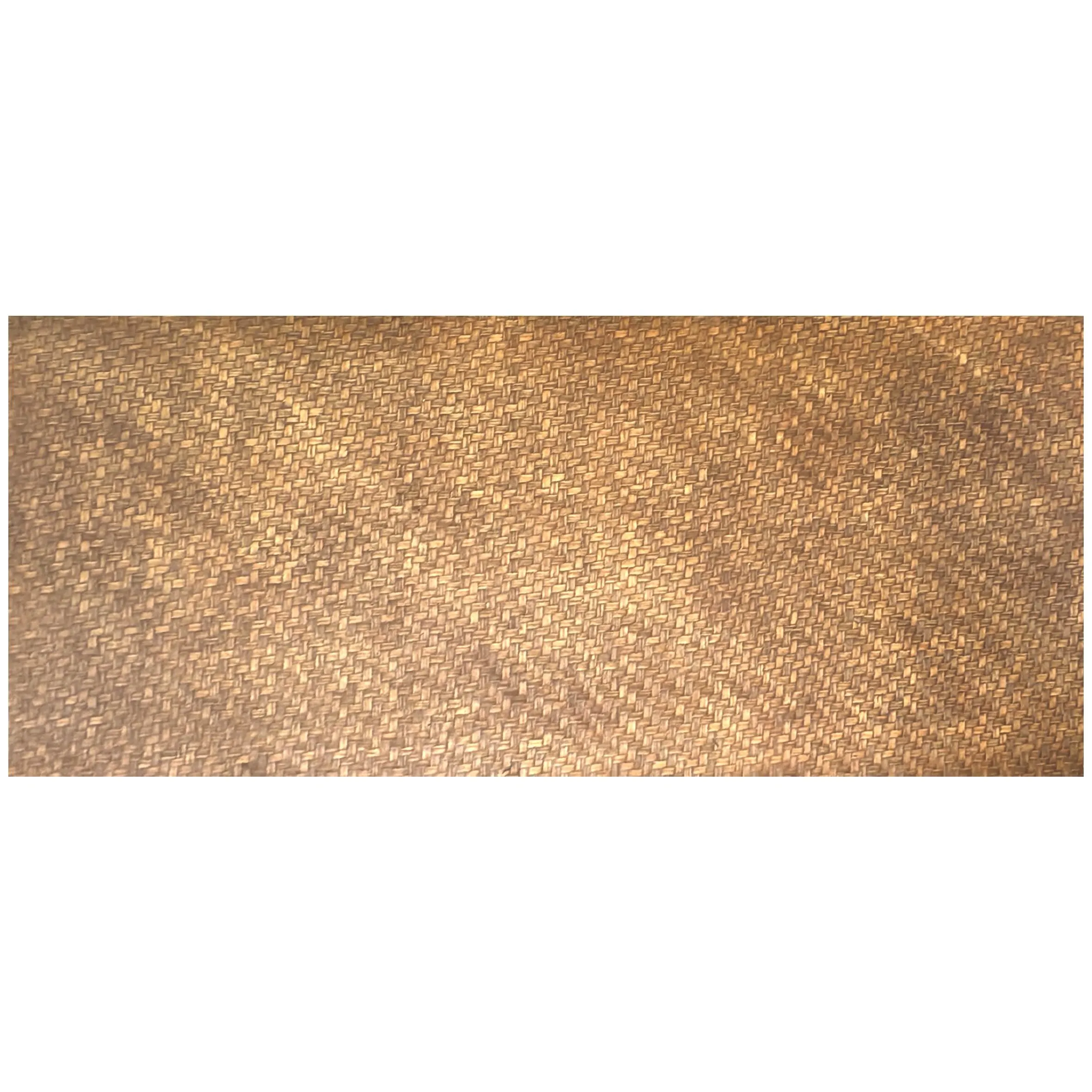
It's a crisp Monday morning, and Maria, an interior designer in Portland, is staring at a mood board covered in fabric swatches, paint chips, and… a frustratingly blank space where her "sustainable materials" section should be. Her client, a small café owner named Raj, wants walls that feel warm and alive—no cold concrete, no plastic laminates—but he also refuses to compromise on durability. "I need something that looks like it belongs in a forest, but can handle a spilled latte or two," he'd joked last week. Maria sighs, scrolling through endless product pages: stone that's too heavy, wood that's too precious, synthetics that leave her feeling guilty. Then, a link pops up: bamboo mat board . She clicks, and suddenly, the blank space on her mood board starts to make sense.
If you've ever walked into a room and thought, "This feels right," chances are the materials around you played a big role. Construction isn't just about building walls—it's about building experiences . And in a world where "sustainability" has shifted from buzzword to necessity, the hunt for materials that marry eco-consciousness with beauty has never felt more personal. Bamboo mat board, once a niche product, is stepping into that spotlight, and it's not just here to fill a gap—it's here to redefine what we expect from our buildings.
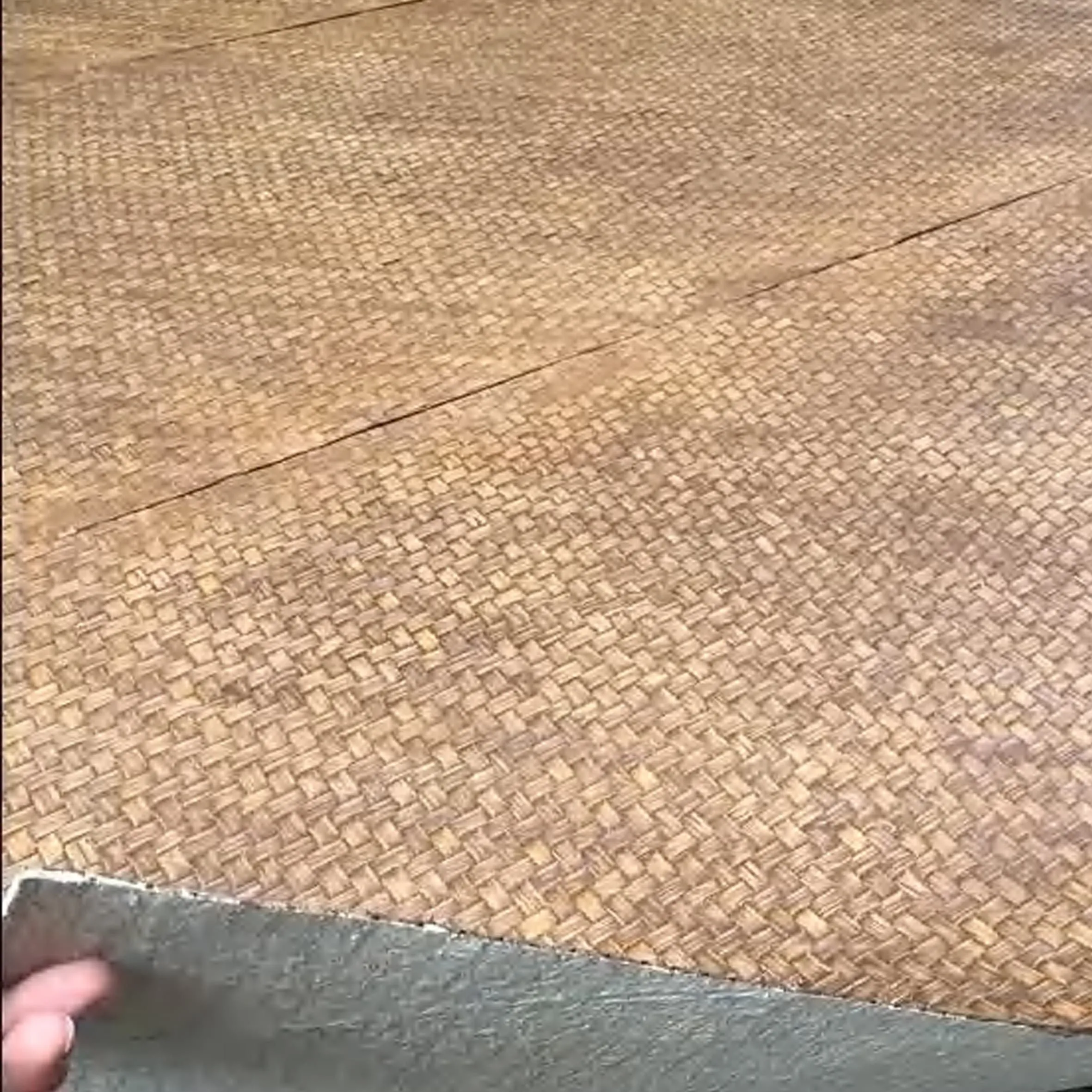
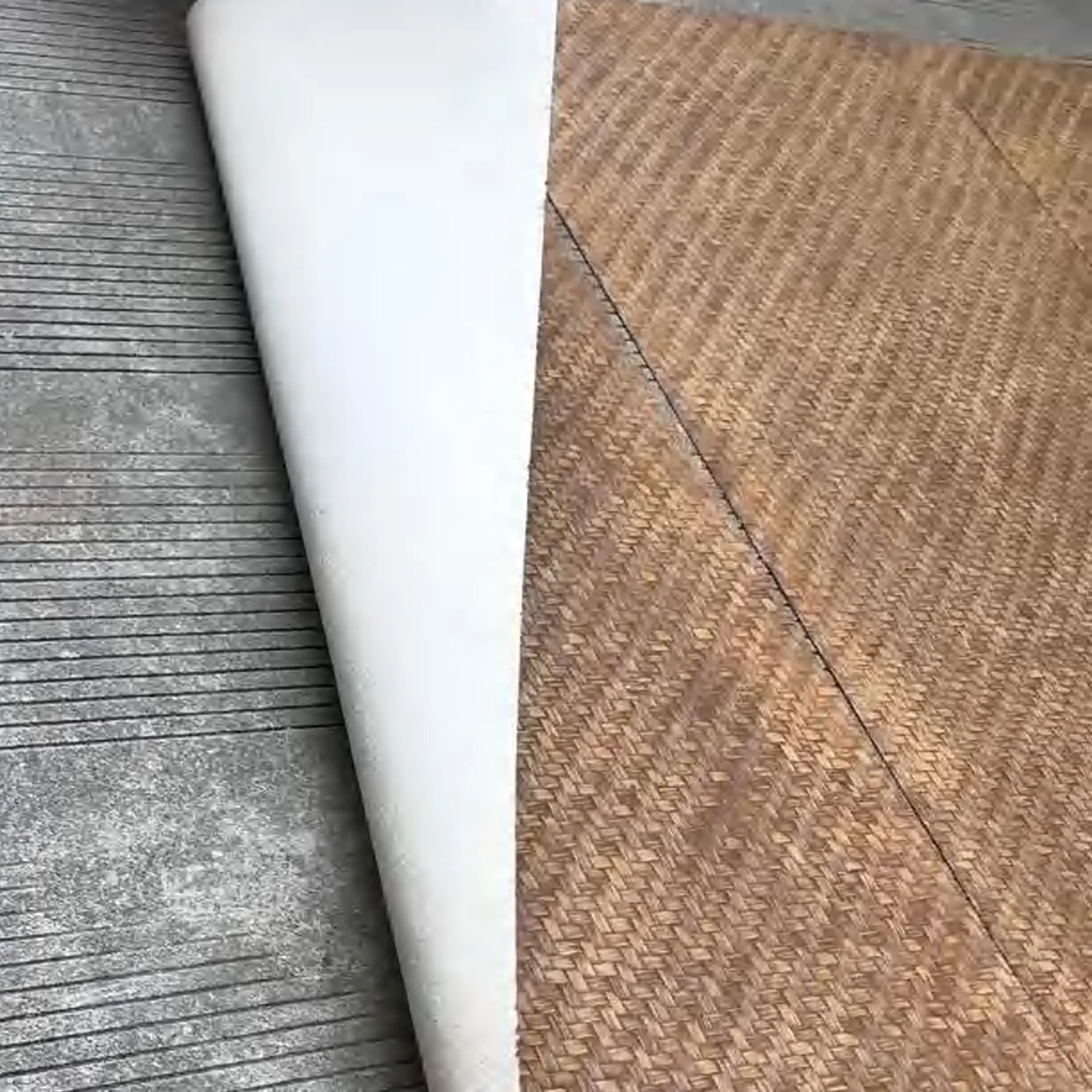
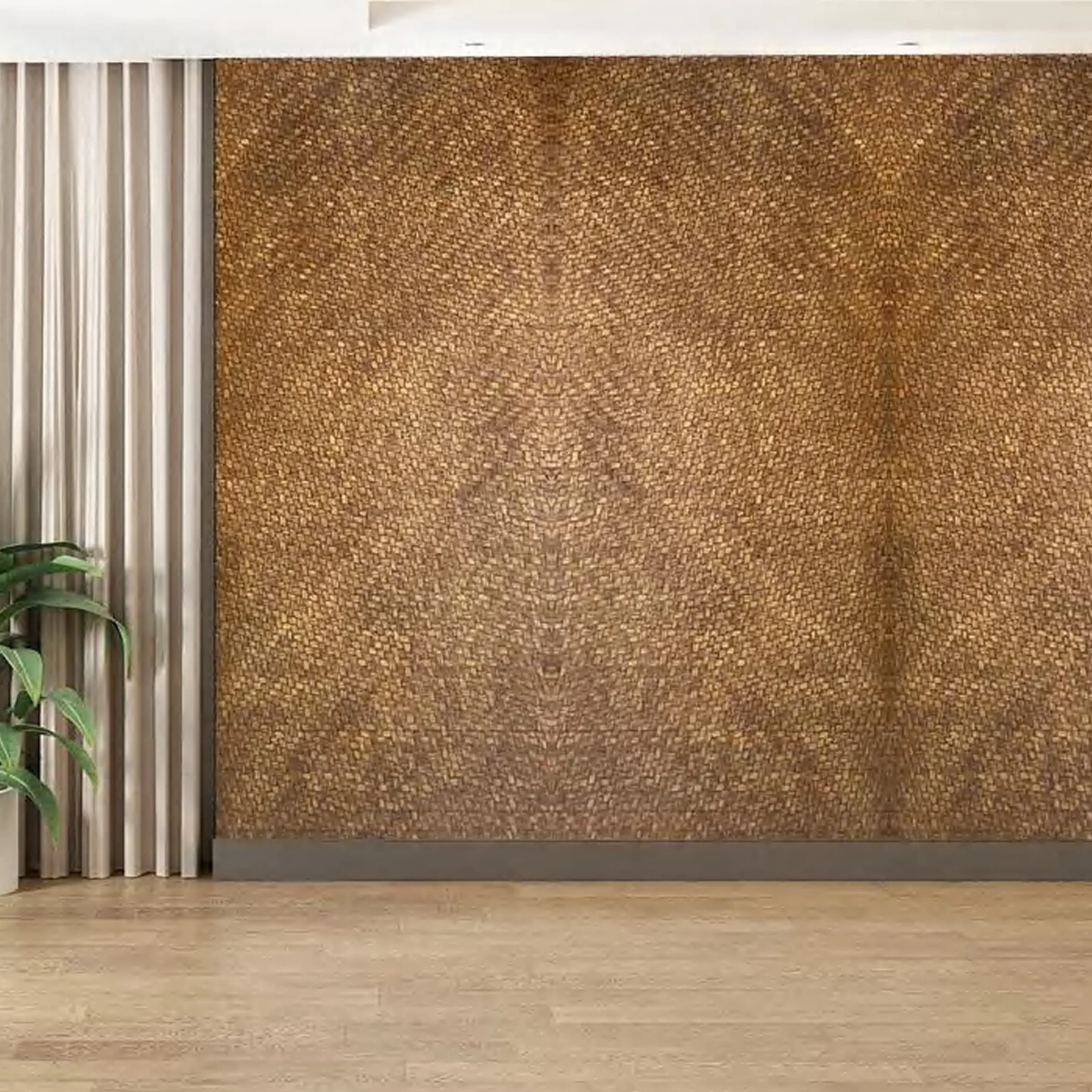
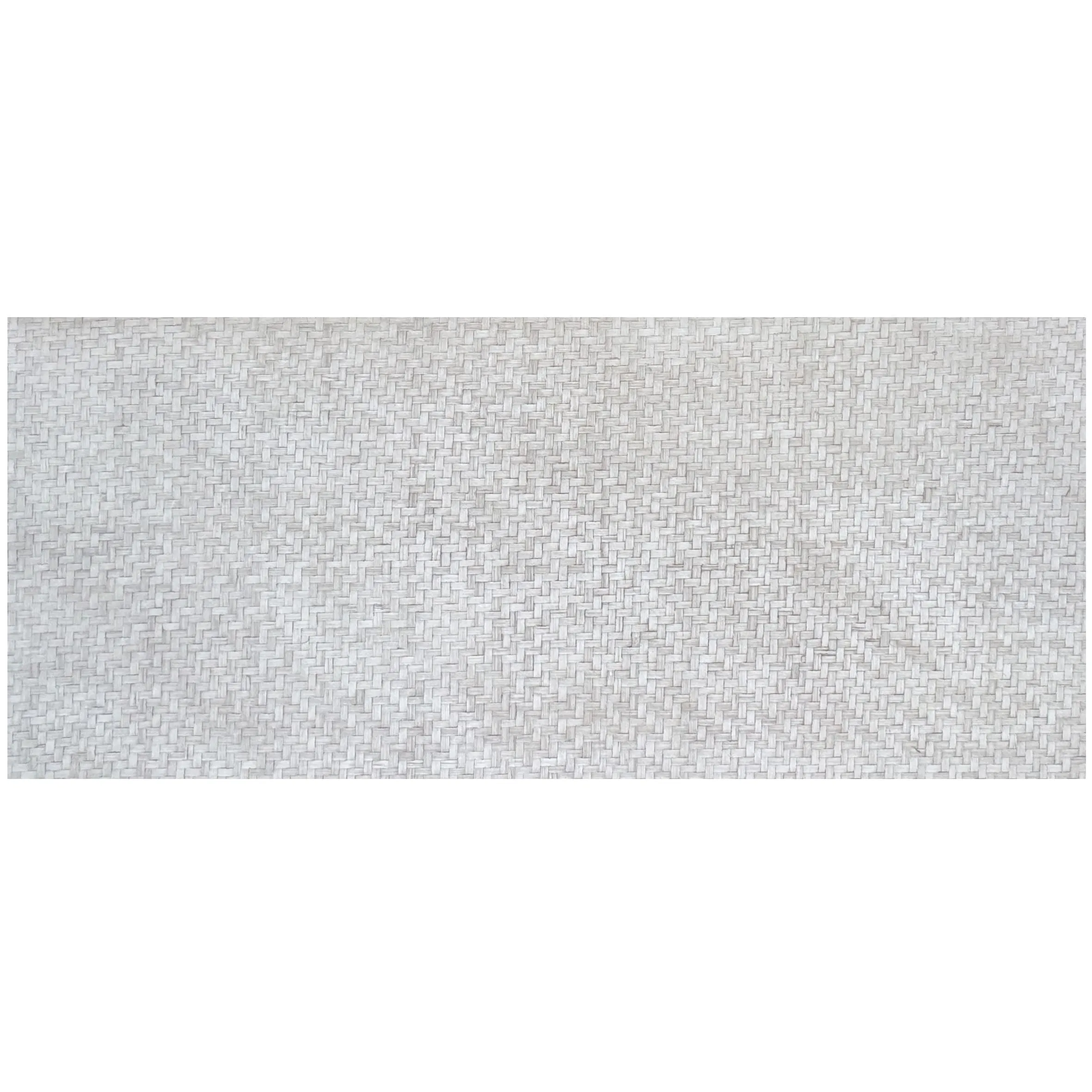
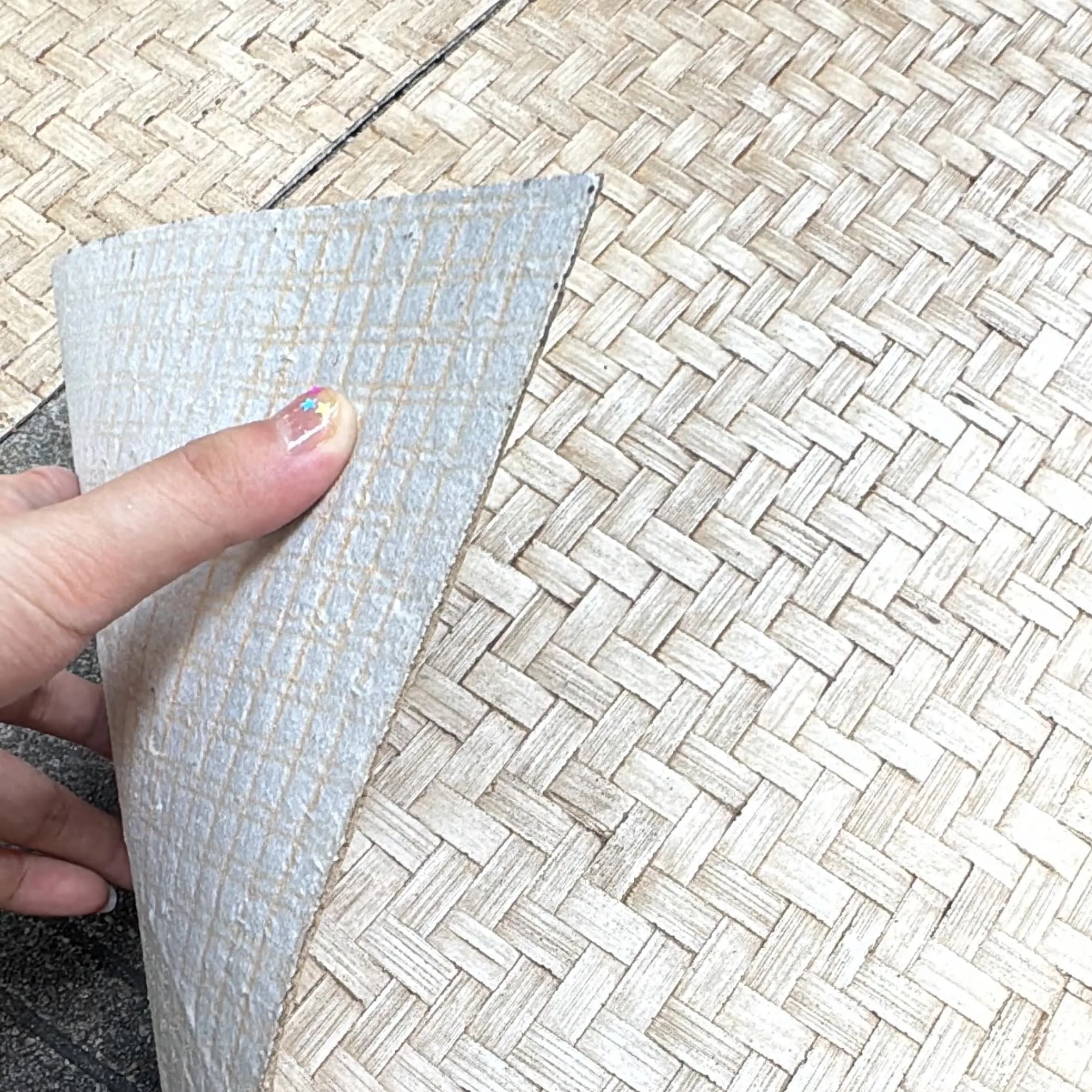
Let's start with the basics. Bamboo mat board isn't your average plywood or particleboard. Imagine thin strips of bamboo—harvested from fast-growing, regenerative forests—woven into flexible mats, then bonded with low-VOC adhesives to form panels that feel like a cross between a handcrafted textile and a sturdy building material. Run your hand over it, and you'll feel the texture of the bamboo strips, each one slightly different, like the grains in a piece of reclaimed wood. It's warm to the touch, not cold like stone or metal, and it smells faintly of fresh-cut grass, even years after installation. "It's the closest thing to bringing a living plant into a wall without worrying about watering it," says Carlos, a contractor who installed it in his own home office. "My Zoom calls now start with clients asking, 'What is that behind you?'"
But what really sets it apart is its origin story. Bamboo, often called "the grass that grows like a tree," can reach maturity in 3–5 years, compared to 20–30 years for hardwoods like oak. It doesn't require replanting (it regrows from its roots), and it absorbs 5 times more carbon dioxide than equivalent trees. For Raj's café, that means walls that don't just look green—they are green. "I didn't want to open a 'sustainable café' with walls made from endangered trees," he says. "Bamboo mat board lets me tell customers, 'Every latte you buy is helping keep forests standing.'"
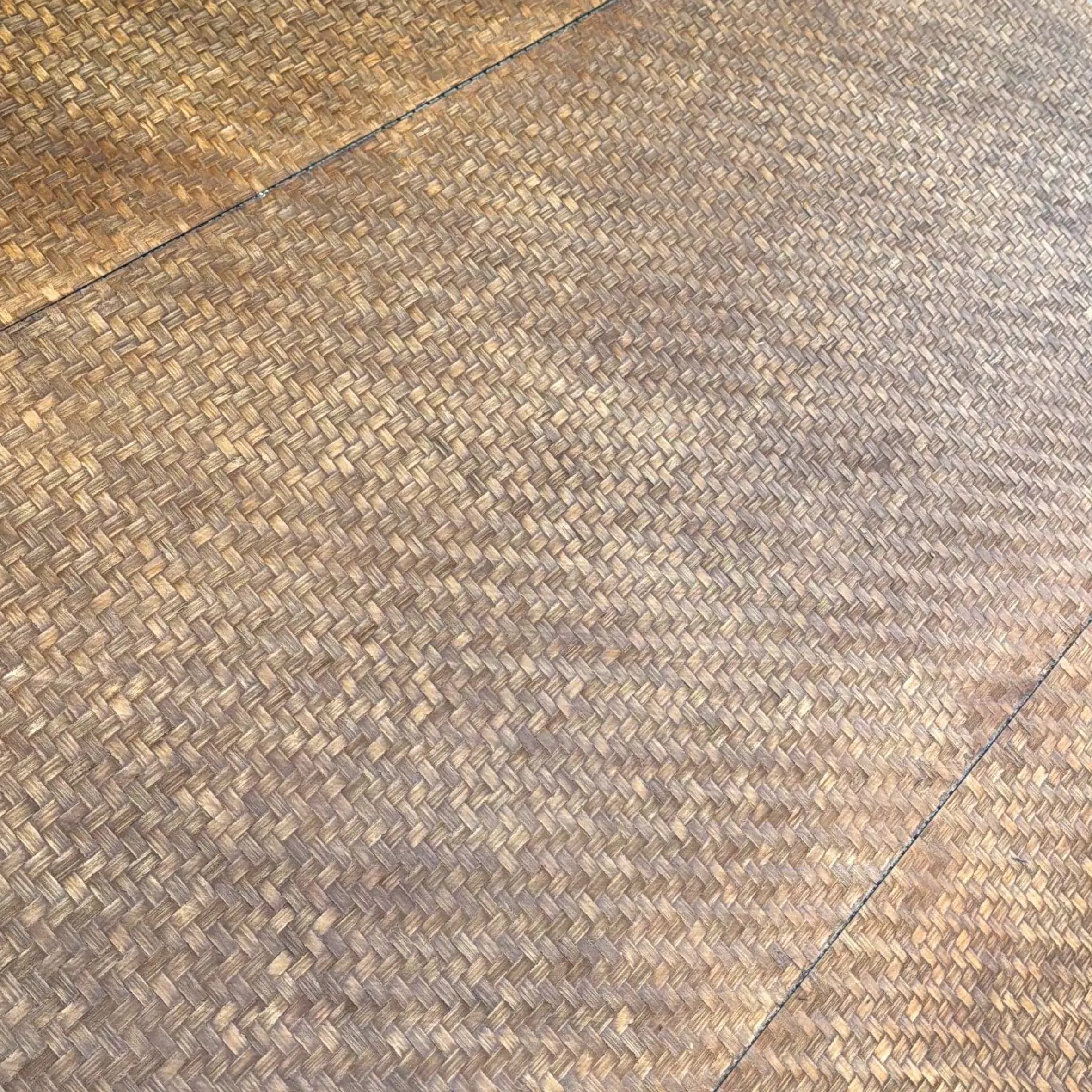
A decade ago, bamboo mat board had a reputation: pretty but impractical. It warped in humidity, scratched easily, and felt more like a craft supply than a construction material. But today? Thanks to quiet innovations from material scientists and manufacturers, it's shedding that label faster than bamboo grows.
Take moisture resistance, for example. Traditional bamboo products struggled in bathrooms or kitchens, but new treatments—like a plant-based sealant derived from soybeans—create a barrier that repels water without adding toxic chemicals. In a test by the Green Building Institute, treated bamboo mat board panels submerged in water for 72 hours showed less warping than standard MDF. "We used to avoid it in high-moisture areas," admits James, a builder in Seattle who specializes in eco-homes. "Now I'm installing it in showers with confidence. Last month, a client's bathroom had a leak—we dried the board, and it looked brand new. Try that with solid wood."
Then there's flexibility. Early bamboo mats were stiff, limiting their use to flat walls. Now, 3D molding techniques (yes, borrowing tricks from the MCM 3D printing series ) let manufacturers shape panels into curves, waves, even custom patterns. A boutique hotel in Bali recently used curved bamboo mat board to line its lobby ceiling, creating the illusion of a floating forest canopy. "Guests take photos of the ceiling before they even check in," laughs the hotel's designer, Lina. "It's become our 'Instagram moment,' but it's not just for show—it's lighter than drywall, so we saved on structural costs, too."
And let's talk aesthetics. Bamboo mat board used to come in one "look": natural bamboo yellow. Today, you can find it stained to mimic wood grain board (think walnut or teak), dyed soft grays for modern spaces, or left raw for that "just-harvested" warmth. Some manufacturers even weave in thin threads of recycled glass or metal for a subtle shimmer—perfect for Raj's café, where Maria eventually chose a panel with gold accents to complement his brass light fixtures. "It's not just sustainable," she says. "It's versatile . I can make it fit a minimalist apartment or a bohemian café without losing that core 'natural' vibe."
Curious how bamboo mat board compares to other popular options? Let's break it down. Maria, ever the planner, made this table for Raj to see the difference:
| Material | Sustainability | Durability | Aesthetics | Cost (per sq. ft.) |
|---|---|---|---|---|
| Bamboo Mat Board | High: Bamboo regrows in 3–5 years; low-VOC adhesives | Medium-High: Water-resistant, scratch-resistant with treatment | Warm, textured, customizable (stains, dyes, 3D shapes) | $8–$12 |
| MCM Flexible Stone | Medium: Recyclable but heavier (higher transport emissions) | High: Weather-resistant, fire-retardant | Sleek, stone-like; limited texture variety | $15–$20 |
| Fair-Faced Concrete | Low: High carbon footprint in production | Very High: Indestructible but cold to the touch | Industrial, minimalist; lacks warmth | $6–$10 |
| Wood Grain Board (Hardwood) | Low: Requires slow-growing trees; often from unsustainable forests | High: Classic durability but prone to warping | Timeless, rich grain; limited customization | $12–$25 |
Raj's reaction? "I'm sold," he said, pointing to the sustainability and cost columns. "Why pay more for stone or hardwood when this feels better and does less harm?"
It's one thing to talk about a material's potential—it's another to see it in action. Let's visit a few places where bamboo mat board is turning heads (and walls):
The Green Bean Café (Portland, OR): Raj's café, which opened last month, features bamboo mat board walls in the seating area. "Customers keep saying the space feels 'cozy but not cluttered,'" he reports. "A regular told me she used to stay 20 minutes for coffee; now she lingers an hour. That's the power of a material that makes people want to be there." Plus, the panels were easy to install: Raj's contractor cut them on-site with a standard saw and mounted them directly to the studs. "We saved a day of labor compared to installing stone," he adds.
Elm Street Co-Living (Austin, TX): This 50-unit apartment building uses bamboo mat board in all its common areas—from the lobby to the rooftop lounge. "We wanted to attract renters who care about the planet," says the developer, Priya. "Our marketing materials highlight the bamboo walls, and it's worked: 90% of our tenants mentioned sustainability as a top reason for signing a lease. Plus, it's quiet! The texture absorbs sound, so the lobby never feels echoey, even when it's full of people."
Wildwood Elementary School (Vermont): When the school needed to replace moldy drywall in its art room, they chose bamboo mat board. "Kids are tough on walls—crayons, glue, accidental soccer balls," says the principal, Mike. "We've had it up for a year, and you can barely tell. We even let the art class paint directly on a section for a mural, then sanded it down and re-sealed it. Good as new. And the kids love that it's 'from bamboo, like pandas eat!' They talk about it during recess."
Of course, no material is perfect. Bamboo mat board still faces challenges that keep it from being a universal solution—at least for now.
First, awareness. Walk into a home improvement store, and you'll find aisles of drywall, plywood, and fair-faced concrete panels, but bamboo mat board? Often tucked in a "specialty" corner, if it's there at all. "Contractors are creatures of habit," Maria explains. "If they've used drywall for 20 years, they'll push for drywall unless the client insists otherwise. I had to order Raj's panels online because the local supplier didn't stock them. That adds time and shipping costs."
Then there's fire resistance. While treated bamboo mat board meets basic safety standards, it's not yet rated for high-risk areas like commercial kitchens or hospitals. "We're working on it," says Dr. Lin, a materials scientist at Oregon State University, who's testing a bamboo panel infused with fire-retardant nanoparticles. "Early results are promising—we're seeing burn times comparable to fire-rated drywall. Give it two years, and this hurdle will be history."
And yes, cost. At $8–$12 per square foot, bamboo mat board is pricier than basic drywall ($2–$4) but cheaper than high-end options like MCM flexible stone ($15–$20). For homeowners on a tight budget, that middle ground can be a stretch. "But think long-term," James argues. "Bamboo board lasts 20+ years with minimal upkeep. Drywall might need replacing in 10 if there's a leak. And can you put a price on not contributing to deforestation? For a lot of people, that's worth the extra few dollars."
So, where does bamboo mat board go from here? If the experts are right, it's not just a trend—it's part of a bigger shift toward "living buildings": structures that don't just use resources, but give back .
Imagine a world where your home's walls are made from bamboo harvested from a local, organic farm, woven with mycelium (mushroom roots) to naturally filter indoor air. Or where bamboo mat board panels have embedded sensors to monitor humidity and temperature, adjusting your HVAC system automatically. Sound far-fetched? Companies like EcoBuild are already prototyping "smart bamboo" panels with built-in wiring channels and moisture sensors. "Why should sustainability mean sacrificing technology?" asks their CEO, Maya. "We want materials that are green and smart."
There's also the potential for circularity. Right now, when bamboo mat board panels reach the end of their life, they're often landfilled. But researchers are experimenting with ways to break them down and reuse the bamboo fibers to make new panels—a closed-loop system that would eliminate waste entirely. "It's like composting, but for construction materials," Dr. Lin says. "By 2030, I believe we'll see bamboo board labeled as 'cradle-to-cradle' certified."
And let's not forget about global impact. Bamboo grows in nearly every climate, from Southeast Asia to South America to the southern U.S. Imagine communities in developing countries, where deforestation is a crisis, starting their own bamboo mat board cooperatives—creating jobs, preserving forests, and exporting a sustainable product to the world. "It's not just about building better walls," Raj says, looking around his café, where sunlight filters through bamboo-paneled windows. "It's about building a better system ."
Maybe you're not an architect or a café owner. Maybe you're just someone who spends 90% of your life inside buildings—at home, at work, at your favorite coffee shop. The materials around you shape how you feel: stressed or calm, disconnected or grounded. Bamboo mat board isn't just a "green material"—it's a material that feels good to be around. It's the difference between walking into a room and thinking, "This is a space," versus "This is a home ."
Maria, for her part, has added bamboo mat board to her "go-to" list. "I used to think sustainability meant compromising on beauty," she says. "Now I know it's the opposite. The most beautiful spaces are the ones that respect the planet—and bamboo mat board lets me create that."
So, the next time you're remodeling, or just daydreaming about your ideal space, ask yourself: What do I want my walls to say? If the answer is, "I care about the earth, and I care about feeling alive," then maybe it's time to give bamboo mat board a second look. The future of construction isn't just about building stronger—it's about building kinder . And bamboo mat board? It's leading the way.
Recommend Products












