
Walk down any street in a modern city, and your eyes will drift upward—drawn to the "skins" of the buildings around you. Cladding, the material that wraps a structure's exterior, is more than just a protective layer; it's the language architecture speaks to the world. It tells stories of culture, innovation, and the values of the communities that build within it. For decades, architects and designers have chased the perfect balance between form and function in cladding—seeking materials that are durable yet beautiful, sustainable yet striking. Today, one name stands out in this pursuit: the MCM Marble Series. Let's explore why this collection is reshaping the future of architectural design, one building at a time.
Cladding has been around as long as humans have built shelters. Early civilizations used rough-hewn stone and sun-baked clay to shield their homes from the elements; these materials were heavy, unyielding, and limited in design. As architecture advanced, brick, concrete, and natural marble became staples—each bringing new strengths but also new challenges. Marble, for example, is undeniably luxurious, but its weight strains building structures, and its extraction often leaves a heavy environmental footprint. Brick, while durable, lacks the flexibility to create bold, modern shapes.
Enter Modified Composite Material (MCM) —a revolutionary category of cladding that redefines what's possible. MCM blends natural minerals, polymers, and advanced manufacturing techniques to create panels that are lightweight, ultra-durable, and infinitely customizable. The MCM Marble Series takes this innovation further, channeling the timeless elegance of marble and other natural stones while infusing them with 21st-century practicality. It's not just a material upgrade; it's a paradigm shift in how we think about building exteriors.
So, what makes the MCM Marble Series more than just another cladding option? It's the perfect storm of innovation, versatility, and heart—design choices that resonate with both architects and the people who inhabit the spaces they create.
At the core of the series is MCM flexible stone —a material that seems to defy physics. Imagine holding a panel that looks and feels like rough-hewn travertine, yet bends gently in your hands. That's the magic of MCM flexible stone. Traditional stone is rigid, limiting it to flat surfaces or simple curves. MCM flexible stone, however, can wrap around columns, arch over entryways, or cascade down facades in flowing waves—all without cracking or losing its structural integrity. This flexibility opens doors to designs that were once only dreams: a museum with a facade that mimics rolling hills, a boutique hotel with undulating walls that reflect the ocean's movement. It's not just about aesthetics; it's about giving architects the freedom to turn their boldest visions into reality.
Take, for example, the wave panel variant—a favorite among designers aiming for organic, fluid spaces. Its gentle, rippling texture transforms a static wall into a dynamic, almost living surface, changing with the light throughout the day. In a recent project in Barcelona, a restaurant used wave panels in travertine (starry green) to create an exterior that feels like stepping into a forest at twilight, with the stone's subtle green hues and star-like mineral flecks catching the sun and moon alike. It's cladding that doesn't just decorate a building—it tells a story.
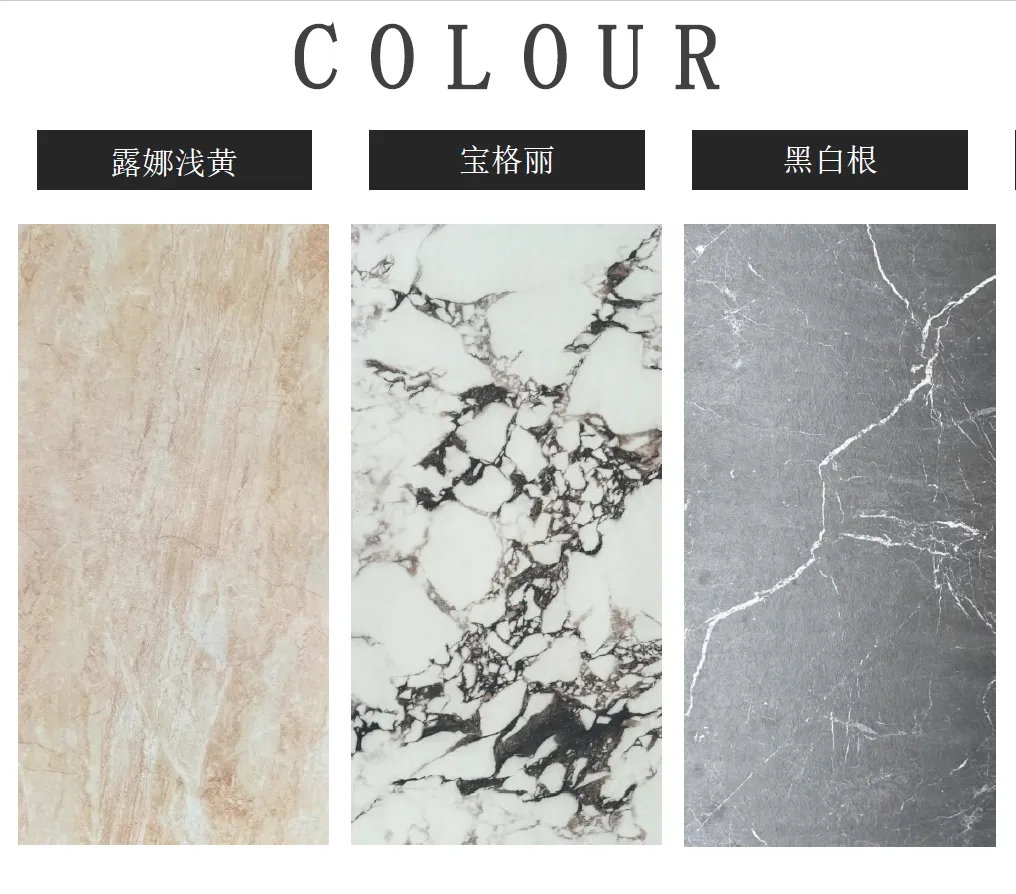
Architecture is about emotion, and emotion is often sparked by color and texture. The MCM Marble Series doesn't just offer materials—it offers a spectrum of moods. Whether you're designing a serene spa, a bold corporate headquarters, or a cozy residential complex, there's a panel in this series that speaks your language.
For projects craving celestial elegance, lunar peak silvery is a showstopper. Its cool, metallic sheen evokes moonlight on stone, adding a touch of otherworldly sophistication to modern buildings. In contrast, rammed earth board (matcha green) feels grounded and warm, perfect for eco-resorts or community centers aiming to connect with nature. The series even includes playful, eye-catching options like travertine (starry orange) —a vibrant, energetic choice that turns a mundane office building into a neighborhood landmark.
But it's not just about color. The series also excels in texture. Foamed aluminium alloy board (vintage silver) combines the industrial chic of metal with a soft, weathered finish that feels both modern and timeless. Run your hand over it, and you'll notice the subtle pores and ridges—details that add depth and tactile interest, making the building feel more approachable, more human.
In an era where every design choice carries an environmental weight, the MCM Marble Series shines as a beacon of sustainability. Traditional cladding materials often require intensive mining, high energy consumption during production, and generate significant waste. MCM, by contrast, is engineered to minimize environmental impact.
Many panels in the series, like foamed aluminium alloy board (vintage gold) , use recycled metals and low-VOC (volatile organic compound) binders, reducing their carbon footprint. MCM flexible stone, too, is made with a high percentage of natural minerals and recycled polymers, ensuring that beauty doesn't come at the planet's expense. Perhaps most importantly, MCM panels are lightweight—up to 80% lighter than natural stone—meaning buildings require less structural support, reducing the need for steel and concrete, two of the construction industry's biggest carbon emitters.
Sustainability here isn't just a buzzword; it's a commitment to future generations. When you choose the MCM Marble Series, you're not just building for today—you're building with the planet in mind.
Great design shouldn't be a hassle. Architects and contractors love the MCM Marble Series for its practical benefits, which save time, money, and headaches during installation and maintenance.
Thanks to their lightweight nature, MCM panels are easier and safer to transport and install than traditional stone or concrete. A team can clad an entire building facade in days, not weeks, reducing labor costs and project timelines. And because they're resistant to water, fire, and UV rays, these panels require minimal upkeep—no costly sealing, repainting, or repairs every few years. Imagine a school in a coastal town, where saltwater and humidity typically corrode exteriors; with travertine (vintage black) panels, the building stays sleek and strong for decades, letting educators focus on teaching, not maintenance.
| Feature | Traditional Cladding (Natural Stone/Brick) | MCM Marble Series |
|---|---|---|
| Weight | Heavy (requires strong structural support) | Lightweight (up to 80% lighter than natural stone) |
| Installation | Labor-intensive, time-consuming | Quick and easy; compatible with most mounting systems |
| Durability | Prone to cracking, staining, and weathering | Resistant to water, fire, UV rays, and impact |
| Sustainability | High carbon footprint (mining, transportation) | Recycled materials, low-VOC binders, energy-efficient production |
| Design Flexibility | Limited to flat or simple curves | Bendable, customizable shapes, colors, and textures |
Cladding is more than just the "skin" of a building—it's the first impression, the silent storyteller, the bridge between structure and soul. The MCM Marble Series understands this, which is why it's quickly becoming the go-to choice for architects, designers, and dreamers worldwide. It's not just about creating buildings that look good; it's about creating spaces that feel good—spaces that inspire, comfort, and connect us to the world around us.
Whether you're drawn to the celestial allure of lunar peak golden , the earthy warmth of rammed earth board (khaki) , or the modern edge of foamed aluminium alloy board (gold) , the MCM Marble Series invites you to reimagine what's possible. It's a celebration of innovation that honors tradition, a testament to the idea that the future of architecture doesn't have to sacrifice beauty for practicality—or vice versa.
As we stand on the cusp of a new era in design, one thing is clear: the buildings of tomorrow won't just be built—they'll be wrapped in MCM. And in doing so, they'll tell a story of progress, creativity, and a deep respect for both the planet and the people who call these spaces home.
Recommend Products












