
Where Tradition Meets Innovation in Building Materials
Elena stood in the middle of the empty warehouse, sunlight slanting through dusty skylights to kiss the exposed brick walls. As an architect specializing in adaptive reuse, she'd seen her share of forgotten spaces—but today, something felt different. Her client, a boutique hotel chain, wanted to transform this 1920s factory into a haven that whispered of history while embracing modernity. "We need materials that tell a story," they'd said. "Not just build a wall, but create a memory."
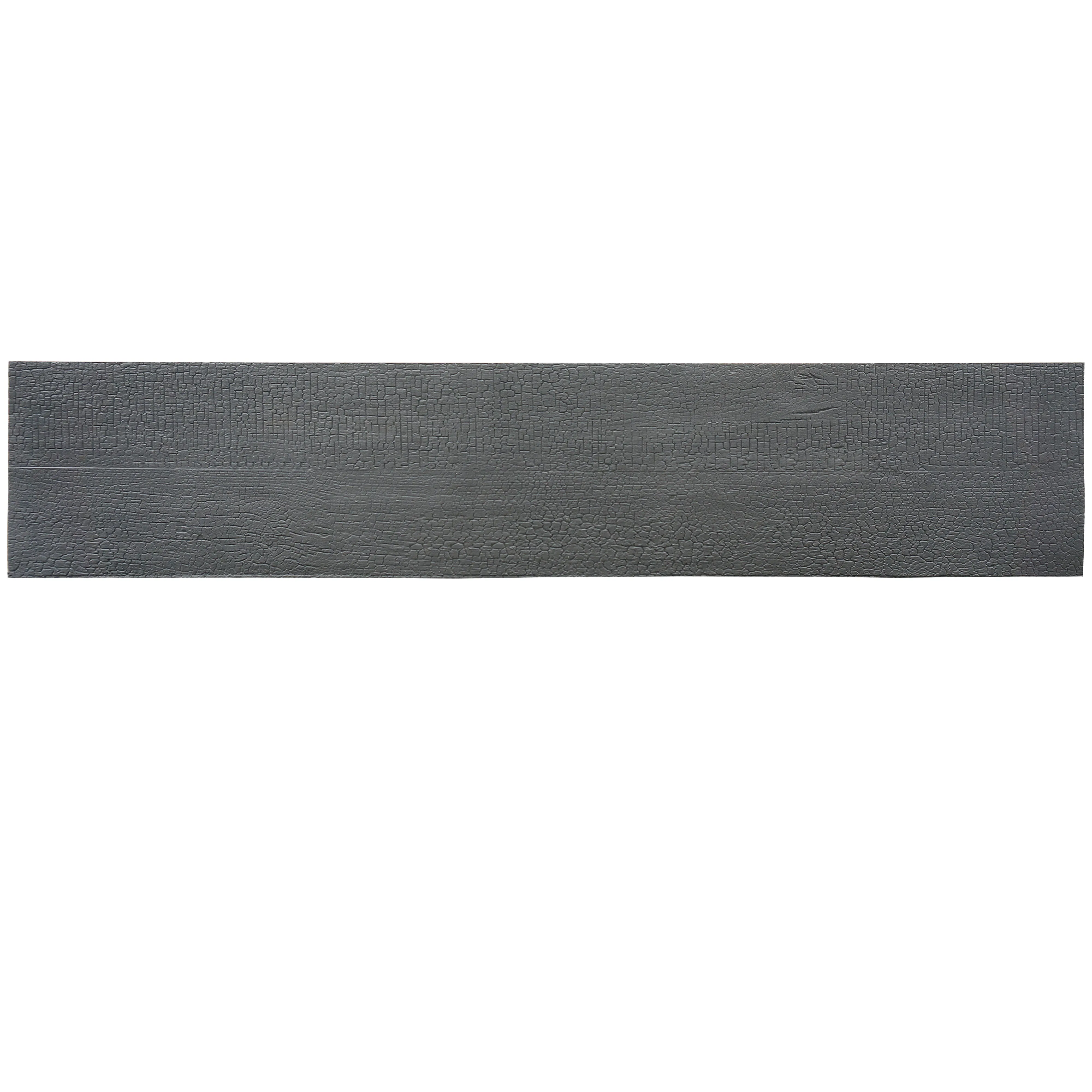
That's when Marco, her go-to supplier, had handed her a sample. "Charcoal burnt wood board," he'd said, pressing the slab into her palm. Elena ran her fingers over it: the surface was smooth, almost velvety, with deep, rich hues that shifted from ebony to umber as she tilted it. Unlike the rough-hewn reclaimed wood she'd used before, this felt intentional—crafted, not just collected. "pH-engineered," Marco explained. "The burn process is controlled, the pH balanced to make it weatherproof, bug-resistant, even fire-retardant. And it looks like it's been kissed by time."
In that moment, Elena realized: the future of construction isn't about replacing the old with the new. It's about reimagining the old with the new. And this charcoal burnt wood board? It was the bridge between then and now.
To understand its magic, let's start with the basics. Traditional charcoal burnt wood—often called shou sugi ban, a centuries-old Japanese technique—involves charring wood to enhance durability. But pH-engineered charcoal burnt wood board takes that tradition a step further. Using precision technology, manufacturers control the burning process to a molecular level, then adjust the wood's pH to stabilize it. The result? A material that retains the organic warmth of wood but with the resilience of modern synthetics.
"It's like giving wood a superpower," says Dr. Aisha Patel, a materials scientist at GreenBuild Labs. "Natural wood is porous; it absorbs moisture, swells, shrinks, becomes food for termites. By charring the surface, we create a protective layer of carbon. Then, balancing the pH? That's the game-changer. It prevents mold, mildew, and rot from taking hold. This isn't just wood anymore—it's a performance material."
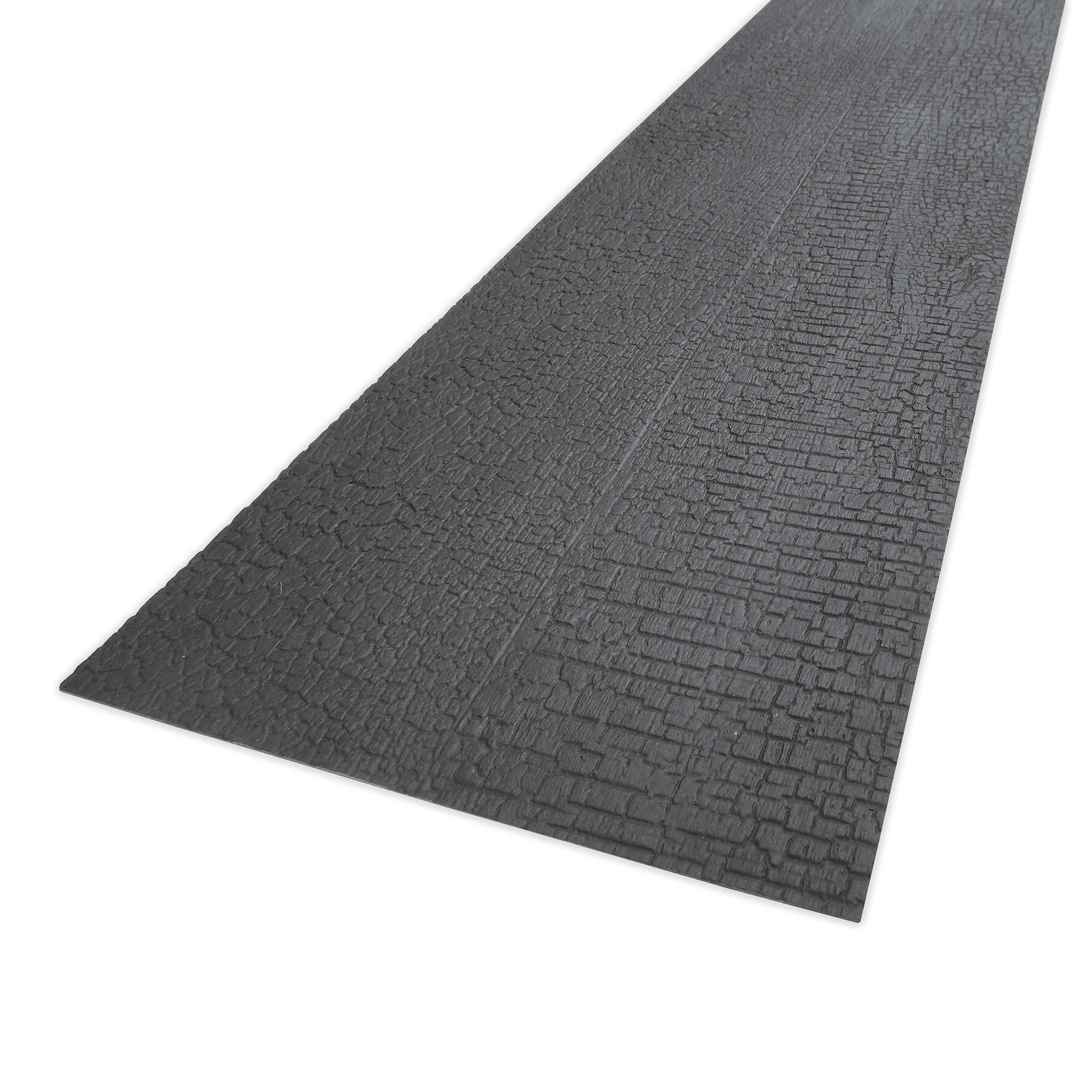
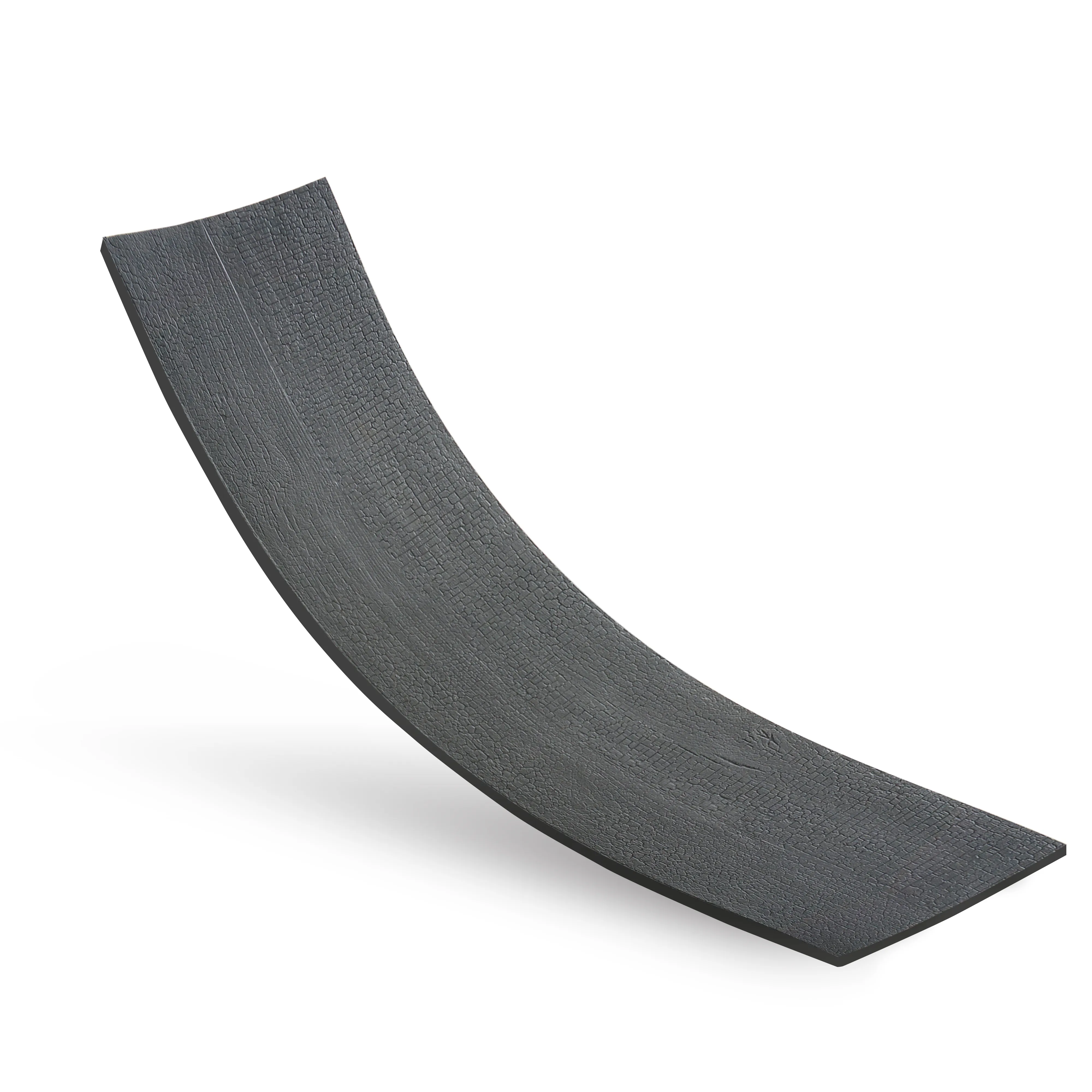
But it's not just about function. The aesthetic is undeniable. Each board carries unique grain patterns, deepened by the charring process. Some slabs have thin, silvery "veins" where the wood's natural resins rose to the surface during burning; others have crackle-like textures that mimic aged leather. "It's alive," Elena later told her client, holding up the sample. "It doesn't just cover a wall—it breathes ."
Elena wasn't just impressed by the look. As she delved deeper, she uncovered a list of benefits that made this material a standout in the crowded world of building supplies.
In an era where "green" often feels like a marketing buzzword, pH-engineered charcoal burnt wood board walks the walk. The wood used is typically sourced from FSC-certified forests, and the charring process requires minimal energy compared to producing concrete or steel. "We're not cutting down ancient trees—we're using fast-growing species like cedar or pine, and making them last 50+ years instead of 15," says Patel. "That's a carbon footprint reduction of up to 40% compared to traditional hardwoods."
Plus, unlike vinyl or composite boards, it's fully biodegradable at the end of its life. "You can bury it, and it'll break down into soil," Patel adds. "No microplastics, no toxic runoff. It's a closed-loop material."
Elena once worked on a beach house project where the salt air corroded the wooden decking within three years. "We had to replace it twice in a decade," she recalls. "With this board? Marco's team installed a sample on a coastal test site two years ago. It still looks brand-new. No warping, no splitting, no signs of salt damage."
The pH engineering is key here. By balancing the wood's acidity, manufacturers create a barrier against moisture, pests, and even UV rays. "Termites hate it," laughs Marco. "Charred wood is already unappetizing to them, but the pH adjustment makes it toxic to their digestive systems. It's like a natural pesticide built into the material."
Walk into a room clad in charcoal burnt wood board, and you'll notice the atmosphere shifts. It's warm, but not cloying; dramatic, but not overwhelming. "It plays with light in a way no other material does," Elena says. "In the morning, sunlight turns it honey-gold; at dusk, it glows like embers. In a restaurant, it makes the space feel intimate, like a cabin in the woods—but in the middle of the city."
And it's not one-note. Manufacturers offer variations: lighter charring for a more rustic look, deeper burns for a sleek, modern finish, even custom stains that complement the natural char. "I used it in a client's home office," Elena shares. "We paired it with floor-to-ceiling windows and light oak furniture. The contrast? Stunning. It felt like working in a treehouse, but with Wi-Fi."
Elena knew she needed to justify choosing this material over others. So she created a chart, comparing it to four popular alternatives: wood grain board , fair-faced concrete , mcm flexible stone , and foamed aluminium alloy board (vintage silver) . Here's what she found:
| Material | Sustainability | Durability | Aesthetic Versatility | Installation Ease | Best For |
|---|---|---|---|---|---|
| pH-Engineered Charcoal Burnt Wood Board | High (FSC-certified, biodegradable) | Excellent (50+ year lifespan, weather/fire-resistant) | Exceptional (custom burns, stains, textures) | Moderate (requires trained installers) | Heritage projects, boutique hotels, residential accent walls |
| Wood Grain Board | Medium (often composite, non-biodegradable) | Moderate (prone to fading, warping) | Good (mimics wood, limited texture) | Easy (DIY-friendly) | Budget-friendly renovations, temporary installations |
| Fair-Faced Concrete | Low (high carbon footprint, energy-intensive production) | Excellent (durable, fire-resistant) | Limited (industrial, monochromatic) | Challenging (requires formwork, curing time) | Modern commercial buildings, minimalist homes |
| MCM Flexible Stone | Medium (recycled content, but synthetic backing) | Good (water-resistant, lightweight) | High (mimics stone, versatile designs) | Easy (lightweight, adhesive installation) | Exterior cladding, feature walls |
| Foamed Aluminium Alloy Board (Vintage Silver) | Low (non-biodegradable, energy-heavy production) | Excellent (rust-proof, impact-resistant) | Moderate (metallic finish, limited color range) | Moderate (requires cutting tools) | Modern commercial facades, high-traffic areas |
"The charcoal burnt wood board isn't perfect for every project," Elena admits. "If a client needs something super lightweight for a high-rise exterior, mcm flexible stone might be better. For a ultra-modern, industrial vibe, fair-faced concrete still has its place. But when you want warmth, history, and sustainability without sacrificing performance? Nothing compares."
Elena's warehouse-to-hotel project wasn't the only place this material has made waves. Across the globe, designers and builders are finding creative ways to integrate pH-engineered charcoal burnt wood board into their work.
Take the Miller family, who renovated their 1950s bungalow in Portland. "We wanted to keep the home's mid-century charm but update it for modern living," says Sarah Miller, a graphic designer. "Our living room had these ugly, drafty windows—we replaced them with floor-to-ceiling glass and clad the adjacent wall in charcoal burnt wood. Now, when the sun sets, the room glows. It's like having a fireplace without the fire."
The board's acoustic properties were a bonus. "Our kids play piano in there, and the wood absorbs sound so it doesn't echo," Sarah adds. "It's functional and beautiful. We even used it for our outdoor patio—no more splinters or annual sealing. It just gets better with age."
In Tokyo, a café called "Timber & Ash" built its entire interior around the material. "We wanted to create a space that felt both local and global," says owner Yuki Tanaka. "Charcoal burnt wood is rooted in Japanese tradition, but the pH-engineering makes it modern. Our customers often comment on how 'grounded' the space feels—like they're sitting in a forest, not a city."
The board's durability is key for high-traffic areas. "We've had kids scribble on the walls with crayons—wiped right off with a damp cloth," Yuki laughs. "And the color hasn't faded, even with sunlight streaming in all day. It's a material that works as hard as we do."
Perhaps most poignant is its use in heritage projects. In Edinburgh, a team restoring a 17th-century castle used the board to replace rotting wooden beams in the Great Hall. "We couldn't use original oak—it's too rare, and wouldn't stand up to Scotland's rain," says lead conservator James McKenzie. "The charcoal burnt wood matched the castle's aged aesthetic perfectly. Tourists can't tell the difference between the 400-year-old beams and the new ones. It's like we gave the castle a second life."
It's not just designers and homeowners who are excited. Industry leaders are hailing pH-engineered charcoal burnt wood board as a "game-changer."
"For decades, we've prioritized function over feeling in construction. We built with steel and concrete because they're strong—but we forgot that buildings are for people. This wood board reminds us that materials can be both tough and tender. It's a step toward a future where our spaces nurture us, not just shelter us."
"Sustainability isn't optional anymore—it's survival. This material checks every box: renewable sourcing, low carbon footprint, longevity. And unlike some 'green' materials, it doesn't look like a science experiment. It's beautiful. That's the secret to adoption—people won't choose sustainable options if they have to sacrifice style."
As Elena walked through the finished hotel—now called "The Foundry"—she paused to touch the charcoal burnt wood wall in the lobby. A guest brushed past her, murmuring, "This place feels alive ." Elena smiled. That's the future, she thought—not just buildings, but living, breathing spaces that connect us to the earth and to each other.
pH-engineered charcoal burnt wood board is just the beginning. As technology advances, we'll see more materials that blend tradition and innovation: think mcm flexible stone with embedded sensors to monitor structural health, or foamed aluminium alloy board (vintage silver) made from recycled aerospace materials. But at the heart of it all? The human desire for materials that tell a story.
"We don't build with materials—we build with memories," Elena wrote in her project notes that night. "And this charcoal burnt wood board? It's a memory in the making."
Recommend Products












