

For architects, choosing a material is about more than aesthetics—it's about understanding the story written into every inch of stone. Red travertine, with its warm, earthy hues and unique texture, isn't just a building material; it's a product of millions of years of geological processes, a collaboration between water, minerals, and time. In this guide, we'll unpack the geological properties that make red travertine a standout choice for projects ranging from historic restorations to cutting-edge commercial facades. We'll also touch on how it compares to other materials like flexible stone and rough granite stone (dark grey) , and why it pairs so well with innovative systems like the mcm project board series .
Travertine, in all its forms—from the starry reds and blues to the classic beiges—begins in the earth's crust, where groundwater heated by geothermal activity dissolves calcium carbonate. As this mineral-rich water rises to the surface through hot springs or geysers, it releases carbon dioxide, triggering a chemical reaction: calcium carbonate precipitates out, layer by layer, forming the porous, banded stone we know as travertine. What sets red travertine apart? Iron oxides. These natural pigments, often leached from surrounding rocks, tint the stone in shades ranging from soft terracotta to deep, rusty crimson. It's a color palette that feels both ancient and alive—a reminder of the earth's dynamic processes.
Compare this to travertine (starry red) , a close cousin that gets its name from tiny, glittering mineral inclusions. While starry red travertine shimmers like a night sky, classic red travertine leans into warmth, with veining that mimics the flow of the springs that created it. Both are born from the same geological dance, but their unique colorations offer architects distinct tools for evoking mood—whether calm serenity or bold energy.
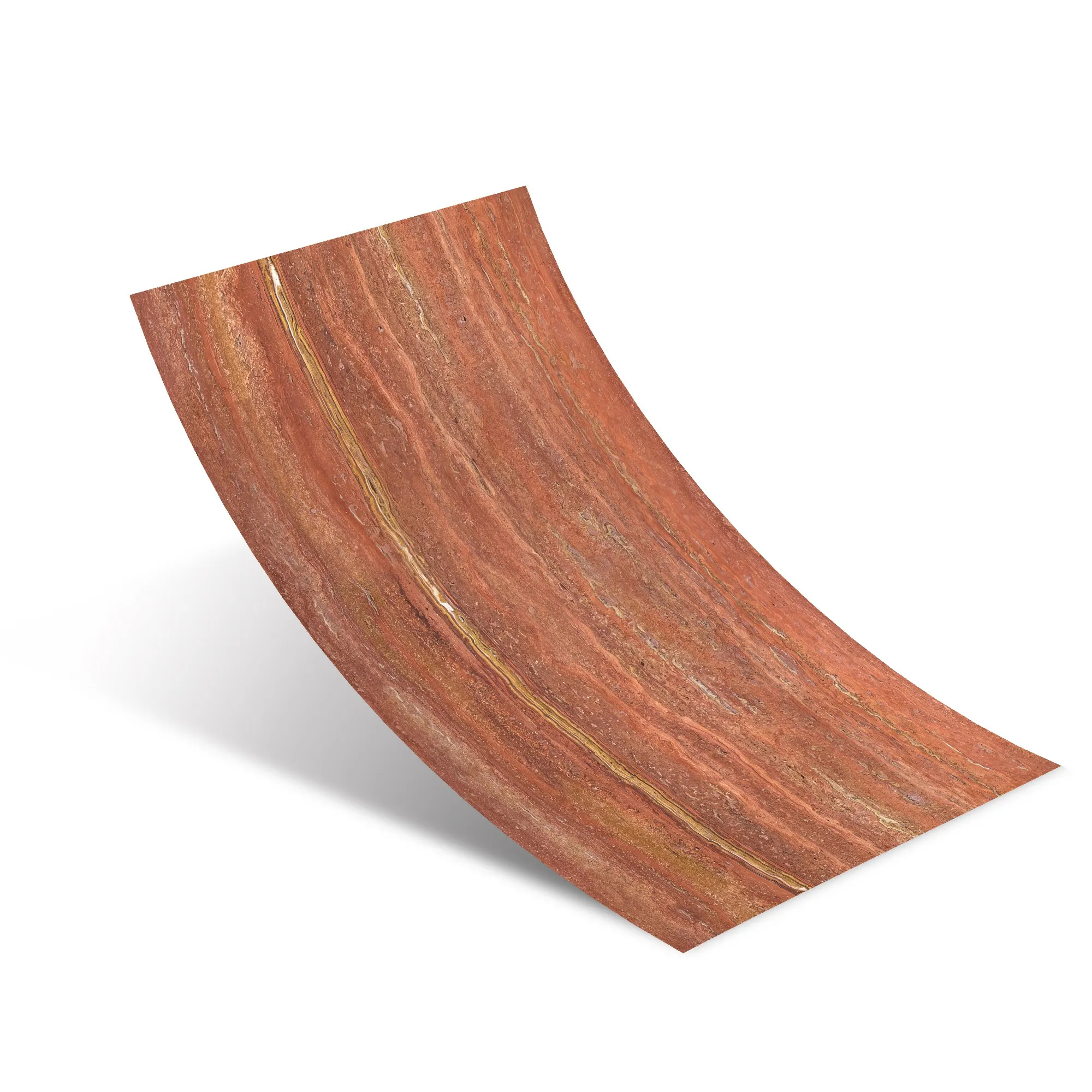
At its core, red travertine is primarily composed of calcite (and sometimes aragonite), minerals that give it a softness and workability rare in natural stone. Its porosity—those tiny, interconnected pores formed by trapped gas bubbles during formation—is both a defining feature and a practical consideration. Unlike dense stones like rough granite stone (dark grey) , which is prized for its hardness, red travertine's porosity makes it easier to cut, shape, and install. This flexibility is a boon for architects aiming for custom designs, from curved facades to intricate inlays.
But porosity isn't just about workability; it's about character. Those pores create a tactile surface that catches light differently throughout the day, shifting from matte to subtly reflective. They also mean red travertine can be finished in diverse ways—polished to a smooth sheen, honed for a soft glow, or left rough for a rustic, organic feel. For contrast, consider rough granite stone (dark grey) : its tight grain and high quartz content make it durable but less malleable, better suited for high-traffic surfaces than for intricate design details. Red travertine, by comparison, invites creativity.
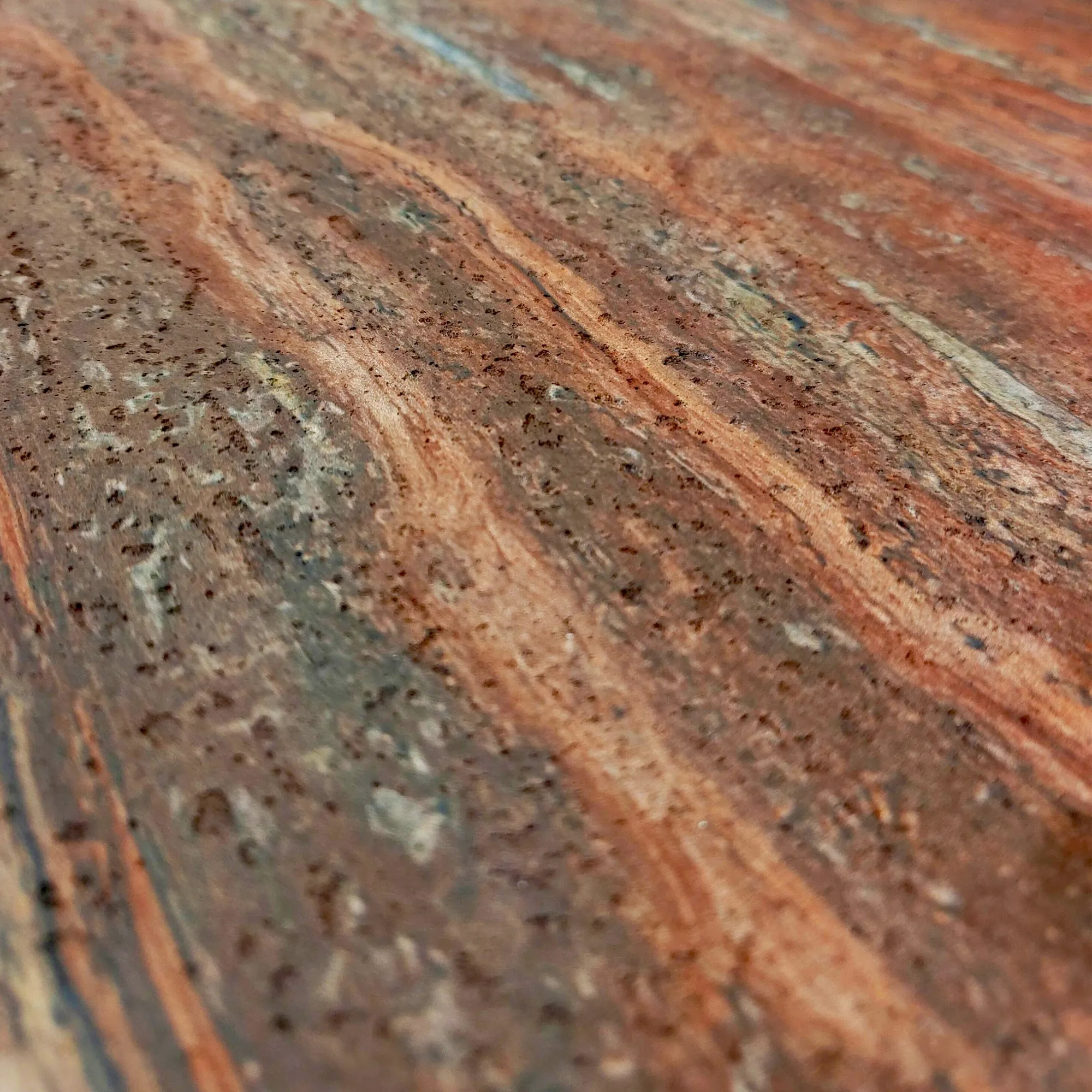
For architects, a material's performance is just as critical as its beauty. Red travertine's geological makeup translates to specific physical properties that impact everything from structural integrity to maintenance. Let's break down the key metrics and how they stack up against other popular options like flexible stone and the mcm project board series .
| Property | Red Travertine | Flexible Stone | MCM Project Board Series | Rough Granite (Dark Grey) |
|---|---|---|---|---|
| Density (kg/m³) | 2100–2300 | 1800–2000 | 1600–1800 | 2600–2800 |
| Compressive Strength (MPa) | 15–25 | 12–18 | 18–22 | 100–150 |
| Water Absorption (%) | 2–5 | 1–3 | 0.5–1.5 | 0.1–0.5 |
| Thermal Conductivity (W/m·K) | 1.2–1.5 | 0.8–1.0 | 0.6–0.9 | 2.5–3.0 |
Density: Red travertine's moderate density (2100–2300 kg/m³) strikes a balance between weight and strength, making it suitable for both interior and exterior use without overburdening structures. Compare this to rough granite stone (dark grey) , which is significantly denser—great for durability but heavier, requiring reinforced support.
Compressive Strength: At 15–25 MPa, red travertine holds up well in low to medium traffic areas like walls or residential flooring. For high-traffic commercial spaces, architects might pair it with mcm project board series , which offers higher strength (18–22 MPa) in a lighter, more flexible format.
Water Absorption: Red travertine's 2–5% absorption rate means it needs sealing to resist staining, especially in wet areas like bathrooms. Flexible stone and MCM boards, with lower absorption, offer easier maintenance—but they lack the natural porosity that gives travertine its breathability and unique texture.
Thermal Conductivity: With lower thermal conductivity than granite, red travertine helps regulate indoor temperatures, reducing heating and cooling costs. It's a practical advantage that complements its aesthetic appeal.
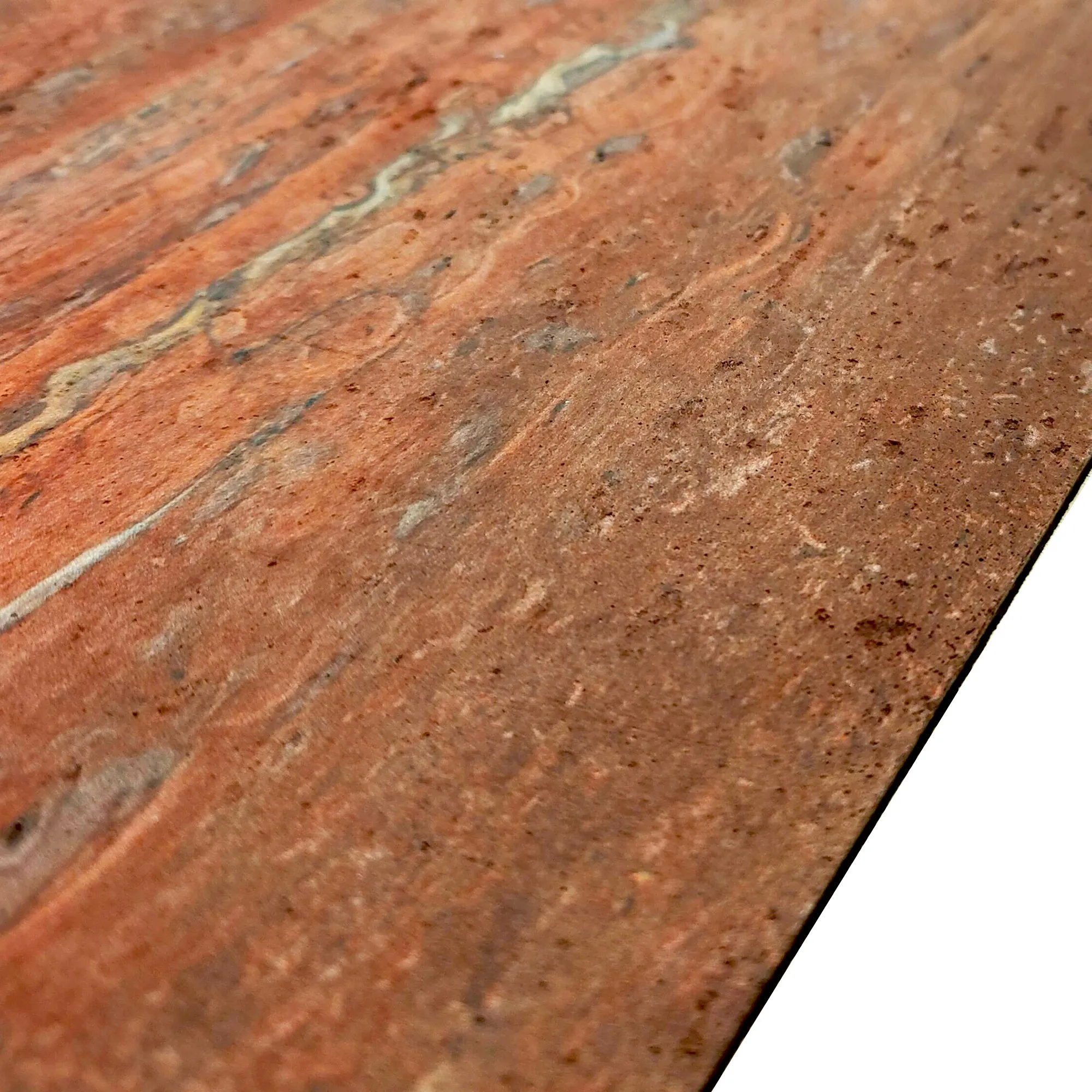
Red travertine's durability is a product of its geological structure. While it's softer than granite, its porosity actually helps it withstand freeze-thaw cycles: water absorbed into the pores expands when frozen, but the stone's flexibility prevents cracking. That said, it's not invincible. In harsh climates with heavy rain or pollution, regular sealing (every 1–3 years) is a must to prevent staining and erosion. For exterior facades, some architects opt to combine red travertine with mcm project board series panels in high-impact areas, leveraging the MCM boards' resistance to weathering while using travertine for visual focal points.
Indoors, maintenance is simpler. A quick sweep and damp mop keep floors looking fresh, and spills should be wiped up promptly to avoid staining. The key is embracing the stone's natural aging process—over time, red travertine develops a patina that adds depth, turning a new installation into a story-rich surface that feels lived-in and authentic.
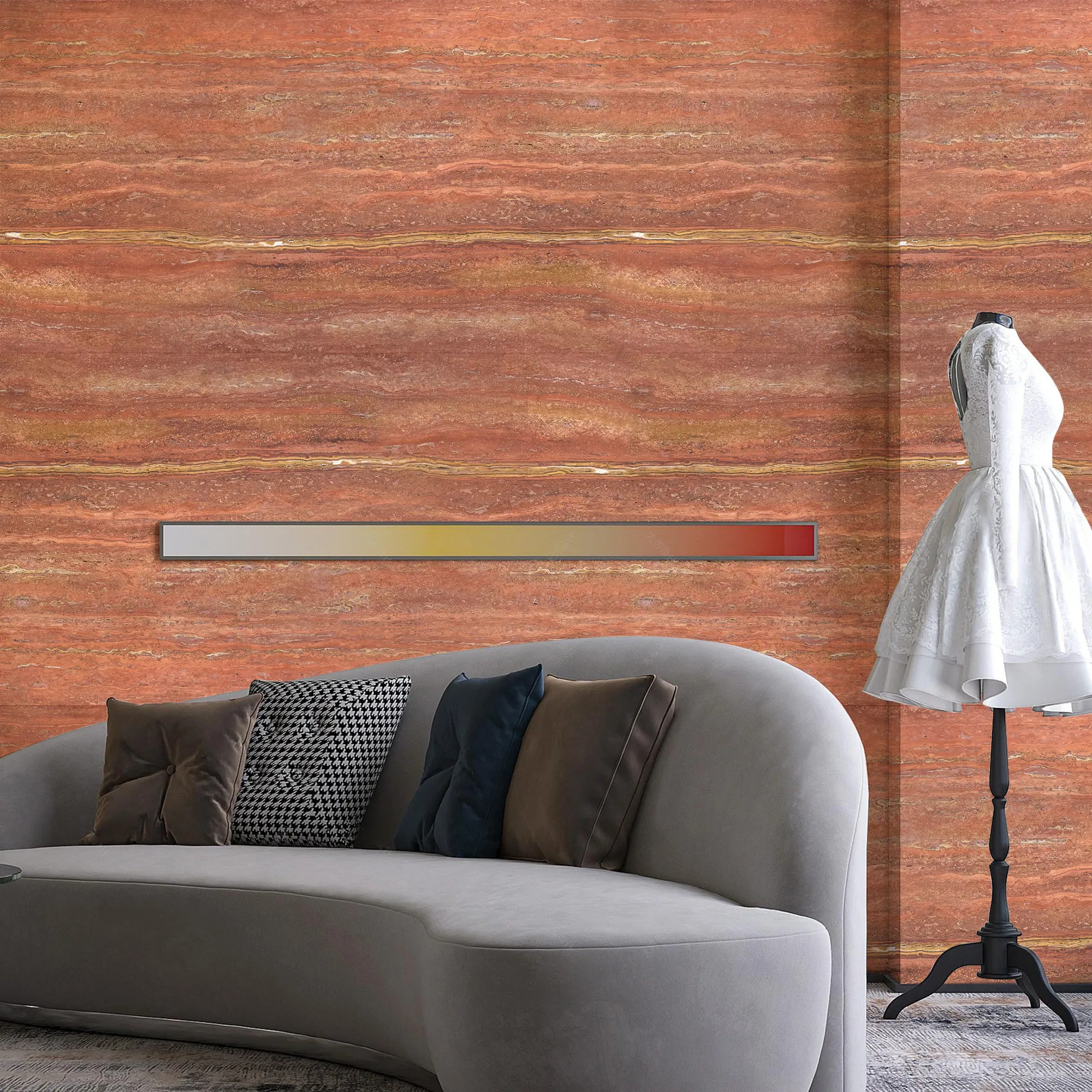
Red travertine's true power lies in its versatility. Its color ranges from pale peach to deep burgundy, with veining that can be subtle (thin, wispy lines) or dramatic (bold, contrasting bands). Finishes further expand its potential: polished red travertine feels sleek and modern, perfect for luxury lobbies; honed travertine offers a soft, matte look ideal for residential spaces; and rough-cut travertine brings a rugged, earthy vibe to outdoor patios or accent walls.
Architects often pair red travertine with complementary materials to amplify its impact. For example, combining rough-cut red travertine with flexible stone panels in a facade creates a dynamic interplay of textures—organic and structured, warm and cool. In commercial projects, red travertine floors paired with mcm project board series ceilings balance natural beauty with modern efficiency, creating spaces that feel both grounded and innovative.
In today's design landscape, sustainability is non-negotiable. Red travertine scores points here, too. As a natural stone, it's abundant and requires minimal processing compared to synthetic materials. Quarrying practices have also improved, with many operations now using water recycling and reforestation efforts to reduce environmental impact. That said, its weight means transportation can leave a carbon footprint, so sourcing locally when possible is key.
For architects prioritizing low-carbon materials, mcm project board series offers a lightweight alternative, with panels made from recycled minerals and resins. But for projects where authenticity and natural beauty are paramount, red travertine's sustainability story—rooted in the earth's own processes—resonates deeply. It's a material that connects buildings to the planet, reminding occupants of the natural world beyond the walls.
Red travertine has left its mark on iconic projects worldwide. The ancient Romans used it to build the Colosseum, where its durability has stood the test of millennia. More recently, the Sheikh Zayed Grand Mosque in Abu Dhabi features red travertine in its courtyard, its warm tones complementing the mosque's white marble and gold accents. In residential design, architects like John Pawson have used red travertine for floors and walls, leveraging its soft texture to create serene, light-filled spaces.
For a modern twist, consider a recent mixed-use development in Barcelona, where architects clad the lower levels in rough-cut red travertine and the upper floors in mcm project board series panels. The travertine grounds the building in the city's historic architecture, while the MCM panels add a contemporary edge—proof that old and new can coexist beautifully.
Red travertine isn't just a material—it's a collaborator. Its geological properties, from porosity to compressive strength, inform every design decision, ensuring both beauty and functionality. Whether used alone or paired with flexible stone , rough granite stone (dark grey) , or mcm project board series , it brings warmth, texture, and a sense of history to spaces. For architects, understanding its story—how it formed, what makes it strong, how it ages—isn't just technical knowledge; it's the key to unlocking its full potential. In a world of mass-produced materials, red travertine stands out as a reminder that the best designs are rooted in the earth's own creativity.
Recommend Products











