
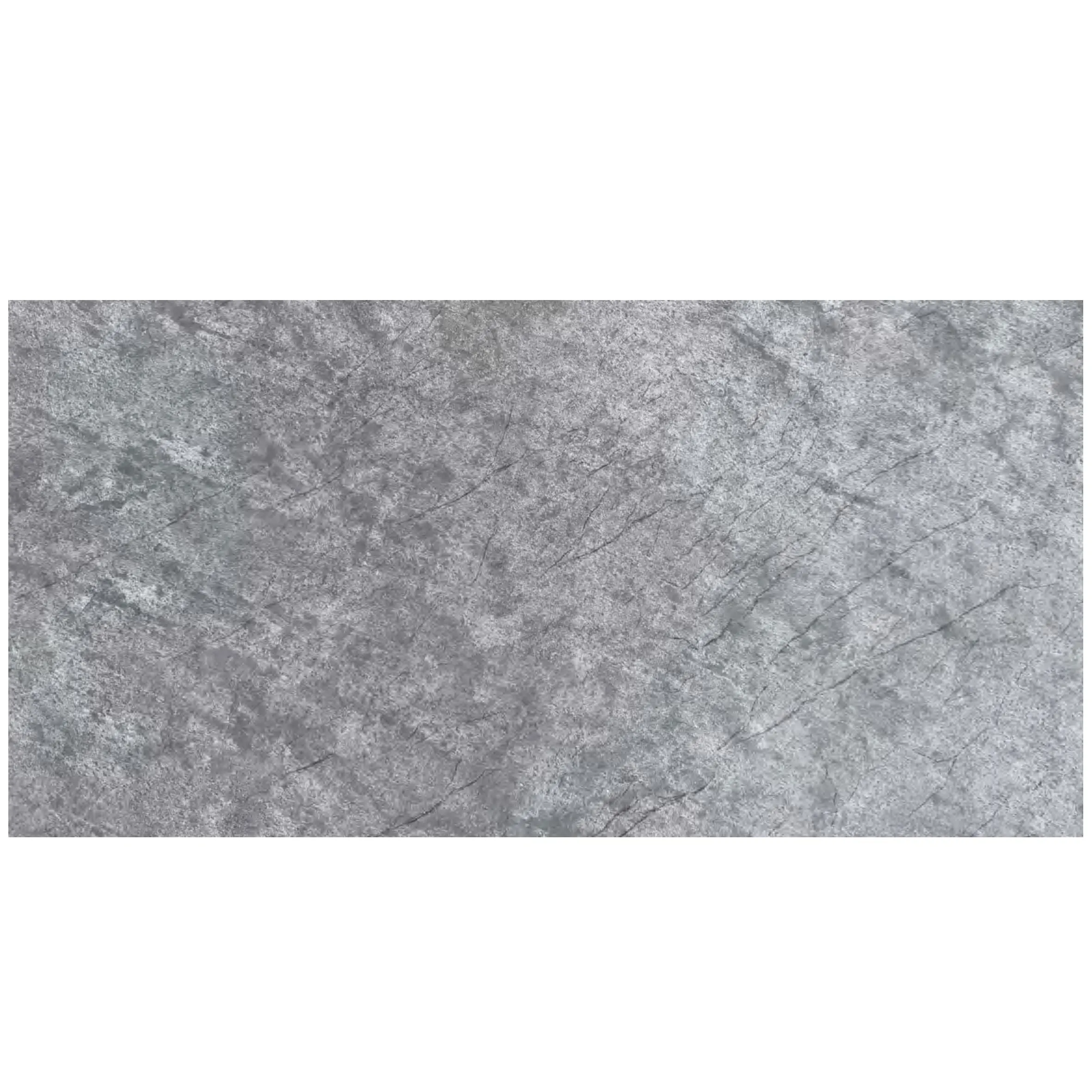
Walk into any modern home or commercial building today, and you'll likely notice a quiet revolution unfolding in its walls. Architects and builders are no longer choosing materials based solely on how they look—they're asking, "How does this make the space feel? And how much will it cost to keep that feeling consistent, year after year?" In a world where energy bills climb and environmental concerns grow louder, the quest for building materials that marry beauty with efficiency has never been more urgent. Enter COLORIA's MCM cladding, and in particular, its showstopper: glacial slate. But this isn't just another pretty face in the stone aisle. Glacial slate, part of COLORIA's innovative MCM flexible stone lineup, is redefining what it means for a building material to work with the environment—instead of against it.
Think about the last time you stepped into an old stone building on a sweltering summer day. Chances are, you were greeted by a wave of cool air—that's the stone doing its job, right? Well, sort of. Traditional natural stone is dense, heavy, and yes, it can absorb heat. But here's the catch: come winter, that same density works against you. It soaks up the warmth from your heating system and leaks it outside, turning your furnace into a overworked, energy-guzzling machine. The same goes for materials like fair-faced concrete—a staple in industrial-chic design for its raw, unpolished look. While fair-faced concrete has its merits (durability, fire resistance), it's not exactly a champion at keeping heat where it belongs. Its thermal conductivity is higher than most homeowners or architects would prefer, meaning it acts more like a bridge for temperature transfer than a barrier.
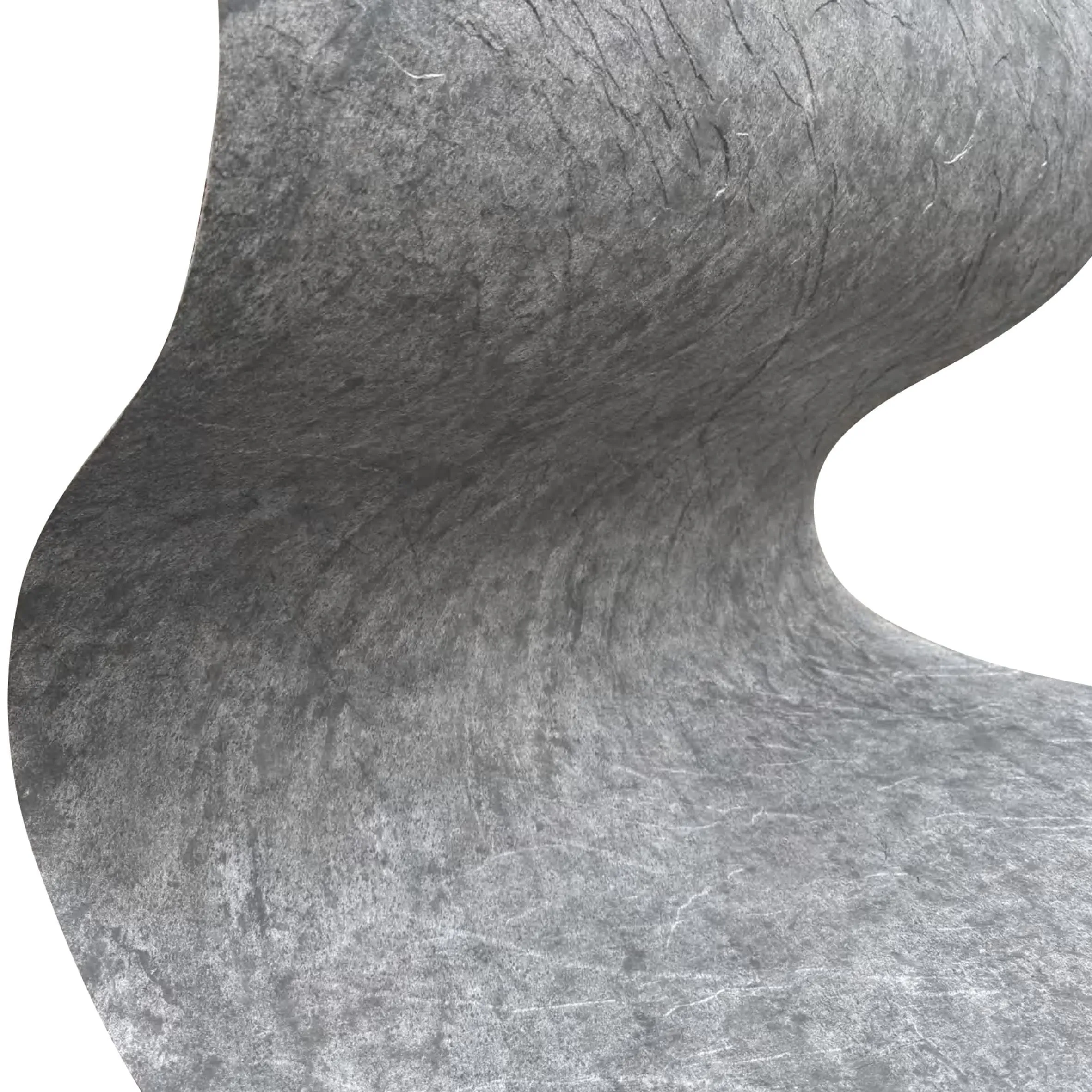
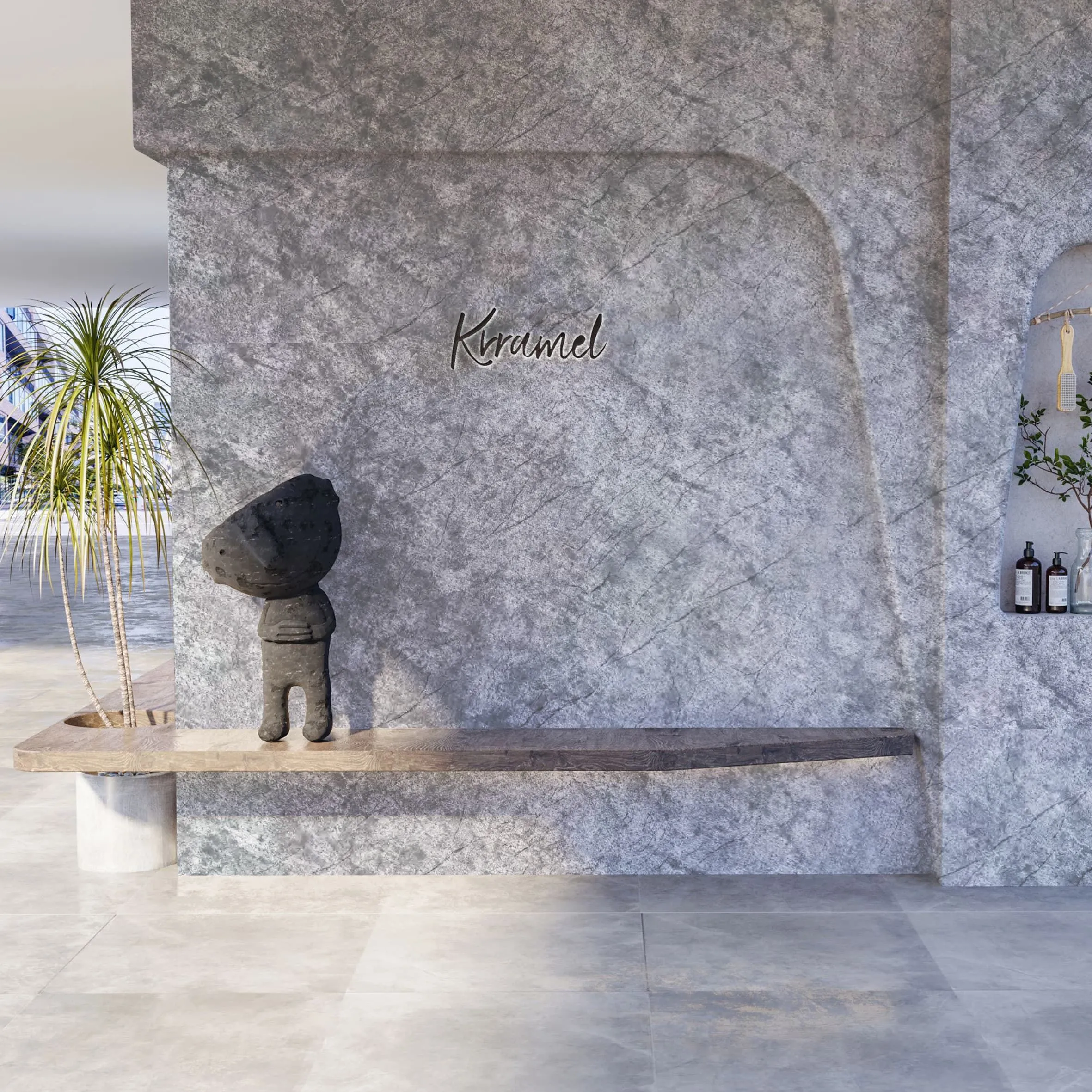
And let's not forget about flexibility—or the lack thereof. Traditional stone slabs are rigid, making them tricky to install on curved surfaces or buildings with unique geometries. You either compromise on design or spend a fortune on custom cutting and reinforcement. Enter COLORIA's MCM flexible stone: a game-changer that flips the script. MCM, or Modified Composite Material, is a blend of natural minerals and high-performance polymers, engineered to be lightweight, bendable, and—crucially—insanely good at regulating temperature. Glacial slate, a star in this lineup, takes all those benefits and wraps them in a finish that looks like it was chiseled from a mountain glacier: cool, textured, and undeniably organic.
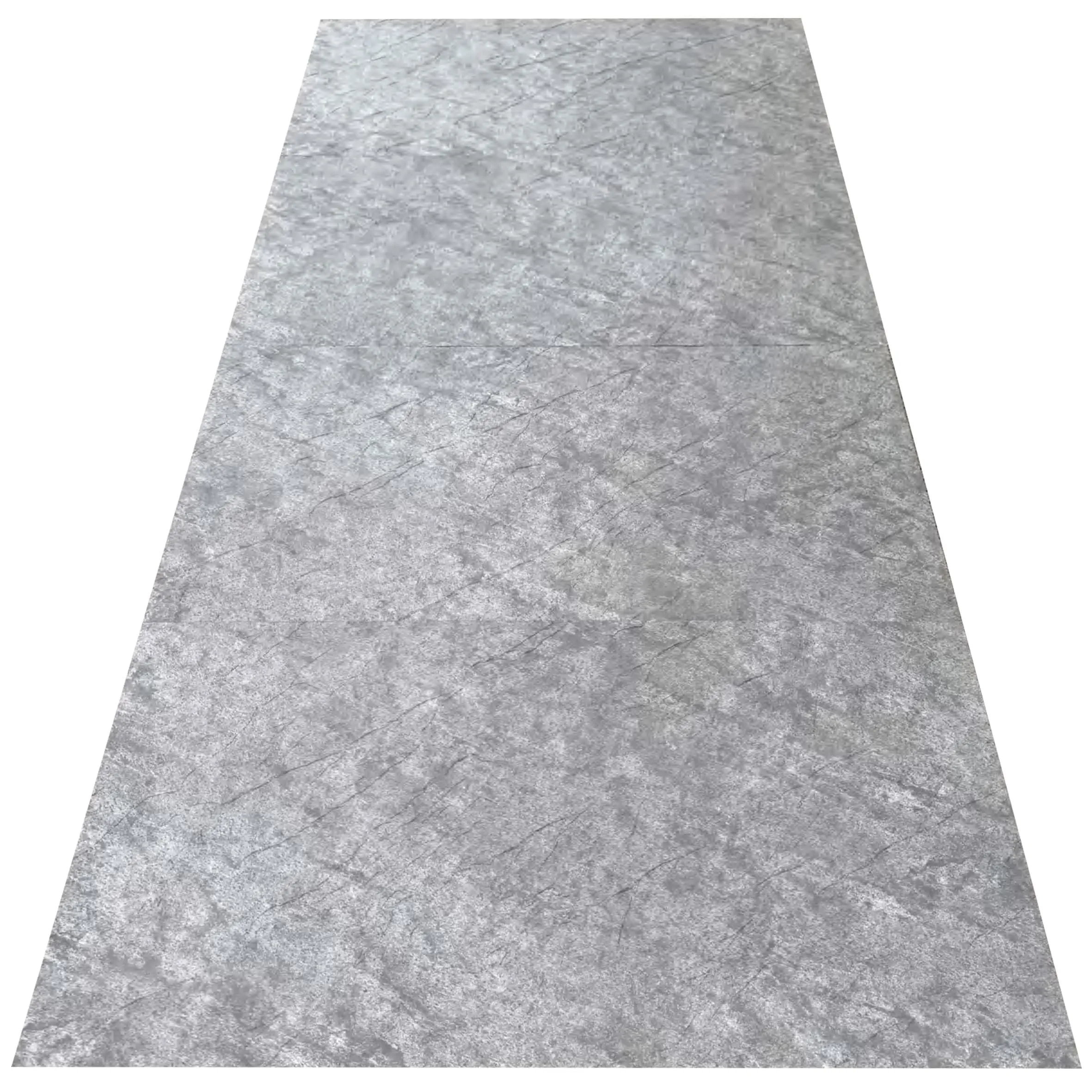
Let's get technical— but not too technical. The key to any material's insulating power lies in its thermal resistance, measured by R-value (the higher the R-value, the better the insulation). Traditional natural stone has an R-value of around 0.08 to 0.12 per inch, which is… underwhelming. Fair-faced concrete? Maybe 0.1 to 0.15 per inch. Now, compare that to COLORIA's MCM flexible stone, which clocks in at an R-value of 0.35 to 0.45 per inch. That's more than triple the thermal resistance of traditional stone. How? It all comes down to the MCM structure.
MCM flexible stone isn't just a solid slab. Its core is a lightweight, closed-cell composite that traps air—nature's best insulator. The outer layer, in the case of glacial slate, is a thin veneer of natural stone particles fused with polymers, giving it the look of real slate without the weight or conductivity. This "sandwich" design creates a thermal break between the outside environment and the building's interior. In summer, it reflects solar radiation and slows heat penetration; in winter, it locks in warmth, reducing the load on your HVAC system. It's like wrapping your building in a high-tech blanket that also happens to look like it belongs in a luxury mountain lodge.
But glacial slate isn't alone in this mission. COLORIA's lineup is full of materials that play well with energy efficiency. Take Lunar peak silvery, for example. With its metallic, almost otherworldly sheen, it's a favorite for architects aiming for a futuristic vibe. But beyond its eye-catching finish, Lunar peak silvery shares the same MCM DNA as glacial slate. Its reflective surface bounces back sunlight, lowering cooling costs in hot climates, while its composite core maintains that impressive R-value. It's proof that you don't have to choose between "wow factor" and "wallet-friendly utility bills."
Numbers speak louder than adjectives. Let's take a look at how glacial slate compares to other COLORIA staples when it comes to thermal performance. The table below breaks down key metrics like thermal conductivity (how easily heat passes through), R-value, and thickness options—because sometimes, even a thin material can outperform a thick one if it's engineered right.
| Product Name | Thermal Conductivity (W/m·K) | Typical Thickness (mm) | R-Value per Inch | Key Insulating Feature |
|---|---|---|---|---|
| Glacial Slate (MCM) | 0.18–0.22 | 4–8 | 0.40–0.45 | Closed-cell composite core; textured surface scatters solar heat |
| MCM Flexible Stone (General) | 0.17–0.20 | 3–10 | 0.35–0.42 | Lightweight polymer-mineral blend; minimal thermal bridging |
| Fair-Faced Concrete | 1.2–1.7 | 10–20 | 0.10–0.15 | High density; better for fire resistance than insulation |
| Lunar Peak Silvery (MCM) | 0.19–0.23 | 5–7 | 0.38–0.43 | Reflective metallic finish; reduces solar heat gain |
Notice the gap? Glacial slate and Lunar peak silvery, both MCM-based, have thermal conductivities (a measure of heat transfer) up to 10 times lower than fair-faced concrete. That means, even at half the thickness, they're keeping more heat inside (or outside) than traditional concrete. For a homeowner in a cold climate, that could translate to 20–30% lower heating costs annually. For a commercial developer, that's a massive selling point for eco-conscious tenants.
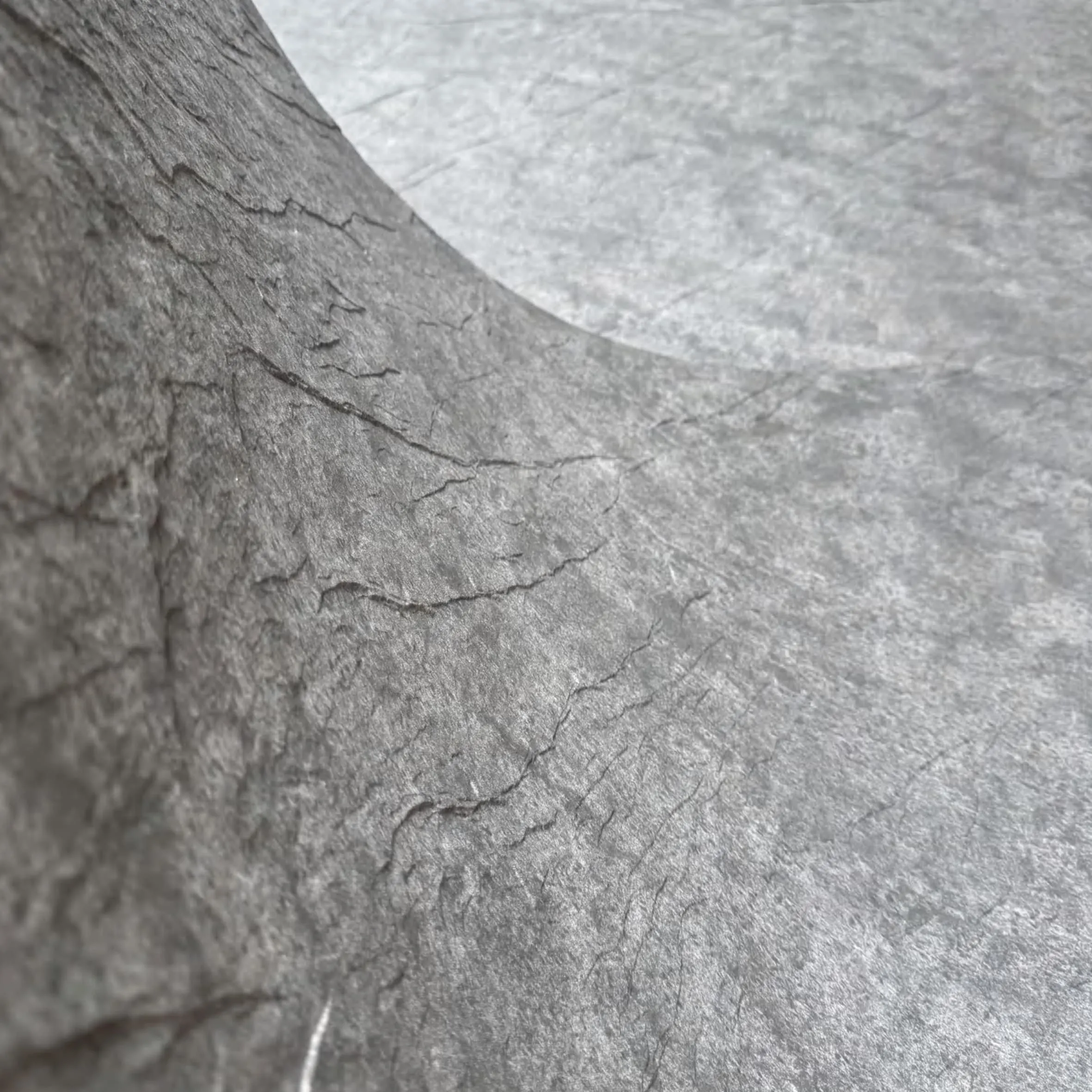
Energy efficiency is great, but what good is a material if it cracks after a hailstorm or fades in the sun? MCM flexible stone, including glacial slate, is built to last. Its polymer matrix resists moisture, mold, and UV damage—so that rich, icy texture you fell in love with on day one will still look fresh a decade later. Compare that to natural travertine or limestone, which can etch, stain, or weather unevenly without constant maintenance. And because MCM is lightweight (about 1/5 the weight of natural stone), it puts less stress on a building's structure. No need for beefed-up foundations or extra support beams—saving time and money during construction.
Then there's the design freedom. Glacial slate bends. It curves. It wraps around columns, follows the slope of a roof, or clads a spiral staircase without breaking a sweat. Architects are raving about it because it lets them turn bold concepts into reality. Imagine a mountain retreat with a curved facade clad in glacial slate, its texture mimicking the surrounding rock faces, but with the insulation to keep the interior toasty even when snow piles up outside. Or a downtown office building where Lunar peak silvery panels reflect the sky by day and glow softly at night—all while cutting the building's carbon footprint.
Even materials like fair-faced concrete, which once felt limiting, get a refresh when paired with MCM. Designers are mixing and matching: using fair-faced concrete for structural elements and glacial slate for cladding, creating a contrast of textures that's both industrial and organic. The result? A building that's not just efficient, but memorable .
Energy efficiency and sustainability go hand in hand, and MCM flexible stone checks both boxes. Let's start with the manufacturing process. COLORIA's MCM is made with recycled minerals and low-VOC (volatile organic compound) polymers, reducing its environmental impact from the get-go. Its lightweight nature also cuts down on transportation emissions—trucks can carry more panels per trip, lowering the carbon footprint of getting the material from factory to job site.
Then there's the long-term picture. A building wrapped in glacial slate uses less energy for heating and cooling, which means fewer greenhouse gas emissions over its lifetime. And since MCM is so durable, it rarely needs replacement—unlike vinyl siding or even some natural stones that degrade over time. When it does reach the end of its life, most MCM panels are recyclable, closing the loop on sustainability.
Compare that to traditional stone quarrying, which can disrupt ecosystems and consume massive amounts of water. Or fair-faced concrete, which relies on cement—a material responsible for about 8% of global CO2 emissions. MCM flexible stone isn't just a better choice for your utility bill; it's a better choice for the planet.
Don't just take our word for it. Let's look at a real project: a 40-unit apartment complex in Denver, Colorado, where the developer wanted to balance modern design with energy efficiency. The original plan called for natural limestone cladding, but concerns about cost, weight, and insulation pushed the team to explore alternatives. They settled on glacial slate MCM panels for the exterior and Lunar peak silvery accents for the balconies.
The results? After a year of monitoring, the building's energy use was 28% lower than similar complexes in the area. Tenants reported more consistent indoor temperatures, and maintenance requests related to drafty windows or uneven heating dropped significantly. The developer was so impressed they're using glacial slate on their next project—a mixed-use building in Portland, Oregon, where rainy winters demand top-notch insulation.
Another example: a family home in Vermont, where the owners dreamed of a "cabin in the woods" aesthetic but didn't want to sacrifice modern comfort. They chose glacial slate for the exterior walls and MCM flexible stone (in a warm, wood-grain finish) for the interior accent wall. The home's R-value exceeded local building codes by 30%, and during the first winter, their heating bill was $150 lower per month than in their previous, traditionally clad home. "It's like living in a cozy nest," the homeowner. "And guests can't believe the 'stone' walls are actually bendable!"
Building materials are evolving, and the days of choosing between "good for the planet," "good for your wallet," and "good to look at" are over. Glacial slate, as part of COLORIA's MCM flexible stone lineup, is proof that you can have all three. It's insulating, durable, sustainable, and stunningly beautiful. It works with the environment, not against it, and gives architects and homeowners the freedom to build without compromise.
So the next time you walk past a building and find yourself admiring its facade—whether it's the cool texture of glacial slate, the sleek sheen of Lunar peak silvery, or the bold contrast of MCM and fair-faced concrete—take a moment to appreciate what's happening behind the scenes. That material isn't just there to look good. It's working hard, keeping the people inside comfortable, the planet a little healthier, and the future of building design brighter than ever.
Because in the end, the best buildings aren't just structures—they're partners. And with glacial slate and MCM flexible stone, COLORIA is helping us build partnerships that last.
Recommend Products












