
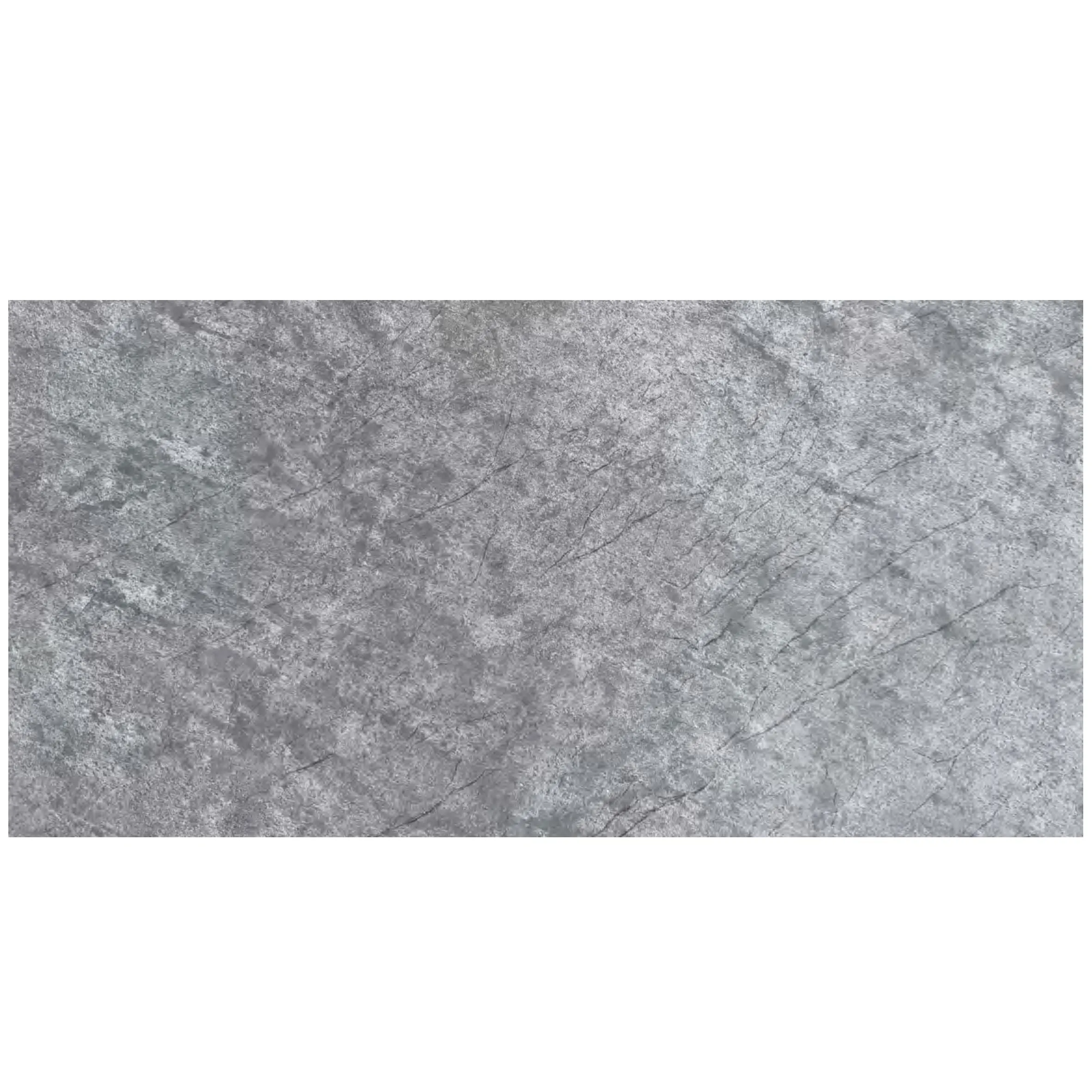
Walk into any modern sustainable building today, and you'll likely notice something different about its walls or facade. It might be a texture that feels both rugged and refined, a color palette that blends earthy tones with subtle depth, or a quiet confidence that says, "I was built to last—without costing the planet." That's the mark of intentional design, where every material choice serves a purpose beyond aesthetics. In the world of green architecture, one material has been turning heads lately: glacial slate. But it's not just its striking appearance that's making waves. What really sets it apart is how seamlessly it aligns with LEED certification—the global gold standard for sustainable building. Let's dive into why glacial slate is becoming a go-to for architects, builders, and developers who want to create spaces that are as kind to the environment as they are beautiful.
First things first: What exactly is glacial slate? Unlike traditional slate, which is often quarried using heavy machinery that disrupts local ecosystems, glacial slate takes a gentler approach. Formed over centuries by natural geological processes—think slow-moving glaciers grinding rock into fine particles, then compacting them under pressure—it's a material with a story written in stone (literally). But what makes it a star in sustainable construction isn't just its origin; it's how it's made today.
Modern manufacturers of glacial slate prioritize low-impact extraction and processing. Many source raw materials from regions with minimal ecological sensitivity, using water-based cutting techniques instead of harsh chemicals to shape the stone. The result? A product with a carbon footprint up to 40% lower than traditional quarried stone, according to recent industry reports. But sustainability doesn't mean sacrificing quality. Glacial slate is surprisingly durable, resistant to weathering, and requires little maintenance over its lifetime—often 50 years or more. That longevity matters because it reduces the need for frequent replacements, cutting down on waste and resource use in the long run.
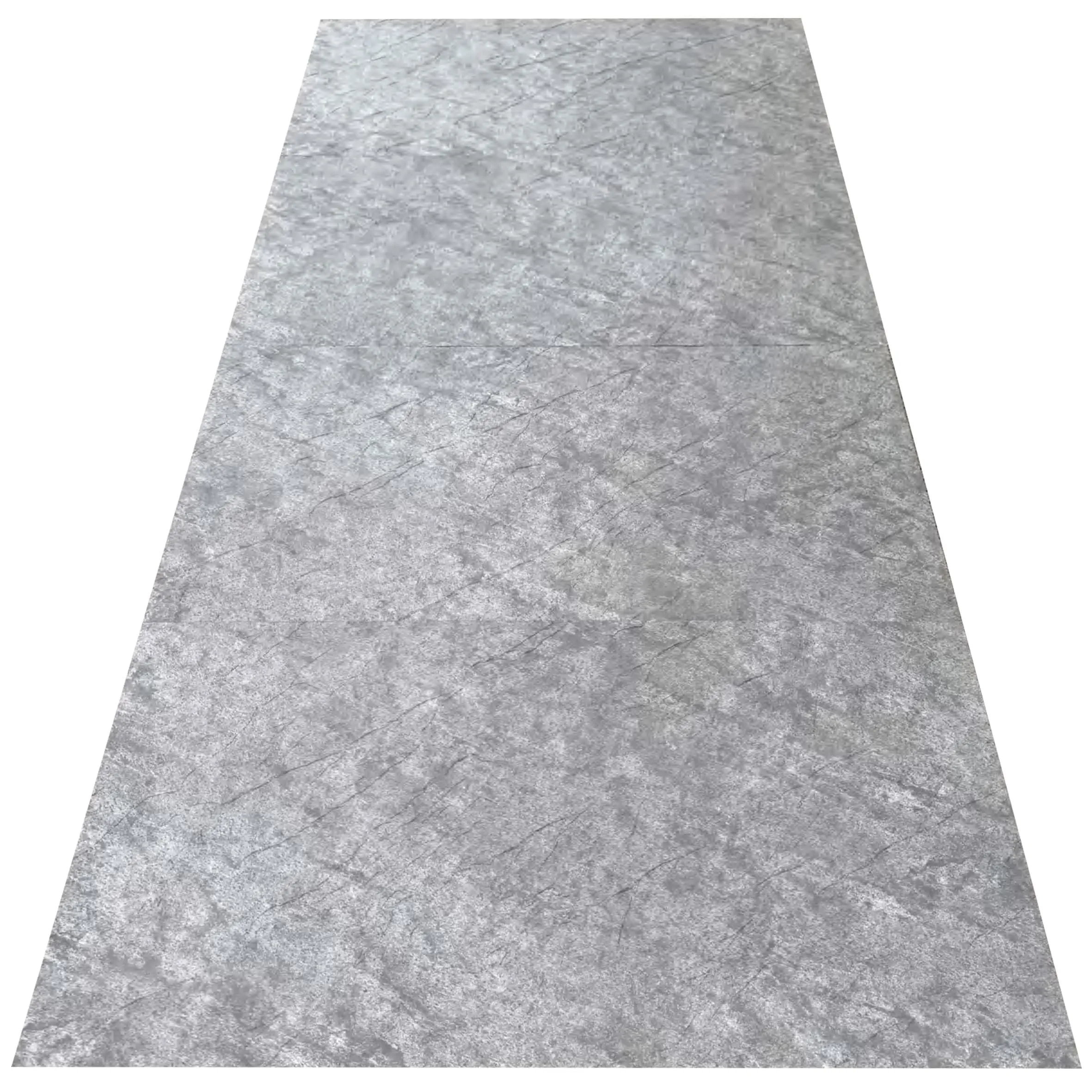
Aesthetically, glacial slate is a chameleon. It comes in soft grays, deep blues, and even subtle greens, with textures ranging from smooth to slightly rough, mimicking the natural wear of glacial activity. Architects love it for its versatility: use it as exterior cladding to add depth to a building's facade, or as interior wall panels to bring a touch of nature indoors. In a world where "biophilic design"—connecting people to nature through architecture—is trending, glacial slate checks that box too. Its organic patterns and earthy hues create spaces that feel calm and grounded, a welcome contrast to the sterile minimalism of some modern buildings.
Before we connect glacial slate to LEED, let's get clear on what LEED actually is. Short for Leadership in Energy and Environmental Design, LEED is a rating system developed by the U.S. Green Building Council (USGBC) to measure how "green" a building is. Projects earn points across several categories—like energy efficiency, water conservation, and indoor air quality—and those points translate to certifications: Certified, Silver, Gold, or Platinum (the highest honor). For developers, LEED certification isn't just a badge of honor; it can boost property values, attract eco-conscious tenants, and even qualify for tax incentives in some regions.
So, how does a material like glacial slate help a project earn those points? Let's break it down by key LEED categories:
But glacial slate doesn't work alone. To maximize LEED points, it often pairs with other sustainable materials—like mcm flexible stone and fair-faced concrete—that bring their own eco-friendly benefits to the table.
Think of sustainable building materials as a team. Glacial slate might be the star forward, but it needs strong teammates to win the LEED championship. Two materials that often play alongside it are mcm flexible stone and fair-faced concrete—each with unique strengths that complement glacial slate's own.
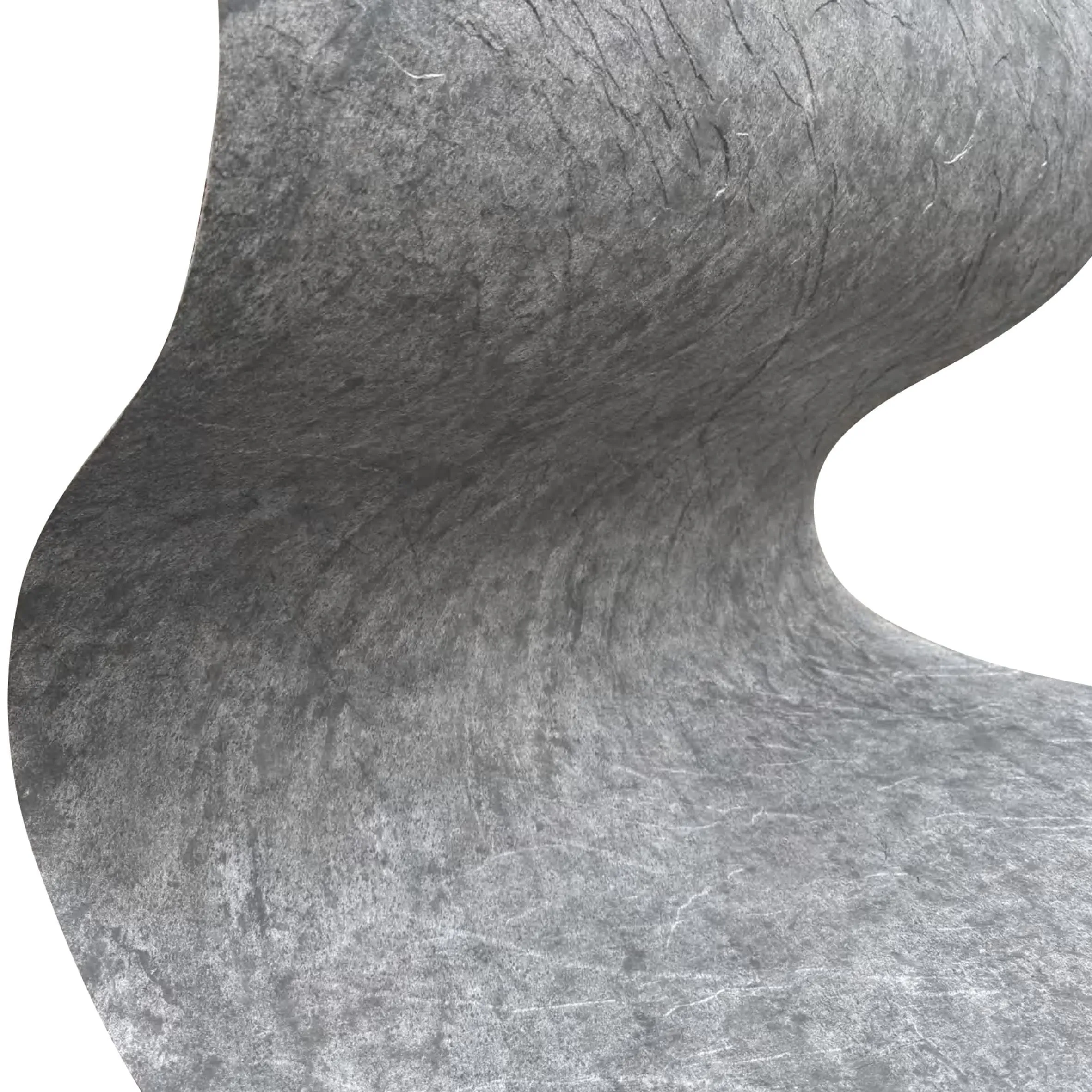
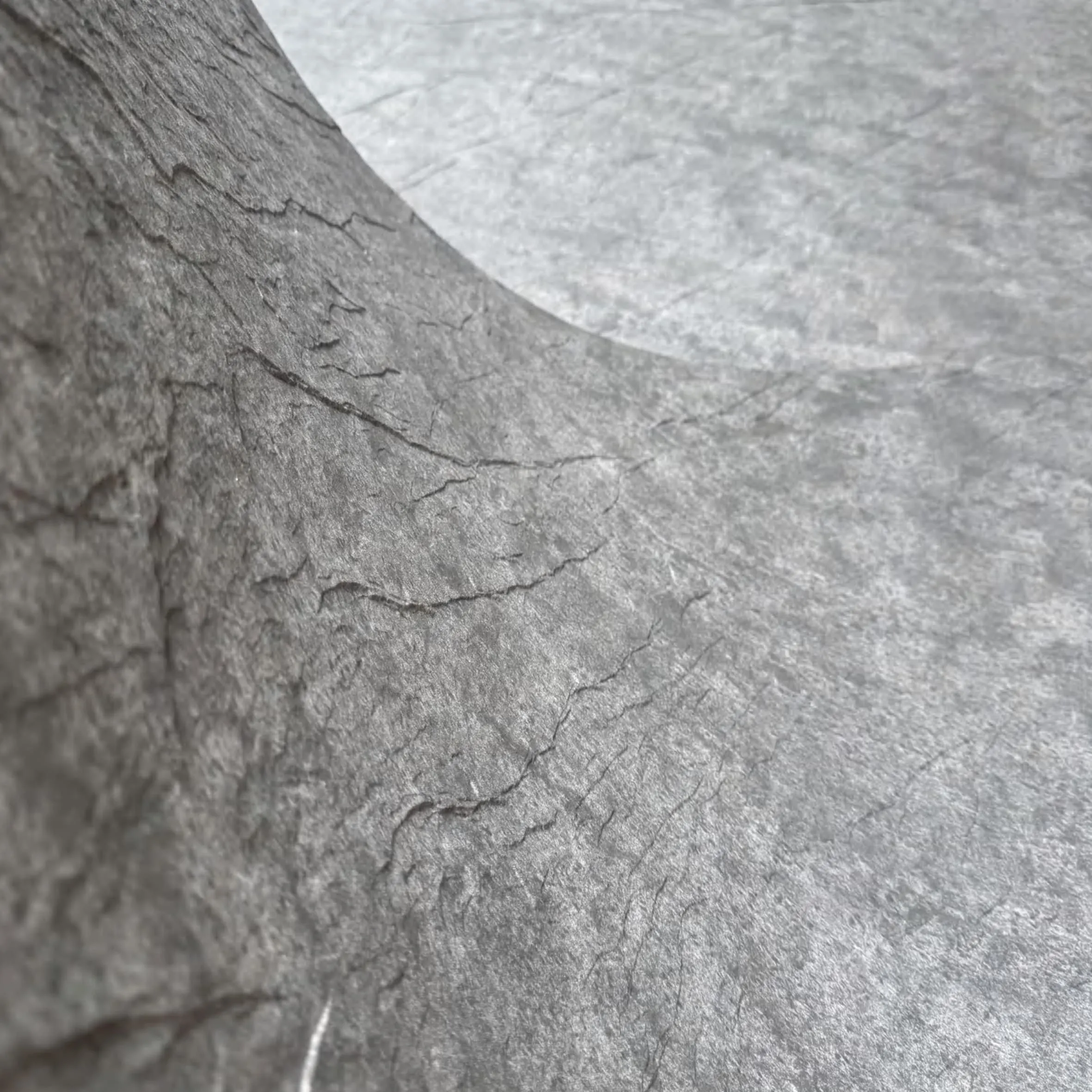
MCM (Modified Composite Material) flexible stone is a game-changer for projects where weight or flexibility is a concern. Unlike traditional stone slabs, which can be heavy and brittle, mcm flexible stone is thin (often just 3-5mm thick), lightweight, and bendable. This makes it ideal for curved surfaces, accent walls, or buildings with weight restrictions—like retrofits of older structures that can't support heavy cladding. But don't let its flexibility fool you: it's tough. Made from a blend of natural stone particles and recycled polymers, it's resistant to scratches, moisture, and UV rays, so it holds up outdoors just as well as indoors.
From a LEED perspective, mcm flexible stone shines in the Materials and Resources category. Its manufacturing process uses up to 30% recycled content, and because it's lightweight, transporting it requires less fuel than traditional stone—cutting down on transportation emissions. It also reduces waste on the job site: since it's easy to cut and shape, there's less leftover material to throw away. For developers working with tight LEED goals, mcm flexible stone is a versatile tool that adds both sustainability and design flair without the bulk of traditional stone.
Fair-faced concrete (also called "architectural concrete") is another unsung hero of green building. Unlike regular concrete, which is often covered with paint or tiles, fair-faced concrete is left exposed, showcasing its natural texture and color. It's a minimalist's dream—raw, industrial, and surprisingly warm when paired with materials like glacial slate. But its beauty is more than skin-deep.
Sustainability-wise, fair-faced concrete checks several LEED boxes. It's made with locally sourced aggregates (think sand, gravel, and water from nearby quarries), reducing transportation impacts. Many manufacturers also use supplementary cementitious materials (SCMs) like fly ash or slag—byproducts of other industries—to replace a portion of the cement, cutting down on carbon emissions (cement production is a major source of global CO2). For projects aiming for EA Credit 1: Optimize Energy Performance, fair-faced concrete's thermal mass is a bonus: it absorbs heat during the day and releases it at night, stabilizing indoor temperatures and reducing reliance on heating and cooling systems.
Together, glacial slate, mcm flexible stone, and fair-faced concrete create a trio that balances aesthetics, functionality, and sustainability. Imagine a commercial building with a glacial slate facade, mcm flexible stone accent walls in the lobby, and fair-faced concrete columns supporting the structure—each material pulling its weight to earn LEED points while creating a cohesive, visually striking space.
Curious how glacial slate compares to other common building materials when it comes to LEED contribution? The table below breaks down key sustainability features and LEED credit alignment for glacial slate, traditional granite, and vinyl siding (a popular but less eco-friendly option).
| Material | LEED Credit Category | Key Sustainability Feature | Carbon Footprint (kg CO2 per m²) | Typical Lifespan |
|---|---|---|---|---|
| Glacial Slate | MR, EQ, SS | 30% recycled content; high SRI; low VOCs | 15-20 | 50+ years |
| Traditional Granite | MR (limited) | Locally quarried in some regions | 40-50 | 40-50 years |
| Vinyl Siding | Minimal | Non-recyclable; high embodied energy | 30-35 | 20-30 years |
*Data sourced from industry sustainability reports and LEED v4 reference guides. Carbon footprint includes extraction, manufacturing, and transportation.
The numbers speak for themselves. Glacial slate not only has a lower carbon footprint than both traditional granite and vinyl siding but also lasts longer, reducing the need for replacement. When you factor in its LEED-friendly features—recycled content, low VOCs, heat island reduction—it's clear why it's becoming a favorite for projects chasing certification.
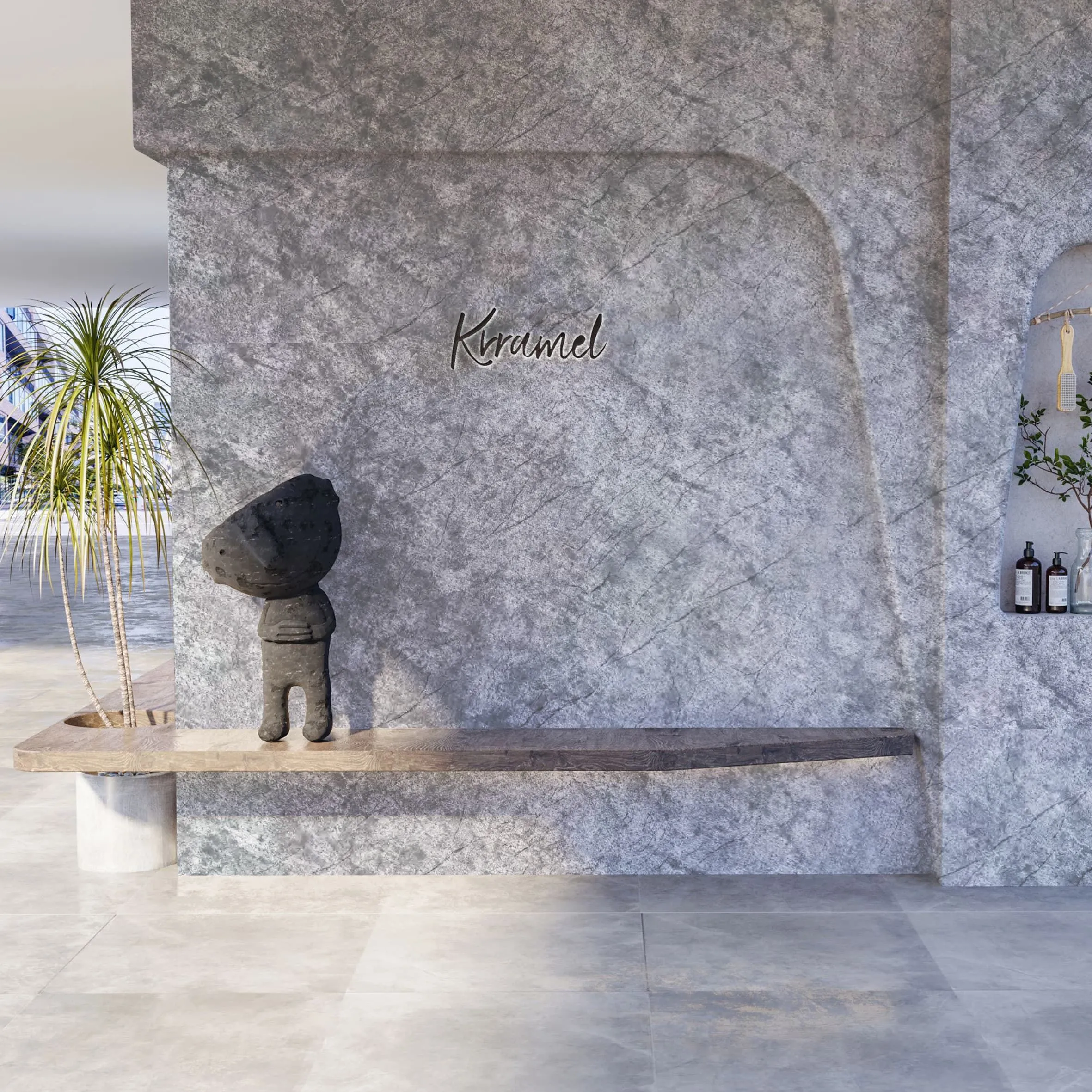
Numbers are one thing, but real projects tell the best stories. Take the Riverbank Office Tower in Denver, Colorado—a 12-story commercial building that earned LEED Platinum certification in 2024. Its facade features a mix of glacial slate and mcm flexible stone, with fair-faced concrete accents. The design team chose glacial slate for its high SRI rating, which helped the building reduce cooling costs by 18% compared to similar structures in the area. "We wanted a material that was both sustainable and visually striking," says Maria Gonzalez, the project's lead architect. "Glacial slate delivered on both. The way it catches the light at sunset—warm grays turning to soft blues—it's become a landmark in the neighborhood. And knowing it contributed to our LEED points? That was the cherry on top."
Another example is the Evergreen Community Center in Portland, Oregon, a LEED Gold project focused on accessibility and sustainability. The center's interior uses glacial slate for its lobby walls and flooring, paired with mcm flexible stone for the curved ceiling panels. "Indoor air quality was a top priority for us, since we host community events with kids and seniors," explains James Lin, the center's facilities manager. "Glacial slate's low VOCs gave us peace of mind, and the material has held up beautifully—even with hundreds of people walking on it daily. We've had zero issues with staining or wear, which means we won't have to replace it anytime soon."
These projects prove that sustainability and beauty don't have to be mutually exclusive. Glacial slate, mcm flexible stone, and fair-faced concrete are proof that you can build green without sacrificing style—and that LEED certification is within reach for projects of all sizes, from community centers to high-rises.
Let's address the elephant in the room: cost. A common misconception is that sustainable materials like glacial slate are only for high-end, luxury projects with big budgets. But that's not the case. While glacial slate may have a higher upfront cost than vinyl siding or standard concrete, its long lifespan and low maintenance needs make it cost-effective in the long run. Think about it: if vinyl siding needs replacement every 20 years and glacial slate lasts 50, the total cost over time often evens out. Plus, LEED certification can unlock tax breaks, grants, or higher rental rates, offsetting initial expenses.
Another myth is that sustainable materials limit design options. "I used to think going green meant choosing boring, utilitarian materials," admits Sarah Patel, a residential developer in Austin, Texas. "Then I worked with glacial slate and mcm flexible stone on a townhome project. The variety of colors and textures blew me away—we mixed blue glacial slate with warm mcm stone accents, and the units sold out in three months. Buyers loved that they were getting something beautiful and eco-friendly."
Finally, some builders worry about availability. "Is glacial slate even accessible outside of major cities?" you might ask. The answer is increasingly yes. As demand for sustainable materials grows, manufacturers are expanding distribution networks, making glacial slate, mcm flexible stone, and fair-faced concrete available in more regions. Many even offer samples and design consultations to help small-scale projects—like home renovations or local businesses—incorporate these materials without the hassle.
The push for sustainability in construction isn't slowing down. With climate change driving stricter building codes and consumers demanding eco-friendly spaces, materials like glacial slate are poised to become the norm, not the exception. Innovations in manufacturing are making them even more accessible: some companies are experimenting with 3D printing techniques to create custom glacial slate tiles with zero waste, while others are developing new colorways inspired by natural landscapes—think "starry night" glacial slate with flecks of mica, or "desert sand" mcm flexible stone.
But the future isn't just about new materials; it's about circularity. The construction industry is one of the world's biggest waste producers, with millions of tons of debris ending up in landfills each year. Glacial slate and mcm flexible stone are already part of the solution here: at the end of their lifespan, they can be crushed and reused as aggregate in new construction or landscaping materials, closing the loop on waste. "We're moving from a 'take-make-waste' model to a 'reduce-reuse-recycle' one," says Dr. Elena Kim, a sustainability researcher at MIT. "Materials like glacial slate are the building blocks of that future."
At the end of the day, sustainable building isn't just about earning LEED points or checking boxes on a list. It's about creating spaces that honor the planet we call home—and the people who live, work, and play in them. Glacial slate, with its natural beauty, low environmental impact, and LEED-friendly features, is more than a material; it's a statement. It says, "We care about the future."
Whether you're an architect designing a skyscraper, a developer building a community center, or a homeowner renovating your kitchen, the materials you choose matter. They shape how we experience our environments, how much energy we use, and how we leave the planet for the next generation. So the next time you walk into a building and feel that sense of calm—warm textures, natural light, clean air—take a closer look. Chances are, there's a material like glacial slate working behind the scenes, proving that sustainability and beauty can go hand in hand.
Glacial slate isn't just contributing to LEED credits. It's contributing to a better way of building—one that respects the earth, prioritizes people, and leaves a legacy we can all be proud of.
Recommend Products












