
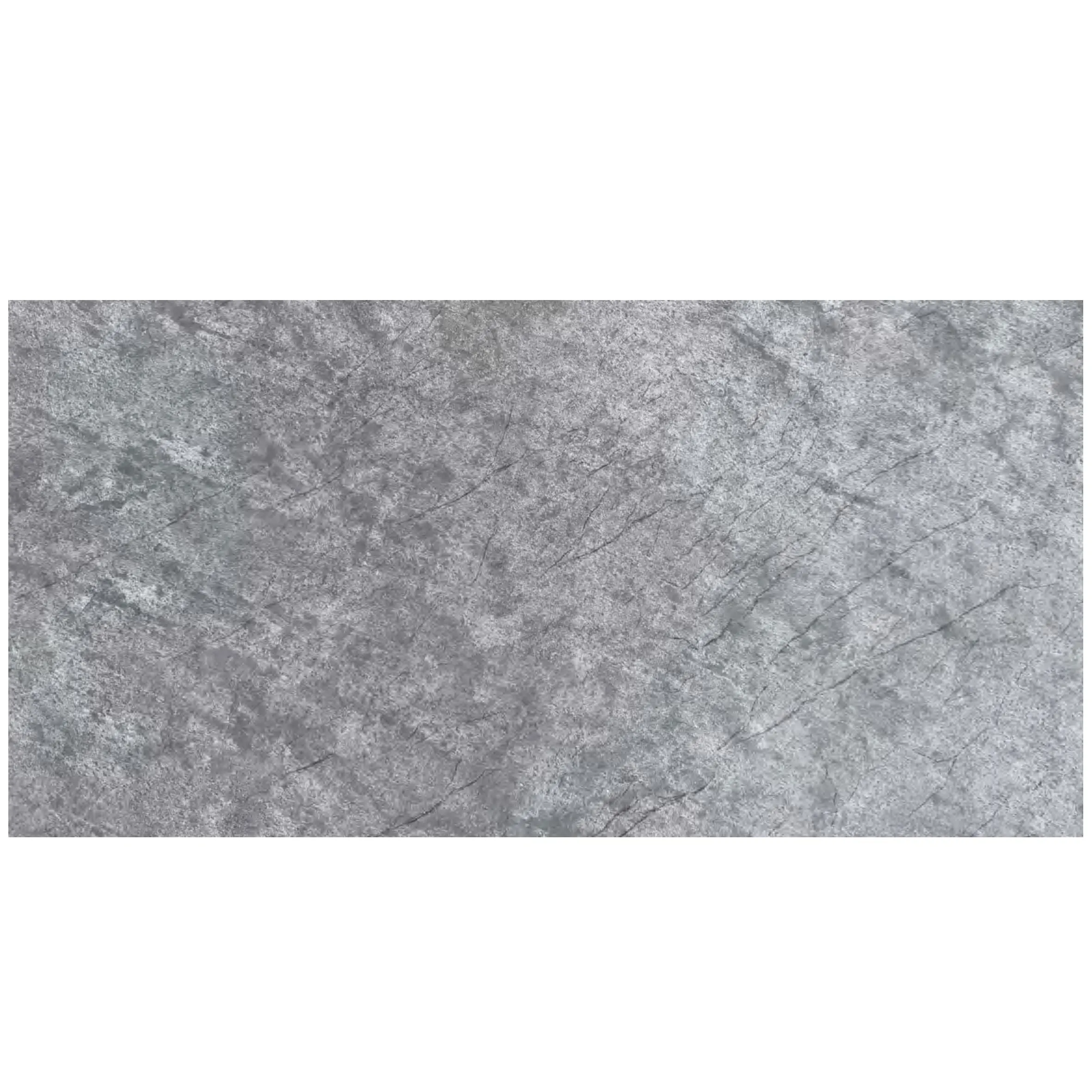
A deep dive into how natural stone and innovative materials stand guard against the silent threat of water intrusion
Picture this: You're standing in your living room on a rainy afternoon, sipping tea, when you notice a faint discoloration on the ceiling. At first, it's just a small spot—easy to ignore. But by morning, that spot has spread, and a trickle of water is dripping onto the floor. Panic sets in. You're suddenly faced with peeling paint, warped wood, and the sinking feeling that this "small" leak could cost thousands to fix. Sound familiar? Water damage is the silent villain of buildings, creeping in through cracks, porous materials, and poorly sealed surfaces, threatening structural integrity, indoor air quality, and property value.
For homeowners, architects, and builders alike, the quest to protect buildings from water damage is never-ending. It's not just about fixing leaks after they happen—it's about preventing them in the first place. And that's where the right cladding material comes in. The exterior of a building is its first line of defense against rain, snow, humidity, and moisture. Choose the wrong material, and you're inviting trouble. Choose wisely, and you create a shield that keeps water out, preserves beauty, and stands the test of time. Today, we're shining a spotlight on one such material: Glacial Slate . But we won't stop there—we'll also explore how it stacks up against other innovative options like MCM flexible stone, fair-faced concrete, and epoch stone, helping you make an informed choice for your next project.
To understand why Glacial Slate is a champion of moisture resistance, let's start with its origins. Formed over millennia by the slow, grinding pressure of glacial ice, this stone carries the marks of nature's patience—dense, layered, and inherently tough. Unlike porous stones that act like sponges, Glacial Slate boasts a remarkably low porosity, thanks to its compact mineral structure. Water beads up on its surface rather than seeping in, making it a natural enemy of leaks, mold, and rot.
Take slate veil white and slate portoro , two popular variants of Glacial Slate. Slate veil white, with its soft, cloud-like patterns, adds a serene elegance to facades, while slate portoro—rich, dark, and streaked with gold—exudes luxury. But beyond their beauty, both share that critical trait: density. A quick test says it all: sprinkle water on a slab of Glacial Slate, and it will roll off like rain on a well-oiled umbrella. Compare that to a porous sandstone, which would darken immediately as water soaks in, and the difference is clear.
But moisture resistance isn't just about repelling water—it's also about durability. Glacial Slate stands up to freeze-thaw cycles, a common culprit in colder climates. When water seeps into a stone and freezes, it expands, causing cracks. Glacial Slate's low porosity minimizes this risk, ensuring it stays intact even after years of harsh winters. For homeowners in regions like the Pacific Northwest or New England, that's not just a selling point—it's peace of mind.
Architects love Glacial Slate for another reason: versatility. It works with both modern and traditional designs. Imagine a sleek, minimalist home clad in slate veil white, its clean lines complemented by the stone's subtle texture. Or a historic cottage restored with slate portoro, honoring its past while fortifying it against the elements. In both cases, Glacial Slate doesn't just protect—it elevates the building's character.
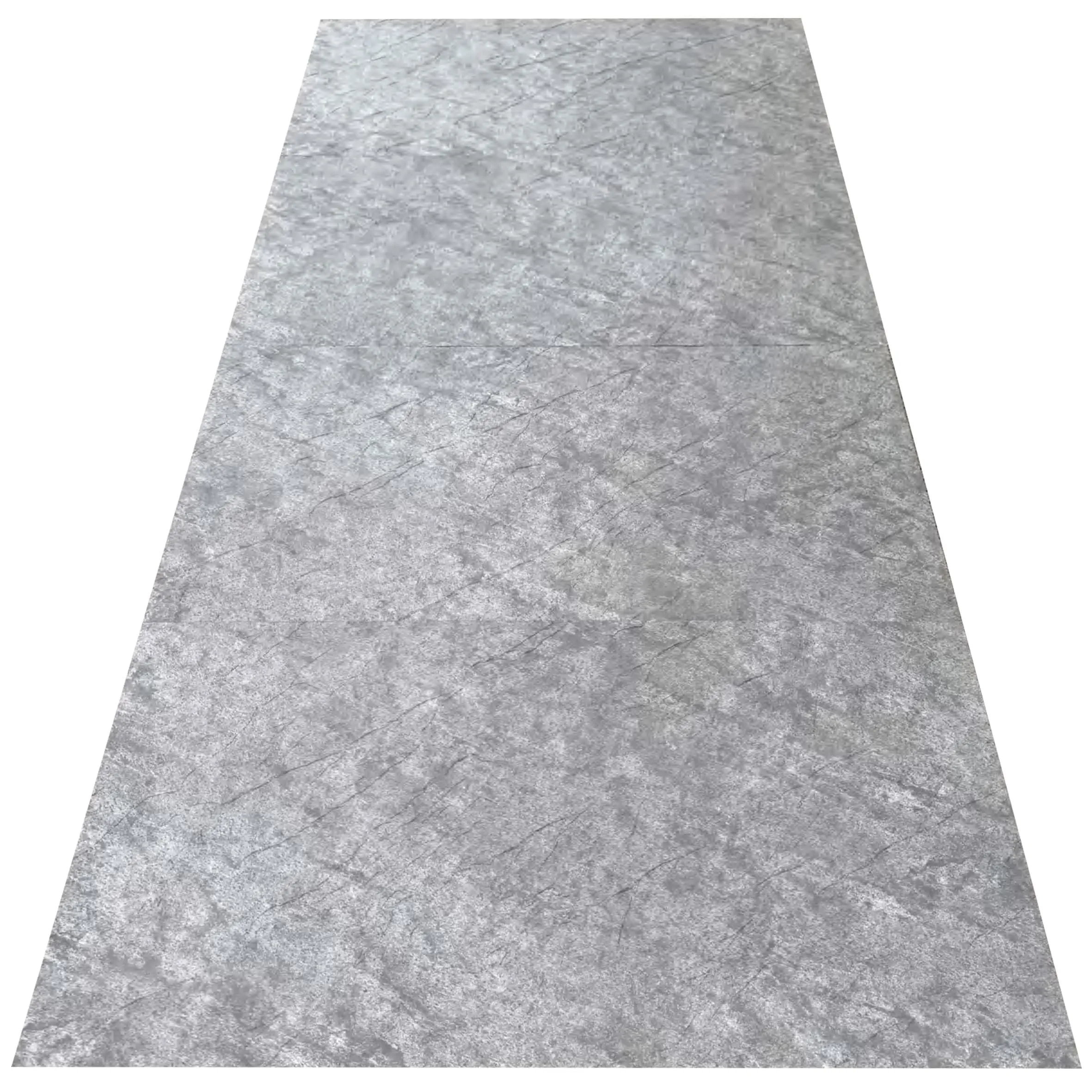
Glacial Slate is impressive, but it's not the only player in the game. Let's take a closer look at how it compares to three other materials making waves in the building industry: MCM flexible stone , fair-faced concrete , and epoch stone . The table below breaks down their moisture resistance, durability, aesthetics, and ideal uses.
| Material | Moisture Resistance (1-10) | Durability | Aesthetic Appeal | Best For |
|---|---|---|---|---|
| Glacial Slate | 9 | Exceptional (50+ years) | Natural, timeless, varied textures | Residential, commercial, historical restoration |
| MCM Flexible Stone | 8 | Very Good (30-40 years) | Modern, customizable, lightweight | Curved surfaces, contemporary facades, renovations |
| Fair-Faced Concrete | 7 | Good (25-35 years) | Raw, industrial, minimalist | Warehouses, art galleries, modern public buildings |
| Epoch Stone | 8.5 | Excellent (40+ years) | Engineered to mimic natural stone | High-traffic commercial, urban developments |
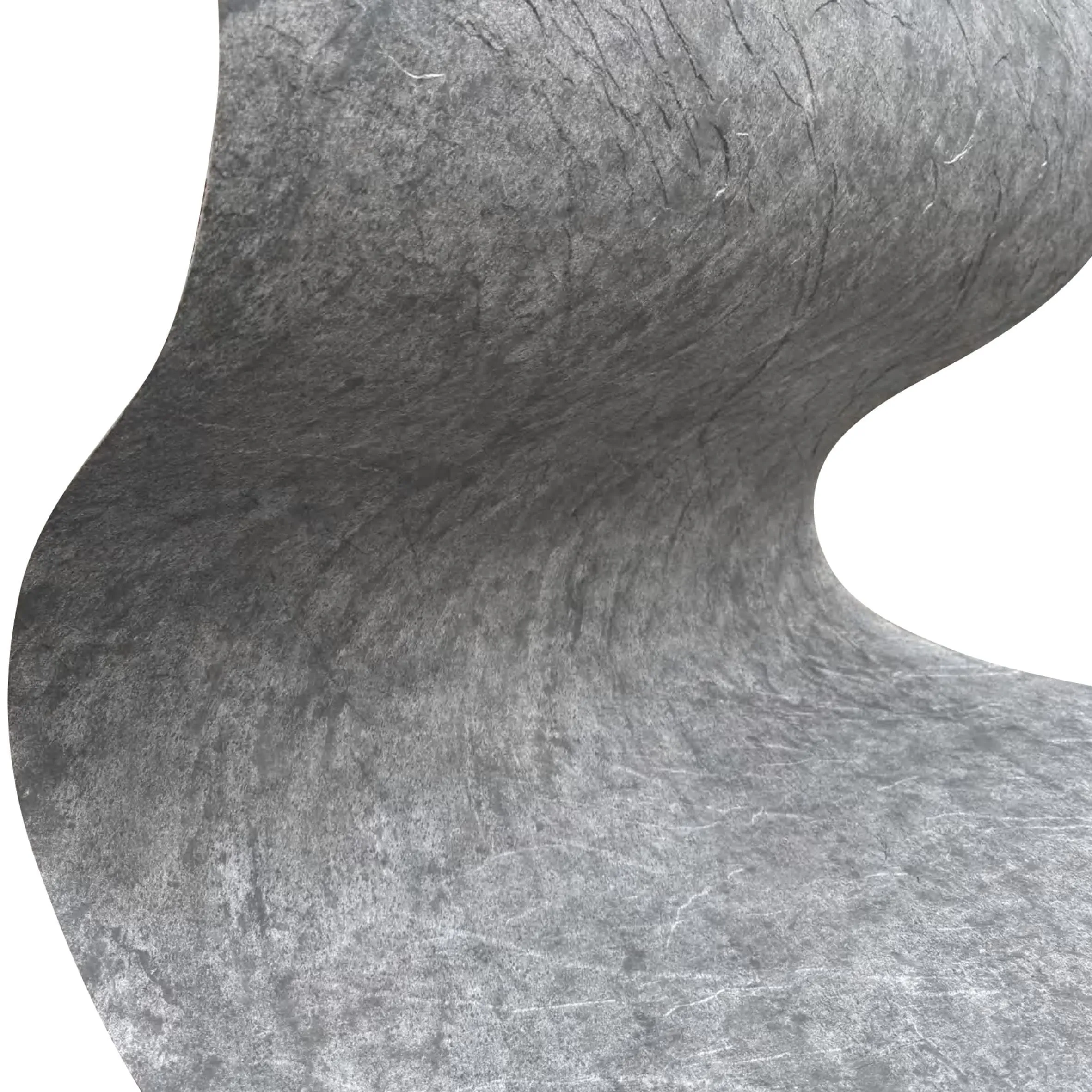
Part of the MCM project board series , MCM flexible stone is a modern marvel. Unlike rigid natural stone, it's lightweight and bendable, making it perfect for tricky installations—think curved walls, arched doorways, or retrofitting old buildings where heavy materials could strain the structure. But don't let its flexibility fool you: MCM flexible stone is engineered to repel water, thanks to its composite core and protective top layer. It's a favorite for architects aiming for bold, sculptural designs without sacrificing moisture protection. For example, a boutique hotel with a sweeping, organic facade might choose MCM flexible stone in a warm terracotta hue, knowing it will stand up to rain while turning heads.
Fair-faced concrete has long been celebrated for its raw, honest aesthetic—think the brutalist buildings of the 1960s or today's sleek lofts. Its moisture resistance comes from its dense composition, but it's not quite on par with Glacial Slate. Over time, small cracks can develop, especially if not properly sealed, allowing water to penetrate. Still, it's a durable, cost-effective option for projects where an industrial vibe is part of the design. A modern art museum, for instance, might pair fair-faced concrete walls with large glass windows, balancing texture and light while relying on regular sealing to keep moisture at bay.
Epoch stone sits somewhere between natural stone and synthetic materials. Designed to mimic the look of aged stone—think weathered granite or timeworn limestone—it's treated with water-repellent additives during manufacturing, giving it strong moisture resistance. It's a solid choice for high-traffic commercial spaces, like shopping malls or office complexes, where durability and low maintenance are priorities. However, while Epoch stone can replicate the look of Glacial Slate, it lacks the organic depth and uniqueness of the real thing. For homeowners who crave authenticity, that distinction matters.
Glacial Slate isn't just a theoretical solution—it's proven itself in the field. Let's explore three scenarios where it has made a tangible difference in protecting buildings from water damage.
Along the coast, buildings face a double threat: rain and saltwater spray, which can corrode materials and accelerate decay. In Cape Cod, Massachusetts, a homeowner replaced their old cedar siding with slate portoro after years of dealing with rotting wood and peeling paint. Five years later, the slate facade looks as good as new, with no signs of salt damage or water intrusion. "We used to repaint every two years," they recall. "Now, we just hose it down occasionally, and it still looks stunning. Best decision we ever made."
Historical buildings require materials that respect their heritage while providing modern protection. Take a 19th-century church in upstate New York, whose original limestone walls were crumbling from decades of moisture damage. Architects chose slate veil white for the restoration, matching the church's classic aesthetic while ensuring the new cladding would stand up to harsh winters. Today, the church not only looks restored to its former glory but also has a moisture barrier that will protect its interior—stained glass, wooden pews, and all—for generations to come.
In bustling cities like Chicago, commercial buildings need to be both eye-catching and tough. A new office complex in the Loop opted for Glacial Slate cladding in a mix of slate veil white and slate portoro, creating a striking contrast against the city's glass towers. "Tenants love the natural texture—it's a welcome break from all the steel and concrete," says the building manager. "And maintenance? Almost none. Even after heavy rainstorms, the slate dries quickly, and we've never had a single leak complaint."
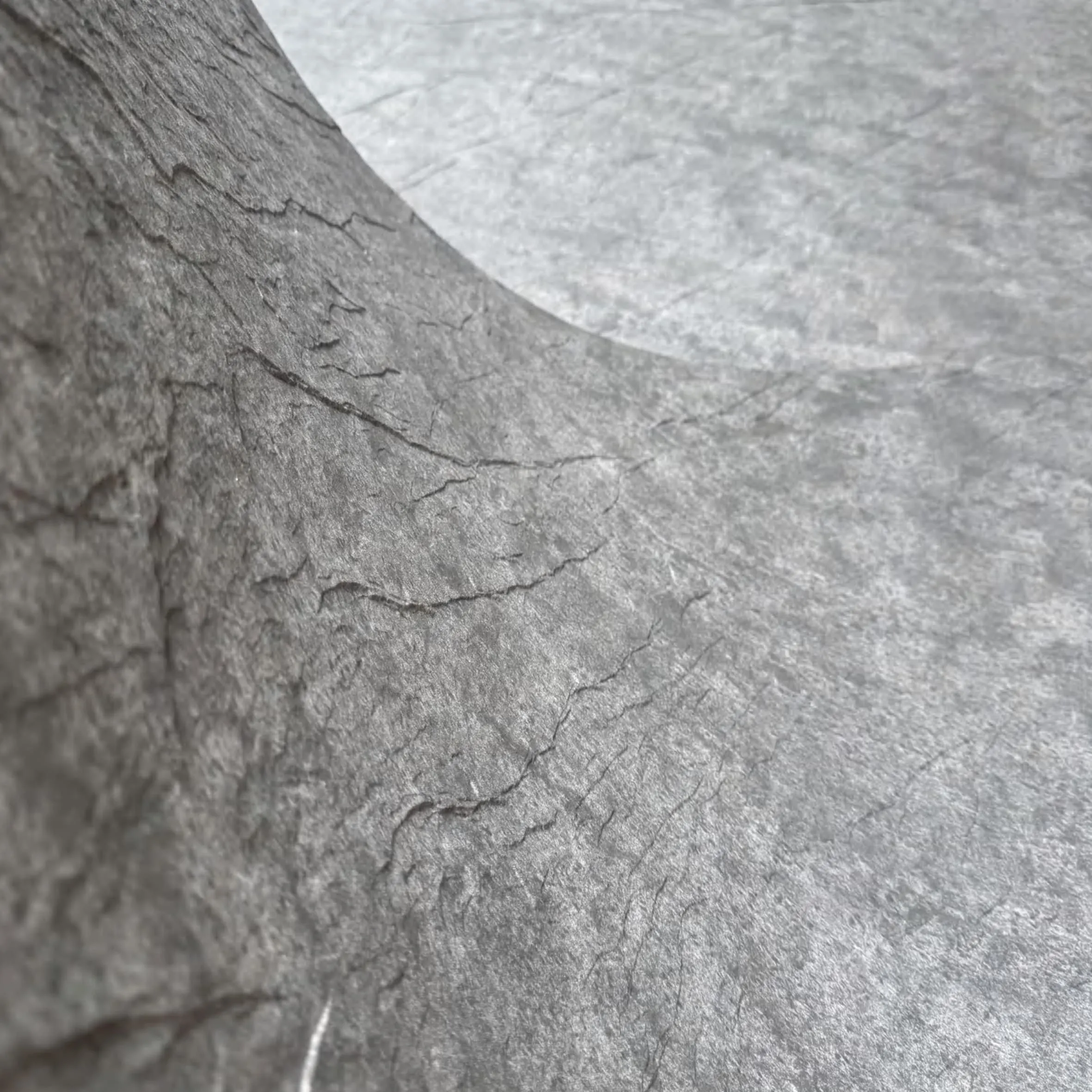
One of the best things about Glacial Slate is how little it asks in return for its protection. Unlike wood that needs staining or vinyl that can crack, Glacial Slate thrives on minimal maintenance. Here's how to keep it looking its best:
Over time, Glacial Slate develops a subtle patina—a softening of its colors that adds character, like a well-loved book. This isn't damage; it's beauty earned. Unlike synthetic materials that fade or peel, Glacial Slate ages gracefully, becoming more charming with each passing year.
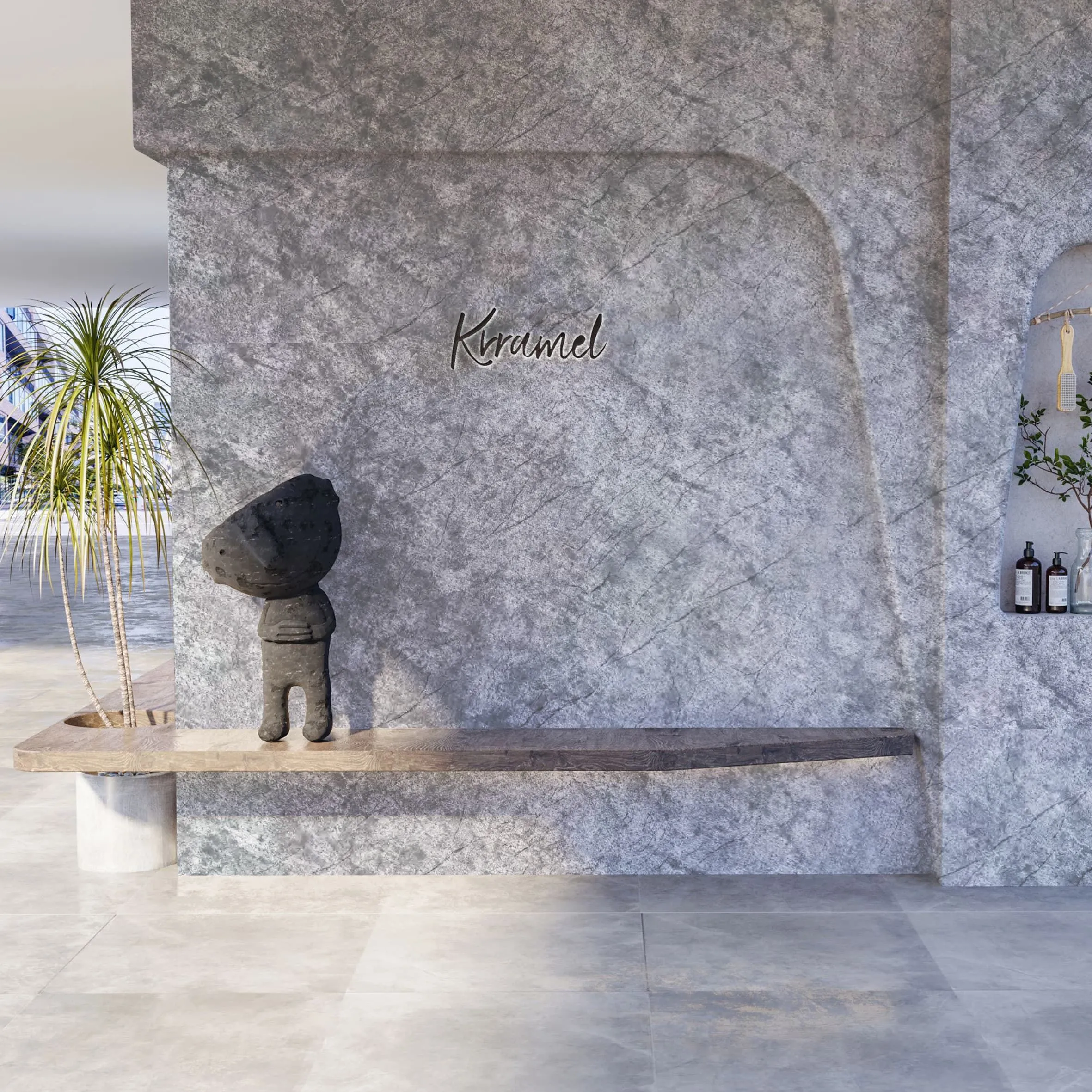
Water damage is a problem that never truly goes away—but with the right materials, it can be managed. Glacial Slate isn't just a building material; it's a long-term investment in peace of mind. Its natural moisture resistance, durability, and timeless beauty make it a standout choice for anyone who wants to protect their building while enhancing its aesthetic. Whether you're building a new home, restoring a historic landmark, or upgrading a commercial space, Glacial Slate offers something rare: function and beauty in perfect harmony.
So, the next time you're planning a construction or renovation project, ask yourself: What's protecting my building from water? If the answer isn't as strong as Glacial Slate, maybe it's time to make a change. After all, when it comes to safeguarding your investment, nothing beats nature's own fortress.
Recommend Products












