
The desert has always been a master of extremes. In Saudi Arabia, where the sun blazes with unrelenting intensity and sandstorms carve the landscape like silent sculptors, building materials don't just serve a purpose—they must endure . Walk through Riyadh's modern districts or Jeddah's coastal promenades, and you'll notice a quiet struggle: facades that fade from cream to washed-out beige, stone floors that crack under thermal stress, and surfaces so hot they scorch bare feet by midday. But what if the materials themselves could rise to the challenge? What if they didn't just survive the desert—they thrived in it, adding beauty to resilience?
Enter COLORIA, a brand that understands the desert's language. Their MCM (Modified Composite Material) solutions, from the cool serenity of Glacial Slate to the starry allure of the Lunar Peak series, aren't just products—they're stories of survival and beauty, written in stone, concrete, and innovation. Today, we're diving into how one material, Glacial Slate, is redefining desert architecture, and how COLORIA's broader palette is turning harsh environments into havens of comfort and style.
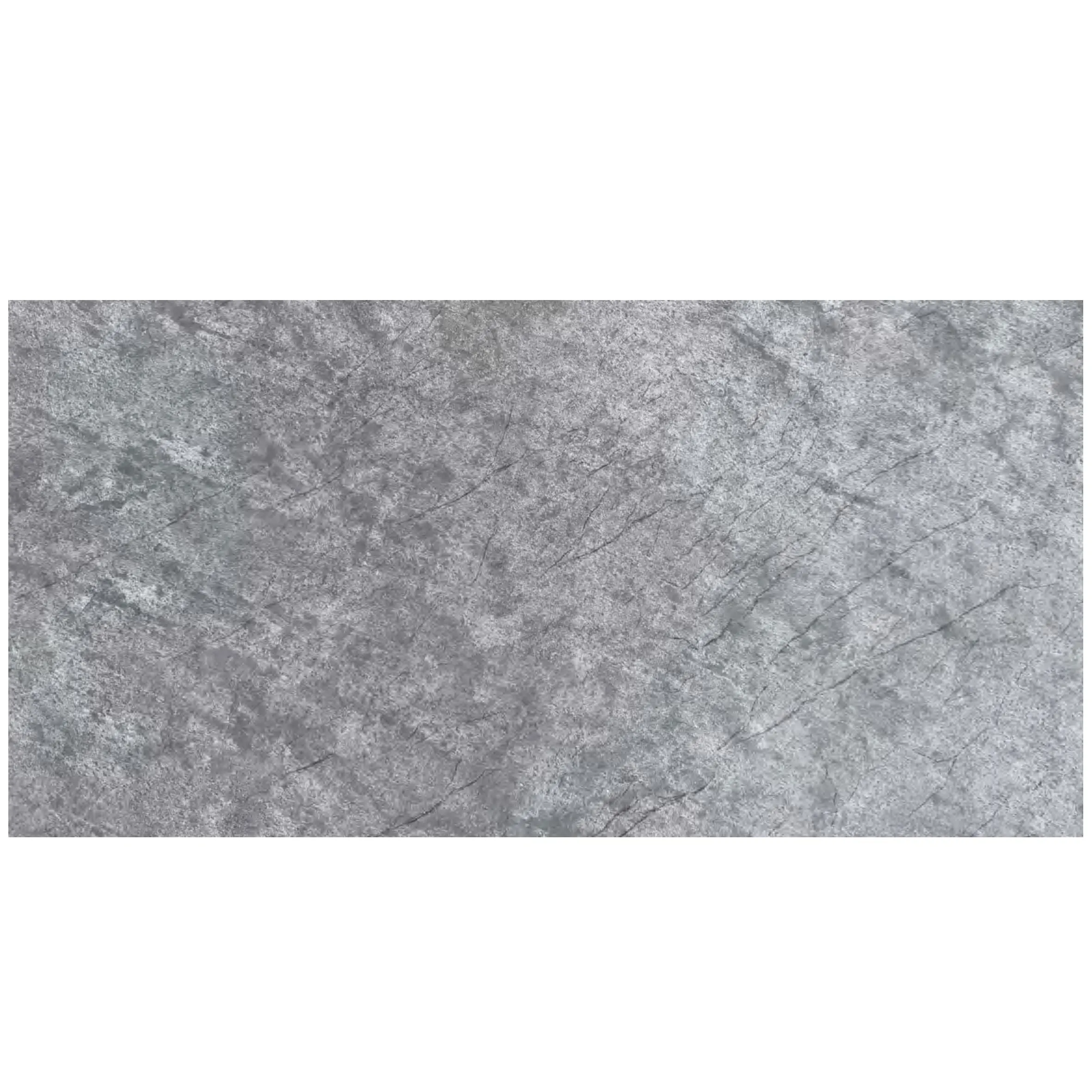
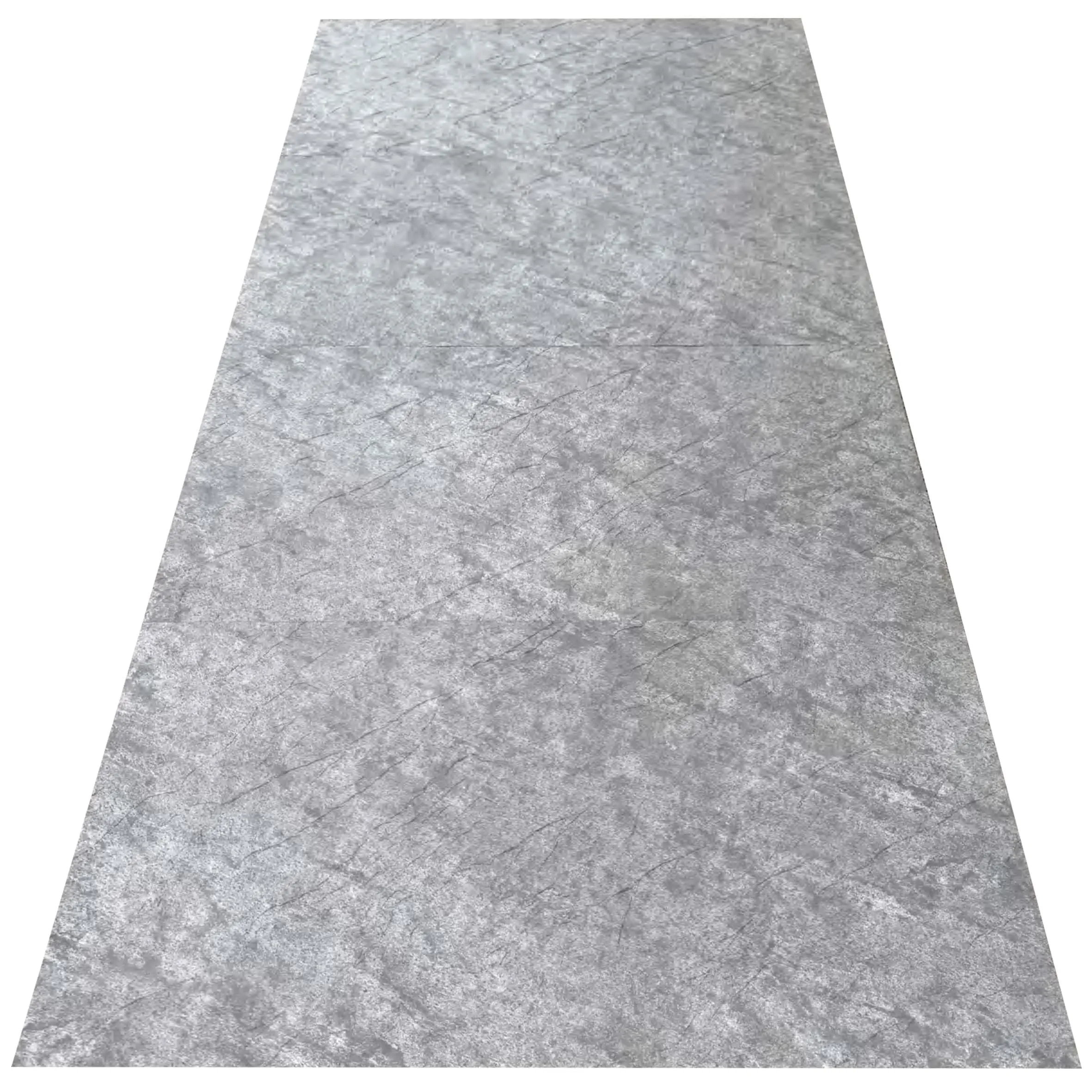
Close your eyes and picture a material that feels like a whisper of mountain ice in the middle of the desert. That's Glacial Slate. Its surface, a soft blend of pale grays and whites with subtle veining, evokes the calm of glacial streams—an unexpected contrast to the arid surroundings of Riyadh or Dammam. But this isn't just about looks. Run your hand over it on a July afternoon, and you'll be struck by the first miracle: it's cool . Not just "less hot than asphalt," but genuinely pleasant, like stepping onto a shaded patio.
How does it do that? Glacial Slate's secret lies in its unique composition. Unlike traditional natural stone, which absorbs heat like a sponge, COLORIA's Glacial Slate is engineered with a high solar reflectance index (SRI) of 65—meaning it bounces back more than half the sun's rays instead of trapping them. For a pedestrian plaza in Jeddah, that translates to surface temperatures up to 20°C lower than standard granite on a 45°C day. "We used to have to hose down the courtyard every hour during summer to keep kids from burning their feet," says Fatima Al-Mansoori, a facility manager at a Riyadh community center. "Now, with Glacial Slate, the kids sit there for hours, drawing with chalk or eating ice cream. It's become the heart of the space."
Then there's the battle against the desert's other nemesis: sand. Saudi winds don't just carry dust—they hurl grit at buildings with the force of a sandblaster. Many materials dull or pit after a single season, but Glacial Slate's dense, non-porous surface resists abrasion like a suit of armor. A mosque in Medina, which installed Glacial Slate on its outer walkways five years ago, still looks pristine. "We thought we'd need to replace it by year three," says the mosque's architect, Omar Khalid. "But today, it's as smooth and bright as the day we laid it. The sand just slides off; it can't scratch the surface."
Glacial Slate is a star, but it doesn't shine alone. COLORIA's lineup reads like a toolkit for architects who refuse to choose between beauty and resilience. Take the Lunar Peak series , for example—Silvery, Golden, and Black. These materials, with their metallic sheen and subtle texture, don't just reflect heat; they reflect the desert sky. Imagine a villa in Al Khobar with a Lunar Peak Silvery facade: at dawn, it glows like the moon rising over the dunes; at noon, it mirrors the sun, keeping the interior cool; at dusk, it softens into a warm silver, blending with the sunset. "Clients used to ask for dark stone facades because they thought it looked 'luxurious,'" says architect Layla Hassan, who specializes in residential projects in Riyadh. "But dark stone absorbs heat, turning homes into ovens. Lunar Peak gives them that sleek, modern look without the energy bill shock. One client told me her AC runs 30% less now—and the house still looks like it belongs on a magazine cover."
Then there's Fair-Faced Concrete , a material that wears its rawness like a badge of honor. In a region where many buildings hide behind layers of paint or cladding, Fair-Faced Concrete stands bold, with its natural gray tones and subtle texture. But don't mistake simplicity for fragility. COLORIA's version is reinforced with fibers that resist cracking in extreme temperature swings—critical in Saudi Arabia, where days can hit 50°C and nights drop to 20°C. A school in Riyadh used Fair-Faced Concrete for its outdoor amphitheater, and teachers report that even after two years of kids climbing, jumping, and scribbling on it, the surface remains intact. "It's like concrete with a memory," jokes principal Ahmed Al-Sayed. "It takes a beating and just… keeps going."
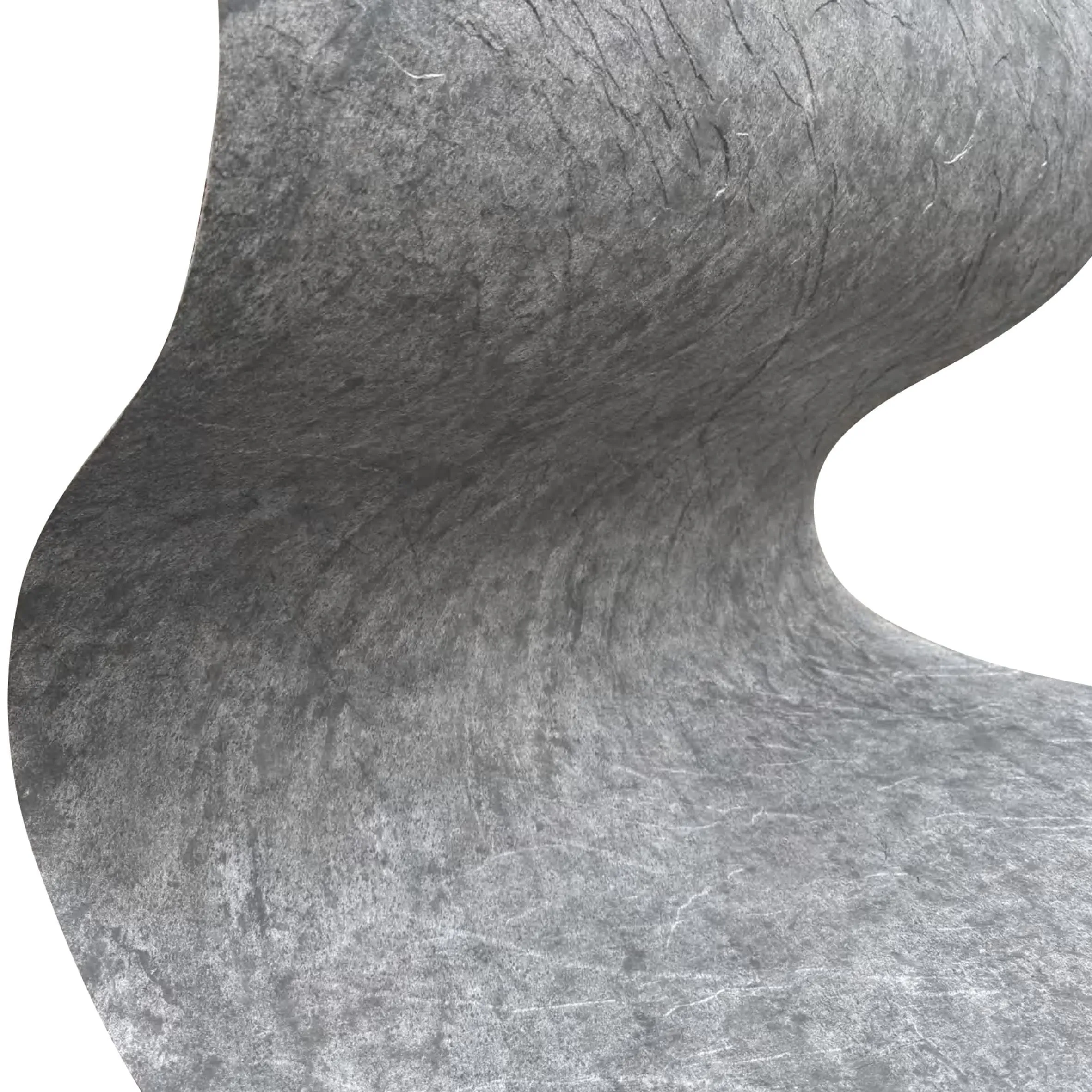
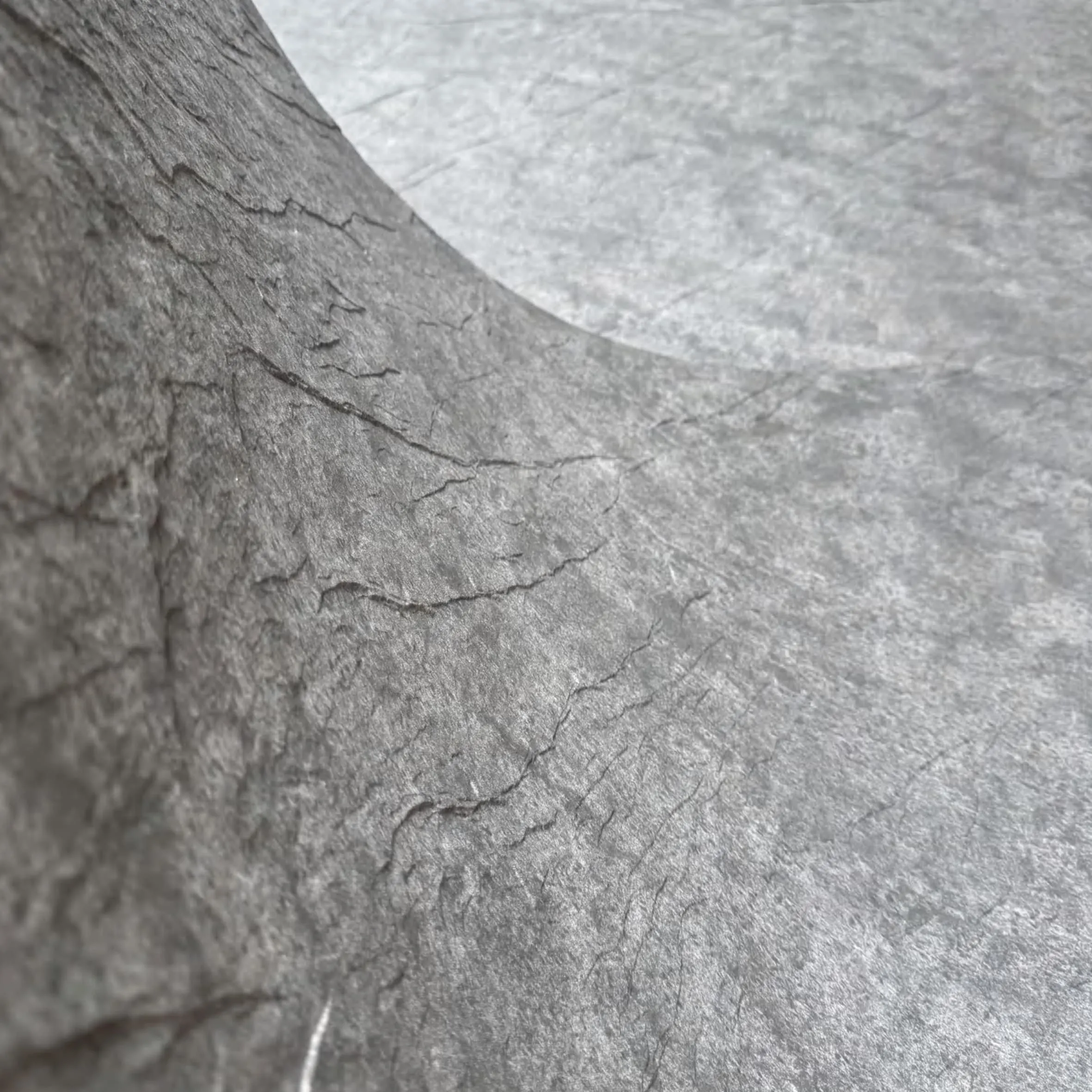
And let's not forget MCM Flexible Stone —the chameleon of COLORIA's range. Traditional stone is rigid, limiting design possibilities, but MCM Flexible Stone bends and curves like fabric. Imagine a hotel lobby in Mecca with a curved wall clad in MCM Flexible Stone, its surface mimicking the undulating dunes outside. Or a restaurant in Jeddah with a spiral staircase wrapped in it, each step flowing into the next. "Flexibility isn't just about aesthetics," says civil engineer Kareem Ibrahim, who worked on a shopping mall in Dammam. "In areas with shifting soil, rigid cladding cracks. MCM Flexible Stone moves with the building, no cracks, no leaks. It's design freedom without the risk."
It's easy to talk about "resilience," but what makes COLORIA's materials different? Let's break it down. First, UV resistance . The Saudi sun doesn't just heat—it bleaches. Many natural stones fade within a year, but COLORIA's pigments are embedded deep in the material, not just painted on. Glacial Slate, for example, retains 95% of its color after 10,000 hours of UV exposure—equivalent to over a decade in the Saudi sun. "We tested samples in our lab under artificial sunlight for months," says Dr. Amina Faraj, COLORIA's materials scientist. "Most stones turned pink or yellow; Glacial Slate stayed true. It's like putting sunscreen in the material itself."
Then there's water resistance . While Saudi Arabia is dry, when it rains, it pours—flash floods can drench buildings in minutes. Traditional stone absorbs water, leading to mold, staining, or freeze-thaw damage (yes, even in the desert, temperatures can drop below freezing at night in winter). COLORIA's materials, including Glacial Slate and MCM Flexible Stone, have a water absorption rate of less than 0.5%—meaning they repel water like a duck's back. A hospital in Medina used Glacial Slate for its outdoor walkways, and during last year's rare floods, the surface drained quickly, with no staining or slipping hazards. "We didn't have a single accident," says facility director Dr. Nasser Al-Tamimi. "The water just ran off, like it was on glass."
Finally, weight . Desert construction often involves transporting materials long distances, and heavy stone can drive up costs. COLORIA's MCM-based products are up to 70% lighter than natural stone. A commercial project in Riyadh that used Lunar Peak Golden cladding reduced its structural load by 40%, cutting foundation costs and construction time. "Lighter materials mean faster installation, fewer workers, and less fuel for transport," says project manager Ali Hussein. "It's not just good for the building—it's good for the budget, too."
| Product | Aesthetic Appeal | Desert Benefit | Best For |
|---|---|---|---|
| Glacial Slate | Pale gray/white with subtle veining; cool, serene appearance | High solar reflectance (65 SRI); stays cool in heat; abrasion-resistant | Pedestrian plazas, outdoor seating areas, pool surrounds |
| Lunar Peak Silvery | Metallic silver with matte texture; reflects light beautifully | High heat reflection; resists UV fading; lightweight (70% lighter than stone) | Building facades, accent walls, outdoor sculptures |
| Fair-Faced Concrete | Raw, industrial gray with natural texture; minimalist charm | Crack-resistant in temperature swings; low maintenance; fireproof | Schools, community centers, outdoor amphitheaters |
| MCM Flexible Stone | Customizable textures/colors; bends to follow curves | Waterproof (0.5% absorption); flexible to resist shifting soil; lightweight | Curved walls, staircases, uneven terrain cladding |
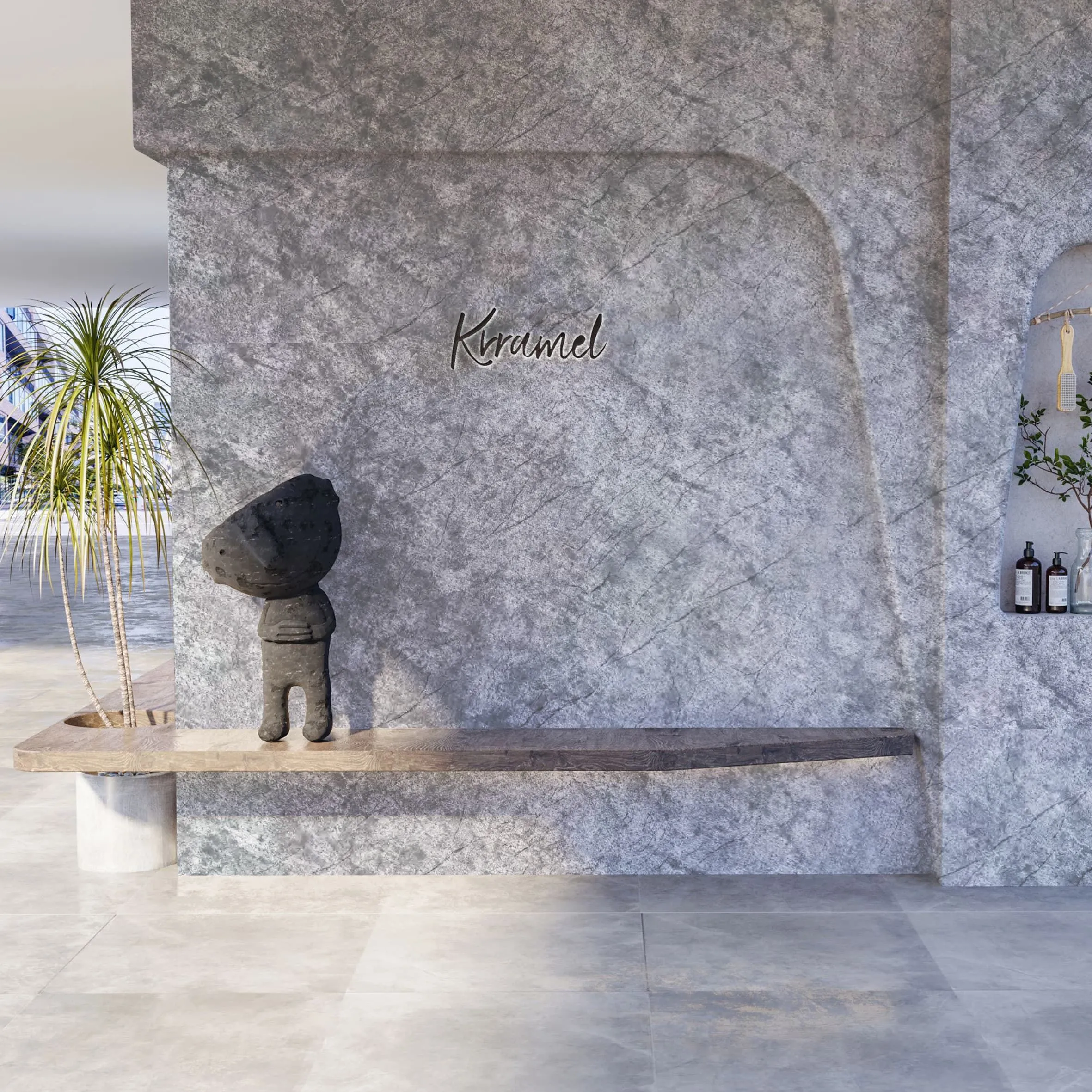
Numbers and specs tell part of the story, but spaces tell the rest. Take the Al Noor Public Square in Riyadh, a once-neglected area now transformed into a community hub—all thanks to Glacial Slate. Before, the square was paved with dark granite that turned into a hotplate in summer, driving people away. Now, with Glacial Slate walkways and Lunar Peak Silvery benches, it's packed from morning till night. "I come here every evening with my kids," says local resident Mohammed Al-Faisal. "They play on the slate, and I sit on the benches—even at 7 PM, it's not hot. We've made friends here, had picnics… it's like the square came alive."
Or consider the Dar Al-Hikma Women's College in Jeddah, where the facade combines Fair-Faced Concrete with MCM Flexible Stone in a wave-like pattern. The design was inspired by the ocean, but the materials were chosen for the desert. "We needed something that could withstand the salt air from the Red Sea and the desert heat," says architect Zainab Al-Zahrani. "Fair-Faced Concrete gives the building a strong, grounded feel, while the flexible stone waves add movement. And maintenance? Almost zero. We hose it down once a month, and it looks brand new."
Even private homes are getting in on the action. A villa in Dhahran, owned by a family who loves hosting outdoor gatherings, used Lunar Peak Golden for its patio cover and Glacial Slate for the flooring. "We used to avoid having guests over in summer because the patio was too hot," says homeowner Reem Abdullah. "Now, we have barbecues every weekend. The Lunar Peak cover reflects the sun, so the area under it is shaded and cool, and the Glacial Slate stays comfortable even when the temperature hits 48°C. Our guests can't believe it's stone—they keep asking if it's 'magic.'"
In the desert, beauty isn't just about how something looks—it's about how it lives . A building that fades, cracks, or overheats isn't just a maintenance problem; it's a betrayal of the space it was meant to create. COLORIA's materials, from the cool calm of Glacial Slate to the reflective elegance of Lunar Peak, understand this. They don't fight the desert—they dance with it, turning its challenges into strengths.
So the next time you walk through a Saudi city, take a closer look at the surfaces beneath your feet, the walls around you. If they're cool to the touch, bright in the sun, and unbowed by sand and heat, chances are they're from COLORIA. Because in the desert, resilience isn't just a feature—it's the most beautiful thing of all.
Recommend Products












