
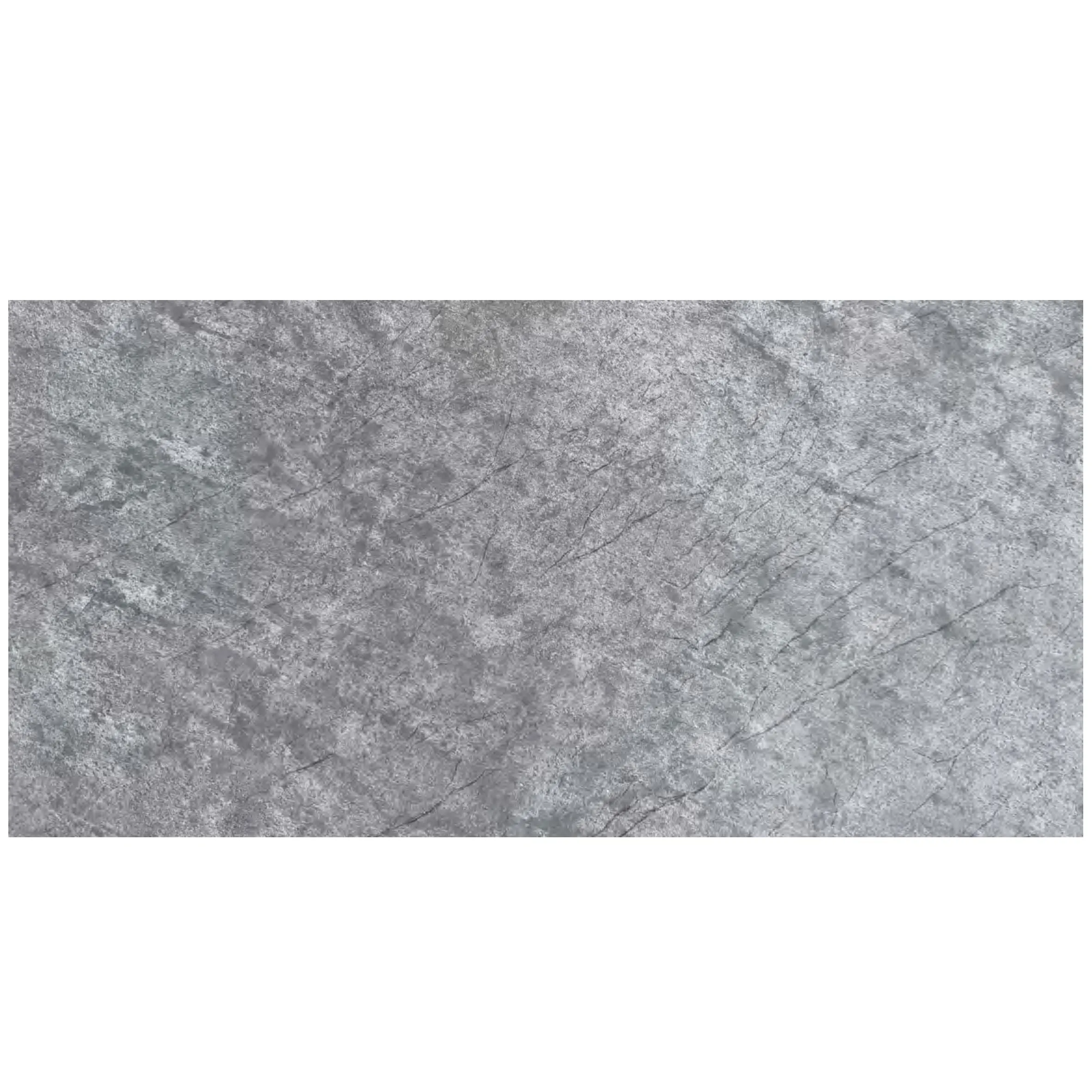
When you walk through the bustling streets of Riyadh or the coastal promenades of Jeddah, there's a quiet revolution happening in Saudi Arabia's architectural landscape. It's not just about taller buildings or flashier designs—it's about materials that tell stories, withstand the elements, and turn ordinary spaces into something unforgettable. That's where COLORIA GROUP comes in. Over the past decade, this innovative brand has been quietly transforming how architects, developers, and designers approach construction in the Kingdom, bringing a mix of durability, artistry, and sustainability to every project. Today, we're diving into real-world stories of how COLORIA's MCM solutions—from the ethereal glacial slate to the versatile fair-faced concrete —have left their mark on some of Saudi Arabia's most talked-about spaces.
Saudi Arabia's climate isn't for the faint of heart. Sweltering summers, sudden sandstorms, and the need to balance modernity with rich cultural heritage make material selection a high-stakes game. COLORIA's product lines—think MCM flexible stone , lunar peak silvery , and travertine (starry blue) —were designed to rise to these challenges. Let's explore four projects where these materials didn't just meet expectations; they redefined what was possible.
| Project Name | Location | Key Materials Used | Design Goal | Outcome |
|---|---|---|---|---|
| Riyadh Cultural Center | Riyadh | Glacial Slate, Travertine (Starry Blue), Fair-faced Concrete | Blend modern artistry with desert warmth | Named "2024 Cultural Space of the Year" by Saudi Architects Association |
| Jeddah Waterfront Promenade | Jeddah | Fair-faced Concrete, Lunar Peak Silvery, MCM Flexible Stone | Create a storm-resistant, pedestrian-friendly coastal hub | Foot traffic increased by 40% in the first year post-opening |
| Dammam Tech Hub | Dammam | MCM Flexible Stone, Fair-faced Concrete, Travertine (Starry Red) | Design a sustainable, future-forward workspace | LEED Gold certification; 95% tenant occupancy within 6 months |
| Medina Heritage Museum | Medina | Travertine (Starry Orange), Lunar Peak Golden, Rough Granite Stone (Beige) | Honor historical roots with modern durability | Featured in "Heritage Preservation Today" for innovative material use |
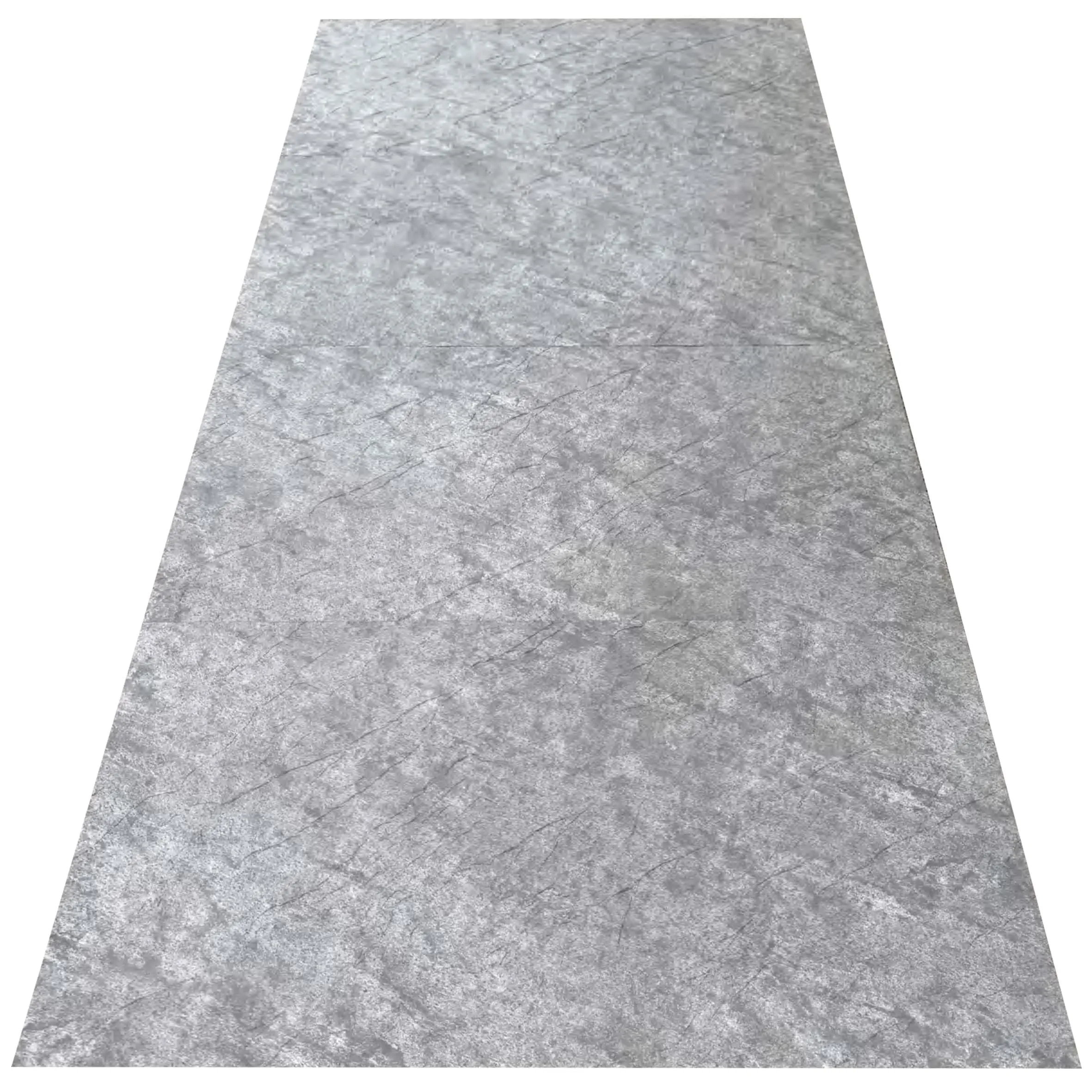
In 2023, the Riyadh Cultural Center set out to be more than just a museum—it wanted to be a meeting place, a space where locals and tourists alike could connect with Saudi Arabia's art, history, and future. The design team, led by award-winning architect Layla Al-Mansoori, had a bold vision: a building that felt both cutting-edge and rooted in the warmth of traditional Saudi majlis (gathering rooms).
"We needed materials that could handle Riyadh's 45°C summers without fading, but also had that soft, inviting texture you find in old mud-brick homes," Al-Mansoori recalls. "COLORIA's glacial slate was a game-changer. It's cool to the touch even in direct sunlight, and the subtle veining mimics the patterns of desert sand dunes at dusk. Paired with travertine (starry blue) accents on the facade, it's like the building is breathing—modern, but with soul."
The center's main hall features a sweeping wall clad in fair-faced concrete , chosen for its raw, industrial charm that contrasts beautifully with the slate and travertine. "Concrete can feel cold, but COLORIA's formulation has a slightly porous surface that softens the light," explains project engineer Ahmed Khalid. "During evening events, the space glows—it's not just a hall; it's a canvas." Since opening, the center has hosted over 200 events, with visitors often commenting on how "welcoming" the space feels despite its grand scale.
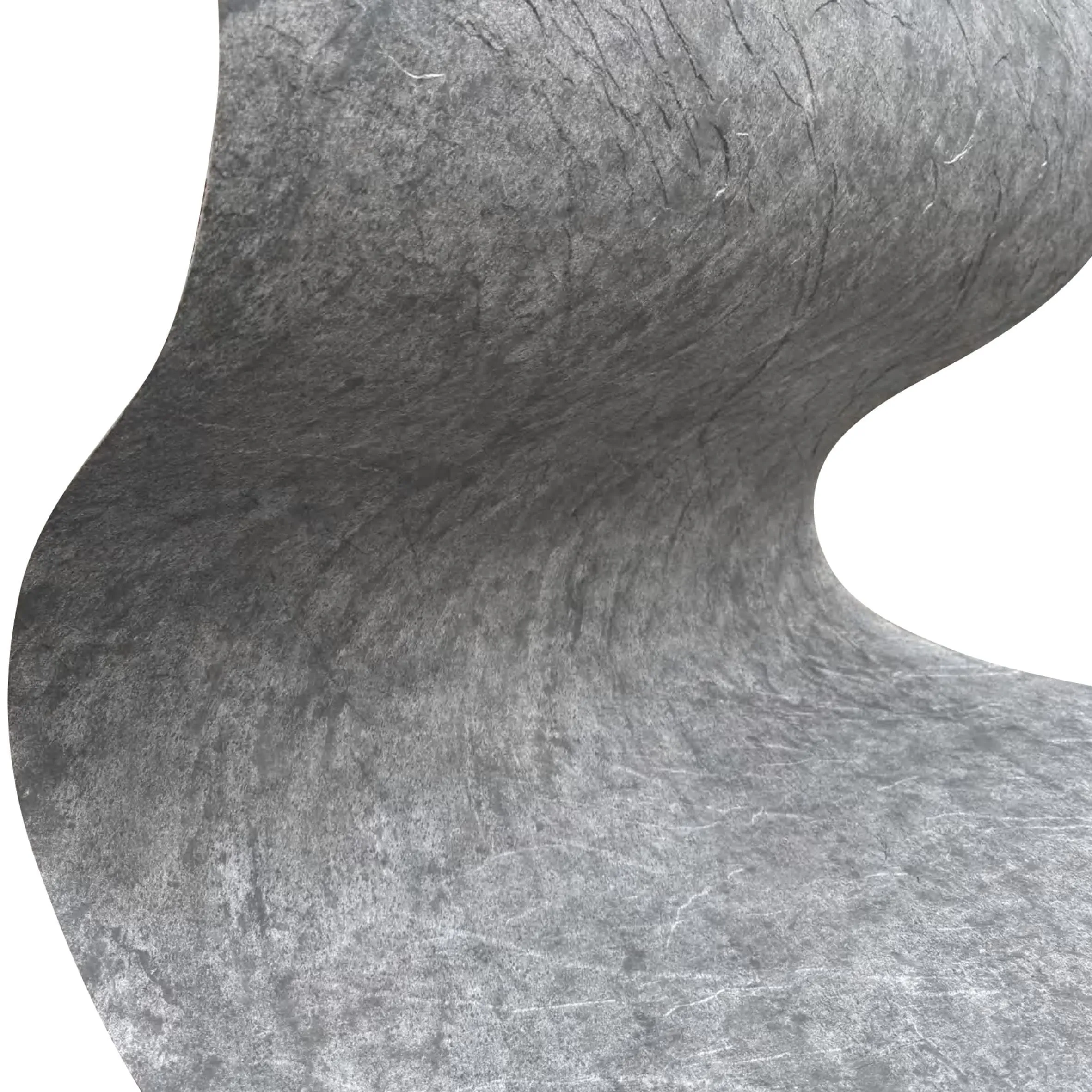
Jeddah's waterfront is a jewel, but its proximity to the Red Sea means salt spray, high humidity, and occasional storms. When the city decided to revamp its 2km promenade in 2022, durability was non-negotiable. Enter COLORIA's lunar peak silvery and MCM flexible stone .
"We wanted the promenade to feel like an extension of the sea—calm, timeless, but tough enough to handle whatever the ocean threw at it," says landscape architect Fatima Hassan. "Traditional stone would crack under the salt; wood would warp. COLORIA's lunar peak silvery panels have a metallic sheen that shimmers like sunlight on water, but they're made with a reinforced core that resists corrosion. We paired them with MCM flexible stone for the seating areas—its bendable design let us curve benches around palm trees, making the space feel organic, not forced."
The result? A promenade that's become a daily destination for families, joggers, and sunset watchers. "Even after last year's winter storms, the panels look brand-new," Hassan notes. "No peeling, no discoloration—just that same silvery glow. And the fair-faced concrete walkways? They've held up to thousands of footsteps and sandstorms without a single crack. It's proof that beauty and brawn can coexist."
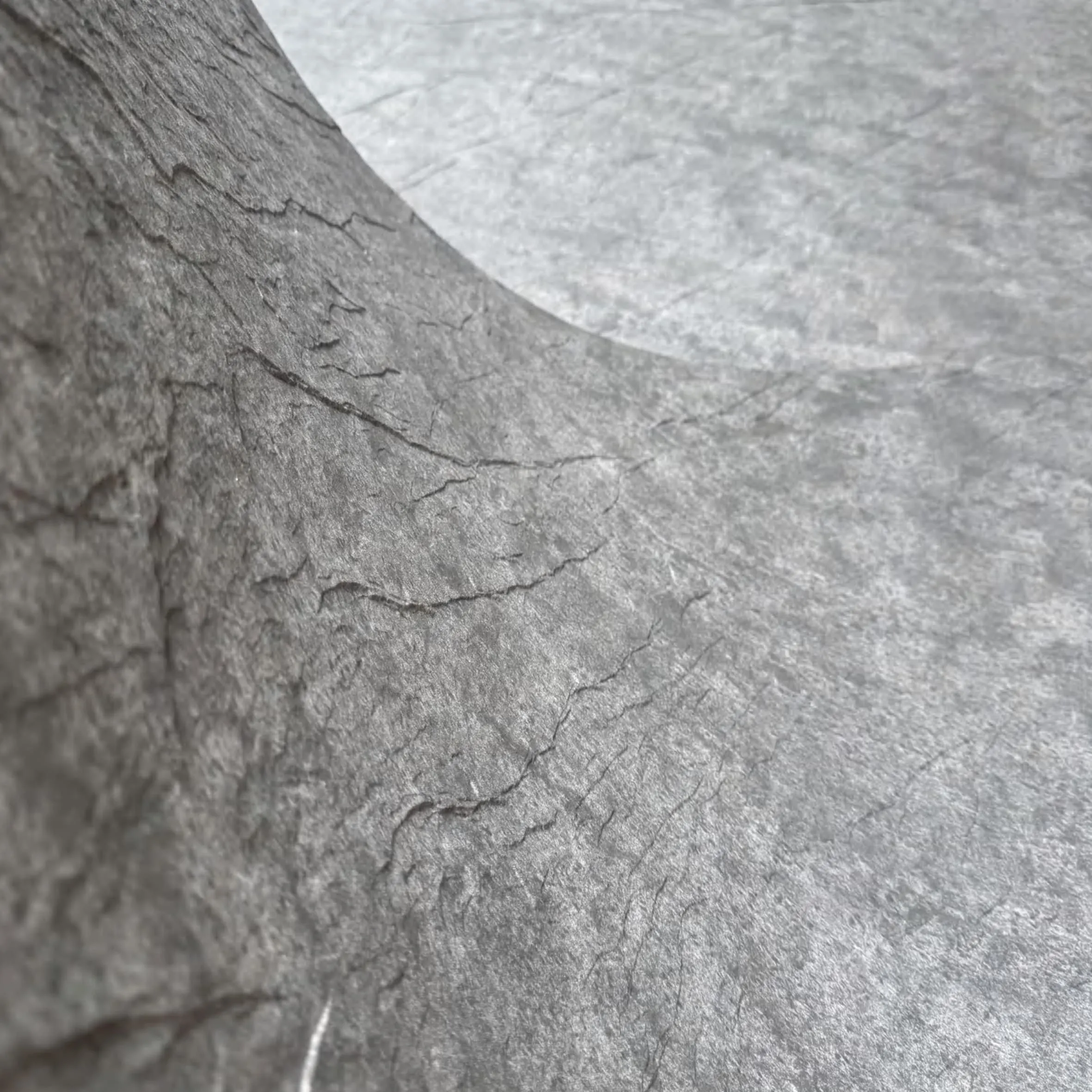
In Dammam's fast-growing tech district, the brief was clear: build a hub thats startups while staying true to Saudi Arabia's 2030 vision for sustainability. The result? A 10-story building wrapped in MCM flexible stone and travertine (starry red) , with fair-faced concrete accents that reduce the need for energy-guzzling air conditioning.
"Tech hubs are often all glass and steel—cold, sterile," says developer Omar Saeed. "We wanted ours to feel alive, like a place where ideas grow. COLORIA's MCM flexible stone was key here. It's lightweight, so we could install it without reinforcing the building's structure, and it comes in large panels that cut down on waste. The travertine (starry red) adds pops of color—reminding people that innovation doesn't have to be boring."
The building's east-facing facade uses the stone's natural insulation properties to keep interiors 5-7°C cooler than traditional cladding, slashing energy costs by 22%. "Startups love it—they're always raving about the 'vibe' and how the space inspires creativity," Saeed laughs. "And from a sustainability angle? We hit LEED Gold, which was a huge win for our investors. COLORIA didn't just supply materials; they helped us build a story."
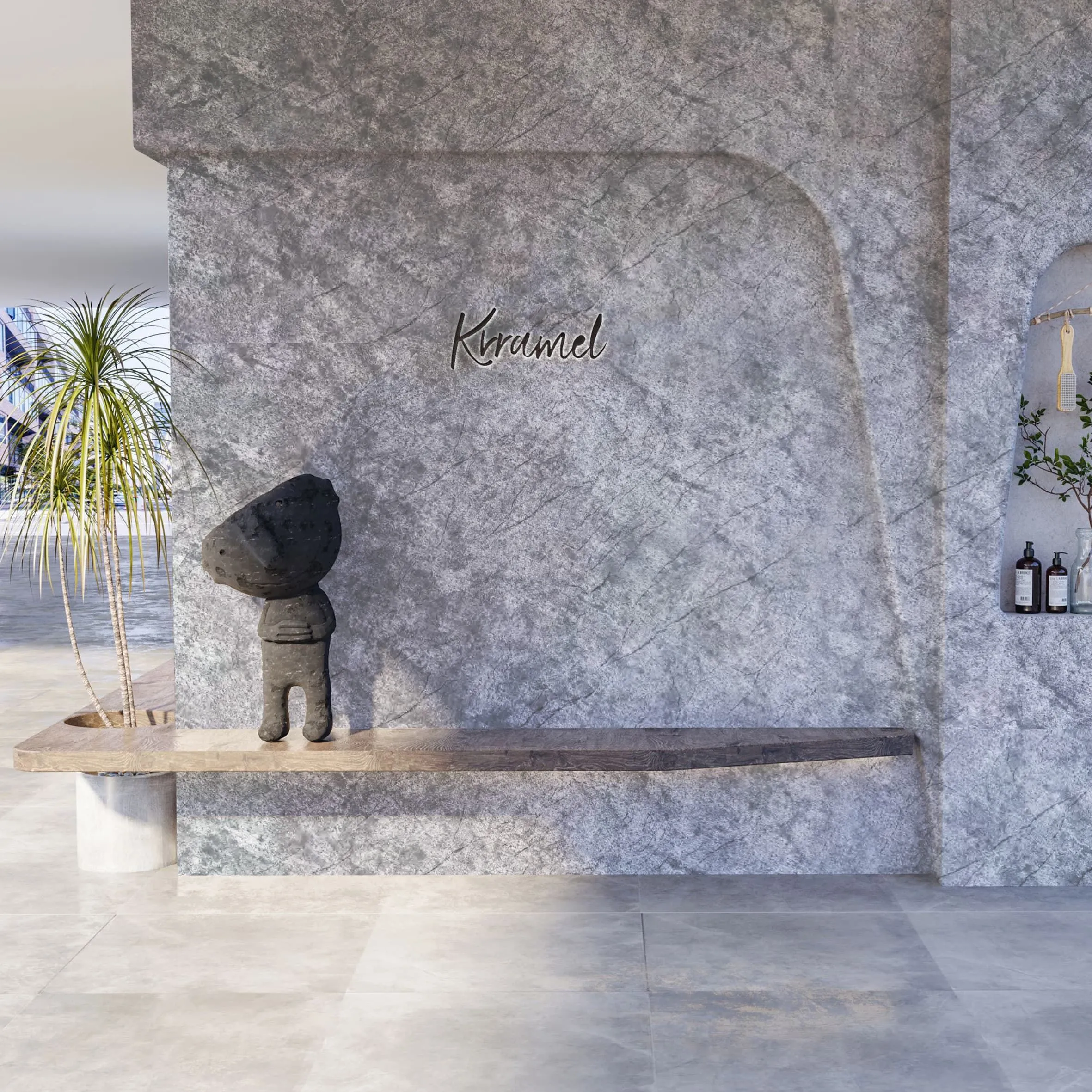
Medina is a city of deep spiritual and historical significance, so when the Heritage Museum was planned, the team knew they couldn't just slap on any material. "We needed something that respected the city's heritage but didn't feel stuck in the past," says curator Amina al-Zahrani. "COLORIA's travertine (starry orange) and rough granite stone (beige) did exactly that."
The museum's exterior mimics the warm tones of Medina's ancient mud-brick buildings, thanks to the rough granite stone (beige) 's earthy texture. Inside, travertine (starry orange) lines the exhibit halls, its golden flecks echoing the glow of traditional lanterns. "Travertine has been used in Islamic architecture for centuries, but COLORIA's starry finish adds a modern twist," al-Zahrani explains. "It's like walking through time—old materials, new stories."
Perhaps the biggest challenge was ensuring the materials wouldn't fade under the harsh Medina sun. "We tested samples for six months—exposing them to direct sunlight, sand, even artificial aging," says project manager Kareem Abbas. "COLORIA's travertine held up perfectly. Today, visitors often mistake the interior walls for natural stone, not realizing it's a high-tech MCM solution. That's the magic of it—you get the beauty of tradition with the durability of innovation."
What ties these projects together? It's not just the materials—it's how COLORIA thinks about context. In a country where "heritage" and "progress" are often seen as opposites, their products bridge the gap. Glacial slate doesn't just resist heat; it embraces the desert's light. MCM flexible stone isn't just bendable; it lets designers honor traditional curves without sacrificing strength. And fair-faced concrete ? It's raw, honest, and unapologetically modern—yet its texture nods to the handcrafted feel of Saudi's past.
As Saudi Arabia continues to grow—with projects like NEOM and the Red Sea Project pushing boundaries—materials that can keep up are more critical than ever. COLORIA's MCM solutions aren't just building materials; they're partners in storytelling. They turn bricks and panels into spaces that make people stop, look, and feel something. And in a world of cookie-cutter architecture, that's the real revolution.
So the next time you're in Riyadh, Jeddah, Dammam, or Medina, take a closer look at the buildings around you. Chances are, you'll spot a piece of COLORIA's legacy—quietly, beautifully, changing the face of Saudi Arabia, one innovative material at a time.
Recommend Products












