
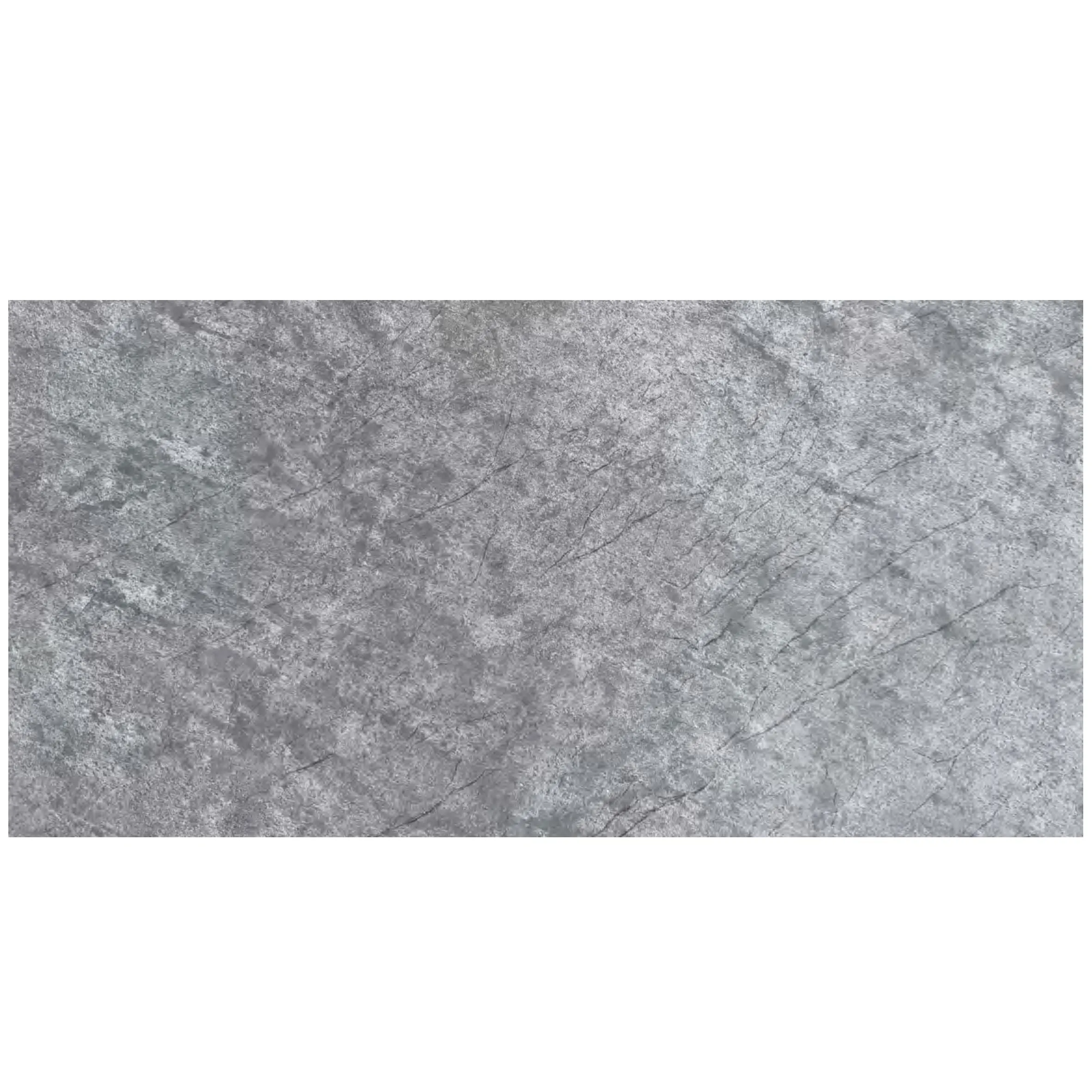
Walk into a modern office lobby, a boutique hotel, or even a newly renovated home in 2025, and you'll notice something striking: the walls, floors, and accent pieces are speaking a quieter language. Gone are the bold, saturated hues that dominated design palettes a decade ago—replaced instead by a symphony of neutrals that feel both timeless and fresh. This shift isn't just about aesthetics; it's a response to a world craving calm, versatility, and connection to nature. At the heart of this movement lies Glacial Slate , a material that embodies the very essence of 2025's design ethos. But it's not alone. From the industrial chic of fair-faced concrete to the celestial shimmer of the Lunar Peak series , neutral tones are redefining what it means to create spaces that inspire, comfort, and endure.
In this article, we'll dive into why neutral tones have become the backbone of contemporary architecture, explore the rise of Glacial Slate as a standout star, and discover how materials like epoch stone , century stone , and travertine (starry blue) (yes, even some subtle pops of color find their place in this neutral narrative) are collaborating to shape the buildings and interiors of tomorrow. Whether you're an architect, a designer, or simply someone who appreciates the beauty of a well-crafted space, this is the story of how "less" became "more"—and why it's here to stay.
To understand the dominance of neutral tones in 2025, we need to look beyond aesthetics and into the human psyche. After years of constant change—global events, technological overload, and a collective longing for stability—people are seeking spaces that feel like anchors. Neutrals, by their very nature, provide that sense of calm. They don't compete for attention; instead, they create a canvas where life can unfold. A wall in soft lunar peak silvery doesn't demand focus, but it does invite presence. A floor in warm lime stone (beige) doesn't shout, but it does ground you.
Designers and architects are leaning into this need for emotional safety. "Neutrals aren't boring—they're generous," says Maria Lopez, a leading interior designer based in Barcelona. "They let people bring their own stories into a space. A family home with wood grain board walls can feel cozy with soft lighting and vibrant textiles, or sleek and modern with minimalist furniture. That versatility is priceless in a world where our lives are anything but static."
But it's not just about adaptability. Neutral tones also connect us to the natural world—a connection that's become increasingly vital as urbanization accelerates. Glacial Slate , with its cool gray veining that mimics melting ice, evokes the quiet grandeur of mountain ranges. Stream limestone (claybank) , with its earthy, river-worn texture, brings the serenity of a forest stream indoors. These materials don't just decorate; they transport. They remind us that even in the heart of a city, we can feel the pulse of nature.
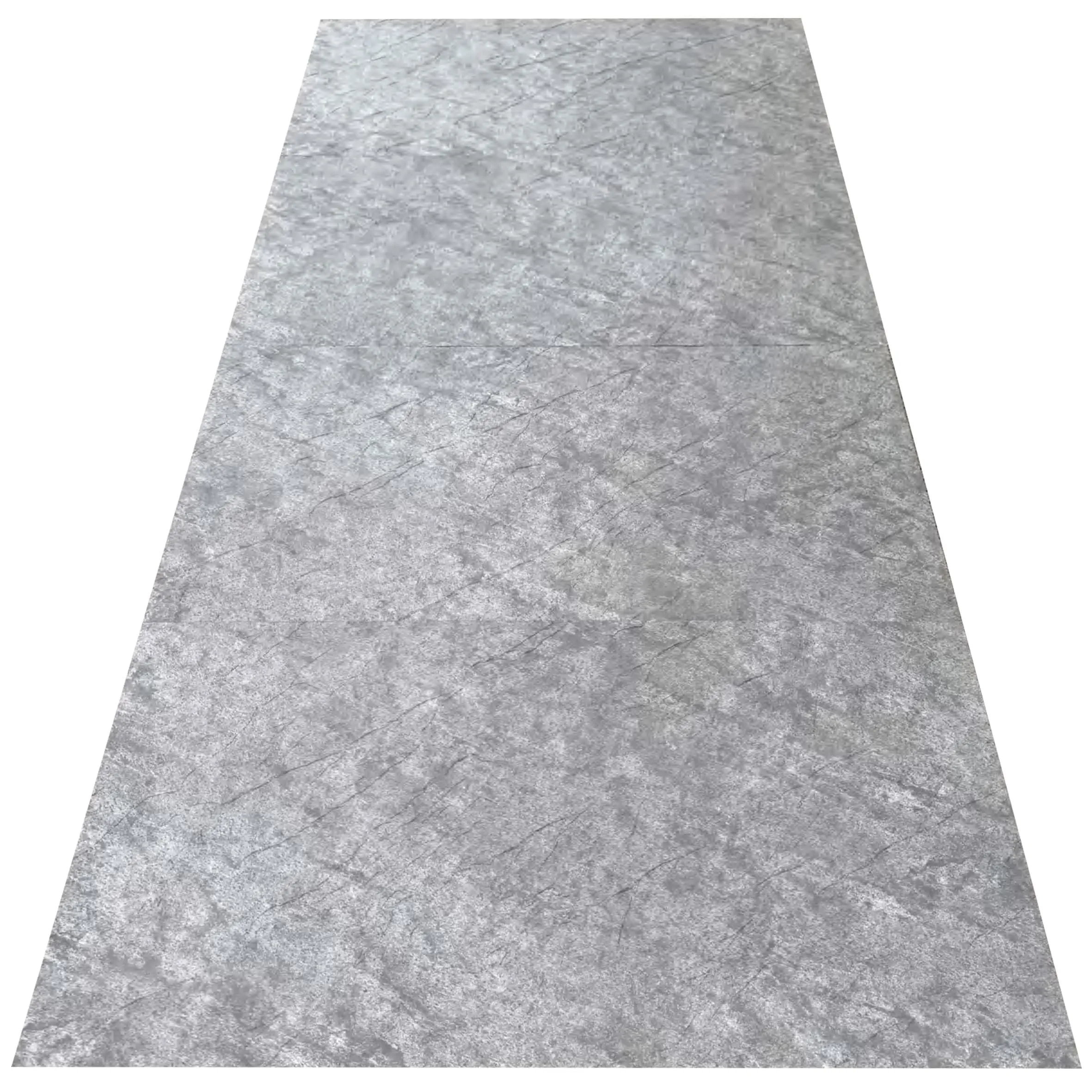
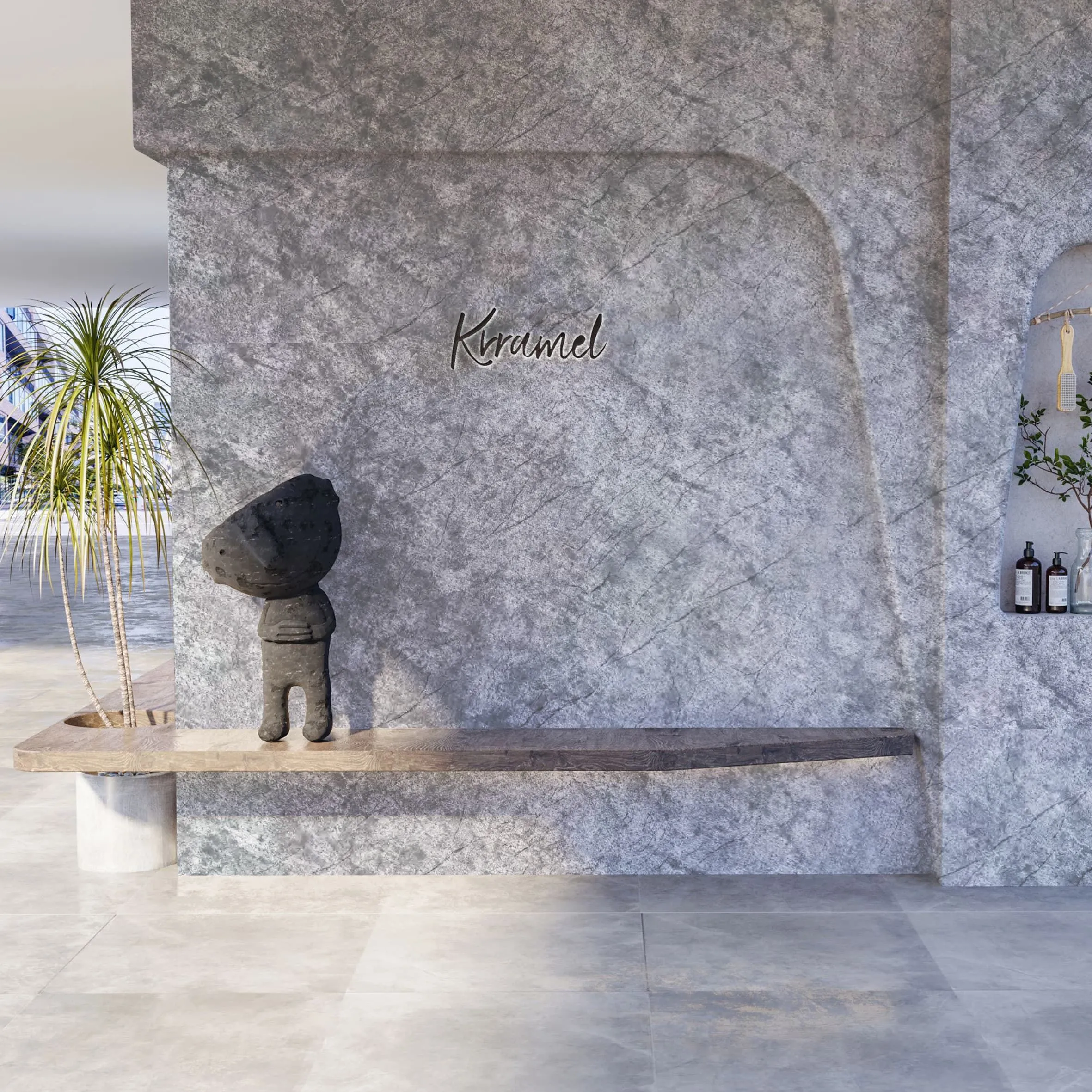
If neutrals are the foundation of 2025 design, then Glacial Slate is the cornerstone. This engineered stone, part of MCM's innovative flexible stone lineup, has taken the architectural world by storm—and for good reason. Unlike traditional slate, which can be heavy and brittle, Glacial Slate is lightweight, durable, and incredibly versatile. Its surface, inspired by the weathered beauty of glacial rock, features subtle veining in shades of silver, charcoal, and soft white, creating depth without overwhelming the senses.
What truly sets Glacial Slate apart, though, is its ability to play well with light. In natural sunlight, its surface shimmers with a faint, icy glow; under warm artificial light, it takes on a cozier, more inviting tone. This chameleon-like quality makes it ideal for spaces that transition from day to night, like restaurants or co-working hubs. Take, for example, the new headquarters of a tech startup in Berlin, where Glacial Slate covers the main lobby walls. During the day, the space feels bright and energizing, with sunlight bouncing off the stone's subtle texture. In the evening, as LED lights cast a warm hue, the slate softens, creating an atmosphere that feels more like a boutique café than a corporate office.
But Glacial Slate isn't just for interiors. Exterior designers are embracing it, too. Its resistance to harsh weather—from heavy rain to extreme temperatures—makes it a practical choice for building facades. A luxury resort in the Swiss Alps recently used Glacial Slate cladding for its guest villas, blending the buildings seamlessly into the surrounding mountain landscape. "It's like the mountains themselves are the architecture," says the resort's lead architect, Thomas Berger. "The slate's cool grays and whites mirror the snow-capped peaks, creating a harmony that's impossible with brighter materials."
Another reason for Glacial Slate's popularity? Its sustainability credentials. As part of MCM's big slab board series , it's produced using a low-waste manufacturing process, and its lightweight nature reduces transportation emissions. Plus, it's designed to last for decades, minimizing the need for replacement and reducing landfill waste. In an era where eco-conscious design is no longer a trend but a requirement, Glacial Slate checks all the boxes.
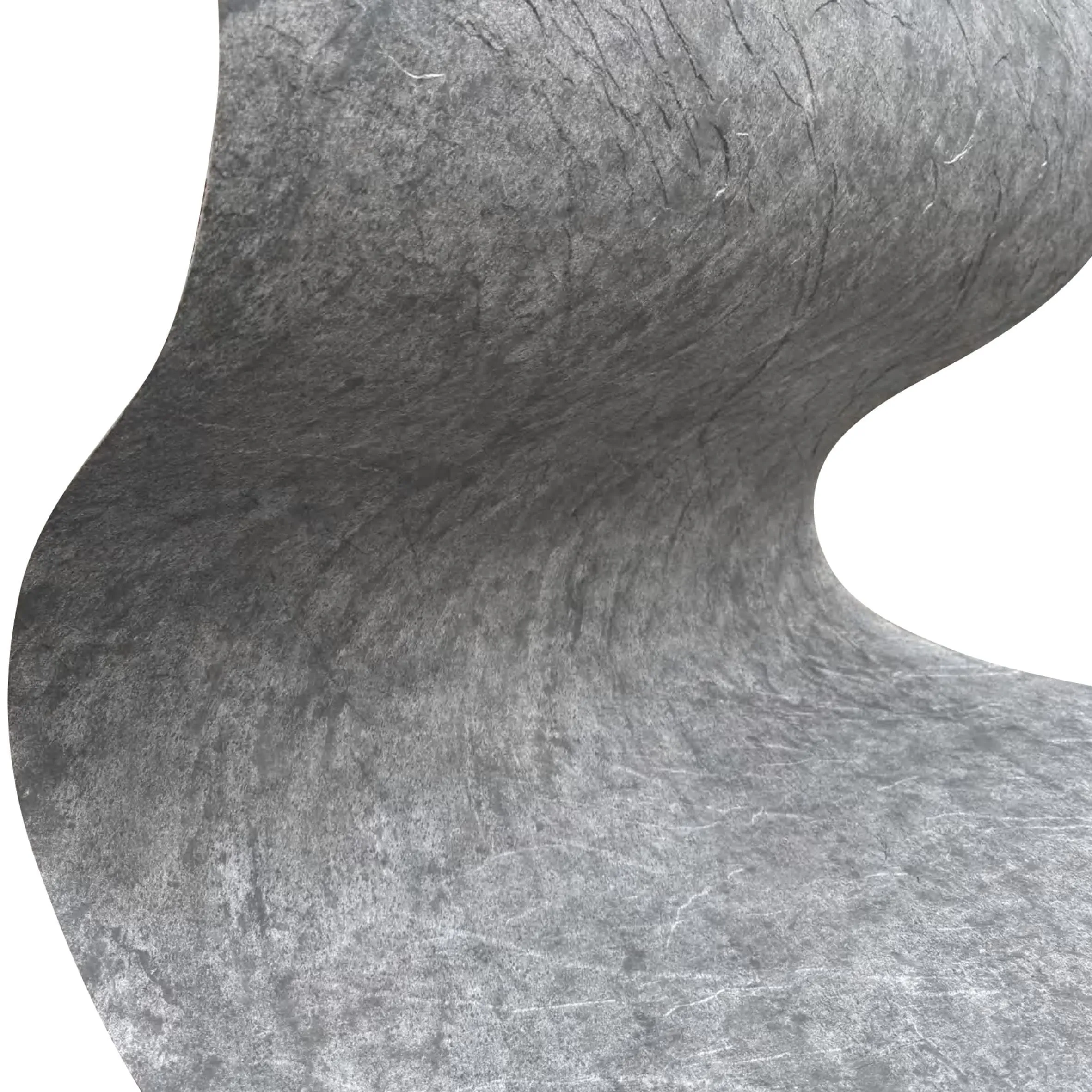
While Glacial Slate may be the poster child for 2025's neutral trend, it's hardly the only player. Designers are mixing and matching a range of materials to create layered, textured spaces that feel rich and dynamic—without relying on color. Let's explore some of the standout materials that are complementing Glacial Slate and redefining neutral design:
| Material | Color Palette | Texture | Best For |
|---|---|---|---|
| Fair-faced Concrete | Pale gray, off-white, soft beige | Raw, matte, with subtle grain | Industrial-chic interiors, exterior walls |
| Lunar Peak Series (Silvery/Golden/Black) | Metallic silver, warm gold, deep black | Sleek, reflective, with star-like flecks | Accent walls, lighting fixtures, furniture |
| Epoch Stone | Earthy browns, terracotta, muted reds | Rough-hewn, like ancient stone | Heritage-inspired spaces, fireplaces |
| Century Stone | Mid-tone grays, charcoal, slate blue | Smooth yet textured, with layered veining | Flooring, countertops, feature walls |
| Travertine (Starry Blue) | Pale blue-gray with iridescent flecks | Honeycombed, porous, with a subtle glow | Spa interiors, bathroom walls, accent tiles |
Fair-faced Concrete is a favorite for its raw, unapologetic simplicity. Unlike polished concrete, which can feel cold, fair-faced concrete has a warm, organic quality—think of the rough-hewn walls of a minimalist cabin in the woods. It pairs beautifully with Glacial Slate, creating a contrast between the slate's subtle shimmer and the concrete's matte finish. A recent restaurant in Tokyo, for example, used fair-faced concrete for the ceiling and Glacial Slate for the walls, with wood line accents adding warmth. The result? A space that feels both industrial and intimate, like dining in a modern cave with a view of the mountains.
For those who want to add a touch of glamour without straying from neutrals, the Lunar Peak series is a game-changer. Available in Silvery, Golden, and Black, these materials feature tiny metallic flecks that catch the light, evoking a starry night sky. Imagine a hotel lobby where a Lunar Peak Golden accent wall serves as the backdrop for a reception desk made of Glacial Slate. The gold shimmers against the slate's cool gray, creating a sense of luxury that's understated, not ostentatious. "It's like bringing a piece of the moon indoors," says Lopez, who used Lunar Peak Silvery in a recent residential project. "Clients love how it adds sparkle without feeling flashy."
Epoch Stone and Century Stone , on the other hand, tap into our love for history and heritage. Epoch Stone, with its earthy tones and rough texture, feels like it's been pulled from an ancient ruin—perfect for spaces that aim to tell a story. A boutique hotel in Rome used Epoch Stone for its lobby pillars, pairing it with travertine (beige) floors and Glacial Slate accents. The combination of old and new creates a timeless vibe that resonates with travelers seeking authenticity. Century Stone, with its layered veining and mid-tone grays, is equally versatile. It works in everything from modern kitchens (as countertops) to traditional libraries (as wall paneling), proving that neutrals can bridge design styles with ease.
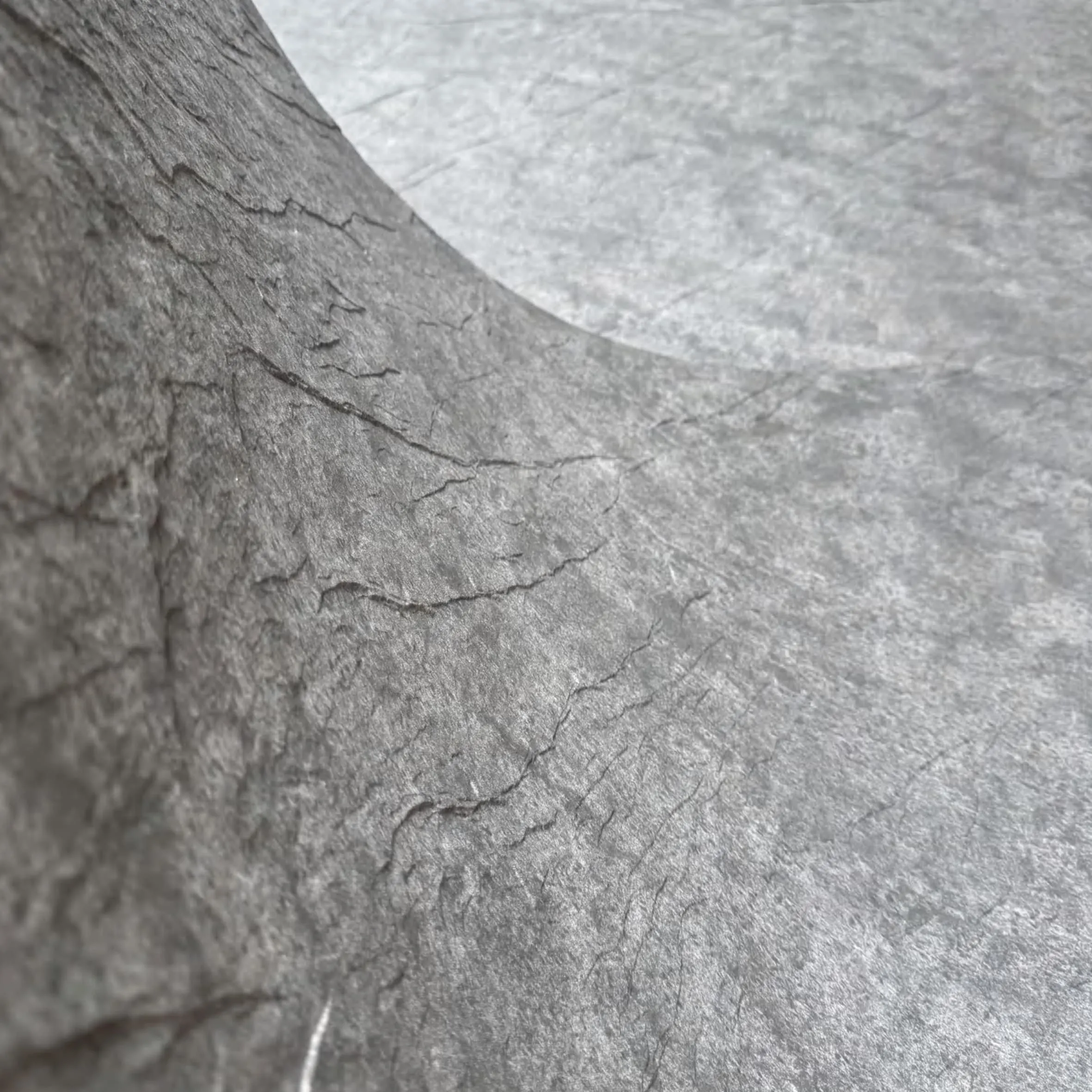
One of the greatest strengths of 2025's neutral trend is its adaptability. Whether you're designing a skyscraper or a studio apartment, these materials and tones work. Let's take a closer look at how neutrals are transforming different types of spaces:
Offices, hotels, and retail stores are embracing neutrals to create environments that feel professional yet welcoming. Glacial Slate, with its clean lines and subtle texture, is a top choice for office lobbies. Paired with polish concrete floors and foamed aluminium alloy board (vintage silver) accents, it creates a look that's sleek and modern without feeling cold. "Employees and clients alike respond to spaces that feel calm and focused," says David Chen, an architect specializing in commercial design. "Neutrals reduce visual clutter, which helps people think more clearly. We've noticed a 20% increase in productivity in offices designed with Glacial Slate and fair-faced concrete compared to those with bold colors."
Hotels, too, are leaning into neutrals to create memorable guest experiences. A luxury resort in Bali recently redesigned its suites using bali stone for the floors, Glacial Slate for the shower walls, and weaving (khaki) textiles for the bedding. The result is a space that feels like a tropical retreat with a modern twist—neutral enough to be calming, but textured enough to feel rich. "Guests want to relax, not be overwhelmed," says the resort's interior designer. "Neutrals let the natural beauty of Bali—the ocean, the rice fields—take center stage."
At home, neutrals are all about creating spaces that grow with you. A young couple in Paris, for example, used Glacial Slate for their living room walls, wood grain board for the floors, and linear travertine (claybank) for the fireplace surround. "We wanted a space that would work for movie nights with friends, quiet evenings reading, and eventually, maybe a family," says the homeowner. "Neutrals let us change the vibe with throw pillows, art, and lighting. One week it's cozy and warm; the next, it's sleek and modern. We never get bored."
Bathrooms are another area where neutrals shine. Travertine (starry blue) , with its pale blue-gray hue and iridescent flecks, is becoming a favorite for shower walls. When paired with polish concrete countertops and white fixtures, it creates a spa-like atmosphere that feels luxurious and serene. "Bathrooms should be a sanctuary," says Lopez. "Neutrals help create that sense of escape. You step in, and suddenly the stresses of the day melt away."
In 2025, design isn't just about how a space looks—it's about how it impacts the planet. Fortunately, many of the neutral materials dominating trends today are also eco-friendly. MCM's flexible stone technology, which includes Glacial Slate, is a prime example. Unlike traditional stone, which is heavy and requires energy-intensive mining, flexible stone is made from recycled materials and is lightweight, reducing transportation emissions. It's also highly durable, meaning it won't need to be replaced for decades. "Sustainability and style used to be seen as," says Chen. "Now, they're inseparable. Clients won't consider a material unless it's both beautiful and eco-friendly."
Foamed aluminium alloy boards , available in Vintage Silver, Vintage Gold, and Gold, are another sustainable option. Made from recycled aluminum, they're 100% recyclable and have a low carbon footprint. Plus, their reflective properties can help reduce energy costs by bouncing sunlight into a space, reducing the need for artificial lighting. A office building in Copenhagen recently used foamed aluminium alloy board (vintage silver) for its exterior cladding, and saw a 15% reduction in energy bills. "It's a win-win," says the building's sustainability director. "The silver finish looks stunning, and it's helping us meet our carbon neutrality goals."
Even natural materials like lime stone (beige) and sandstone cloude are being sourced more responsibly. Quarries are implementing better mining practices, and companies are investing in reforestation efforts to offset their environmental impact. "We're seeing a shift from 'fast design' to 'slow design,'" says Lopez. "People want materials that are not only beautiful today but will still be beautiful for future generations. Neutrals, with their timeless appeal, fit perfectly into that mindset."
As we look ahead to the rest of 2025 and beyond, it's clear that neutral tones aren't just a passing fad—they're an evolution in how we think about design. They represent a desire for calm, connection, and sustainability; a rejection of excess and a celebration of simplicity. Glacial Slate, with its versatility, beauty, and eco-friendly credentials, will continue to lead the charge, but it will be joined by a growing family of materials—from the metallic allure of the Lunar Peak series to the earthy charm of epoch stone.
So, what does this mean for you? Whether you're building a new home, renovating an office, or simply updating a room, consider embracing neutrals. Start small: paint a wall in Glacial Slate gray, add a Lunar Peak Silvery accent piece, or swap out your bold throw pillows for weaving (beige) ones. You might be surprised by how much calm and beauty a little "less" can bring.
In the end, design is about creating spaces that make us feel alive. And in 2025, nothing does that quite like the quiet power of neutrals. They don't shout. They don't demand. They simply are —a blank canvas for life's most beautiful moments.
Recommend Products












