
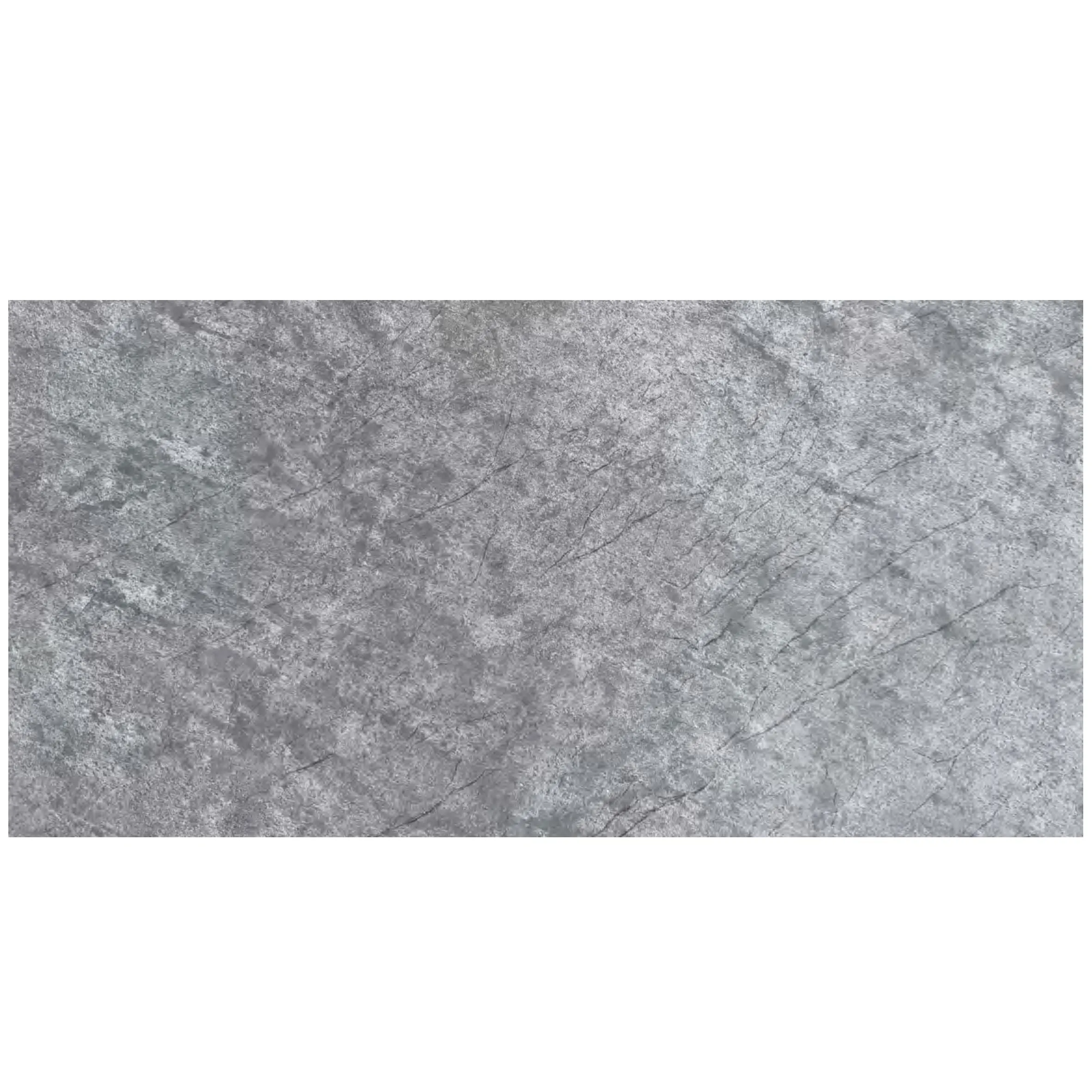
Every architect, builder, or homeowner dreams of a building exterior that turns heads—something that blends durability with timeless style. But here's the thing: that dream can quickly turn into a budget nightmare if you don't look beyond the initial price tag of materials. When it comes to natural stones like glacial slate, their rugged, earthy charm is undeniable. However, the costs of choosing traditional materials often stretch far beyond what's listed on a quote. Transportation, installation, maintenance, and even structural adjustments—these "hidden" expenses can add up to tens of thousands of dollars over a building's lifetime.
In this article, we're diving deep into the true cost of glacial slate and exploring how COLORIA's MCM (Modified Composite Material) solutions offer a smarter, more economical alternative. We'll break down the numbers, compare long-term expenses, and show you why investing in flexible, lightweight MCM products like mcm flexible stone and mcm big slab board series isn't just a choice for today's budget—it's an investment in decades of savings.
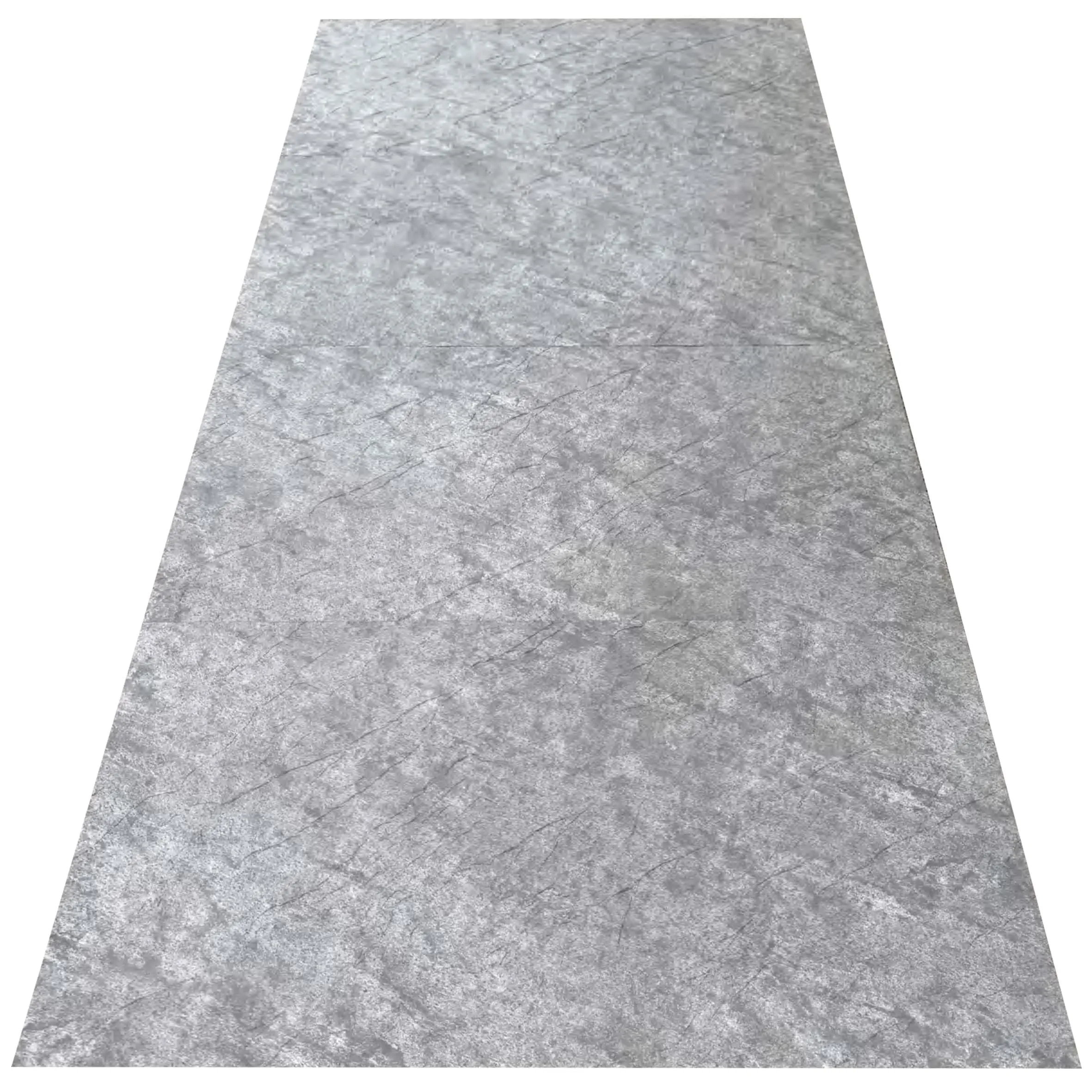
Glacial slate, formed by centuries of geological pressure and ice movement, is prized for its unique texture—think layered, matte surfaces in deep grays and blues, with subtle veining that tells a story of time. It's a material that evokes strength and natural beauty, making it a top pick for high-end commercial buildings, luxury homes, and heritage projects. Architects love it for its ability to add depth and character, while homeowners are drawn to its "permanent" feel—after all, natural stone has been used for centuries, so it must last forever, right?
Let's get real about numbers. At first glance, glacial slate might seem like a reasonable investment. Material costs typically range from $25 to $45 per square foot, depending on quality and sourcing. But that's just the start. Let's break down the expenses step by step:
1. Transportation: Heavy Stones = Heavy Bills Glacial slate is dense—we're talking 15-20 pounds per square foot. That means transporting it from quarries (often located in remote areas) to your construction site requires specialized trucks, cranes, and even permits for oversize loads. A single truckload might carry half the amount of material compared to lighter alternatives, doubling or tripling transport costs. For a 10,000 sq. ft. project, transportation alone could add $5,000 to $15,000 to your budget.
2. Installation: Labor-Intensive and Risky Those heavy slabs don't just cost more to move—they cost more to install. You'll need a team of experienced masons (not just general laborers) to handle the weight, and they'll likely need scaffolding, lifting equipment, and extra time to ensure each piece is placed correctly. Labor costs here can jump to $30-$50 per square foot, compared to $15-$25 for lighter materials. Plus, there's the risk of breakage during installation—even a small crack in a slate slab means wasted material and added expense.
3. Structural Support: Your Building Pays the Price The weight of glacial slate isn't just a problem for installers—it's a problem for your building's structure. To support those heavy stones, you may need reinforced framing, thicker walls, or even upgraded foundation systems. Engineers might require additional steel beams or structural adjustments, adding $10,000 to $50,000+ to your project, depending on the building's size.
4. Maintenance: The Never-Ending Upkeep Natural stone is durable, but it's not invincible. Glacial slate is porous, meaning it absorbs water, dirt, and pollutants over time. Without regular sealing (every 2-3 years), you'll start to see stains, discoloration, or even mold. Sealing costs around $3-$5 per square foot each time, and that's not including the cost of cleaning (pressure washing, specialized cleaners) or repairs for chips, cracks, or loose slabs. Over 20 years, maintenance alone could add $20,000 to $40,000 for a mid-sized building.
When you add it all up, the total cost for a 10,000 sq. ft. project using traditional glacial slate could range from $600,000 to $1.2 million over 20 years. That's more than double the initial material and installation cost. Suddenly, that "timeless beauty" comes with a very real price tag.
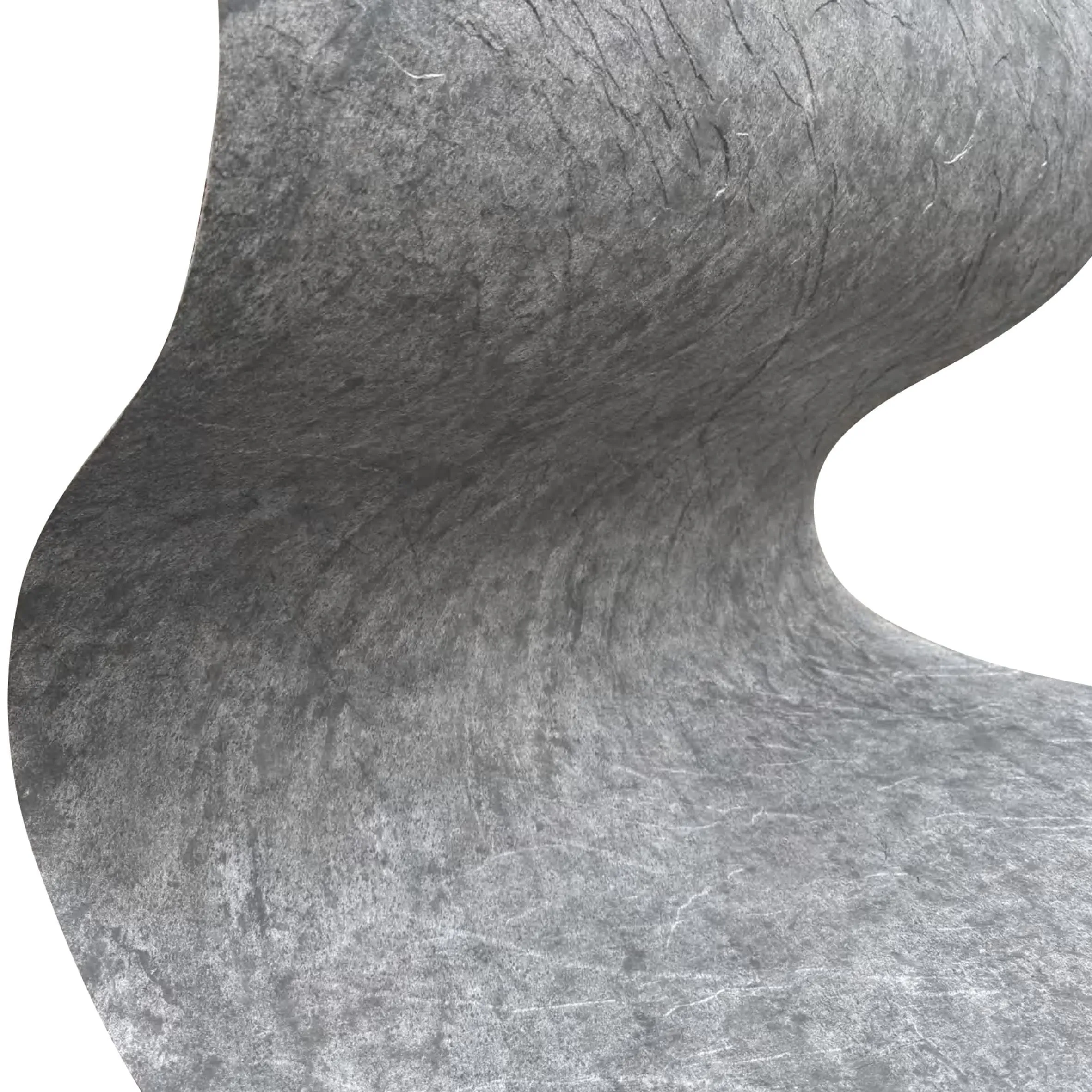
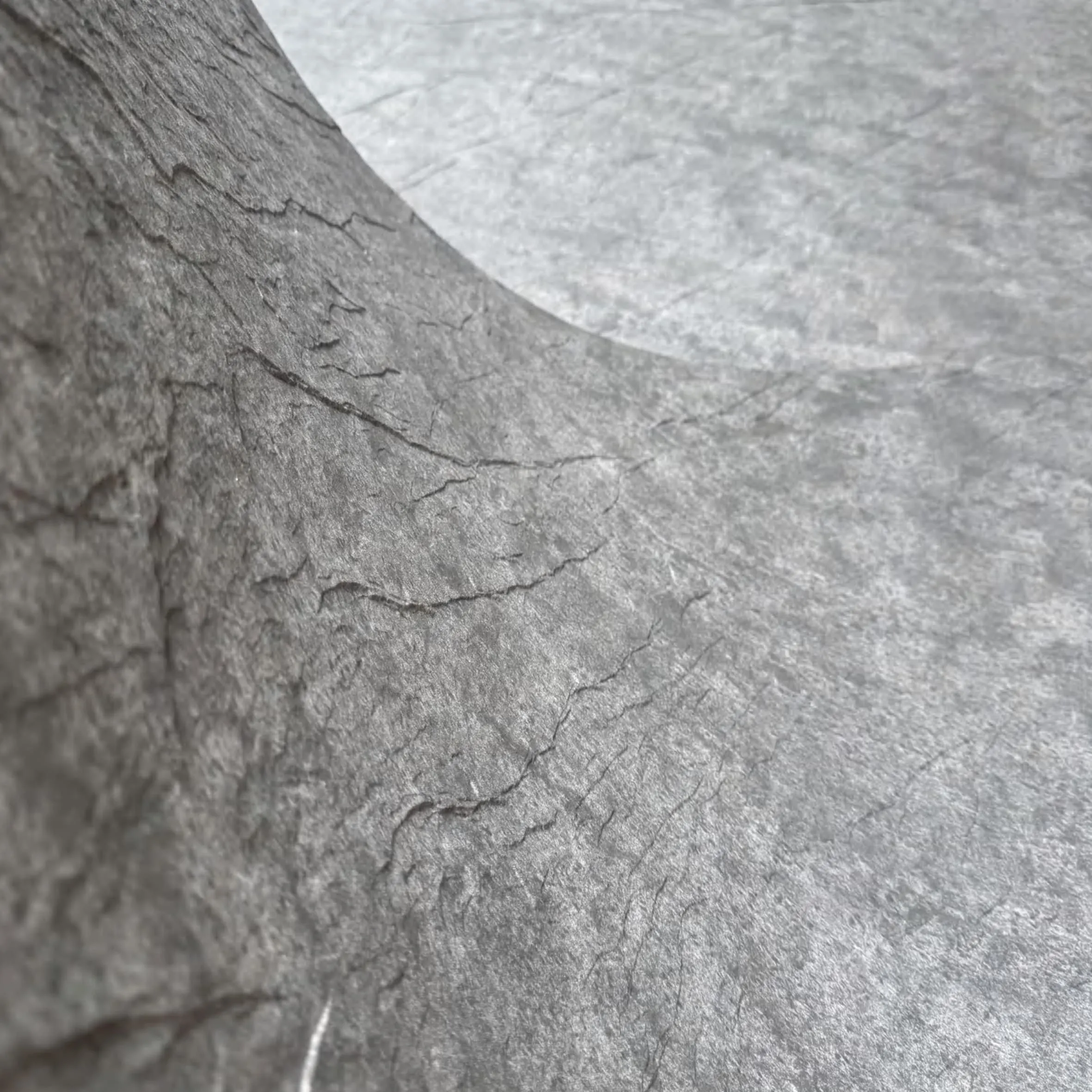
If traditional glacial slate is the "old guard," MCM is the innovative newcomer that's rewriting the rules. MCM, or Modified Composite Material, is a blend of natural minerals, polymers, and reinforcing fibers engineered to mimic the look and feel of natural stone—without the weight or hassle. COLORIA, a leader in MCM technology, has taken this a step further with products designed for both aesthetics and economy. Let's meet the stars of their lineup:
At first glance, COLORIA's MCM products might seem comparable in initial material cost to glacial slate (ranging from $20 to $40 per square foot, depending on the finish). But here's where the savings start: MCM's lightweight design (3-5 lbs per square foot vs. 15-20 lbs for slate) transforms every stage of the building process—from transport to installation to long-term upkeep.
To truly understand the savings, let's compare a hypothetical 10,000 sq. ft. commercial building using traditional glacial slate versus COLORIA's mcm flexible stone and mcm big slab board series . The table below breaks down costs from material to maintenance over 20 years:
| Cost Category | Traditional Glacial Slate | COLORIA's MCM Solutions | 20-Year Savings with MCM |
|---|---|---|---|
| Initial Material Cost (10,000 sq. ft.) | $350,000 ($35/sq. ft.) | $320,000 ($32/sq. ft.) | $30,000 |
| Transportation & Delivery | $15,000 (heavy loads, specialized trucks) | $4,000 (lightweight, standard trucks) | $11,000 |
| Installation Labor | $400,000 ($40/sq. ft. for skilled masons) | $150,000 ($15/sq. ft. for general labor) | $250,000 |
| Structural Support Upgrades | $30,000 (reinforced framing, foundation) | $0 (no extra support needed) | $30,000 |
| Maintenance (Sealing, Cleaning, Repairs) | $35,000 (every 2 years, $3.50/sq. ft.) | $5,000 (occasional pressure washing, no sealing) | $30,000 |
| Replacement Costs (Damaged Slabs/Panels) | $20,000 (5% replacement over 20 years) | $2,000 (1% replacement over 20 years) | $18,000 |
| Total 20-Year Cost | $850,000 | $501,000 | $349,000 |
The numbers speak for themselves: Over 20 years, the MCM solution saves $349,000 —that's more than a third of the total cost of glacial slate. And remember, this is for a 10,000 sq. ft. building; larger projects would see even bigger savings.
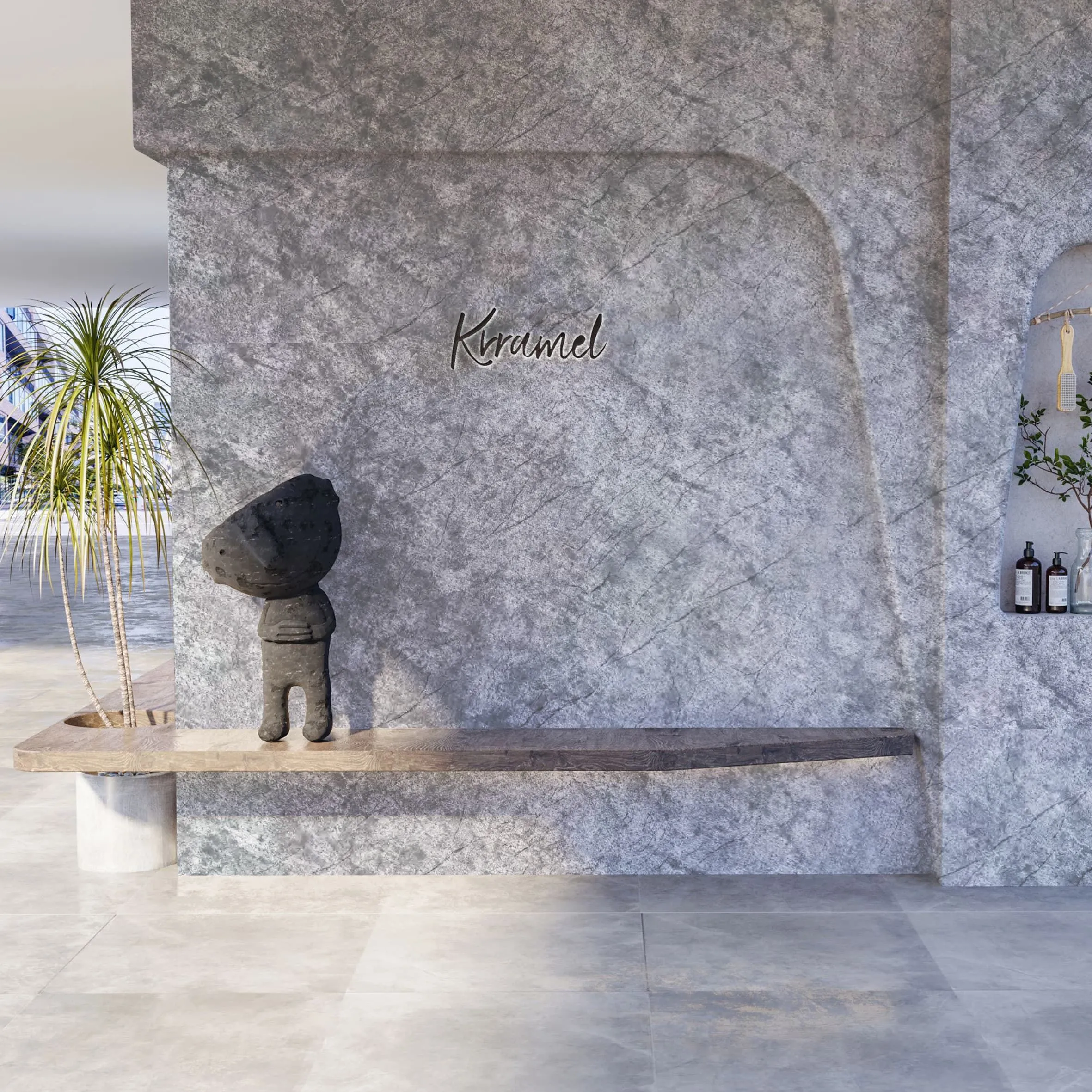
Let's take a concrete example. In 2018, a developer in Colorado faced a choice: glacial slate or COLORIA's MCM for a 50,000 sq. ft. riverfront office complex. The initial quote for glacial slate was $1.75 million (material + installation). COLORIA's mcm big slab board series came in at $1.6 million—$150,000 less upfront. But the real savings kicked in later:
Today, 7 years later, the developer estimates total savings of over $600,000—and projects that by year 20, savings will top $1.2 million. "We thought we were compromising on beauty, but the MCM panels look just as good as slate—maybe better, because they haven't faded or stained," said the project architect. "And the budget relief let us invest in other upgrades, like energy-efficient windows."
Savings aside, COLORIA's MCM solutions offer benefits that go beyond the bottom line. Let's talk about the "extras" that make them a smart choice:
MCM is engineered to resist the elements. Unlike glacial slate, which can crack in freeze-thaw cycles or fade in harsh sunlight, COLORIA's products are UV-stabilized, water-resistant, and impact-resistant. In fact, they come with a 25-year warranty against fading and delamination. That means your building will look as good in 2045 as it did the day it was built—no costly replacements needed.
Traditional stone is rigid, limiting architectural creativity. MCM, on the other hand, is flexible enough to wrap around curves, cover irregular surfaces, or even be cut into custom shapes. Want a wavy facade? mcm flexible stone can do that. Dream of a seamless, monolithic look? mcm big slab board series has you covered. And with finishes ranging from the metallic sheen of foamed aluminium alloy board (vintage silver) to the earthy texture of mcm flexible stone , you'll never have to sacrifice style for savings.
In today's eco-conscious market, sustainability sells. MCM uses 70% recycled materials and requires 80% less energy to produce than traditional stone quarrying. Its lightweight design also reduces carbon emissions during transportation. For commercial projects, this translates to LEED credits and a stronger brand reputation—customers and tenants want to support businesses that prioritize the planet.
With so many MCM manufacturers out there, why choose COLORIA? For starters, they've been in the game for over a decade, refining their formulas and expanding their product line to meet the needs of architects and builders worldwide. Their commitment to quality is evident in every panel—rigorous testing ensures resistance to fire, moisture, and impact, while their design team works tirelessly to replicate the latest natural stone trends.
Plus, COLORIA offers more than just materials. Their technical support team helps with installation planning, and their global supply chain ensures consistent availability—no waiting months for stone shipments from overseas. "We had a tight deadline, and COLORIA delivered 10,000 sq. ft. of mcm big slab board series in 3 weeks," said a Florida-based builder. "That kind of reliability is priceless."
Glacial slate is beautiful, but beauty shouldn't cost you a fortune over time. COLORIA's MCM solutions—like mcm flexible stone , mcm big slab board series , and foamed aluminium alloy board (vintage silver) —prove that you can have the best of both worlds: the look of natural stone with the savings of modern technology. From lower transportation and installation costs to minimal maintenance and long-term durability, MCM is a choice that pays dividends for decades.
So, the next time you're planning a project, ask yourself: Am I paying for the stone, or am I paying for the hassle? With COLORIA, the answer is clear: you're paying for smart, sustainable, and stunning results—without the hidden costs. After all, the most beautiful buildings aren't just the ones that look good—they're the ones that let you sleep easy, knowing your budget is as solid as the materials you chose.
Recommend Products












