
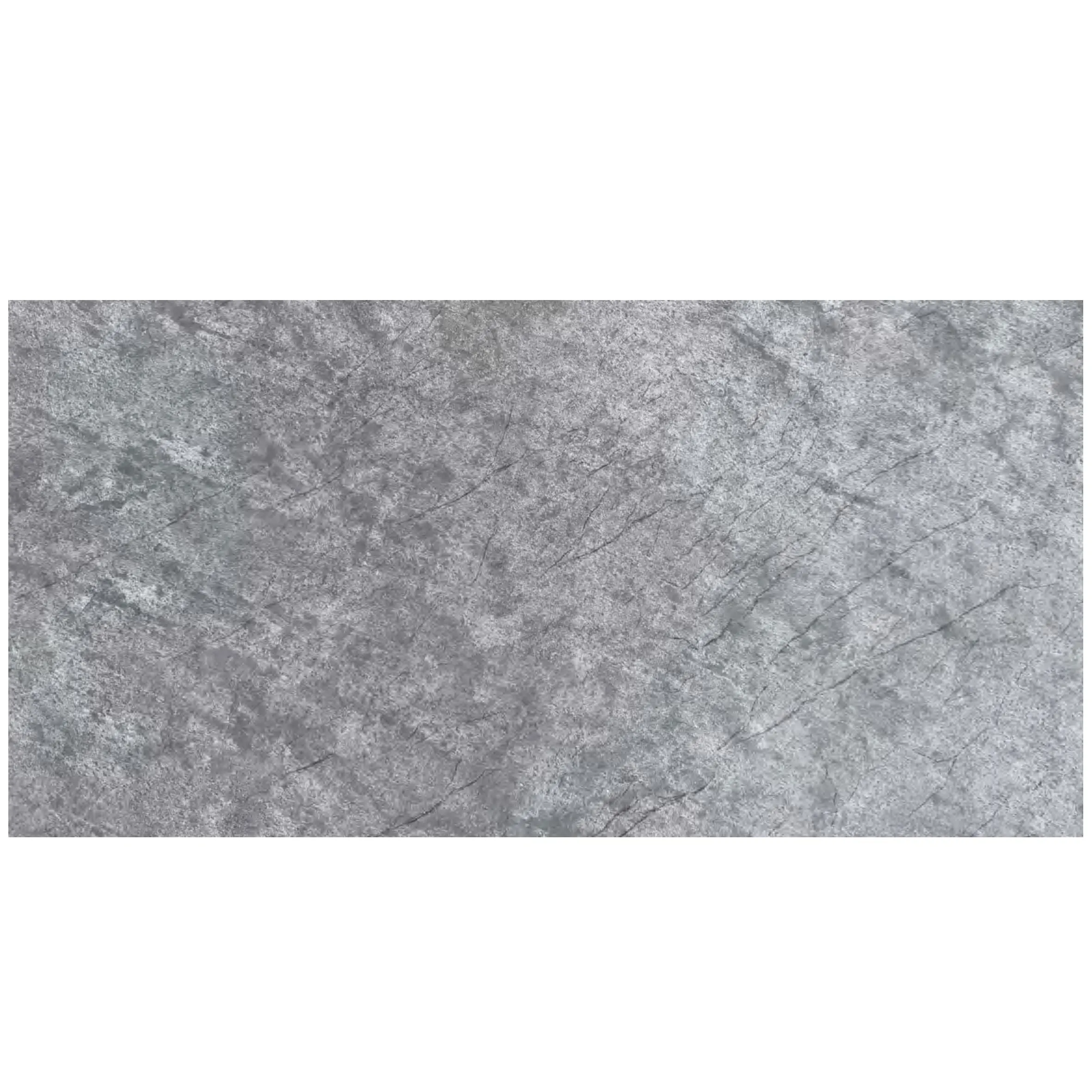
There's something almost magical about glacial slate. Its cool, layered textures—like frozen waves captured mid-crash—have made it a darling of architects and designers for decades. Walk into a high-end hotel lobby or a modern home, and you might find it gracing walls, floors, or even countertops, adding a touch of nature's grandeur to man-made spaces. But here's the thing about magic: sometimes, the cost of creating it is hidden in the fine print. When it comes to glacial slate, that fine print spells trouble for our planet. Today, we're diving into the environmental impact of this beloved stone and exploring why COLORIA's MCM (Modified Composite Material) is emerging as the sustainable alternative that doesn't compromise on beauty.
Let's start with the obvious: glacial slate is a natural stone, so it must be "green," right? Not exactly. The journey from mountain quarry to your living room wall is far from eco-friendly. First, there's the extraction process. Quarrying glacial slate involves heavy machinery tearing into rock faces, disrupting fragile ecosystems. In regions where glacial slate is abundant—think remote mountain areas in Europe or North America—quarries often encroach on habitats for endangered species, disrupt water sources, and leave behind scars on the landscape that take decades (if not centuries) to heal.
Then there's the waste. For every ton of usable glacial slate extracted, an estimated 2-3 tons of waste rock is discarded, according to industry reports. That waste doesn't just disappear; it piles up in landfills or is dumped into nearby valleys, polluting soil and water. And let's not forget transportation. Glacial slate is heavy—really heavy. Shipping it from quarries to construction sites across the globe means burning massive amounts of fossil fuels, jacking up its carbon footprint. A single slab can weigh hundreds of pounds, requiring diesel-guzzling trucks or cargo ships to move it, which adds up fast when you're building an entire facade.
Durability is another double-edged sword. While glacial slate is tough, it's also brittle. During installation, up to 10% of slabs can crack or break, leading to more waste. And once installed, it's not exactly low-maintenance. Sealing, cleaning, and repairing natural stone requires harsh chemicals that leach into the environment over time. All of this begs the question: Is the beauty of glacial slate worth the toll it takes on our planet?
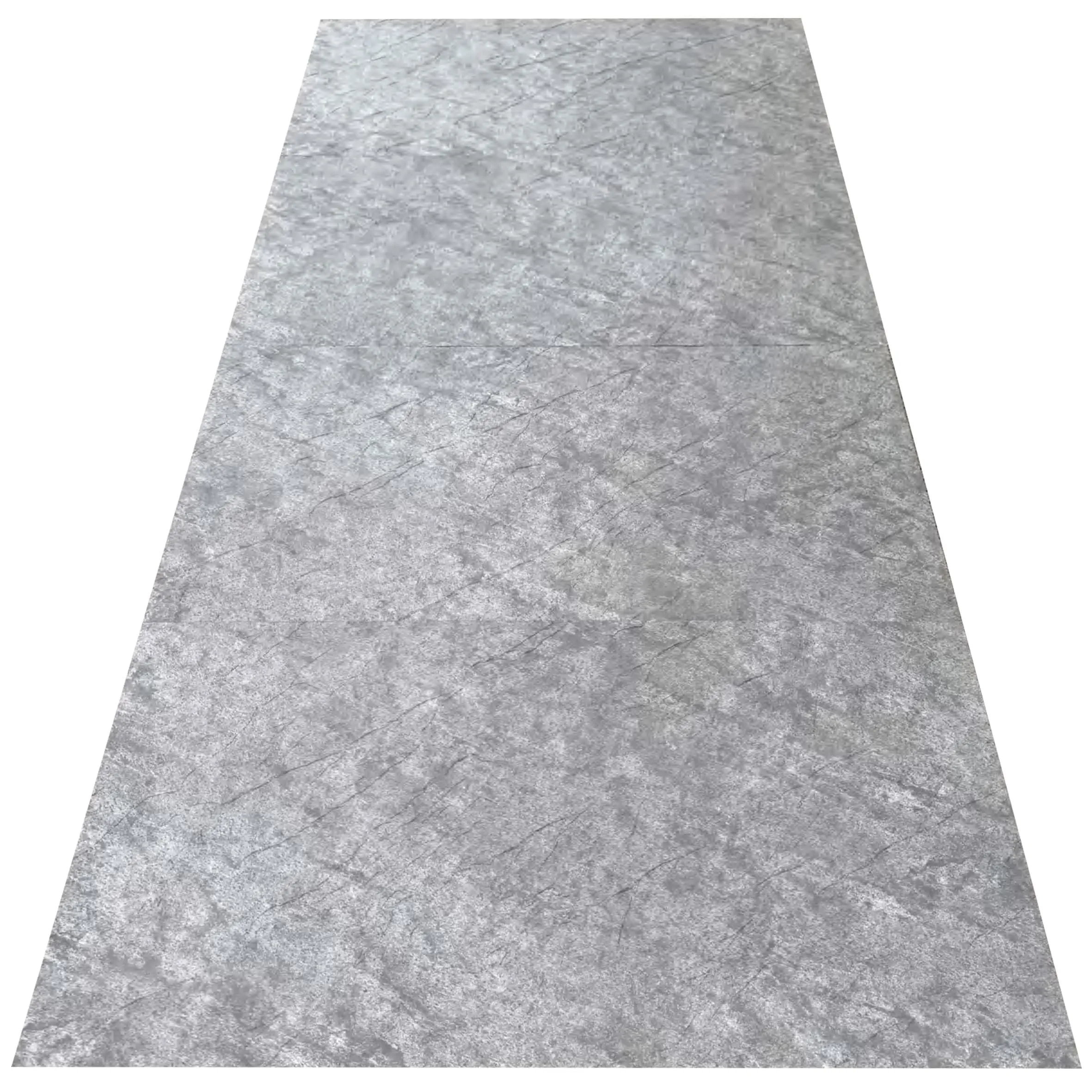
Enter COLORIA's MCM—Modified Composite Material—a game-changer in the world of building materials. MCM isn't just a "fake" stone; it's a thoughtfully engineered blend of natural minerals, recycled polymers, and advanced binders that mimic the look and feel of natural stone (and more) while slashing environmental impact. Here's why it's turning heads:
Unlike glacial slate, MCM doesn't require mining. Instead, COLORIA uses up to 30% recycled materials in its production process—think post-consumer plastic waste, reclaimed stone dust, and even recycled glass. The manufacturing process itself is low-energy: it uses 70% less water than traditional stone quarrying and emits 50% fewer carbon emissions, thanks to energy-efficient facilities and localized production. No mountains are torn down, no ecosystems are disrupted, and no toxic runoff pollutes rivers. It's building material with a conscience.
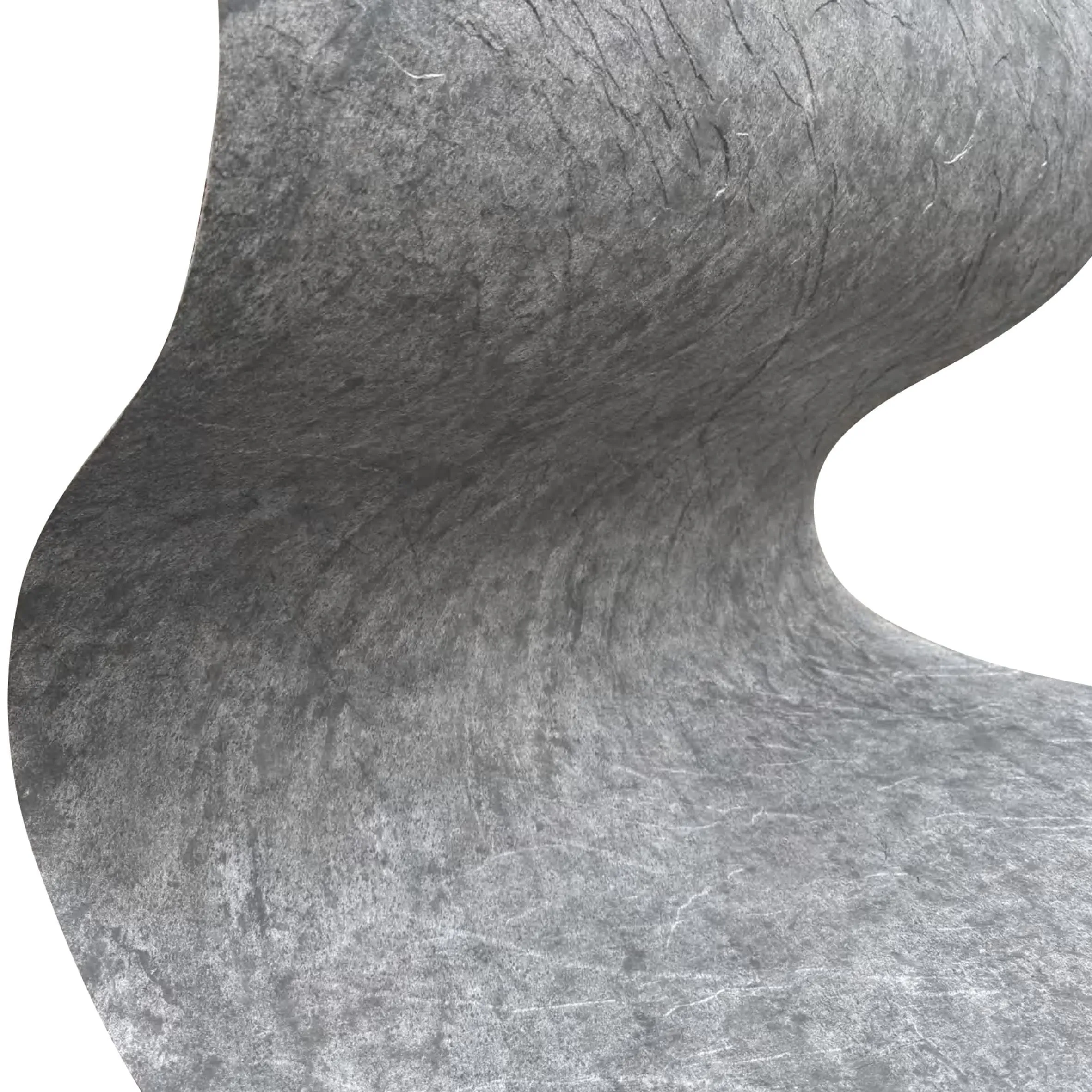
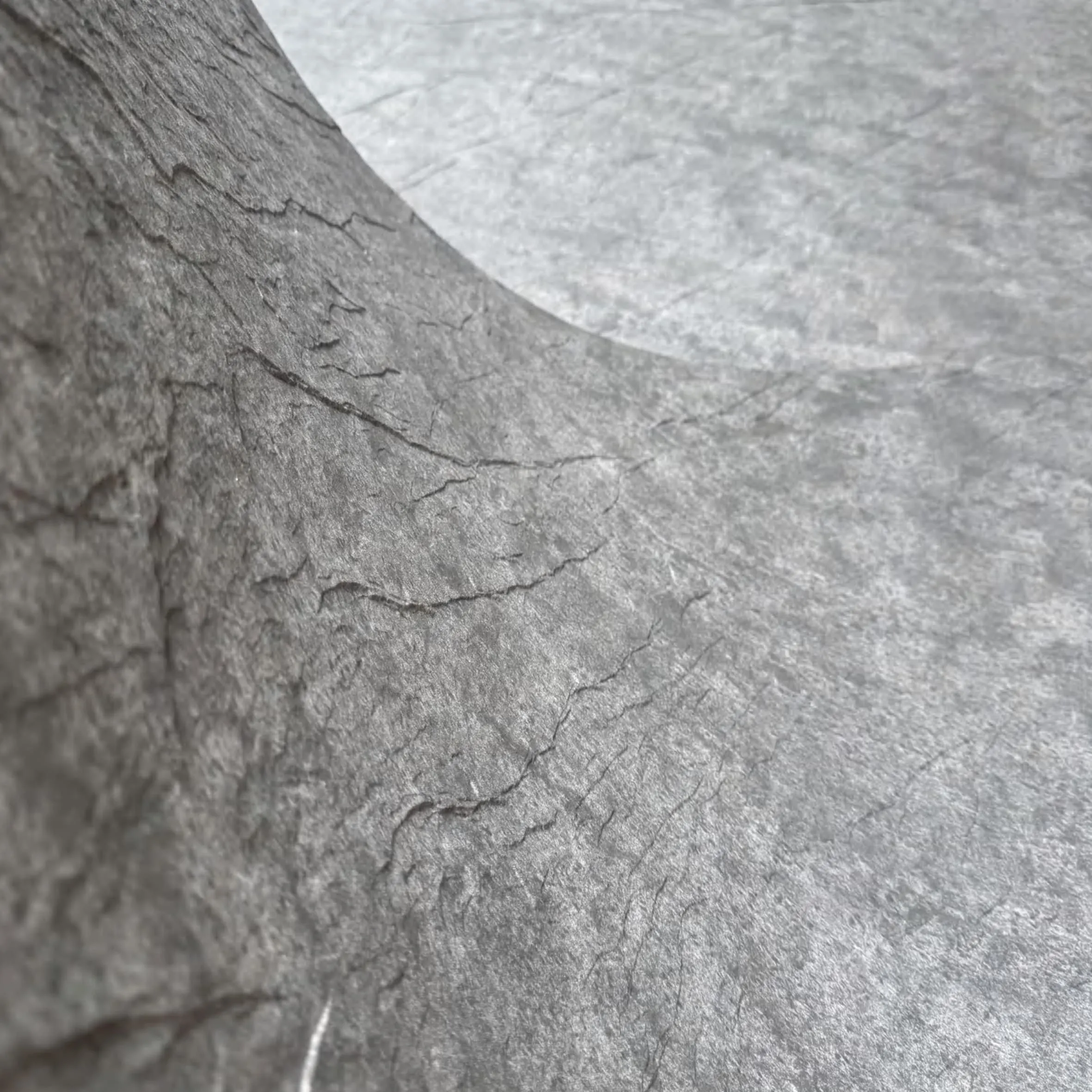
One of MCM's biggest advantages is its weight—or lack thereof. At just 3-5 kg per square meter, it's up to 80% lighter than natural glacial slate. That means easier transportation (lower fuel use), simpler installation (fewer workers, less equipment), and reduced structural stress on buildings. And get this: it's flexible. MCM flexible stone can bend up to 30 degrees without cracking, making it perfect for curved walls, domed ceilings, or creative architectural features that natural stone could never handle. Imagine a restaurant with a sweeping, wave-like facade that looks like it's carved from stone but weighs next to nothing—MCM makes that possible.
Don't let its lightweight fool you—MCM is tough. It's resistant to scratches, stains, UV rays, and even extreme temperatures, from scorching deserts to freezing winters. Unlike glacial slate, it doesn't need sealing, and cleaning it is as simple as wiping with soap and water. No harsh chemicals, no frequent repairs, and a lifespan of 50+ years—about the same as natural stone, but with a fraction of the upkeep.
Sustainability is great, but let's be real—designers and homeowners won't compromise on beauty. Lucky for them, COLORIA's MCM lineup is as stunning as it is green. Let's take a closer look at some standout products that prove eco-friendly can be eye-catching:
If you love the look of natural travertine but hate the environmental cost, travertine (starry blue) is a dream come true. Mimicking the deep blue hues and subtle veining of rare starry travertine, this MCM variant adds a touch of cosmic elegance to any space. Whether used as a backsplash in a kitchen or a feature wall in a bedroom, it's a conversation starter that tells a story of sustainability, not exploitation.
For industrial-chic or modern designs, foamed aluminium alloy board (vintage silver) is a showstopper. Lightweight yet durable, it has a soft, brushed finish that shimmers like aged silver, adding warmth and texture to facades, ceilings, or accent panels. Unlike real aluminium, which requires energy-intensive mining, COLORIA's version uses recycled aluminium and a foam core that cuts down on material use—proof that sleek design and sustainability can go hand in hand.
Concrete has long been a staple in modern architecture, but traditional fair-faced concrete is heavy and prone to cracking. COLORIA's MCM take on fair-faced concrete is lightweight, crack-resistant, and boasts the same raw, industrial aesthetic—without the need for massive formwork or excess cement production (which is a major carbon emitter). It's perfect for warehouses converted into lofts or minimalist homes where "less is more" meets "more is better" for the planet.
All of COLORIA's MCM products fall under the umbrella of green building materials , meeting rigorous standards like LEED, BREEAM, and Green Star. That means when you choose MCM, you're not just making a sustainable choice—you're also eligible for green building certifications, which can boost property values and appeal to eco-conscious buyers. It's a win-win for your design vision and your bottom line.
| Criteria | Glacial Slate | COLORIA's MCM |
|---|---|---|
| Environmental Impact | High: Quarrying disrupts ecosystems, generates waste, and emits CO2. | Low: Uses recycled materials, low-energy production, and minimal waste. |
| Carbon Footprint (per sq.m) | 15-20 kg CO2e | 5-7 kg CO2e (60% reduction) |
| Weight (per sq.m) | 25-30 kg | 3-5 kg (80% lighter) |
| Installation Cost | High: Requires heavy machinery and skilled labor. | Low: Lightweight, easy to install with basic tools. |
| Maintenance | High: Needs sealing, cleaning with harsh chemicals. | Low: No sealing required; soap and water cleaning. |
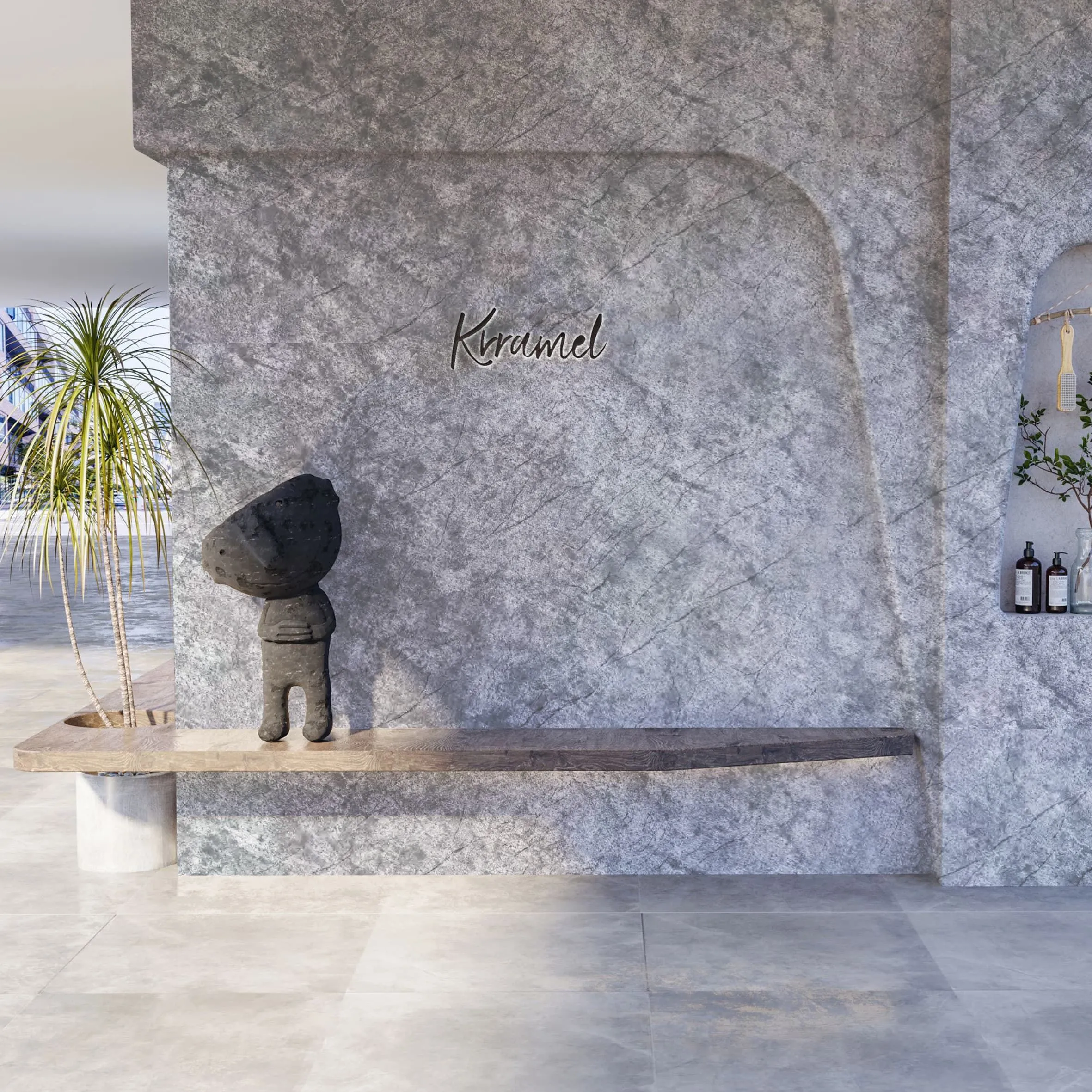
It's not just environmentalists who are raving about MCM—architects and builders are on board, too. Take Sarah Lin, a principal architect at a leading firm in Chicago, who recently used COLORIA's travertine (starry blue) in a boutique hotel project. "We wanted the warmth of natural stone but couldn't justify the quarrying impact," she says. "MCM gave us the exact look we wanted, plus the flexibility to create curved walls that would've been impossible with real travertine. The client was thrilled, and we sleep better knowing we didn't harm the planet."
Commercial builders are also seeing the benefits. A recent office complex in Seattle replaced its planned glacial slate facade with foamed aluminium alloy board (vintage silver) and fair-faced concrete MCM panels. The result? Construction time cut by 20%, transportation costs reduced by 40%, and a LEED Platinum certification—all while maintaining the sleek, modern aesthetic the developers wanted.
Even homeowners are catching on. Mark and Lisa, a couple in Portland, chose MCM flexible stone for their backyard patio renovation. "We loved the look of natural stone, but we live in a rainy area, and traditional stone gets slippery and moldy," Lisa explains. "MCM is slip-resistant, easy to clean, and we didn't have to tear up our yard to install heavy slabs. Plus, knowing it's recycled makes us feel good about our choice."
Glacial slate is undeniably beautiful, but beauty shouldn't come at the expense of our planet. As we face the realities of climate change and resource depletion, the choices we make in building materials matter more than ever. COLORIA's MCM isn't just a trend—it's a paradigm shift, proving that we can have both stunning design and environmental responsibility.
Whether you're an architect designing the next iconic building, a builder looking to cut costs and reduce waste, or a homeowner wanting to create a space that reflects your values, MCM offers a path forward. With products like MCM flexible stone , travertine (starry blue) , and foamed aluminium alloy board (vintage silver) , you're not just building walls—you're building a legacy of sustainability.
So the next time you admire a stone facade, ask yourself: Is this beauty worth harming the planet? With COLORIA's MCM, you'll never have to choose again.
Recommend Products












