
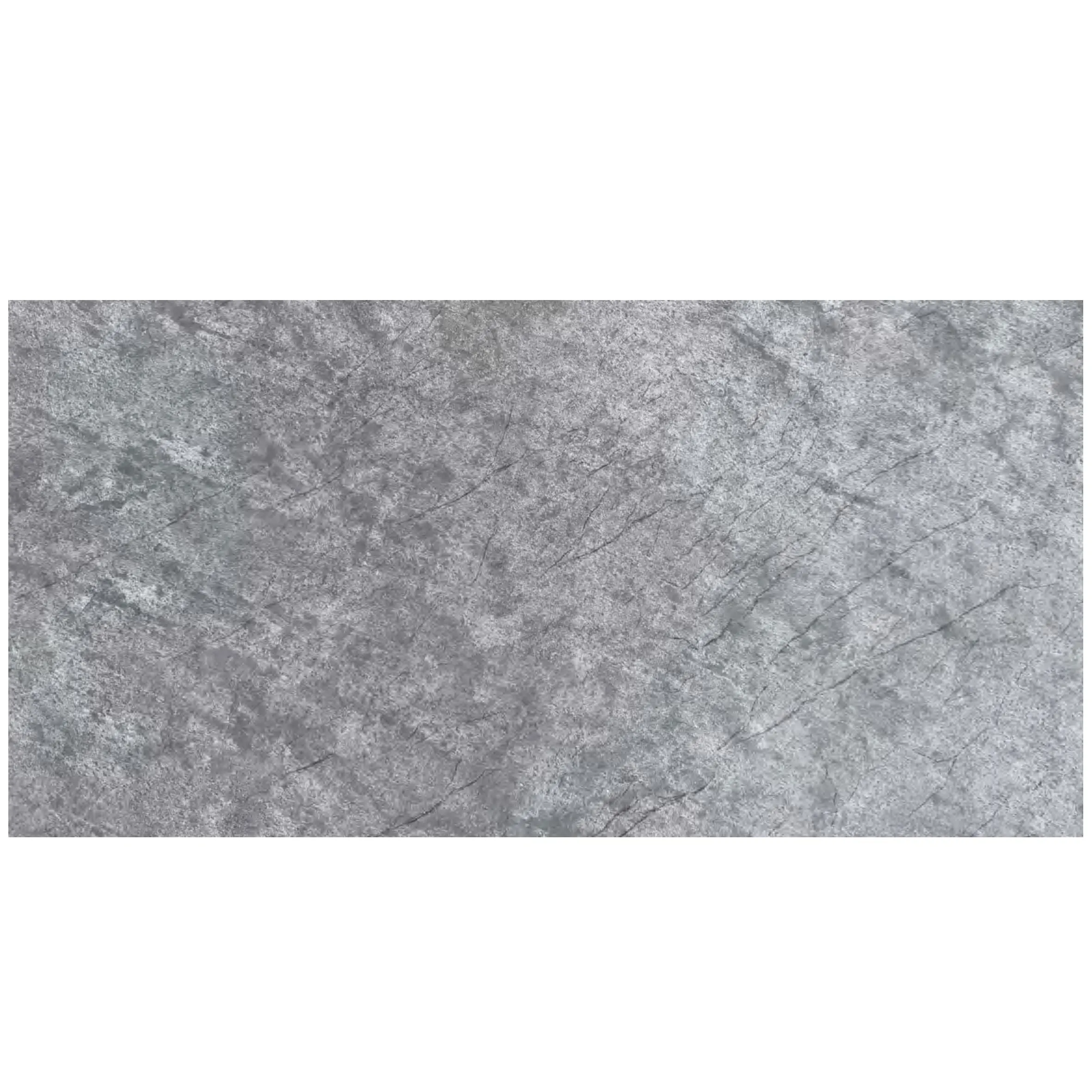
Where raw texture meets innovative engineering—how one material is reshaping the way we build and experience spaces
Walk into any modern architectural marvel today, and you'll likely notice something different about the walls, the facades, the very bones of the structure. It's not just glass and steel anymore. Architects and designers are reaching for materials that tell a story—materials that feel alive, that bridge the gap between industrial precision and the organic warmth of nature. Enter Glacial Slate , a modified cementitious material that's quietly revolutionizing the industry. But what makes it so special? Let's dive in.
In a world where we crave authenticity in every corner of our lives—from the coffee we drink to the clothes we wear—our built environments are no exception. We want spaces that don't just look good, but feel meaningful. Glacial Slate, part of the broader MCM project board series , was born from this desire. It's not just a building material; it's a canvas for creativity, a testament to how innovation can honor the past while sprinting toward the future.
Imagine running your hand over a wall that feels like it was carved from a mountain, yet weighs a fraction of traditional stone. That's the magic of Glacial Slate. A flagship product in the MCM project board series , it's a modified cementitious material crafted by blending high-performance cement with reinforced polymers and natural mineral aggregates. The result? A surface that mimics the rugged beauty of natural slate—think the rough-hewn texture of a glacier's edge, the subtle variations in tone that make every slab unique—but with the durability and flexibility modern construction demands.
"It's like bringing a piece of the outdoors in, without the hassle," says Mia Chen, a senior architect at a leading design firm in Chicago. "Clients used to ask for natural stone, but they'd cringe at the weight, the installation costs, the maintenance. Glacial Slate checks all those boxes and then some. I recently used it on a boutique hotel lobby, and guests keep stopping to touch the walls—you can't put a price on that kind of engagement."
But Glacial Slate isn't alone in this innovation. It's part of a family of materials under the MCM umbrella, including MCM flexible stone and the MCM 3D printing series , all designed to push the boundaries of what's possible in architectural design. While MCM flexible stone offers the look of natural stone with bendable properties (perfect for curved surfaces), Glacial Slate leans into bold, angular texture—think of it as the "statement piece" of the collection.
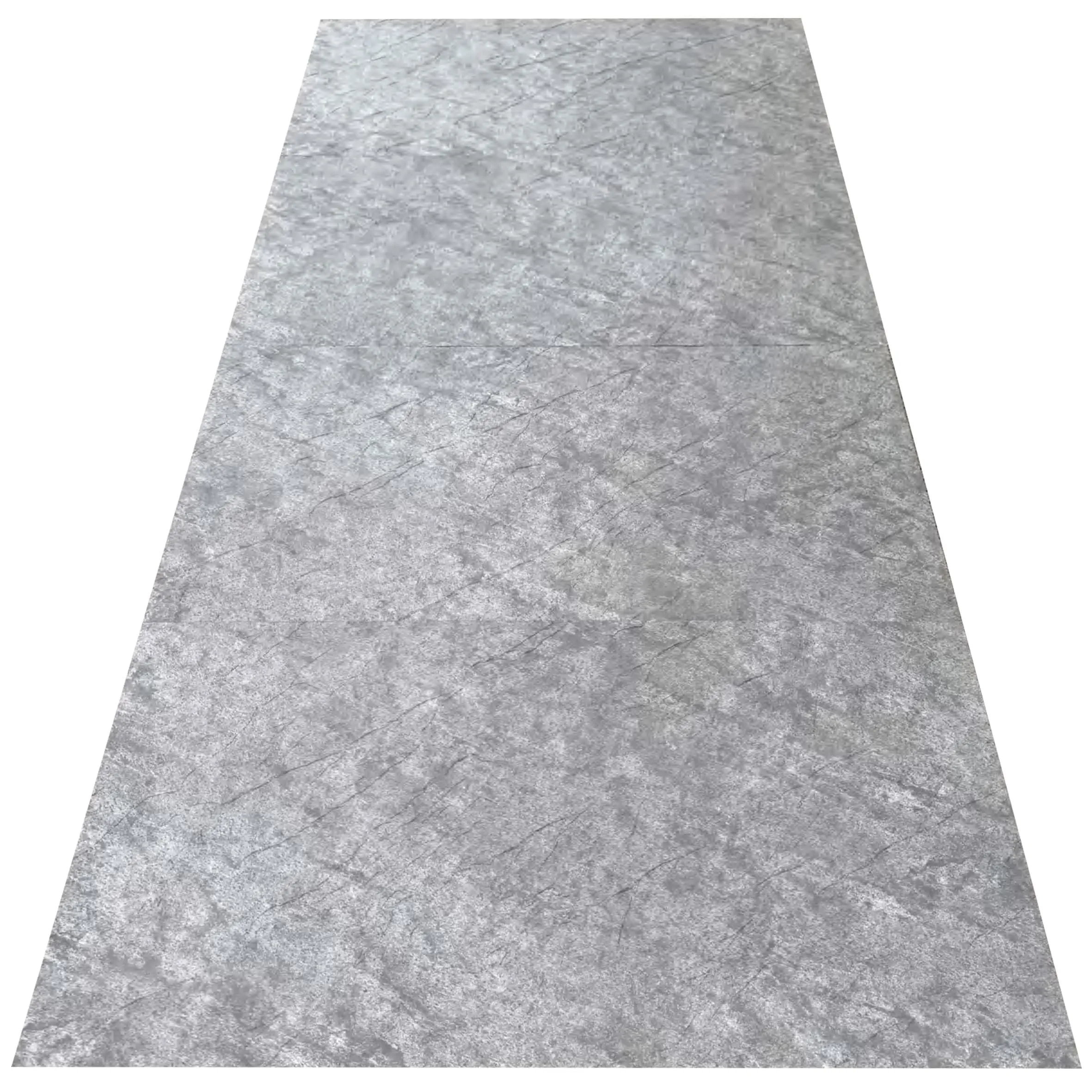
At first glance, Glacial Slate might look like it was pulled straight from the earth, but its creation is a careful dance of science and artistry. The process starts with selecting premium cement, mixed with recycled mineral fibers and a proprietary blend of polymers. This mixture is then poured into molds that replicate the irregularities of natural slate—no two molds are exactly alike, ensuring that every panel has that coveted "one-of-a-kind" look.
What sets it apart, though, is the curing process. Instead of traditional kilns that guzzle energy, MCM uses low-temperature curing techniques that reduce carbon emissions by up to 30%. "Sustainability isn't just a buzzword for us—it's baked into every step," explains Raj Patel, lead engineer at MCM's manufacturing facility. "We spent years refining this process to make sure we're not just creating beautiful materials, but responsible ones too."
Then there's the MCM 3D printing series , which dovetails perfectly with Glacial Slate. For custom projects—say, a restaurant wanting a wall with a specific wave-like pattern or a museum needing intricate reliefs—3D printing allows designers to push texture and form beyond what's possible with traditional molds. "We recently printed a Glacial Slate accent wall for a tech startup's office that mimics the skyline of their city," Patel adds. "The precision is incredible, but it still retains that organic, handcrafted feel."
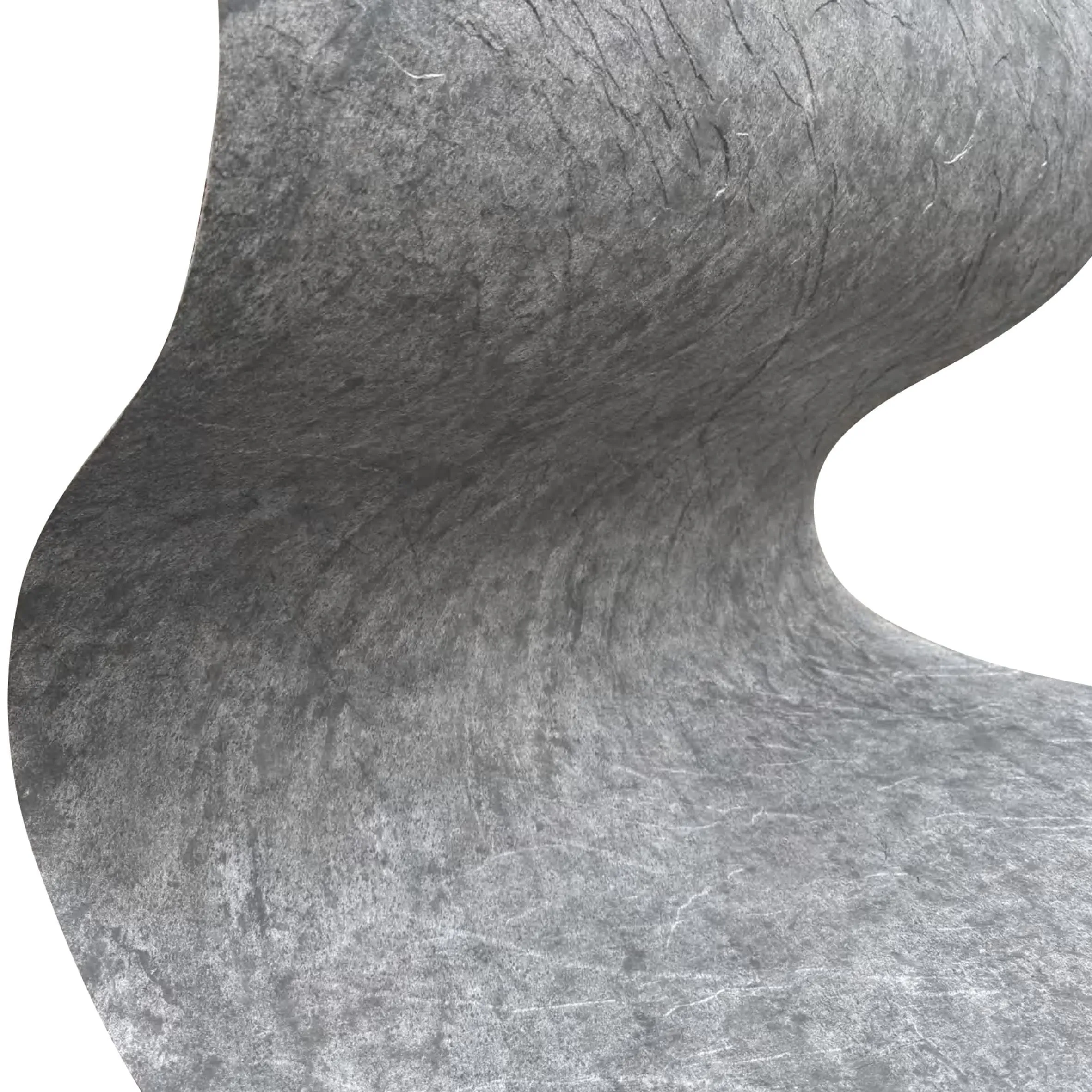
Glacial Slate isn't just for show—it's a workhorse. Its versatility means it's equally at home in commercial skyscrapers and cozy residential spaces. Let's break down some of its most impactful uses:
In downtown Seattle, a new office tower recently replaced its generic glass facade with Glacial Slate panels. The result? A building that stands out in a sea of sameness, its textured surface catching the light differently throughout the day—cool and moody at dawn, warm and golden at sunset. "Glass is great for light, but it lacks personality," says the project's lead designer, Alex Kim. "Glacial Slate gives the building a presence, a sense of permanence, without feeling heavy."
For homeowners, Glacial Slate is a game-changer in spaces like living rooms, home offices, or even bathrooms. Take Sarah and James, a couple in Portland who used it for their fireplace surround. "We wanted something that felt rustic but modern," Sarah explains. "Natural stone was too expensive, and fair-faced concrete felt too cold. Glacial Slate hits that sweet spot—it's got the texture of stone, but it's easy to clean and doesn't require sealing. Plus, when we have guests over, everyone comments on it."
Unlike some decorative materials that fade or crack under rain, snow, or UV rays, Glacial Slate is built to last outdoors. A popular choice for patio walls, pool surrounds, or garden paths, it holds up to harsh climates while maintaining its color and texture. "We installed Glacial Slate on a resort in Colorado, where temperatures drop to -20°F in winter," says landscape architect Maria Gonzalez. "After two years, it still looks brand new. No chipping, no discoloration—just that same rich, slate-like finish."
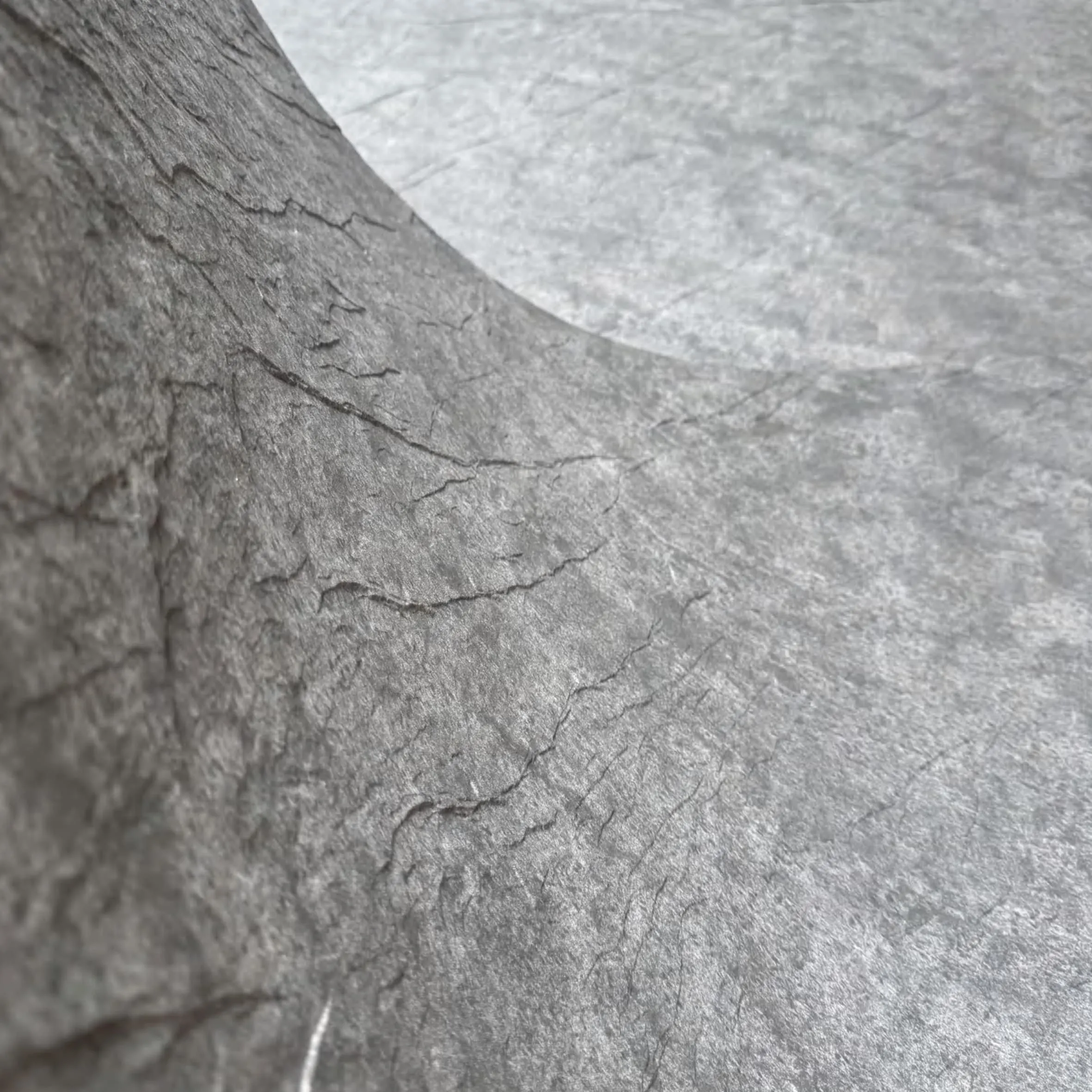
To truly appreciate Glacial Slate, it helps to see how it compares to other popular building materials. We've pitted it against fair-faced concrete , wood grain board , and even natural slate to highlight its unique advantages:
| Material | Durability | Weight (per sq. ft) | Design Versatility | Sustainability |
|---|---|---|---|---|
| Glacial Slate | High (resistant to cracks, fading, moisture) | 3.5 lbs (lightweight, easy to install) | Excellent (custom textures via 3D printing; multiple color options) | High (recycled materials, low-energy production) |
| Fair-Faced Concrete | High (but prone to staining without sealant) | 6.2 lbs (heavier, requires stronger support) | Moderate (limited textures; mostly uniform finish) | Moderate (high cement usage, energy-intensive curing) |
| Wood Grain Board | Moderate (vulnerable to water, pests, warping) | 2.8 lbs (lightweight) | High (warm, organic look; limited to wood tones) | Variable (depends on sourcing; often uses formaldehyde-based adhesives) |
| Natural Slate | Very High (but brittle; prone to chipping) | 10.1 lbs (very heavy; requires specialized installation) | High (unique patterns; limited color range) | Low (extensive mining, high transportation emissions) |
As the table shows, Glacial Slate strikes a rare balance: it's durable like concrete, lightweight like wood, and visually striking like natural stone—all while being kinder to the planet. It's no wonder architects are swapping out older materials for this modern alternative.
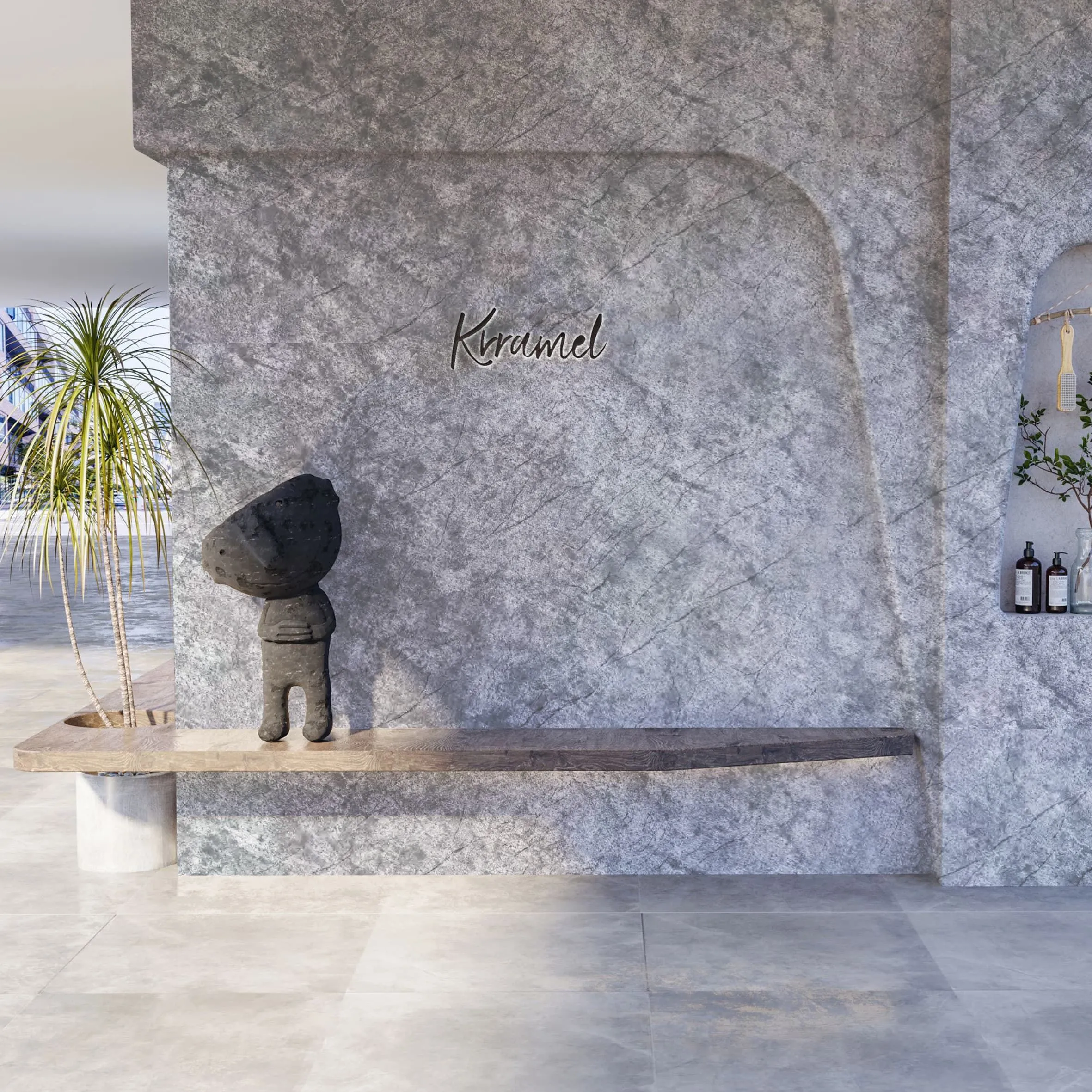
In an era where every industry is under pressure to reduce its environmental footprint, building materials are no exception. Glacial Slate and its siblings in the MCM lineup—like Lunar Peak Silvery , a shimmering, low-maintenance alternative—are leading the charge toward greener construction.
"Sustainability isn't an afterthought for us—it's the starting point," says Patel. "Glacial Slate is made with up to 40% recycled content, including crushed stone from demolition sites and post-industrial polymers. Our manufacturing plants run on solar power, and we've cut water usage by 50% in the last five years."
Then there's the material's longevity. A Glacial Slate wall can last 50+ years with minimal maintenance, reducing the need for frequent replacements—a key factor in lowering a building's lifecycle carbon footprint. Compare that to wood grain board, which might need replacing every 15–20 years, or painted concrete, which fades and requires touch-ups every few years.
"Clients are asking for LEED certification more than ever," Chen notes. "Glacial Slate checks so many boxes—recycled content, low VOC emissions, energy efficiency. It's not just good for the planet; it's good for their bottom line, too."
So, what's next for Glacial Slate and materials like it? As technology advances, the possibilities are expanding. The MCM 3D printing series is already allowing for hyper-custom designs—think walls that double as art installations or facades with integrated solar panels. "We're working on a project now where Glacial Slate panels will have embedded sensors to monitor temperature and humidity in a museum," Patel reveals. "It's blending functionality with aesthetics in ways we couldn't have imagined a decade ago."
There's also a growing demand for materials that tell a story. "People don't just want a wall—they want a wall with history, with character," Kim says. "Glacial Slate's ability to mimic natural textures while being man-made gives designers the best of both worlds. I can create a space that feels timeless, like it's been there for centuries, but with the performance of a cutting-edge material."
And as the world leans into biophilic design—the idea that connecting with nature improves well-being—materials like Glacial Slate will only grow in popularity. "There's a reason people are drawn to it," Sarah reflects. "When I touch our fireplace wall, I'm reminded of hiking in the mountains, of that raw, earthy energy. In a world that's so digital, that physical connection matters."
Recommend Products












