
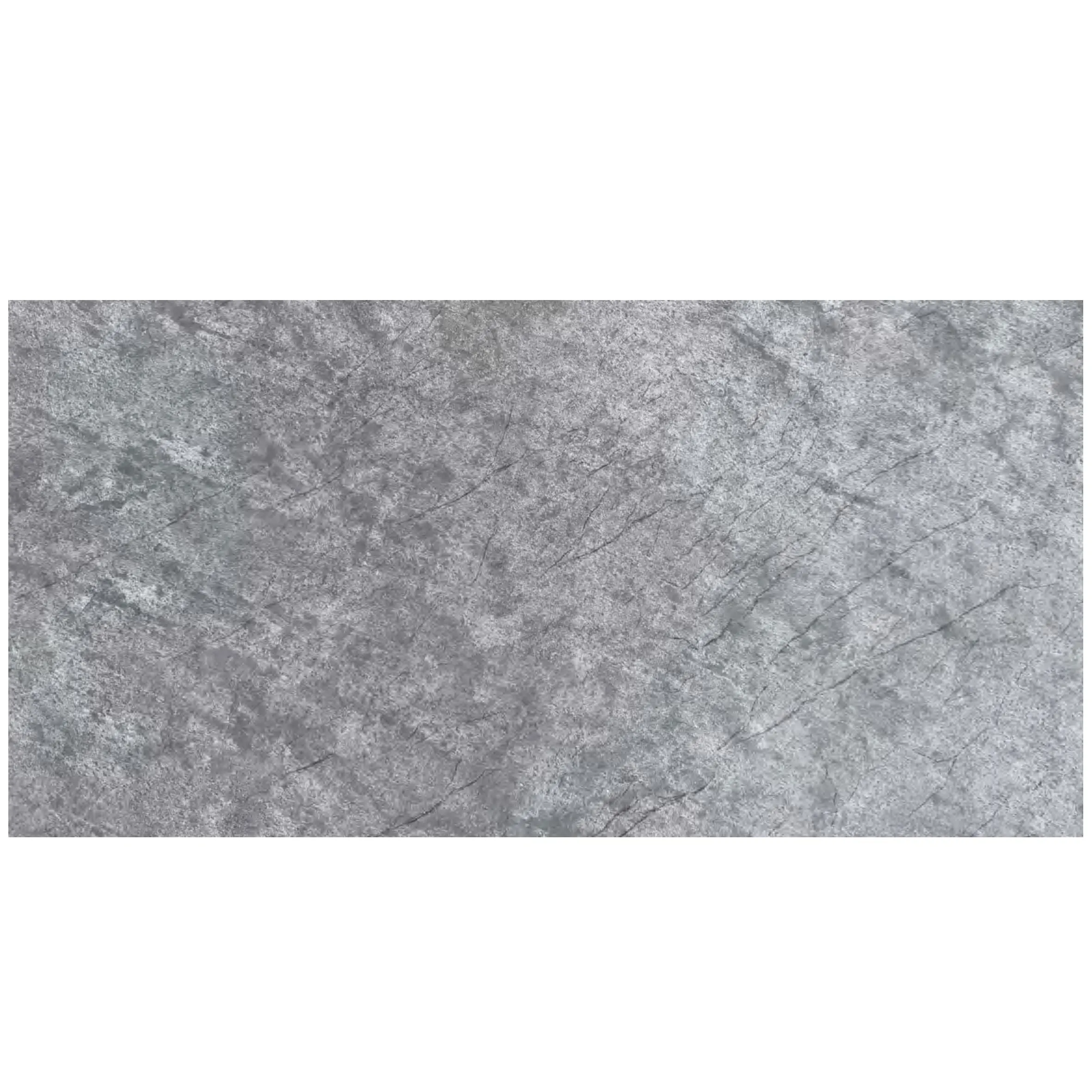
Walk down any city street, and you'll notice the stories buildings tell through their facades—modern glass and steel reaching for the sky, historic brickwork holding decades of memories, or warm wood tones inviting passersby in. But beyond aesthetics, there's a silent narrative every building must communicate: safety . When it comes to fire protection, the materials we choose for our walls, cladding, and interiors aren't just design choices—they're lifelines. Today, we're diving into how COLORIA's Glacial Slate, a standout in their MCM flexible stone lineup, is redefining what it means to blend beauty with uncompromising fire resistance.
Fires in commercial and residential buildings claim thousands of lives and billions in property damage globally each year. According to the National Fire Protection Association (NFPA), U.S. fire departments responded to over 1.2 million structure fires in 2023 alone, with exterior cladding and wall materials often playing a critical role in how quickly (or slowly) a fire spreads. "When a fire breaks out, the first 10 minutes are make-or-break," explains Maria Gonzalez, a fire safety engineer with 15 years of experience in building code compliance. "Materials that resist ignition, slow flame spread, and limit smoke production give occupants time to evacuate and firefighters a fighting chance to contain the blaze."
This is why international standards like ASTM E84 (Standard Test Method for Surface Burning Characteristics) and EN 13501-1 (Fire Classification of Construction Products) exist—to ensure materials meet strict benchmarks for flame spread, smoke development, and heat release. For architects and builders, choosing materials with top-tier fire ratings isn't just about passing inspections; it's about honoring the trust of the people who will live, work, and gather in those spaces.
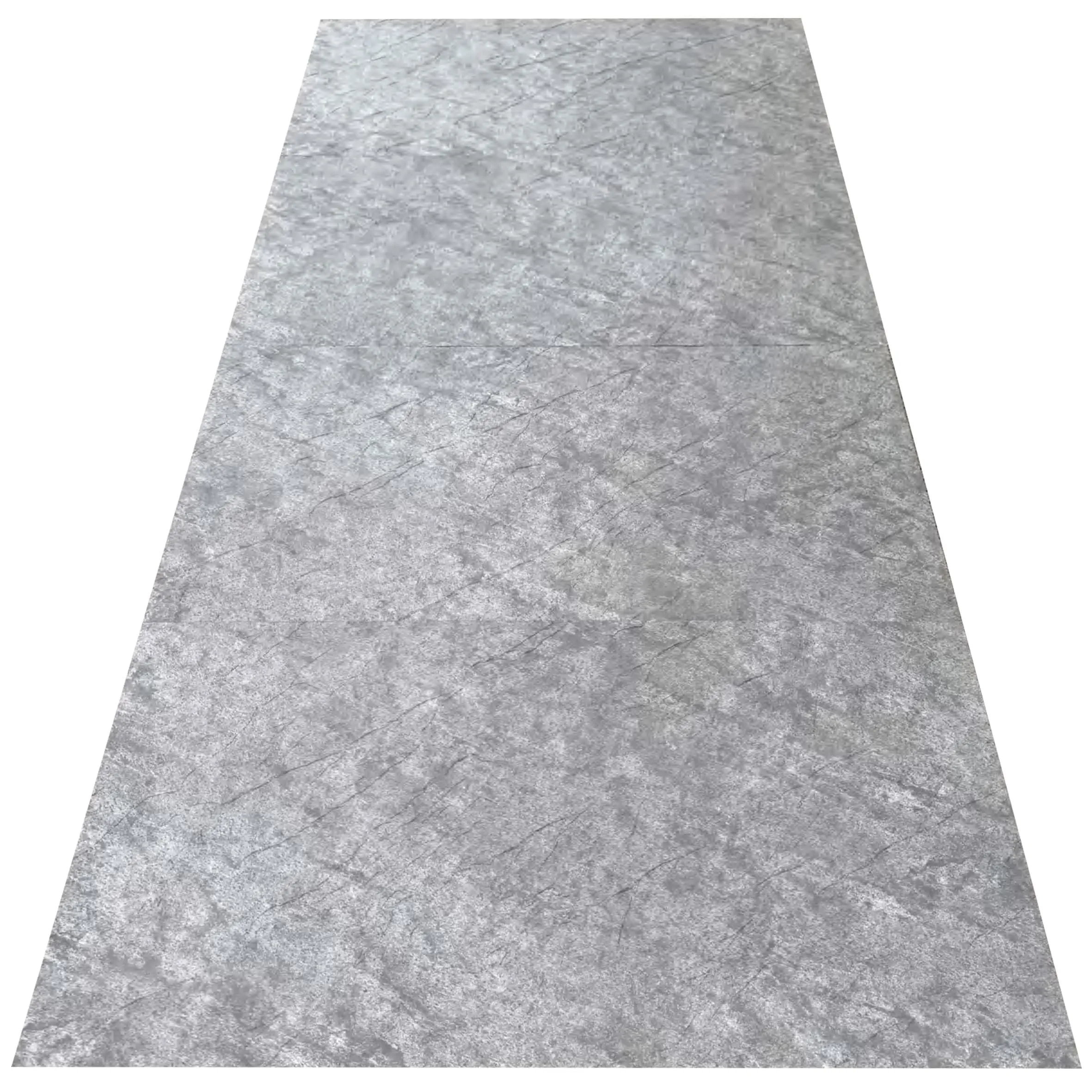
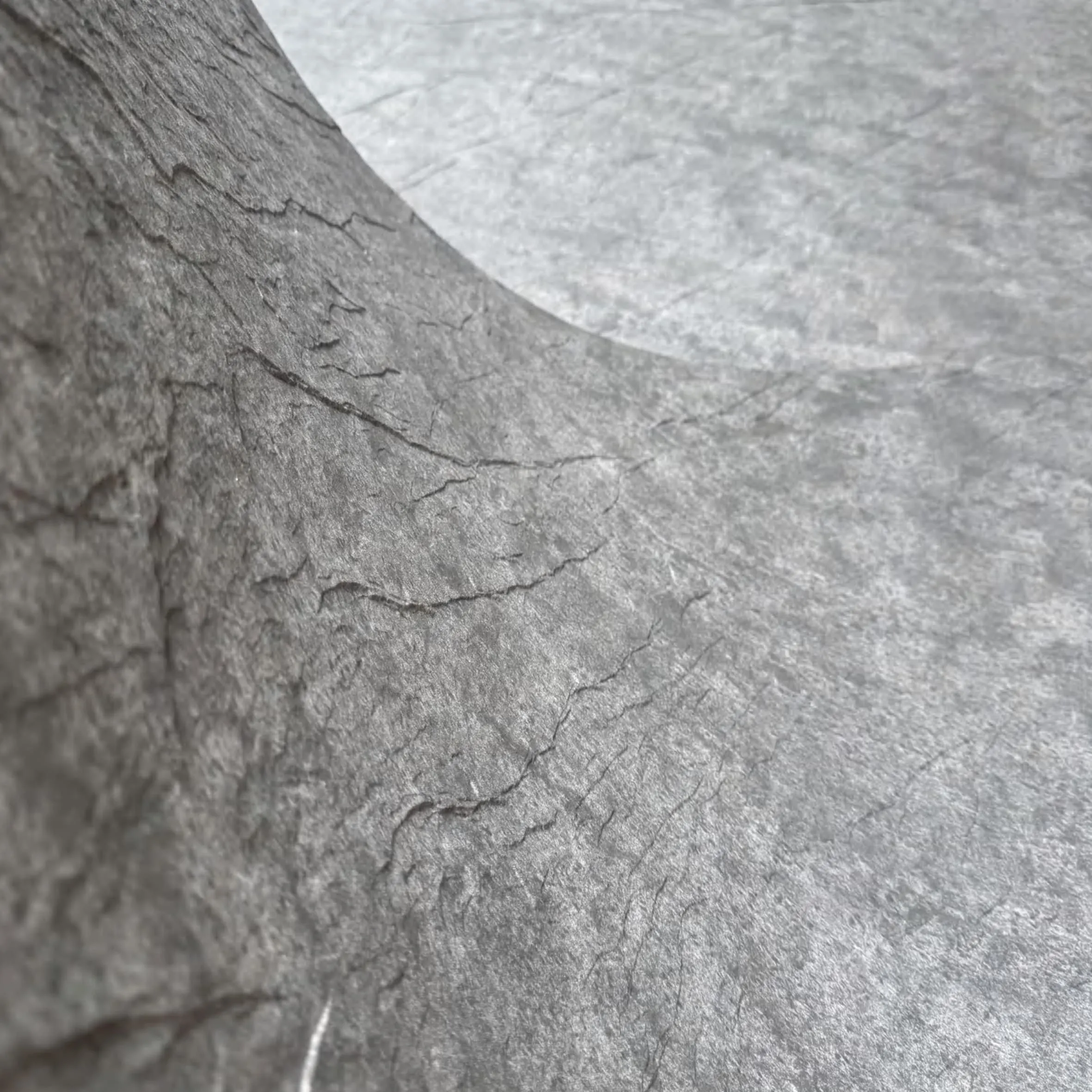
Before we zoom in on Glacial Slate, let's talk about the technology that makes it possible: MCM, or Modified Composite Material. Unlike traditional stone slabs, which are heavy, brittle, and hard to install, MCM is engineered to be lightweight, flexible, and durable. Think of it as a high-tech sandwich: a core of mineral-filled polymer is bonded to thin layers of natural stone or other aggregates, creating a material that's 70% lighter than solid stone but just as tough. "MCM changed the game for us," says Jake Patel, a lead architect at a global design firm. "We can now achieve the look of natural stone on curved facades or high-rise buildings without overloading the structure. And COLORIA's MCM flexible stone takes it a step further by prioritizing sustainability—many of their products use recycled materials and emit minimal VOCs."
But flexibility and eco-friendliness are just bonuses. For COLORIA, the non-negotiable is safety. Which brings us to Glacial Slate—a material that proves you don't have to choose between a striking aesthetic and peace of mind.
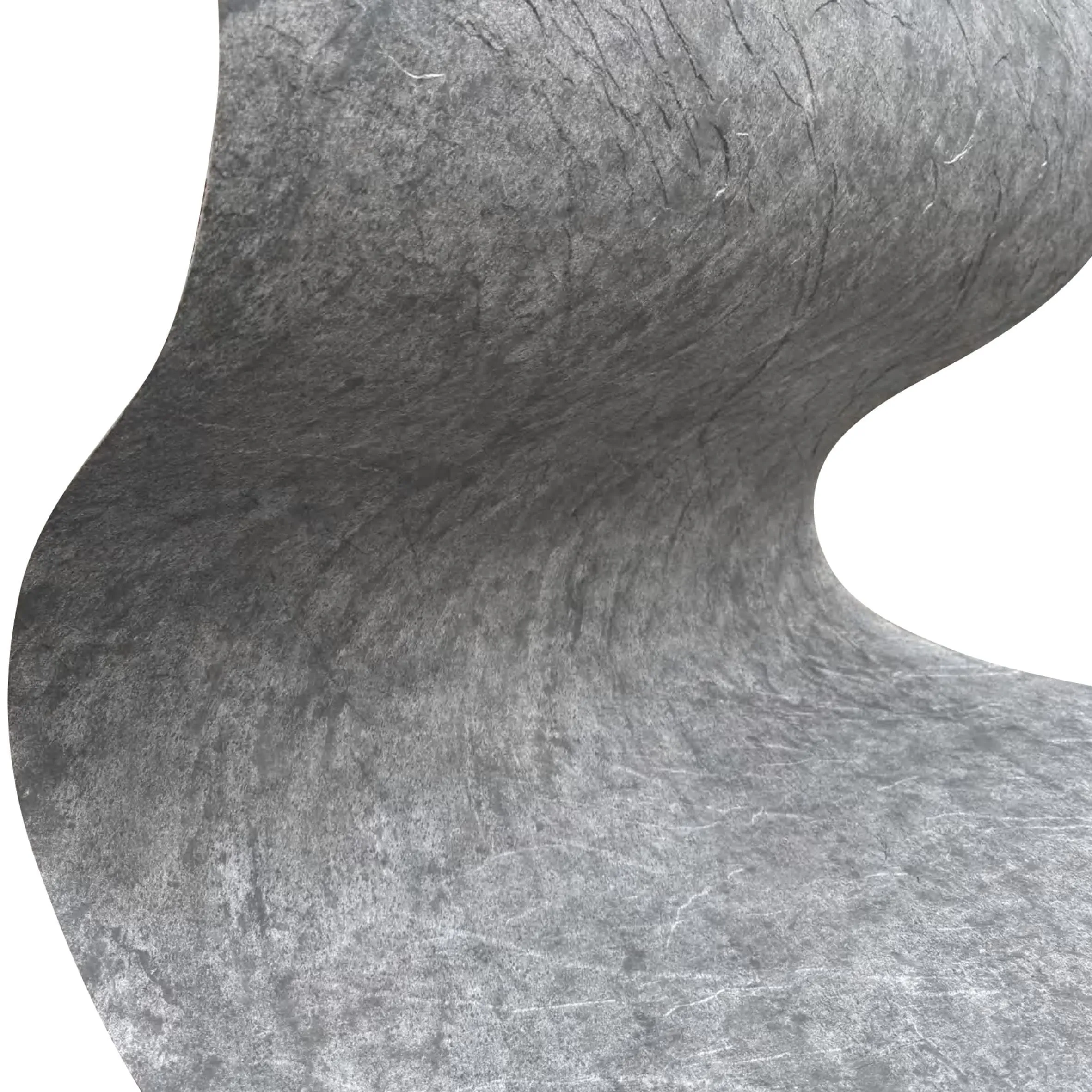
If you've ever stood at the base of a glacier, you know the quiet power of its texture—subtle ridges carved by time, layers of gray that shift from cool silver to deep charcoal as light changes. Glacial Slate captures that essence, with a matte finish and natural veining that feels both rugged and refined. It's no wonder it's a favorite for everything from luxury hotel exteriors to boutique restaurant accent walls. "Clients often ask for materials that 'tell a story,'" says interior designer Lila Chen. "Glacial Slate does that—it feels organic, like it's been shaped by the elements, but it's also incredibly versatile. Pair it with warm woods for a cozy cabin vibe, or with sleek metals for an industrial-modern look—it adapts without losing its identity."
But what truly makes Glacial Slate special is that its beauty isn't skin-deep. Unlike some natural stones that are porous or prone to cracking, COLORIA's Glacial Slate MCM is engineered to withstand harsh weather, impact, and yes—fire. Let's break down how it performs under pressure.
COLORIA doesn't just say their materials are fire-safe—they put them through the wringer to prove it. For Glacial Slate, the testing process began with the ASTM E84 Steiner Tunnel Test, the gold standard for measuring surface burning characteristics. Here's how it works: A 20-foot sample of the material is mounted in a tunnel, then exposed to a controlled flame. Engineers measure two key metrics: flame spread index (FSI) (how quickly fire spreads across the surface) and smoke developed index (SDI) (how much smoke is produced). The best materials earn a Class A rating, with FSI ≤25 and SDI ≤450. Glacial Slate didn't just meet this—it exceeded it, scoring an FSI of 15 and SDI of 50, placing it in the top tier of fire-resistant cladding materials.
Across the Atlantic, Glacial Slate also aced the EN 13501-1 test, Europe's leading fire classification standard. There, it earned a Class A2-s1, d0 rating: "A2" means limited flammability, "s1" indicates low smoke production, and "d0" confirms no burning droplets or particles—critical for preventing fire from spreading to lower floors. "These ratings aren't just certificates on a wall," says Gonzalez. "They translate to real-world safety. A Class A material like Glacial Slate can delay flashover (when a room's contents ignite simultaneously) by 10–15 minutes—time that can save lives."
To truly understand Glacial Slate's edge, let's compare it to three other common building materials: fair-faced concrete, travertine (starry green), and foamed aluminium alloy board (vintage silver). Each has its merits, but when fire safety is the priority, the differences become clear.
| Material | Fire Rating (ASTM/EN) | Key Strengths | Limitations for Fire Safety |
|---|---|---|---|
| Glacial Slate (MCM) | ASTM Class A / EN A2-s1, d0 | Low flame spread, minimal smoke, lightweight, flexible installation | None noted; exceeds major safety standards |
| Fair-Faced Concrete | ASTM Class A / EN A1 | Highly fire-resistant, durable, industrial aesthetic | Heavy (requires structural reinforcement), prone to cracking under heat, limited design flexibility |
| Travertine (Starry Green) | ASTM Class B / EN B-s2, d0 | Natural beauty, unique veining, good for high-end interiors | Porous (can trap moisture, increasing flammability), lower resistance to flame spread |
| Foamed Aluminium Alloy (Vintage Silver) | ASTM Class A / EN A2-s1, d0 | Lightweight, modern metallic finish, corrosion-resistant | Conducts heat (may transfer fire to adjacent materials), higher cost, less natural texture |
As the table shows, while materials like fair-faced concrete and foamed aluminium alloy meet basic fire standards, Glacial Slate MCM offers a rare combination of top-tier safety, design flexibility, and practicality. "We recently specified Glacial Slate for a hospital expansion," says Patel. "Hospitals have some of the strictest fire codes because of vulnerable patients, and Glacial Slate checked every box—Class A rating, easy to clean, and it didn't add extra weight to the structure. Plus, the calming gray tones helped create a healing environment. It was a win-win."
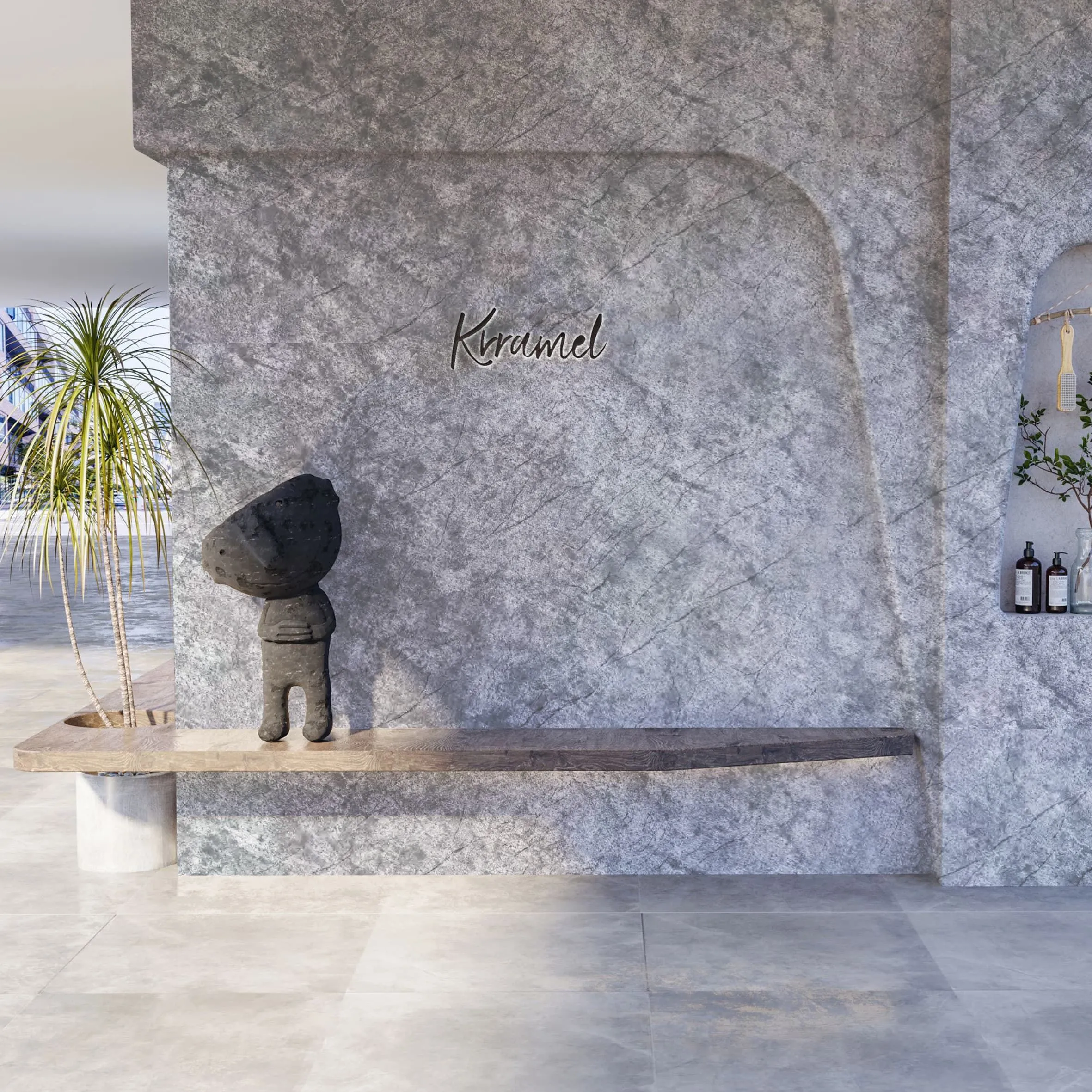
Numbers and tests are important, but nothing tells a story like real-world application. Take the Riverbank Tower in Denver, a 22-story mixed-use building clad in Glacial Slate MCM. In 2024, a small electrical fire broke out on the 12th floor, spreading to the exterior wall. Thanks to Glacial Slate's low flame spread and minimal smoke, the fire was contained to a 10-foot section, and no occupants were injured. "The fire department was impressed by how little the material burned," says building manager Tom Reeves. "They later told us that if we'd used traditional stone veneer, the flames might have spread to adjacent floors. Glacial Slate didn't just meet code—it saved us from a disaster."
Another example: the Pacific Arts Center in Seattle, which features Glacial Slate on its interior lobby walls. During a kitchen fire in the adjacent café, the slate walls acted as a barrier, preventing smoke from spreading into the main lobby and giving visitors time to evacuate. "We chose Glacial Slate for its look, but the fire incident made us realize we'd unknowingly invested in safety," says center director Elena Kim. "It's reassuring to know the material that makes our space beautiful is also protecting it."
In today's building industry, safety and sustainability go hand in hand. COLORIA's commitment to the environment is woven into every step of Glacial Slate's production. The MCM core uses 35% recycled stone and polymer, reducing waste and lowering carbon emissions. The lightweight design also cuts down on transportation costs—trucks can carry 3x more Glacial Slate panels than solid stone slabs, reducing fuel use. And unlike some fire-retardant treatments that leach harmful chemicals, Glacial Slate's fire resistance comes from its inherent composition, making it safe for both people and the planet.
"Sustainability isn't a trend for us—it's a responsibility," says COLORIA's sustainability director, Raj Mehta. "We want to create materials that protect buildings today without compromising the planet tomorrow. Glacial Slate is a perfect example: it's fire-safe, beautiful, and leaves a smaller footprint than traditional options."
As building codes evolve and climate change increases the risk of extreme weather, the demand for high-performance, fire-resistant materials will only grow. COLORIA is already looking ahead, investing in R&D to push the boundaries of MCM technology. "We're exploring ways to make Glacial Slate even more heat-resistant, while keeping it lightweight and flexible," says lead engineer Dr. Sarah Liu. "Imagine a material that not only resists fire but also reflects heat, reducing energy costs. That's the future we're building."
For architects, builders, and homeowners, the message is clear: you don't have to choose between safety and style. Glacial Slate proves that with innovation, materials can do both—and more. It's a reminder that the best buildings aren't just structures; they're sanctuaries, designed to protect and inspire in equal measure.
At the end of the day, building materials are more than just parts of a structure—they're promises. Promises to keep us safe, to last, to respect the planet, and to bring joy through design. COLORIA's Glacial Slate delivers on all these promises, proving that fire resistance doesn't have to mean sacrificing aesthetics. Whether you're designing a skyscraper or a small home, choosing materials that prioritize both beauty and safety isn't just smart—it's essential.
So the next time you admire a building's facade, take a moment to think about the materials behind it. If it's Glacial Slate, you can rest easy knowing that what looks good is also working hard to keep you safe. And in a world where we demand more from our spaces, that's a promise worth keeping.
Recommend Products












